
Figurative Art
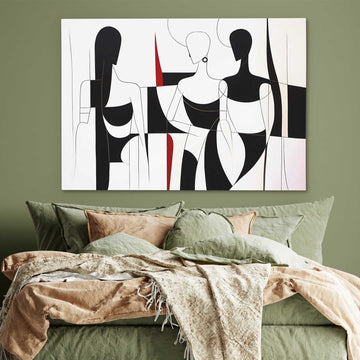
Figurative art explores the human form without requiring photographic realism. Bodies become shapes. Figures suggest movement and emotion. The human subject remains, but interpretation takes precedence over representation... read more
Figurative paintings occupy the space between portraiture and abstraction. You recognize the human presence, but the artist has interpreted rather than documented. Color, form, and composition become as important as the subject.
Beyond the literal
Abstract figurative art appeals to those who want human connection in their art without traditional portraiture's formality. These pieces feel more personal than pure abstraction while remaining sophisticated.
Modern figurative art fits living rooms, bedrooms, and offices. The style reads as contemporary and cultured. It suggests familiarity with art history while remaining accessible.
For related subjects, explore people paintings or abstract art.


Frequently Asked Questions
Wishlist