Wikimedia Commons • Public Domain
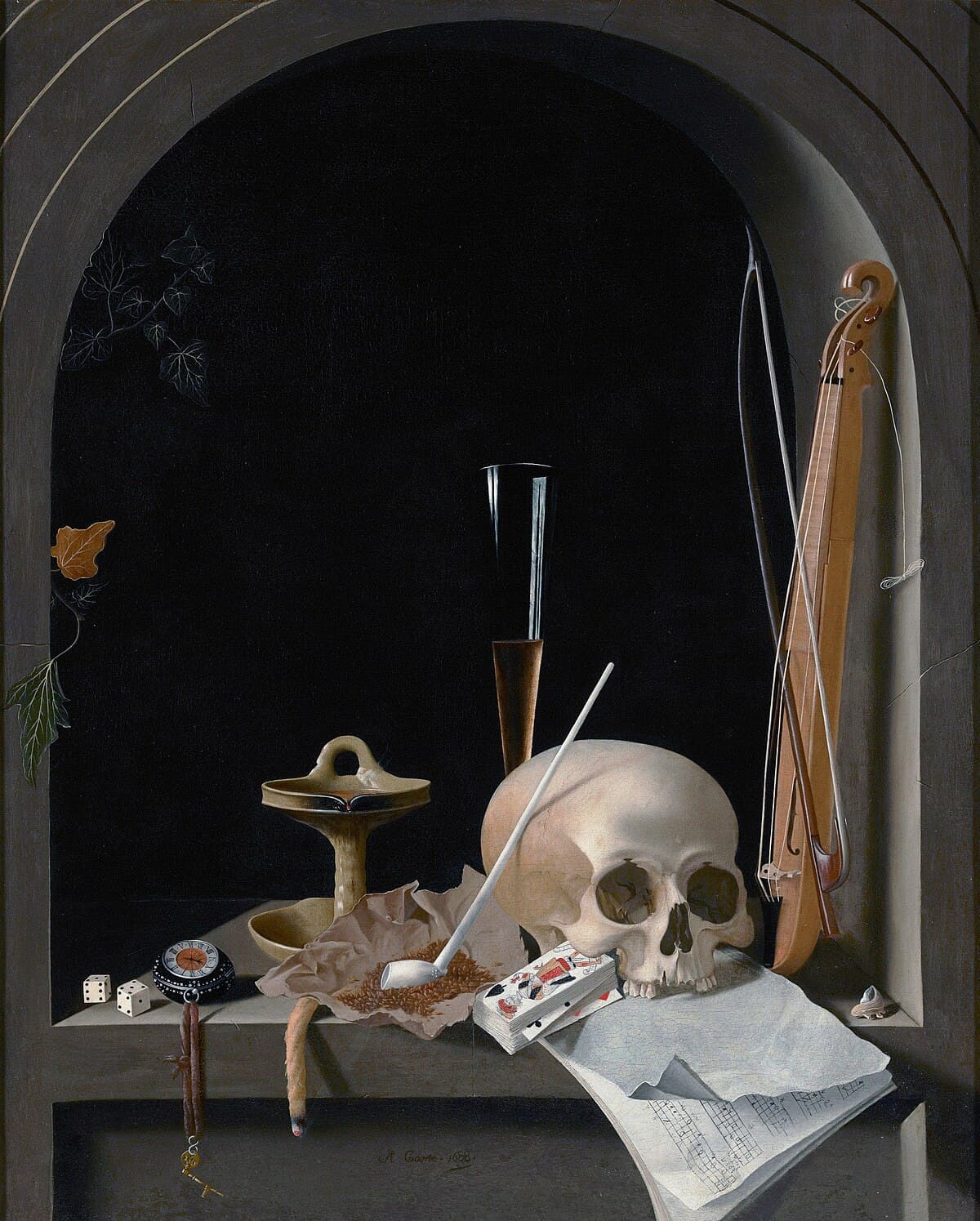
Vanitas Still Life in a Niche
Artwork Details
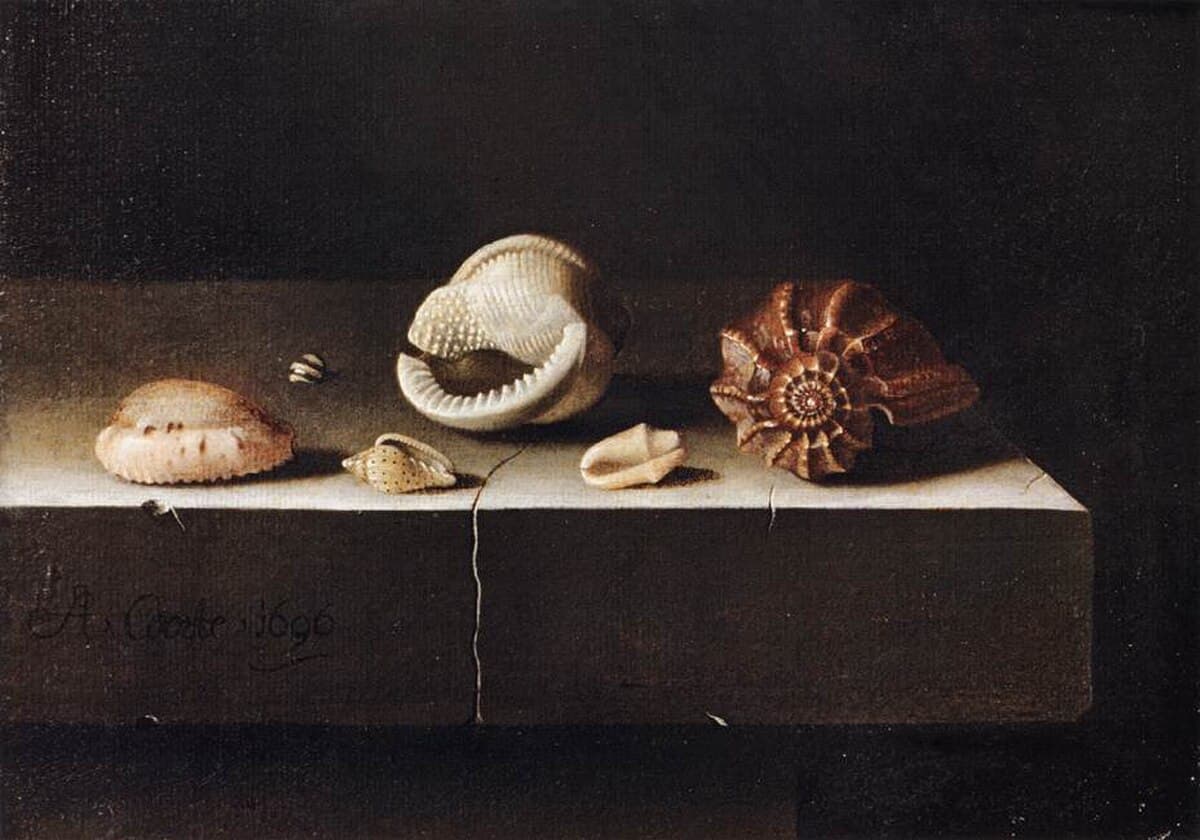
Dutch artist Adriaen Coorte created this meditative vanitas still life set within a stone niche, combining objects that symbolize the transience of earthly existence. A skull, the classic memento mori, appears alongside other elements reminding viewers of mortality and the fleeting nature of worldly pleasures. Coorte's detailed technique brings each surface texture to vivid life against the shadowy background.
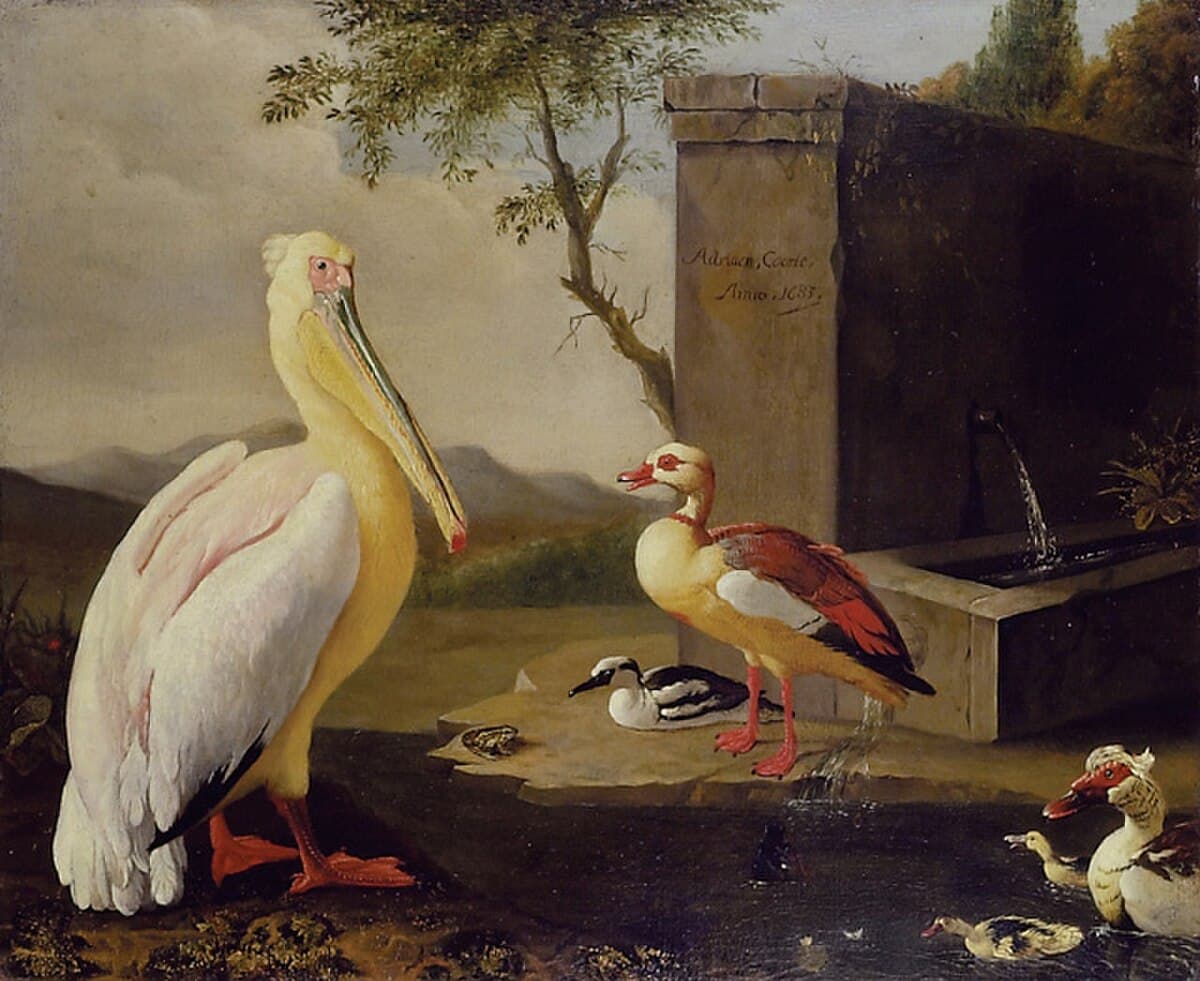
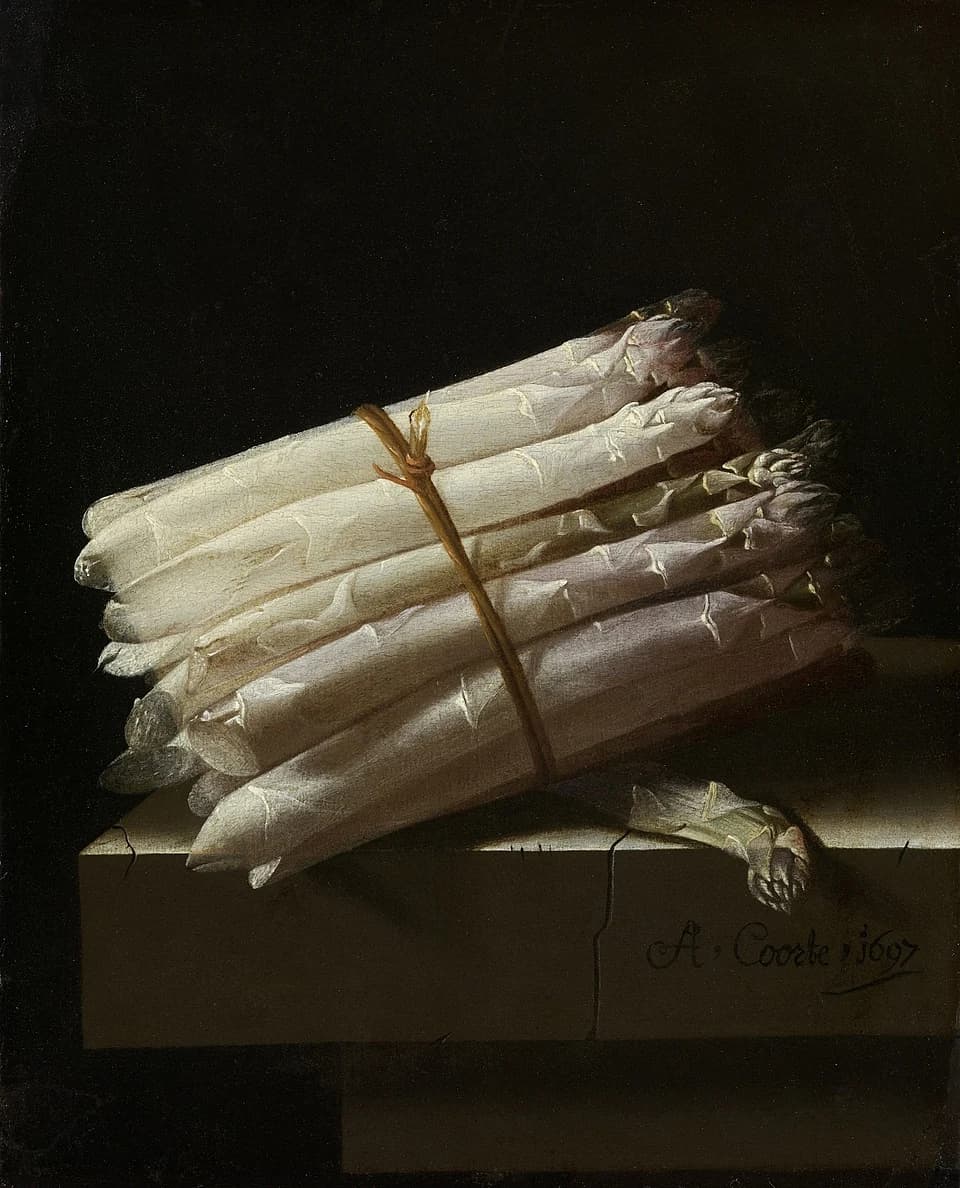
Coorte was a mysterious Dutch painter, largely forgotten until the 20th century rediscovered his small, intensely focused still lifes. Working in Middelburg, he specialized in intimate compositions often set in painted stone niches that create dramatic shadows. His vanitas paintings participated in a rich Dutch Golden Age tradition of moralizing still life that reminded viewers of death amid abundance. This contemplative work remains in a private collection.