1600 - 1799
Baroque & Rococo
Drama, grandeur, and emotional intensity. Caravaggio, Rembrandt, and the Dutch masters.
About Baroque & Rococo
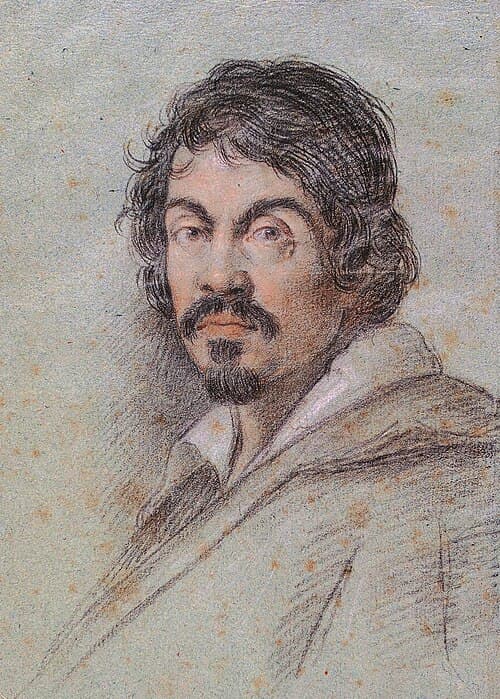
If Renaissance art sought harmony and balance, Baroque art wanted to overwhelm you. Beginning around 1600, artists like Caravaggio developed tenebrism, an extreme form of chiaroscuro where figures emerge from pitch darkness into dramatic spotlight. The Catholic Church, fighting the Protestant Reformation, deployed art as propaganda. Paintings had to move viewers emotionally, to make them feel the ecstasy of saints and the terror of martyrdom.
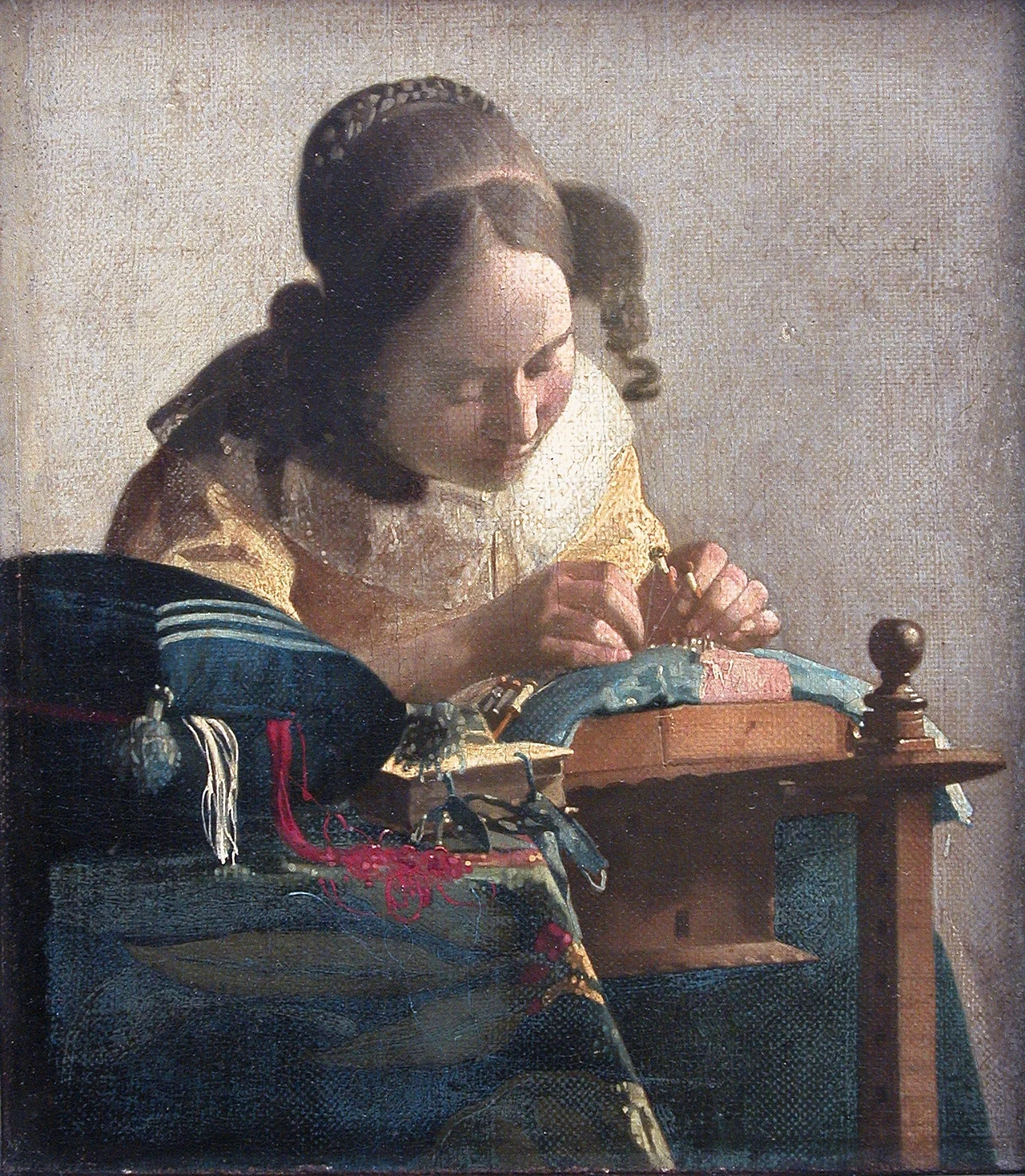
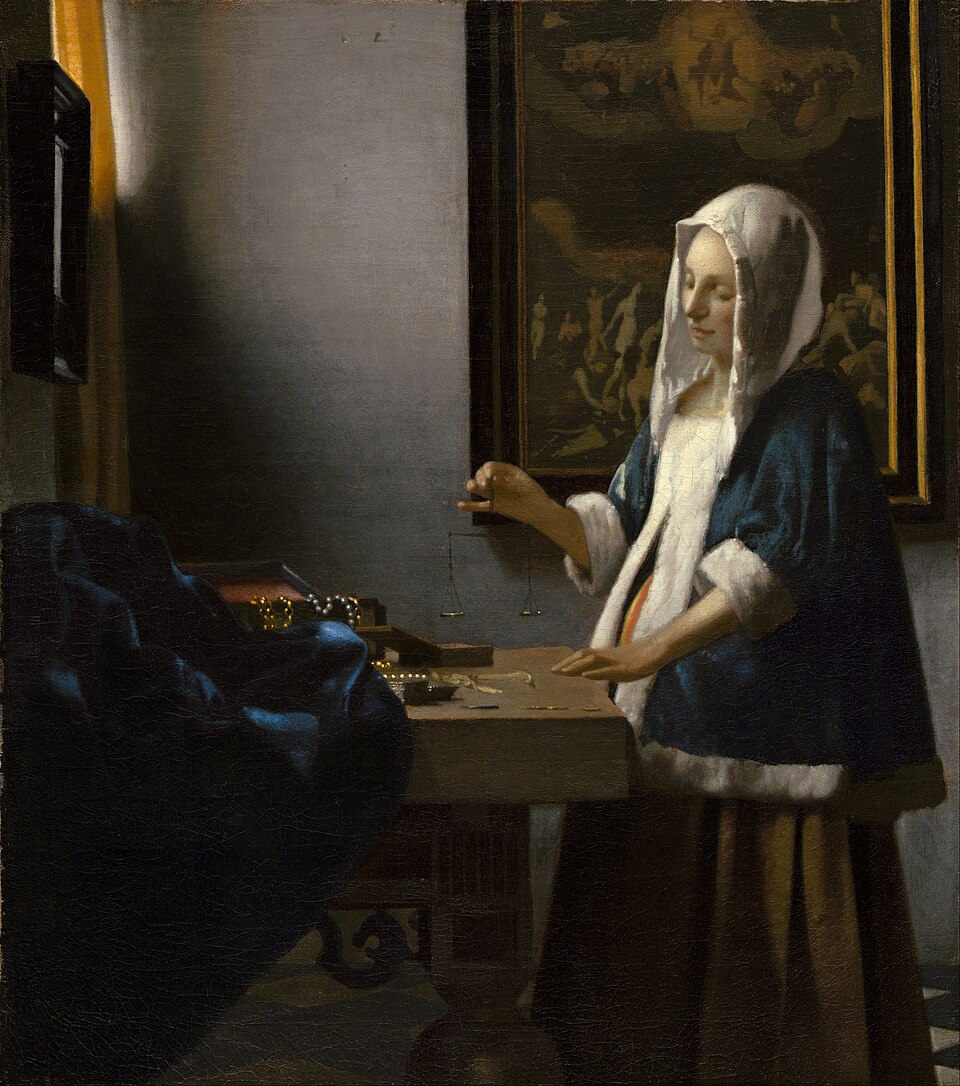
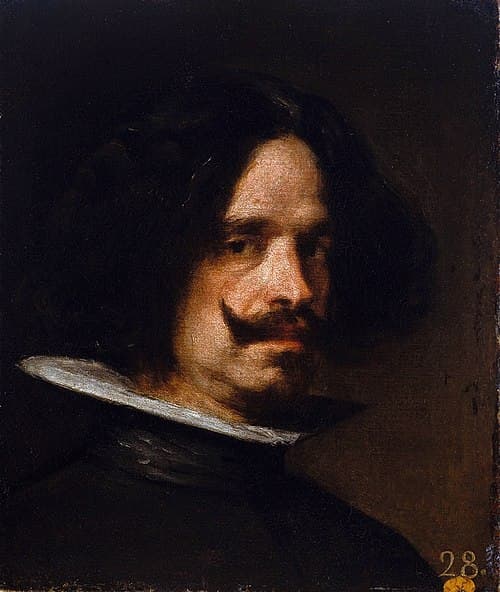
Peter Paul Rubens embodied Baroque grandeur with his monumental canvases of fleshy figures in swirling motion. Rembrandt turned inward, using light to explore human psychology. Vermeer captured quiet domestic moments with almost supernatural luminosity. Meanwhile, in Spain, Velázquez painted the royal court with unflinching honesty. The Dutch Golden Age produced more paintings than any previous century, many depicting landscapes, still lifes, and everyday scenes.
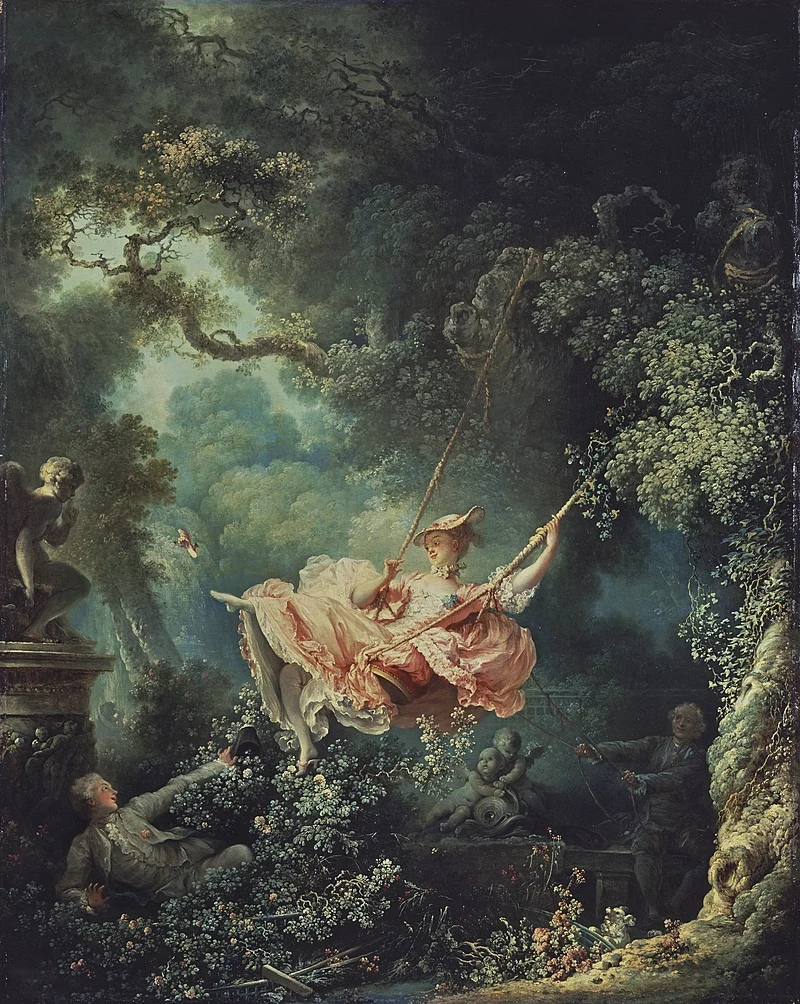
By the 1700s, Rococo lightened the mood. Where Baroque served popes and monarchs, Rococo pleased aristocrats seeking pleasure and wit. Pastel colors replaced deep shadows. Playful cherubs and flirtatious lovers replaced tortured saints. Fragonard's famous Swing captures the style perfectly: frivolous, decorative, deliberately superficial. The French Revolution would sweep it all away.
What Was Happening in the World
The Catholic Counter-Reformation fought Protestantism with emotional, overwhelming art. Absolute monarchs like Louis XIV built Versailles to project power. The Thirty Years War devastated Central Europe. Meanwhile, the Dutch broke free from Spain and created the first capitalist republic, where merchants bought paintings instead of churches commissioning them. Galileo pointed telescopes at Jupiter. Newton described gravity. The scientific revolution was reshaping how humans understood the universe, while empires carved up the globe.
What to Look For
Spotting Baroque & Rococo art in museums and galleries:
- 1Extreme contrast: figures emerging from pitch darkness into spotlight
- 2Diagonal compositions creating movement and tension
- 3Theatrical gestures and emotional facial expressions
- 4Rich reds, golds, and deep shadows
- 5Figures that seem to burst out of the picture plane
- 6Swirling drapery and dynamic, twisting poses
- 7Dutch works: quiet domestic scenes with soft window light
- 8Rococo: pastel pinks and blues, cherubs, playful aristocratic scenes
At a Glance
- Period
- 1600 - 1799
- Movements
- 6
- Artists
- 87
- Artworks
- 534
Baroque & Rococo Movements
6 movements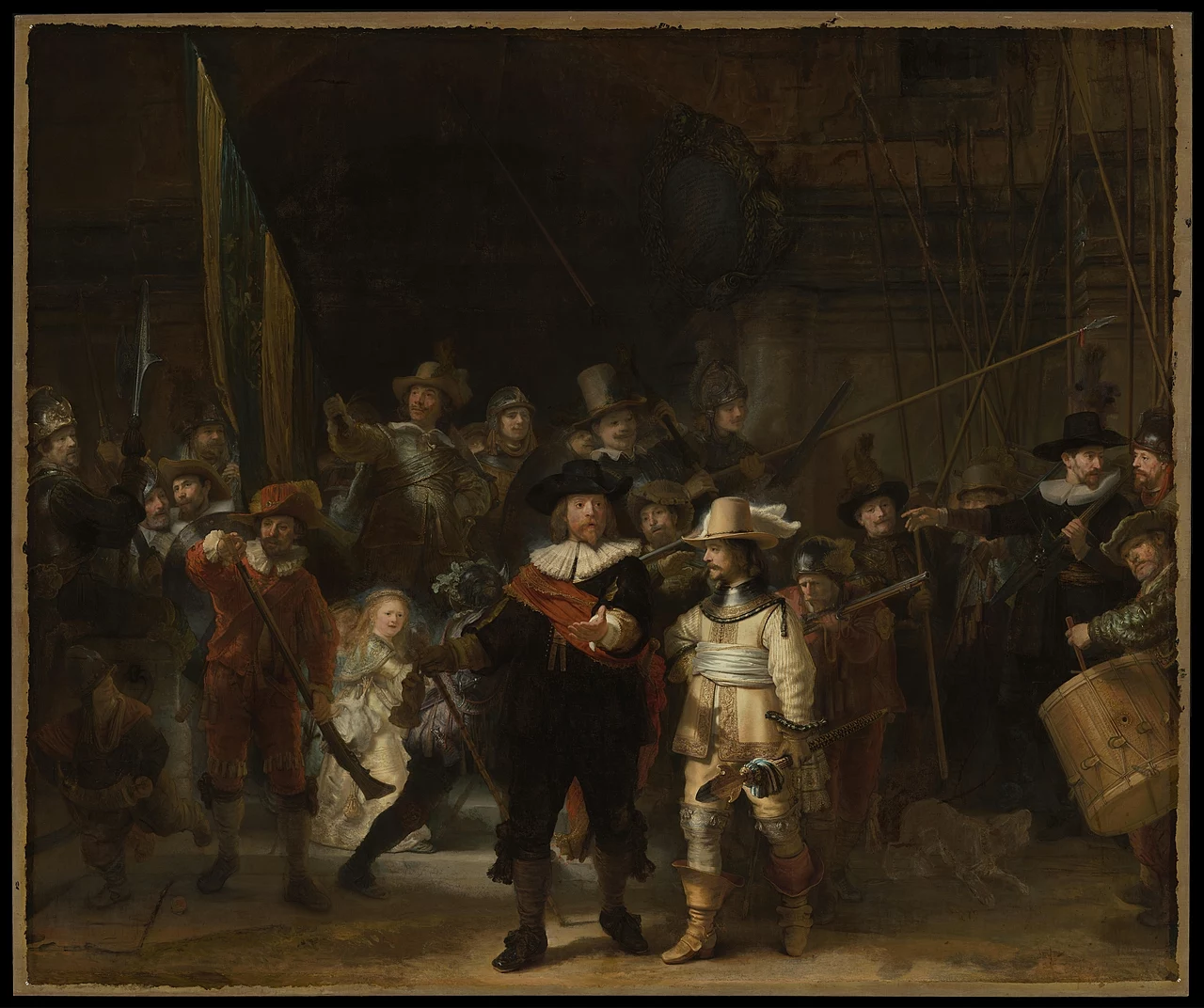
+26
Baroque
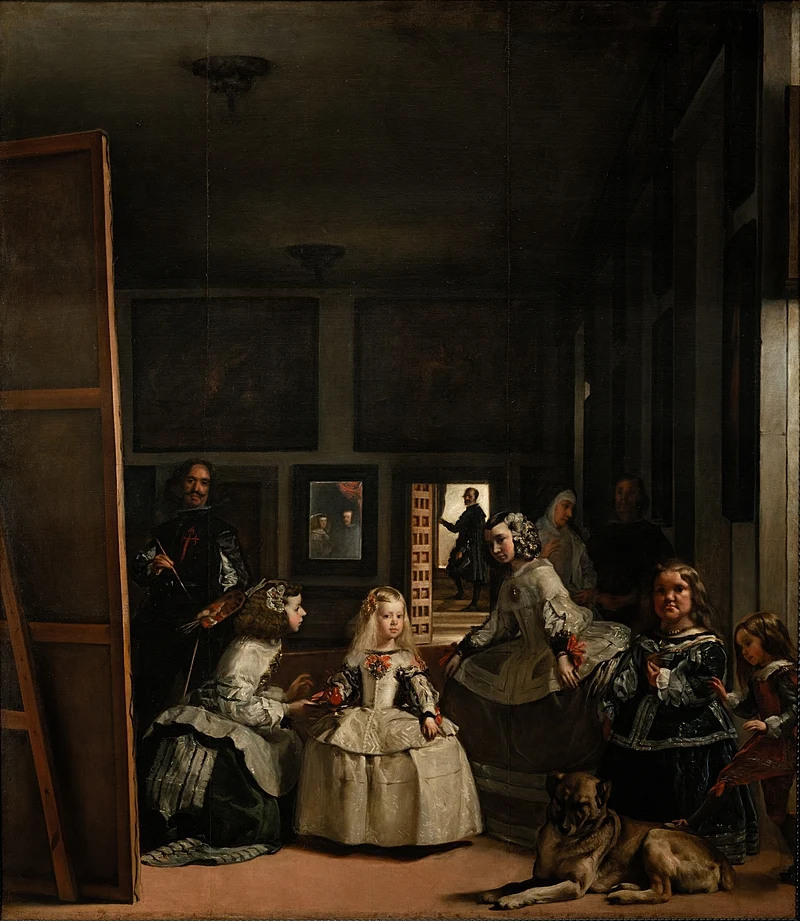
1600 – 1750<p>Baroque art emerged in Rome around 1600, largely as a tool of the Catholic Church during the Counter-Reformation, when religious paintings needed to move ordinary worshippers emotionally rather than just instruct them. The style spread quickly across Catholic and Protestant Europe alike, adapting to court portraiture in Spain, still-life painting in the Dutch Republic, and grand ceiling decoration in Italy.</p> <p><a href="/apps/masterpieces/artist/caravaggio"><strong>Caravaggio</strong></a> set the tone with his violent use of chiaroscuro, plunging most of a scene into darkness while a single shaft of light hits the main action. <a href="/apps/masterpieces/artist/peter-paul-rubens"><strong>Peter Paul Rubens</strong></a> brought a more exuberant, muscular version of the style to Flanders, full of movement and rich color. In Spain, <a href="/apps/masterpieces/artist/diego-velazquez"><strong>Diego Velázquez</strong></a> painted the royal court with unmatched psychological subtlety, most famously in <a href="/apps/masterpieces/art/las-meninas"><strong>Las Meninas</strong></a>, a painting still studied for how it plays with the viewer's own position in the room. His <a href="/apps/masterpieces/art/portrait-innocent-x"><strong>Portrait of Innocent X</strong></a> is considered one of the greatest portraits ever painted, and the sitter himself reportedly called it "too truthful."</p> <p><a href="/apps/masterpieces/artist/rembrandt"><strong>Rembrandt</strong></a> and <a href="/apps/masterpieces/artist/johannes-vermeer"><strong>Johannes Vermeer</strong></a> represent the quieter, more introspective Dutch branch of the style, while <a href="/apps/masterpieces/artist/artemisia-gentileschi"><strong>Artemisia Gentileschi</strong></a> pushed Caravaggio's dramatic lighting into some of the era's most forceful depictions of biblical women. Baroque painting eventually softened into the lighter Rococo style during the early 1700s.</p>
29 artists

Ukiyo-e
1600 – 1900<p>Ukiyo-e, meaning "pictures of the floating world," developed in Japan starting around 1600 and remained popular through the Edo period into the late 19th century. The genre began with paintings of the era's pleasure districts, capturing kabuki actors, courtesans, and city life, before woodblock printing turned it into a mass medium that could reach ordinary buyers rather than only wealthy patrons. Prints were produced through a division of labor between the artist, a block carver, and a printer, allowing thousands of copies of a single design.</p> <p><a href="/apps/masterpieces/artist/katsushika-hokusai"><strong>Katsushika Hokusai</strong></a> pushed the genre toward landscape late in his career, moving away from the actors and courtesans that had dominated earlier ukiyo-e. His <a href="/apps/masterpieces/art/great-wave-off-kanagawa"><strong>The Great Wave off Kanagawa</strong></a> became one of the most recognized images in art history, part of his series depicting Mount Fuji from different vantage points across the Japanese landscape, which also included <a href="/apps/masterpieces/art/red-fuji-hokusai"><strong>Fine Wind, Clear Morning</strong></a>. These prints reached Europe in the second half of the 19th century and had a direct, well-documented influence on painters including Van Gogh, Monet, and Toulouse-Lautrec, who collected them and borrowed their flattened perspective and bold outline.</p>
1 artist
+13
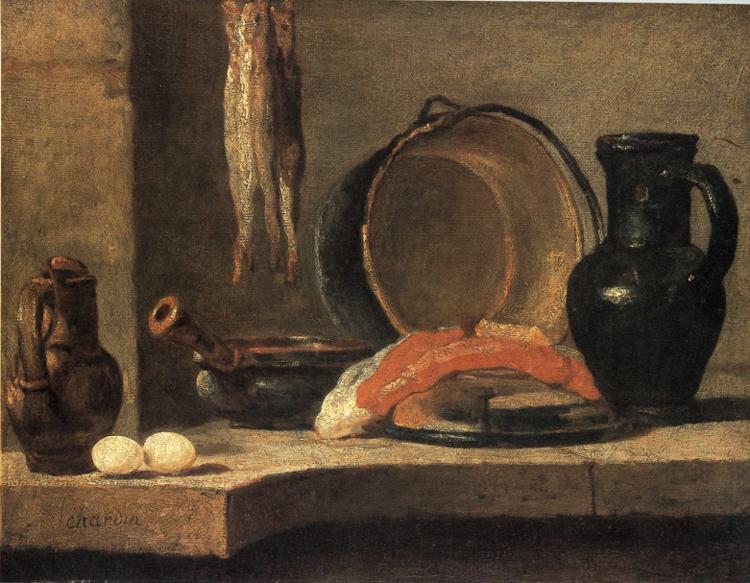
Academic Art
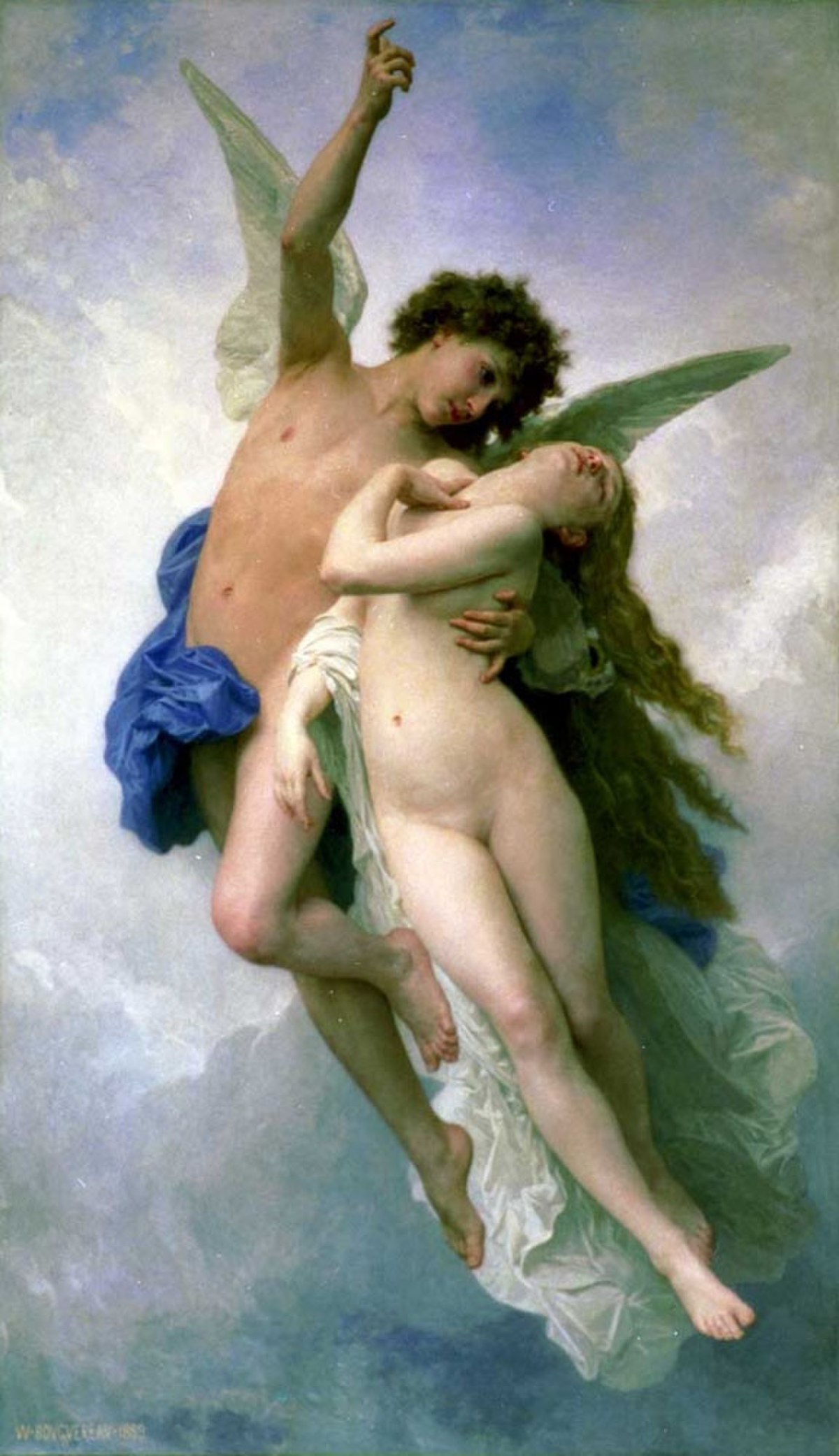
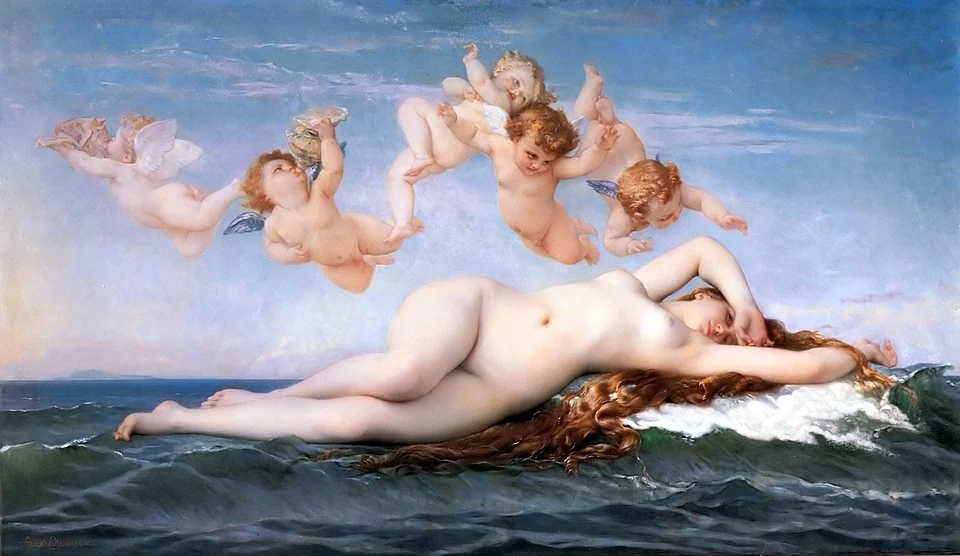
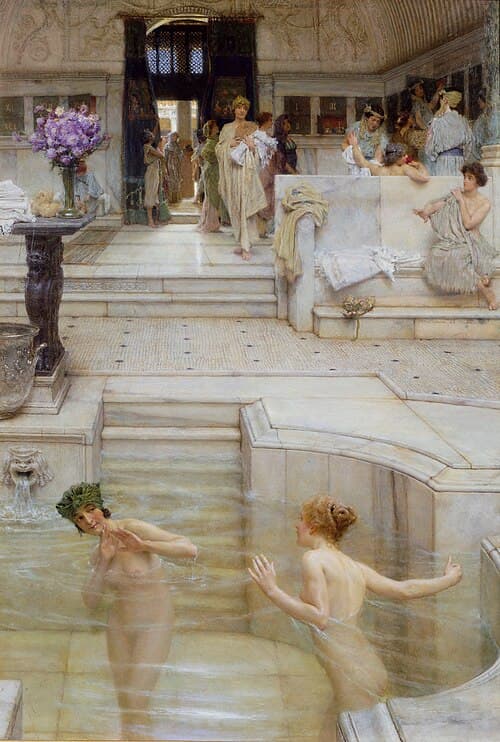
1650 – 1900<p>Academic Art describes the polished, rule-bound style taught and rewarded by Europe's official art academies, above all the French Académie des Beaux-Arts, from the mid-1600s through the end of the 1800s. Students trained for years copying classical sculpture and Old Master paintings before earning permission to paint their own subjects, and the academies controlled which works got shown in the annual Salon exhibitions that made or broke careers.</p> <p>The style favored smooth, invisible brushwork, idealized anatomy, and subjects drawn from mythology, ancient history, or moralizing genre scenes. <a href="/apps/masterpieces/artist/william-adolphe-bouguereau"><strong>William-Adolphe Bouguereau</strong></a> became its best-known practitioner, painting flawless nudes and peasant children with a finish so smooth the brushstrokes disappear entirely. <a href="/apps/masterpieces/artist/alexandre-cabanel"><strong>Alexandre Cabanel</strong></a>'s <a href="/apps/masterpieces/art/birth-venus-cabanel"><strong>The Birth of Venus</strong></a> won Napoleon III's personal admiration at the 1863 Salon, the same year the Impressionists were being rejected by the same jury. <a href="/apps/masterpieces/artist/jean-leon-gerome"><strong>Jean-Léon Gérôme</strong></a> specialized in Orientalist and historical scenes rendered with almost photographic precision, as in <a href="/apps/masterpieces/art/pollice-verso"><strong>Pollice Verso</strong></a>, his gladiator arena scene.</p> <p><a href="/apps/masterpieces/artist/frederic-leighton"><strong>Frederic Leighton</strong></a> and <a href="/apps/masterpieces/artist/lawrence-alma-tadema"><strong>Lawrence Alma-Tadema</strong></a> brought the same technical polish to Victorian Britain, imagining ancient Rome and Greece in marble-heavy detail. Academic Art fell out of favor once modernist movements took hold in the early 20th century, dismissed for decades as stiff and sentimental, though its technical skill has drawn renewed appreciation in recent years.</p>
16 artists
+7
Rococo
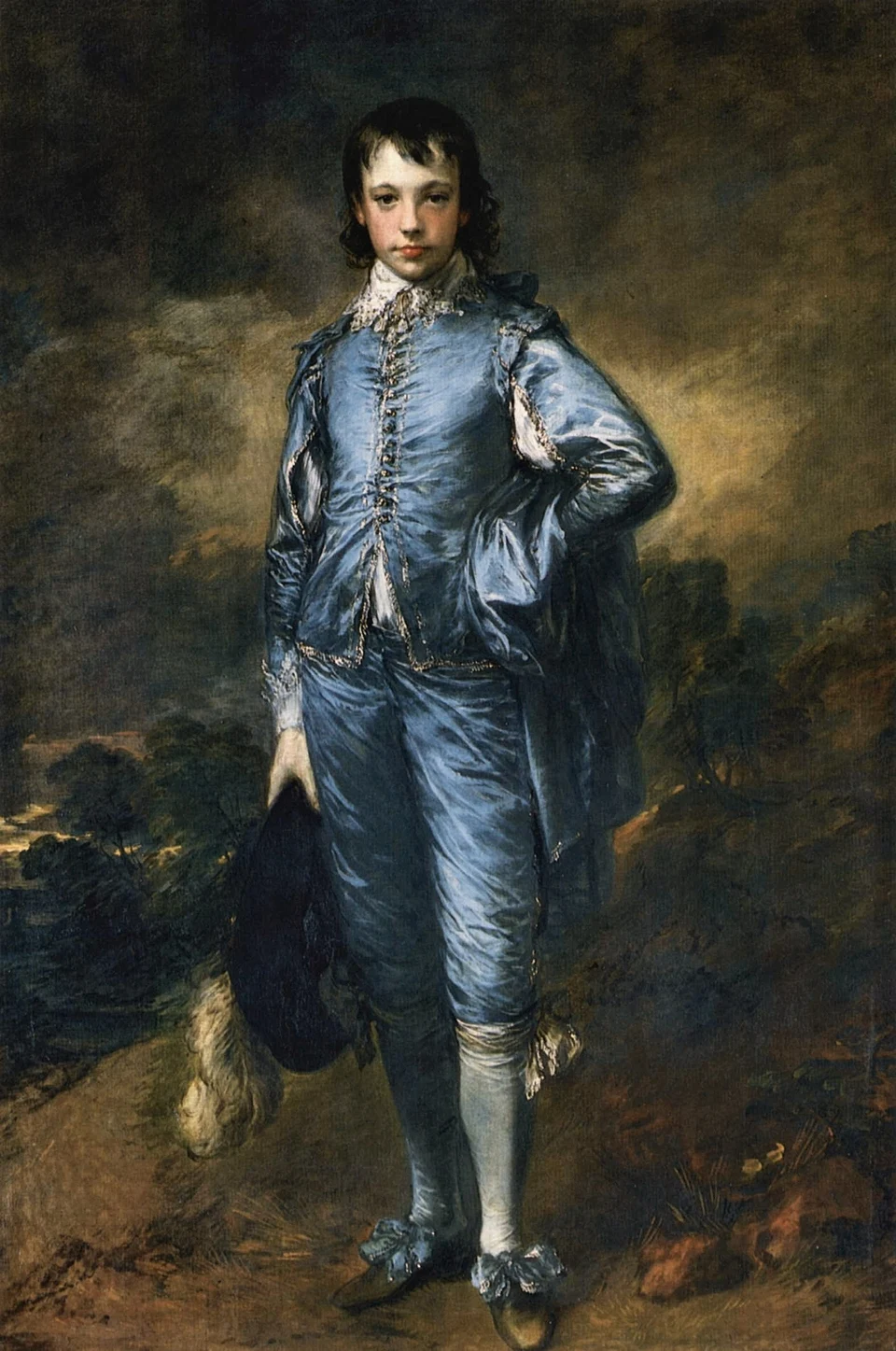
1720 – 1780<p>Rococo developed in France in the early 1720s as a lighter, more playful reaction against the grandeur and formality of the Baroque style that had dominated court art under Louis XIV. Where Baroque painting favored drama and weighty religious or historical subjects, Rococo painters turned to romance, flirtation, and leisure, working in pastel colors, curving compositions, and delicate brushwork suited to the smaller, more intimate rooms of aristocratic townhouses rather than palace halls.</p> <p><a href="/apps/masterpieces/artist/jean-honore-fragonard"><strong>Jean-Honoré Fragonard</strong></a> captured the style's playful spirit in <a href="/apps/masterpieces/art/the-swing"><strong>The Swing</strong></a>, where a young woman kicks off her slipper toward a hidden admirer. <a href="/apps/masterpieces/artist/jean-antoine-watteau"><strong>Jean-Antoine Watteau</strong></a> is generally credited with launching the style through his fêtes galantes, paintings of elegantly dressed figures at outdoor gatherings that blur the line between reality and theater. <a href="/apps/masterpieces/artist/francois-boucher"><strong>François Boucher</strong></a> became the preferred painter of the French court under Louis XV, producing mythological scenes with the same soft sensibility found in his portraits. Beyond France, <a href="/apps/masterpieces/artist/thomas-gainsborough"><strong>Thomas Gainsborough</strong></a> adapted Rococo's fluid brushwork to British portraiture, most famously in <a href="/apps/masterpieces/art/the-blue-boy"><strong>The Blue Boy</strong></a>, while <a href="/apps/masterpieces/artist/giovanni-battista-tiepolo"><strong>Giovanni Battista Tiepolo</strong></a> carried the style's lightness into large-scale ceiling frescoes across Italy and Spain.</p>
10 artists
Neoclassicism
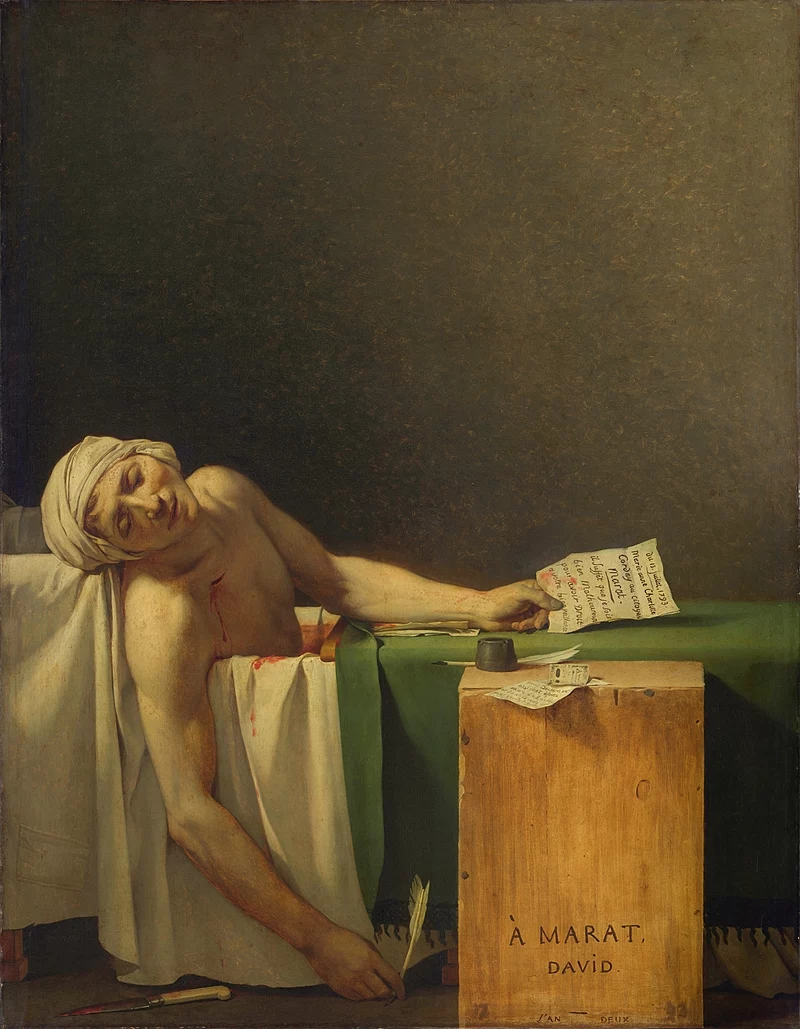
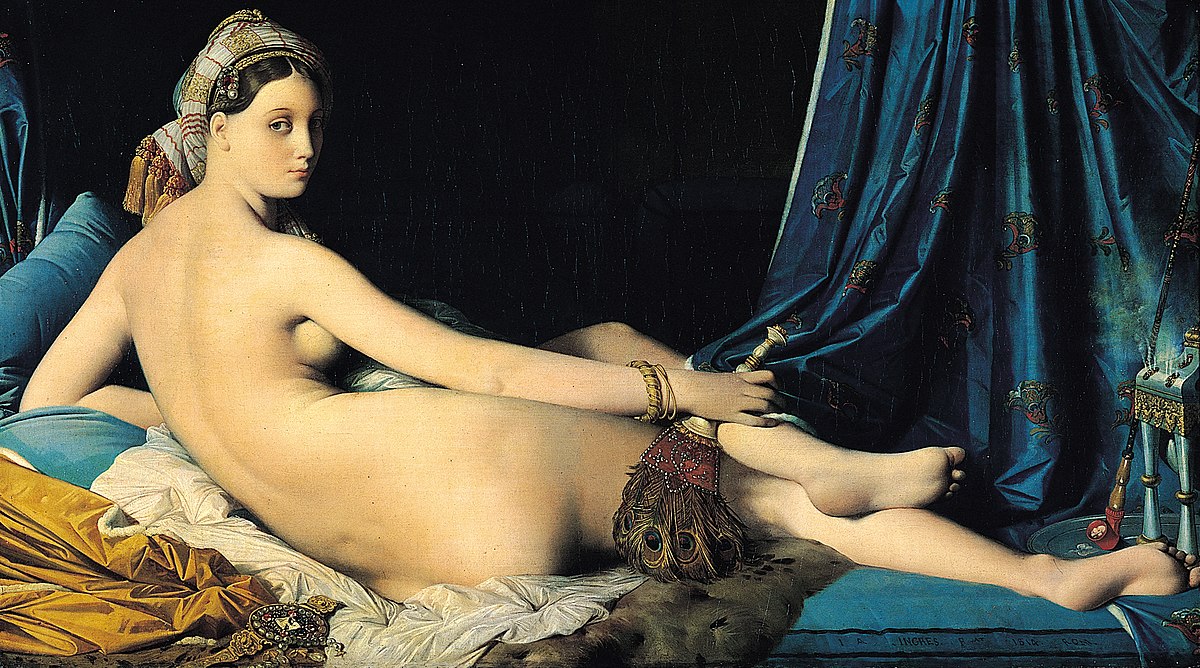
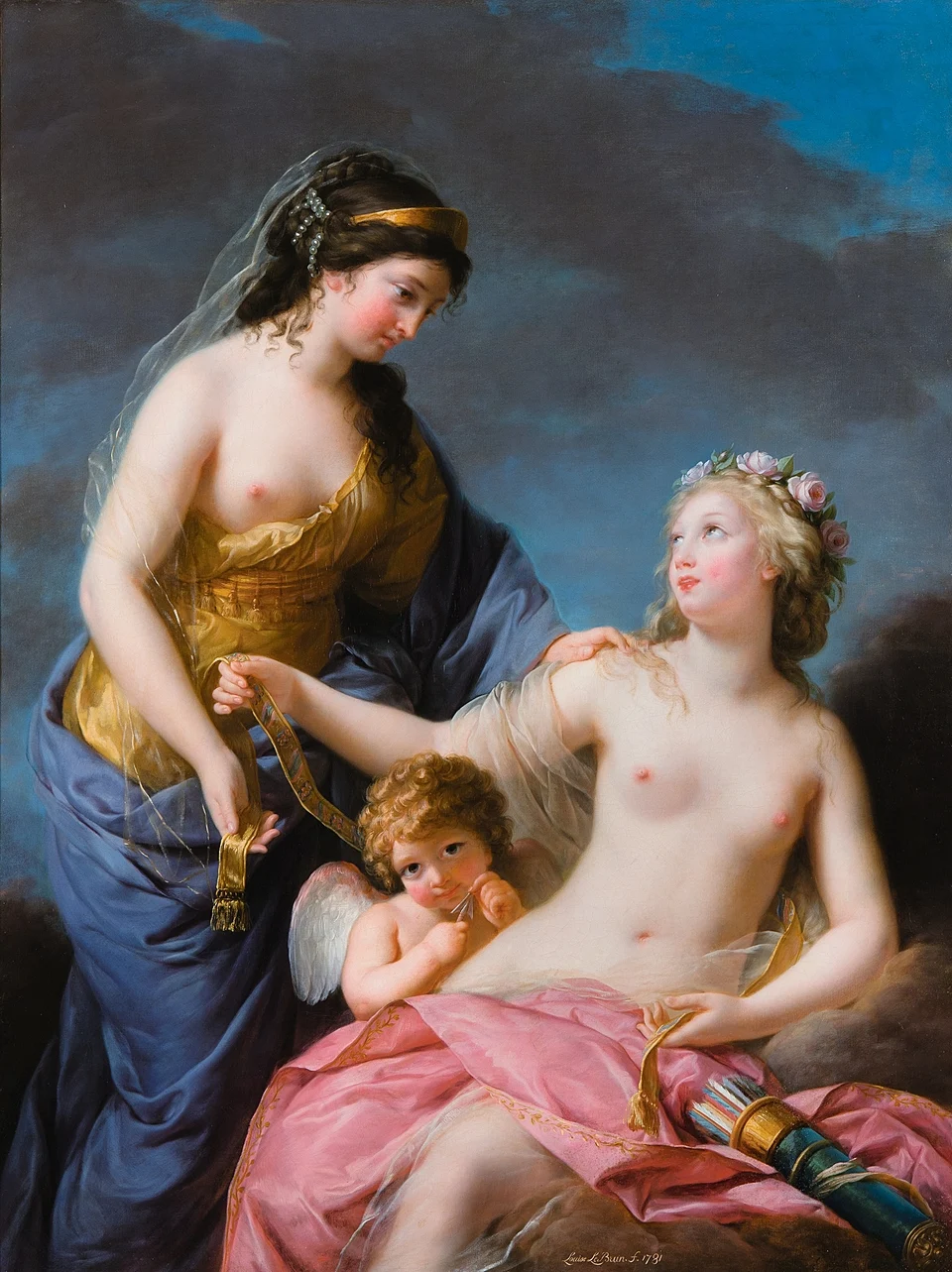
1760 – 1850<p>Neoclassicism took hold in the second half of the 18th century, fueled by renewed interest in ancient Greece and Rome following the excavations at Pompeii and Herculaneum. It was also a deliberate reaction against the frivolity of Rococo, replacing pastel colors and playful subjects with sober compositions built around order, clear outlines, and moral seriousness.</p> <p><a href="/apps/masterpieces/artist/jacques-louis-david"><strong>Jacques-Louis David</strong></a> became the movement's central figure in France, using classical restraint to serve revolutionary politics. His <a href="/apps/masterpieces/art/the-death-of-marat"><strong>The Death of Marat</strong></a> turned a murdered radical journalist into a Christ-like martyr, painted with cool precision despite its violent subject. David later became Napoleon's official painter, applying the same classical grandeur to imperial propaganda.</p> <p>His student <a href="/apps/masterpieces/artist/jean-auguste-dominique-ingres"><strong>Jean-Auguste-Dominique Ingres</strong></a> pushed Neoclassical line and idealized form toward something more sensual, most famously in <a href="/apps/masterpieces/art/grande-odalisque"><strong>Grande Odalisque</strong></a>, a reclining nude whose deliberately elongated spine drew criticism at the time for breaking anatomical rules in service of pure elegance. <a href="/apps/masterpieces/artist/elisabeth-vigee-le-brun"><strong>Élisabeth Vigée Le Brun</strong></a> worked in a related, softer classical style as court painter to Marie Antoinette, producing portraits that balanced Neoclassical composure with real warmth. Neoclassicism dominated European painting for decades before Romanticism's emotional intensity began to displace it in the early 1800s.</p>
3 artists
+26
Romanticism
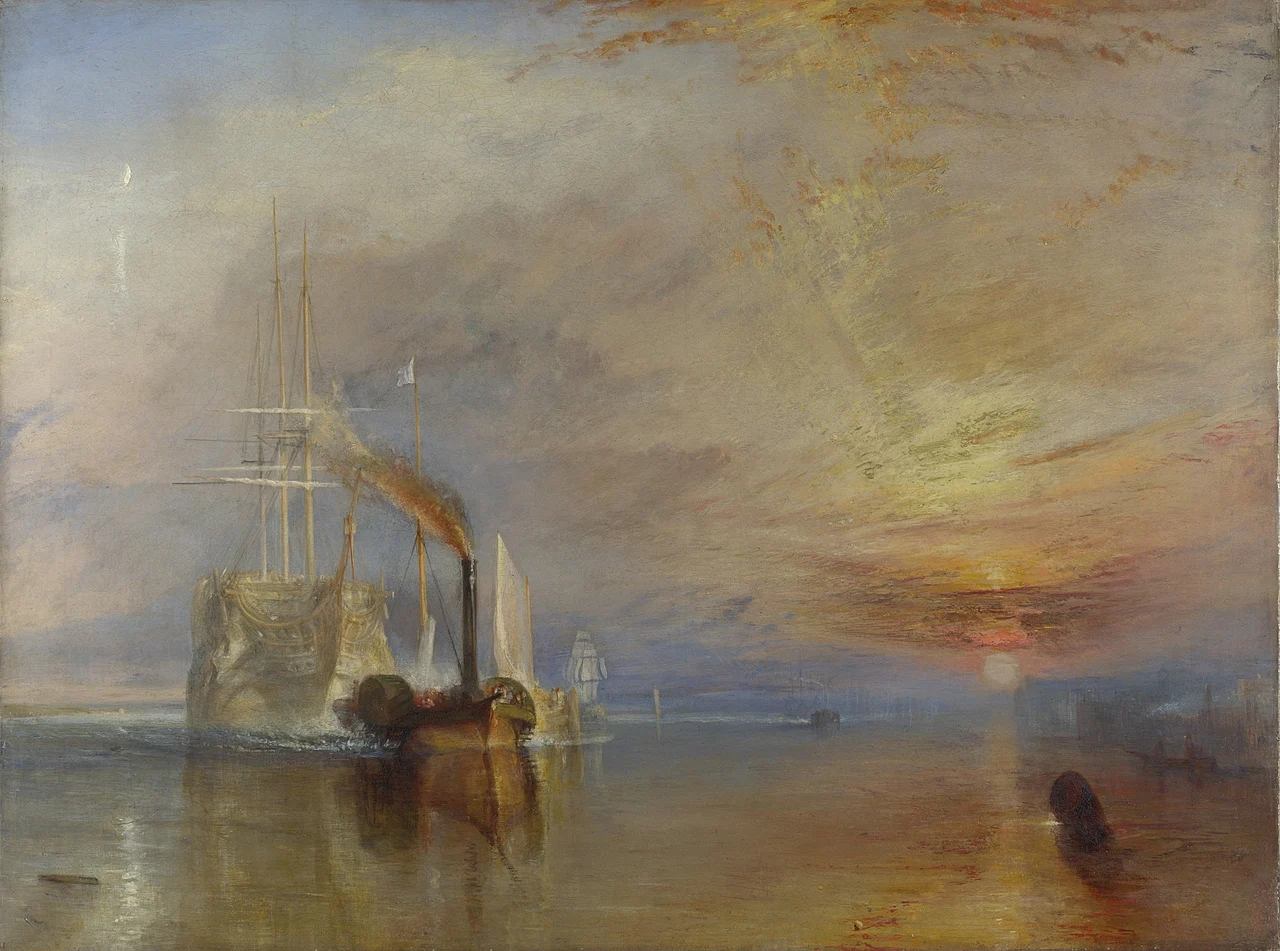
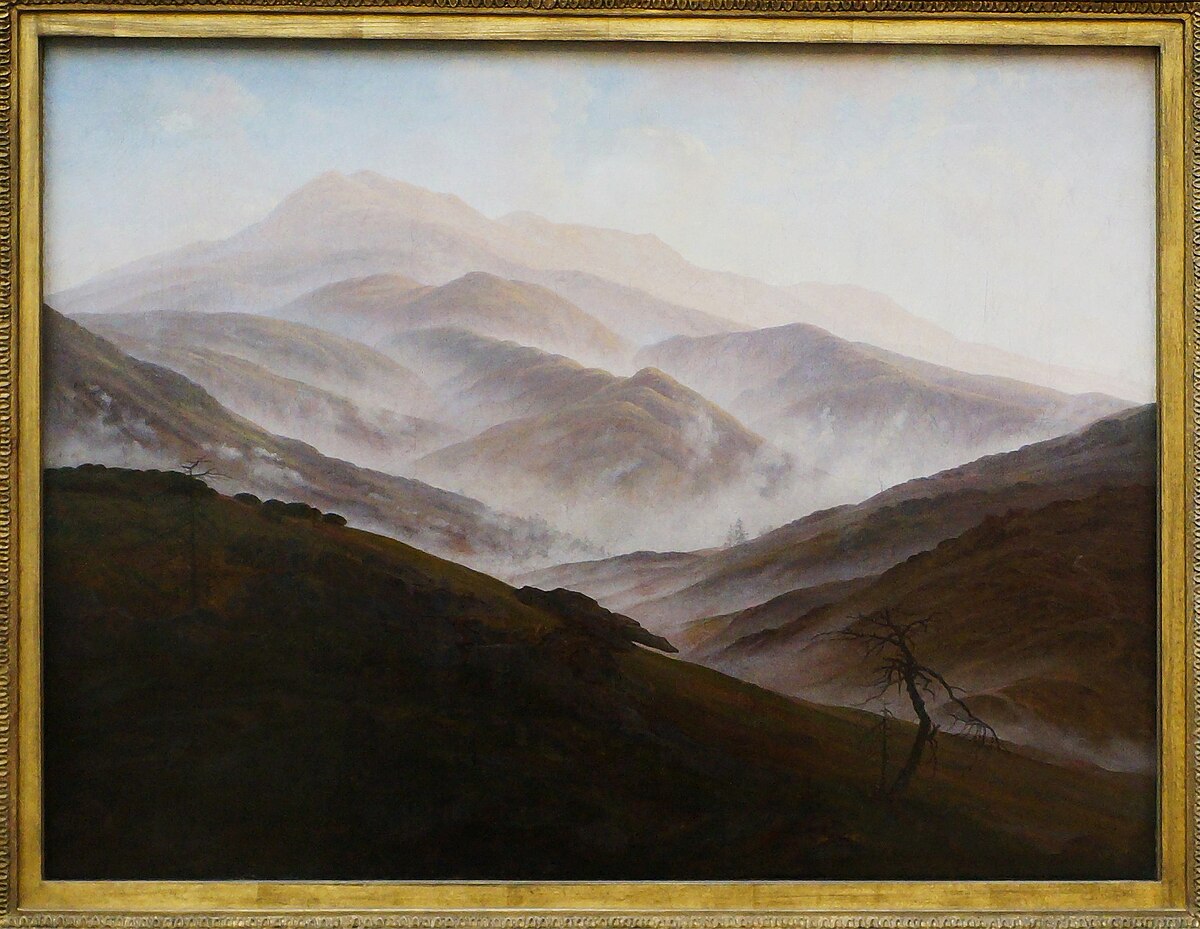
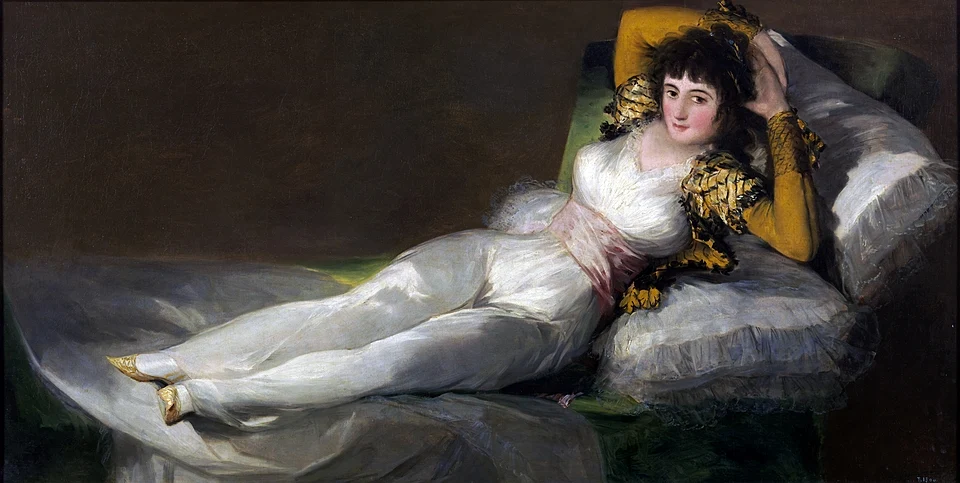
1780 – 1850<p>Romanticism took hold across Europe between roughly 1780 and 1850 as a direct reaction to the Enlightenment's faith in reason and the Industrial Revolution's mechanization of daily life. Painters turned instead toward emotion, imagination, and the overwhelming power of nature, often depicting subjects too vast, too violent, or too strange for rational explanation to fully contain.</p> <p><a href="/apps/masterpieces/artist/francisco-goya"><strong>Francisco Goya</strong></a> used the style to confront horror directly, from the firing squad in <a href="/apps/masterpieces/art/the-third-of-may-1808"><strong>The Third of May 1808</strong></a> to the nightmarish <a href="/apps/masterpieces/art/saturn-devouring-his-son"><strong>Saturn Devouring His Son</strong></a>. <a href="/apps/masterpieces/artist/theodore-gericault"><strong>Théodore Géricault</strong></a> turned a real maritime disaster into <a href="/apps/masterpieces/art/the-raft-of-the-medusa"><strong>The Raft of the Medusa</strong></a>, a composition of desperation and survival that scandalized the French public when first shown. <a href="/apps/masterpieces/artist/eugene-delacroix"><strong>Eugène Delacroix</strong></a> brought the same intensity to historical and literary subjects, favoring rich color and dynamic movement over careful outline. In Britain, <a href="/apps/masterpieces/artist/jmw-turner"><strong>J.M.W. Turner</strong></a> dissolved ships and landscapes into atmosphere and light, while <a href="/apps/masterpieces/artist/john-constable"><strong>John Constable</strong></a> found the sublime closer to home, painting the English countryside in works like <a href="/apps/masterpieces/art/the-hay-wain"><strong>The Hay Wain</strong></a>. Later in the period, <a href="/apps/masterpieces/artist/jean-francois-millet"><strong>Jean-François Millet</strong></a> turned Romantic feeling toward rural laborers, dignifying peasant life in paintings like <a href="/apps/masterpieces/art/the-gleaners"><strong>The Gleaners</strong></a>.</p>
29 artists
Baroque & Rococo Artists
87 total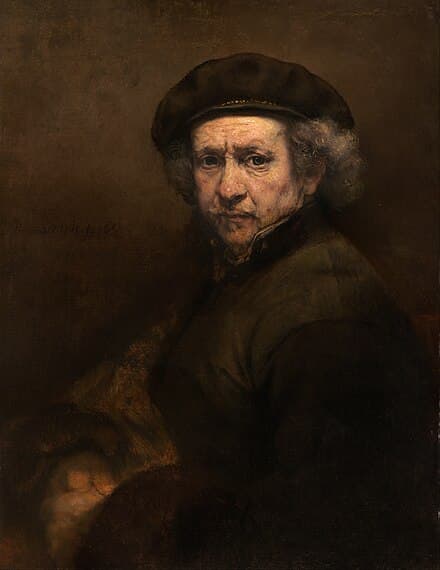
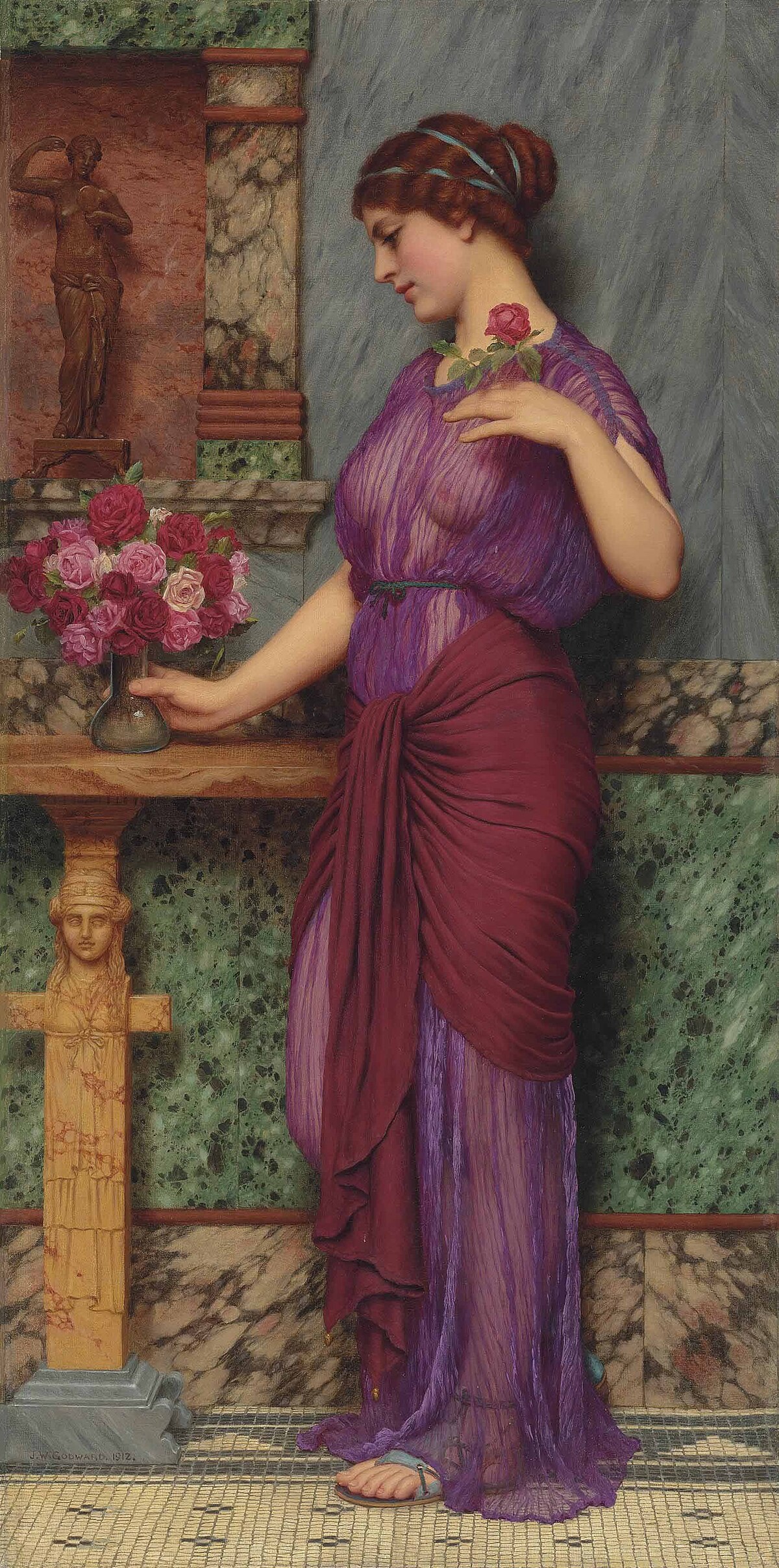
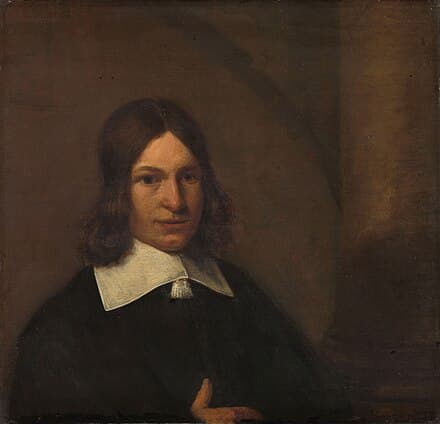
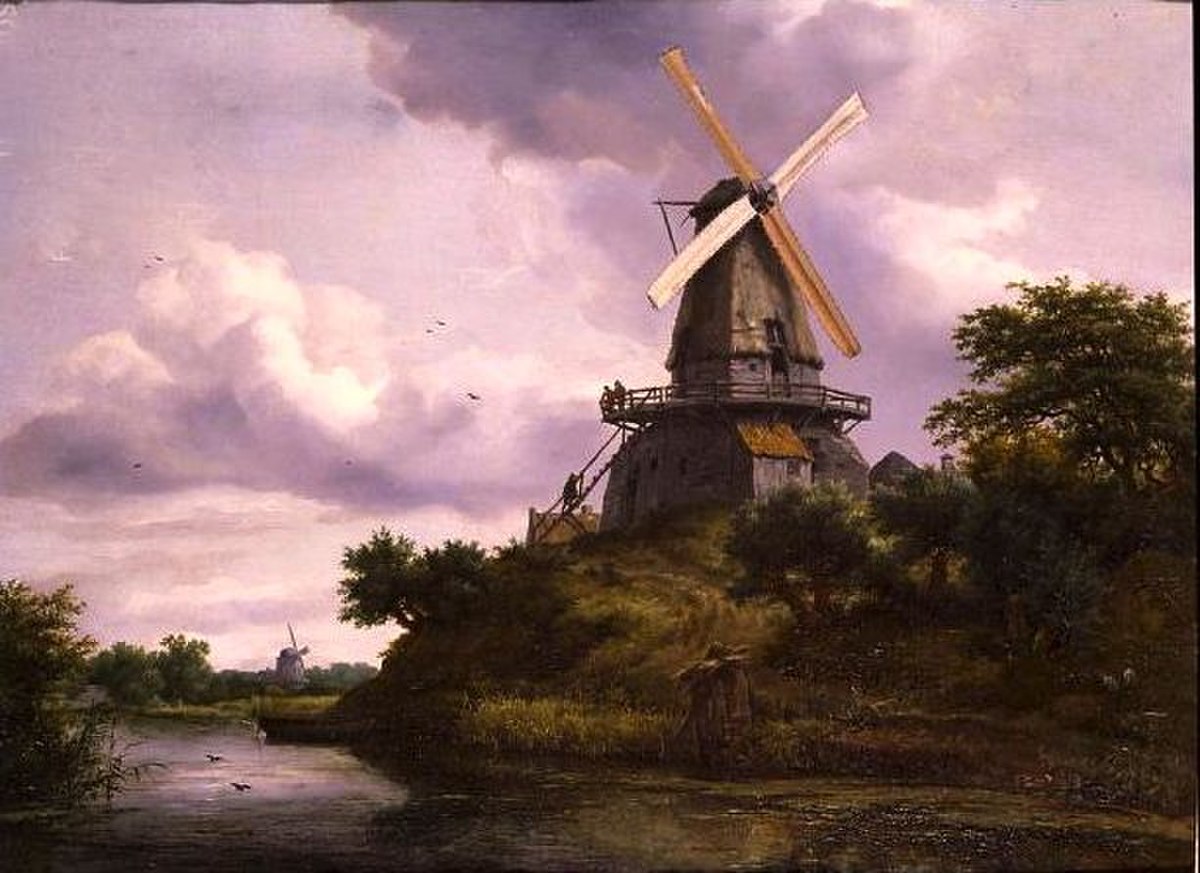
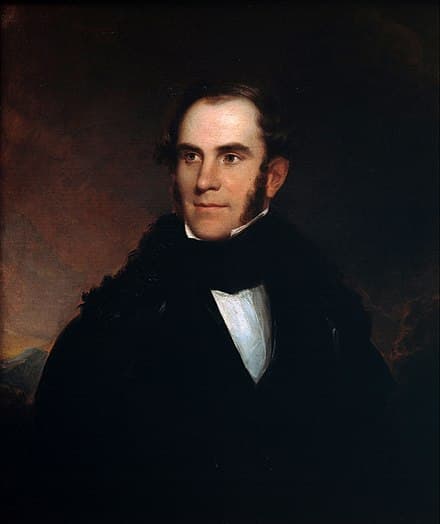
Baroque & Rococo Masterpieces
12 featured worksL
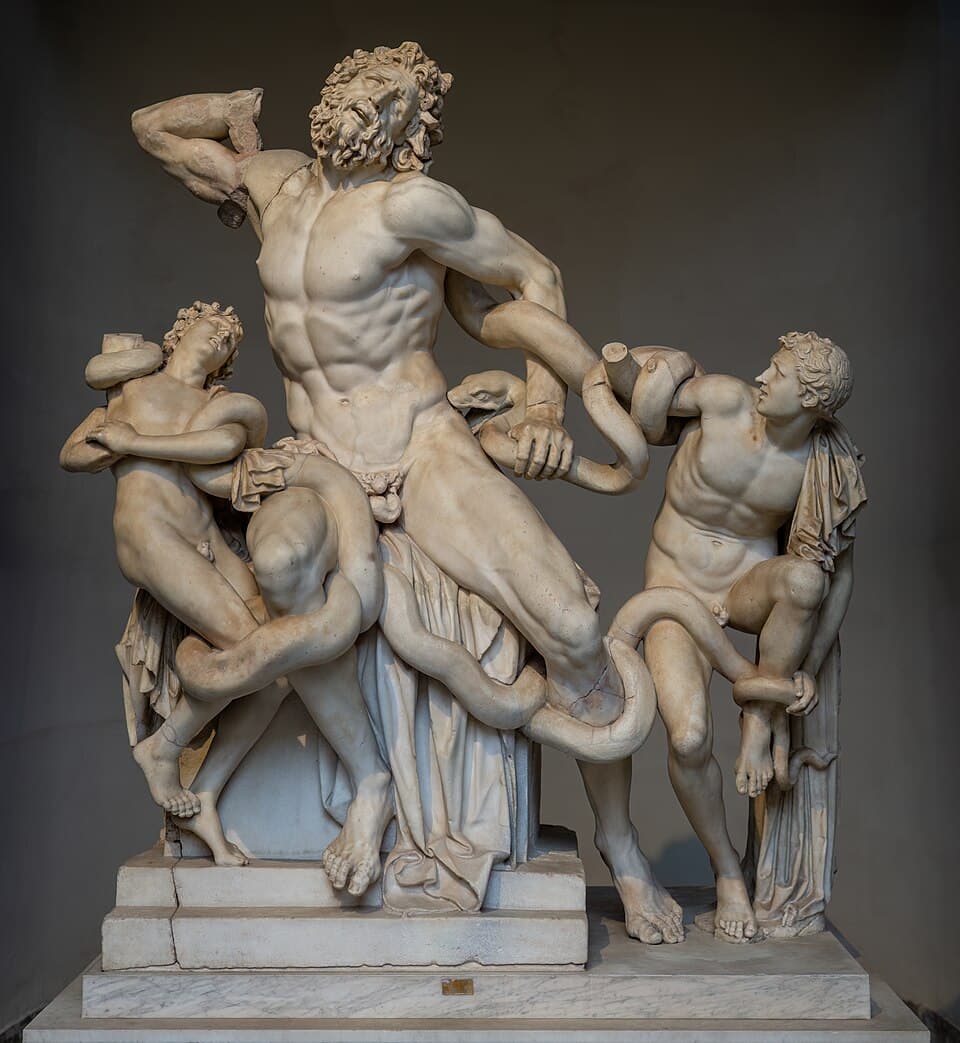
Laocoön
El Greco, 1614
National Gallery of Art, Washington, D.C.
T
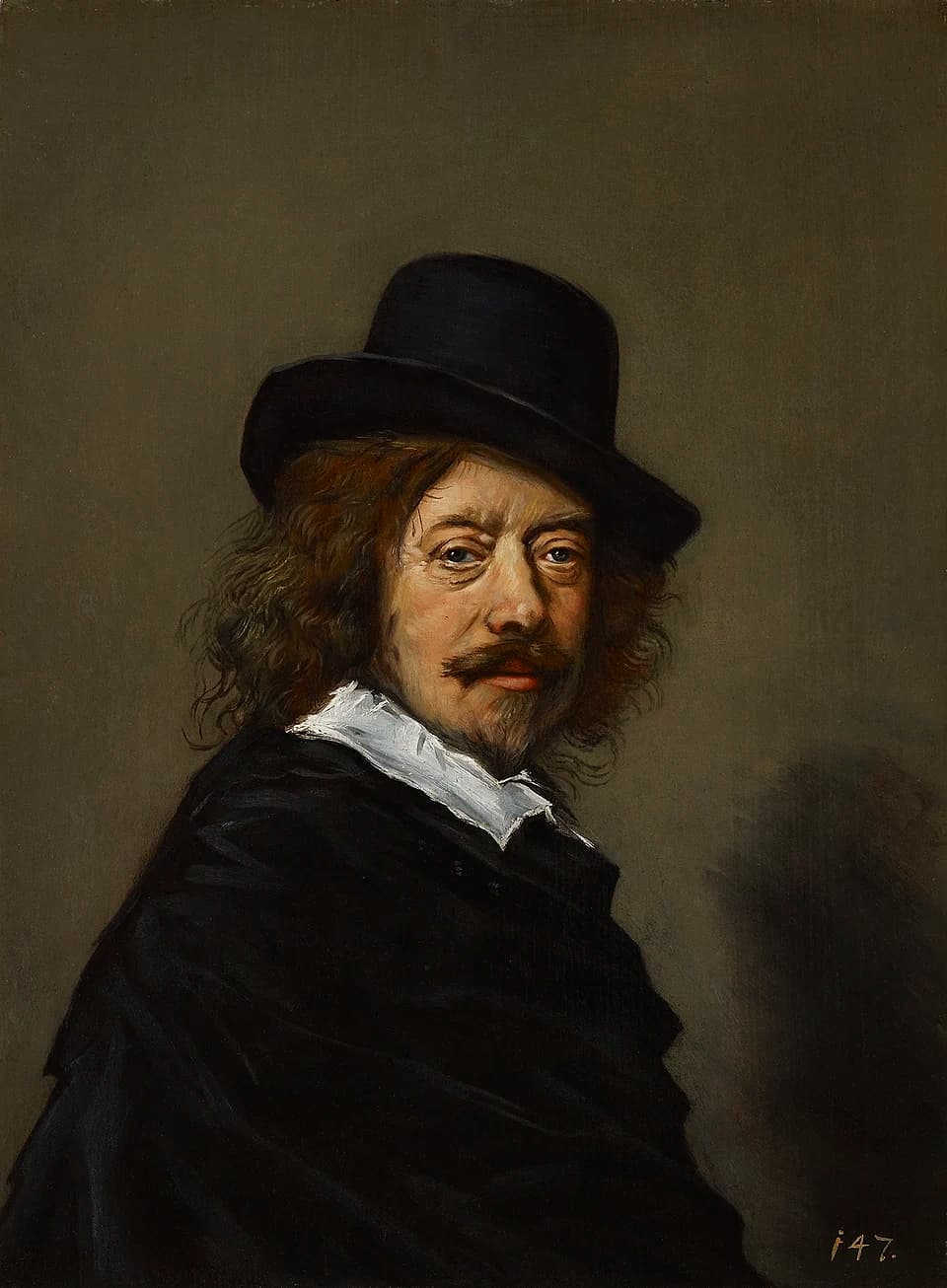
The Laughing Cavalier
Frans Hals, 1624
Wallace Collection, London
T
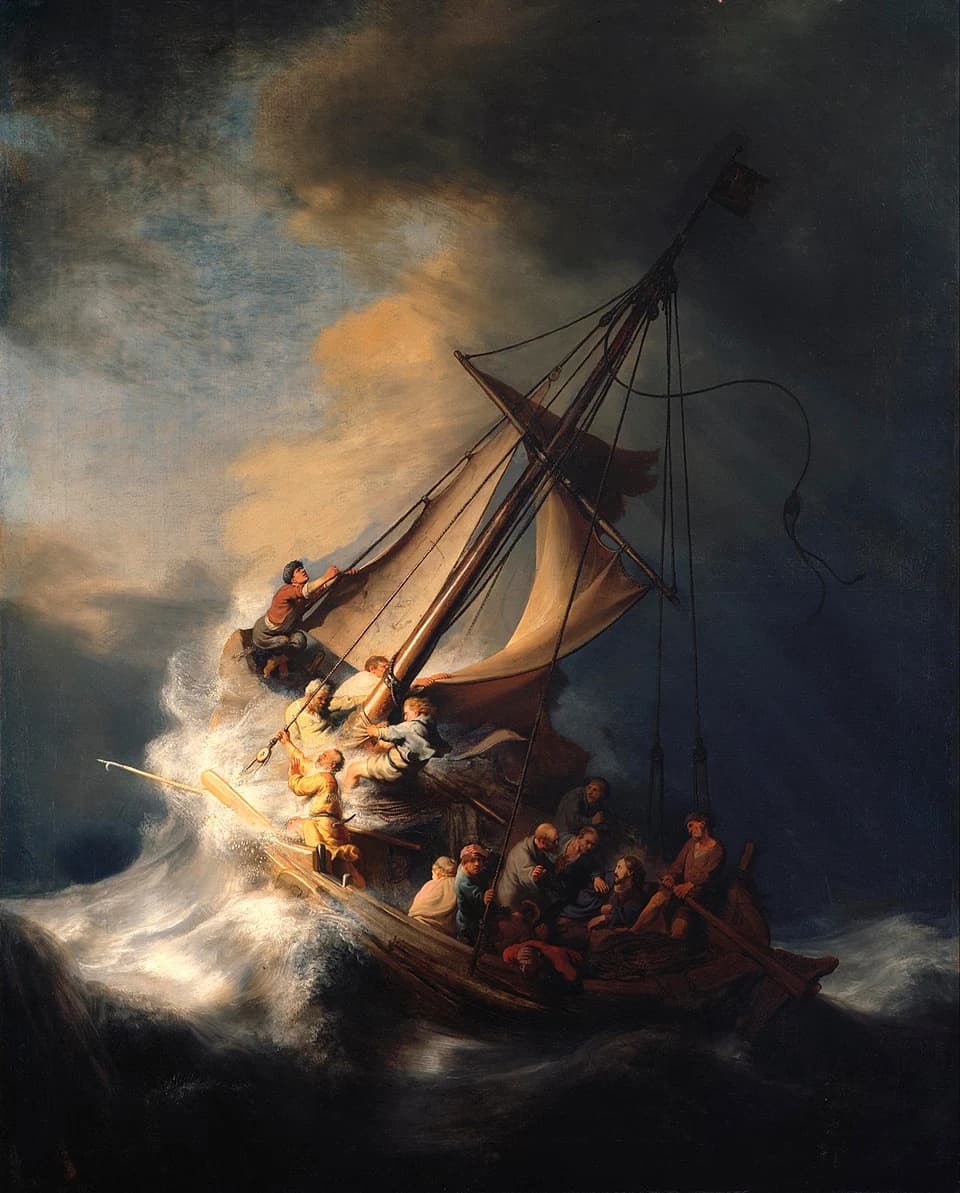
The Storm on the Sea of Galilee
Rembrandt van Rijn, 1633
Isabella Stewart Gardner Museum, Boston
T
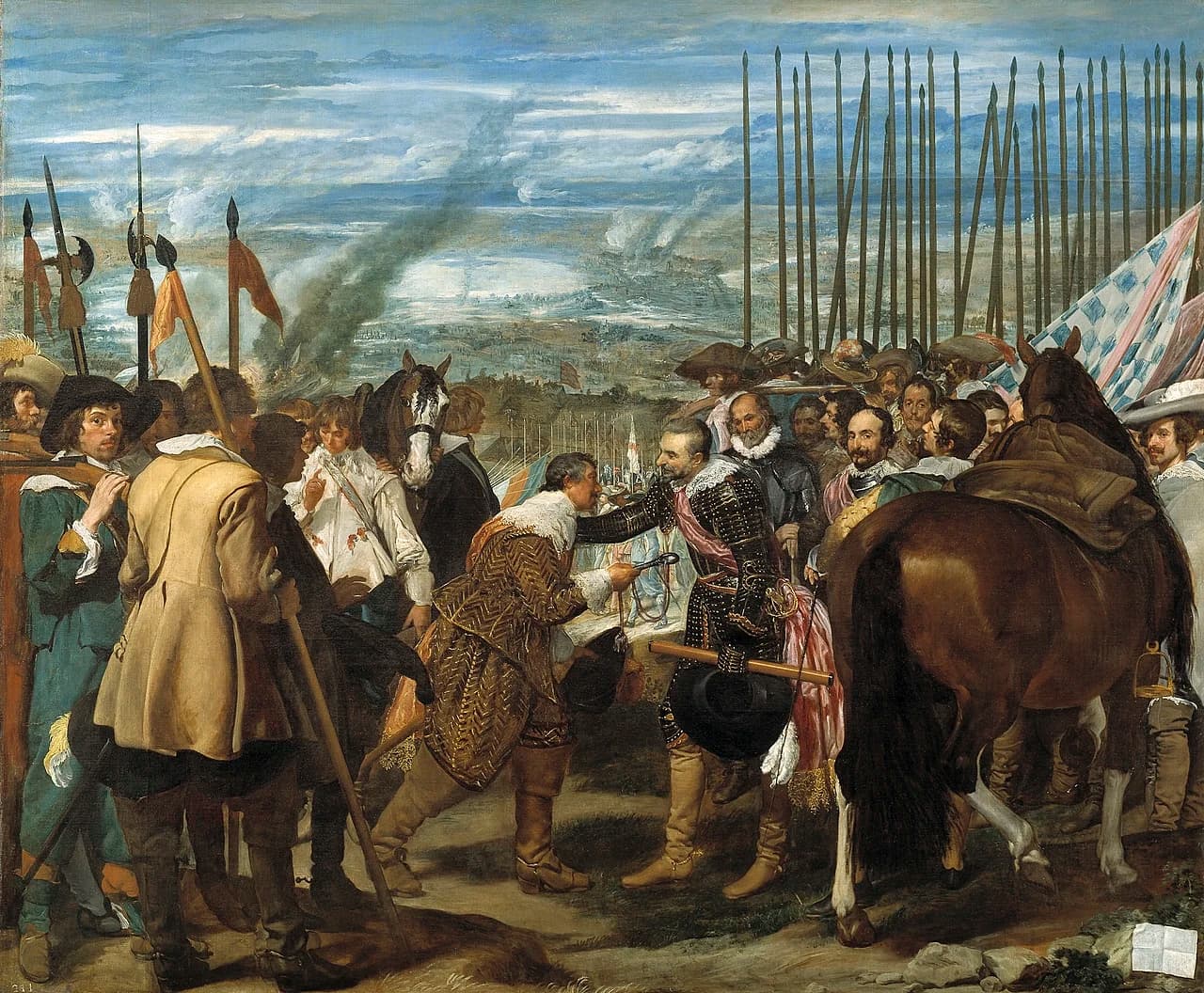
The Surrender of Breda
Diego Velázquez, 1635
Museo del Prado, Madrid, Madrid
T
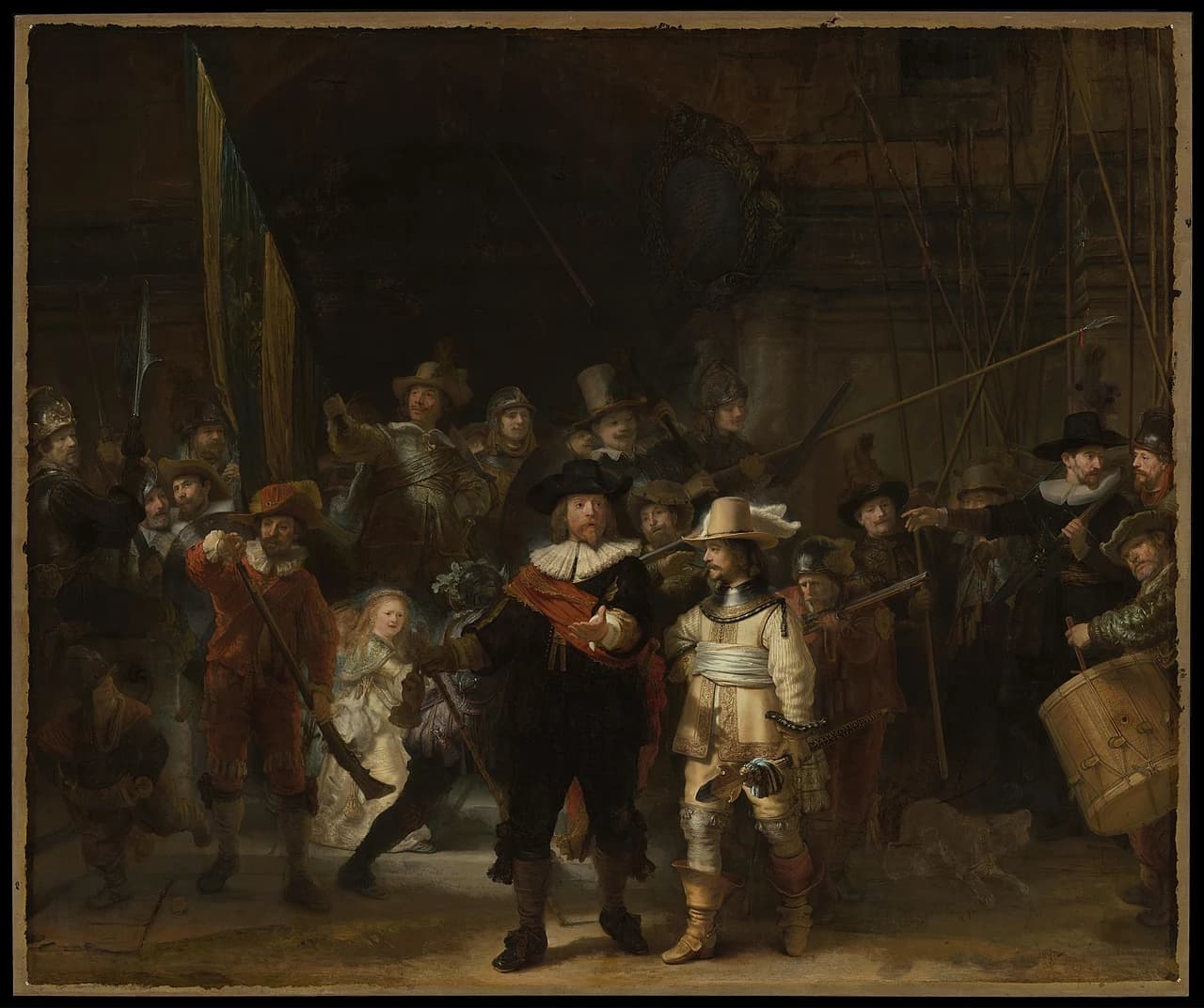
The Night Watch
Rembrandt van Rijn, 1642
Rijksmuseum, Amsterdam
P
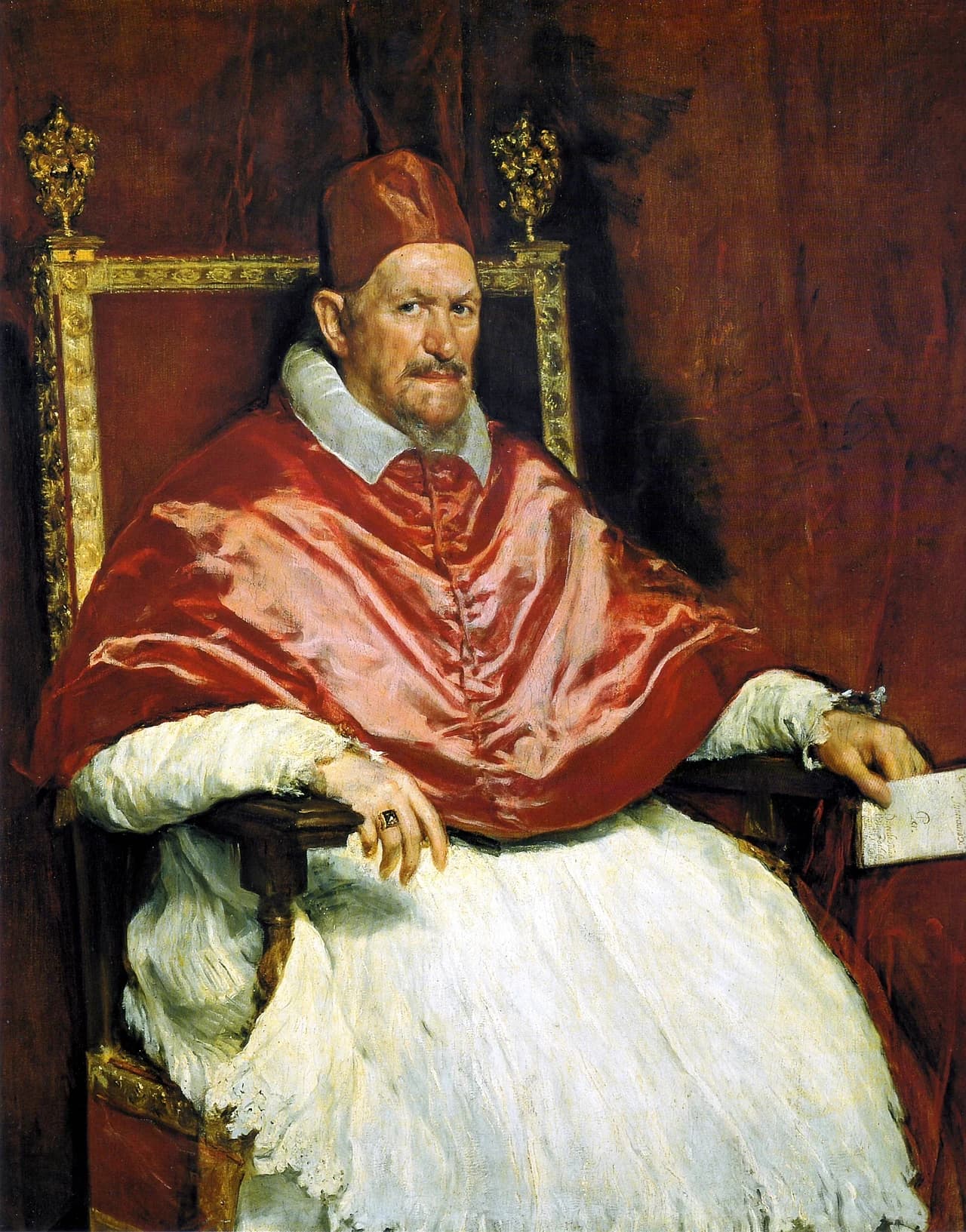
Portrait of Innocent X
Diego Velázquez, 1650
Galleria Doria Pamphilj, Rome
T
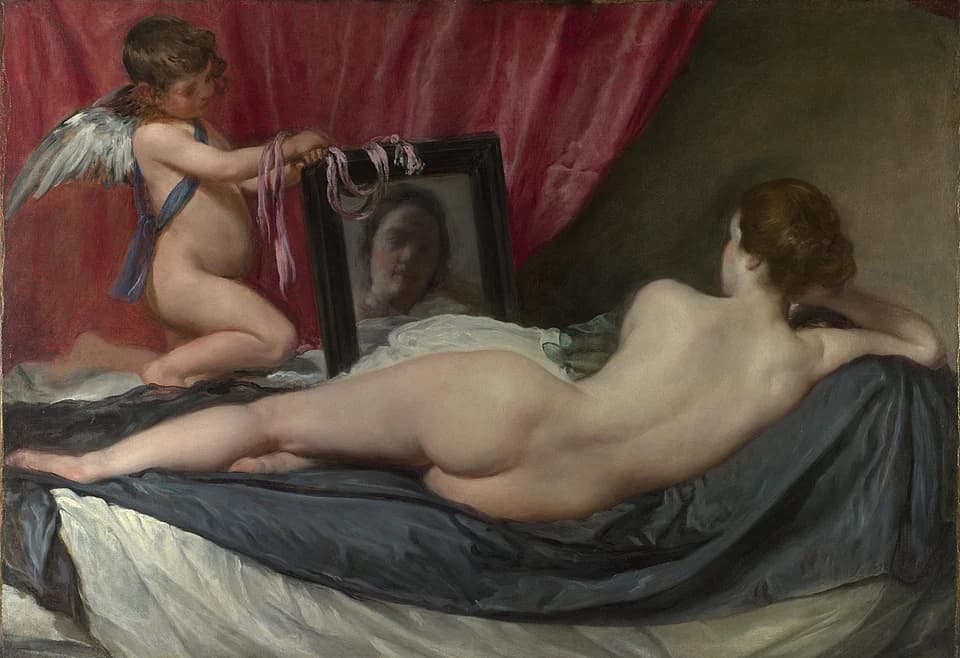
The Rokeby Venus
Diego Velázquez, 1650
National Gallery, London
B
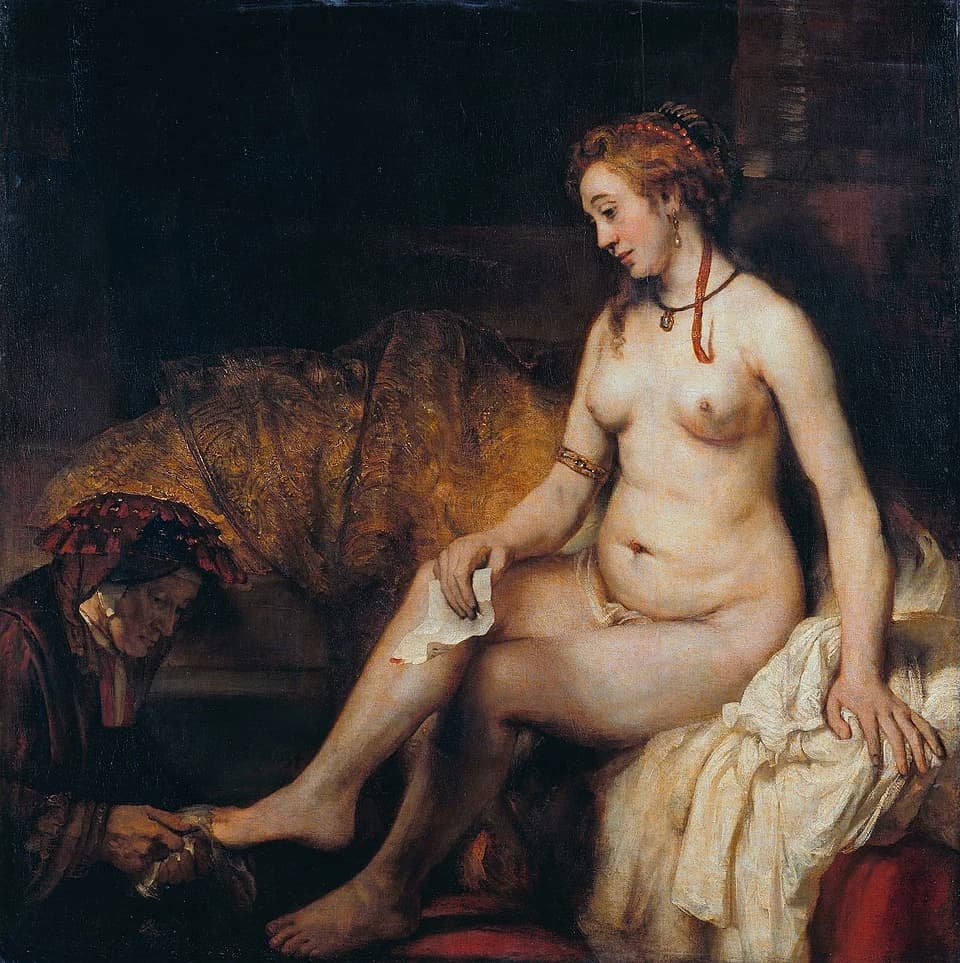
Bathsheba at Her Bath
Rembrandt van Rijn, 1654
Louvre, Paris, Paris
L
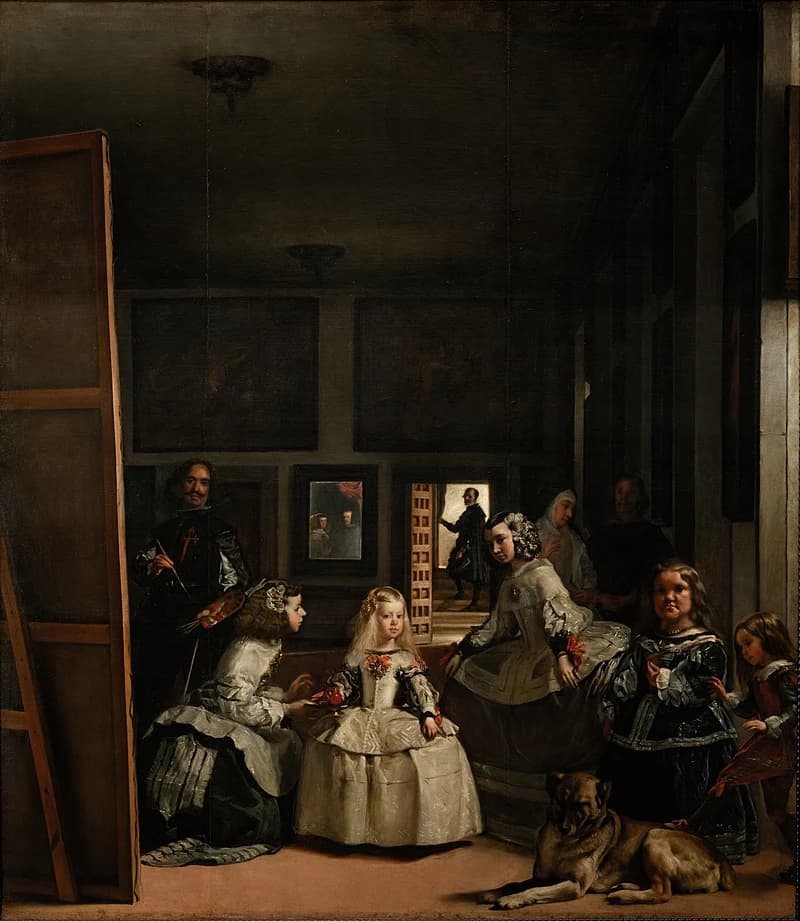
Las Meninas
Diego Velázquez, 1656
Museo del Prado, Madrid, Madrid
W
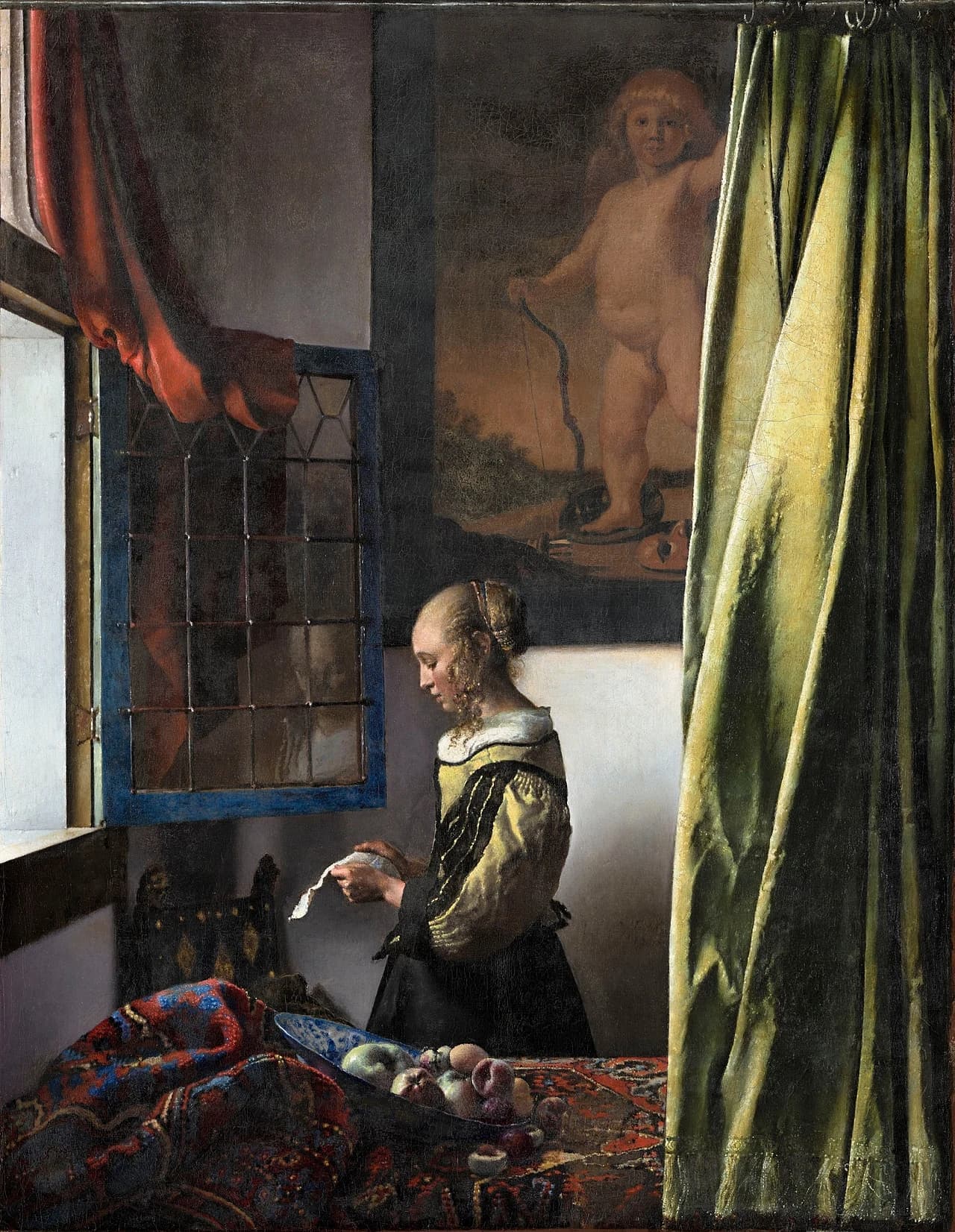
Woman Reading a Letter
Johannes Vermeer, 1663
Rijksmuseum, Amsterdam
W
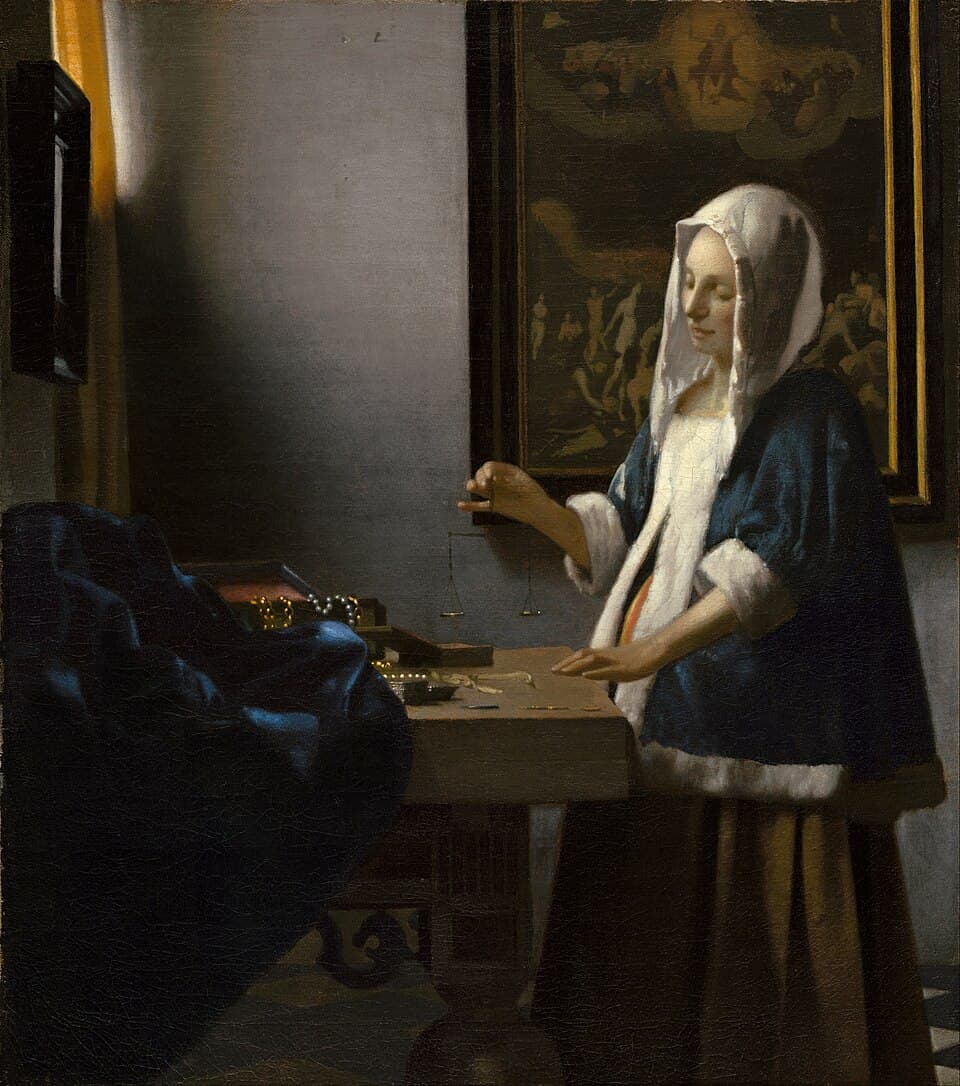
Woman Holding a Balance
Johannes Vermeer, 1664
National Gallery of Art, Washington, D.C.
G
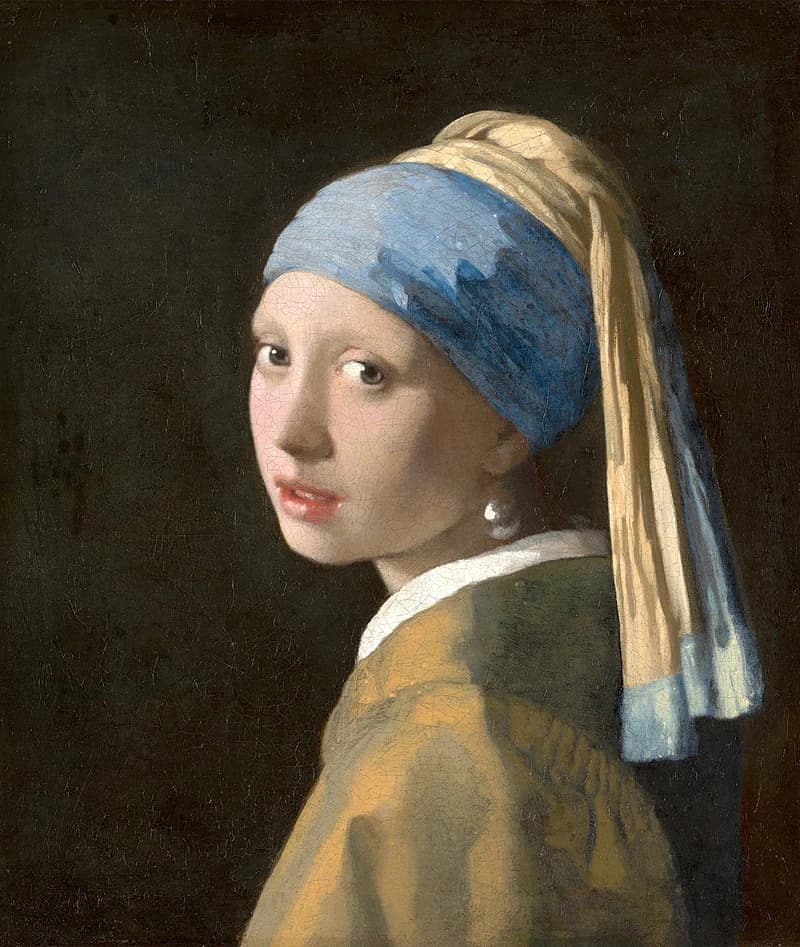
Girl with a Pearl Earring
Johannes Vermeer, 1665
Mauritshuis, The Hague
About Baroque & Rococo
Baroque art (1600-1750) is known for dramatic lighting, emotional intensity, and theatrical compositions. Caravaggio pioneered tenebrism, where figures emerge from deep shadows into spotlight, creating psychological tension that moved viewers emotionally.
Baroque served churches and monarchs with dramatic, large-scale works emphasizing power and faith. Rococo (1720-1780) served aristocrats with lighter, decorative art featuring pastel colors, playful subjects, and ornate detail. Rococo was essentially Baroque's frivolous younger sibling.
Key masters include Caravaggio (dramatic lighting), Rembrandt (psychological depth), Vermeer (luminous interiors), Rubens (monumental grandeur), and Velázquez (royal portraiture).
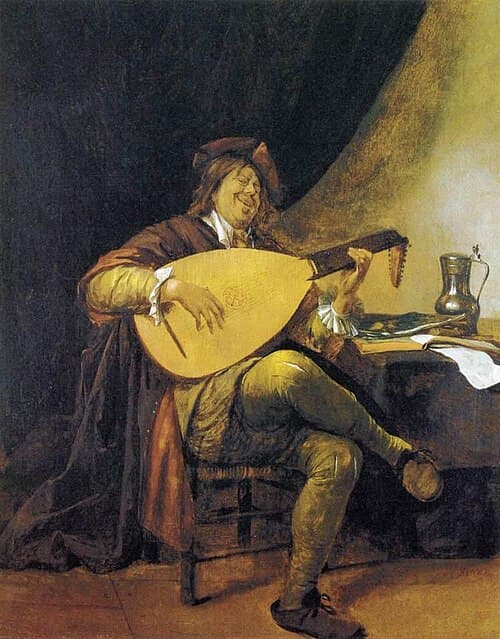
The Dutch Golden Age (1588-1672) saw unprecedented artistic production in the Netherlands. Protestant merchants commissioned landscapes, still lifes, and genre scenes instead of religious art. Rembrandt and Vermeer emerged from this golden period.
The Rijksmuseum holds Rembrandt's Night Watch. The Prado has Velázquez's Las Meninas. Caravaggio's works are scattered across Rome's churches. The Louvre and Met have extensive Baroque collections.
Bring Baroque & Rococo Home
Luxury art prints inspired by these iconic masterpieces. Museum-quality canvas for your walls.
Shop Baroque & Rococo Art