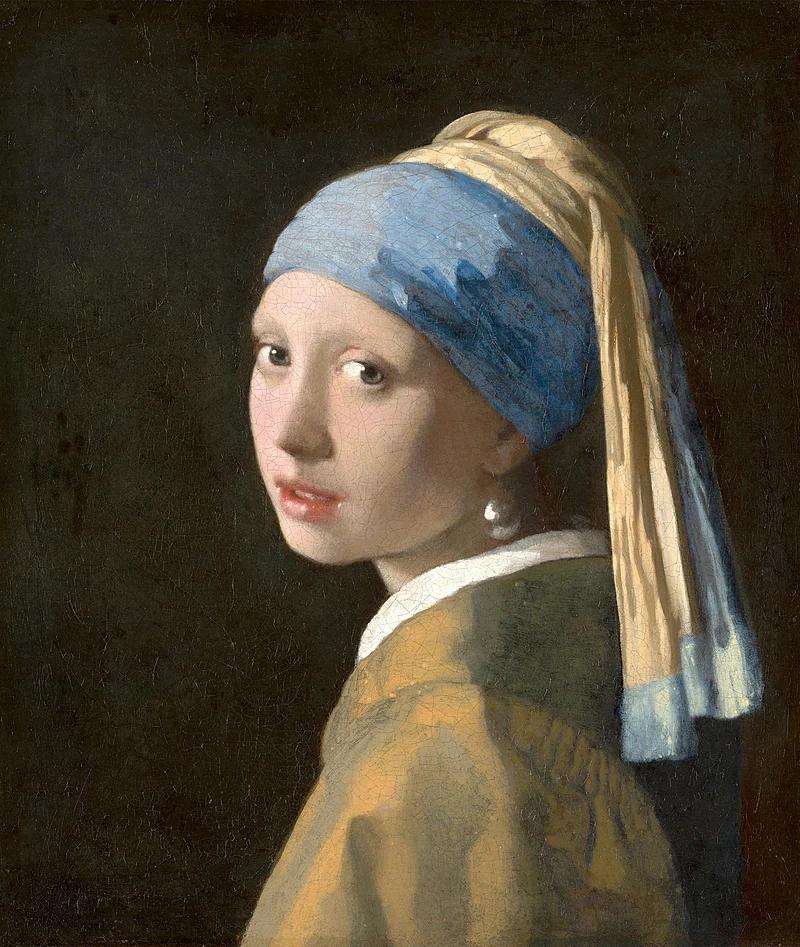
Girl with a Pearl Earring
by Johannes Vermeer, 1665
Artwork Details
Details
- Year
- 1665
- Medium
- Oil on canvas
- Size
- 44.5 cm × 39 cm
- Gallery
- Cabinet Room
Estimated Value
$100M
Expert estimate
That's 2 superyachts
Cite or Embed This Work
APA · MLA · Chicago1-click academic citation and embeddable “On View” museum badge for articles, syllabi, and research.
Johannes Vermeer's Girl with a Pearl Earring has been called the "Mona Lisa of the North," and the comparison is apt. Like Leonardo's portrait, this painting of an unknown girl turning to glance over her shoulder has captivated viewers for centuries with its combination of intimacy and mystery. Who was she? Why does she look at us that way? Vermeer left no answers.
The work technically a "tronie," a Dutch Golden Age genre showing an anonymous figure in exotic costume rather than a specific individual. The girl wears a blue and yellow turban and an impossibly large pearl earring that catches light from an unseen source. Vermeer built her face from subtle gradations of color, her lips slightly parted, her eyes glistening with reflected light.
Vermeer worked slowly, producing only about 34 paintings in his lifetime. He died in debt at 43, and his work was largely forgotten until rediscovery in the 19th century. Today this small painting draws crowds to the Mauritshuis in The Hague, where its quiet presence commands an entire wall. The portrait's timeless elegance has made it an enduring choice for portrait art enthusiasts.
Historical Significance
One of Vermeer's most famous works, celebrated for its intimate quality and masterful use of light.
More by Johannes Vermeer
View all →S
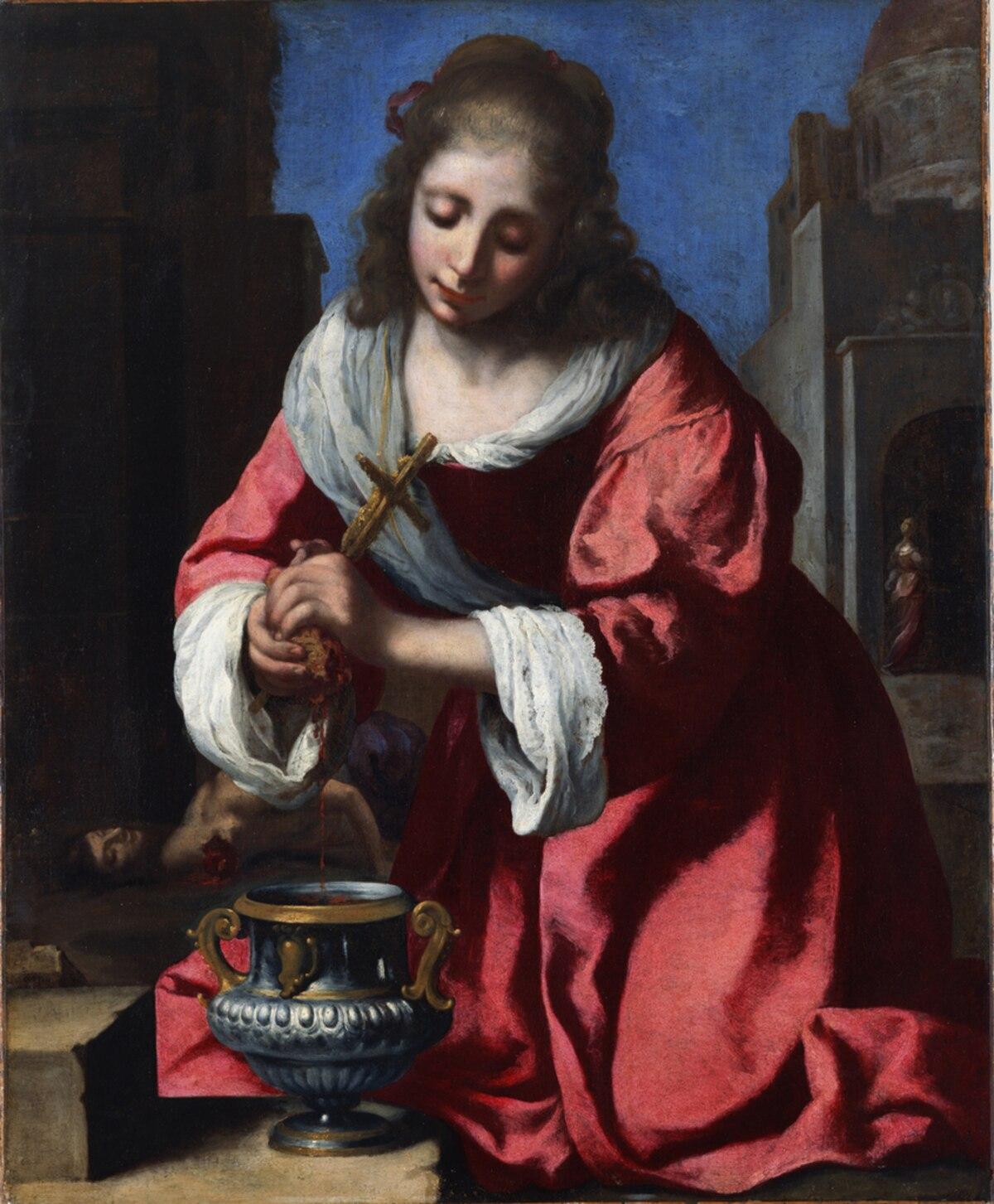
Saint Praxedis
Johannes Vermeer, 1655
National Museum of Western Art, Tokyo
Y
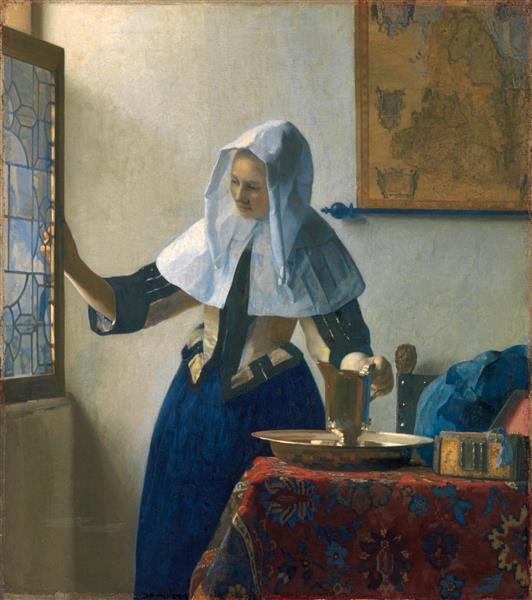
Young Woman with a Water Pitcher
Johannes Vermeer, 1664
The Metropolitan Museum of Art, New York
A
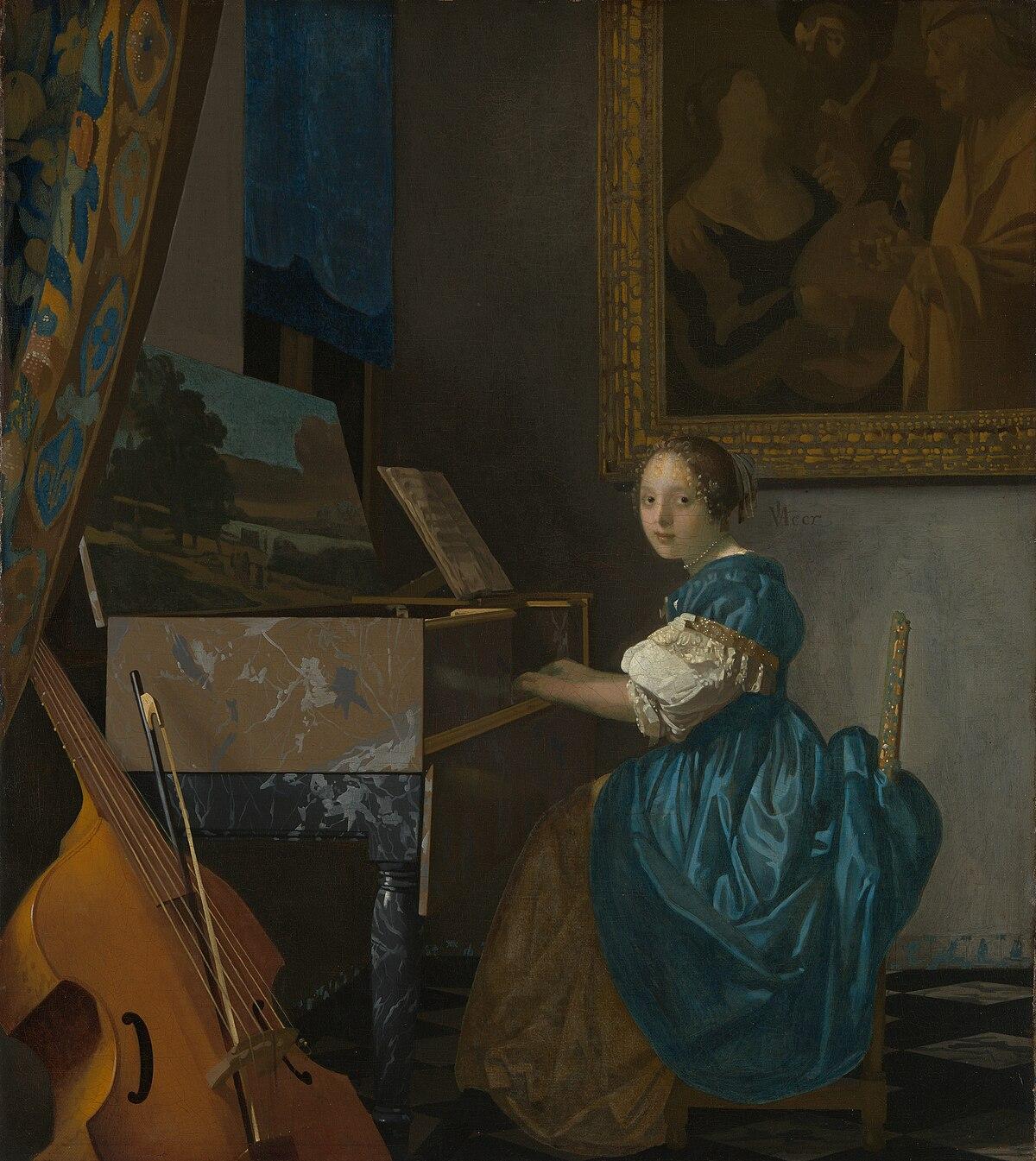
A Young Woman Seated at a Virginal
Johannes Vermeer
National Gallery, London
A
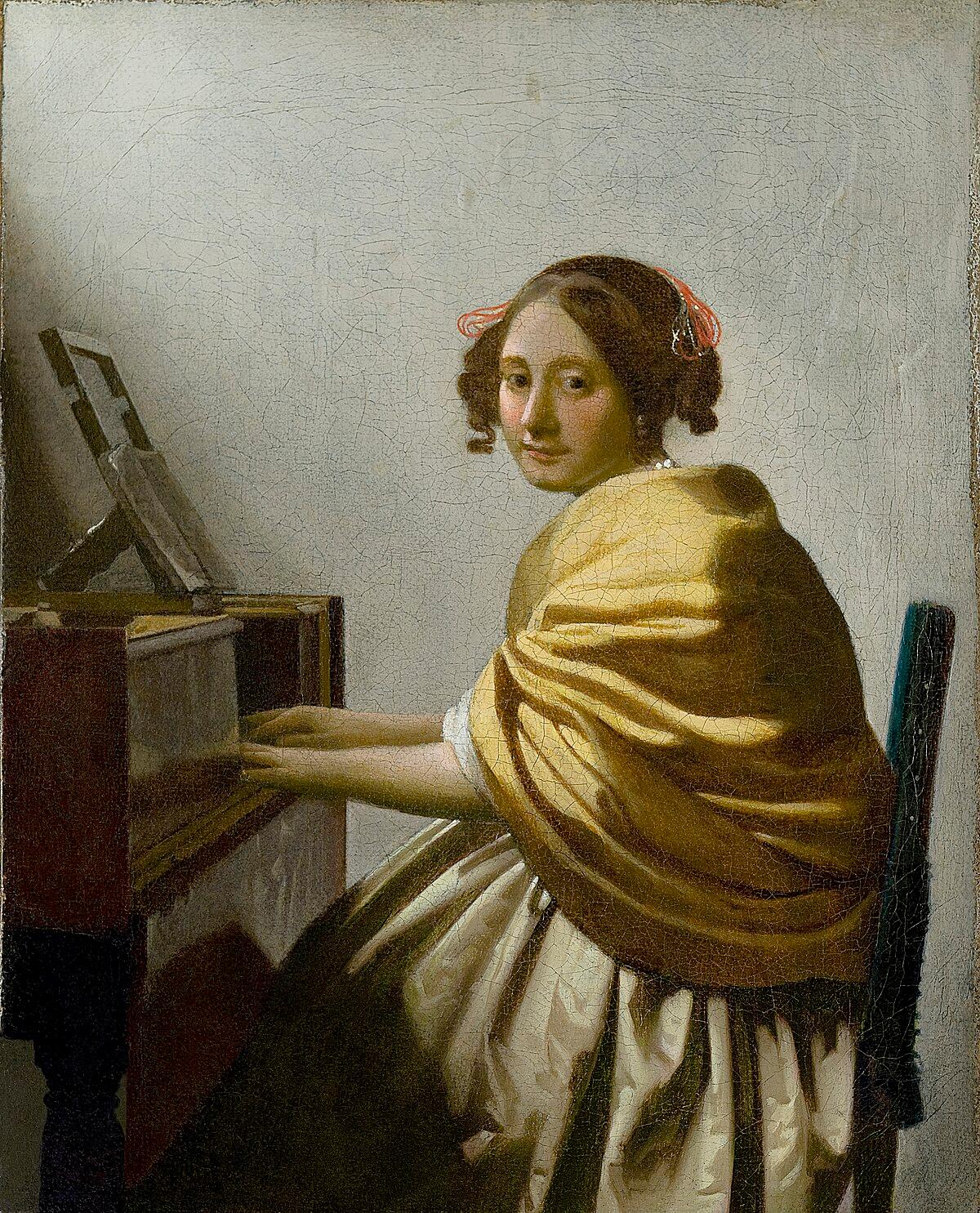
A Young Woman Seated at the Virginals
Johannes Vermeer
Leiden Collection, Leiden
Also at Mauritshuis
View all →

Related Works
Works that share an artist, movement, museum, genre, palette or theme with Girl with a Pearl Earring.
- Same artist
- Same movement
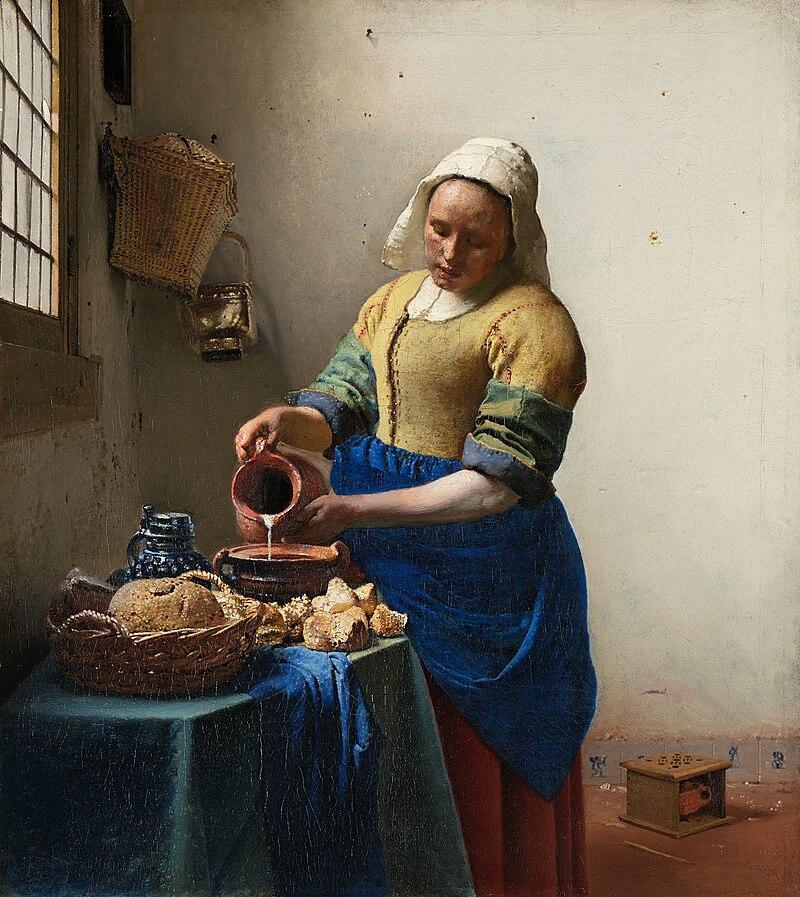
The Milkmaid
Johannes Vermeer, 1658
- Same artist
- Same movement
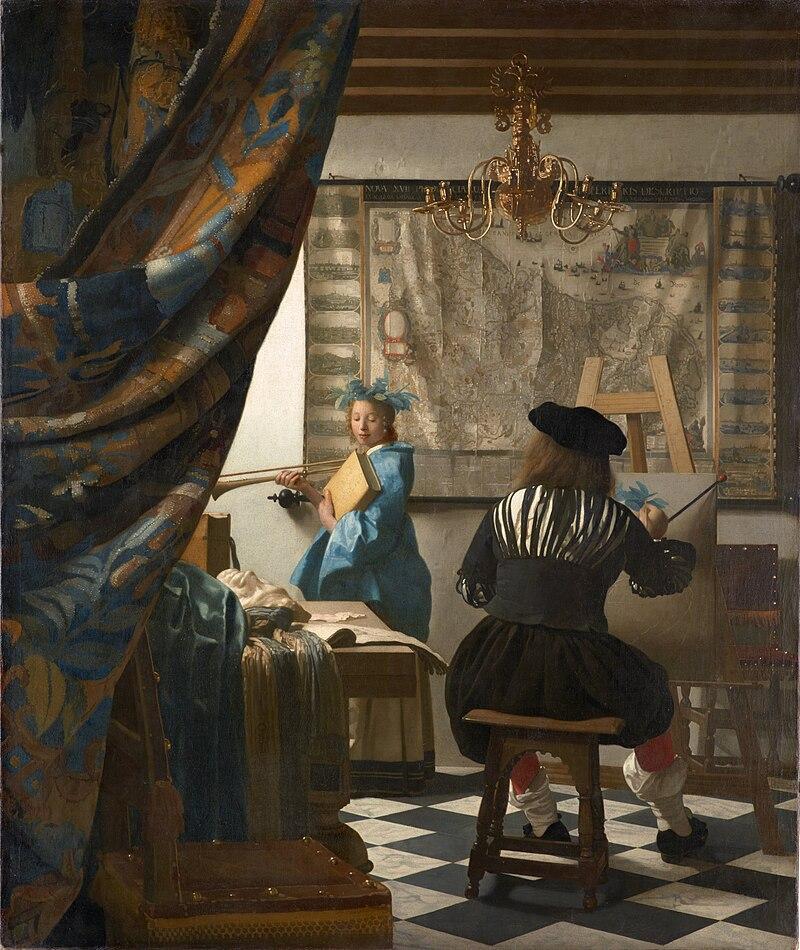
The Art of Painting
Johannes Vermeer, 1666
- Same artist
- Same movement
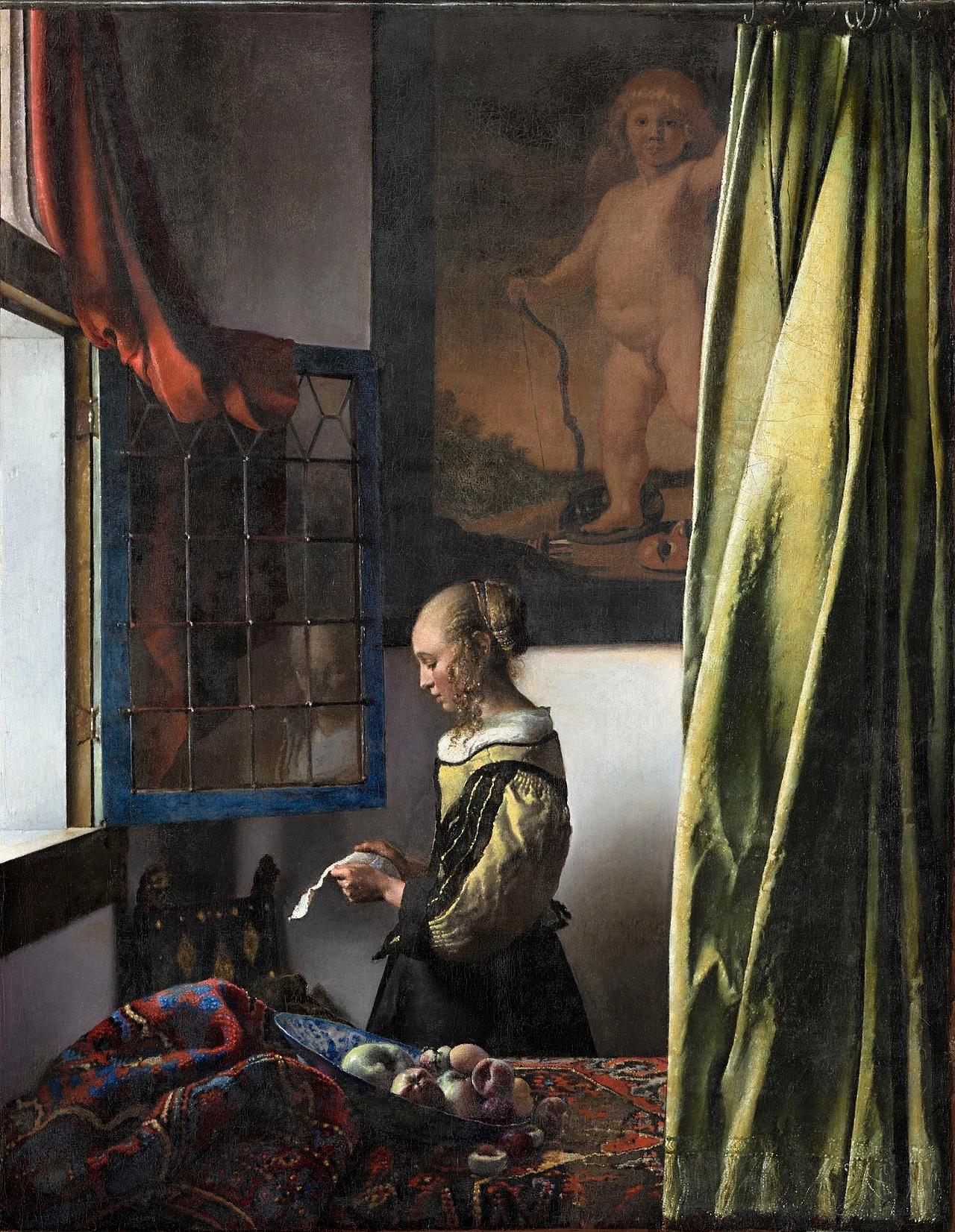
Woman Reading a Letter
Johannes Vermeer, 1663
- Same movement
- Similar palette
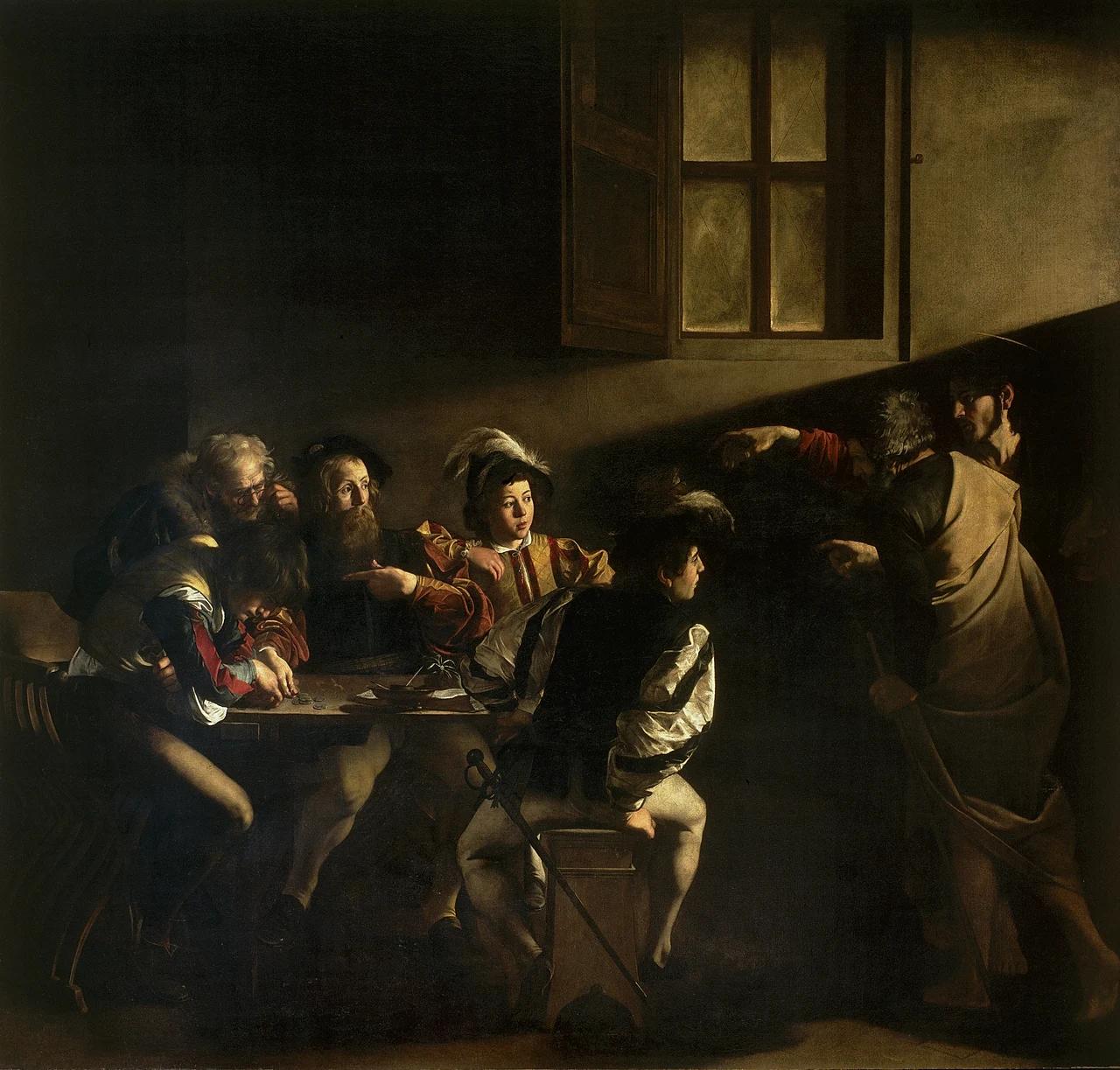
The Calling of Saint Matthew
Caravaggio, 1600
- Same movement
- Same museum
Vanitas Still Life
Pieter Claesz, 1630
- Same movement
- Same museum
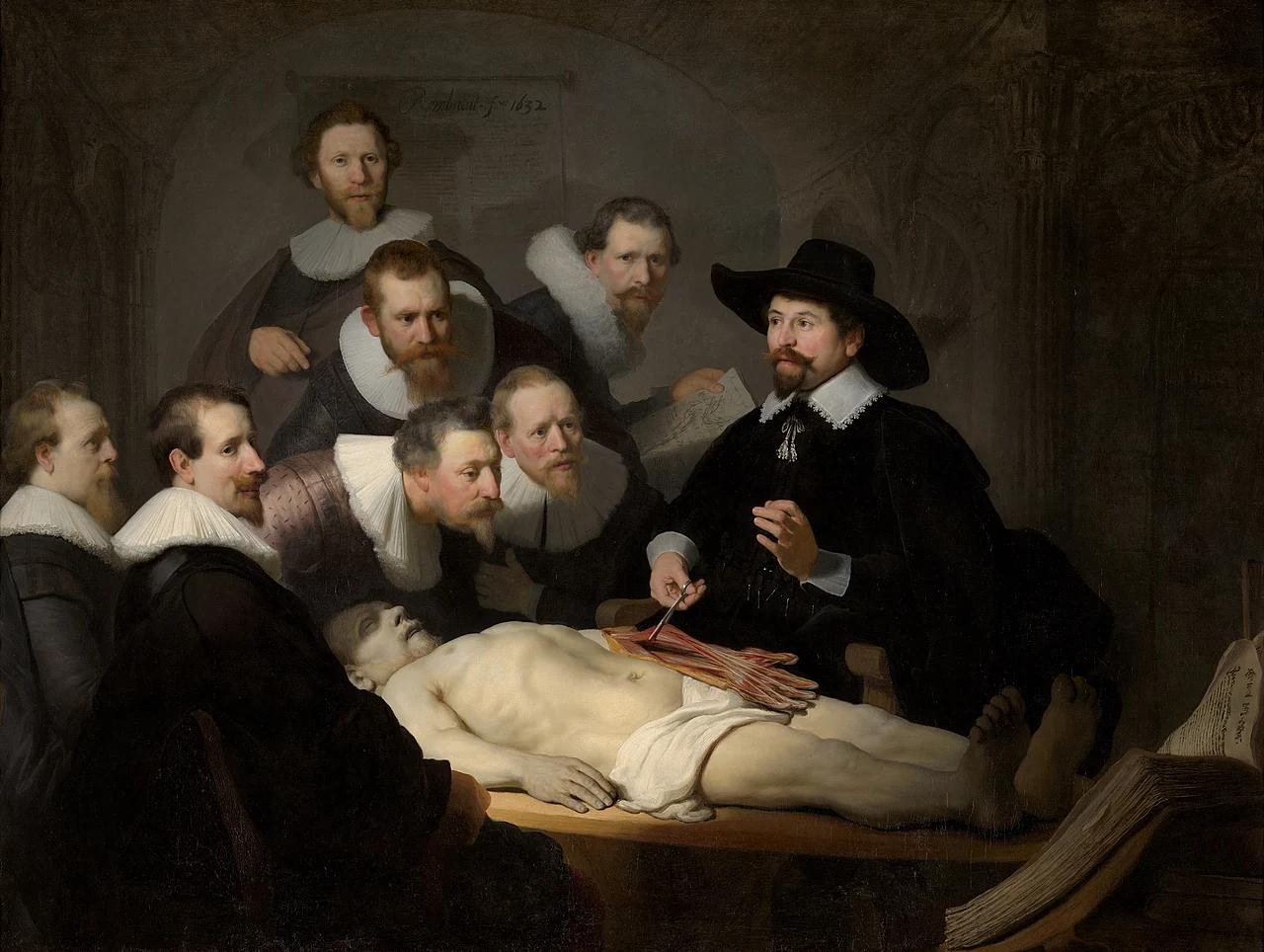
The Anatomy Lesson of Dr. Nicolaes Tulp
Rembrandt van Rijn, 1632
- Same movement
- Same museum
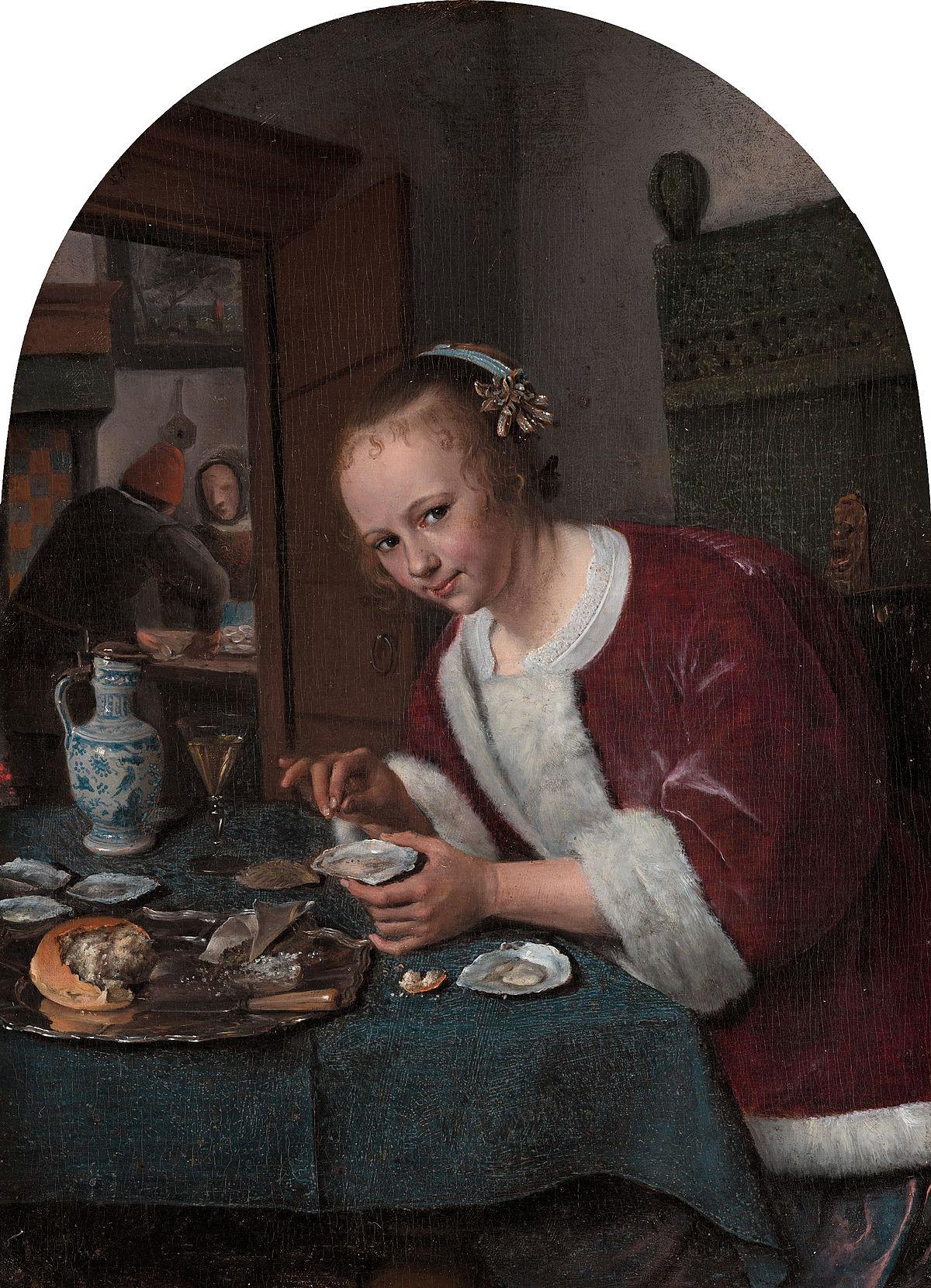
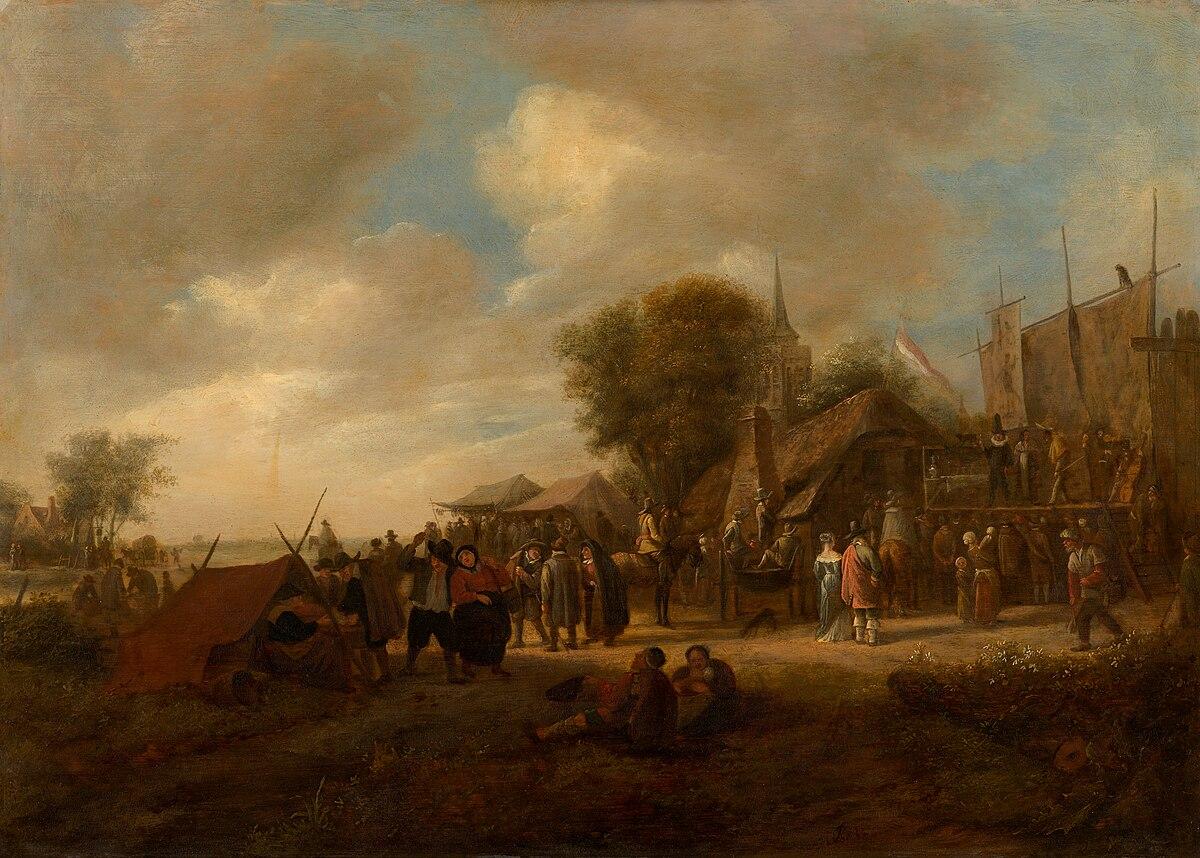
Village Fair
Jan Steen

- Same movement
- Same museum
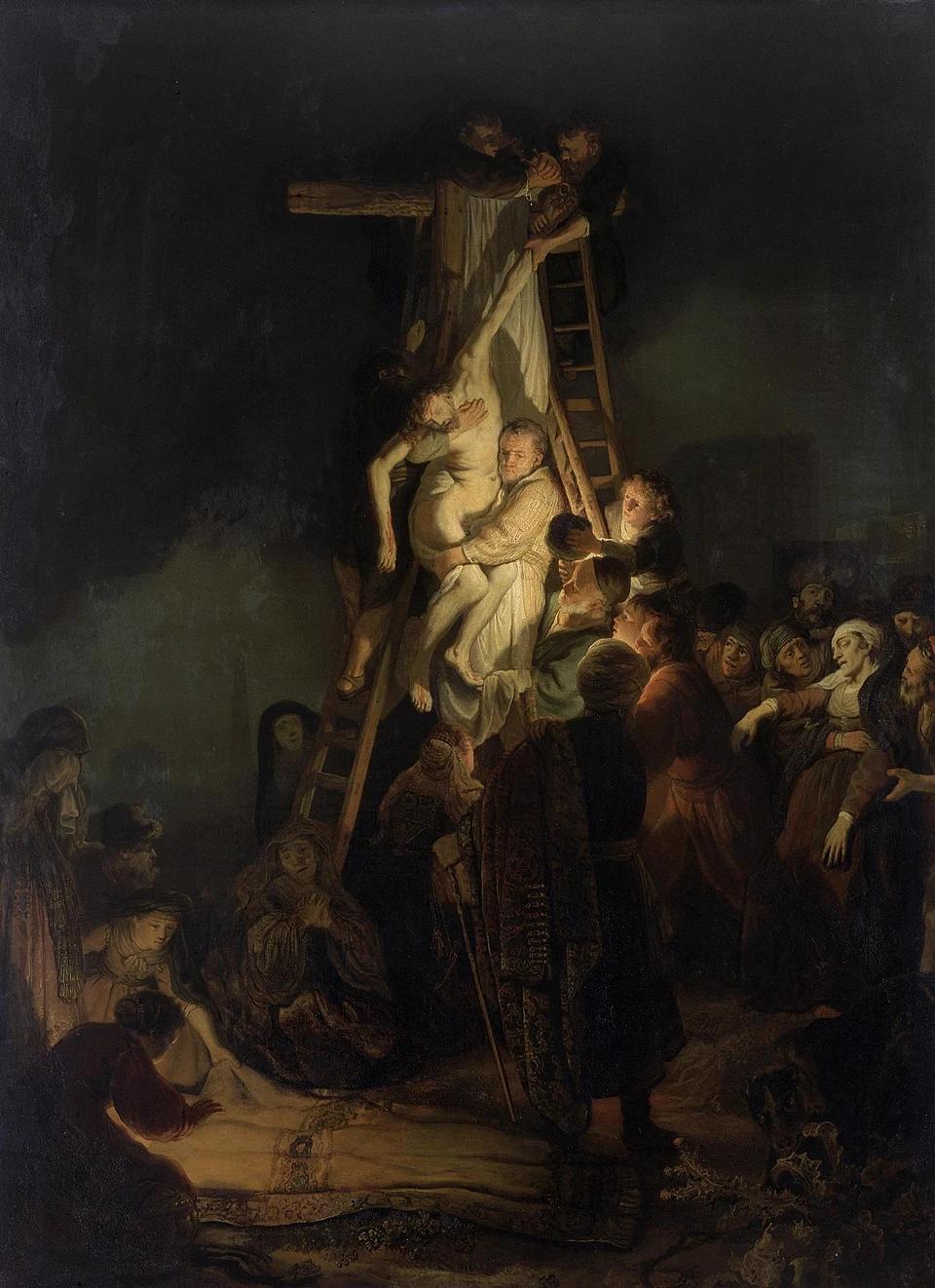
The Young Bull
Paulus Potter, 1647
- Same movement
- Similar palette
The Jewish Bride
Rembrandt van Rijn, 1667
- Same movement
- Similar palette
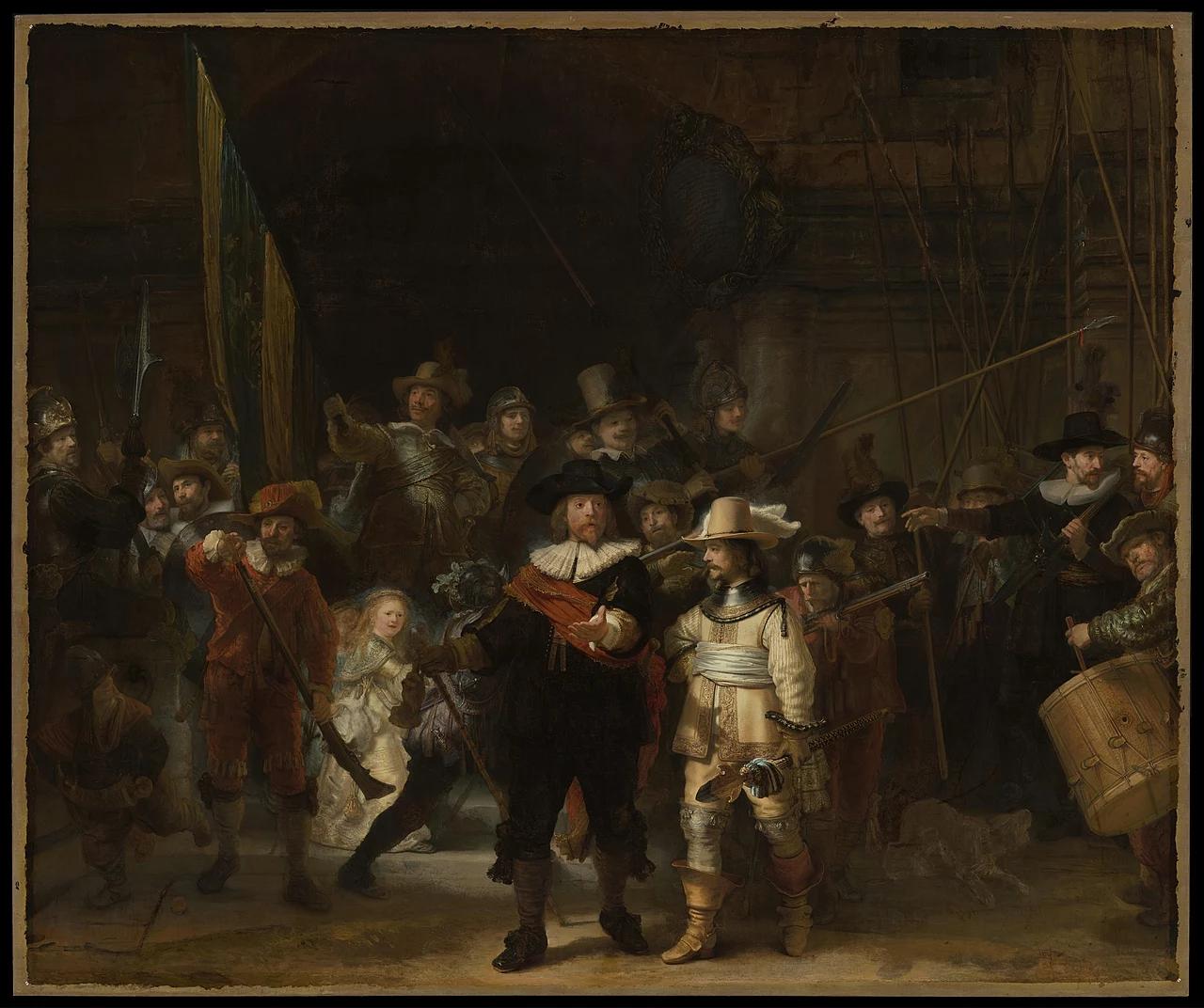
The Night Watch
Rembrandt van Rijn, 1642
- Same movement
- Similar palette
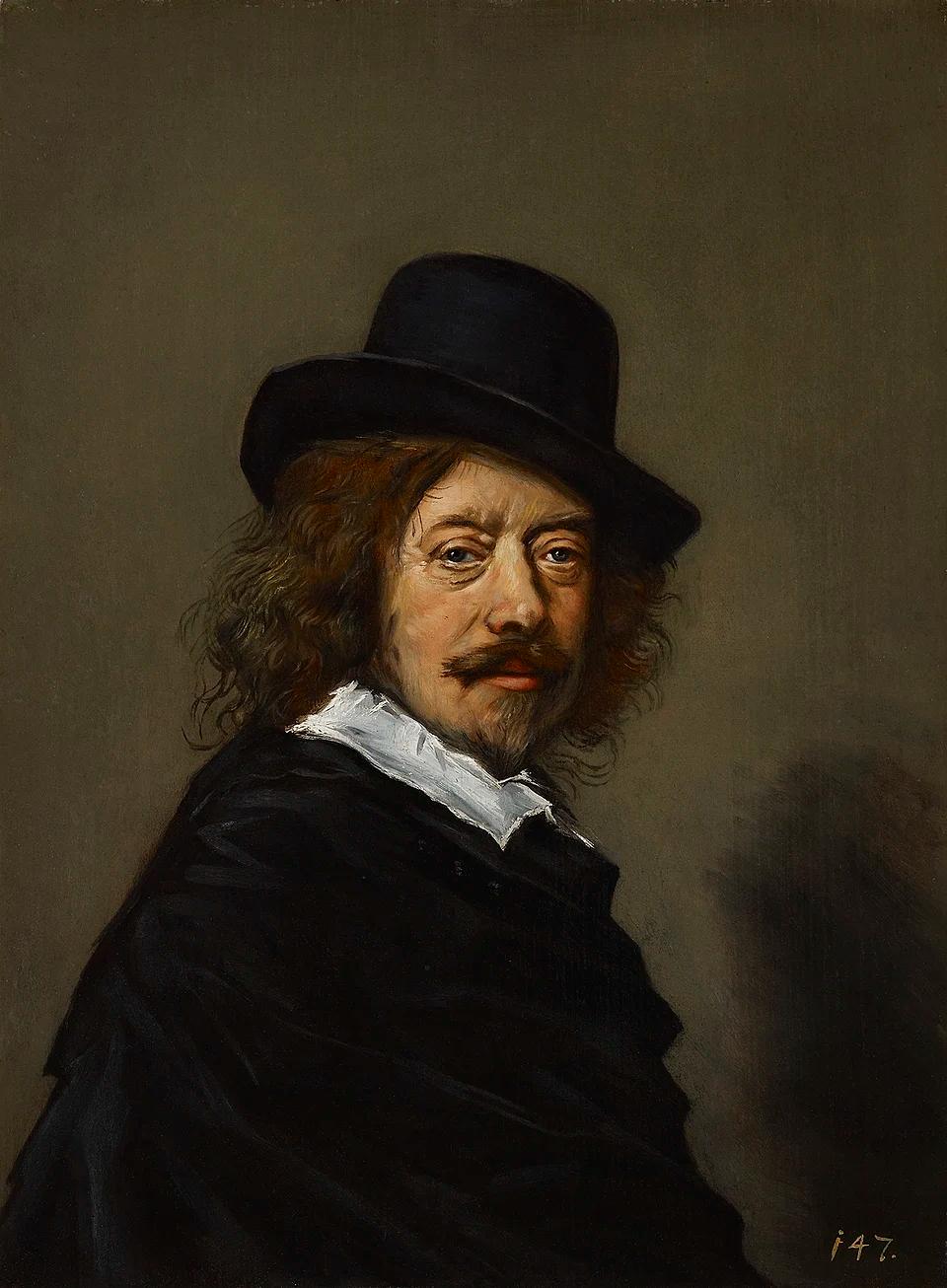
The Laughing Cavalier
Frans Hals, 1624
- Same movement
- Similar palette
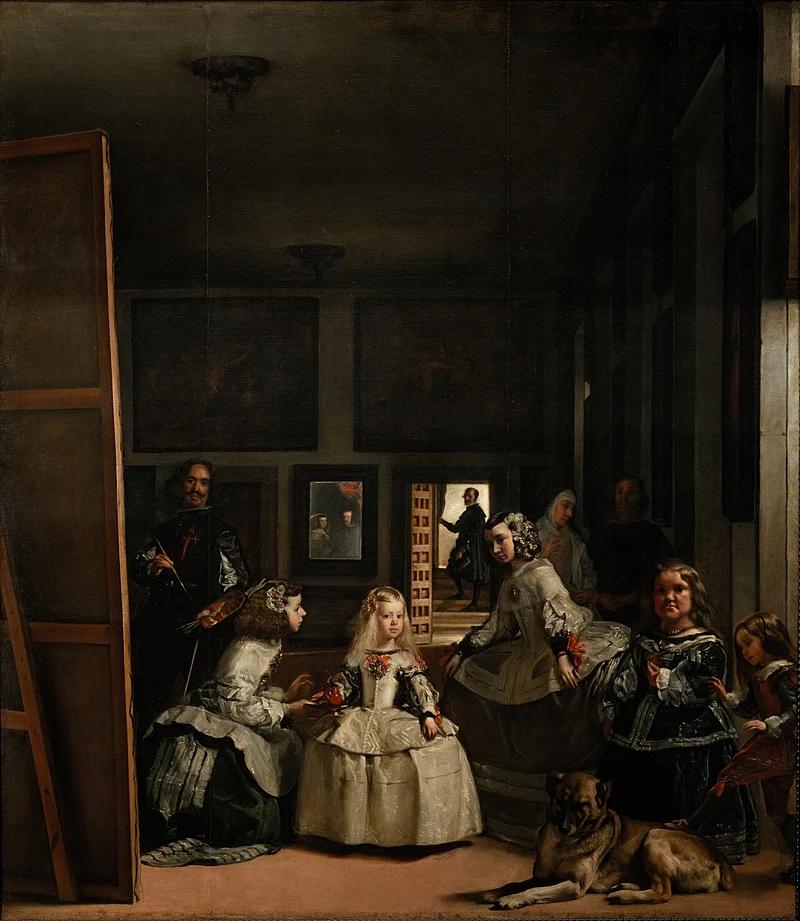
Las Meninas
Diego Velázquez, 1656
About Girl with a Pearl Earring
It's on permanent display at the Mauritshuis in The Hague, Netherlands. The museum is small enough that you won't miss it. The work the collection's most famous work, sometimes called the 'Mona Lisa of the North.'
Nobody knows for certain. Vermeer painted this around 1665 as a tronie, a Dutch term for a character study rather than a portrait of a specific person. The girl's identity has sparked centuries of debate, a novel, and a feature film.
Probably not a real pearl. Art historians believe the earring is too large to be a natural pearl and may depict polished tin or glass, or it could be entirely imagined. X-ray analysis shows Vermeer painted the pearl with just a few carefully placed highlights, no underlying sketch at all.
It's a product of the Dutch Golden Age, the 17th-century period when the Netherlands dominated European art and trade. Vermeer's use of light and his ability to render soft, luminous textures made him one of the era's finest painters, though he was largely forgotten until the 1800s.
It measures 44.5 cm × 39 cm (17.5 × 15.4 inches). Like many Vermeer paintings, it's surprisingly small. The intimate scale adds to its power: that direct gaze and parted lips feel very personal when you're standing just a few feet away.
Own Art Like This
Luxury wall art with the same mood and energy. Gallery-quality canvas, no museum crowds.
Browse Collection