1900 - 1969
Modern Art
The break with tradition. Cubism, Surrealism, and the birth of abstraction.
About Modern Art
Modern art didn't just evolve from what came before. It declared war on it. In 1907, Picasso's Les Demoiselles d'Avignon shattered conventional perspective, launching Cubism. Objects appeared from multiple angles simultaneously. Reality fragmented into geometric planes. Nothing in art would ever be the same.
Movements multiplied at dizzying speed. Expressionism prioritized raw emotion over accurate representation, with Edvard Munch's The Scream becoming its icon. Surrealism explored dreams and the unconscious, as Dalí's melting clocks and Magritte's impossible images dissolved rational thought. Abstract Expressionism abandoned representation entirely, with Pollock dripping paint and Rothko creating color fields that seemed to vibrate.
Two world wars, Freudian psychology, and technological upheaval drove these experiments. If the camera could capture reality, why should painters? Modern artists asked what art could be and do when freed from representation. Abstract art proved that color, form, and gesture could move viewers without depicting anything recognizable. By 1969, these ideas had become the new establishment, ready for the next generation to rebel against.
What Was Happening in the World
Two world wars killed tens of millions and shattered faith in progress and reason. Freud revealed the unconscious mind lurking beneath rational thought. Einstein bent space and time. The atom was split. Airplanes and automobiles compressed distance. Radio and cinema created mass media. Totalitarian regimes rose and fell. The Holocaust proved human capacity for industrialized evil. After 1945, the center of the art world shifted from Paris to New York. Artists who survived asked: how can we paint after this?
What to Look For
Spotting Modern Art art in museums and galleries:
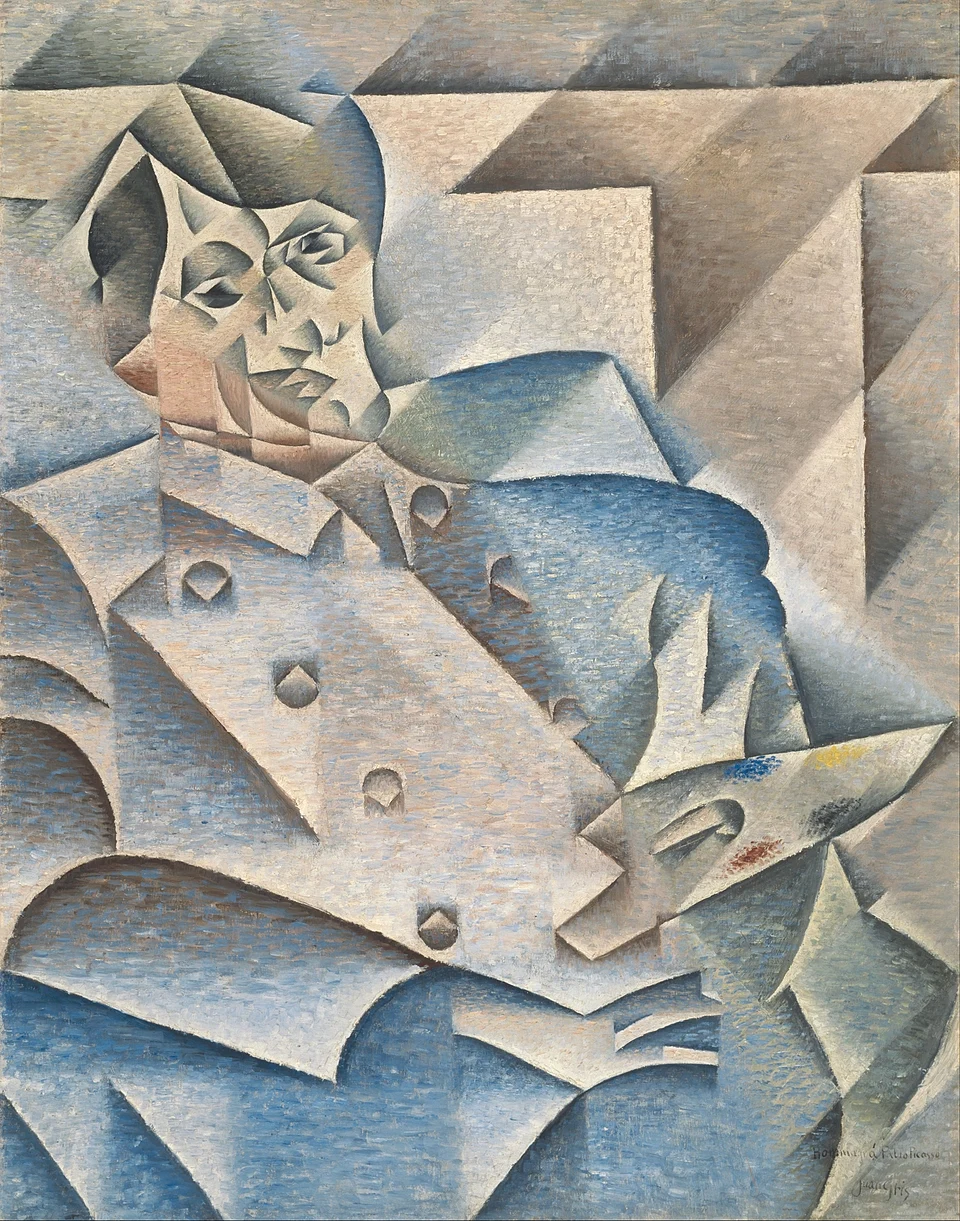
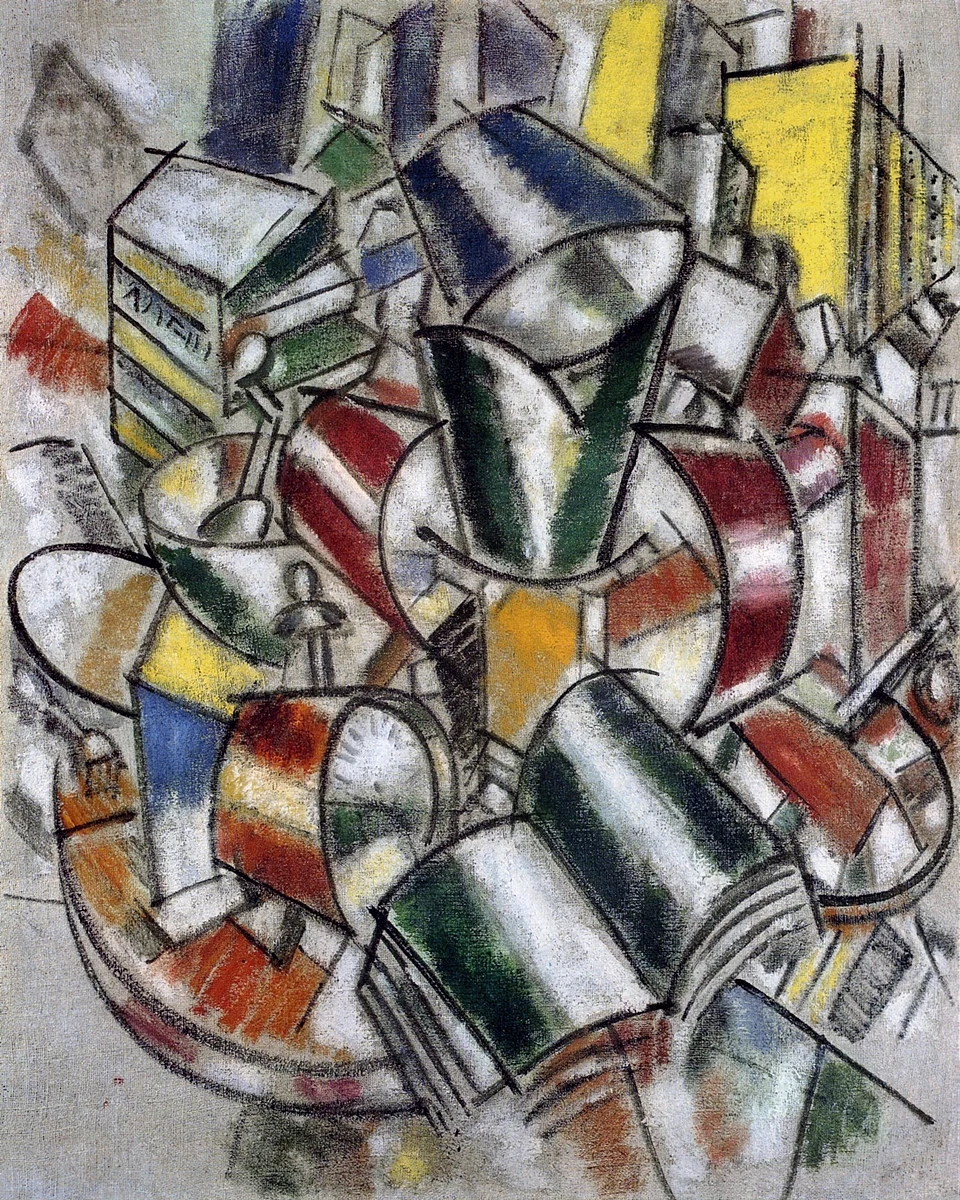
- 1Cubism: fragmented forms, multiple viewpoints shown simultaneously
- 2Expressionism: distorted figures, intense non-naturalistic colors
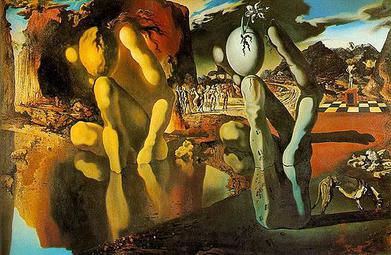
- 3Surrealism: dreamlike imagery, impossible combinations, melting forms
- 4Abstract: no recognizable subject, pure color, shape, and line
- 5Fauvism: wild, arbitrary colors (green faces, red trees)
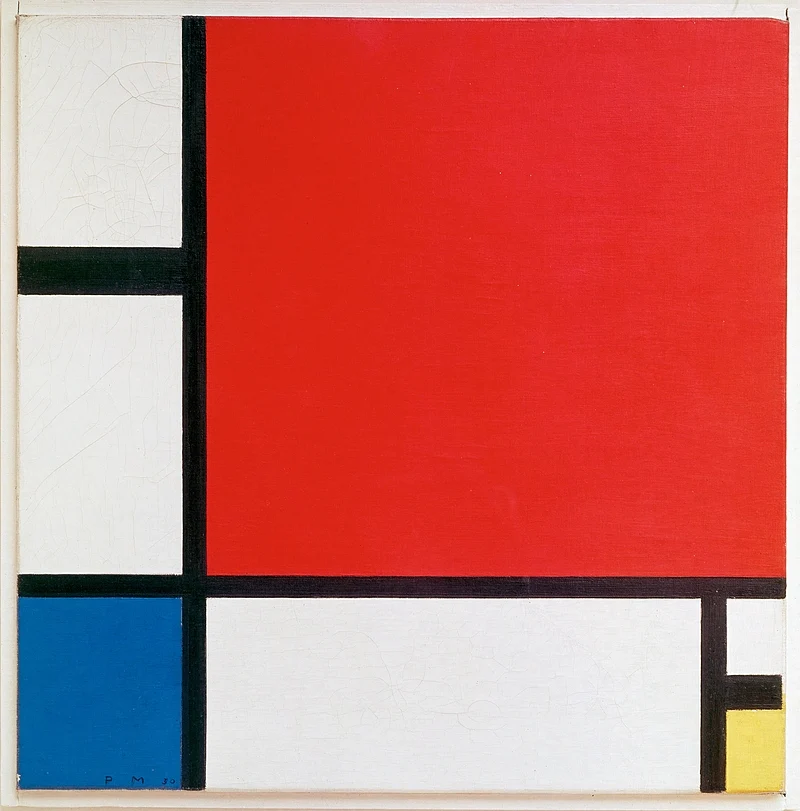
- 6Geometric abstraction: hard edges, primary colors, perfect shapes
- 7Abstract Expressionism: large canvases, drips, splashes, color fields
- 8Bold experimentation with materials: collage, found objects, industrial paint
At a Glance
- Period
- 1900 - 1969
- Movements
- 10
- Artists
- 43
- Artworks
- 315
Modern Art Movements
10 movements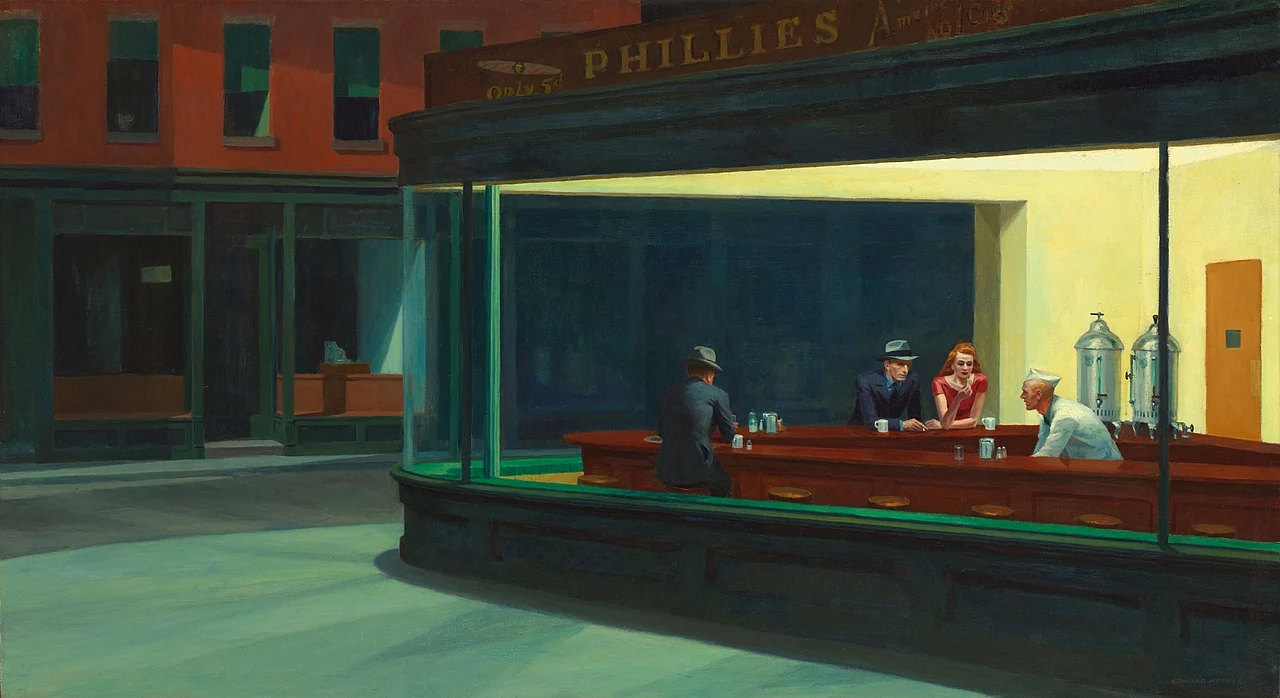
+4
American Realism
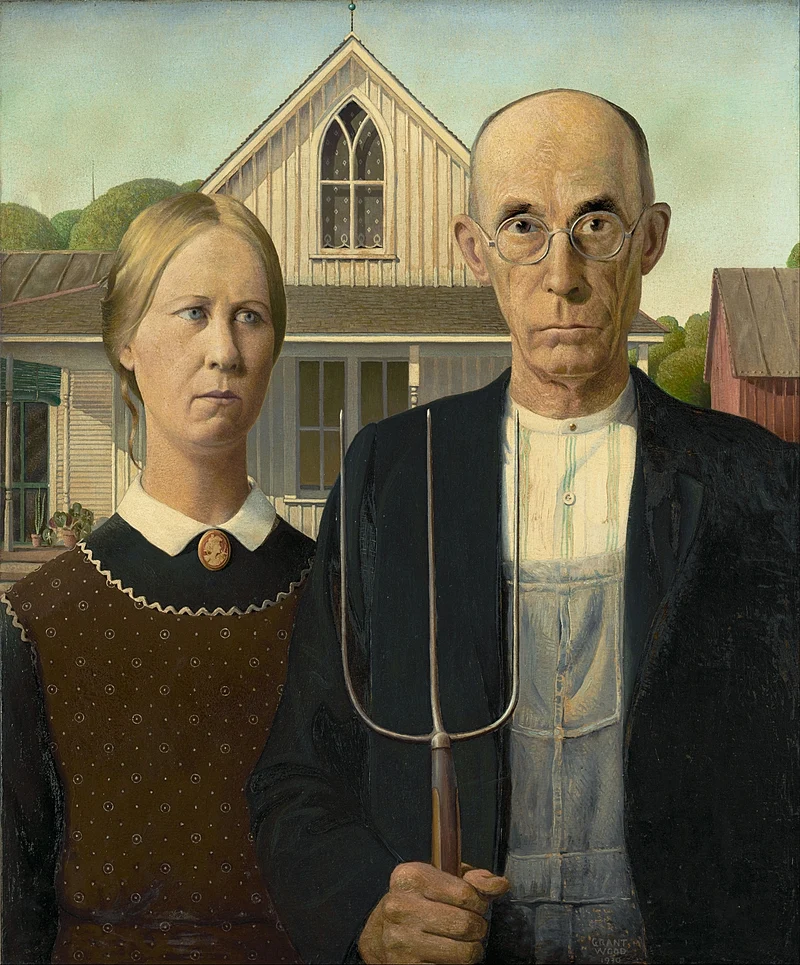
1900 – 1960<p>American Realism developed in the decades around 1900 as artists turned away from European academic ideals to paint the country as it actually looked: city streets, diners, farms, and working people, rendered without romantic softening. The movement grew partly out of the Ashcan School's gritty urban scenes and continued through the interwar years into a broader style sometimes tied to Regionalism.</p> <p><a href="/apps/masterpieces/artist/edward-hopper"><strong>Edward Hopper</strong></a> became the movement's defining voice, using stark light and empty compositions to capture a specific American loneliness. His <a href="/apps/masterpieces/art/nighthawks"><strong>Nighthawks</strong></a> shows a nearly deserted diner lit up against a dark city street, while <a href="/apps/masterpieces/art/cape-cod-evening-hopper"><strong>Cape Cod Evening</strong></a> finds the same quiet unease in a rural setting. <a href="/apps/masterpieces/artist/grant-wood"><strong>Grant Wood</strong></a> took a different tack in the Midwest, painting the stiff, dignified farm couple of <a href="/apps/masterpieces/art/american-gothic"><strong>American Gothic</strong></a>, an image that has been parodied more than almost any other painting in American history.</p> <p><a href="/apps/masterpieces/artist/winslow-homer"><strong>Winslow Homer</strong></a> painted the sea and rural labor with a rougher, more physical hand decades earlier, and <a href="/apps/masterpieces/artist/george-bellows"><strong>George Bellows</strong></a> brought that same directness to boxing rings and construction sites. Together these artists built a visual record of American life that prized honesty over prettiness, and their influence still shapes how illustrators and photographers depict everyday American scenes today.</p>
7 artists

Fauvism
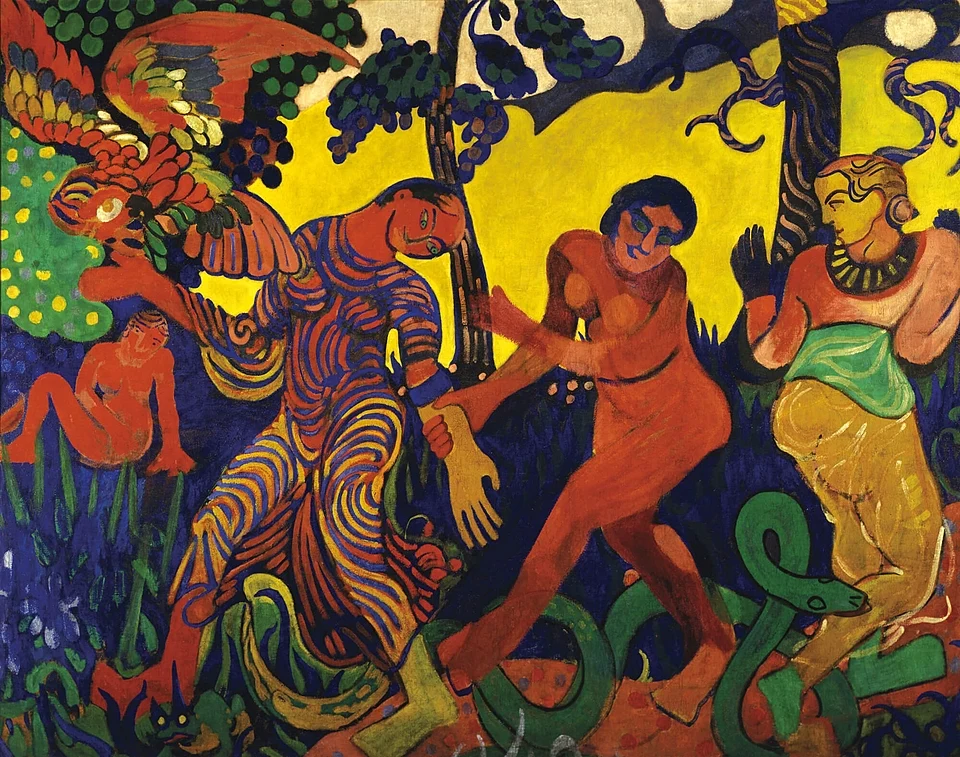
1904 – 1908<p>Fauvism burned brightly for only about four years, from 1904 to 1908, but it was the first major art movement of the 20th century and helped break color free from any obligation to look natural. The name came from a critic who, seeing the wild, unmixed colors at the 1905 Salon d'Automne, dismissively called the painters "les fauves," or wild beasts. The label stuck, and the artists more or less embraced it.</p> <p><a href="/apps/masterpieces/artist/henri-matisse"><strong>Henri Matisse</strong></a> led the group, using flat planes of pure, often non-naturalistic color to build a painting's structure rather than relying on shading or gradual tone. His <a href="/apps/masterpieces/art/femme-au-chapeau-woman-with-hat"><strong>Femme au chapeau (Woman with a Hat)</strong></a> shocked its first audience with a face painted in patches of green and orange, a portrait of his wife rendered less as a likeness and more as a study in color relationships. <a href="/apps/masterpieces/artist/andre-derain"><strong>André Derain</strong></a> worked alongside him, painting the same harbor and landscape scenes in equally intense, arbitrary color.</p> <p>Fauvist paintings favored simplified forms, spontaneous, visible brushwork, and flattened space over depth, all in service of pure emotional impact. Because the group had no shared theory beyond a love of strong color, it dissolved quickly as its members moved toward Cubism and other directions, but its short run permanently expanded what color was allowed to do in painting.</p>
2 artists
+12
Expressionism
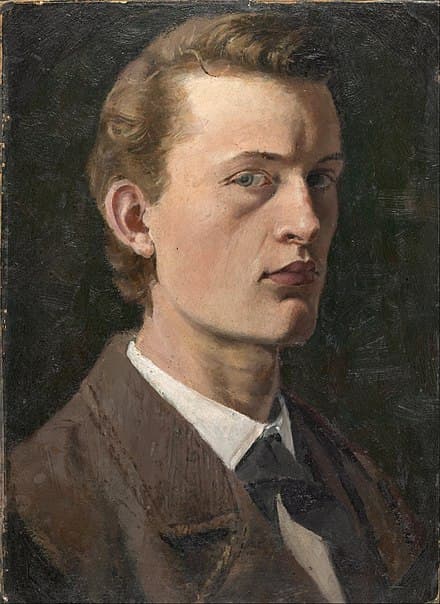
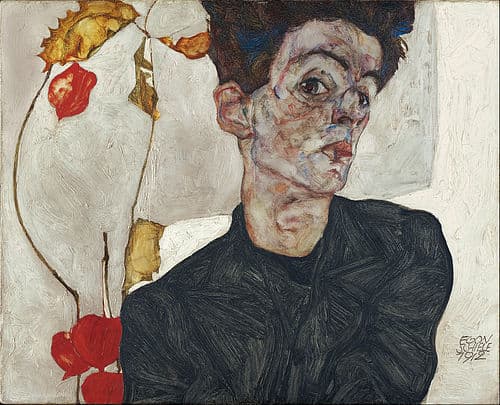
1905 – 1930<p>Expressionism developed in Germany and Austria in the early 1900s, built on the idea that painting should convey inner emotional or psychological states rather than record the outside world accurately. Artists distorted color, proportion, and space whenever it served feeling over description, often building on the earlier example of <a href="/apps/masterpieces/artist/edvard-munch"><strong>Edvard Munch</strong></a>, whose <a href="/apps/masterpieces/art/the-scream"><strong>The Scream</strong></a> turned a walk along a fjord into a howling vision of anxiety, its wavy sky and skeletal figure now among the most recognized images in art. Munch returned to that same raw emotional territory in works like <a href="/apps/masterpieces/art/madonna-munch"><strong>Madonna</strong></a> and <a href="/apps/masterpieces/art/sick-child"><strong>The Sick Child</strong></a>, both drawn from personal loss and illness.</p> <p>Two main groups carried the movement forward in Germany. Die Brücke, led by <a href="/apps/masterpieces/artist/ernst-ludwig-kirchner"><strong>Ernst Ludwig Kirchner</strong></a>, favored jagged forms and clashing colors to depict city life and its tensions. Der Blaue Reiter, co-founded by <a href="/apps/masterpieces/artist/wassily-kandinsky"><strong>Wassily Kandinsky</strong></a> and <a href="/apps/masterpieces/artist/franz-marc"><strong>Franz Marc</strong></a>, leaned toward spiritual and symbolic content, with Marc painting animals in unnatural blues and reds to suggest a purer inner life.</p> <p>In Vienna, <a href="/apps/masterpieces/artist/egon-schiele"><strong>Egon Schiele</strong></a> pushed Expressionist distortion into raw, angular figure painting charged with unease, while <a href="/apps/masterpieces/artist/marc-chagall"><strong>Marc Chagall</strong></a> folded in dreamlike imagery from his Russian Jewish childhood. Expressionism's emphasis on emotional truth over realism went on to shape German film, later American Abstract Expressionism, and much of 20th century figurative painting.</p>
15 artists
+1
Cubism
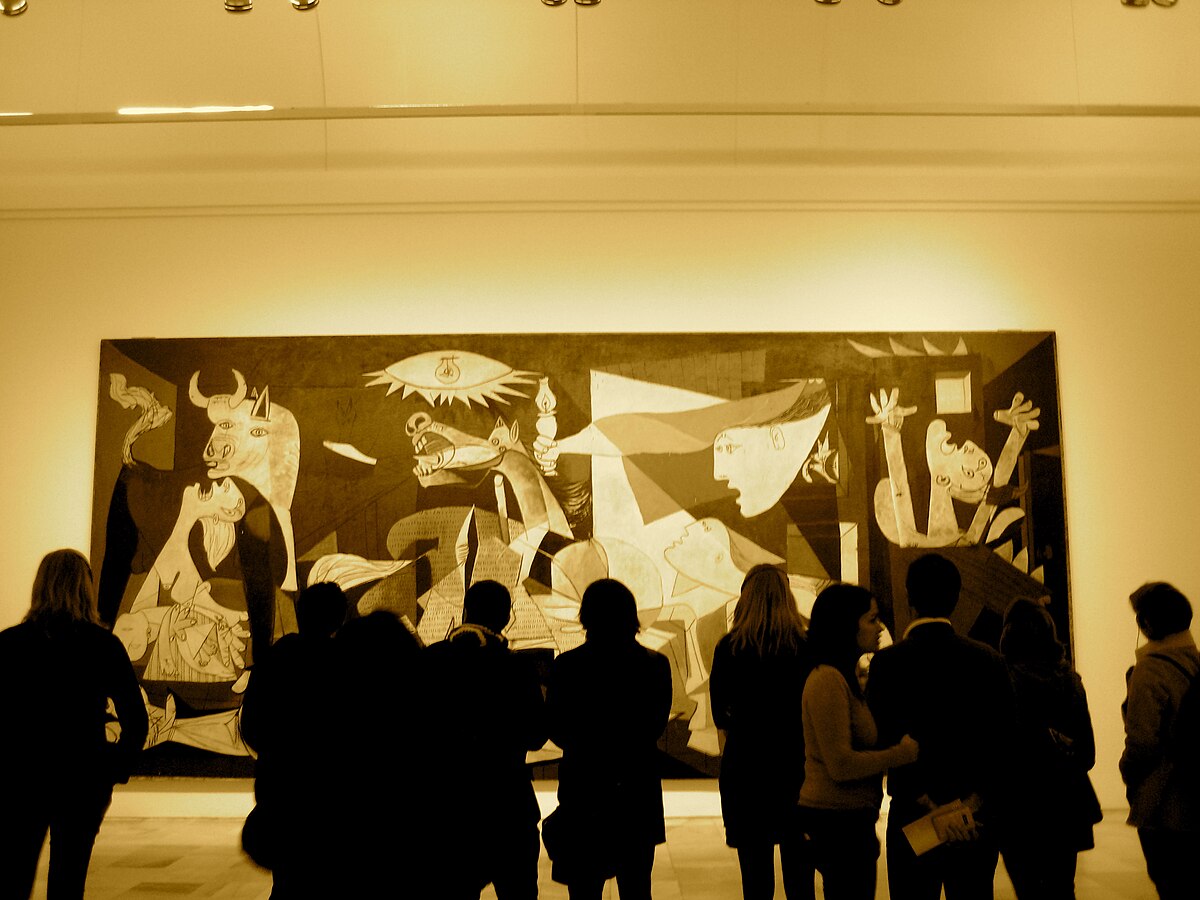
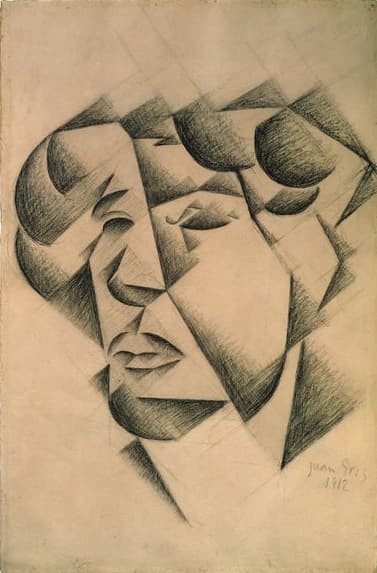
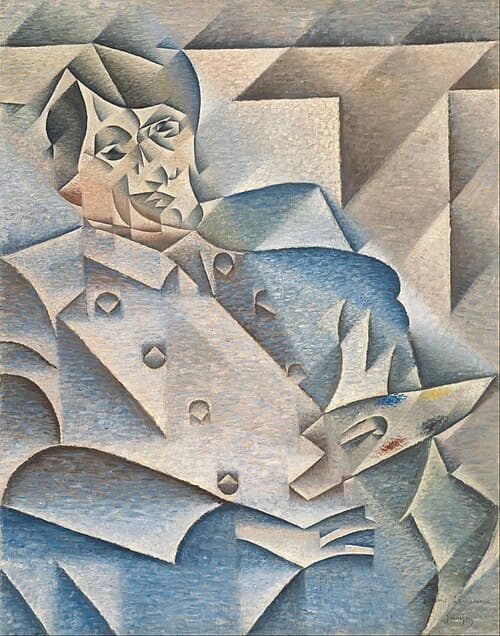
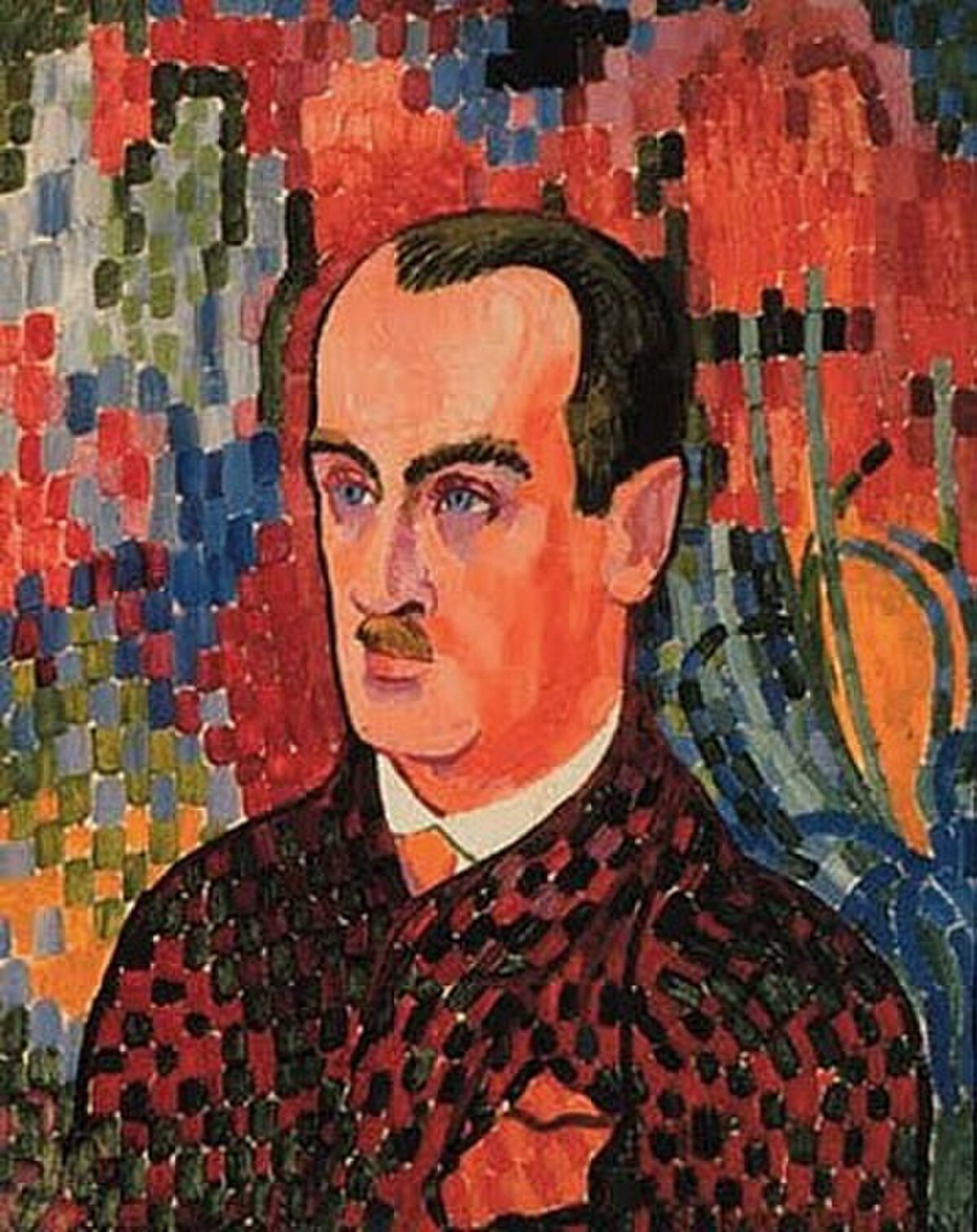
1907 – 1920<p>Cubism began in Paris around 1907, when <a href="/apps/masterpieces/artist/pablo-picasso"><strong>Pablo Picasso</strong></a> and Georges Braque started breaking objects apart into geometric facets and showing several viewpoints of the same subject at once. It was the most radical break with centuries of single-point perspective that European painting had ever seen, and it changed how nearly every artist after them thought about representing form on a flat surface.</p> <p>The movement usually gets split into two phases. Analytic Cubism, running through about 1912, fractured subjects into an almost monochrome scaffolding of overlapping planes, visible in transitional works like Picasso's <a href="/apps/masterpieces/art/family-of-saltimbanques"><strong>Family of Saltimbanques</strong></a>. Synthetic Cubism followed with flatter shapes, brighter color, and collaged materials like newspaper and wallpaper glued directly onto the canvas. <a href="/apps/masterpieces/artist/juan-gris"><strong>Juan Gris</strong></a> refined the style into cleaner, more decorative compositions, while <a href="/apps/masterpieces/artist/fernand-leger"><strong>Fernand Léger</strong></a> gave Cubist forms a mechanical, almost industrial quality inspired by machinery and modern city life.</p> <p><a href="/apps/masterpieces/artist/robert-delaunay"><strong>Robert Delaunay</strong></a> pushed the ideas toward pure color and rhythm in a related style sometimes called Orphism. Picasso's later <a href="/apps/masterpieces/art/guernica"><strong>Guernica</strong></a> shows how far Cubist fragmentation could be stretched for political statement, using broken, angular forms to convey the horror of the Spanish Civil War bombing that gave the painting its name. Cubism's influence reached far beyond painting, shaping sculpture, architecture, and design throughout the 20th century.</p>
4 artists

Futurism
1909 – 1944<p>Futurism launched in Italy in 1909, when poet Filippo Tommaso Marinetti published a manifesto in a Paris newspaper celebrating speed, machines, and a total break from the past. Painters and sculptors who joined the movement wanted to capture the sensation of modern life itself: cars, trains, factories, and crowds in motion, at a moment when Italy was rapidly industrializing.</p> <p><a href="/apps/masterpieces/artist/umberto-boccioni"><strong>Umberto Boccioni</strong></a> became the movement's leading artist, developing techniques to show multiple moments of movement layered into a single image, closer to a blurred photograph than a still scene. His bronze sculpture <a href="/apps/masterpieces/art/unique-forms-of-continuity-in-space-umberto-boccioni"><strong>Unique Forms of Continuity in Space</strong></a> shows a striding figure whose body seems to be sliced apart by the wind moving through it, an attempt to sculpt motion rather than a fixed pose. His painting <a href="/apps/masterpieces/art/city-rises"><strong>The City Rises</strong></a> turns construction workers and straining horses into a swirl of color and energy, while <a href="/apps/masterpieces/art/states-mind-farewells"><strong>States of Mind: The Farewells</strong></a> uses fractured, Cubist-influenced forms to capture the emotional chaos of a train station.</p> <p>Futurism's embrace of speed and machinery carried an aggressive, sometimes militaristic edge, and the movement's early enthusiasm for war and its later association with Italian Fascism have complicated its legacy. Boccioni died in 1916 after falling from a horse during military training, cutting short the movement's most talented voice.</p>
1 artist
Suprematism
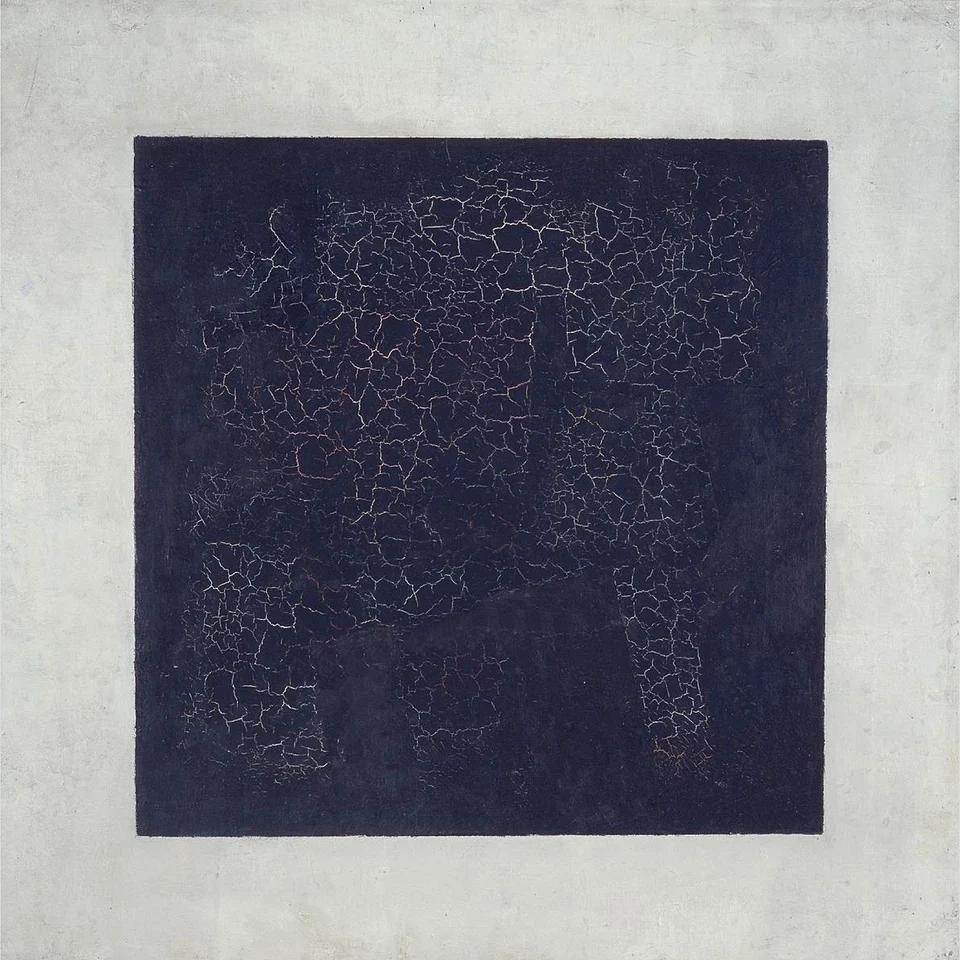
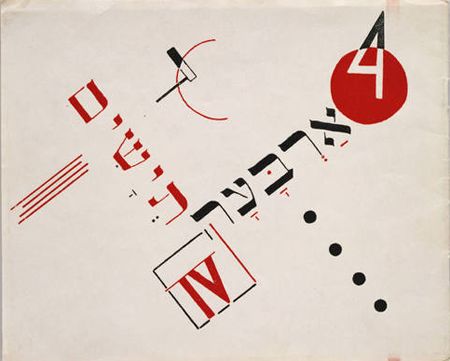
1913 – 1935<p>Suprematism began in Russia in 1913 when painter <a href="/apps/masterpieces/artist/kazimir-malevich"><strong>Kazimir Malevich</strong></a> concluded that representing objects from the visible world had become a dead end, and that painting should instead express pure feeling through basic geometric shapes alone. He unveiled the idea publicly in 1915 with a small square of black paint on a white ground, a piece so stripped down it functioned almost as a manifesto rather than a picture.</p> <p>Malevich's <a href="/apps/masterpieces/art/black-square"><strong>Black Square</strong></a> remains the movement's defining image, reducing painting to a single flat shape against an empty field. His later <a href="/apps/masterpieces/art/suprematist-composition"><strong>Suprematist Composition</strong></a> shows how far the idea could be developed, arranging colored rectangles and lines in floating, weightless configurations that ignore gravity and perspective entirely. <a href="/apps/masterpieces/artist/el-lissitzky"><strong>El Lissitzky</strong></a> took Malevich's flat geometric language and extended it into architecture, graphic design, and propaganda posters, helping carry Suprematist ideas beyond painting and into the broader Constructivist movement that followed. Suprematism was short-lived as an organized group, largely suppressed after the Soviet government turned against abstract art in the 1930s, but its reduction of painting to color, shape, and flatness had already influenced abstract art across Europe.</p>
2 artists
De Stijl
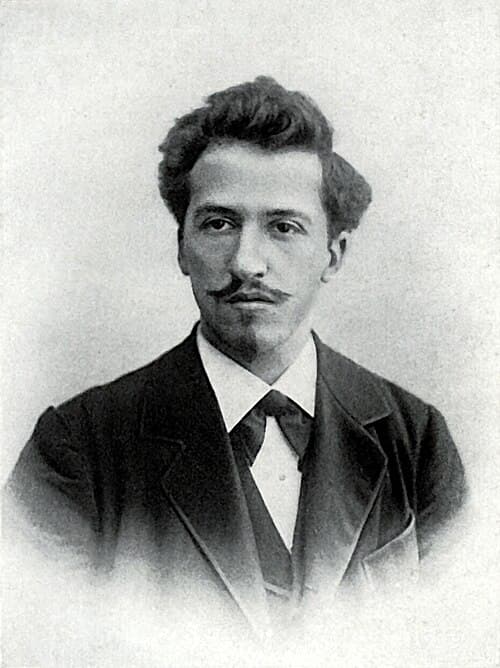
1917 – 1931<p>De Stijl, Dutch for "The Style," started in the Netherlands in 1917 as both an art movement and a magazine of the same name, founded by a small group of painters, architects, and designers who wanted to strip art down to its most essential elements. Their goal was a universal visual language built from straight lines, right angles, and a small set of colors, one they believed could apply equally to painting, furniture, and buildings.</p> <p><a href="/apps/masterpieces/artist/piet-mondrian"><strong>Piet Mondrian</strong></a> became the movement's central painter, restricting his mature work to horizontal and vertical black lines dividing white canvases into rectangles filled only with red, yellow, blue, or left empty. His <a href="/apps/masterpieces/art/composition-with-red-blue-and-yellow"><strong>Composition with Red, Blue, and Yellow</strong></a> is the clearest statement of this approach: no curves, no diagonals, no representational content, just balance achieved through the size and placement of flat color blocks.</p> <p>Mondrian arrived at this reduction gradually, moving away from earlier landscape and tree paintings that still showed recognizable subjects. He described the philosophy behind it as Neoplasticism, the idea that pure abstraction could express universal harmony better than any depiction of the visible world. De Stijl's grid-based aesthetic went on to influence Bauhaus design, modernist architecture, and even later graphic design and fashion, far outliving the movement's own brief run through 1931.</p>
1 artist
+4
Surrealism
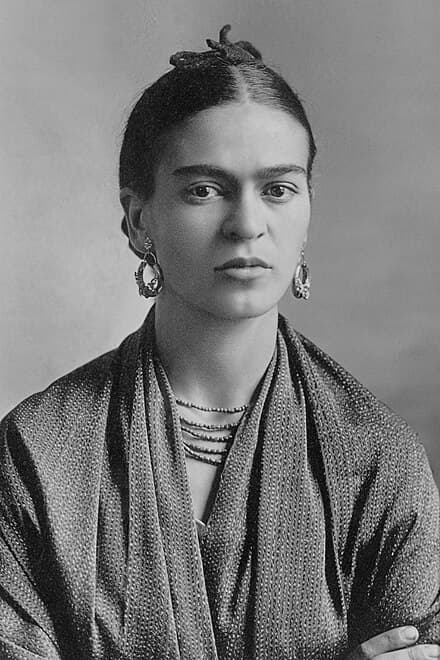
1920 – 1960<p>Surrealism grew out of the Dada movement in Paris in 1924, when poet André Breton published a manifesto calling for art that bypassed rational thought entirely and drew instead from dreams, free association, and the unconscious mind. Painters translated this idea into two broad approaches: some rendered impossible scenes with the crisp, believable detail of a photograph, while others worked more automatically, letting shapes emerge without a fixed plan.</p> <p><a href="/apps/masterpieces/artist/salvador-dali"><strong>Salvador Dalí</strong></a> represents the first approach at its most extreme, painting melting clocks draped over a barren landscape with total technical control in <a href="/apps/masterpieces/art/the-persistence-of-memory"><strong>The Persistence of Memory</strong></a>. <a href="/apps/masterpieces/artist/rene-magritte"><strong>René Magritte</strong></a> used a similarly precise style to question the relationship between images and the objects they represent, as in <a href="/apps/masterpieces/art/the-son-of-man"><strong>The Son of Man</strong></a> and <a href="/apps/masterpieces/art/la-condition-humaine"><strong>The Human Condition</strong></a>. <a href="/apps/masterpieces/artist/marc-chagall"><strong>Marc Chagall</strong></a> painted floating figures and inverted village scenes drawn from memory and folklore, work that predated the formal movement but shared its dreamlike logic. <a href="/apps/masterpieces/artist/frida-kahlo"><strong>Frida Kahlo</strong></a> was embraced by the Surrealists in Paris in the late 1930s, though she maintained that her own paintings depicted her lived reality rather than dreams.</p>
7 artists

+3
Abstract Expressionism
1940 – 1960<p>Abstract Expressionism emerged in New York during the 1940s, the first art movement to shift the center of the art world from Paris to America. Painters working in the aftermath of World War II wanted an art that expressed raw emotion and the unconscious directly, without depicting recognizable objects. The result split into two broad approaches: gestural "action painting," where the physical act of painting became the subject, and color field painting, which used large expanses of color to create a mood.</p> <p><a href="/apps/masterpieces/artist/jackson-pollock"><strong>Jackson Pollock</strong></a> became the movement's most famous name by dripping and flinging paint across canvases laid on the floor, a method visible in works like <a href="/apps/masterpieces/art/lavender-mist-pollock"><strong>Number 1, 1950 (Lavender Mist)</strong></a>. <a href="/apps/masterpieces/artist/mark-rothko"><strong>Mark Rothko</strong></a> took the opposite route, stacking soft rectangles of color meant to be viewed up close so they could overwhelm the senses. <a href="/apps/masterpieces/artist/willem-de-kooning"><strong>Willem de Kooning</strong></a> kept the human figure in play but attacked it with slashing, aggressive brushwork, especially in his Woman series.</p> <p>The movement drew on earlier European abstraction, including <a href="/apps/masterpieces/artist/wassily-kandinsky"><strong>Wassily Kandinsky</strong></a>'s belief that color and form could carry emotional content on their own, seen in paintings like <a href="/apps/masterpieces/art/improvisation-31-kandinsky"><strong>Improvisation 31 (Sea Battle)</strong></a>. Canvases grew huge, meant to surround the viewer rather than sit as a framed window. By the 1960s the style had given way to Pop Art and Minimalism, but it permanently established large-scale abstraction as a serious American art form.</p>
6 artists
Pop Art
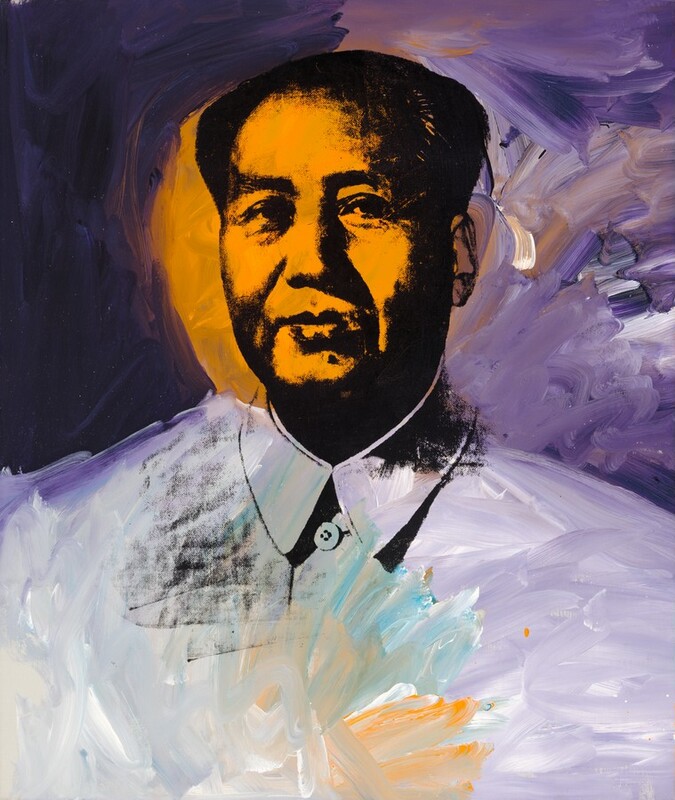
1955 – 1970<p>Pop Art emerged in the mid-1950s in Britain and the United States, gathering full force through the 1960s before fading by 1970. It rejected the emotional seriousness of Abstract Expressionism in favor of imagery pulled straight from consumer culture: soup cans, celebrity photographs, comic strip panels, advertising logos. The point was not to dress up these images with fine art technique but to present them almost unchanged, forcing viewers to look again at pictures they normally scrolled past without thinking.</p> <p><a href="/apps/masterpieces/artist/andy-warhol"><strong>Andy Warhol</strong></a> became the movement's central figure, repeating a single image across a grid until it lost its original meaning and turned into pure pattern, as in <a href="/apps/masterpieces/art/campbells-soup-cans"><strong>Campbell's Soup Cans</strong></a> and <a href="/apps/masterpieces/art/shot-sage-blue-marilyn"><strong>Shot Sage Blue Marilyn</strong></a>. <a href="/apps/masterpieces/artist/jasper-johns"><strong>Jasper Johns</strong></a> painted flags and targets, familiar shapes so common they were almost invisible, and asked whether a painted flag was a picture of a flag or simply a flag made of paint. <a href="/apps/masterpieces/artist/david-hockney"><strong>David Hockney</strong></a> brought a different, more personal version of Pop sensibility to Los Angeles swimming pools and portraits, using flat color and bright light to describe a specific place and a specific circle of friends rather than mass culture in general.</p>
3 artists
Modern Art Artists
43 total
Modern Art Masterpieces
12 featured worksF
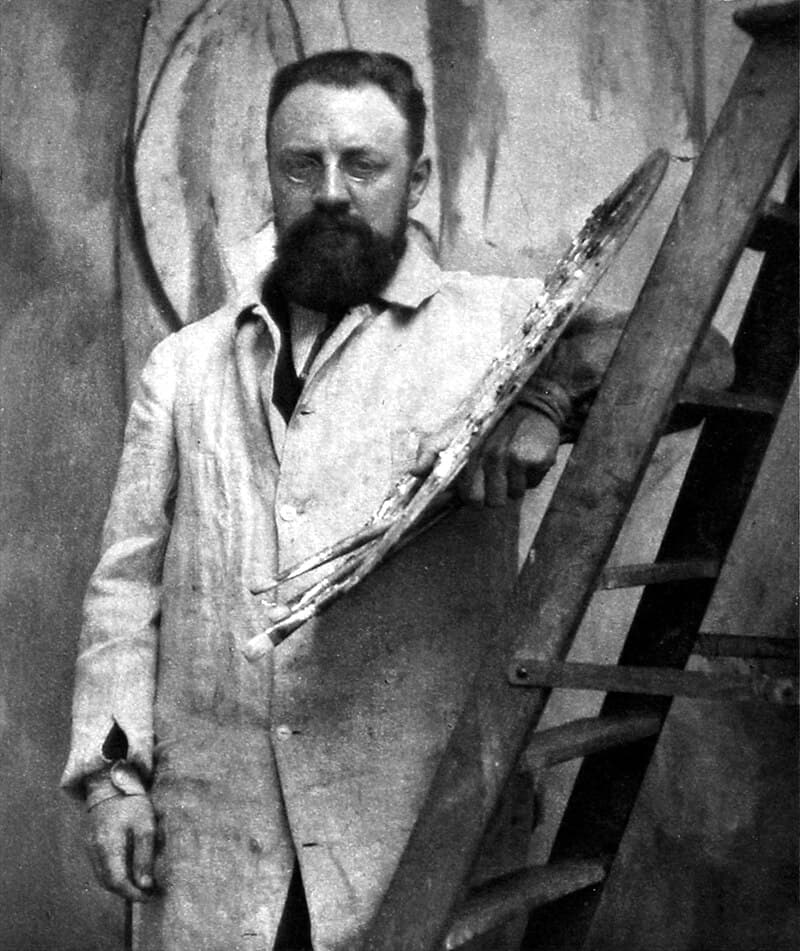
Femme au chapeau (Woman with a Hat)
Henri Matisse, 1905
San Francisco Museum of Modern Art, San Francisco
W
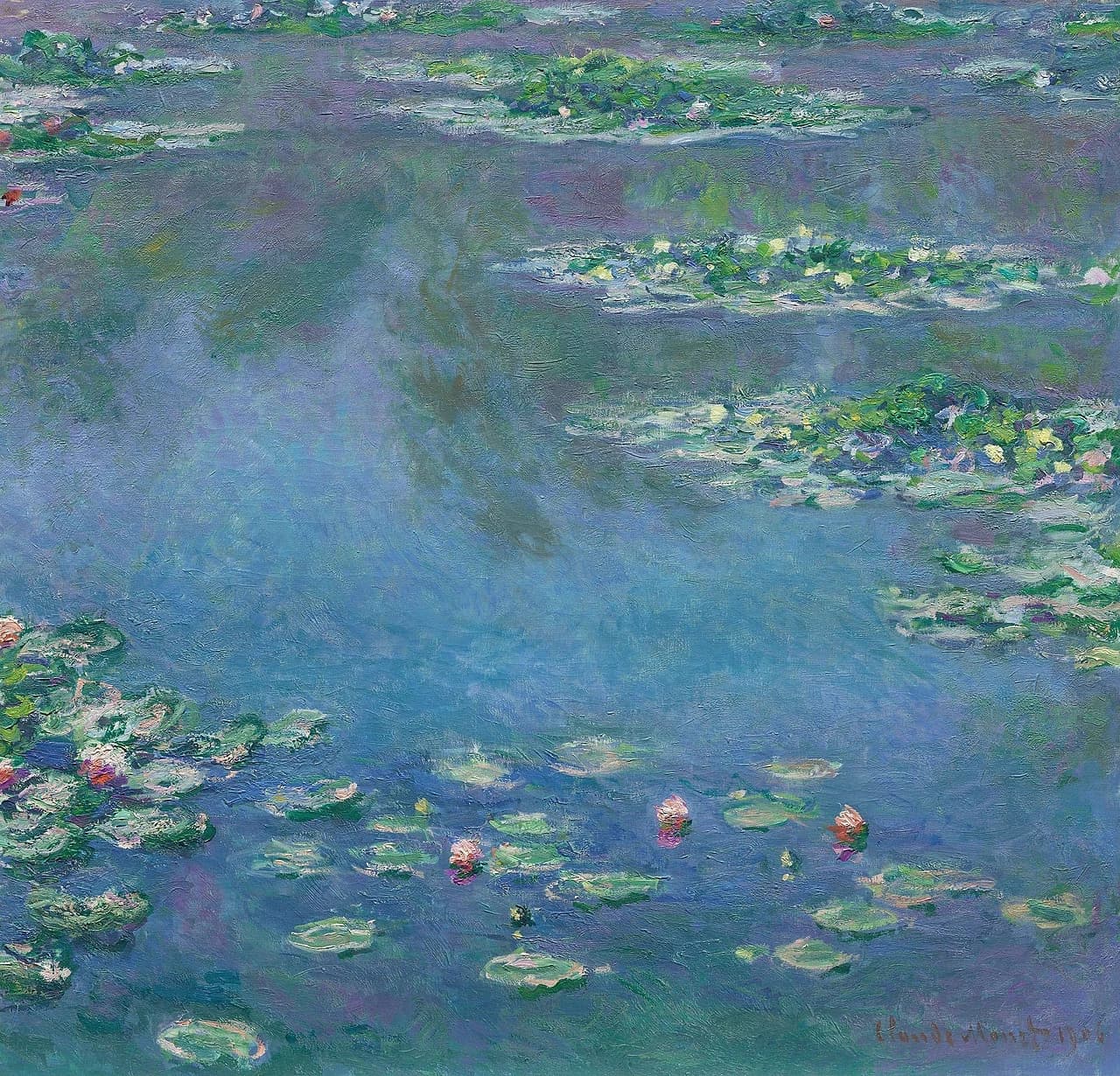
Water Lilies
Claude Monet, 1906
Museum of Modern Art (MoMA), New York
P
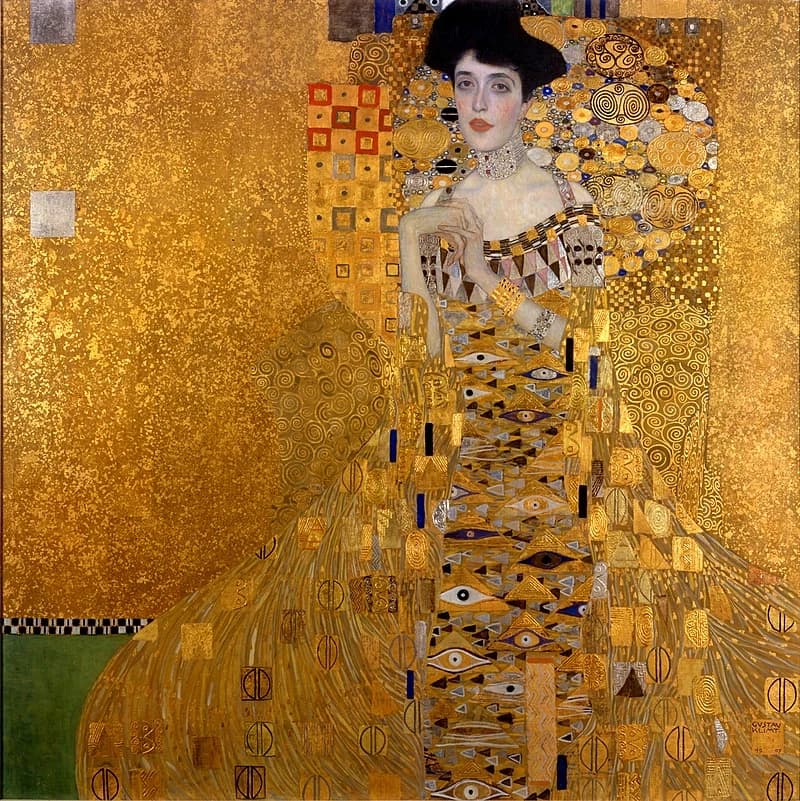
Portrait of Adele Bloch-Bauer I
Gustav Klimt, 1907
The Metropolitan Museum of Art, New York
T
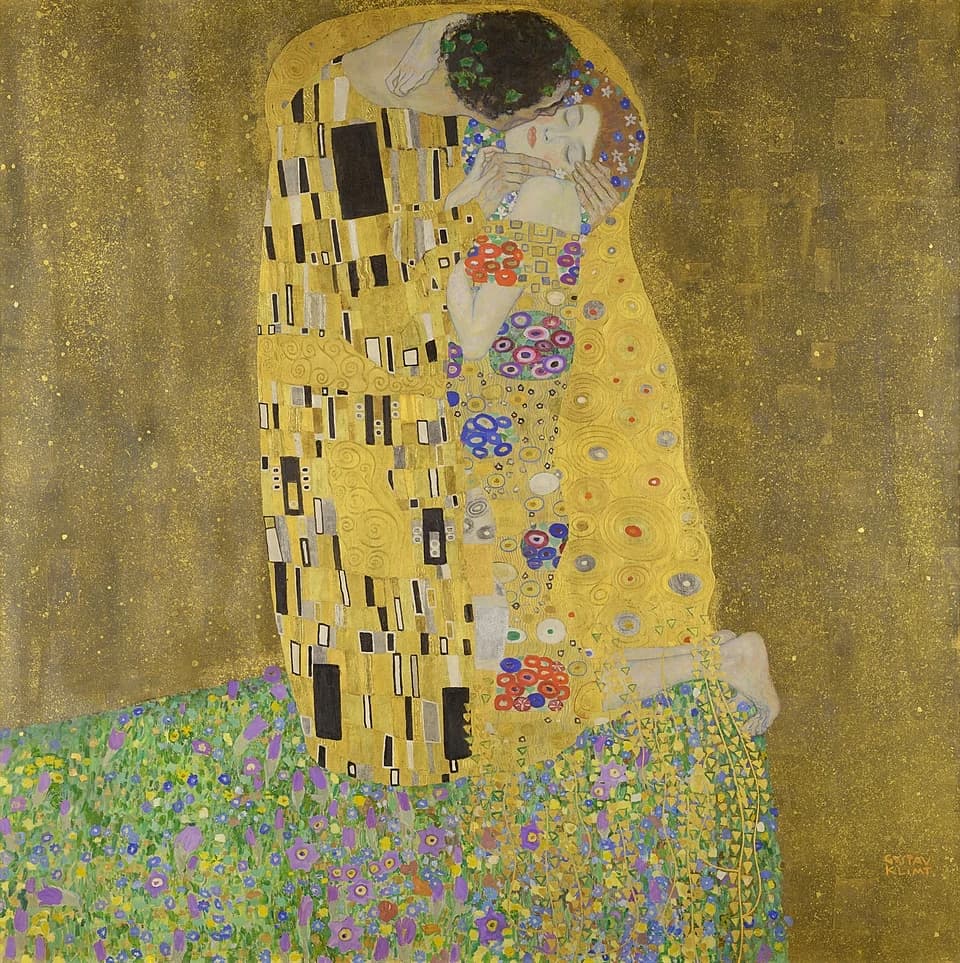
The Kiss
Gustav Klimt, 1908
Belvedere Museum, Vienna
T
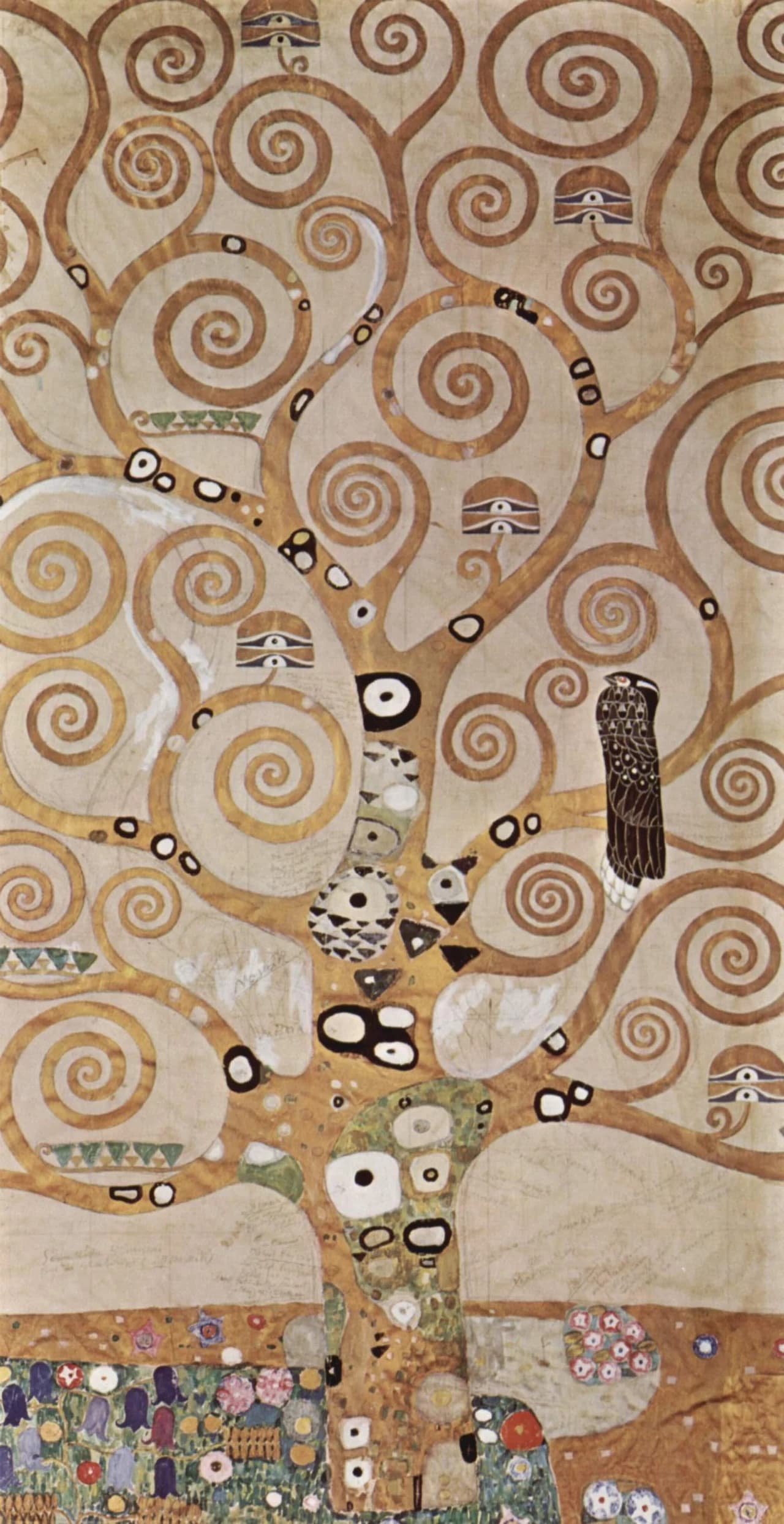
The Tree of Life
Gustav Klimt, 1909
MAK Vienna, Vienna
P
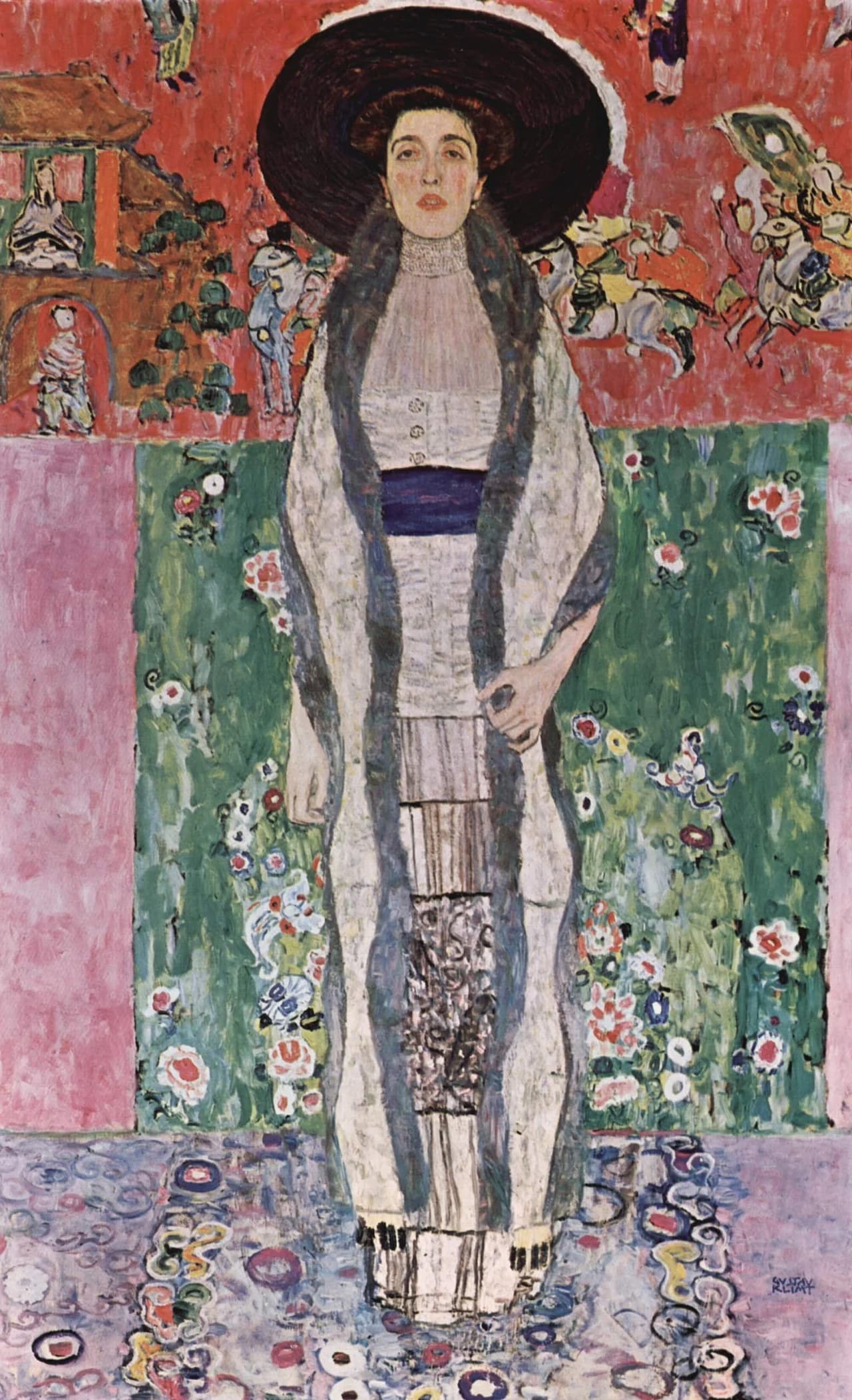
Portrait of Adele Bloch-Bauer II
Gustav Klimt, 1912
Neue Galerie, New York
D
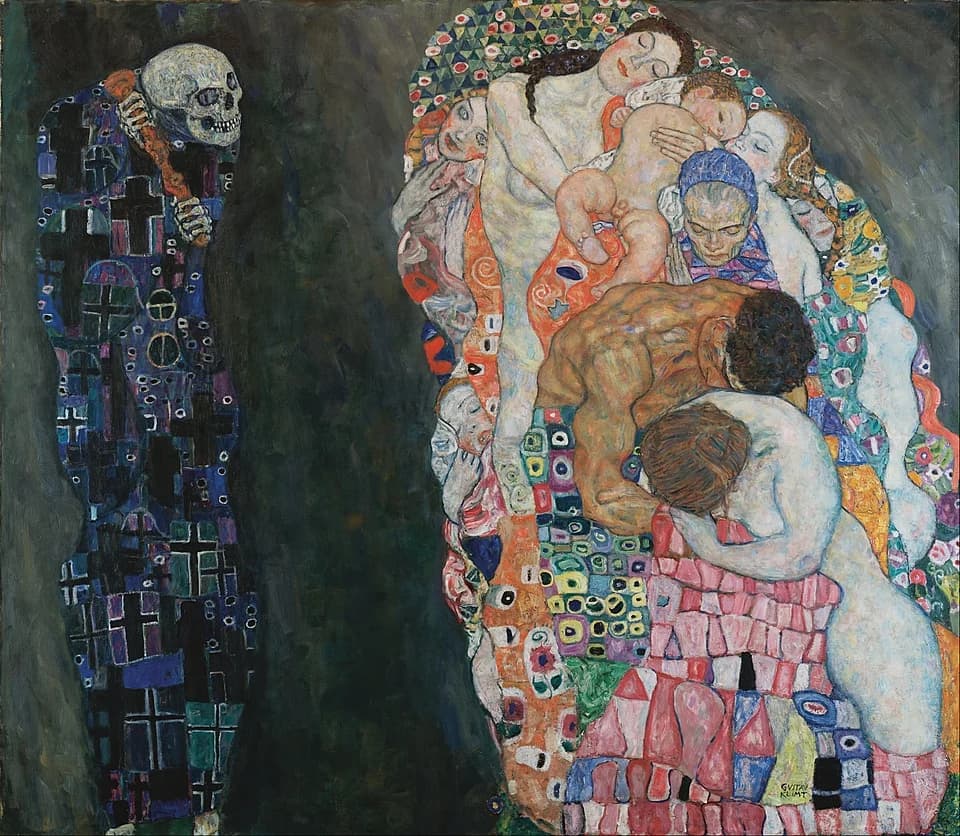
Death and Life
Gustav Klimt, 1915
Belvedere Museum, Vienna
Sculpture
A
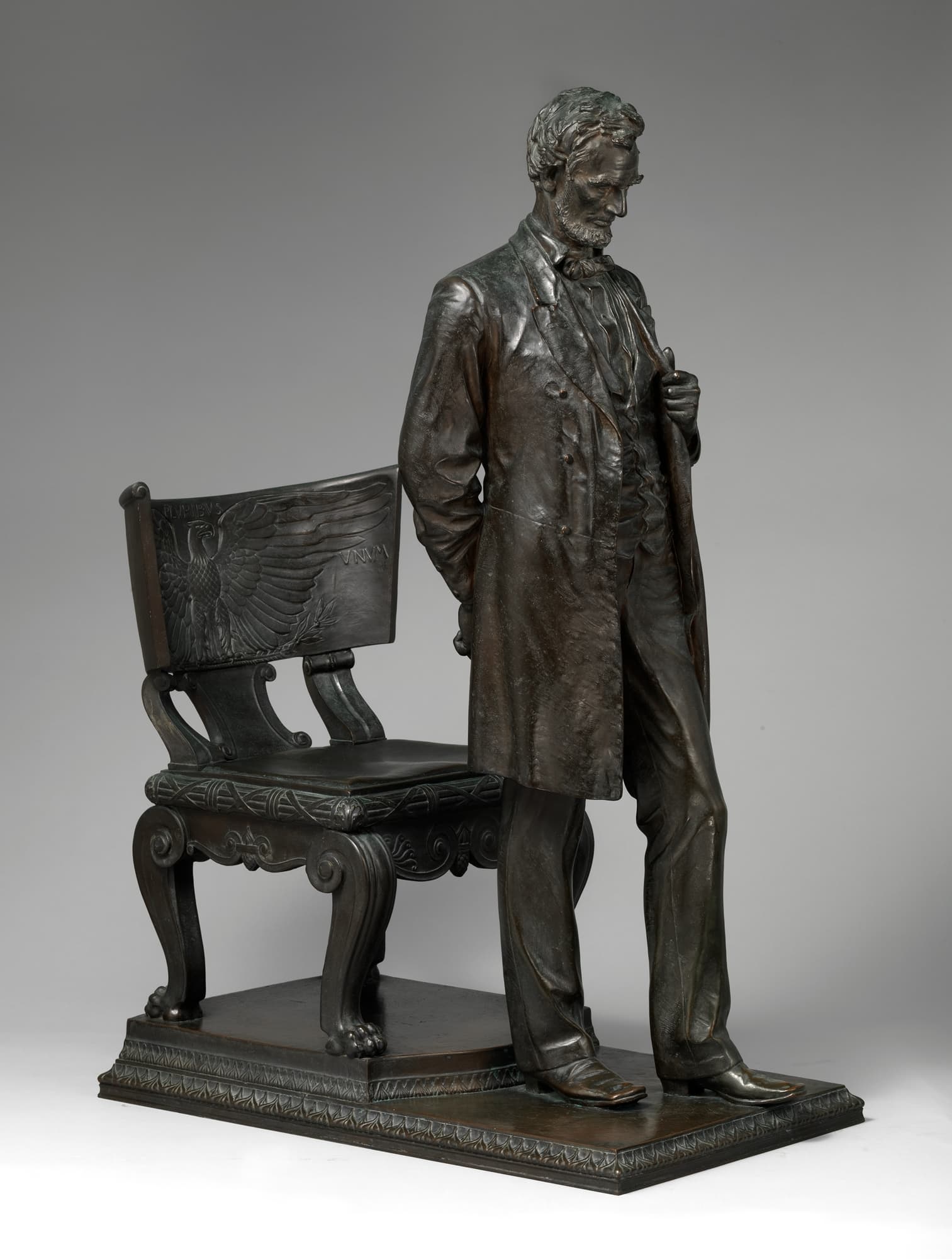
Abraham Lincoln (Lincoln Memorial)
Daniel Chester French, 1920
W
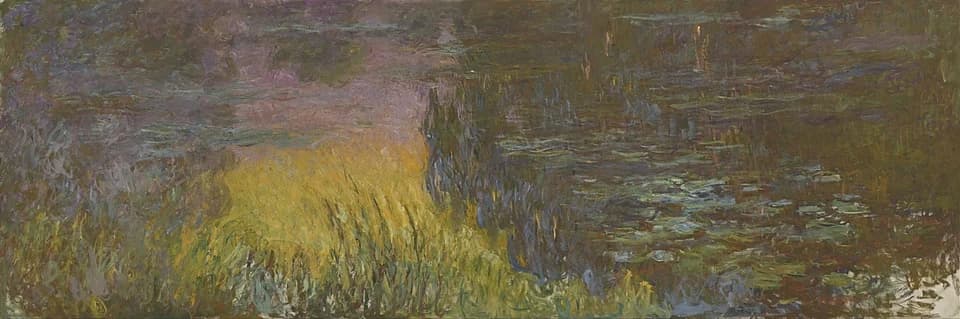
Water Lilies (Nymphéas)
Claude Monet, 1926
Musée de l'Orangerie, Paris
A
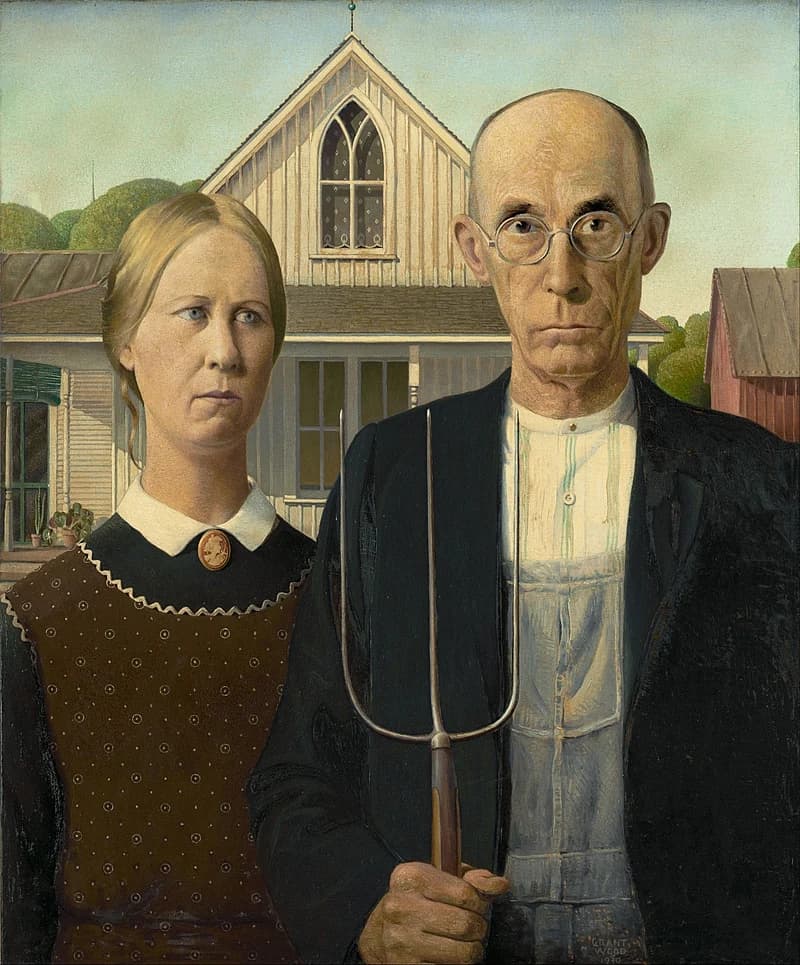
American Gothic
Grant Wood, 1930
Art Institute of Chicago, Chicago
Sculpture
C
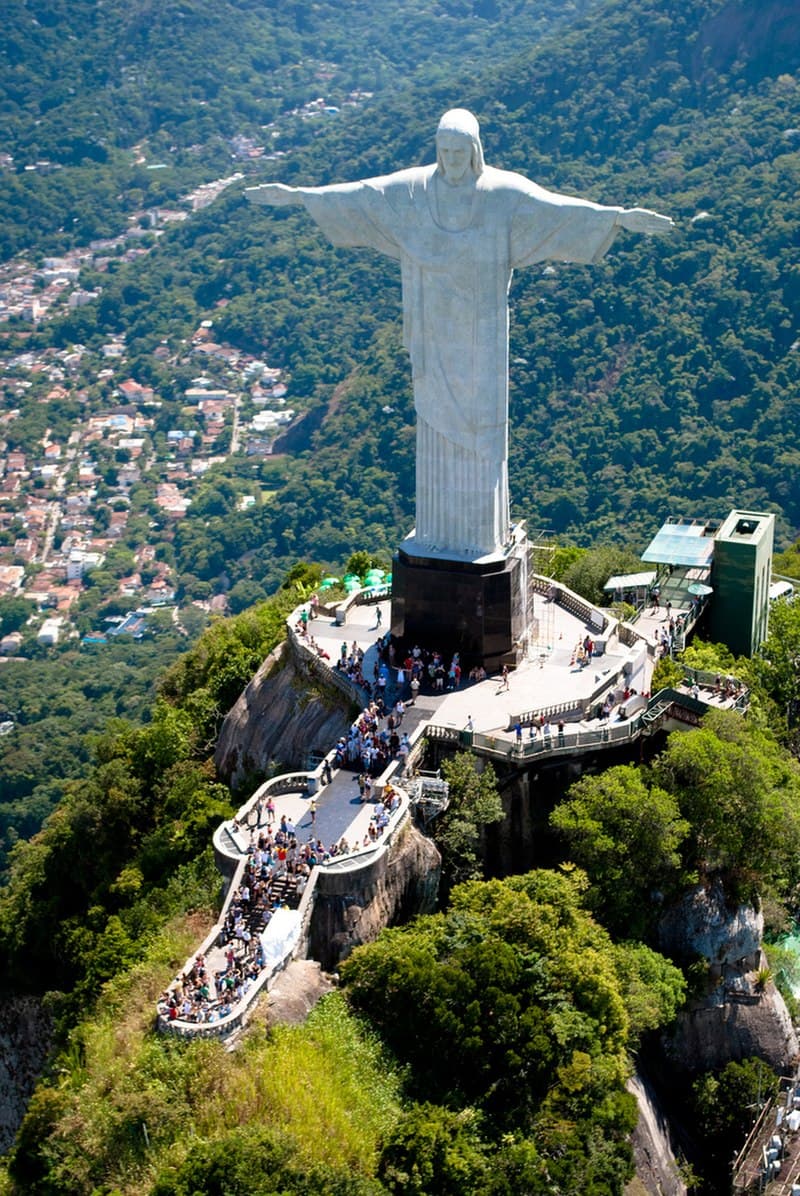
Christ the Redeemer
Paul Landowski, 1931
G
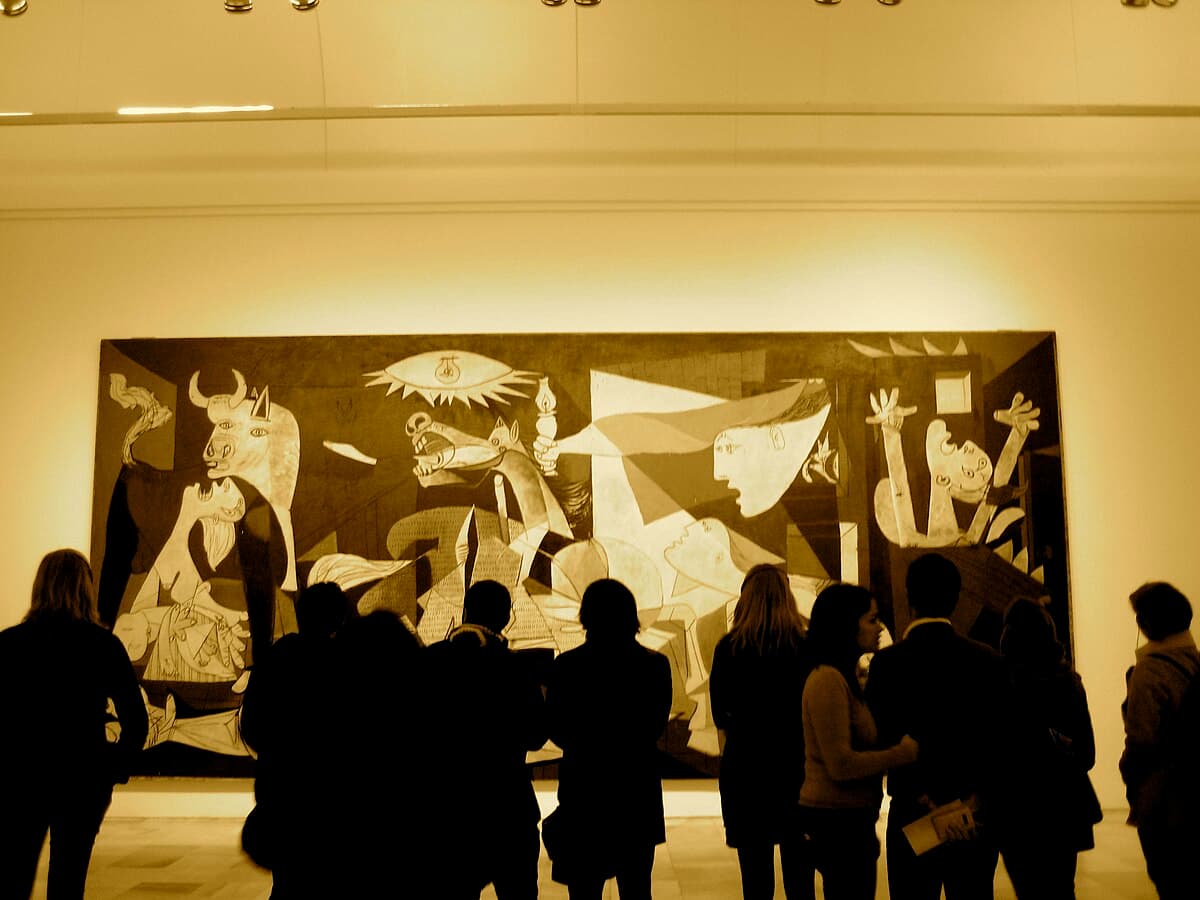
Guernica
Pablo Picasso, 1937
Museo Reina Sofía, Madrid
About Modern Art
Modern art (roughly 1900-1970) rejected traditional techniques in favor of experimentation. Movements like Cubism, Expressionism, Surrealism, and Abstract Expressionism questioned what art could be and do.
Titans of Modern art include Pablo Picasso (Cubism), Henri Matisse (Fauvism), Salvador Dalí (Surrealism), Jackson Pollock (Abstract Expressionism), and Wassily Kandinsky (pure abstraction).
Cubism was pioneered by Picasso and Georges Braque around 1907. It shows objects from multiple viewpoints simultaneously, fragmenting reality into geometric planes. Cubism influenced virtually every subsequent Modern art movement.
Abstract Expressionism emerged in New York after World War II. Artists like Jackson Pollock (drip paintings) and Mark Rothko (color fields) created abstract art emphasizing gesture, emotion, and monumental scale.
The Museum of Modern Art (MoMA) in New York has the world's premier collection. The Centre Pompidou in Paris, Tate Modern in London, and the Guggenheim museums hold major Modern art collections.
Bring Modern Art Home
Luxury art prints inspired by these iconic masterpieces. Museum-quality canvas for your walls.
Shop Modern Art Art