1400 - 1599
Renaissance
The rebirth of classical ideals. Linear perspective, anatomical mastery, and artistic genius.
About Renaissance
The Renaissance means "rebirth," and that's exactly what happened in Florence around 1400. Artists rediscovered classical Greek and Roman ideals, studied ancient sculptures, and developed techniques that would define Western art for centuries. Leonardo da Vinci, Michelangelo, and Raphael didn't just paint. They investigated anatomy, mathematics, and engineering to understand how the world actually worked.
Linear perspective was the critical breakthrough. Filippo Brunelleschi demonstrated how parallel lines converge at a vanishing point, and suddenly painters could create convincing depth on flat surfaces. Botticelli's graceful figures, Titian's rich colors, and Leonardo's sfumato technique (soft, smoky transitions between tones) became defining characteristics. Oil painting, imported from Northern Europe, allowed for luminous glazes and subtle gradations impossible with tempera.
The Medici family in Florence bankrolled much of this explosion. Wealthy patrons competed for the best artists, and for the first time, individual genius mattered. Artists signed their work. They became celebrities. Humanism placed mankind at the center of inquiry, and portraits flourished alongside religious subjects. By the time the High Renaissance peaked around 1500, art had transformed from anonymous craft to celebrated profession.
What Was Happening in the World
Constantinople fell to the Ottomans in 1453, sending Greek scholars fleeing west with ancient texts. Gutenberg invented the printing press, spreading ideas faster than ever before. Columbus sailed to the Americas. Banking families like the Medici grew wealthy enough to rival kings and spent fortunes on art. Leonardo dissected corpses to understand anatomy. The Protestant Reformation split Christianity. Science began replacing faith as the path to knowledge. For the first time, individual genius mattered more than guild tradition.
What to Look For
Spotting Renaissance art in museums and galleries:
- 1Converging lines leading to a vanishing point (linear perspective)
- 2Realistic human anatomy with muscular definition and natural poses
- 3Soft, hazy transitions between light and shadow (sfumato)
- 4Classical architectural elements: columns, arches, domes
- 5Triangular or pyramidal compositions creating visual stability
- 6Figures with weight and volume standing on solid ground
- 7Rich, luminous colors from oil paint glazing techniques
- 8Landscapes with atmospheric perspective (distant objects bluer and hazier)
At a Glance
- Period
- 1400 - 1599
- Movements
- 5
- Artists
- 61
- Artworks
- 439
Renaissance Movements
5 movements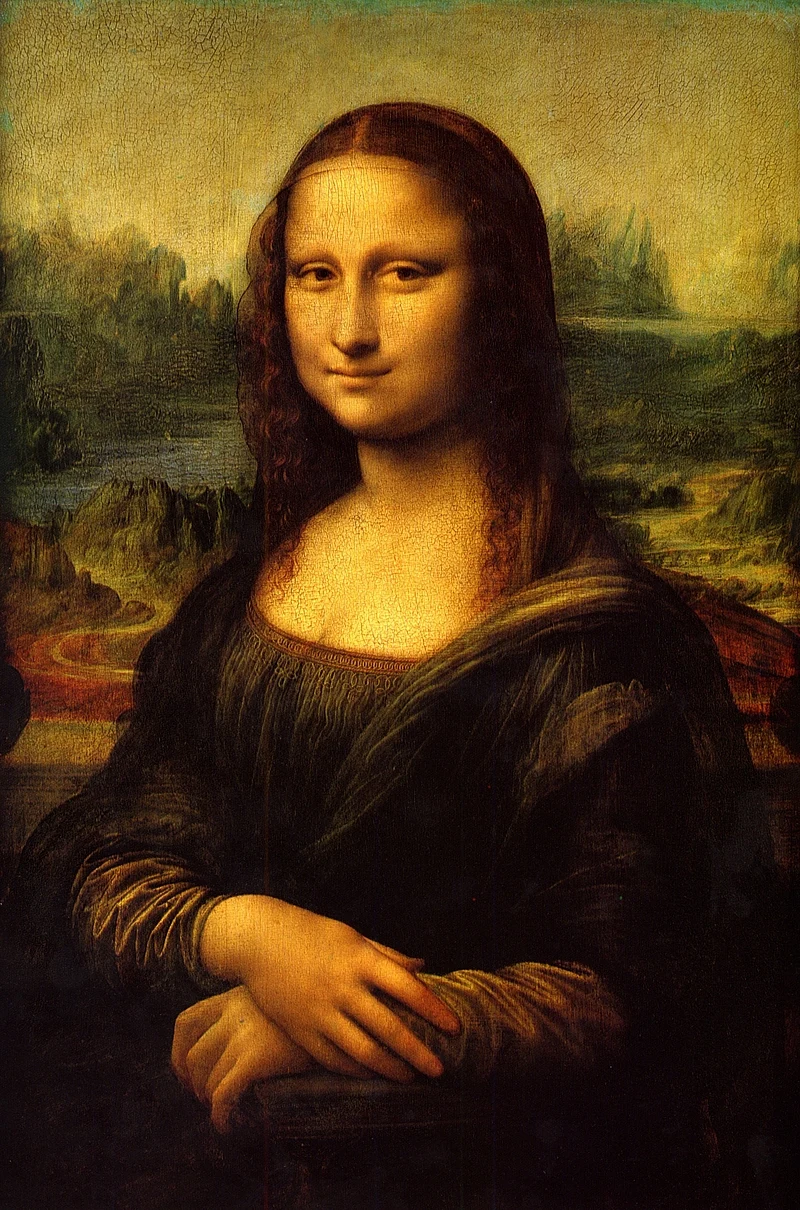
+30
Renaissance
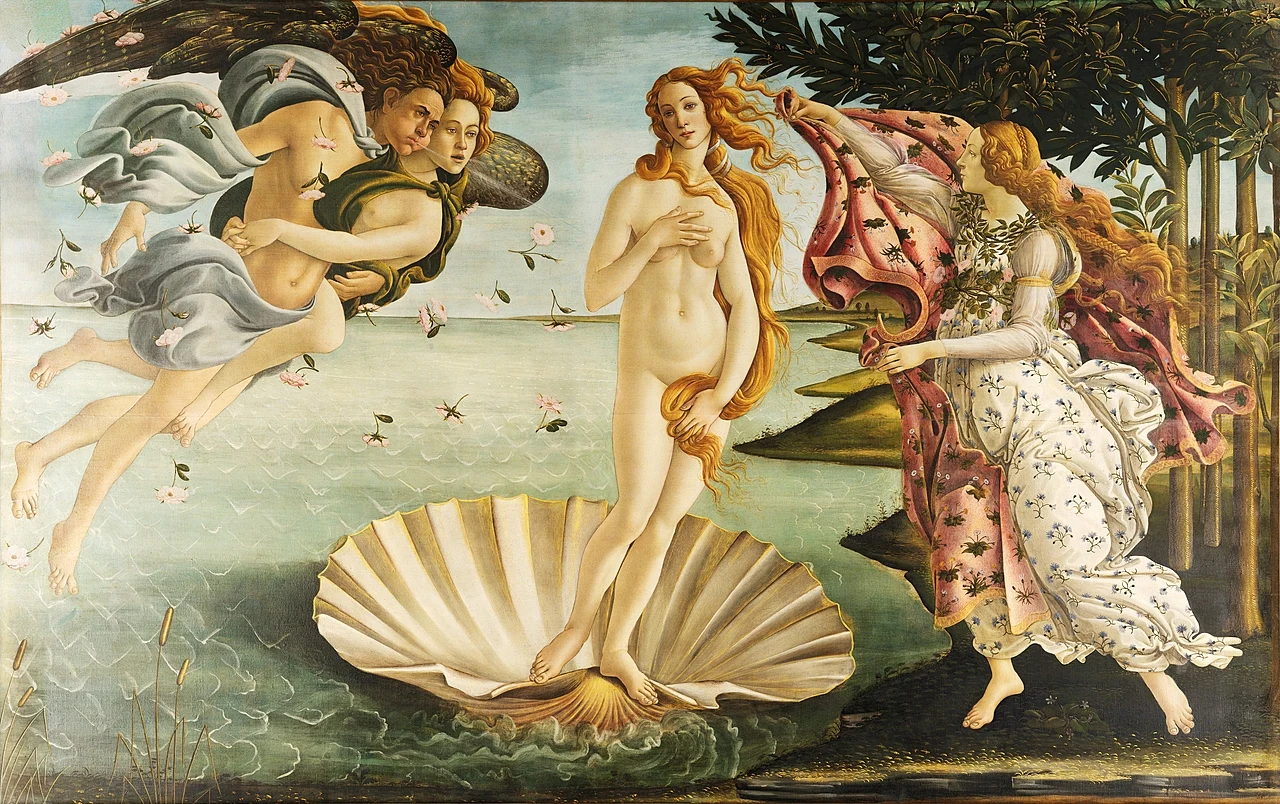
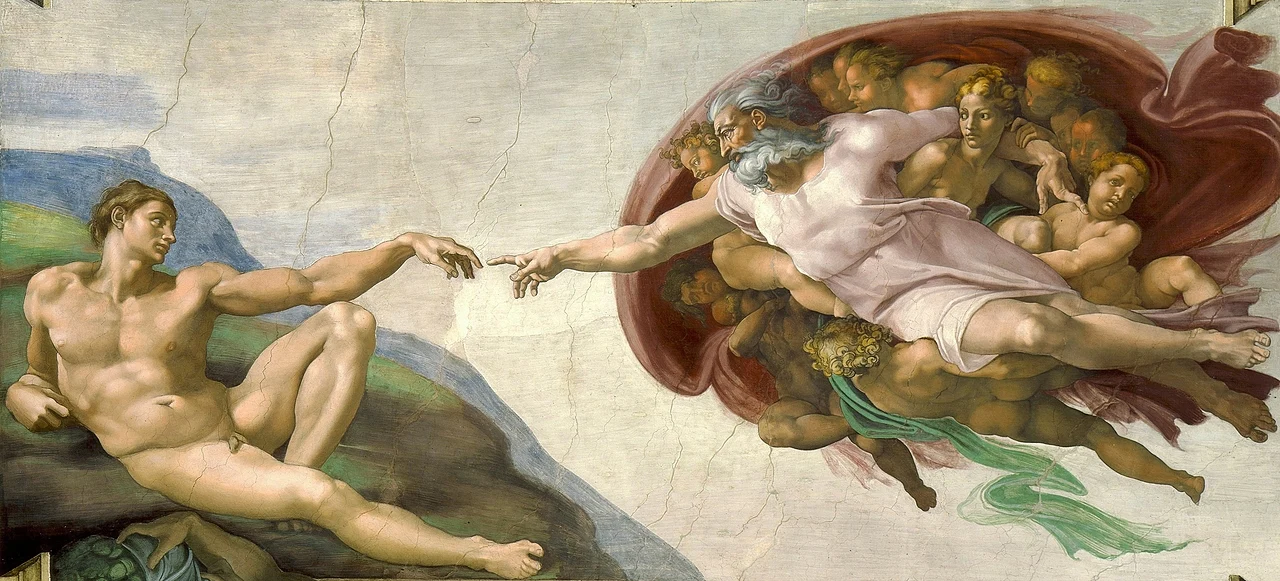
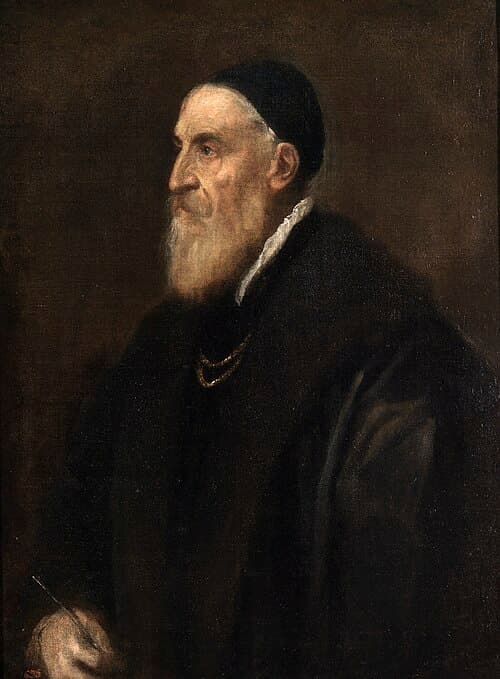
1400 – 1600<p>The Renaissance began in Florence in the 14th century and spread across Italy and eventually Europe over the following two centuries, marking a deliberate return to the proportion, order, and human focus of classical Greek and Roman art. Painters developed linear perspective to create convincing depth on a flat surface, studied anatomy directly, and treated the human body as a subject worth rendering with scientific accuracy rather than the flatter, symbolic style of medieval painting.</p> <p><a href="/apps/masterpieces/artist/leonardo-da-vinci"><strong>Leonardo da Vinci</strong></a> combined this scientific curiosity with painterly subtlety, softening outlines through his sfumato technique in works like the <a href="/apps/masterpieces/art/mona-lisa"><strong>Mona Lisa</strong></a> and <a href="/apps/masterpieces/art/the-last-supper"><strong>The Last Supper</strong></a>. <a href="/apps/masterpieces/artist/michelangelo"><strong>Michelangelo</strong></a> approached painting as a sculptor, giving figures like those in <a href="/apps/masterpieces/art/the-creation-of-adam"><strong>The Creation of Adam</strong></a> a physical weight rarely seen before. <a href="/apps/masterpieces/artist/raphael"><strong>Raphael</strong></a> synthesized both approaches into a calm, balanced classicism, visible across the philosophers gathered in <a href="/apps/masterpieces/art/the-school-of-athens"><strong>The School of Athens</strong></a>. <a href="/apps/masterpieces/artist/sandro-botticelli"><strong>Sandro Botticelli</strong></a> painted mythological subjects with a linear grace that looked back to Gothic art even while embracing Renaissance humanism, most famously in <a href="/apps/masterpieces/art/the-birth-of-venus"><strong>The Birth of Venus</strong></a>. Venice developed its own branch of the movement through <a href="/apps/masterpieces/artist/titian"><strong>Titian</strong></a>, who favored rich color and looser brushwork over the precise line drawing preferred in Florence and Rome.</p>
33 artists

+2
Northern Renaissance
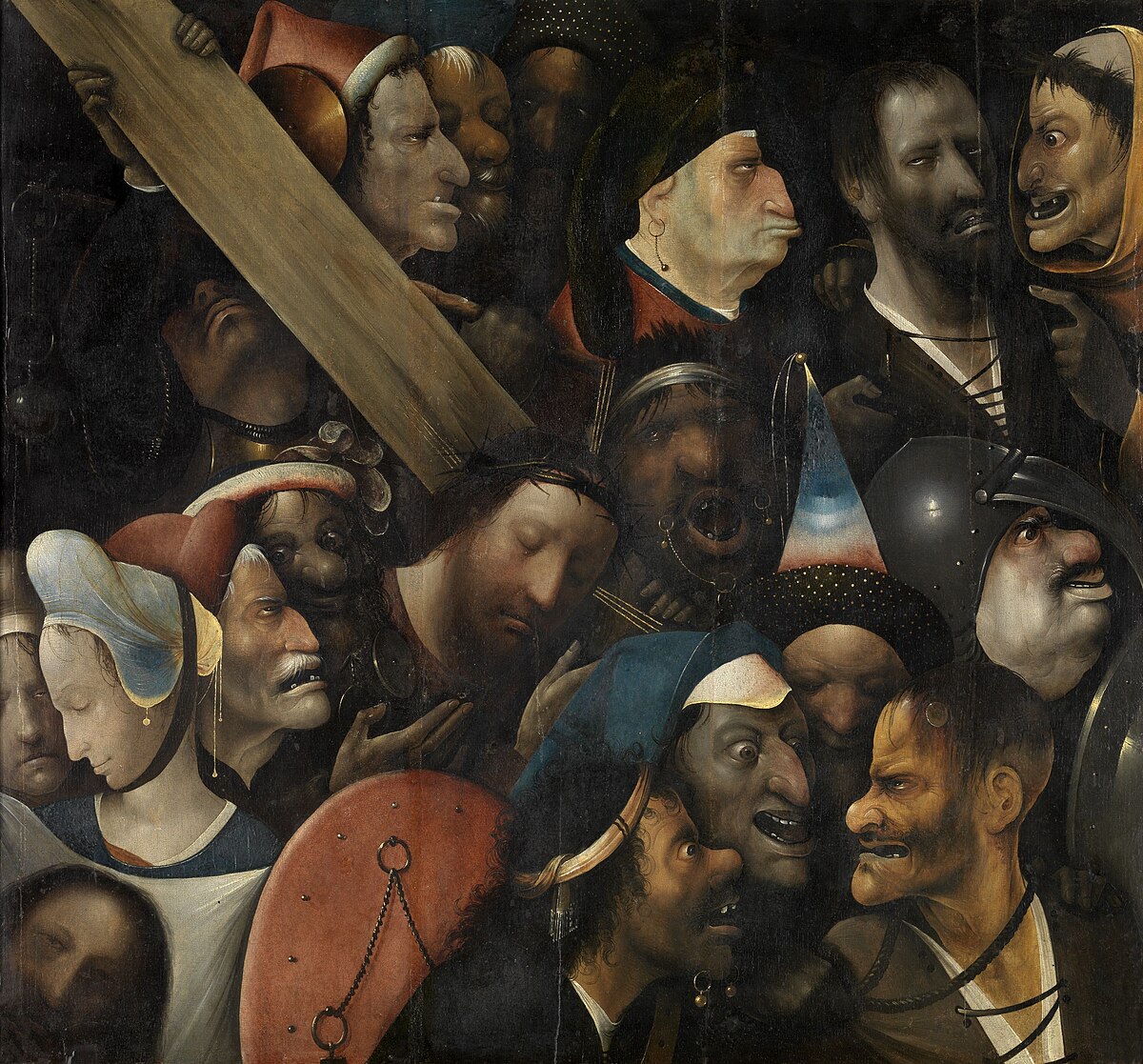
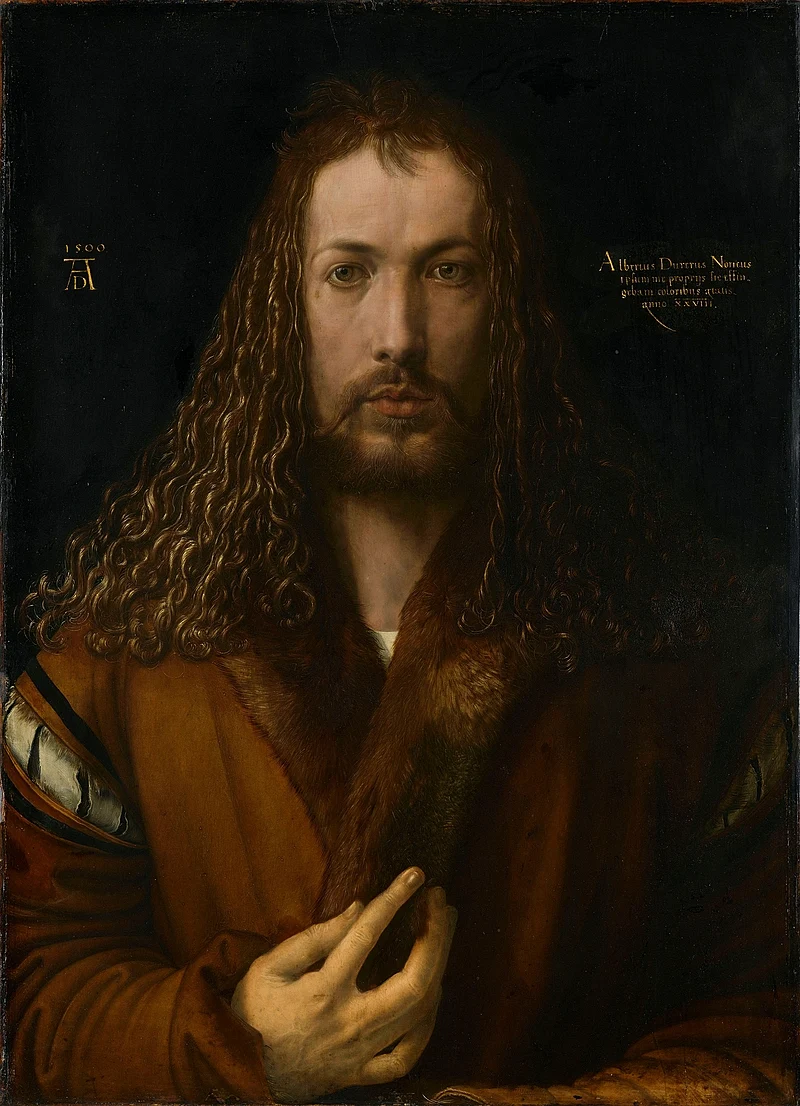
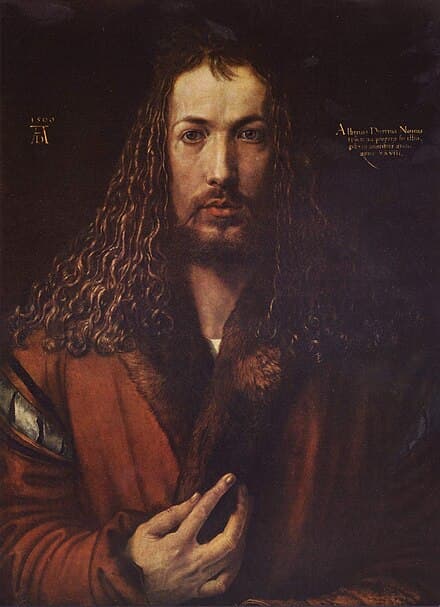
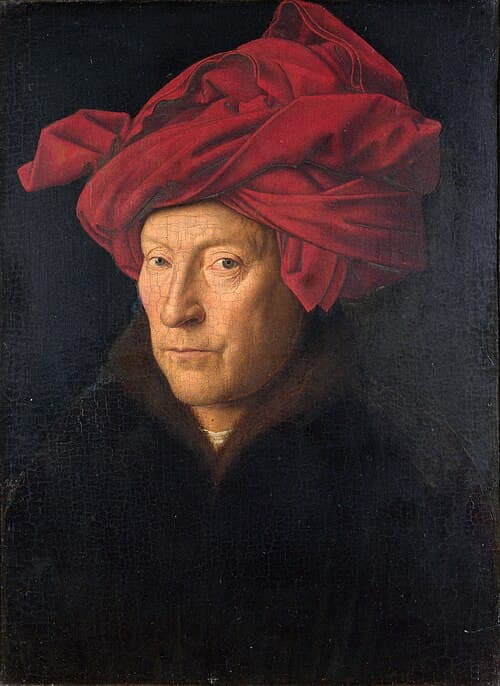
1430 – 1580<p>The Northern Renaissance took hold across Flanders, the Netherlands, and Germany between roughly 1430 and 1580, developing alongside the Italian Renaissance but following its own path. Where Italian painters chased idealized proportion, Northern artists built their reputation on close observation: every fold of cloth, strand of hair, and reflection in a mirror rendered with almost obsessive precision. This attention to detail was made possible by a technical breakthrough. Painters in the region refined oil paint into a medium that could hold thin, layered glazes, letting light pass through and bounce back off the panel underneath.</p> <p><a href="/apps/masterpieces/artist/jan-van-eyck"><strong>Jan van Eyck</strong></a> is usually credited as the movement's founding figure. His <a href="/apps/masterpieces/art/arnolfini-portrait"><strong>Arnolfini Portrait</strong></a> and <a href="/apps/masterpieces/art/annunciation-van-eyck"><strong>The Annunciation</strong></a> show how a domestic interior or a shaft of light could carry layers of religious meaning without a single obvious symbol out of place. <a href="/apps/masterpieces/artist/albrecht-durer"><strong>Albrecht Dürer</strong></a> carried the tradition into printmaking and self-portraiture, most famously in his <a href="/apps/masterpieces/art/self-portrait-at-28"><strong>Self-Portrait at Twenty-Eight</strong></a>. <a href="/apps/masterpieces/artist/hieronymus-bosch"><strong>Hieronymus Bosch</strong></a>, <a href="/apps/masterpieces/artist/hugo-van-der-goes"><strong>Hugo van der Goes</strong></a>, and <a href="/apps/masterpieces/artist/lucas-cranach-elder"><strong>Lucas Cranach the Elder</strong></a> each pushed the style in different directions, from fantastical moral allegory to court portraiture, but all shared the same commitment to rendering the physical world exactly as the eye could see it.</p>
5 artists
+2
Venetian School
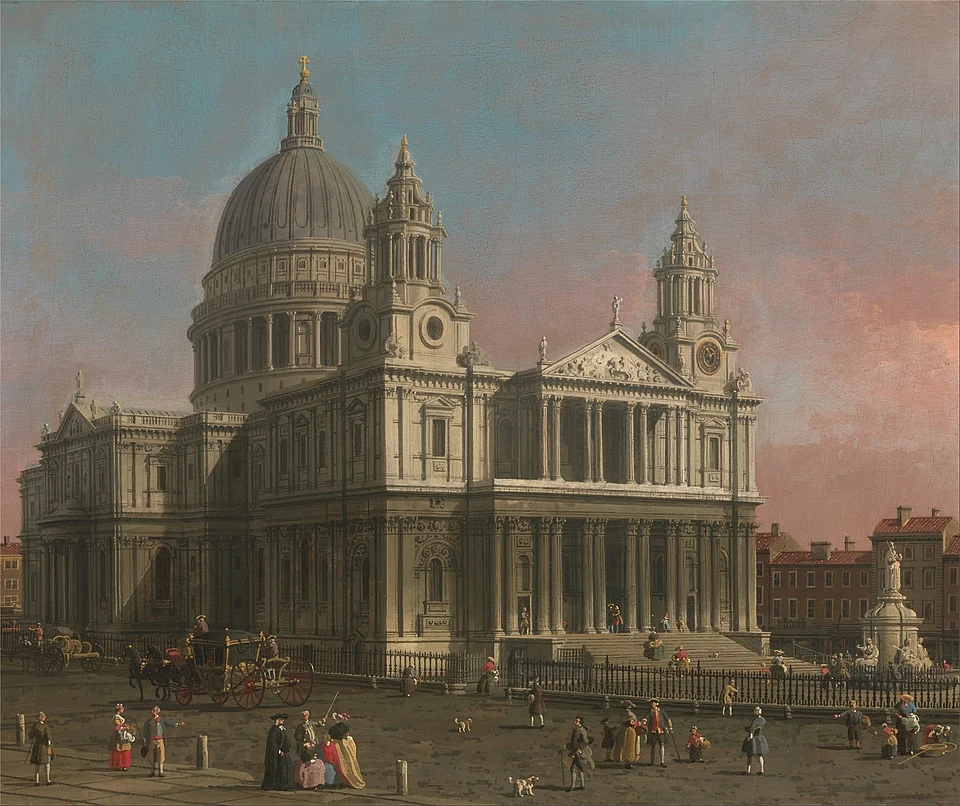
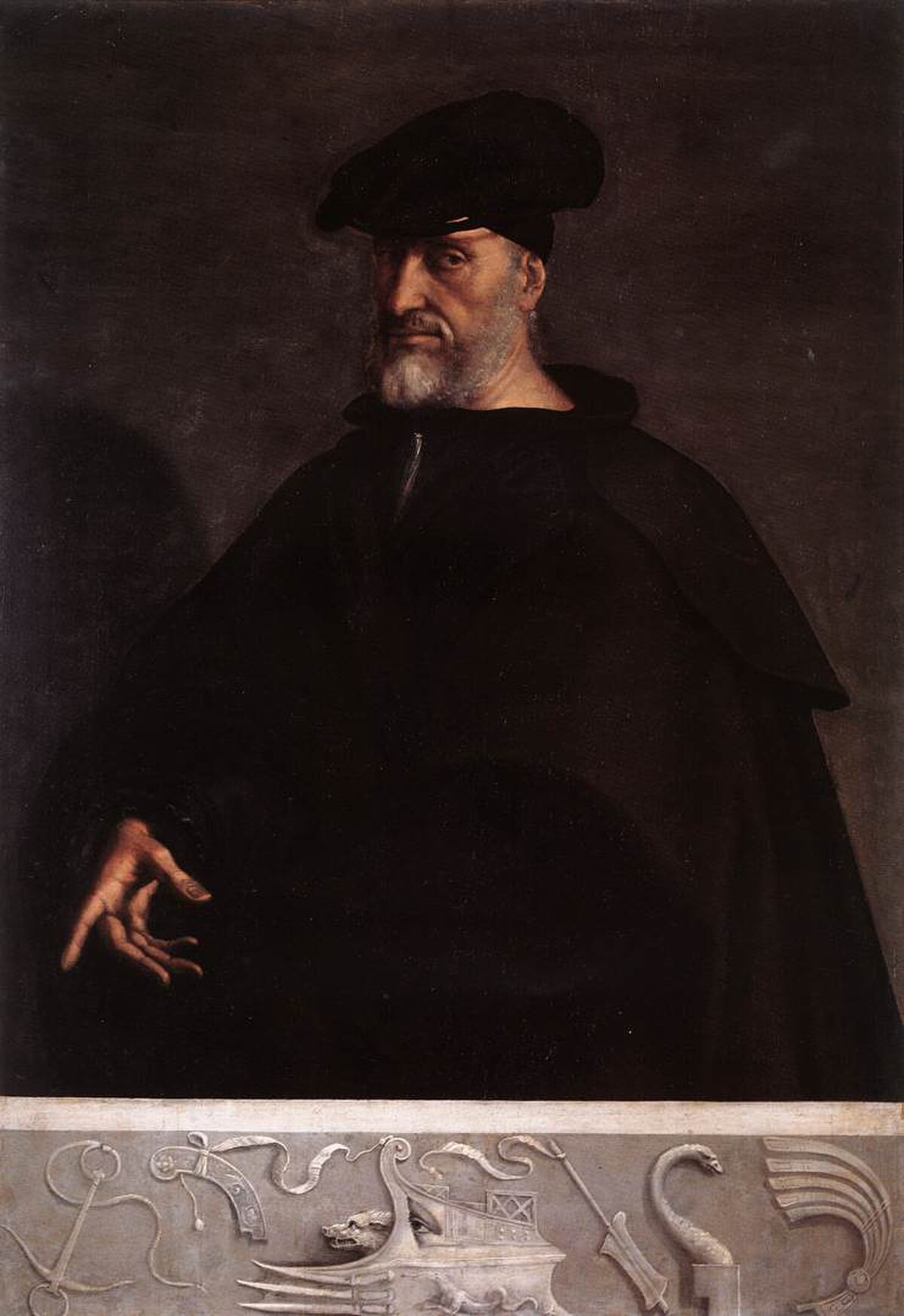
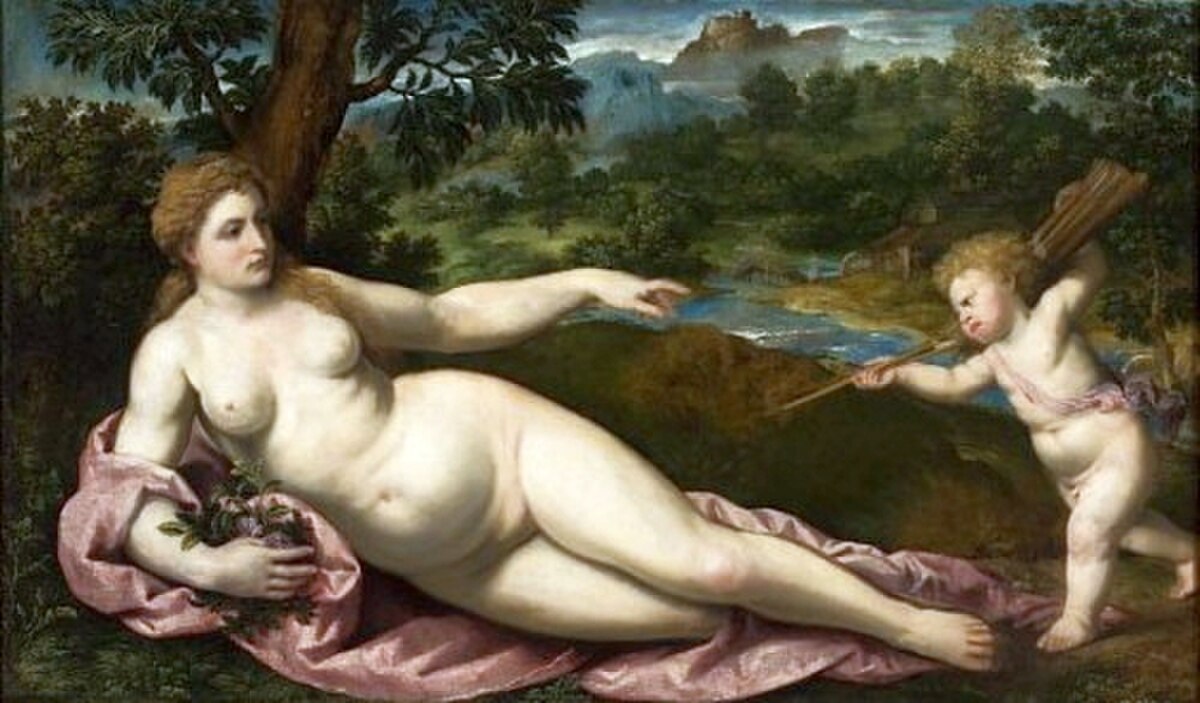
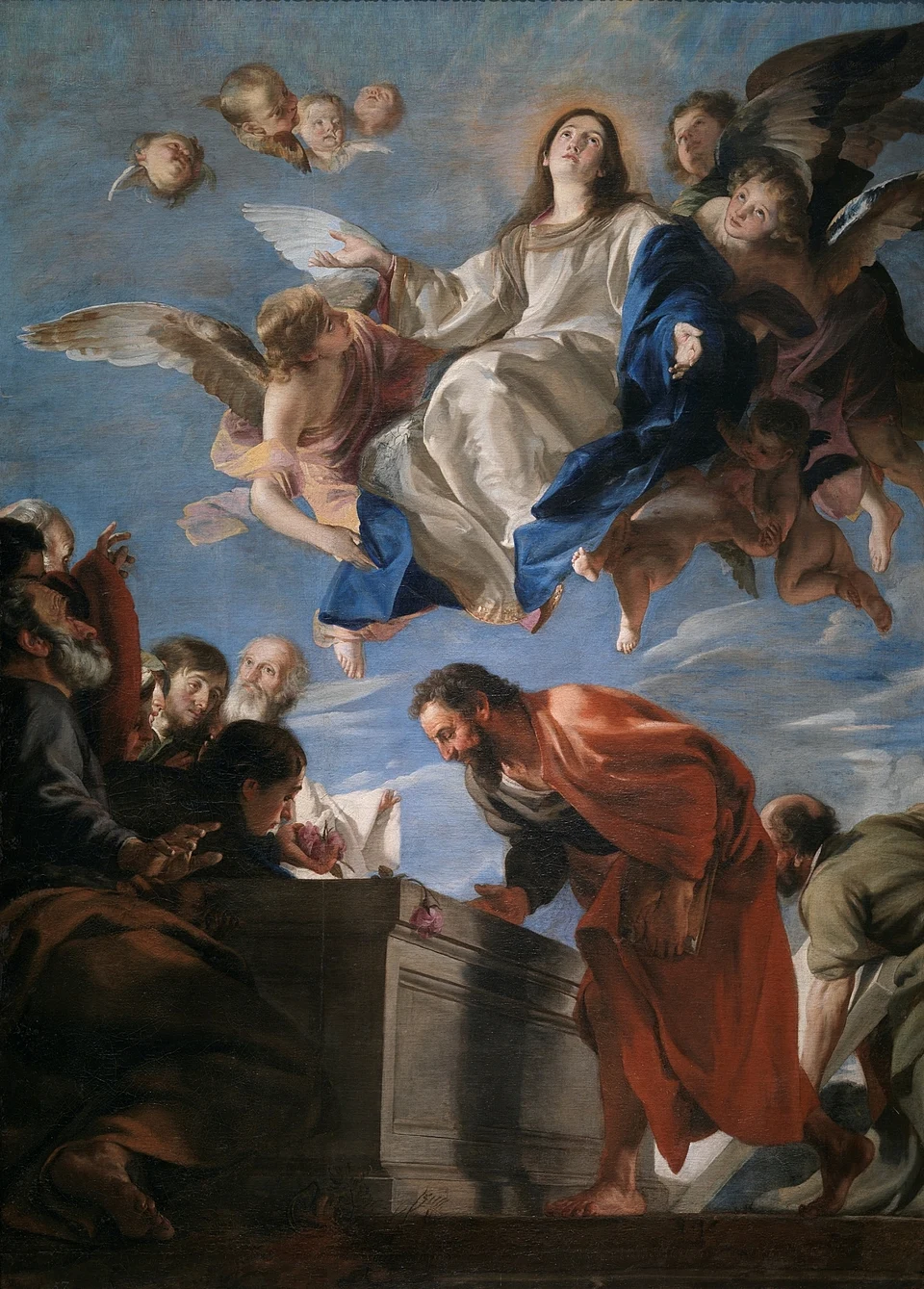
1450 – 1800<p>The Venetian School developed alongside the Florentine and Roman branches of the Italian Renaissance but took a distinctly different path, one shaped by Venice's maritime trade, its unique quality of light reflected off the surrounding lagoon, and its access to pigments imported through its port. Where Florentine painters prized precise line and drawing, Venetian painters built their pictures through color and layered brushwork, often applying paint directly onto canvas rather than working out every detail in a preliminary drawing first.</p> <p><a href="/apps/masterpieces/artist/sebastiano-del-piombo"><strong>Sebastiano del Piombo</strong></a> trained in Venice before moving to Rome, carrying the school's rich color sense into his later portraits and religious works. <a href="/apps/masterpieces/artist/palma-vecchio"><strong>Palma Vecchio</strong></a> and <a href="/apps/masterpieces/artist/paris-bordone"><strong>Paris Bordone</strong></a> specialized in half-length female portraits and mythological subjects built around warm, glowing flesh tones, a hallmark of the Venetian approach to color. <a href="/apps/masterpieces/artist/jacopo-bassano"><strong>Jacopo Bassano</strong></a> worked from the nearby town of Bassano del Grappa, bringing rural genre detail into religious scenes. By the 18th century, the tradition had shifted from religious and mythological subjects toward the city itself, with <a href="/apps/masterpieces/artist/canaletto"><strong>Canaletto</strong></a> painting precise, light-filled views of the canals in works like <a href="/apps/masterpieces/art/grand-canal-canaletto"><strong>The Grand Canal and the Church of the Salute</strong></a> and <a href="/apps/masterpieces/art/bucintoro-molo"><strong>The Bucintoro at the Molo</strong></a>, made for wealthy tourists on the Grand Tour.</p>
5 artists
+3
Mannerism
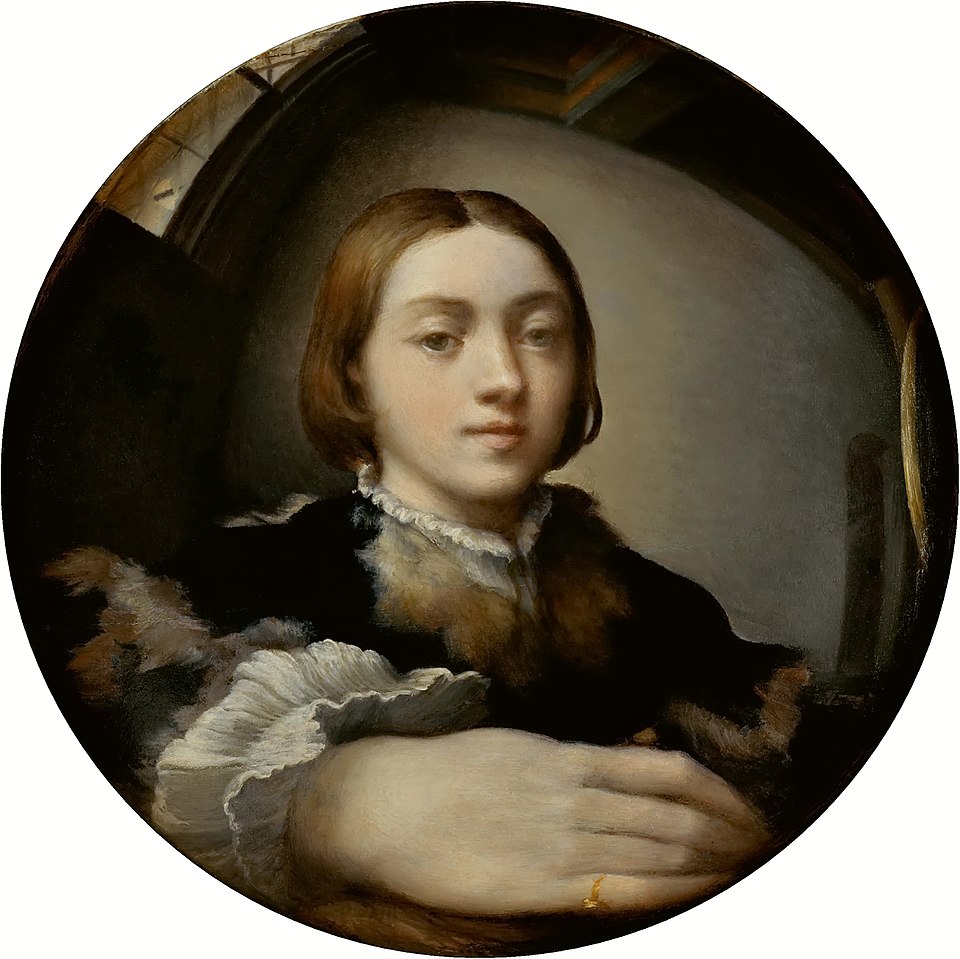
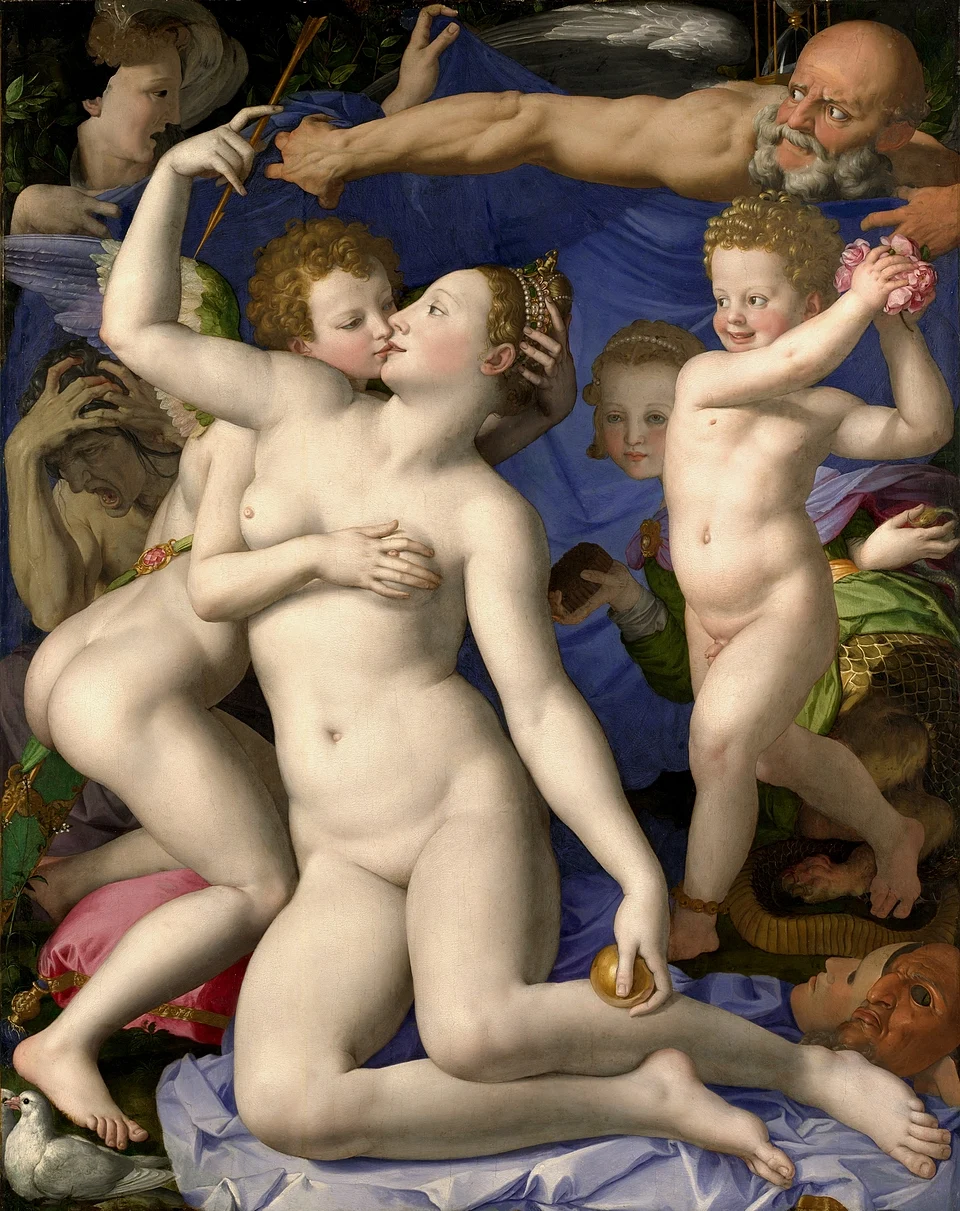
1520 – 1600<p>Mannerism took shape in Italy around 1520, in the years after Raphael's death, when a new generation of painters began pushing away from the balanced naturalism of the High Renaissance. Where earlier artists sought harmony and correct proportion, Mannerist painters like <a href="/apps/masterpieces/artist/parmigianino"><strong>Parmigianino</strong></a> and <a href="/apps/masterpieces/artist/bronzino"><strong>Bronzino</strong></a> stretched the human figure into elegant, almost impossible poses. Necks lengthen, limbs curve, and space compresses or twists in ways that favor style over strict realism. It's a deliberate artificiality, and that's the whole point: the term "maniera" originally just meant a refined, self-conscious way of painting.</p> <p>The movement's visual signature includes elongated proportions, crowded and ambiguous spatial arrangements, cool acidic color combinations, and subjects loaded with allegory or private symbolism. Parmigianino's <a href="/apps/masterpieces/art/madonna-with-the-long-neck"><strong>Madonna with the Long Neck</strong></a> is maybe the clearest example: the Virgin's neck and fingers stretch far past anatomical reality, and the architecture behind her makes no logical sense. Bronzino's <a href="/apps/masterpieces/art/venus-cupid-folly-and-time"><strong>Venus, Cupid, Folly and Time</strong></a> layers in coded meanings about desire and deceit that art historians still debate. <a href="/apps/masterpieces/artist/correggio"><strong>Correggio</strong></a> pushed illusionistic ceiling painting further than anyone before him, while <a href="/apps/masterpieces/artist/jacopo-bassano"><strong>Jacopo Bassano</strong></a> brought a rougher, more rustic version of the style to religious scenes.</p> <p>Mannerism thrived at courts in Florence, Parma, and Fontainebleau, where patrons valued wit and sophistication over plain description. By 1600 it gave way to the Baroque, but its taste for distortion and drama never fully disappeared from European painting.</p>
6 artists
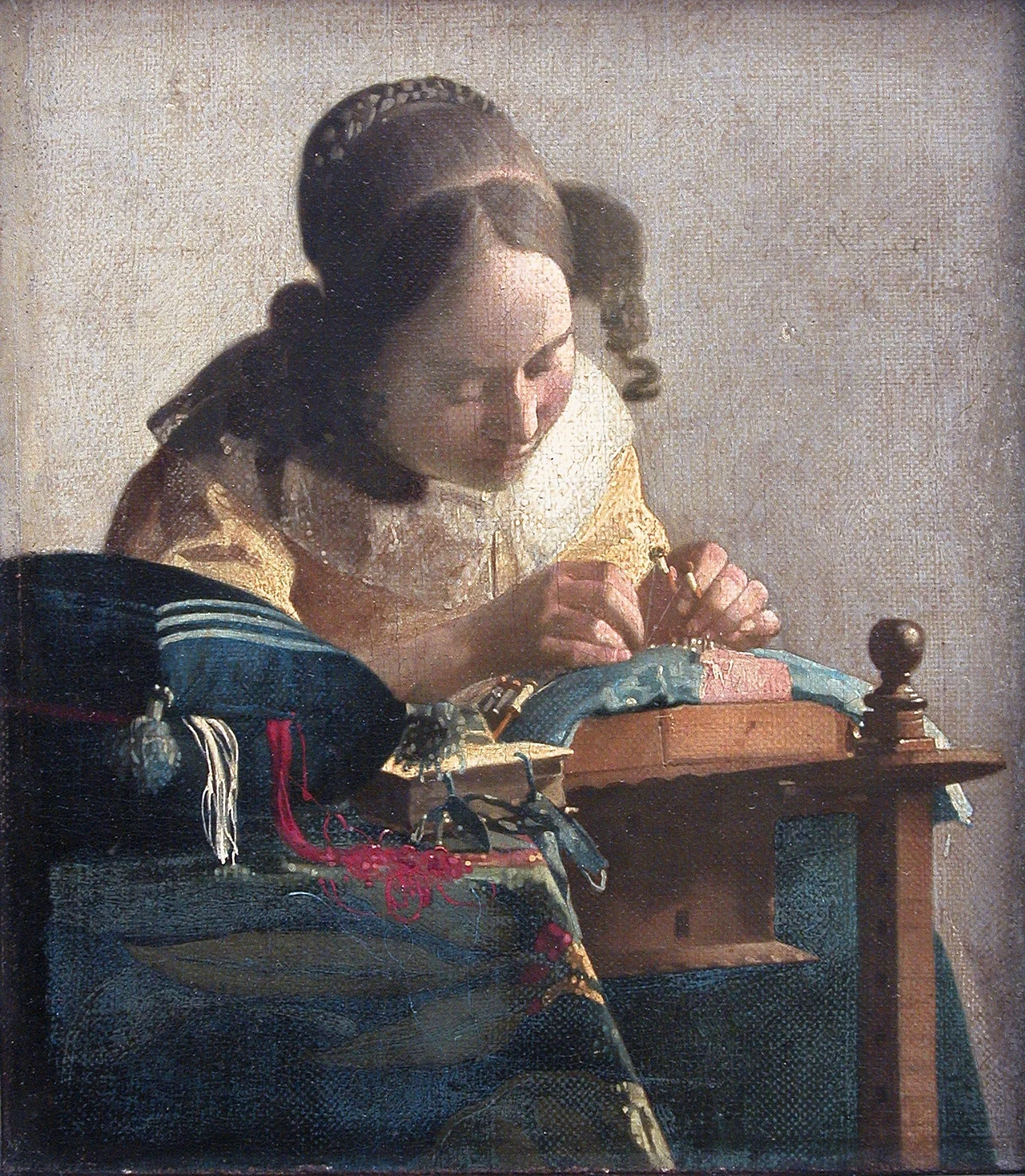
+14
Dutch Golden Age
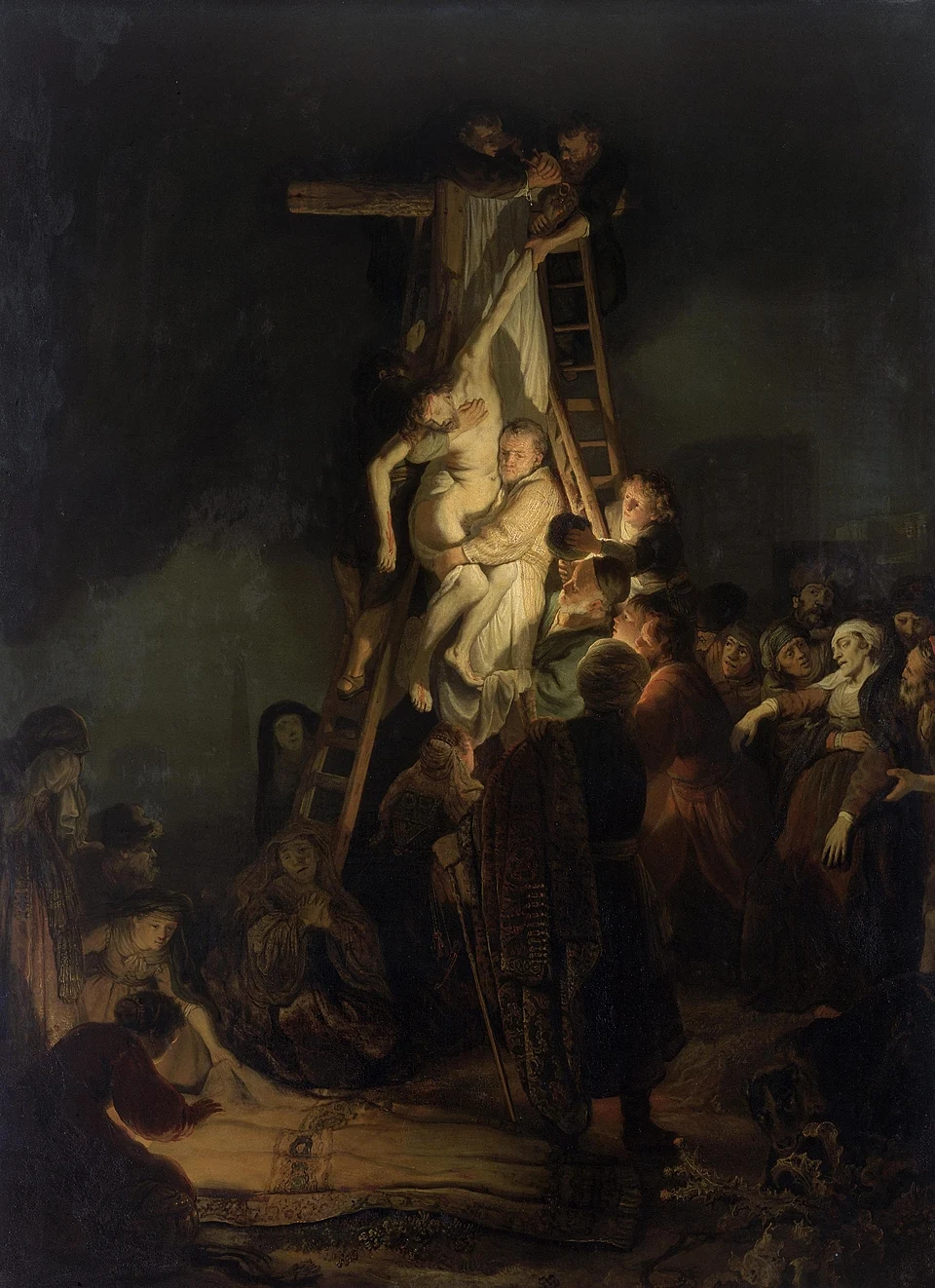
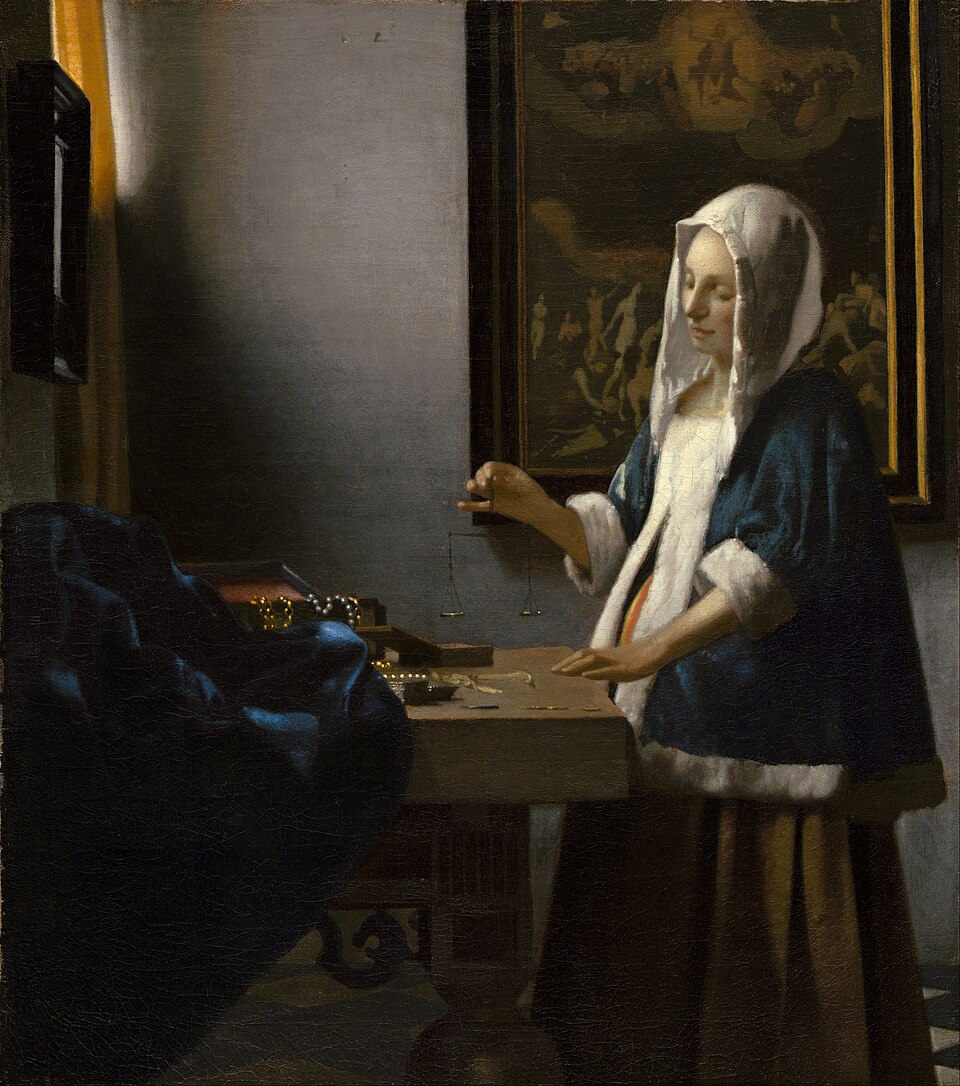
1588 – 1672<p>The Dutch Golden Age ran roughly from 1588 to 1672, coinciding with the young Dutch Republic's rise as one of the wealthiest trading powers in the world. Without a royal court or a dominant Catholic Church commissioning religious art, Dutch painters instead sold directly to a growing merchant class, which created strong demand for portraits, landscapes, still lifes, and quiet domestic scenes rather than grand historical subjects.</p> <p><a href="/apps/masterpieces/artist/johannes-vermeer"><strong>Johannes Vermeer</strong></a> specialized in intimate interior scenes lit by a single window, most famously in <a href="/apps/masterpieces/art/girl-with-a-pearl-earring"><strong>Girl with a Pearl Earring</strong></a>, and in quieter works like <a href="/apps/masterpieces/art/woman-holding-balance"><strong>Woman Holding a Balance</strong></a>, where a woman weighs coins under a painting of the Last Judgment. <a href="/apps/masterpieces/artist/rembrandt"><strong>Rembrandt</strong></a> worked on a larger scale, producing portraits, biblical scenes, and self-portraits that traced his own aging face across four decades, all built on his mastery of light and shadow.</p> <p><a href="/apps/masterpieces/artist/jan-steen"><strong>Jan Steen</strong></a> painted crowded, comic household scenes meant as moral warnings dressed up as entertainment, while <a href="/apps/masterpieces/artist/jacob-van-ruisdael"><strong>Jacob van Ruisdael</strong></a> painted landscapes with dramatic skies and windmills that became shorthand for the Dutch countryside itself. <a href="/apps/masterpieces/artist/pieter-de-hooch"><strong>Pieter de Hooch</strong></a> painted courtyards and doorways with the same calm attention to light as Vermeer. Together these painters produced an enormous body of work, more per capita than any other country of the era.</p>
17 artists
Renaissance Artists
61 total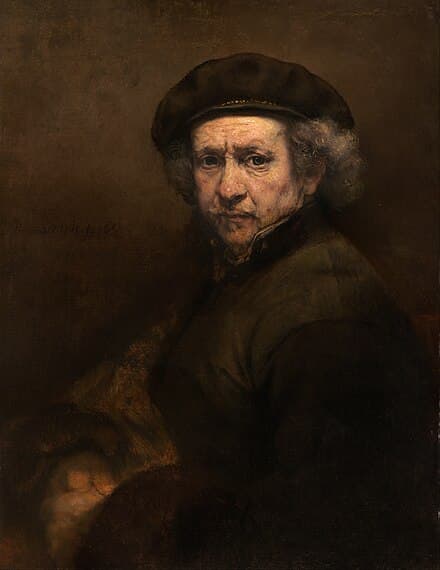
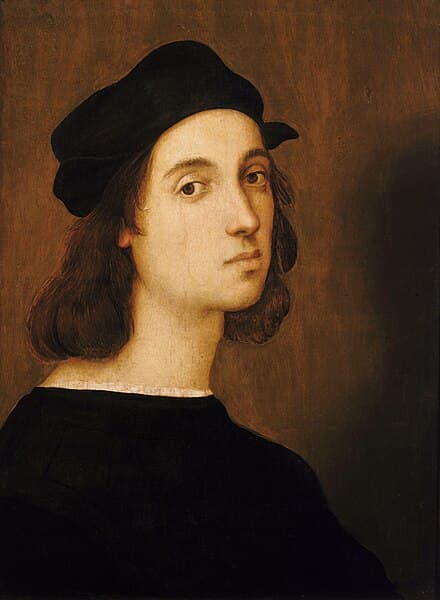
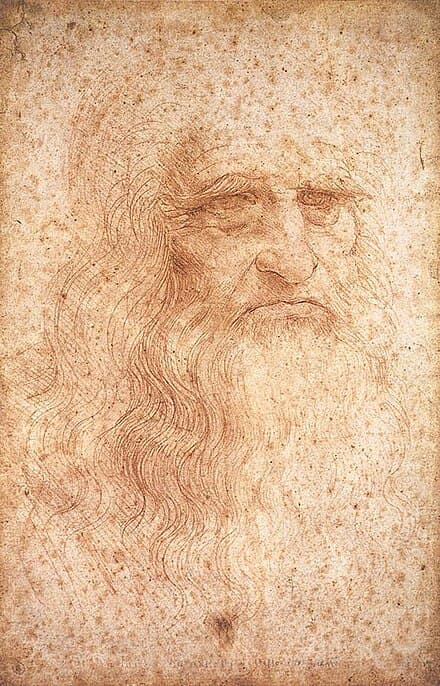
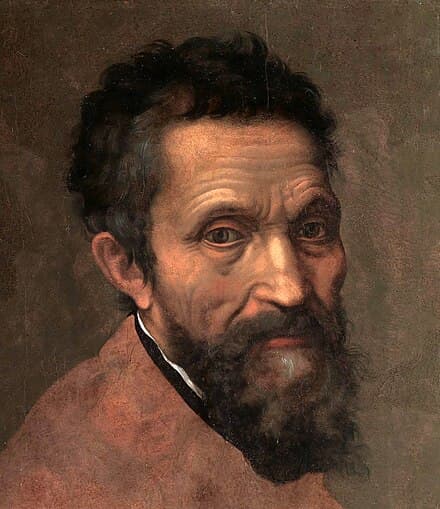
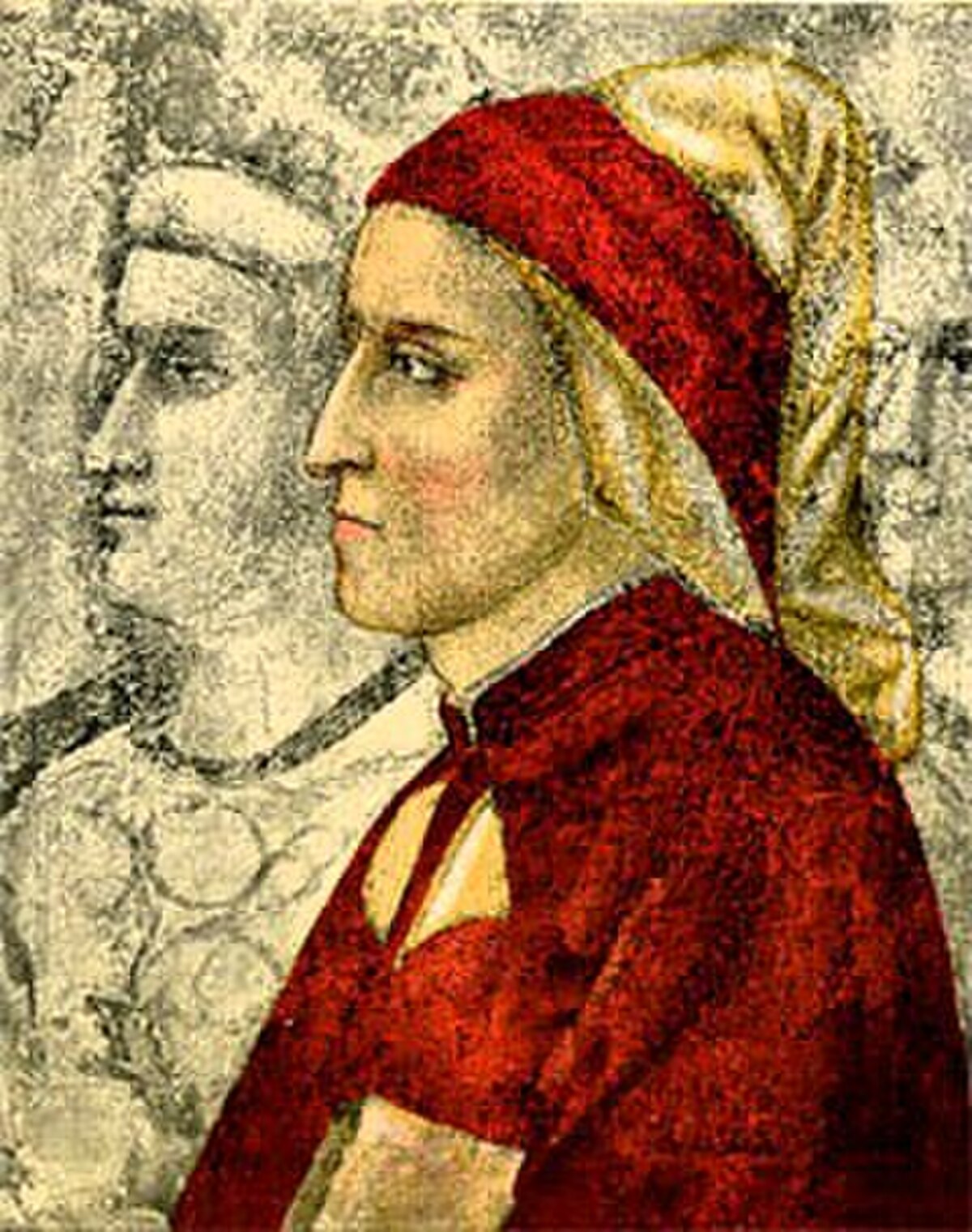
Renaissance Masterpieces
12 featured worksA
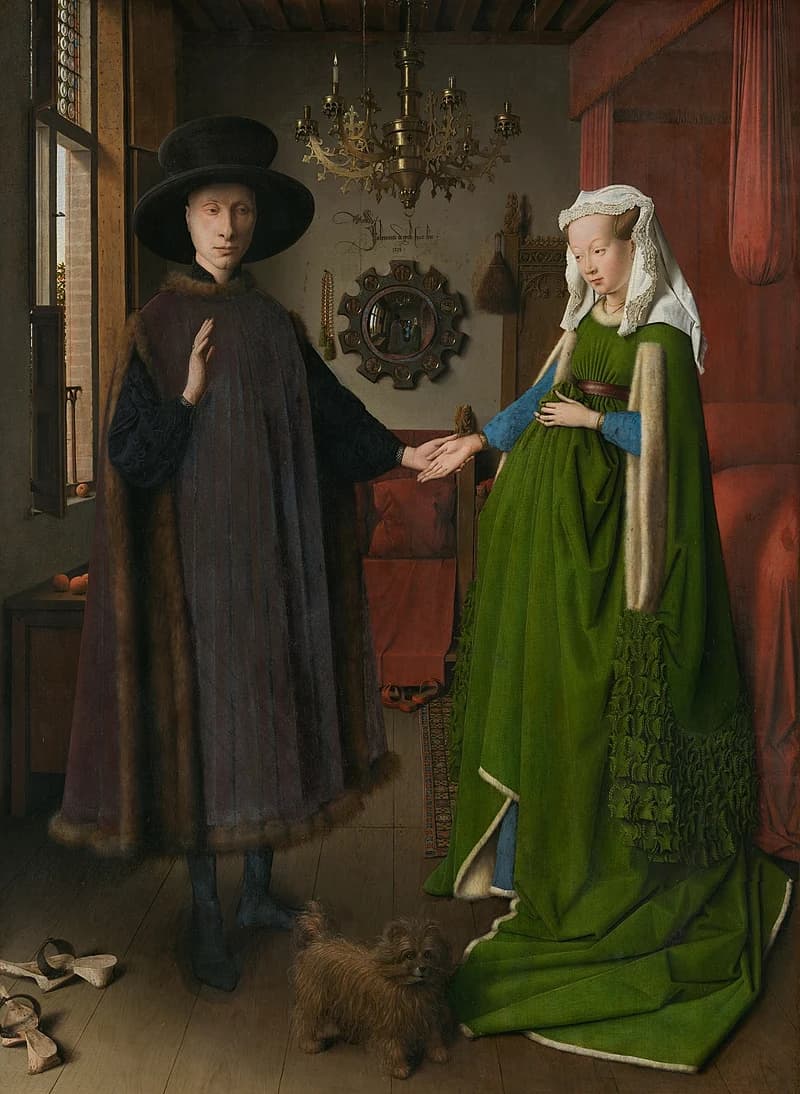
Arnolfini Portrait
Jan van Eyck, 1434
National Gallery, London
T

The Annunciation
Jan van Eyck, 1436
National Gallery of Art, Washington, D.C.
T
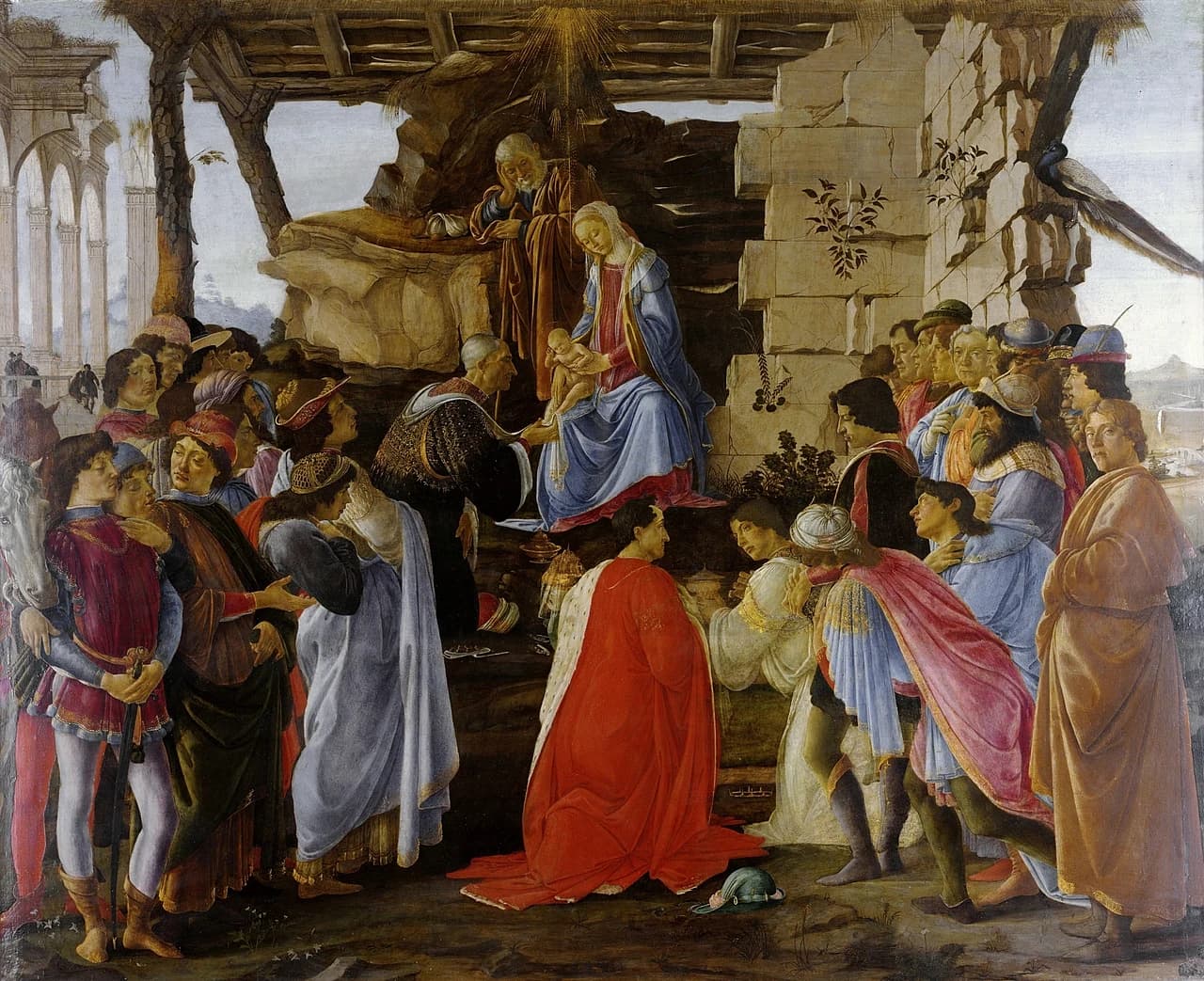
The Adoration of the Magi
Sandro Botticelli, 1476
Uffizi Gallery, Florence, Florence
G
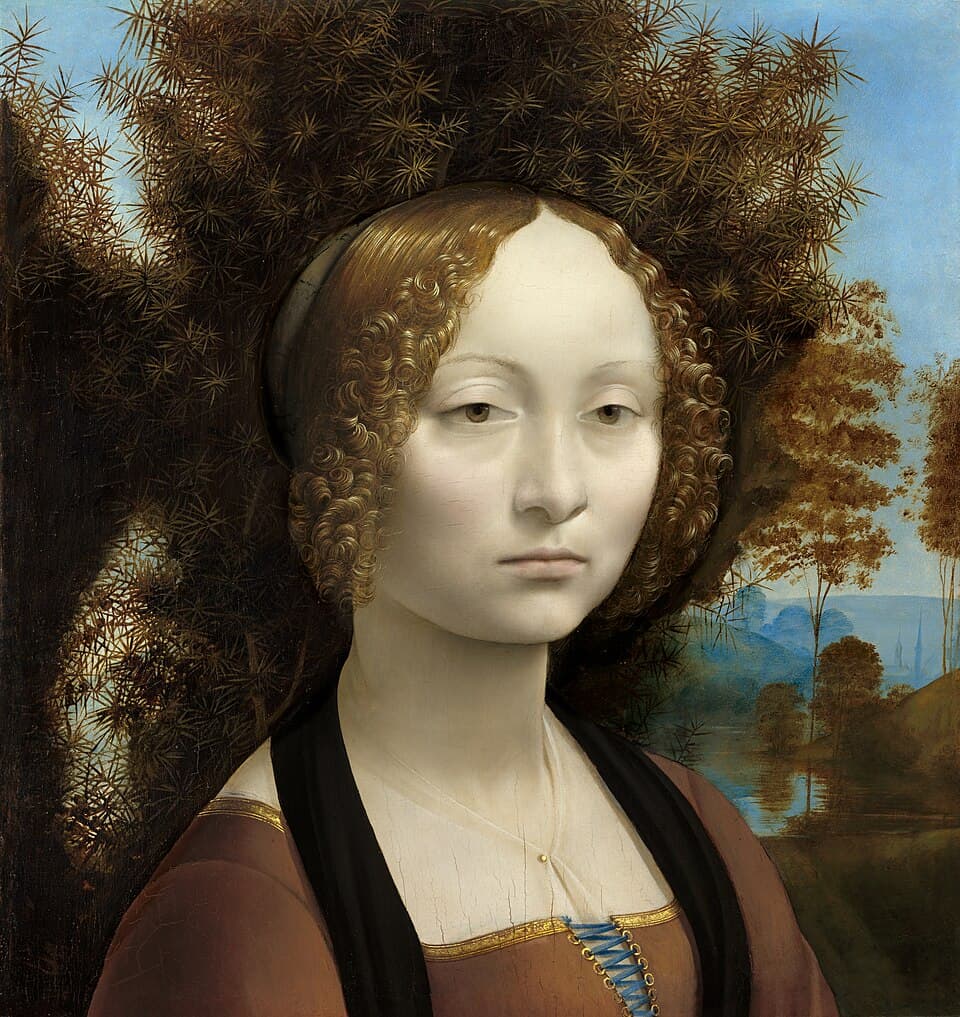
Ginevra de' Benci
Leonardo da Vinci, 1478
National Gallery of Art, Washington, D.C.
P
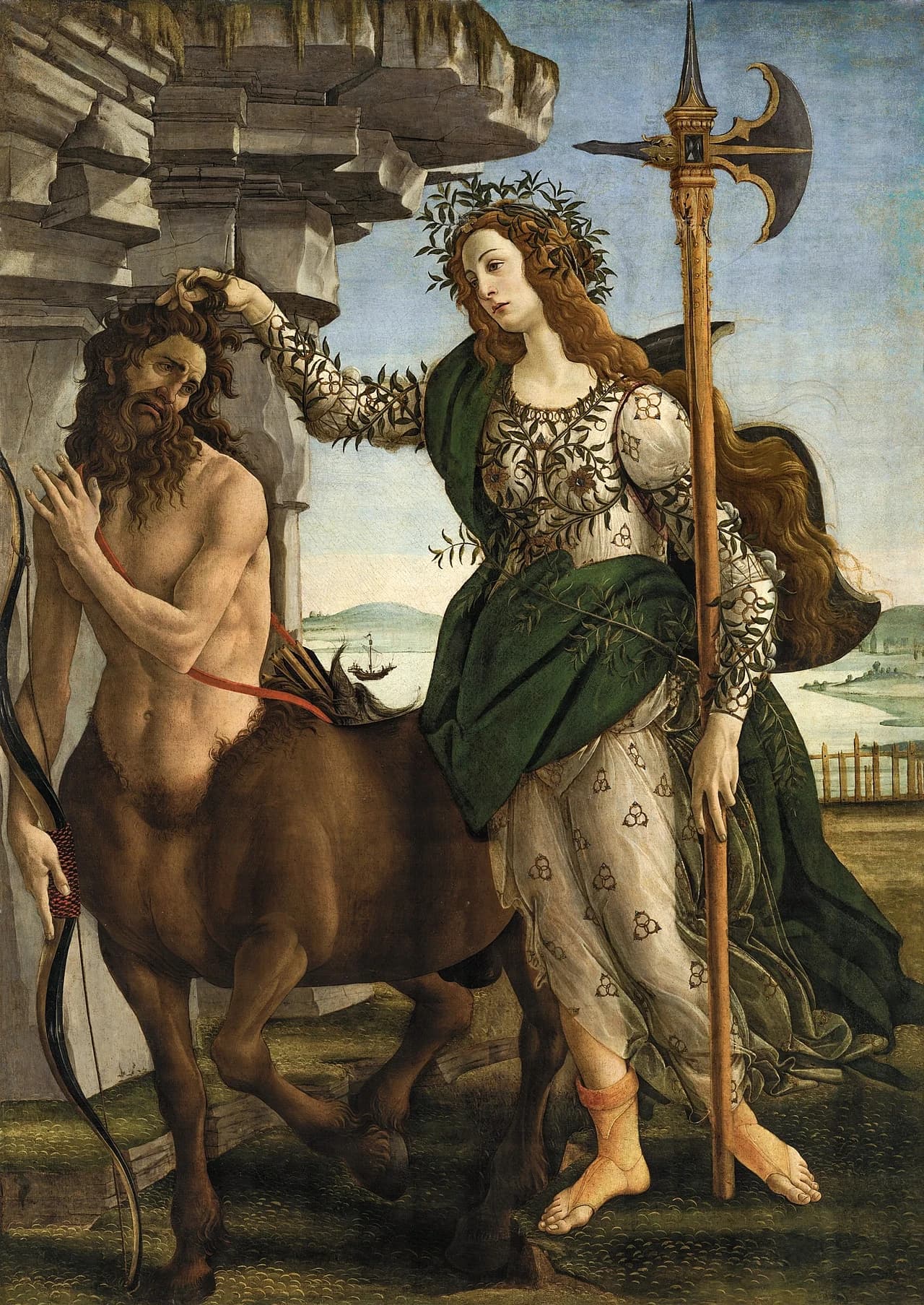
Pallas and the Centaur
Sandro Botticelli, 1482
Uffizi Gallery, Florence, Florence
T
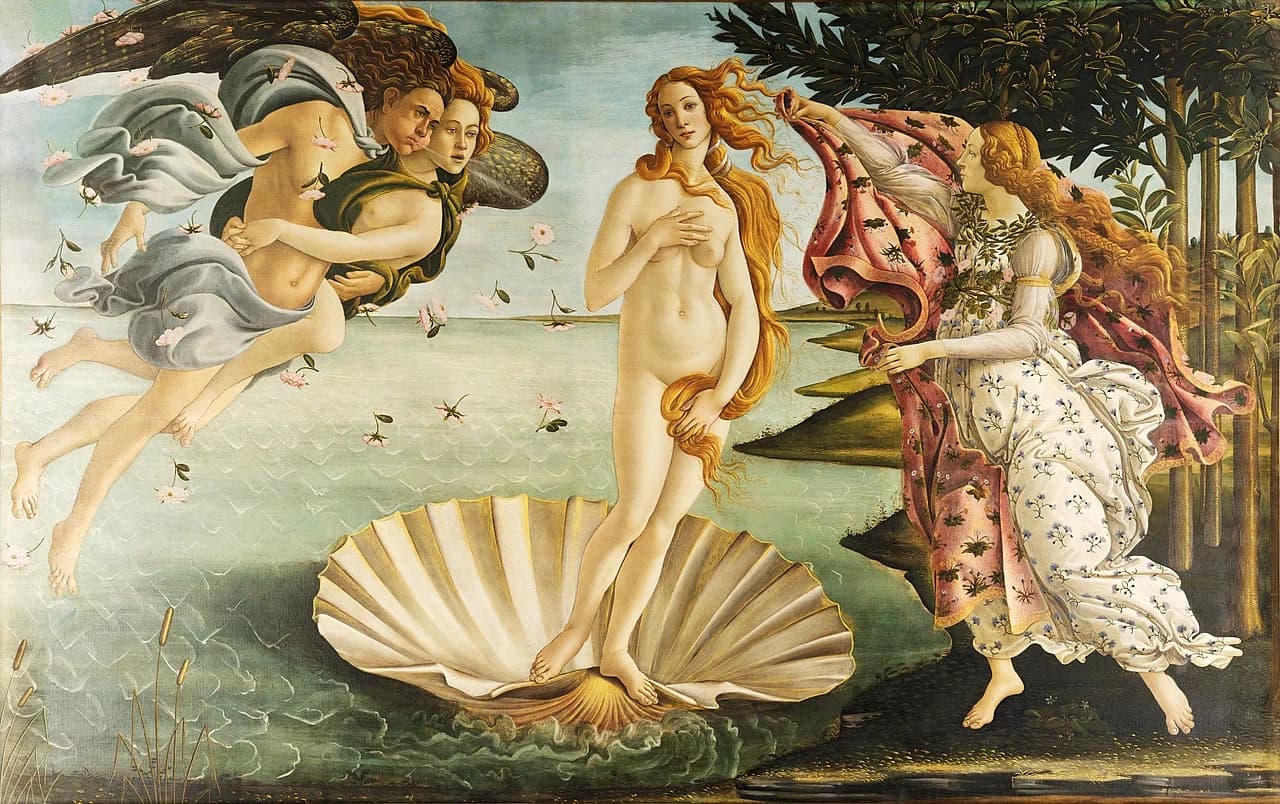
The Birth of Venus
Sandro Botticelli, 1485
Uffizi Gallery, Florence, Florence
T
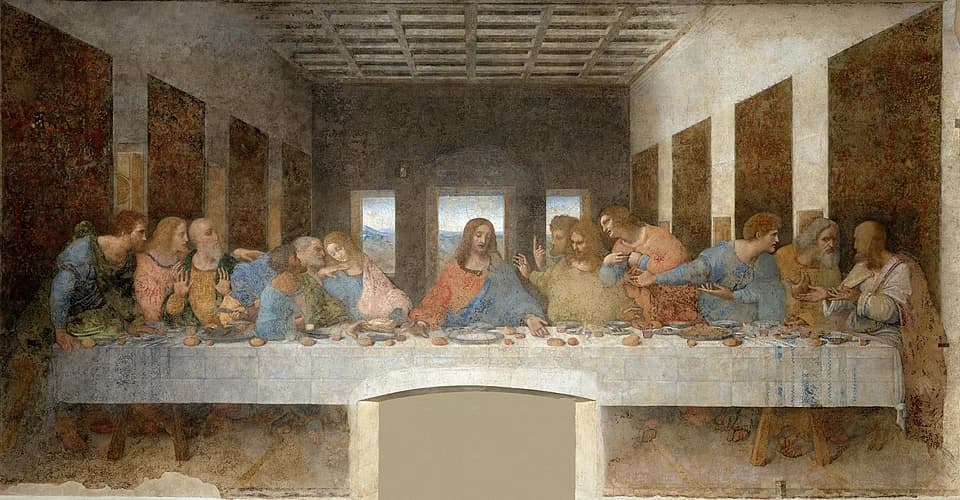
The Last Supper
Leonardo da Vinci, 1498
Santa Maria delle Grazie, Milan
S
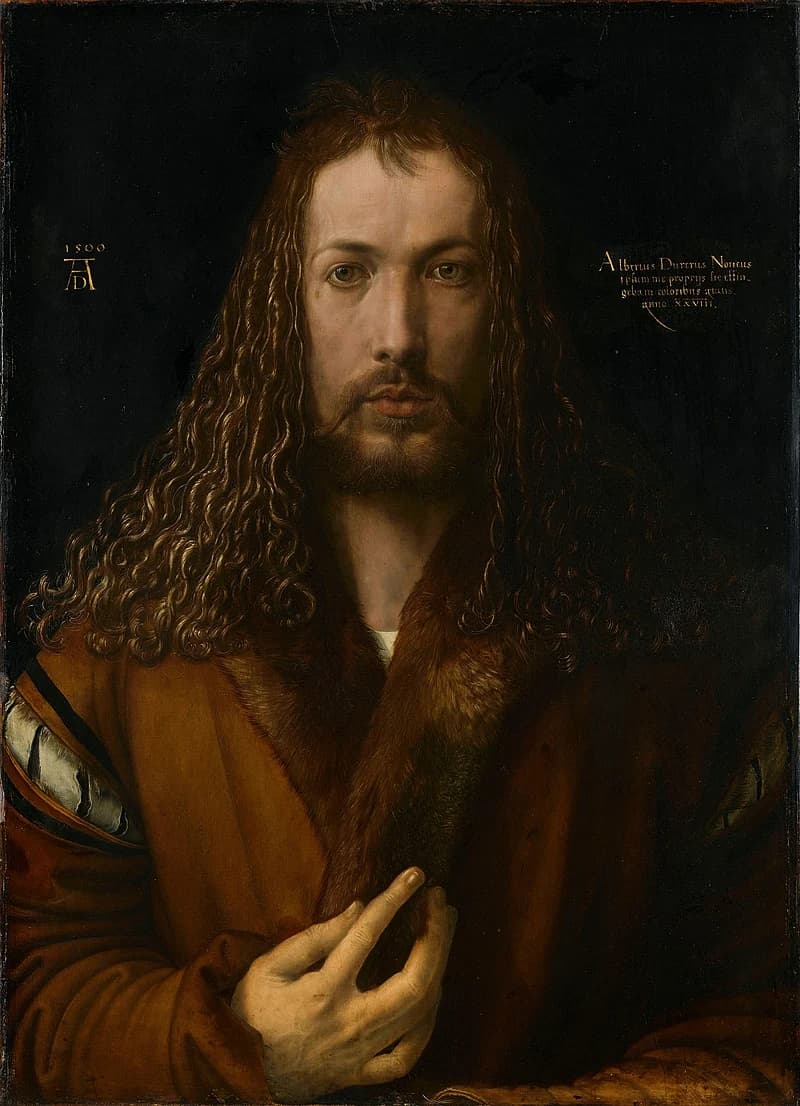
Self-Portrait at Twenty-Eight
Albrecht Dürer, 1500
National Gallery, London
S
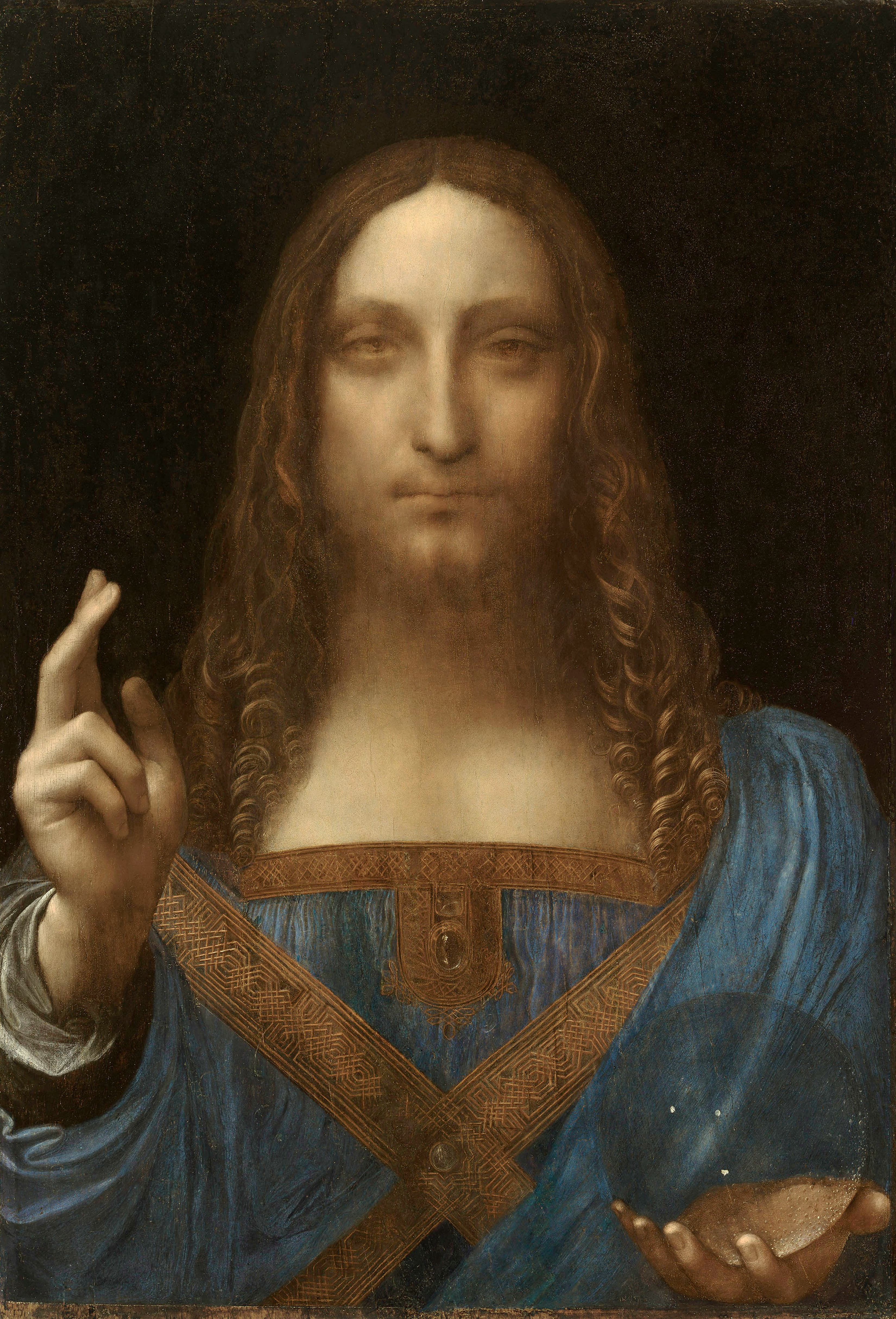
Salvator Mundi
Leonardo da Vinci, 1500
Private Collection, Unknown
M
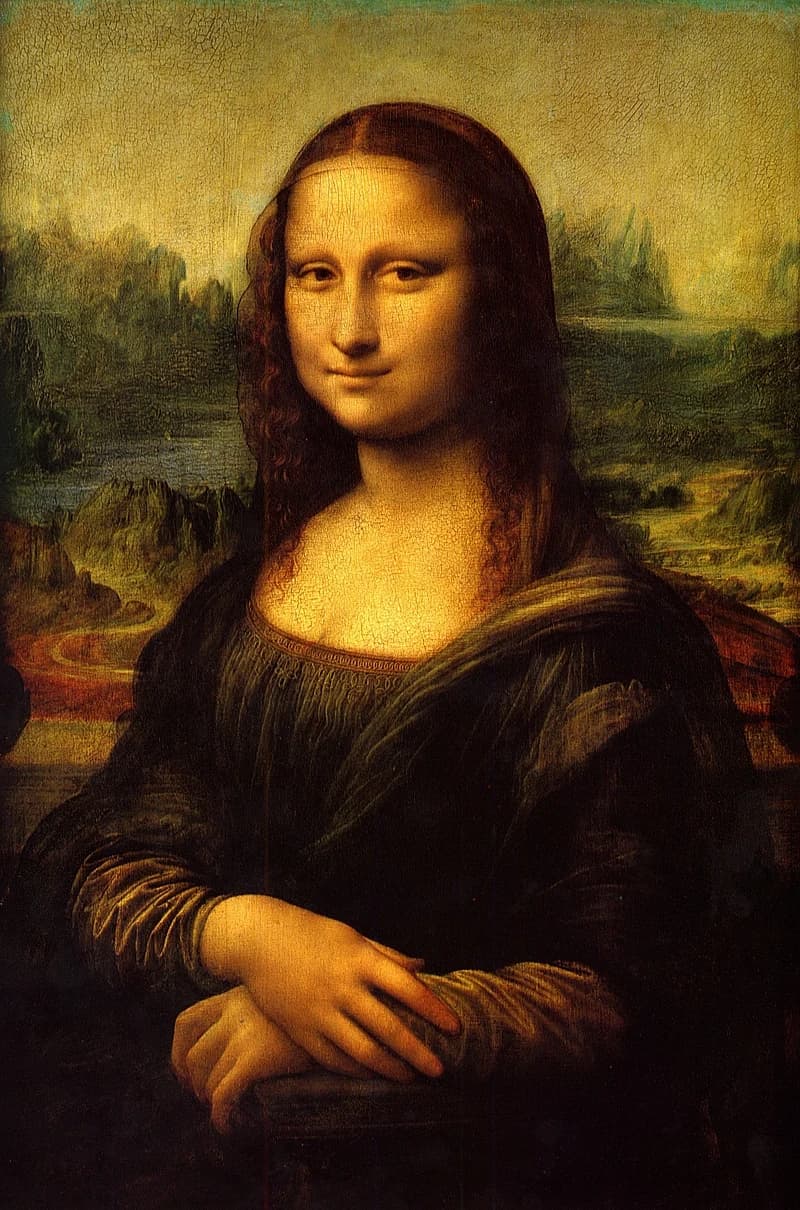
Mona Lisa
Leonardo da Vinci, 1503
Louvre, Paris, Paris
T

The Alba Madonna
Raphael, 1510
National Gallery of Art, Washington, D.C.
T
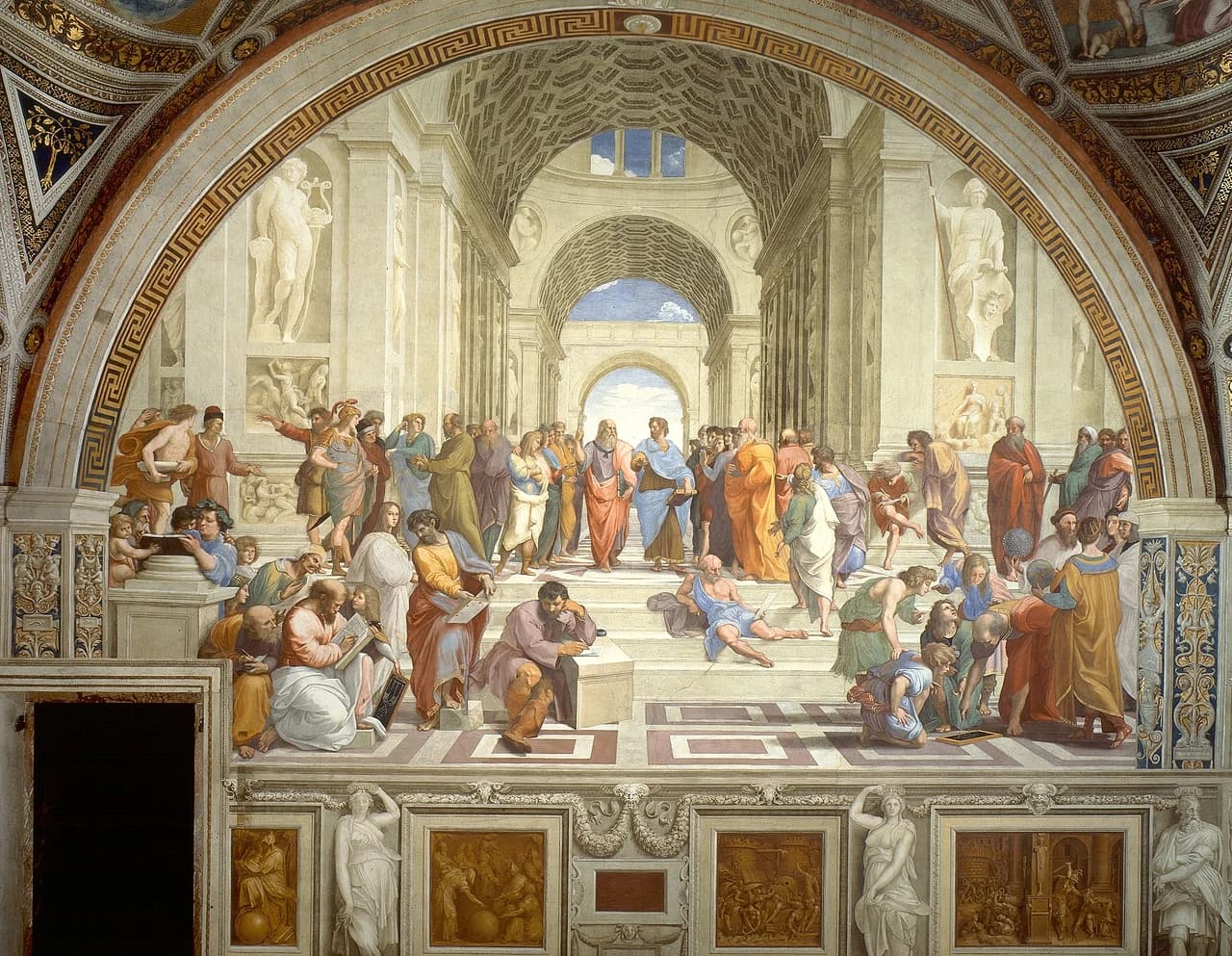
The School of Athens
Raphael, 1511
Vatican Museums, Vatican City
About Renaissance
The Renaissance (1400-1599) was a cultural rebirth centered in Italy, where artists rediscovered classical Greek and Roman ideals. Masters like Leonardo da Vinci and Michelangelo pioneered linear perspective, anatomical accuracy, and oil painting techniques that transformed Western art.
The "Big Three" of the High Renaissance are Leonardo da Vinci, Michelangelo, and Raphael. Other masters include Sandro Botticelli, Titian, and Jan van Eyck in Northern Europe.
Linear perspective is a mathematical system where parallel lines converge at a vanishing point on the horizon, creating realistic depth on flat surfaces. Filippo Brunelleschi demonstrated this technique around 1415, and it became fundamental to Renaissance painting.
The Uffizi Gallery in Florence holds Botticelli's Birth of Venus and works by Leonardo. The Louvre displays the Mona Lisa. Michelangelo's Sistine Chapel ceiling remains in Vatican City. The National Gallery in London has outstanding Northern Renaissance works.
The Early Renaissance (1400-1490) developed foundational techniques like perspective and anatomical study. The High Renaissance (1490-1527) represents the peak, when Leonardo, Michelangelo, and Raphael synthesized these innovations into works of unprecedented mastery and harmony.
Bring Renaissance Home
Luxury art prints inspired by these iconic masterpieces. Museum-quality canvas for your walls.
Shop Renaissance Art