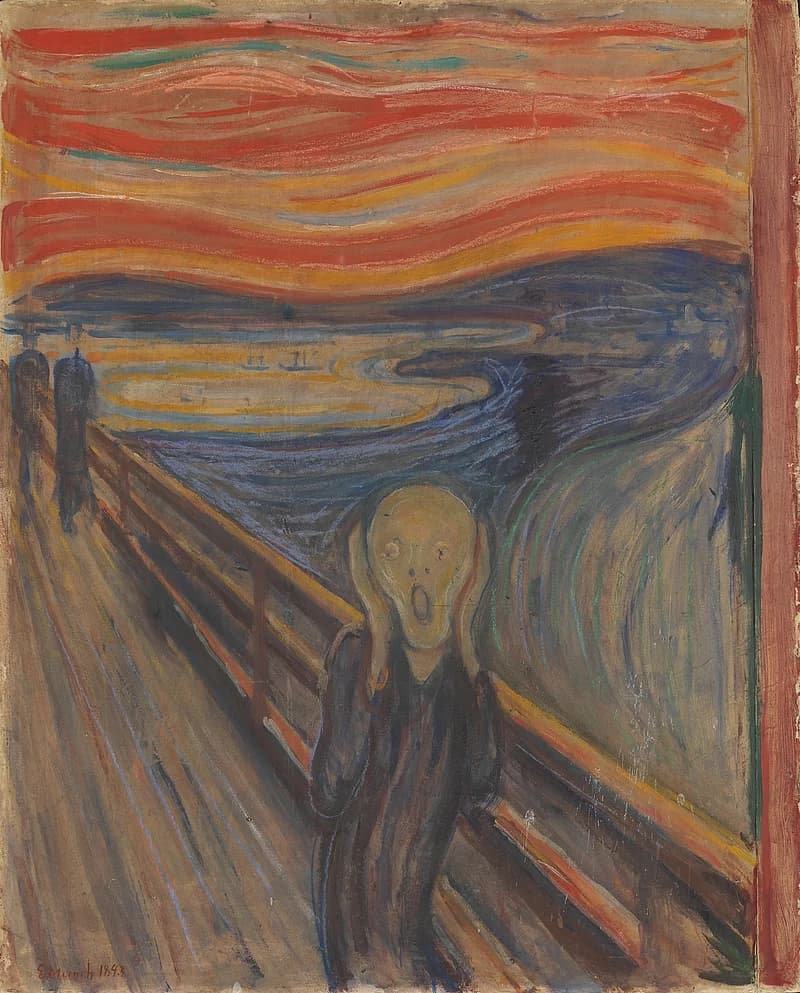
The Scream
by Edvard Munch, 1893
by Edvard Munch, 1893
Sotheby's / New York
May 2, 2012
Petter Olsen
Leon Black
That's 2 superyachts
Find It In The Museum
Munch Hall
National Gallery of Norway, Oslo
Part of the permanent collection
1-click academic citation and embeddable “On View” museum badge for articles, syllabi, and research.
That agonized figure against a blood-red sky has become a universal symbol of modern anxiety. Edvard Munch created The Scream in 1893, depicting a man on a bridge, hands raised to his face, mouth open in a silent howl while two shadowy figures walk behind him. The swirling orange and blue lines of sky and water seem to echo the figure's distress.
Munch described the inspiration in his diary: walking at sunset, he suddenly felt "an infinite scream passing through nature." The painting captures that moment of existential dread, when the ordinary world suddenly seems alien and terrifying. The figure's skull-like face and boneless body suggest someone stripped to pure emotion.
This version, painted in oil, tempera, and pastel on cardboard, is the most famous of four versions Munch created. It has been stolen twice from Norwegian museums and recovered both times. The Expressionist work now hangs at the National Gallery of Norway in Oslo, protected by significantly upgraded security.
Became an icon of existential anxiety and one of the most recognizable images in art history.
Works that share an artist, movement, museum, genre, palette or theme with The Scream.
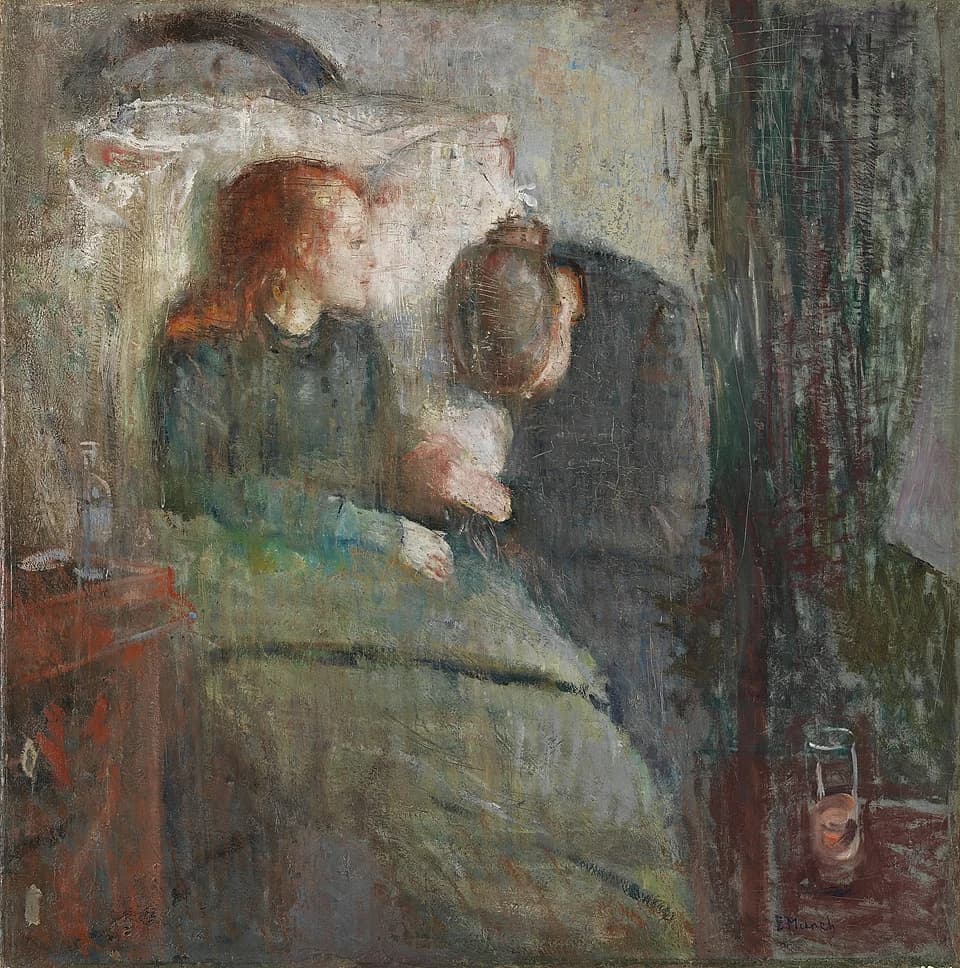
Edvard Munch, 1886
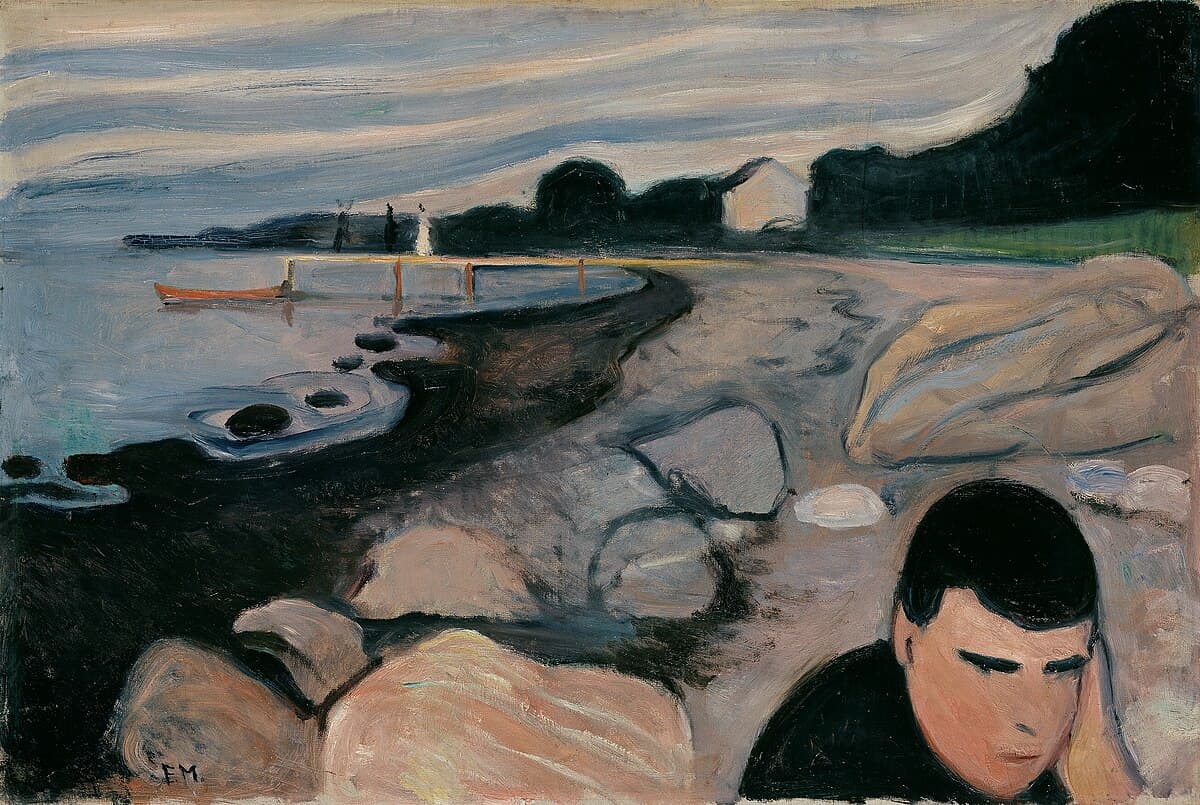
Edvard Munch
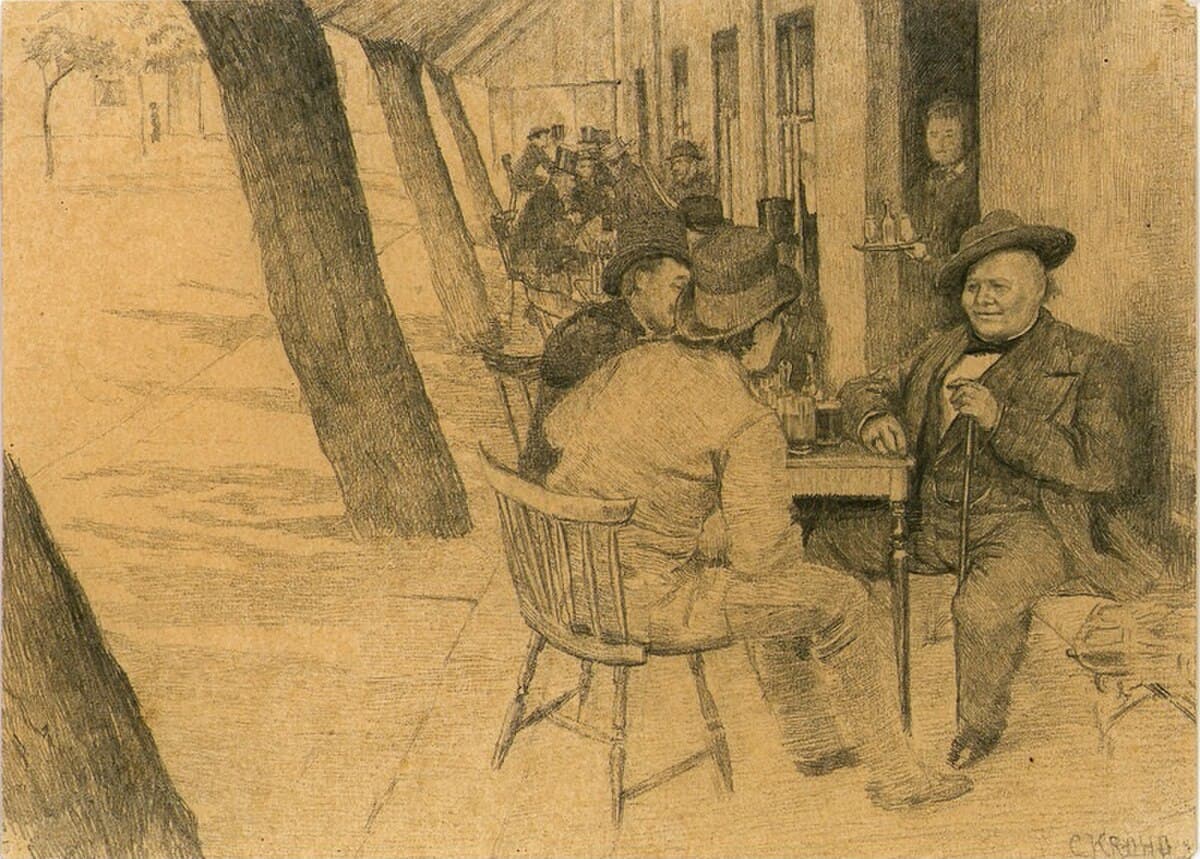
Edvard Munch
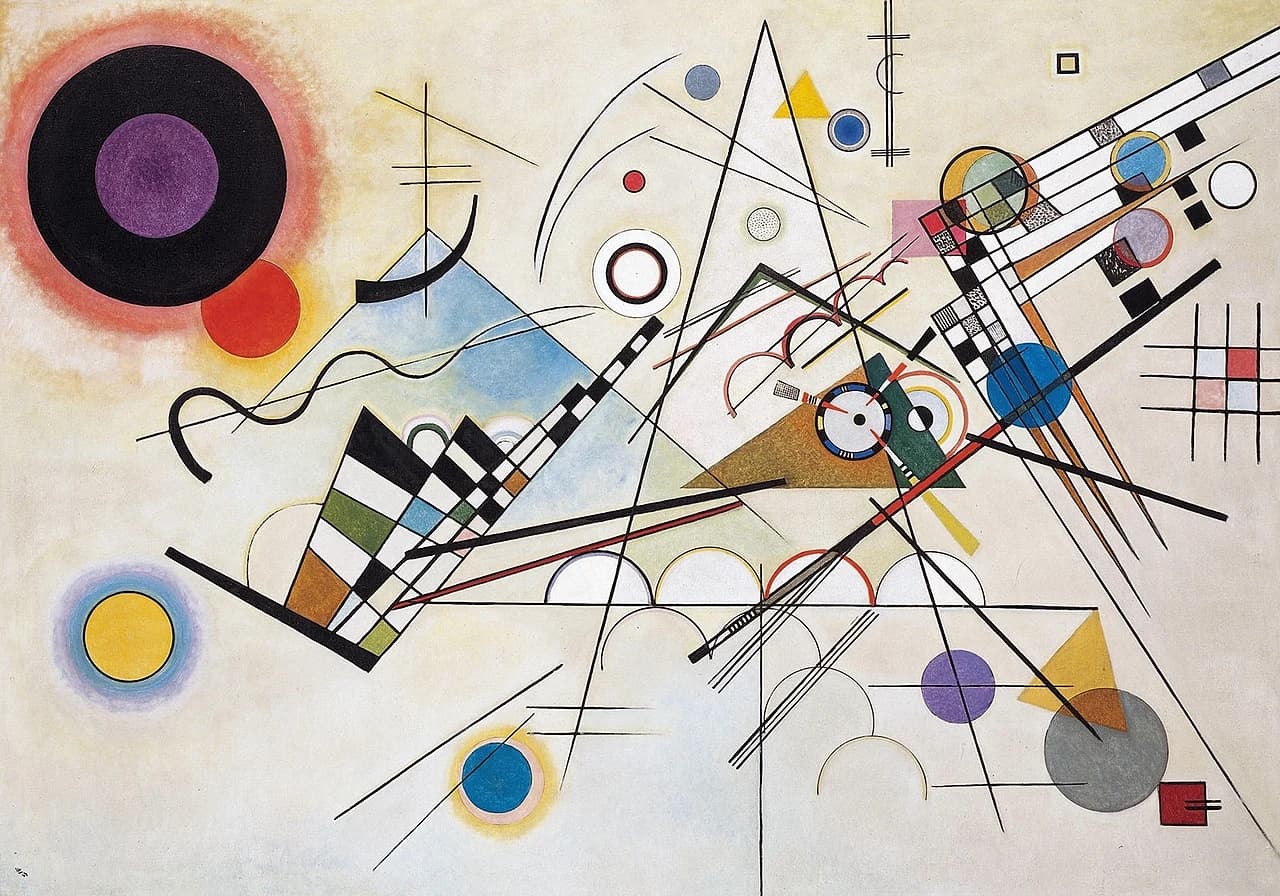
Wassily Kandinsky, 1923
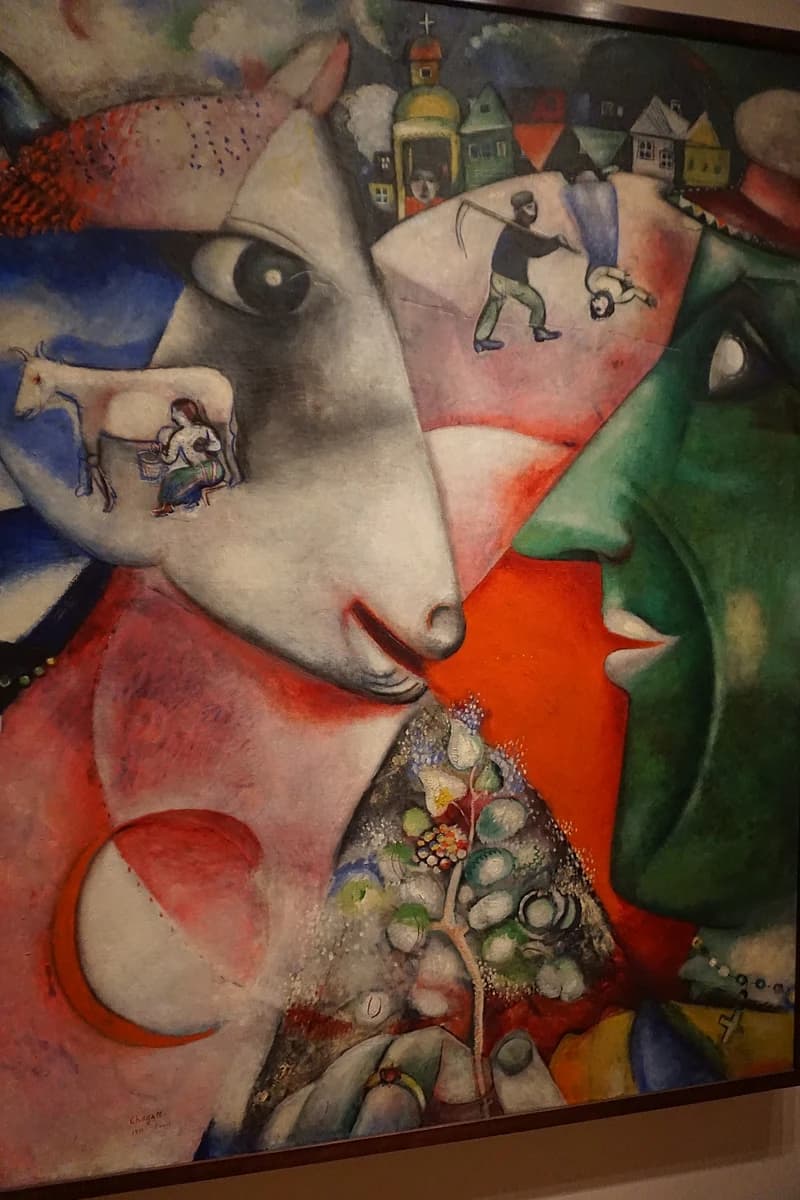
Marc Chagall, 1911
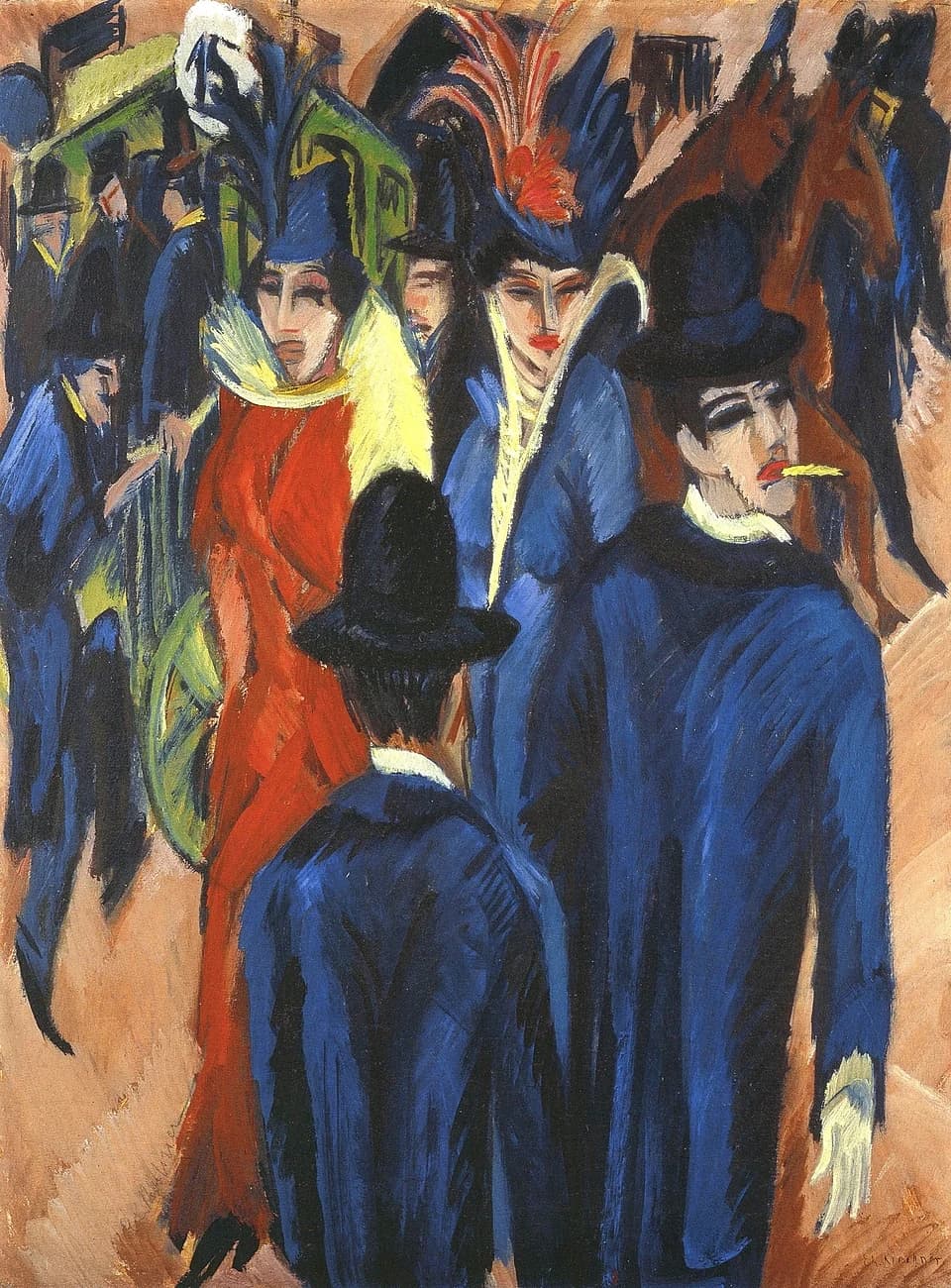
Ernst Ludwig Kirchner, 1913
Ernst Ludwig Kirchner
Franz Marc, 1911
Ernst Ludwig Kirchner

Käthe Kollwitz, 1903
Franz Marc, 1913
Egon Schiele
Luxury wall art with the same mood and energy. Gallery-quality canvas, no museum crowds.
Browse Collection