1800 - 1899
19th Century Art
From Romanticism to Impressionism. The century that transformed painting forever.
About 19th Century Art
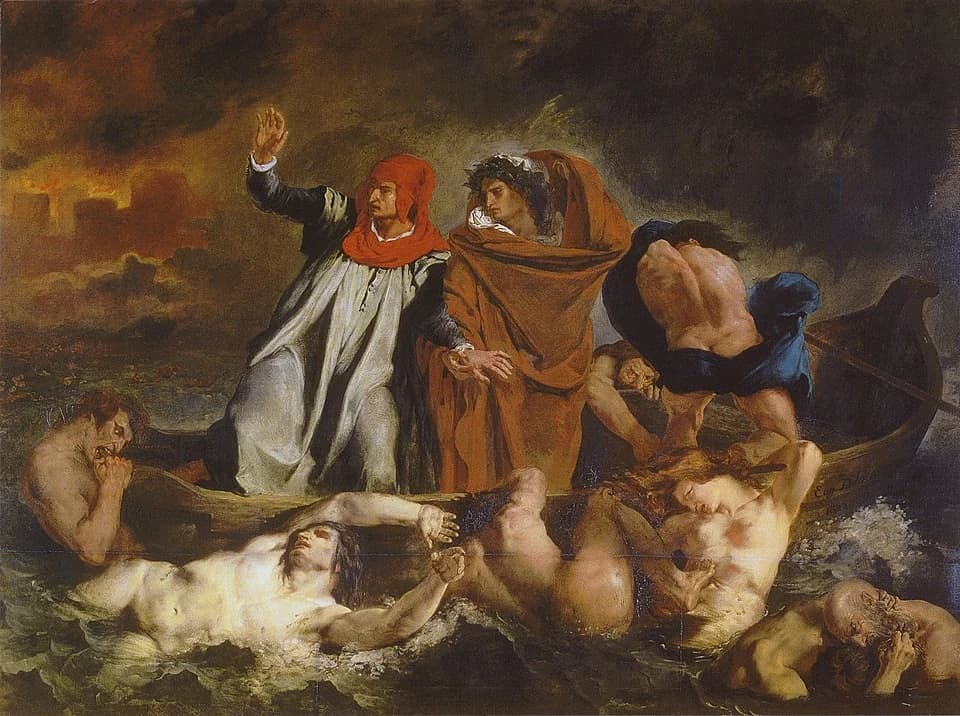
No century transformed art more radically than the 19th. It began with Neoclassicism and ended with artists dismantling everything that came before. Romanticism arrived first, celebrating emotion, nature, and individual imagination over classical reason. Delacroix's wild brushwork and Friedrich's sublime landscapes placed feeling above technique.
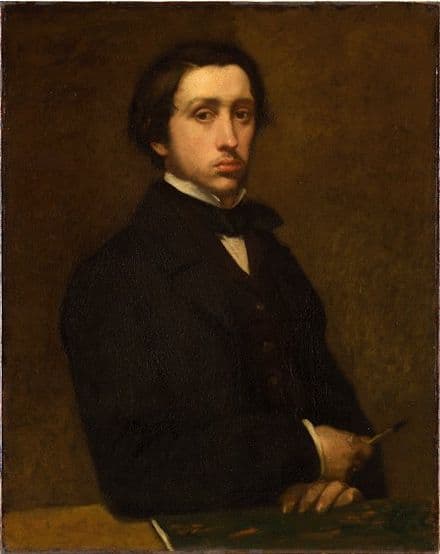
By mid-century, Realism demanded truth. Gustave Courbet painted peasants and laborers at monumental scale, insisting that art should depict contemporary life without idealization. Then came Impressionism, the movement that scandalized Paris and changed everything. Monet, Renoir, and Degas painted outdoors, capturing fleeting light with visible brushstrokes. Critics mocked them. Collectors eventually made them immortal.
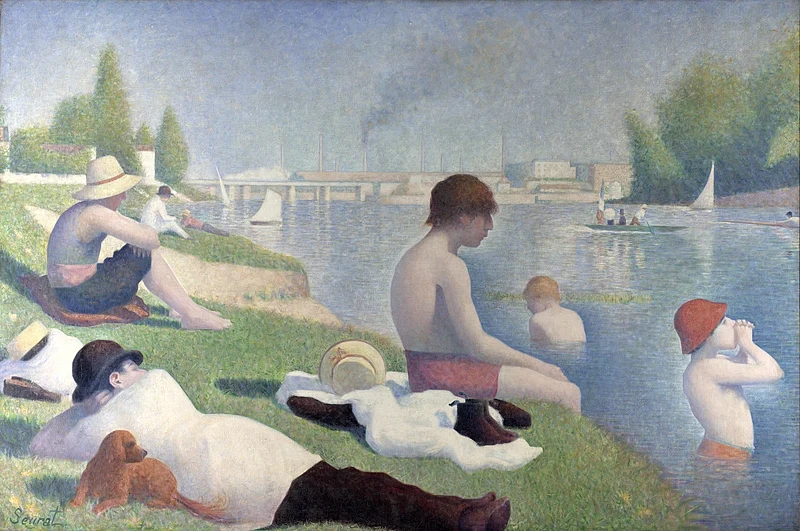
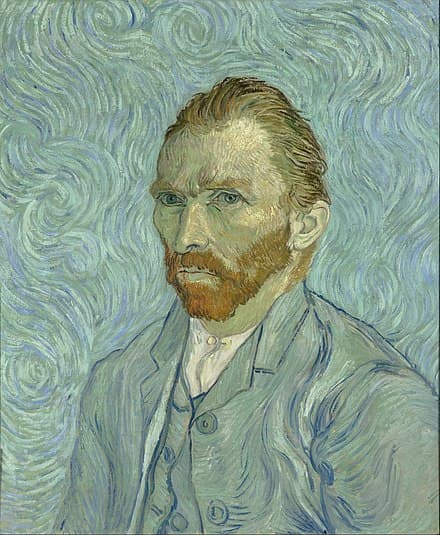
Post-Impressionism pushed further. Cézanne flattened space and built forms from color. Van Gogh painted emotional intensity with swirling brushwork. Gauguin sought escape in Tahitian subjects. Seurat reduced color to scientific dots. Together, they prepared the ground for Modern art's complete break with tradition.
What Was Happening in the World
The French Revolution beheaded a king and unleashed Napoleon across Europe. The Industrial Revolution pulled peasants into factories and cities. Steam trains connected nations. Photography arrived in 1839 and immediately threatened painting. Japanese prints flooded Paris after Commodore Perry forced open Japan. Darwin published On the Origin of Species. Marx published The Communist Manifesto. Electricity lit city streets. The old certainties were crumbling, and artists responded by questioning everything academies had taught them.
What to Look For
Spotting 19th Century Art art in museums and galleries:
- 1Romantic: dramatic skies, tiny figures dwarfed by nature, ruins, storms
- 2Realism: ordinary people at work, no idealization, contemporary clothing
- 3Impressionism: visible brushstrokes, outdoor scenes, dappled sunlight
- 4Colors placed side by side rather than blended (optical mixing)
- 5Shadows painted in blues and purples, not brown or black
- 6Everyday subjects: cafes, train stations, picnics, ballet rehearsals
- 7Post-Impressionism: bold outlines (Van Gogh), geometric forms (Cézanne)
- 8Japanese influence: flat areas of color, unusual cropping, asymmetry
At a Glance
- Period
- 1800 - 1899
- Movements
- 8
- Artists
- 67
- Artworks
- 649
19th Century Art Movements
8 movements
+2
Orientalism
1800 – 1920<p>Orientalism describes the way 19th-century European painters depicted the Middle East, North Africa, and parts of Asia, a trend that grew alongside colonial expansion and increased travel between roughly 1800 and 1920. Artists traveled to Cairo, Damascus, and Istanbul, then returned home to paint markets, mosques, and desert scenes for audiences who had never been there. The style favored sharp detail, warm light, and richly patterned surfaces, often applied to genre scenes of daily life rather than grand historical events.</p> <p><a href="/apps/masterpieces/artist/jean-leon-gerome"><strong>Jean-Léon Gérôme</strong></a> was the movement's most technically precise painter, known for scenes like <a href="/apps/masterpieces/art/slave-market-gerome"><strong>The Slave Market</strong></a> and <a href="/apps/masterpieces/art/pollice-verso"><strong>Pollice Verso</strong></a>, both painted with the crisp finish of academic realism. <a href="/apps/masterpieces/artist/theodore-chasseriau"><strong>Théodore Chassériau</strong></a> brought a Romantic sensibility to North African subjects after his own travels through Algeria. Vienna produced its own circle of Orientalist specialists in <a href="/apps/masterpieces/artist/ludwig-deutsch"><strong>Ludwig Deutsch</strong></a> and <a href="/apps/masterpieces/artist/rudolf-ernst"><strong>Rudolf Ernst</strong></a>, who painted interiors and courtyards from studio references rather than firsthand sketches. American painter <a href="/apps/masterpieces/artist/frederick-arthur-bridgman"><strong>Frederick Arthur Bridgman</strong></a> studied under Gérôme in Paris before turning his own attention to Egyptian subjects. Today the movement is read with more skepticism than it once was, since its romanticized version of the region tells us as much about European fantasy as it does about the places depicted.</p>
5 artists
+7
Hudson River School
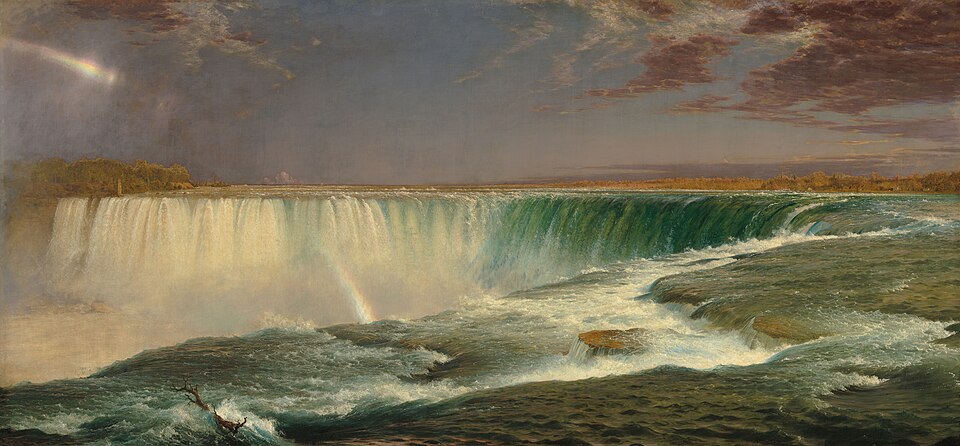
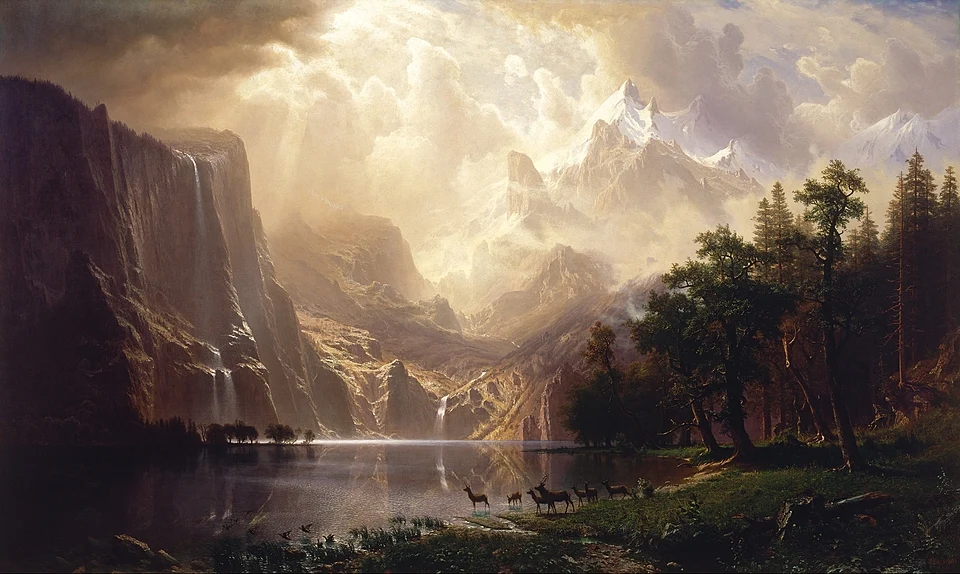
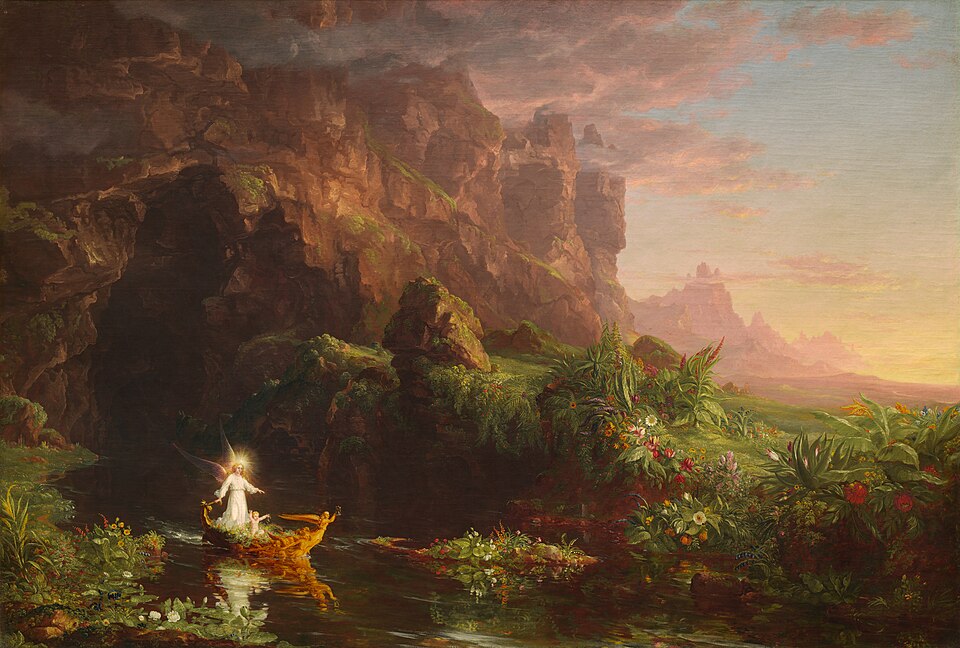
1825 – 1880<p>The Hudson River School formed in the 1820s around a group of American landscape painters who found their first subjects in the Hudson River Valley and the Catskill Mountains before pushing further west. Working in the wake of Romanticism, they treated the American wilderness as something close to sacred, worth painting on a grand scale as proof of the young country's natural grandeur.</p> <p><a href="/apps/masterpieces/artist/thomas-cole"><strong>Thomas Cole</strong></a> founded the movement, painting allegorical cycles like <a href="/apps/masterpieces/art/the-voyage-of-life-old-age"><strong>The Voyage of Life: Old Age</strong></a> alongside straightforward wilderness views. <a href="/apps/masterpieces/artist/frederic-edwin-church"><strong>Frederic Edwin Church</strong></a>, his most successful student, traveled to South America and painted <a href="/apps/masterpieces/art/heart-of-andes"><strong>Heart of the Andes</strong></a> on a canvas so large that viewers paid admission to see it displayed alone in a darkened room. Church's <a href="/apps/masterpieces/art/niagara-church"><strong>Niagara</strong></a> made him internationally famous for its scale and detail.</p> <p><a href="/apps/masterpieces/artist/albert-bierstadt"><strong>Albert Bierstadt</strong></a> carried the same theatrical grandeur west to the Rocky Mountains and Yosemite, as seen in <a href="/apps/masterpieces/art/among-sierra-nevada-bierstadt"><strong>Among the Sierra Nevada, California</strong></a>, while <a href="/apps/masterpieces/artist/george-caleb-bingham"><strong>George Caleb Bingham</strong></a> focused on frontier life along the Missouri River in works like <a href="/apps/masterpieces/art/fur-traders-missouri"><strong>Fur Traders Descending the Missouri</strong></a>. <a href="/apps/masterpieces/artist/john-frederick-kensett"><strong>John Frederick Kensett</strong></a> painted quieter coastal scenes that helped bridge the movement into the related style of Luminism. The Hudson River School's paintings helped build public support for landscape preservation, including the eventual creation of national parks.</p>
10 artists
+3
Pre-Raphaelite Brotherhood
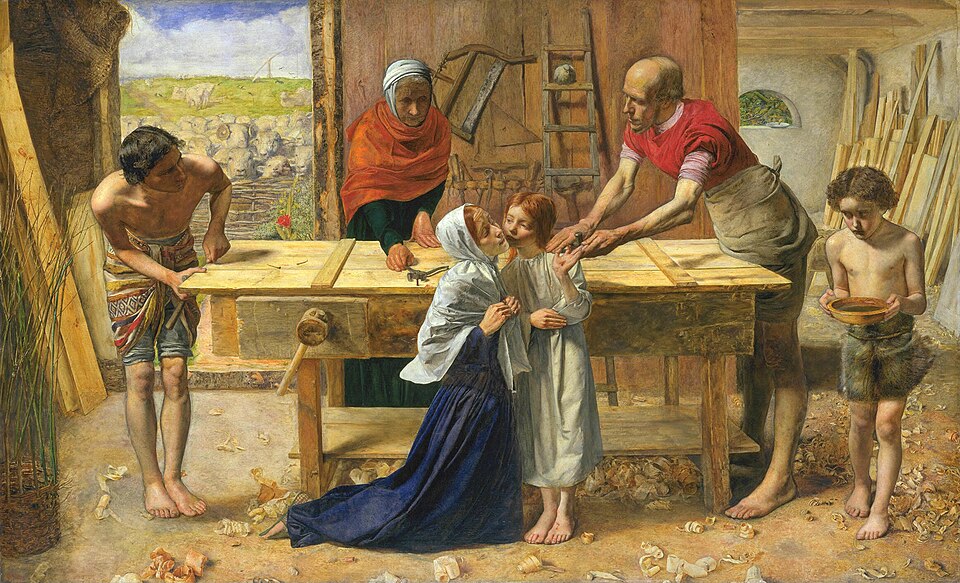
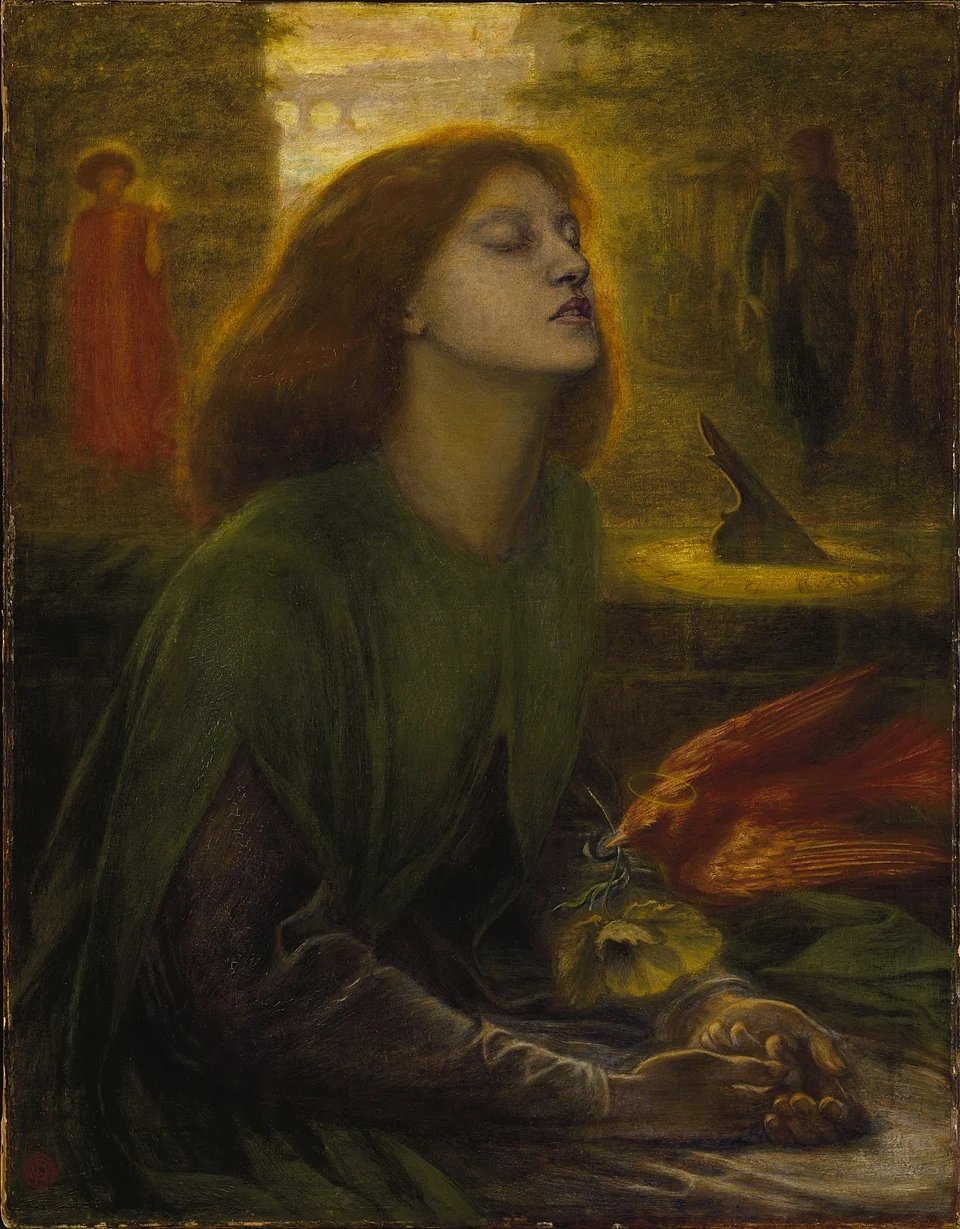
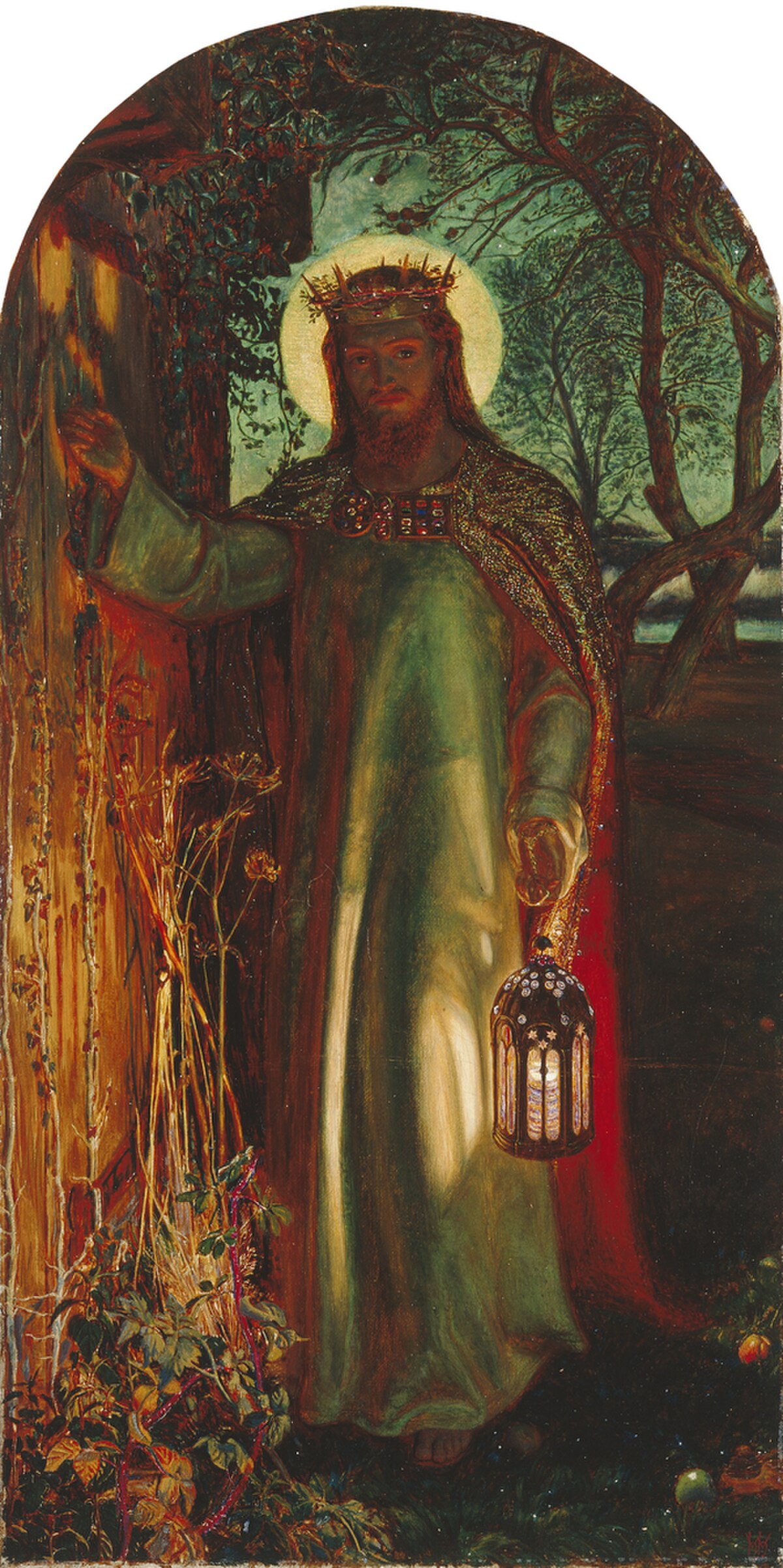
1848 – 1854<p>The Pre-Raphaelite Brotherhood formed in London in 1848 when a small group of young English painters decided the art academy's teaching, built around admiration for Raphael and the High Renaissance, had led painting toward formula and dull convention. They looked instead to the detail and sincerity they found in art made before 1500, adopting bright color, sharp focus, and literary or biblical subject matter painted with almost photographic precision. Though the formal Brotherhood only lasted a few years, its influence on British painting ran for decades afterward.</p> <p><a href="/apps/masterpieces/artist/john-everett-millais"><strong>John Everett Millais</strong></a> painted <a href="/apps/masterpieces/art/ophelia"><strong>Ophelia</strong></a>, working outdoors on the riverbank for months to get the plants exactly right before adding the figure in the studio. <a href="/apps/masterpieces/artist/william-holman-hunt"><strong>William Holman Hunt</strong></a> brought the same intensity to religious allegory in <a href="/apps/masterpieces/art/light-of-world"><strong>The Light of the World</strong></a>. <a href="/apps/masterpieces/artist/dante-gabriel-rossetti"><strong>Dante Gabriel Rossetti</strong></a> and, a generation later, <a href="/apps/masterpieces/artist/john-william-waterhouse"><strong>John William Waterhouse</strong></a> turned toward myth and medieval romance, with Waterhouse's <a href="/apps/masterpieces/art/lady-of-shalott"><strong>The Lady of Shalott</strong></a> becoming one of the group's most recognized images. <a href="/apps/masterpieces/artist/edward-burne-jones"><strong>Edward Burne-Jones</strong></a> and <a href="/apps/masterpieces/artist/ford-madox-brown"><strong>Ford Madox Brown</strong></a> extended the style into the 1880s and beyond, keeping its dense detail and moral seriousness alive long after the original Brotherhood had dissolved.</p>
6 artists
+1
Luminism
1850 – 1875<p>Luminism describes a mid-19th century American landscape style, active roughly from 1850 to 1875, defined less by a formal group than by a shared interest in rendering light with extreme precision. Where the Hudson River School painters often favored drama and scale, Luminist painters worked toward stillness, using smooth, almost invisible brushwork to make paint disappear and let light itself become the subject.</p> <p><a href="/apps/masterpieces/artist/fitz-henry-lane"><strong>Fitz Henry Lane</strong></a> painted calm harbors and coastal inlets under soft, hazy skies, as in <a href="/apps/masterpieces/art/boston-harbor-lane"><strong>Boston Harbor</strong></a>, where glassy water and pale light matter more than any single dramatic event. <a href="/apps/masterpieces/artist/john-frederick-kensett"><strong>John Frederick Kensett</strong></a> painted similarly quiet coastal scenes, including <a href="/apps/masterpieces/art/eatons-neck-long-island"><strong>Eaton's Neck, Long Island</strong></a>, built almost entirely from horizontal bands of water, sand, and sky.</p> <p><a href="/apps/masterpieces/artist/sanford-robinson-gifford"><strong>Sanford Robinson Gifford</strong></a> specialized in a golden, atmospheric haze that softened even active scenes like <a href="/apps/masterpieces/art/kauterskill-falls-gifford"><strong>Kauterskill Falls</strong></a>, while <a href="/apps/masterpieces/artist/alfred-thompson-bricher"><strong>Alfred Thompson Bricher</strong></a> carried the same tranquil light into later coastal works like <a href="/apps/masterpieces/art/time-and-tide-bricher"><strong>Time and Tide</strong></a>. Because these painters worked independently rather than as a named group, the term "Luminism" was only applied by art historians decades later, to describe the shared quality of light they all pursued.</p>
4 artists
+20
Impressionism
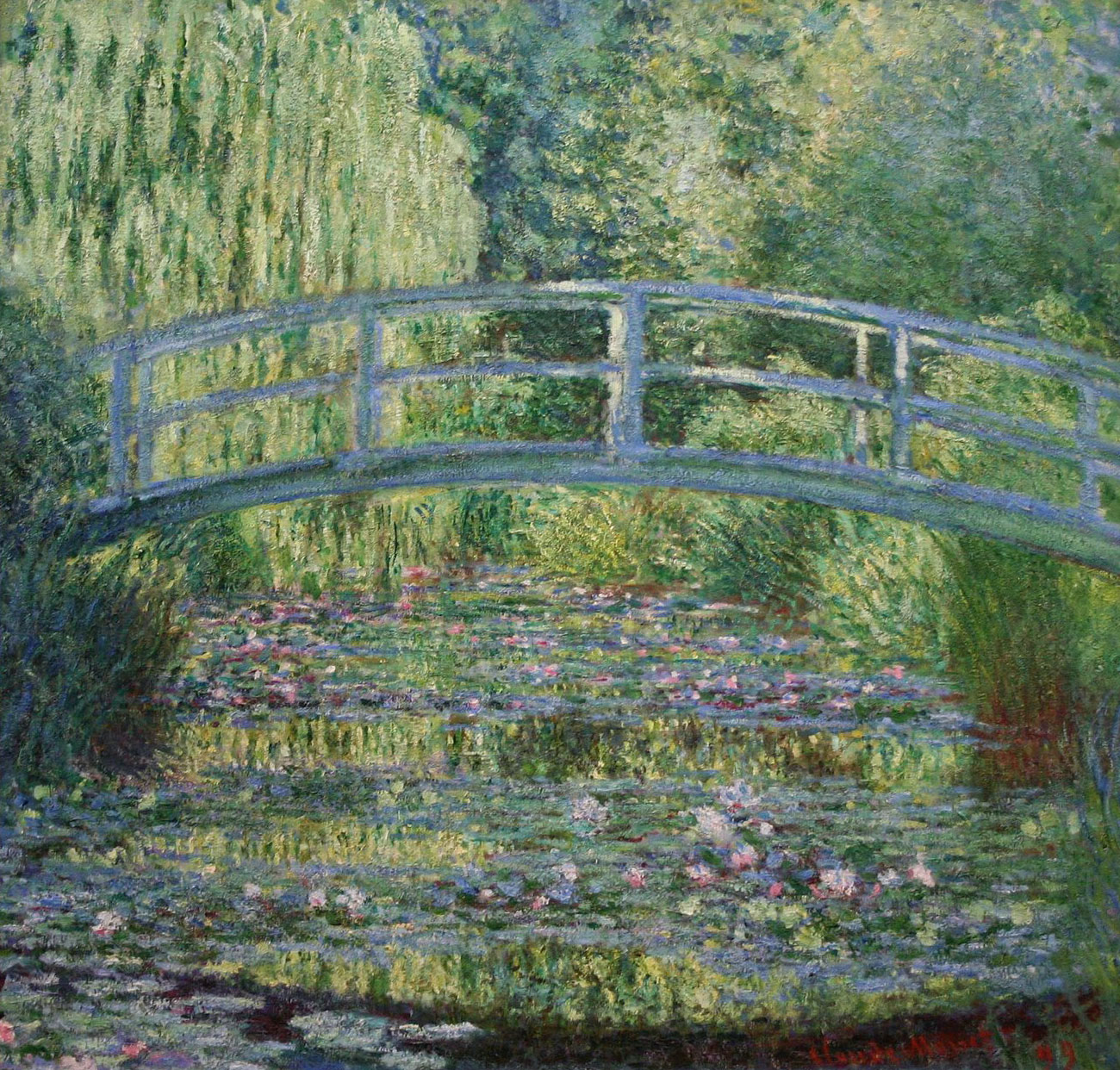
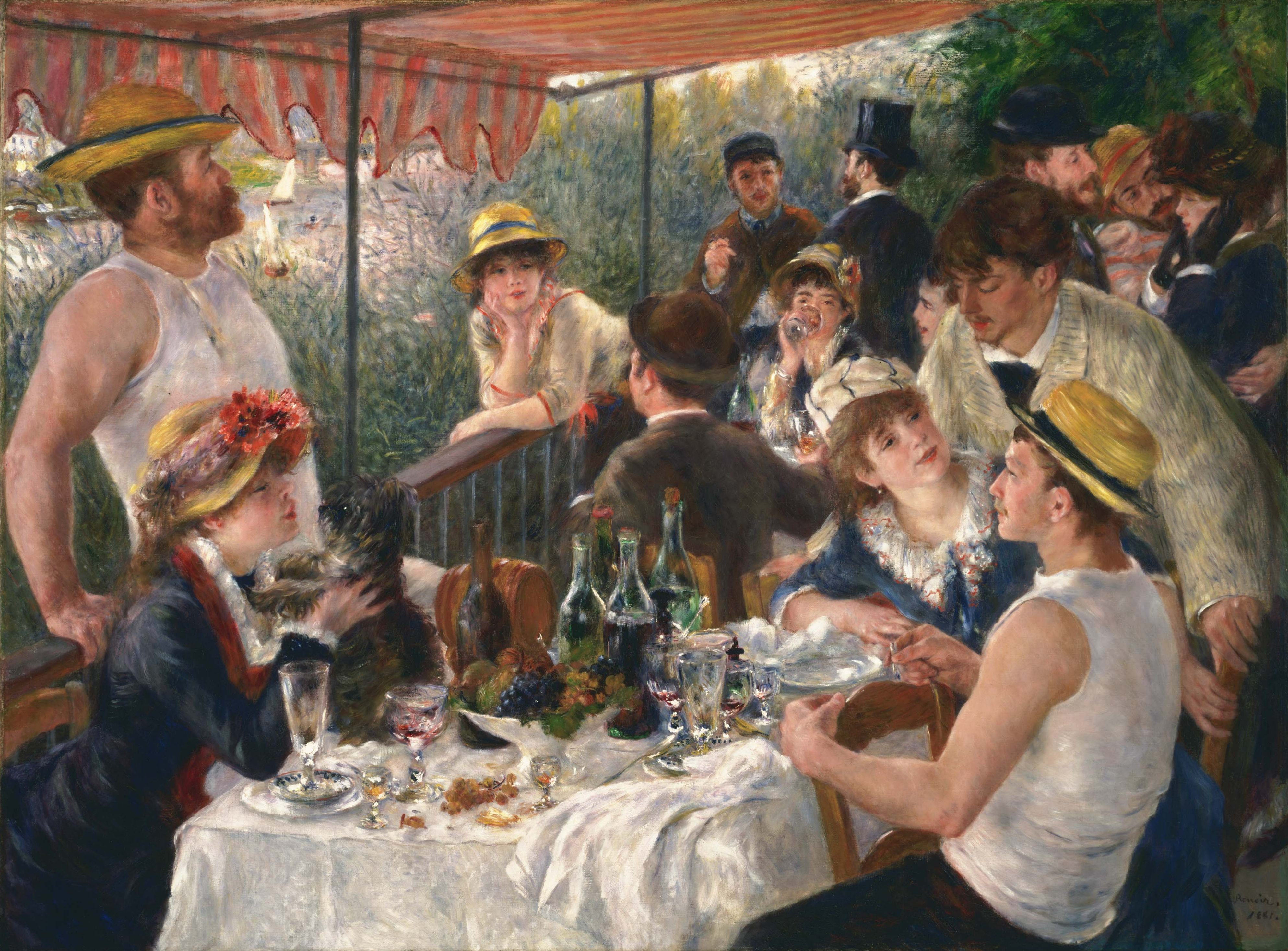
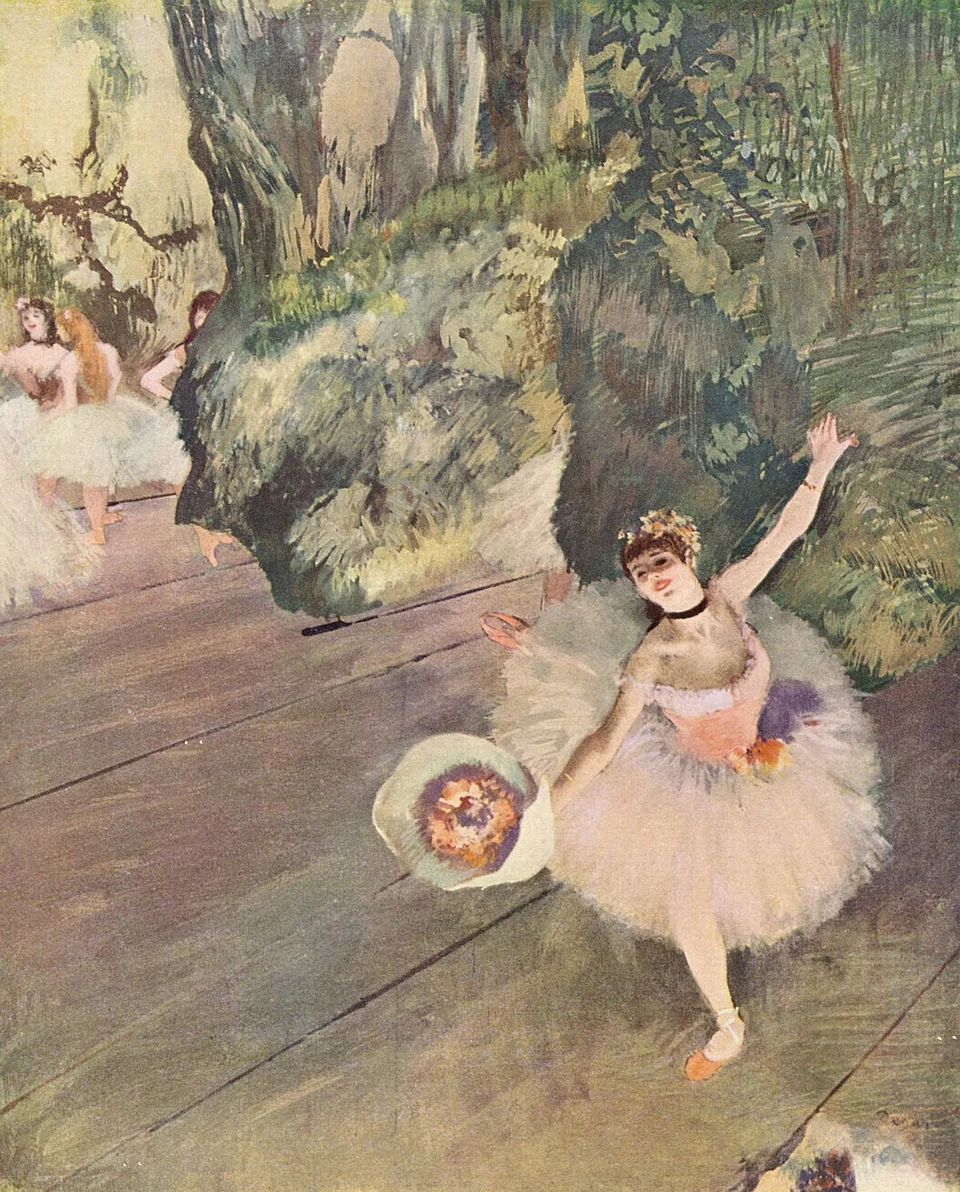
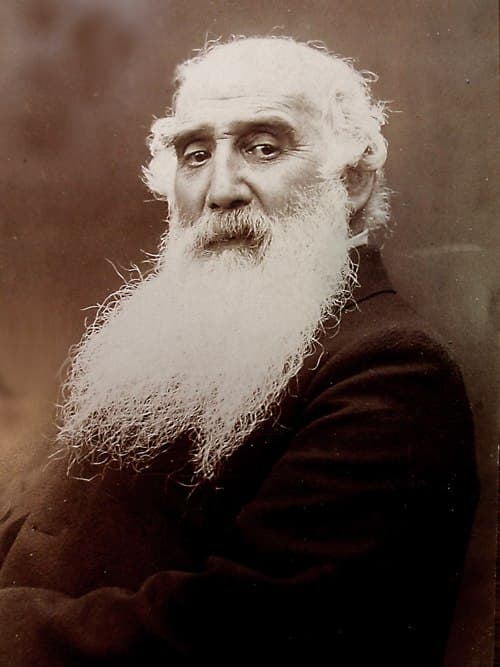
1860 – 1890<p>Impressionism took its name from a joke. When <a href="/apps/masterpieces/artist/claude-monet"><strong>Claude Monet</strong></a> showed a hazy harbor scene called "Impression, Sunrise" at an independent exhibition in Paris in 1874, a critic mocked the group as mere "impressionists," and the name stuck. The painters had been rejected repeatedly by the official Salon, so they organized their own shows instead, breaking away from academic painting's polish in favor of visible brushstrokes and everyday subjects.</p> <p>Monet became the movement's most prolific figure, painting the same scenes repeatedly under changing light, from the crowded river bathing spot in <a href="/apps/masterpieces/art/la-grenouillere-monet"><strong>La Grenouillère</strong></a> to the garden at Giverny in <a href="/apps/masterpieces/art/bridge-water-lilies"><strong>Bridge over a Pond of Water Lilies</strong></a> and <a href="/apps/masterpieces/art/japanese-footbridge"><strong>The Japanese Footbridge</strong></a>. His <a href="/apps/masterpieces/art/woman-parasol"><strong>Woman with a Parasol</strong></a> captures a fleeting outdoor moment, wind and sunlight rendered in quick, loaded strokes rather than careful detail.</p> <p><a href="/apps/masterpieces/artist/pierre-auguste-renoir"><strong>Pierre-Auguste Renoir</strong></a> brought warmth and soft color to scenes of Parisian leisure, while <a href="/apps/masterpieces/artist/edgar-degas"><strong>Edgar Degas</strong></a> focused on ballet dancers and horse races, often from unusual, cropped angles borrowed from photography. <a href="/apps/masterpieces/artist/camille-pissarro"><strong>Camille Pissarro</strong></a> painted rural and city scenes with a steady, structural touch that influenced nearly every artist in the group, and <a href="/apps/masterpieces/artist/berthe-morisot"><strong>Berthe Morisot</strong></a> and <a href="/apps/masterpieces/artist/edouard-manet"><strong>Édouard Manet</strong></a> pushed the group's early experiments in modern subject matter. Impressionism went on to open the door for nearly every modern art movement that followed.</p>
23 artists
Tonalism
1880 – 1915<p>Tonalism emerged among American landscape painters in the 1880s as a quieter alternative to both the detailed realism of the Hudson River School and the brighter palette of Impressionism arriving from France. Painters muted their color into narrow ranges of grey, brown, and blue, often set at dusk or dawn, using soft edges and thin layers of paint to suggest mood and atmosphere rather than describe a scene in sharp detail. The approach favored feeling over topographical accuracy, treating a landscape as something closer to a memory than a record.</p> <p><a href="/apps/masterpieces/artist/george-inness-jr"><strong>George Inness Jr.</strong></a> continued the tradition established by his father, painter George Inness, carrying its soft, atmospheric landscape style into the early 20th century. His <a href="/apps/masterpieces/art/autumn-landscape-inness-jr"><strong>Autumn Landscape</strong></a> shows the movement's characteristic restraint, built from close, muted tones rather than the high-contrast color favored by his European contemporaries. Tonalism never organized into a formal group the way other movements did, and it faded from fashion once modernist styles took hold after 1915, but its emphasis on mood over detail left a lasting mark on American landscape painting.</p>
1 artist
+9
Symbolism
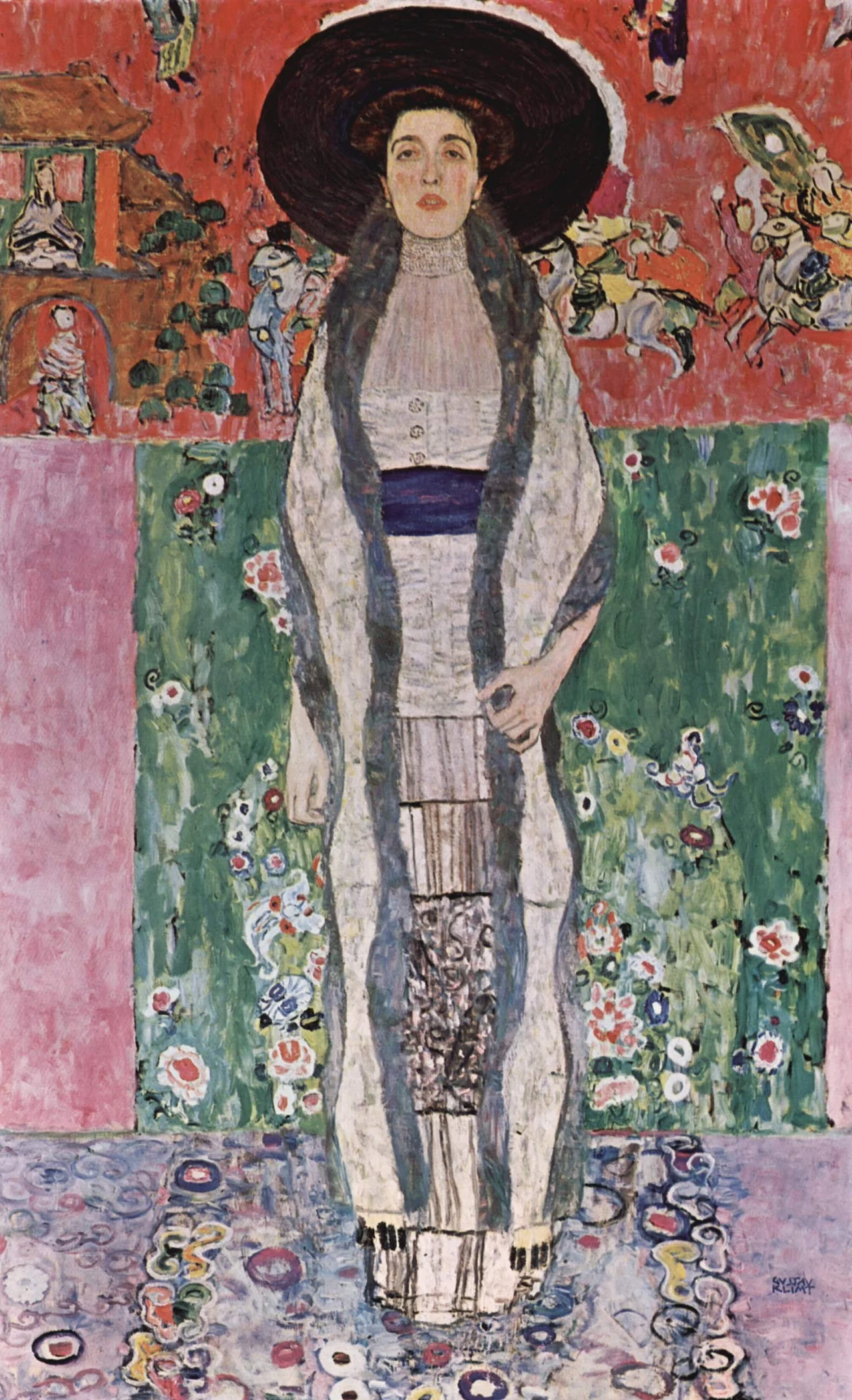
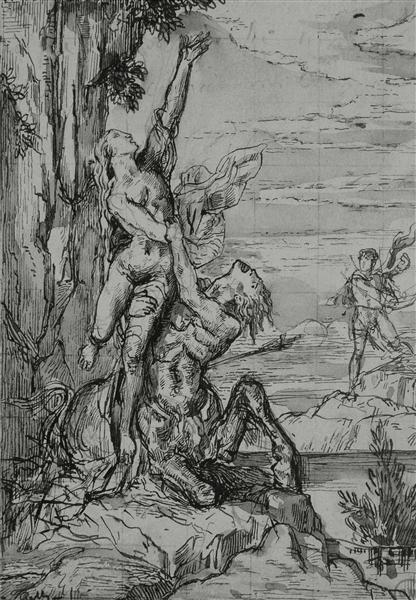
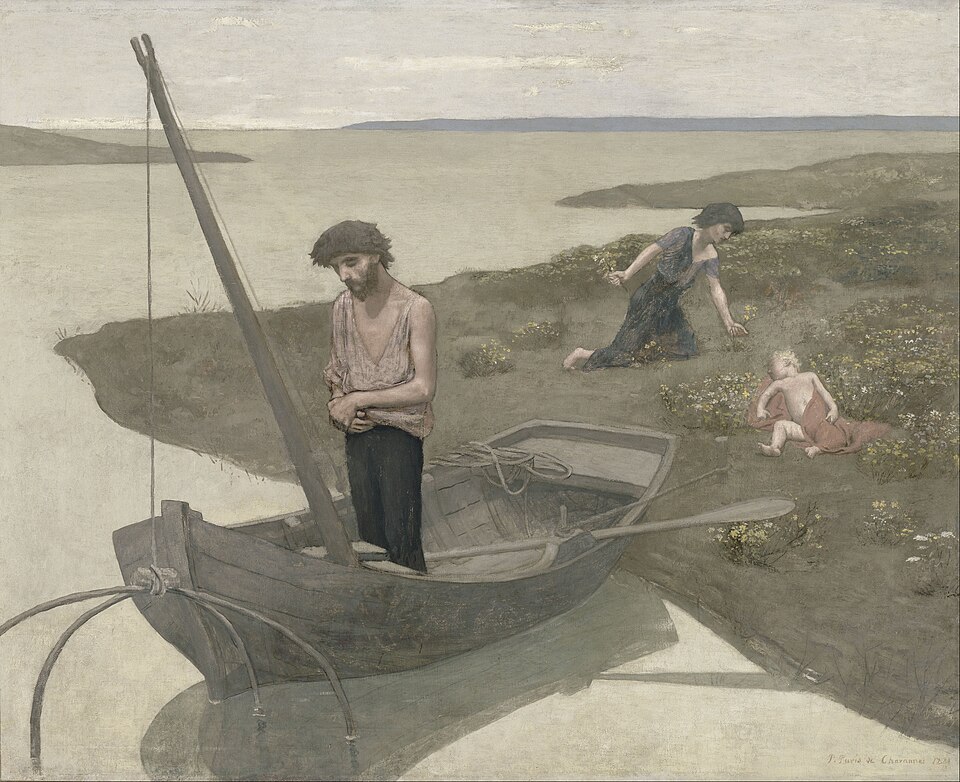
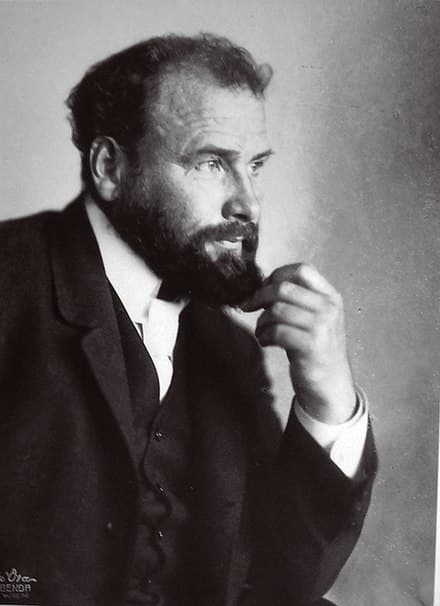
1880 – 1910<p>Symbolism took shape in France in the 1880s as a reaction against both realism and Impressionism, which Symbolist painters saw as too concerned with recording the surface appearance of the world. They turned instead toward dreams, myth, religion, and inner psychological states, using suggestive imagery and rich, sometimes strange color to point toward ideas that could not be shown directly. The movement spread quickly beyond France into Belgium, Austria, and Russia, each region developing its own version of the same basic impulse.</p> <p><a href="/apps/masterpieces/artist/gustav-klimt"><strong>Gustav Klimt</strong></a> led the Vienna Secession and became the movement's most recognized painter, covering figures in gold leaf and ornamental pattern in <a href="/apps/masterpieces/art/the-kiss-klimt"><strong>The Kiss</strong></a> and <a href="/apps/masterpieces/art/tree-of-life-klimt"><strong>The Tree of Life</strong></a>, while <a href="/apps/masterpieces/art/death-and-life"><strong>Death and Life</strong></a> shows his darker, more allegorical side. <a href="/apps/masterpieces/artist/gustave-moreau"><strong>Gustave Moreau</strong></a> painted mythological subjects with jewel-like detail, treating figures like Salome as vessels for obsession and dread rather than historical illustration. <a href="/apps/masterpieces/artist/james-ensor"><strong>James Ensor</strong></a> in Belgium turned to masks and skeletons to expose the grotesque beneath polite society, while Russian painter <a href="/apps/masterpieces/artist/mikhail-vrubel"><strong>Mikhail Vrubel</strong></a> returned again and again to demonic subjects drawn from Lermontov's poetry. <a href="/apps/masterpieces/artist/pierre-puvis-de-chavannes"><strong>Pierre Puvis de Chavannes</strong></a> offered a calmer, more classical version of Symbolist ideals, painting flattened, dreamlike murals that influenced a generation of younger artists including Picasso.</p>
12 artists

+7
Post-Impressionism
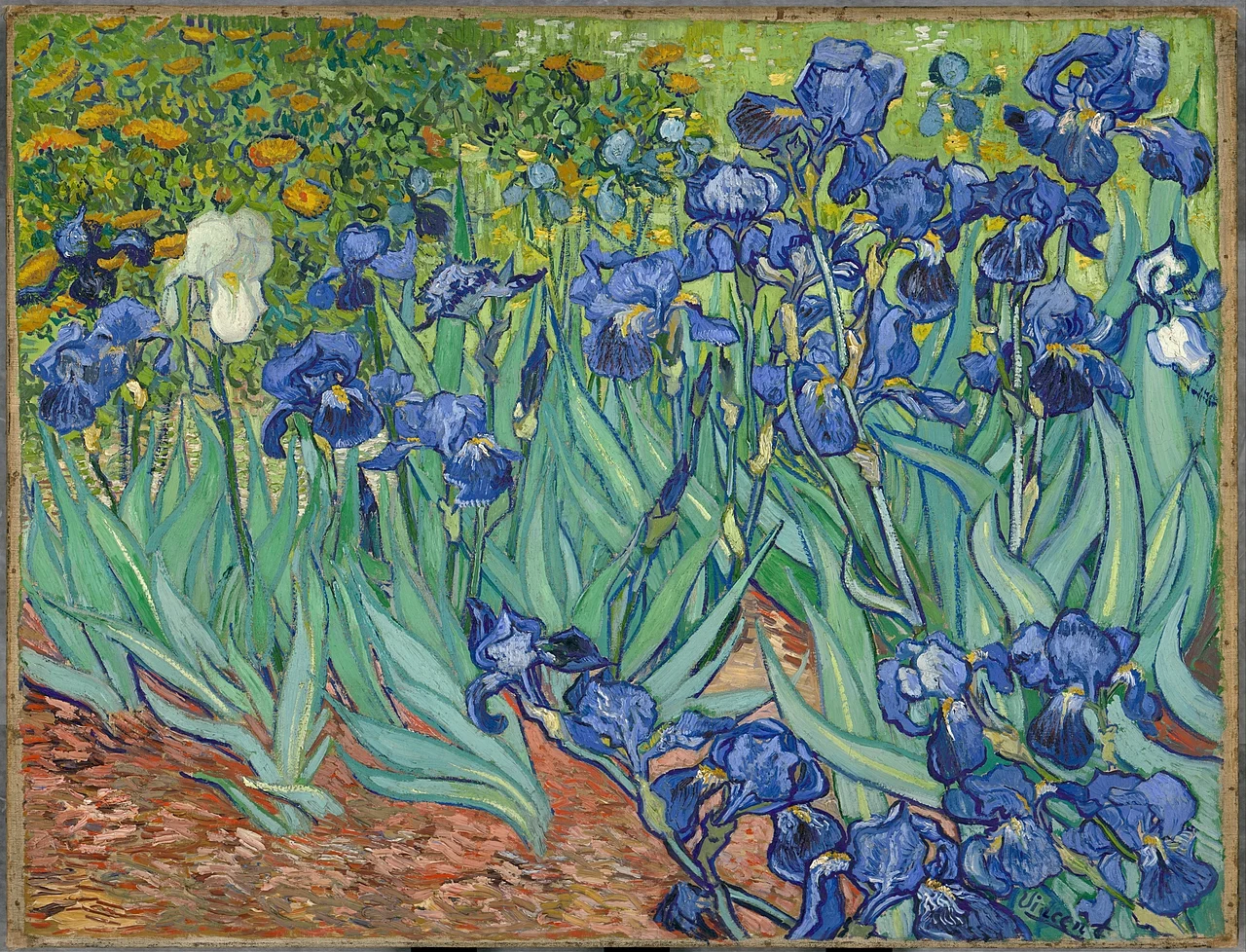
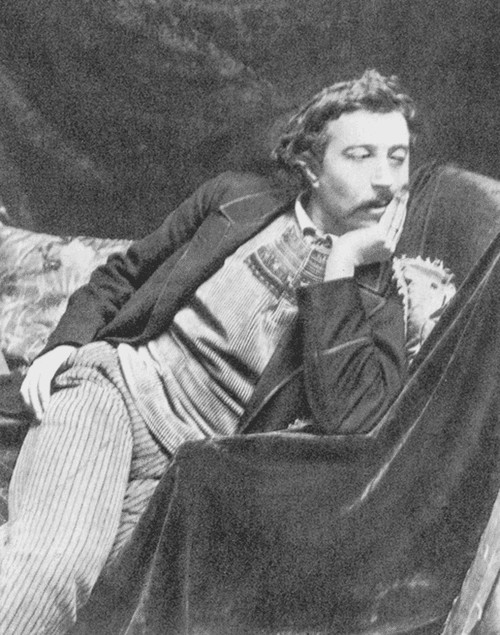
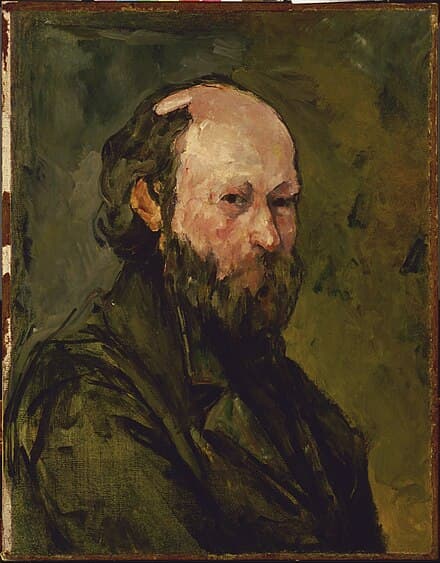
1886 – 1910<p>Post-Impressionism is the umbrella term for a group of painters working mostly in France between 1886 and 1910 who had absorbed Impressionism's loose brushwork and bright palette, then pushed past it. Rather than simply recording how light fell on a scene, these artists used color and form to express structure, emotion, or symbolic meaning, often exaggerating what they saw rather than reproducing it.</p> <p><a href="/apps/masterpieces/artist/van-gogh"><strong>Vincent van Gogh</strong></a> used thick, directional brushstrokes to charge ordinary subjects with feeling, visible in <a href="/apps/masterpieces/art/the-starry-night"><strong>The Starry Night</strong></a> and <a href="/apps/masterpieces/art/sunflowers"><strong>Sunflowers</strong></a>. <a href="/apps/masterpieces/artist/paul-cezanne"><strong>Paul Cézanne</strong></a> broke objects down into underlying geometric planes, most clearly in <a href="/apps/masterpieces/art/the-card-players"><strong>The Card Players</strong></a>, laying groundwork that Cubism would later build on. <a href="/apps/masterpieces/artist/georges-seurat"><strong>Georges Seurat</strong></a> developed Pointillism, applying paint in small dots of pure color that blend optically at a distance, seen at full scale in <a href="/apps/masterpieces/art/a-sunday-on-la-grande-jatte"><strong>A Sunday Afternoon on the Island of La Grande Jatte</strong></a>. <a href="/apps/masterpieces/artist/paul-gauguin"><strong>Paul Gauguin</strong></a> flattened his compositions and used unnatural color to suggest symbolic content rather than observed reality. Together these painters proved that Impressionism's break from tradition was a starting point, not an endpoint, and their individual approaches to color and form fed directly into Fauvism, Cubism, and Expressionism in the following decades.</p>
10 artists
19th Century Art Artists
67 total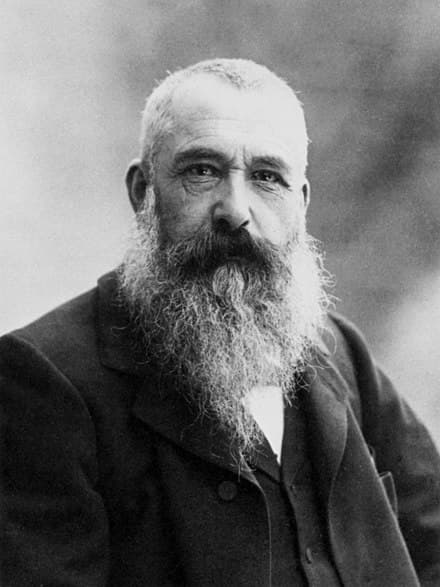
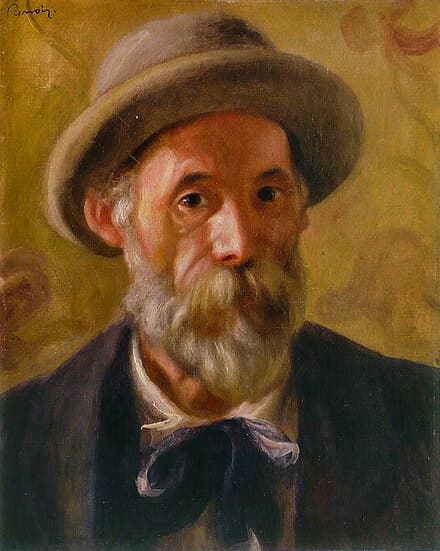
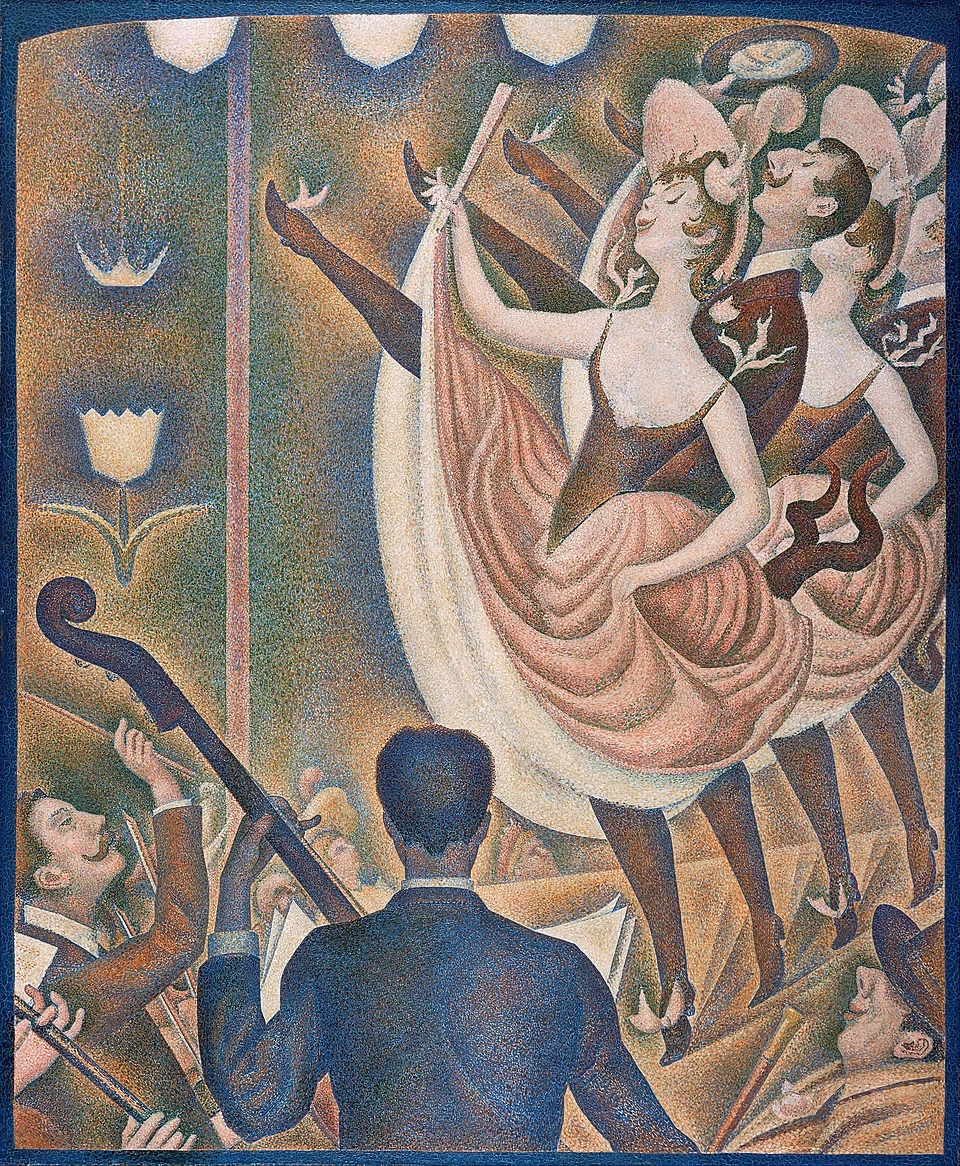
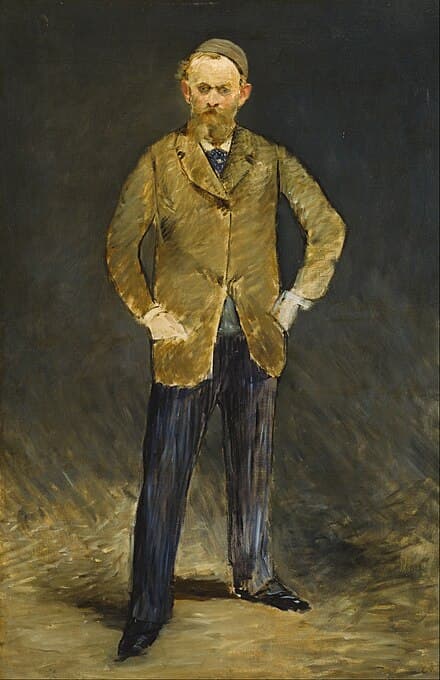
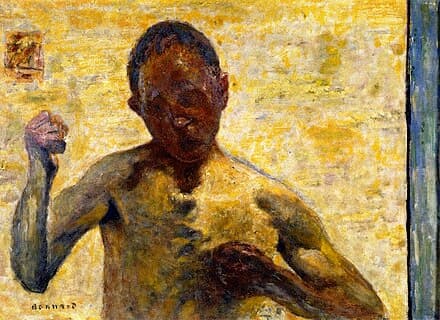
19th Century Art Masterpieces
12 featured worksT
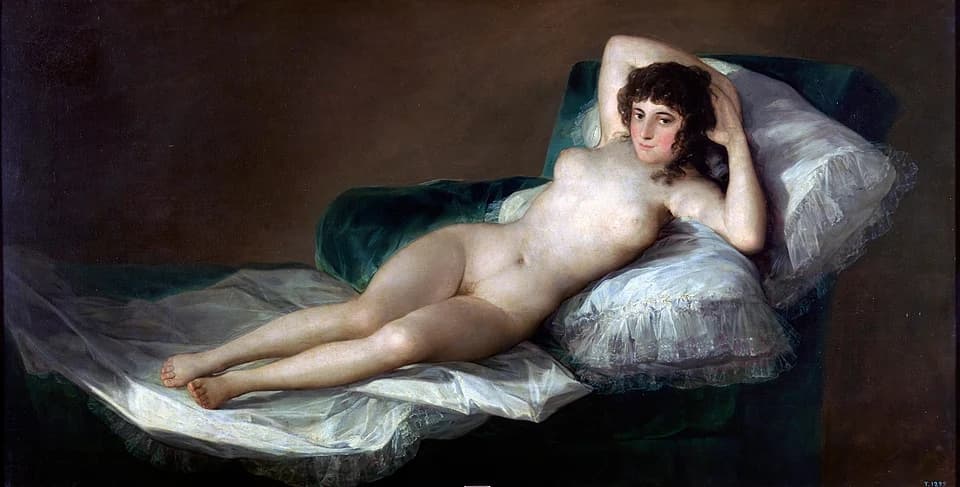
The Nude Maja
Francisco Goya, 1800
Museo del Prado, Madrid, Madrid
T
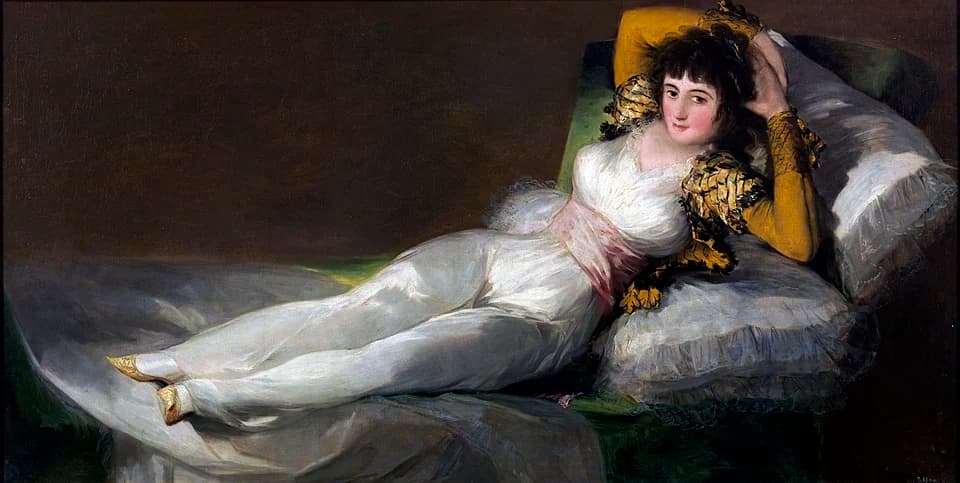
The Clothed Maja
Francisco Goya, 1800
Museo del Prado, Madrid, Madrid
G
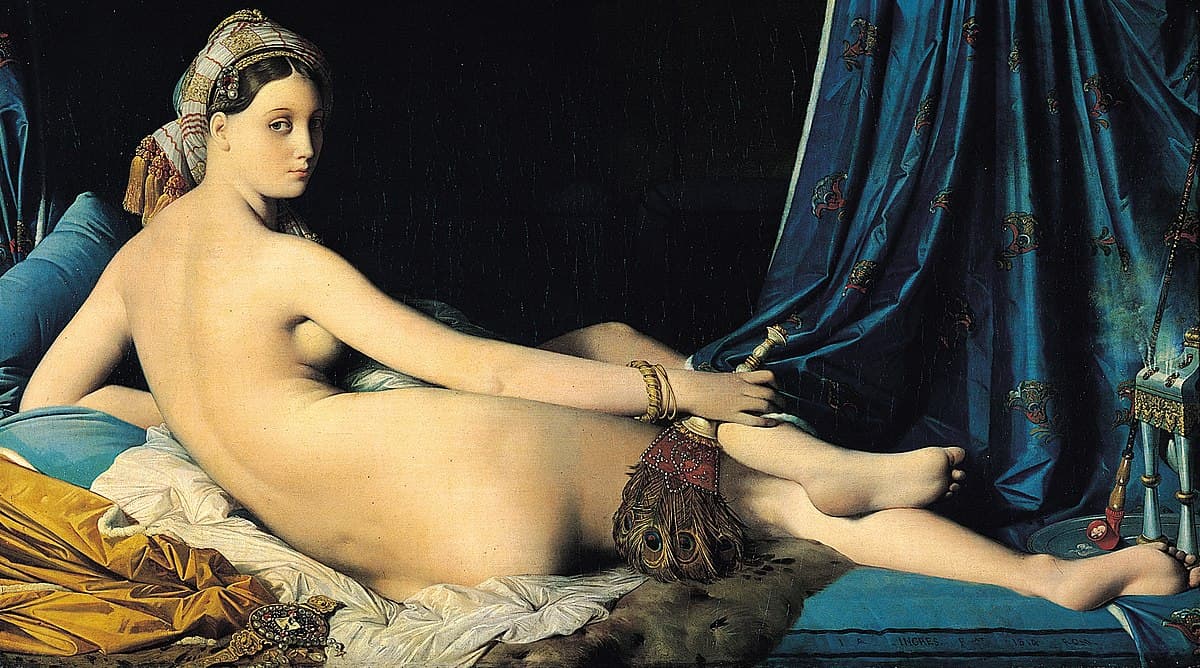
Grande Odalisque
Jean-Auguste-Dominique Ingres, 1814
Louvre, Paris, Paris
T
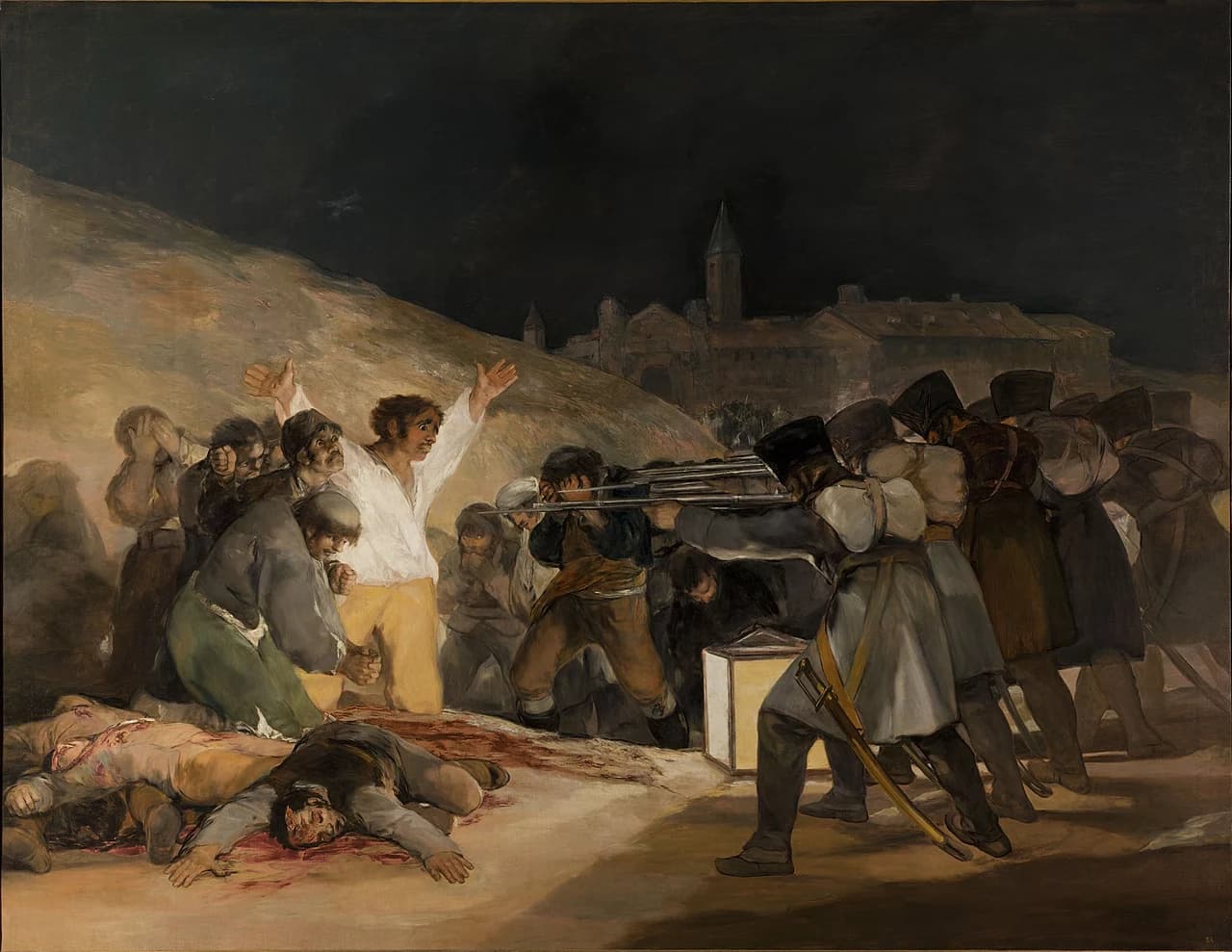
The Third of May 1808
Francisco Goya, 1814
Museo del Prado, Madrid, Madrid
T
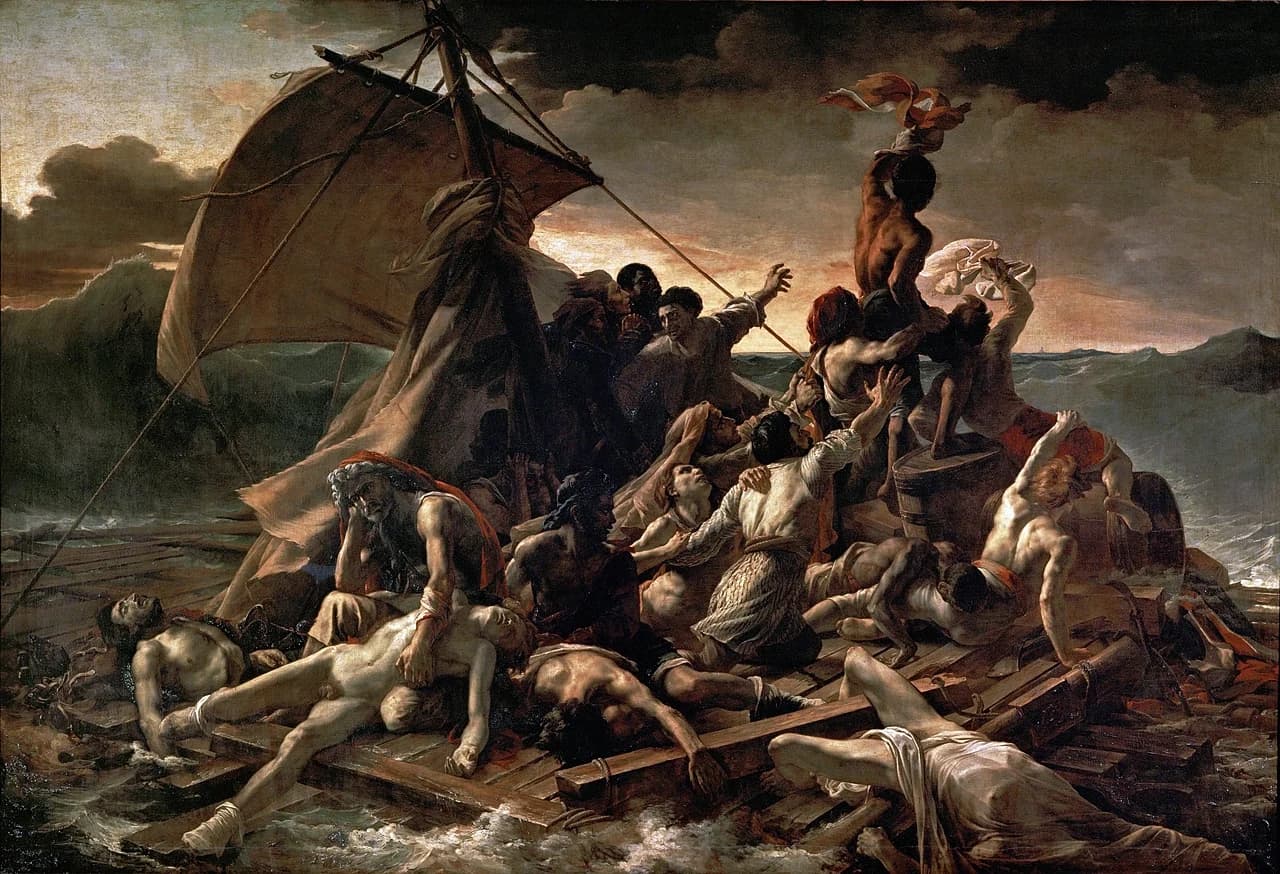
The Raft of the Medusa
Théodore Géricault, 1819
Louvre, Paris, Paris
T
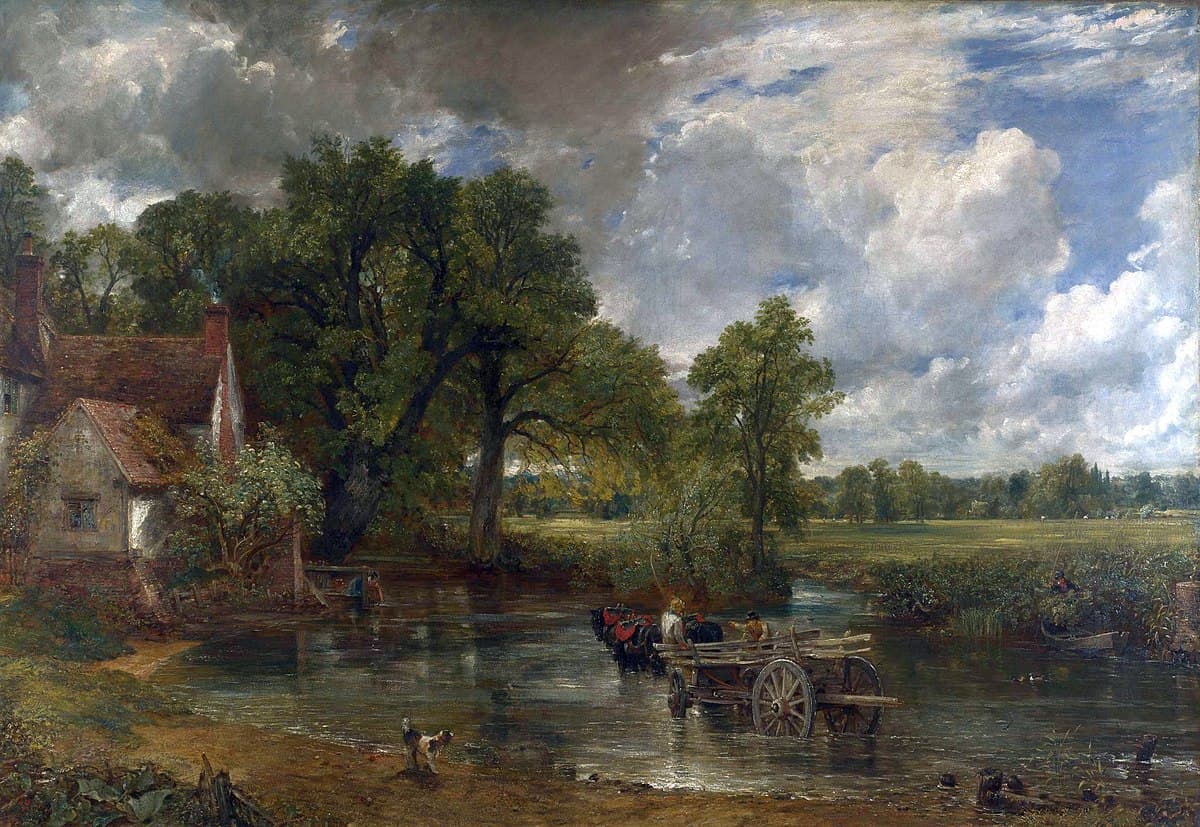
The Hay Wain
John Constable, 1821
National Gallery, London
S
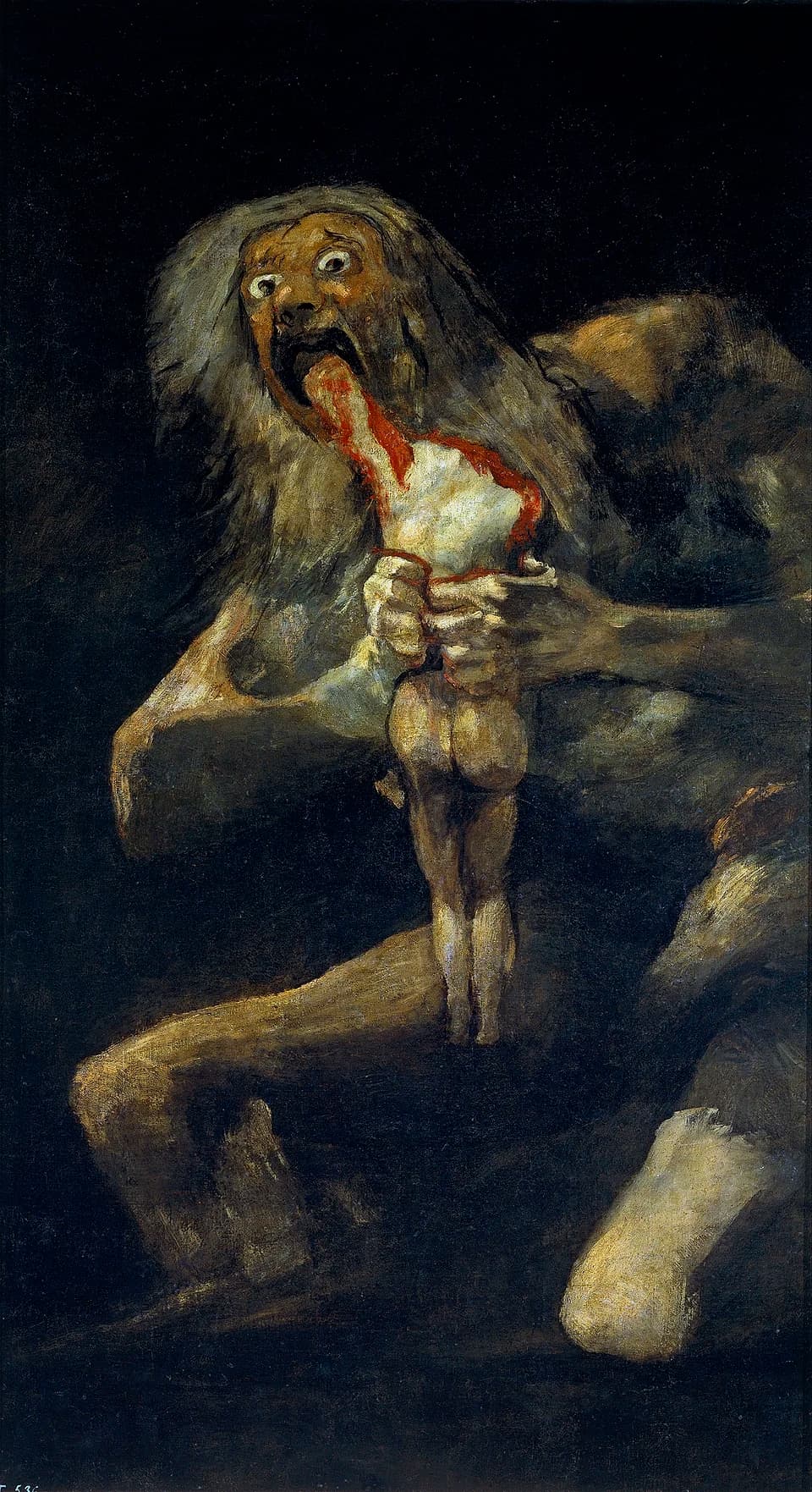
Saturn Devouring His Son
Francisco Goya, 1823
Museo del Prado, Madrid, Madrid
T
The Dog
Francisco Goya, 1823
Museo del Prado, Madrid, Madrid
T
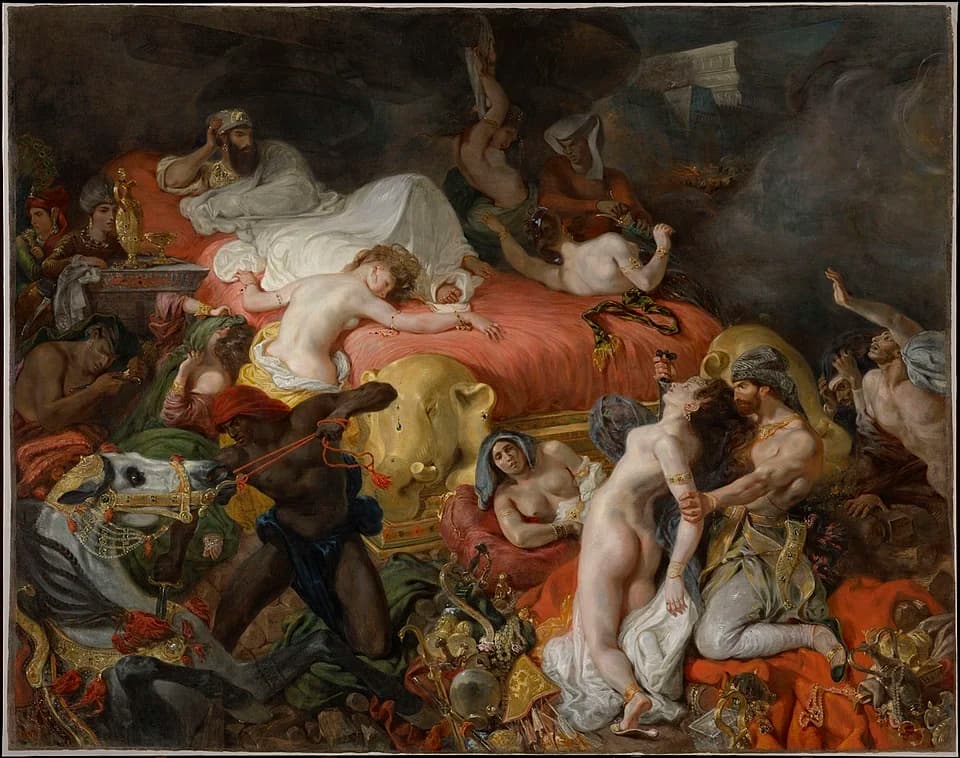
The Death of Sardanapalus
Eugène Delacroix, 1827
Louvre, Paris, Paris
W
Women of Algiers
Eugène Delacroix, 1834
Louvre, Paris, Paris
T
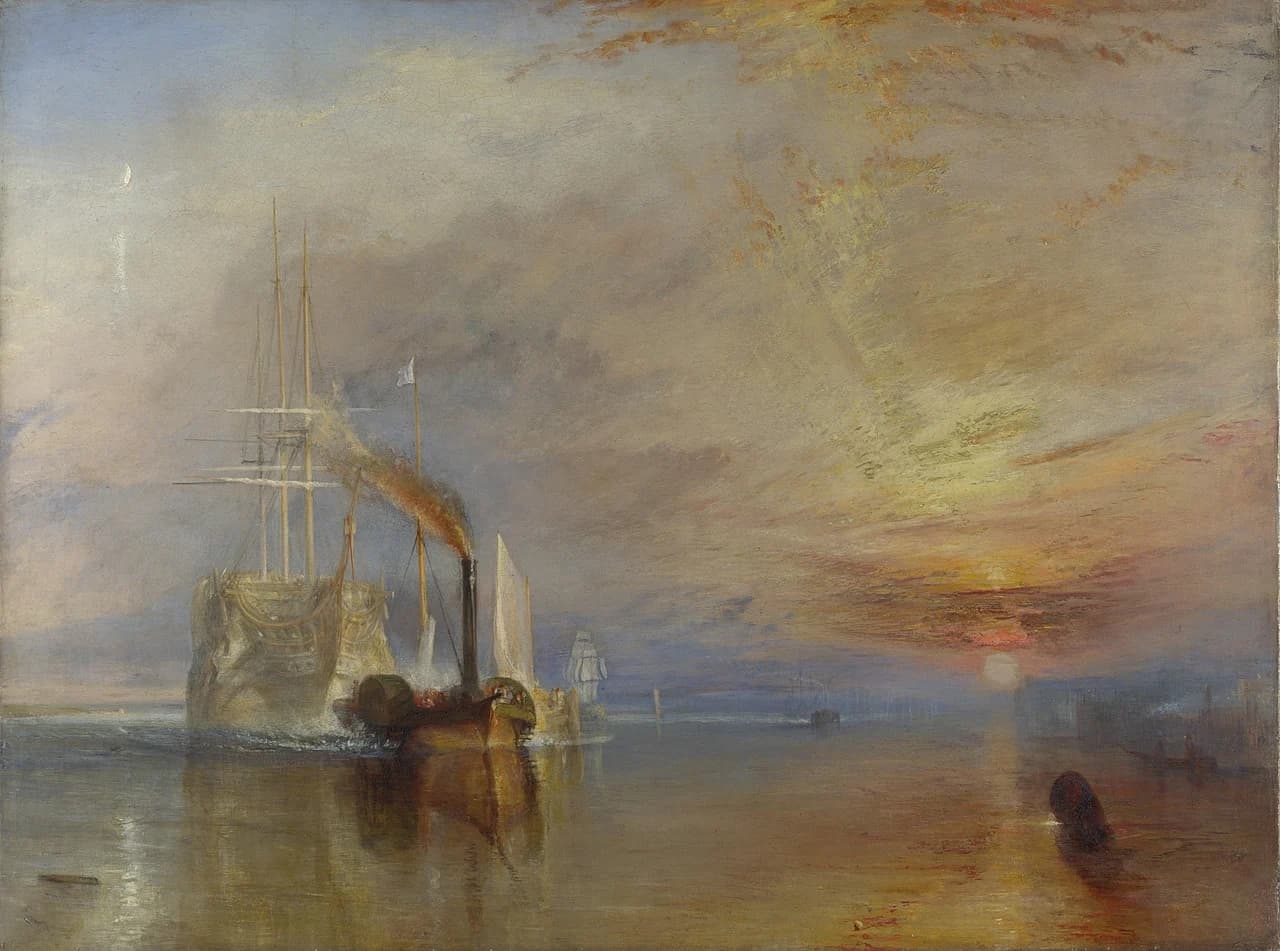
The Fighting Temeraire
J.M.W. Turner, 1839
National Gallery, London
T
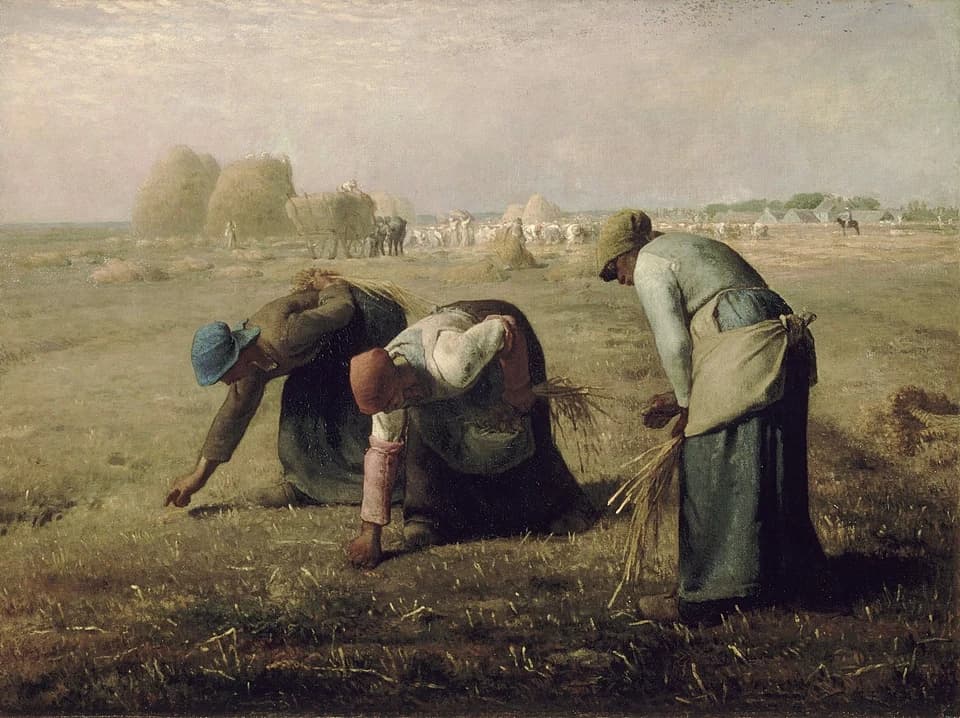
The Gleaners
Jean-François Millet, 1857
Musée d'Orsay, Paris
About 19th Century Art
The 19th century saw rapid succession of movements: Romanticism (emotion and nature), Realism (everyday life), Impressionism (light and color), and Post-Impressionism (experimental techniques). Each reacted against what came before.
The core Impressionists include Claude Monet (water lilies, haystacks), Renoir (joyful scenes), Degas (ballet dancers), Pissarro, and Berthe Morisot.
The Musée d'Orsay in Paris has the world's best Impressionist collection. The Art Institute of Chicago holds famous Monets and Seurats. The National Gallery London and Met New York also have major holdings.
Bring 19th Century Art Home
Luxury art prints inspired by these iconic masterpieces. Museum-quality canvas for your walls.
Shop 19th Century Art Art