Wikimedia Commons - Public Domain
Belvedere Torso
by Ancient Greek (Unknown), -150
Artwork Details
Details
- Year
- -150
- Medium
- Marble
- Size
- 159 cm (63 in) tall
Cite or Embed This Work
APA · MLA · Chicago1-click academic citation and embeddable “On View” museum badge for articles, syllabi, and research.
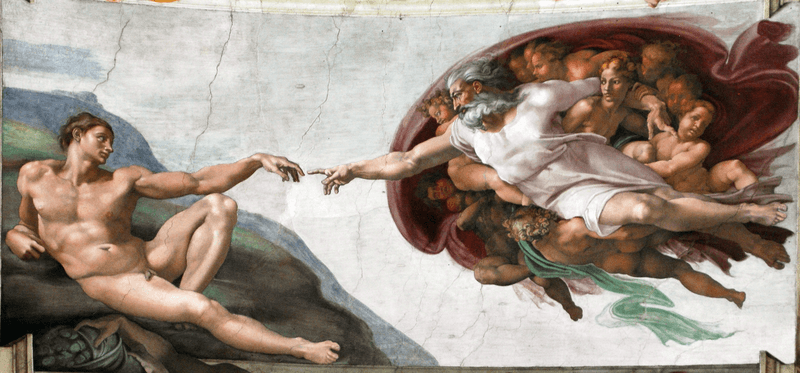
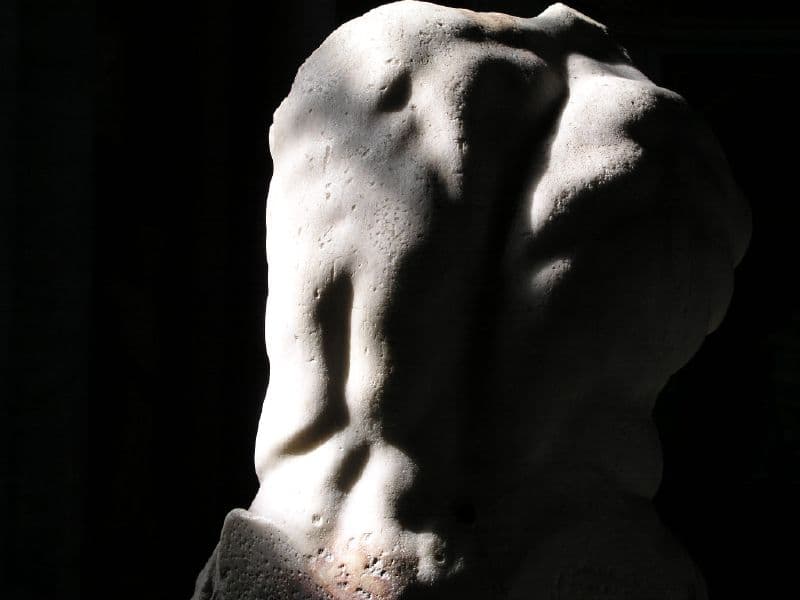
The Belvedere Torso is a fragmentary marble sculpture from the 1st century BCE, signed by the Athenian sculptor Apollonius. Despite missing its head, arms, and legs, the torso has been one of the most influential works of ancient art. Michelangelo was so moved by its powerful musculature that he refused to restore it, declaring the fragment perfect as it stood.
The identity of the figure remains debated. Most scholars believe it depicts Hercules, either resting on his lion skin or contemplating his labors. The seated pose and muscular tension suggest a moment of reflection rather than action. Whoever he was, the ancient sculptor captured extraordinary anatomical detail in the twisting torso.
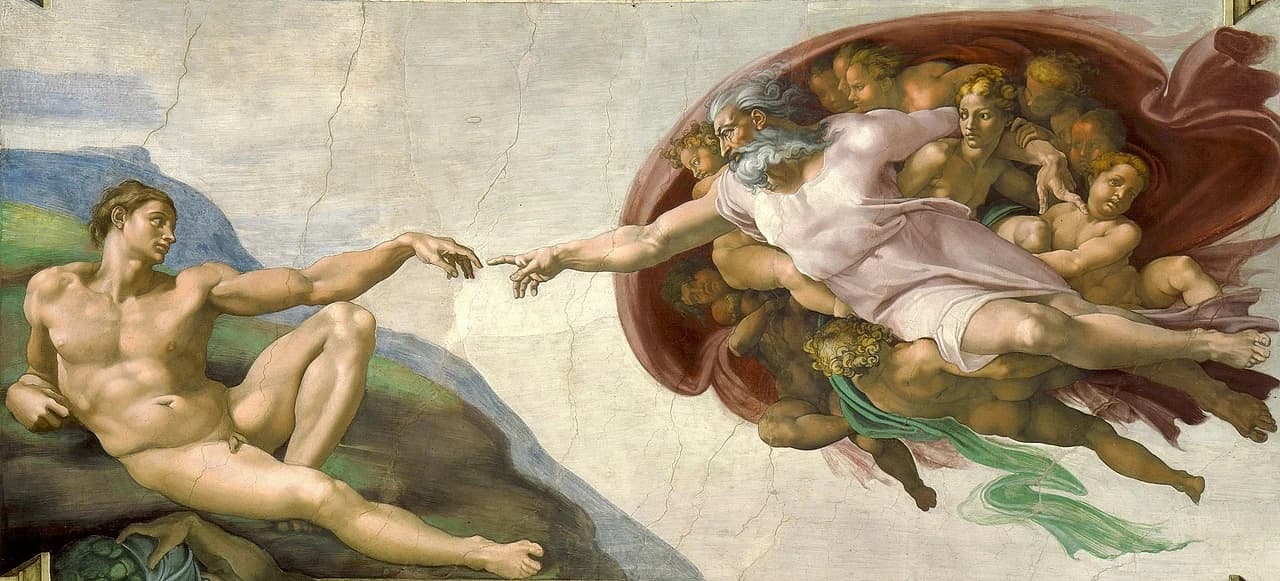
The marble resides in the Vatican Museums, where it has been since the late 15th century. Michelangelo drew inspiration from it for the Sistine Chapel ceiling figures, and its influence echoes through centuries of art. The fragment proves that great sculpture communicates power even in ruin.