
Public Domain
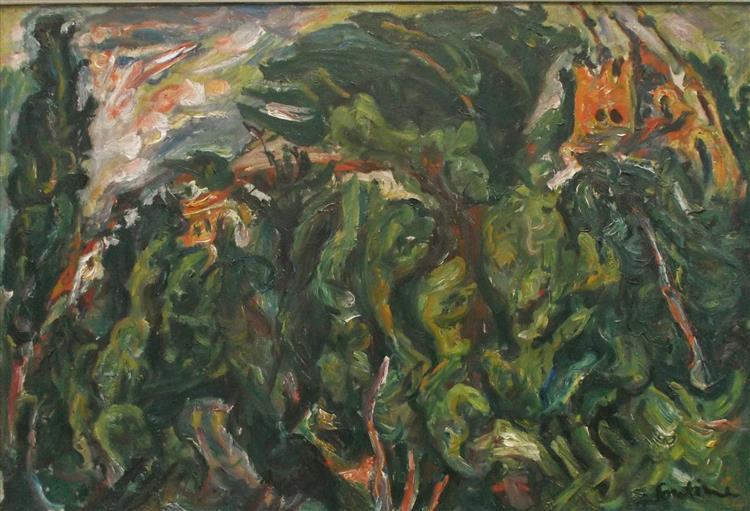
Houses by the Sea
Artwork Details
Cite or Embed This Work
APA · MLA · Chicago1-click academic citation and embeddable “On View” museum badge for articles, syllabi, and research.
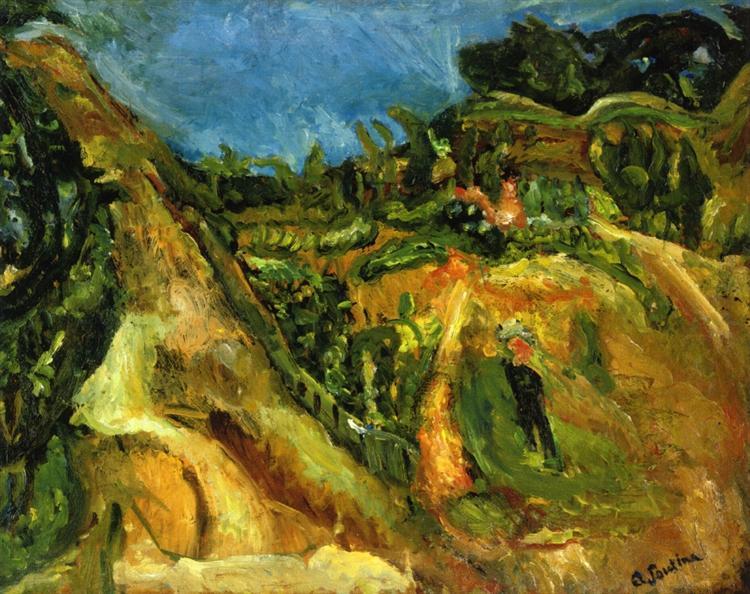
Chaim Soutine likely painted this work during his time in southern France, where he produced numerous landscape paintings between 1919 and 1925. His houses tilt and sway, rendered in thick, swirling brushstrokes that give the scene a sense of turbulent energy. The coastal setting suggests this may be from his Cagnes-sur-Mer period, when he worked near the Mediterranean.
Soutine's landscapes divided into two distinct periods: the darker, claustrophobic Céret paintings and the brighter, airier Cagnes works. At Cagnes, he traded his browns and ochres for saturated blues, yellows, and reds to capture the sunny Mediterranean climate. His brushwork remained characteristically chaotic, creating surfaces that seem to vibrate with movement.
A key figure of the School of Paris, Soutine bridged European Expressionism and what would become Abstract Expressionism decades later. His Céret landscapes in particular are now celebrated as precursors to the American movement. This painting remains in a private collection, though major examples of his landscape work can be found at the Musée de l'Orangerie in Paris.
More by Chaim Soutine
View all →

Also at Private Collection
View all →
Related Works
Works that share an artist, movement, museum, genre, palette or theme with Houses by the Sea.
- Same artist
- Same museum
Midday Landscape
Chaim Soutine

- Same artist
- Same museum
Ceret Landscape
Chaim Soutine
- Same artist
- Same museum
Landscape at Cagnes
Chaim Soutine
- Same museum
Meules (Haystacks)
Claude Monet, 1890
- Same museum
Nu Couché
Amedeo Modigliani, 1917
- Same museum
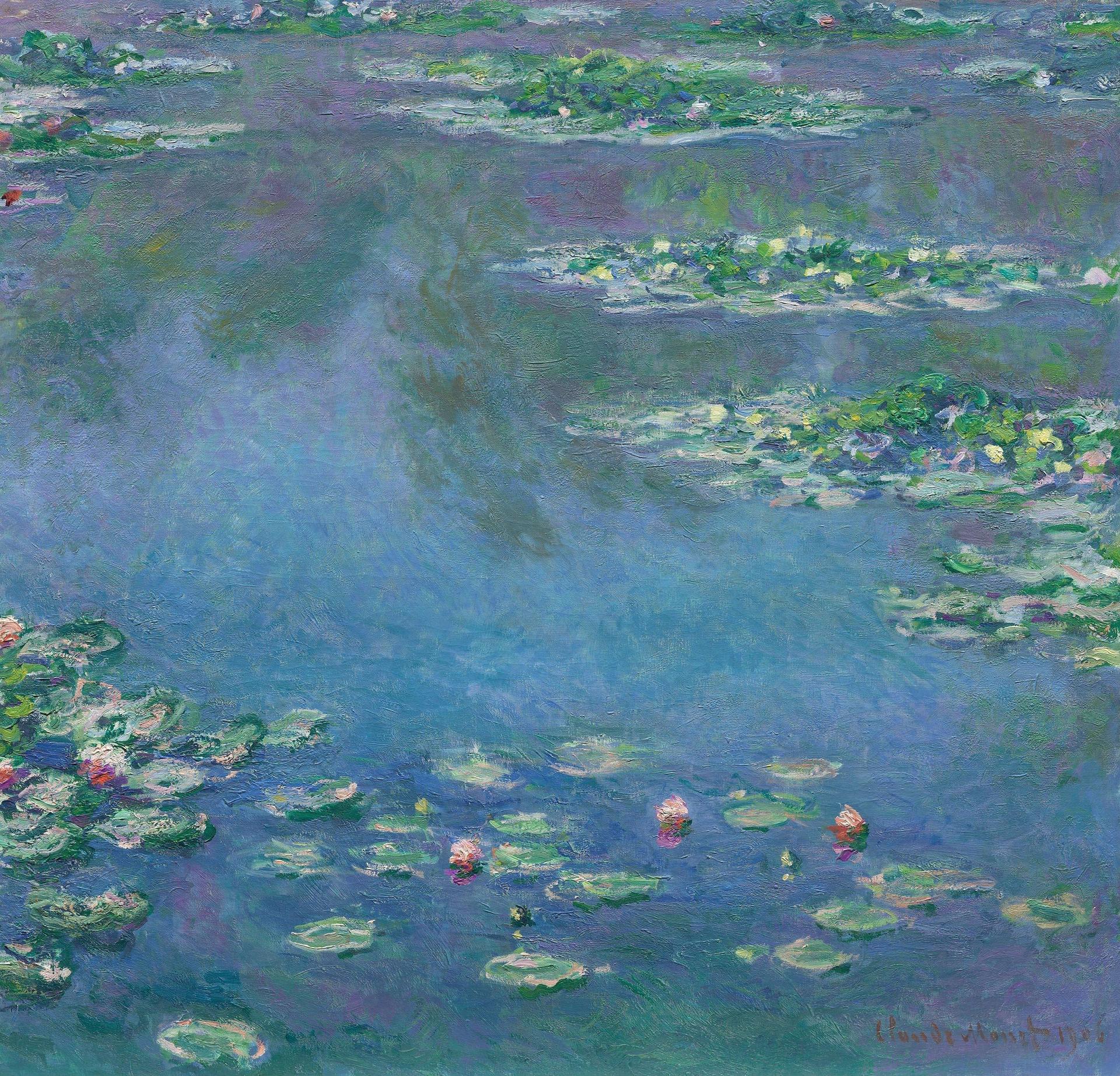
View of Dordrecht
Jan van Goyen, 1644
- Same museum
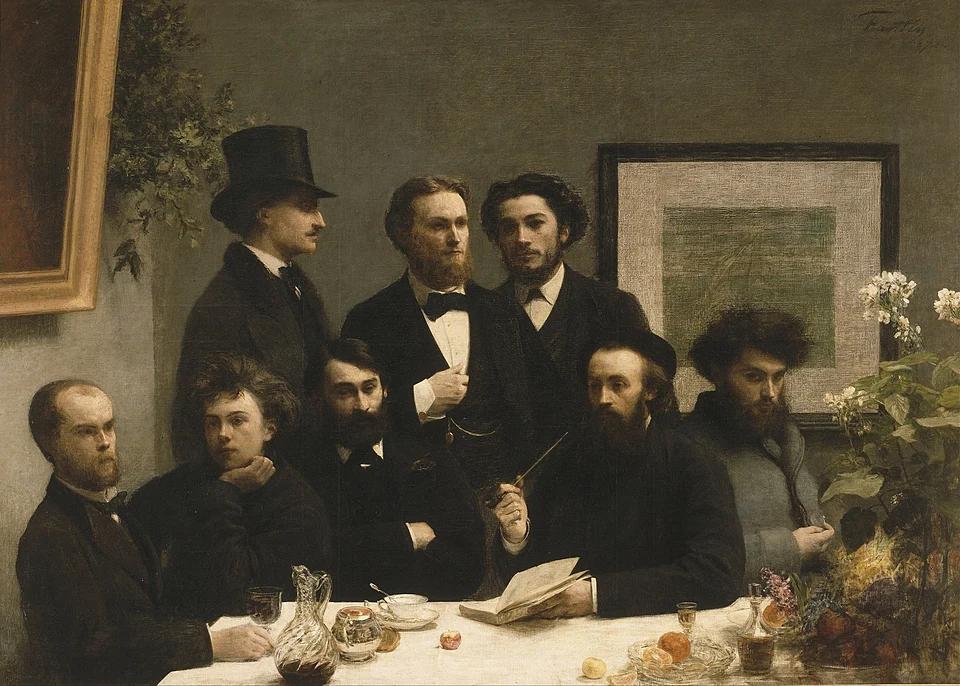
Le bassin aux nymphéas
Claude Monet, 1919
- Same museum
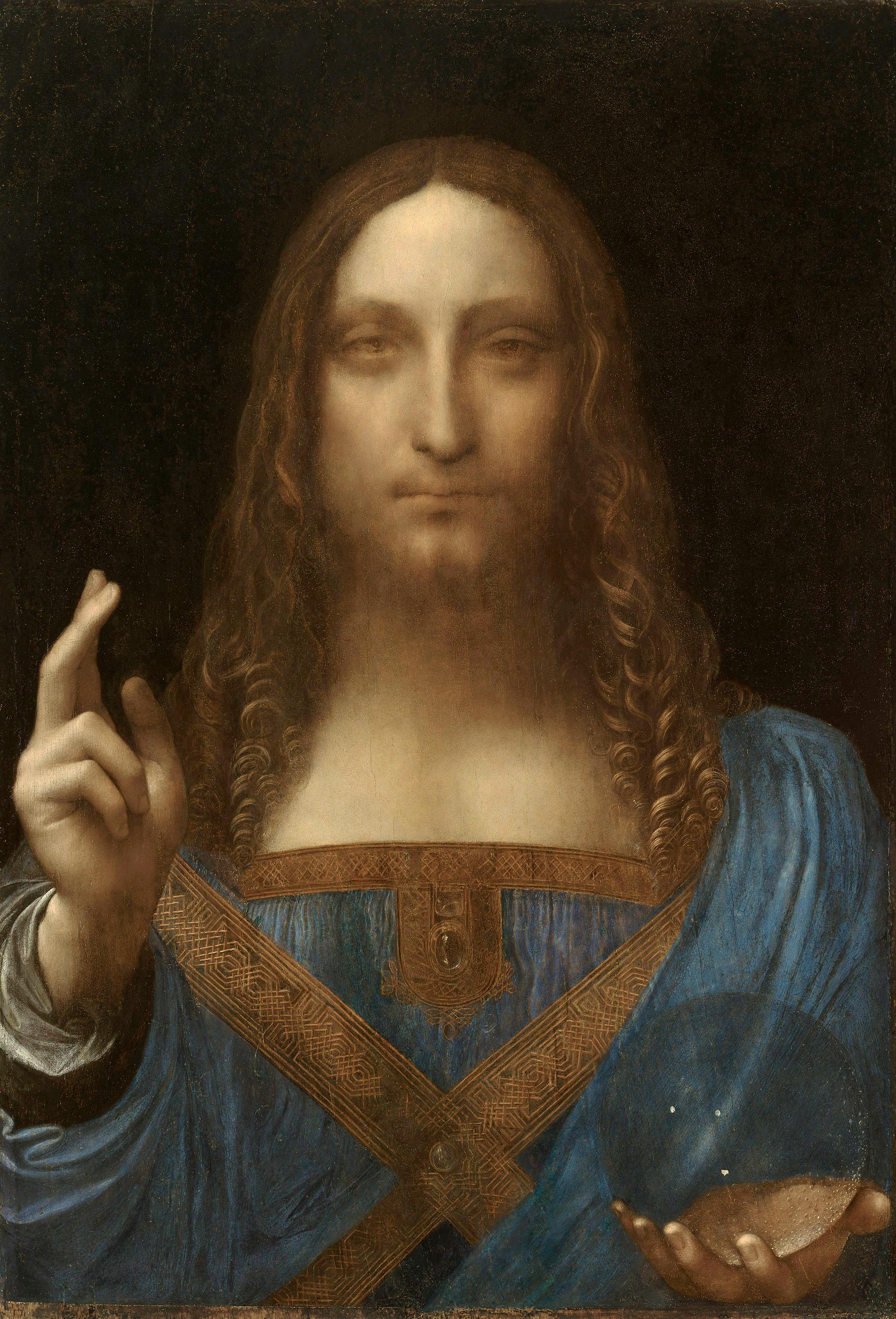
White Roses
Henri Fantin-Latour, 1875
- Same museum
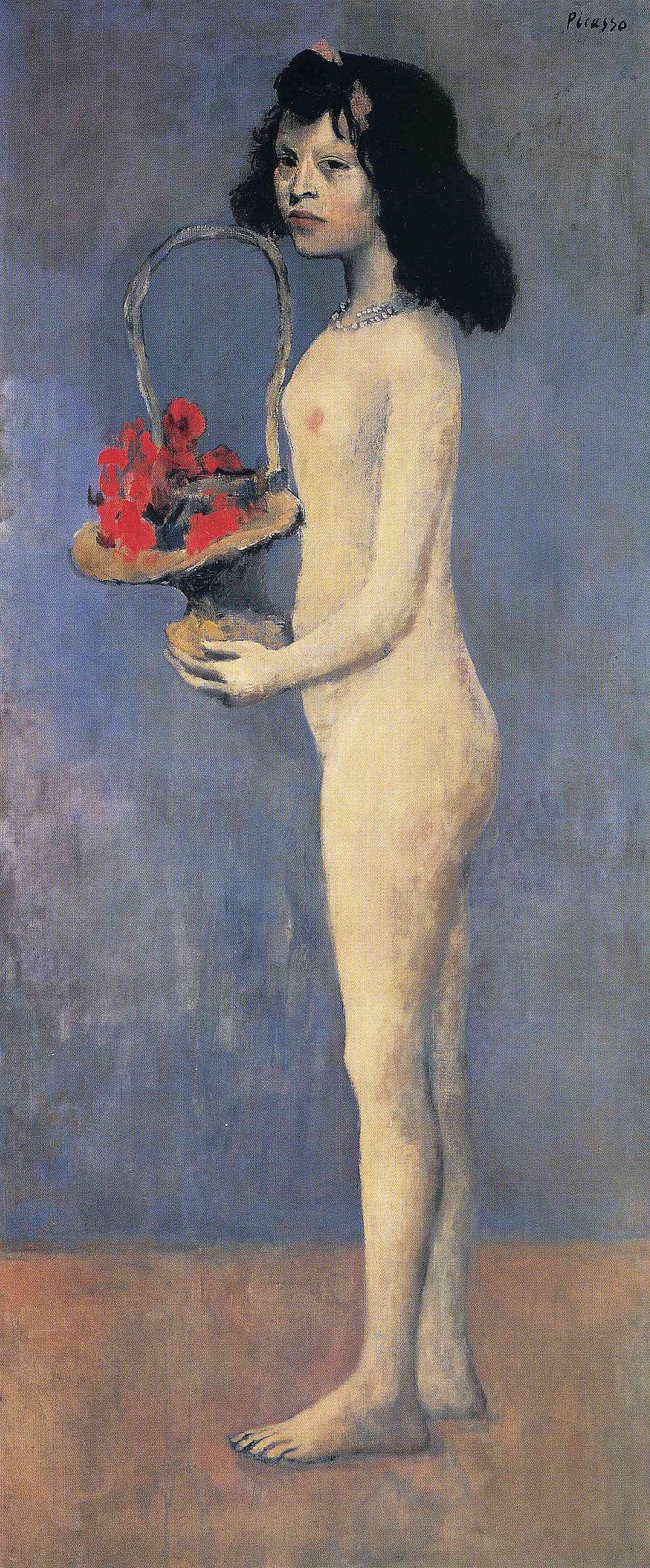
Salvator Mundi
Leonardo da Vinci, 1500
- Same museum
Fillette à la corbeille fleurie
Pablo Picasso, 1905
- Same museum
Garçon à la pipe (Boy with a Pipe)
Pablo Picasso, 1905
- Same museum
Pendant Portraits of Maerten Soolmans and Oopjen Coppit
Rembrandt van Rijn, 1634
About Houses by the Sea
Soutine was part of the School of Paris and is considered a major Expressionist painter. His swirling brushstrokes and distorted forms later influenced Abstract Expressionism in America.
Soutine worked primarily in Céret (1919-1922) in the French Pyrenees and Cagnes-sur-Mer (1923-1925) on the Mediterranean coast. The coastal setting suggests his Houses by the Sea may be from the Cagnes period.
The Musée de l'Orangerie in Paris holds an important collection of Soutine's landscapes. Other works are at the Metropolitan Museum of Art, Philadelphia Museum of Art, and Tate Modern in London.
Own Art Like This
Luxury wall art with the same mood and energy. Gallery-quality canvas, no museum crowds.
Browse Collection