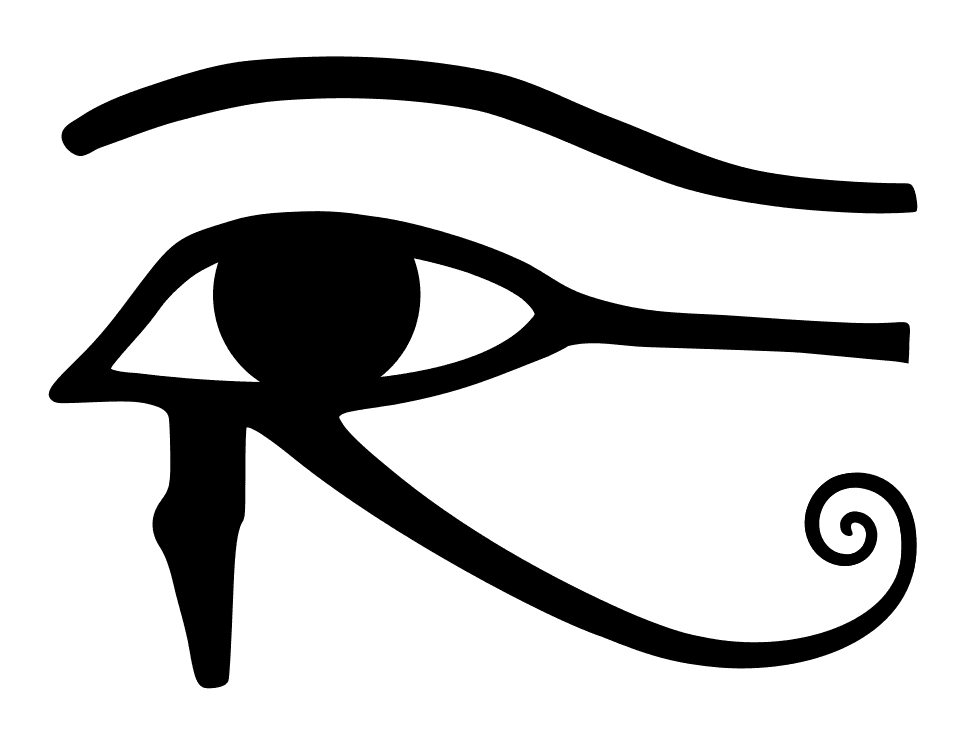
Eye of Horus (Wedjat)
by Ancient Egyptian (Unknown), -600
Artwork Details
Details
- Year
- -600
- Medium
- Faience
Cite or Embed This Work
APA · MLA · Chicago1-click academic citation and embeddable “On View” museum badge for articles, syllabi, and research.
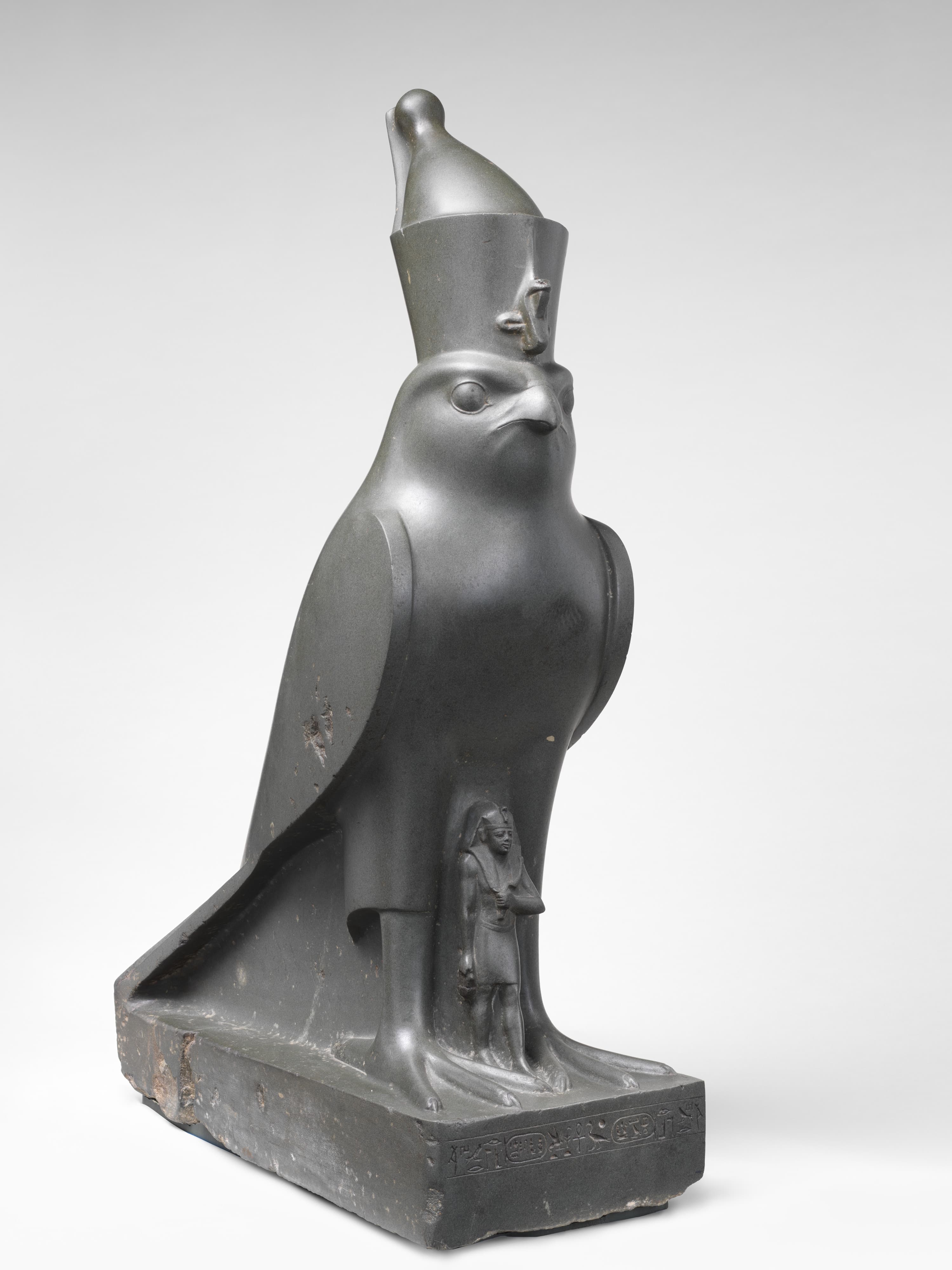
The Eye of Horus, called wedjat ("the sound one"), was ancient Egypt's most popular protective amulet. It represents the eye that the god Horus lost in battle with his uncle Set and that was later restored by the god Thoth. That myth made the symbol a powerful emblem of healing, protection, and wholeness in ancient Egyptian culture.
Artisans produced wedjat amulets from the Old Kingdom through the Roman period, a span of over 2,500 years. Materials ranged from cheap faience (glazed ceramic) to gold and lapis lazuli for royal use. The living wore them as jewelry, and embalmers placed them on mummies to protect the dead. The eye's six sections may correspond to the six senses or to fractions used in measuring grain. Examples survive in nearly every major Egyptian collection, including the Metropolitan Museum of Art and the British Museum.
More by Ancient Egyptian (Unknown)
View all →Sculpture
A

Architectural Fragment with Relief Carving
Ancient Egyptian (Unknown), 401
Art Institute of Chicago, Chicago
Sculpture
S
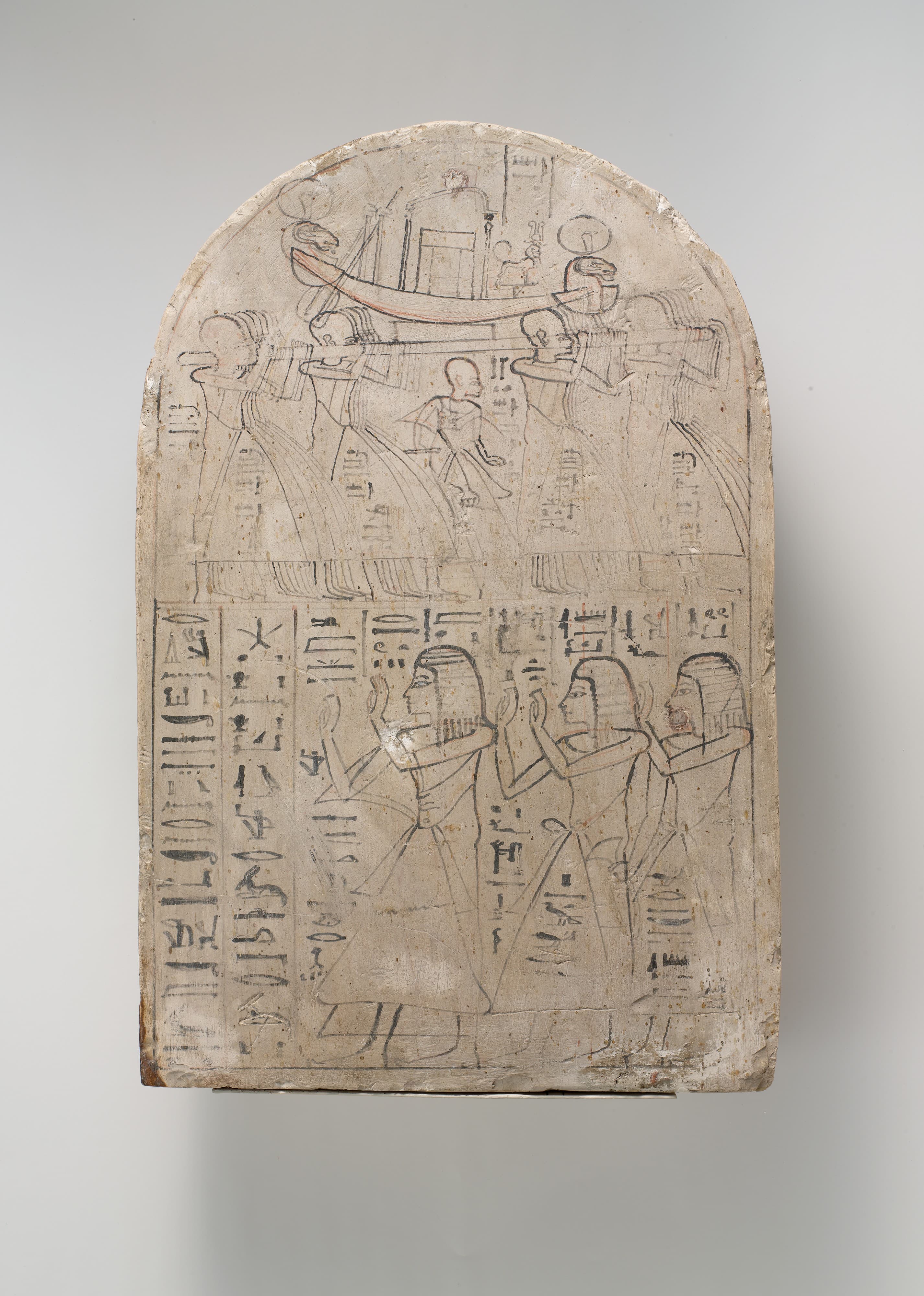
Stela of the royal scribe Amunnakht praising the divine barque of Amun-Re, Lord of the Thrones of the Two Lands
Ancient Egyptian (Unknown), -1070
The Metropolitan Museum of Art, New York