Wikimedia Commons • Public Domain
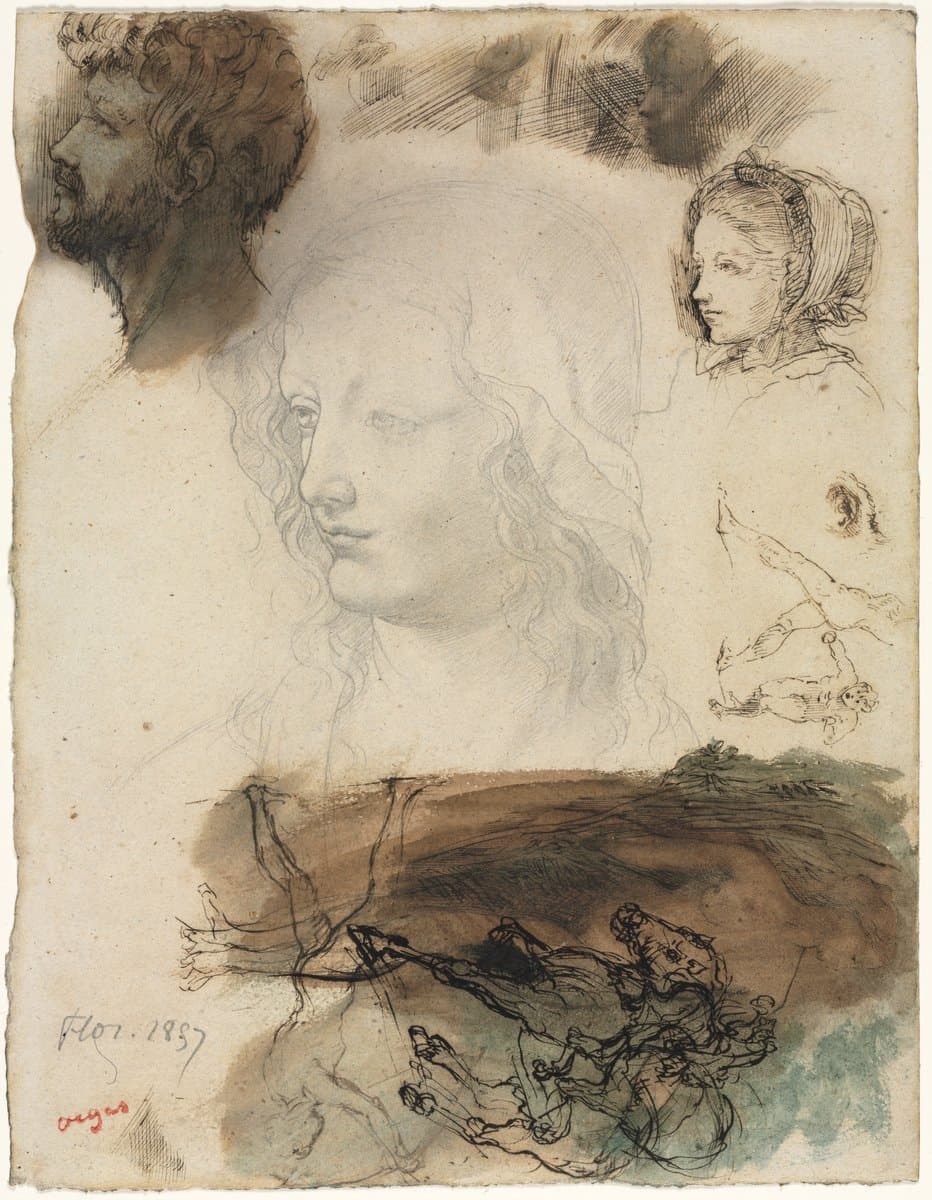
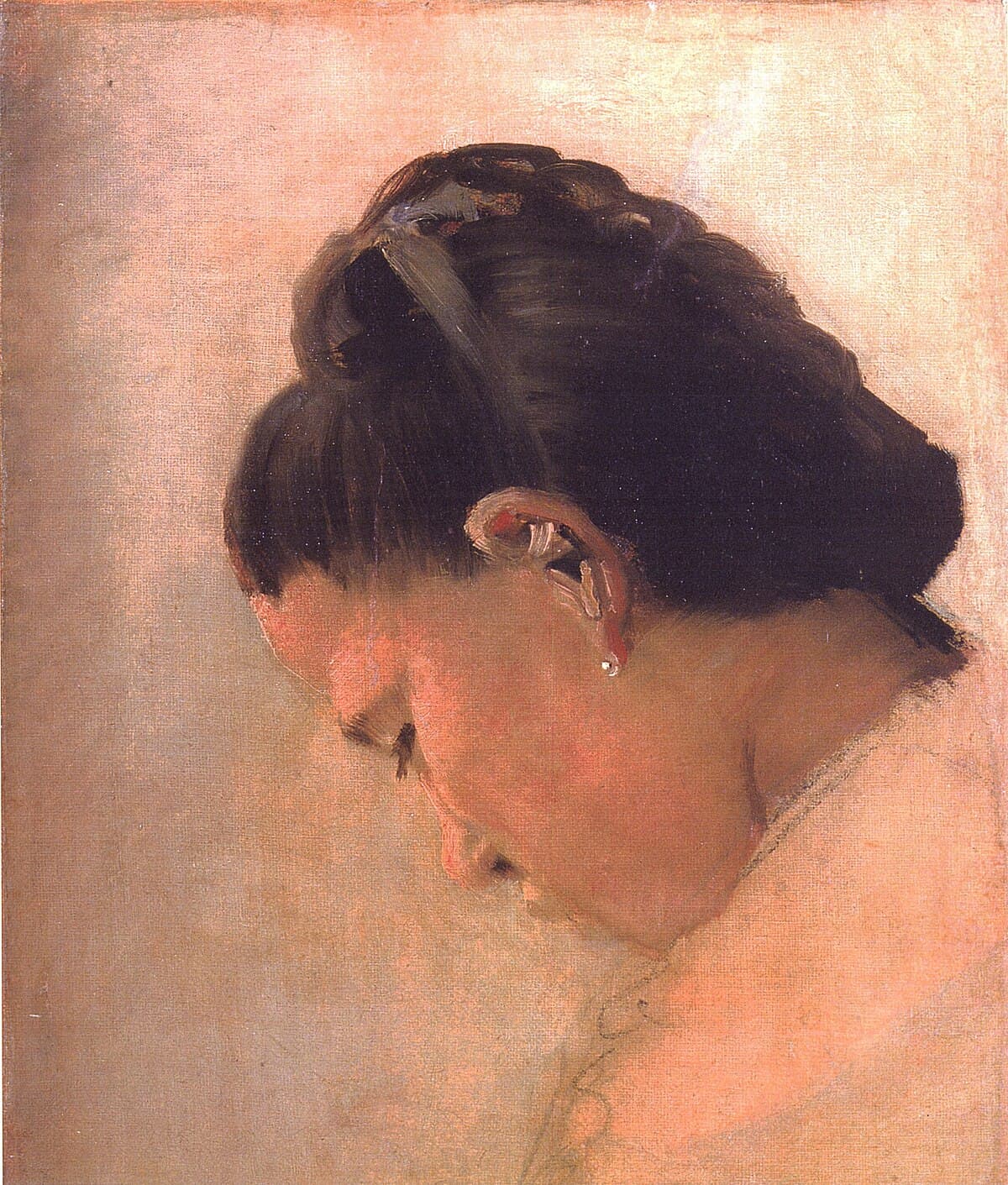
Head of a Girl
Artwork Details
Where to See It
Dumbarton Oaks Research Library and Collection, Washington, DCWashington, D.C., United States
Permanently housed
Georges Seurat composed this portrait in 1879, well before developing the Pointillist technique that would make him famous. The work shows a young woman's face rendered in soft, traditional brushwork quite different from his later divided color experiments.
Seurat was only about twenty when he made this study. The Post-Impressionist innovations that would define his mature work, the tiny dots of pure color creating optical mixtures, lay several years ahead. His landmark A Sunday Afternoon on the Island of La Grande Jatte wouldn't appear until 1884-1886. This early portrait reveals an artist still learning his craft through conventional means.
The oil on canvas now belongs to Dumbarton Oaks in Washington, DC. That institution, known primarily for Byzantine studies and historic gardens, also holds a small collection of European paintings. Seeing Seurat's traditional early work helps explain why his later Pointillist breakthrough seemed so radical. The measured, scientific approach to color came from an artist who had first mastered older methods.