Ancient Egyptian (Unknown), CC0 1.0, via Wikimedia Commons.
Haremhab as a Scribe of the King
by Ancient Egyptian (Unknown), -1323
Artwork Details
Details
- Year
- -1323
- Medium
- Granodiorite
- Size
- h. 113 cm (44 1/2 in); w. 71 cm (27 15/16 in); d. 55.5 cm (21 7/8 in)
Cite or Embed This Work
APA · MLA · Chicago1-click academic citation and embeddable “On View” museum badge for articles, syllabi, and research.
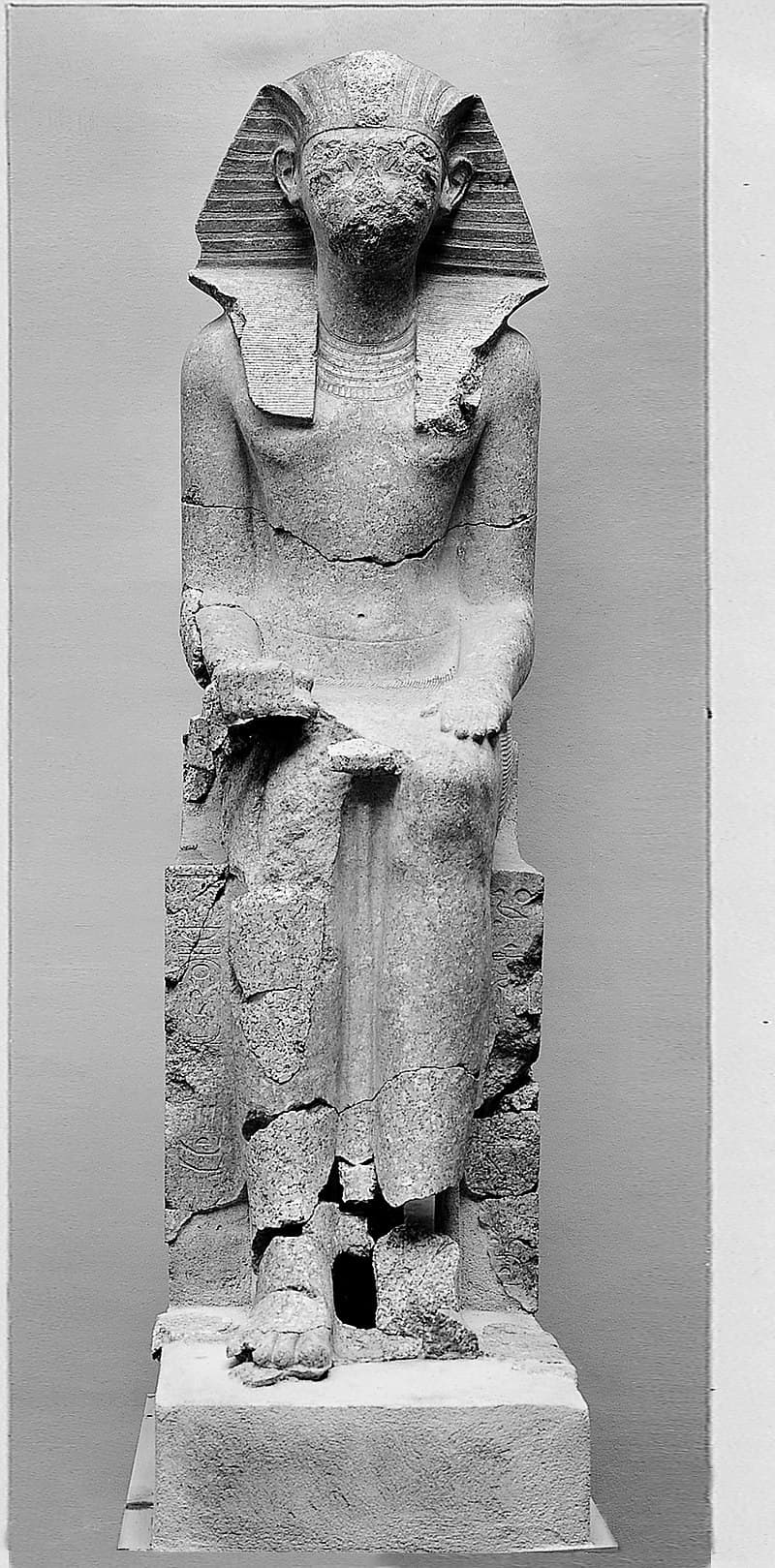
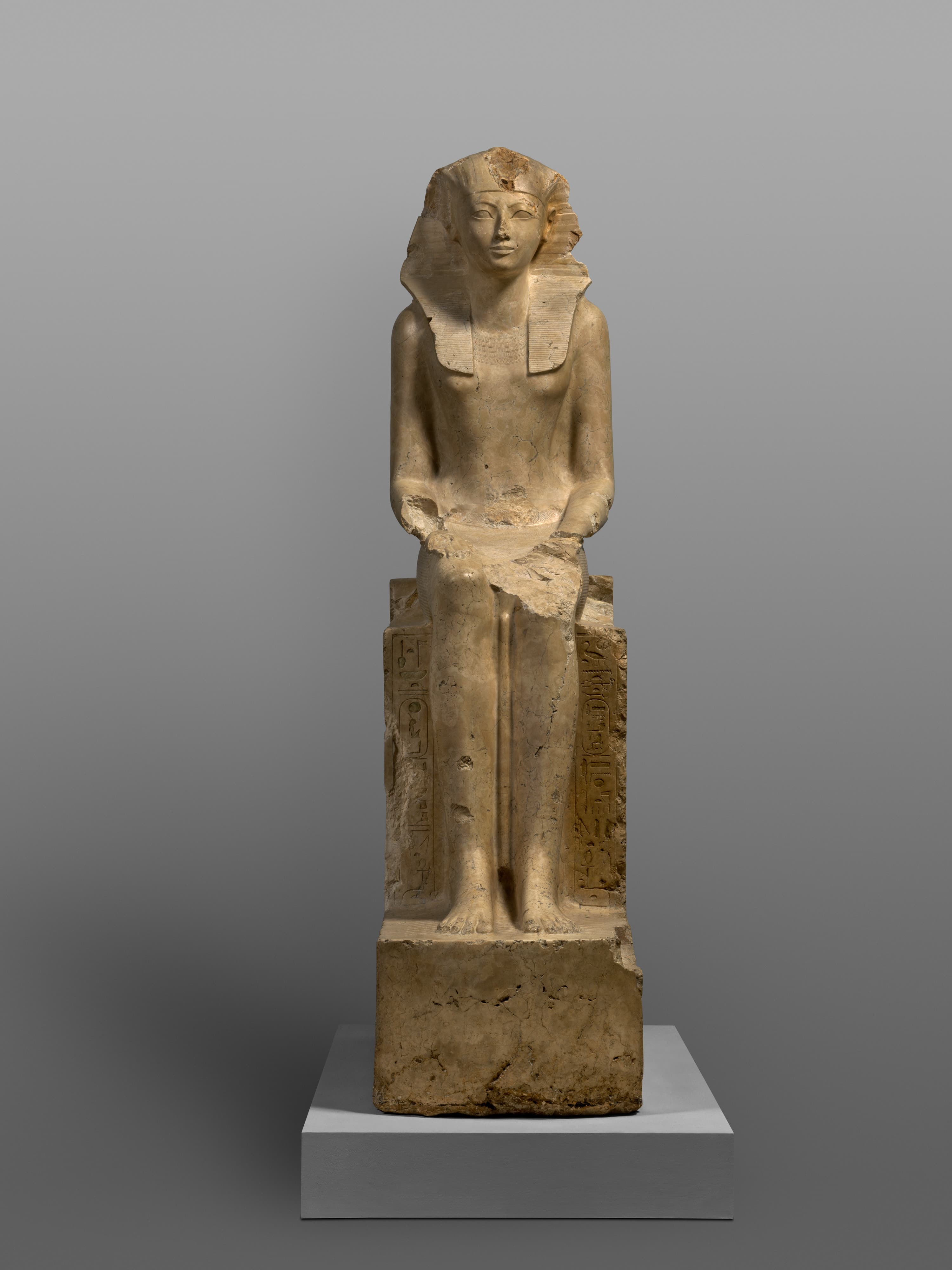
Ancient Egyptian This granodiorite statue shows Haremhab seated cross-legged with a papyrus scroll on his lap, the classic scribe pose. The text on the scroll is a hymn to the god Thoth, patron of writing. When this was made, Haremhab served as royal scribe and general of the army under Tutankhamun. He hadn't yet become pharaoh himself.
By depicting himself as a scribe, Haremhab placed himself among the educated elite, following a tradition over 1,000 years old by his time. Literacy was rare in ancient Egypt and carried enormous prestige. Haremhab later became the last pharaoh of the 18th Dynasty, rising from military general to ruler.
The statue dates to roughly 1336-1323 BCE and was found at the Ptah Temple in Memphis. It stands 113 cm (44.5 inches) tall and is on view in Gallery 121 at the Metropolitan Museum of Art.
More by Ancient Egyptian (Unknown)
View all →Sculpture
A

Architectural Fragment with Relief Carving
Ancient Egyptian (Unknown), 401
Art Institute of Chicago, Chicago
Sculpture
S
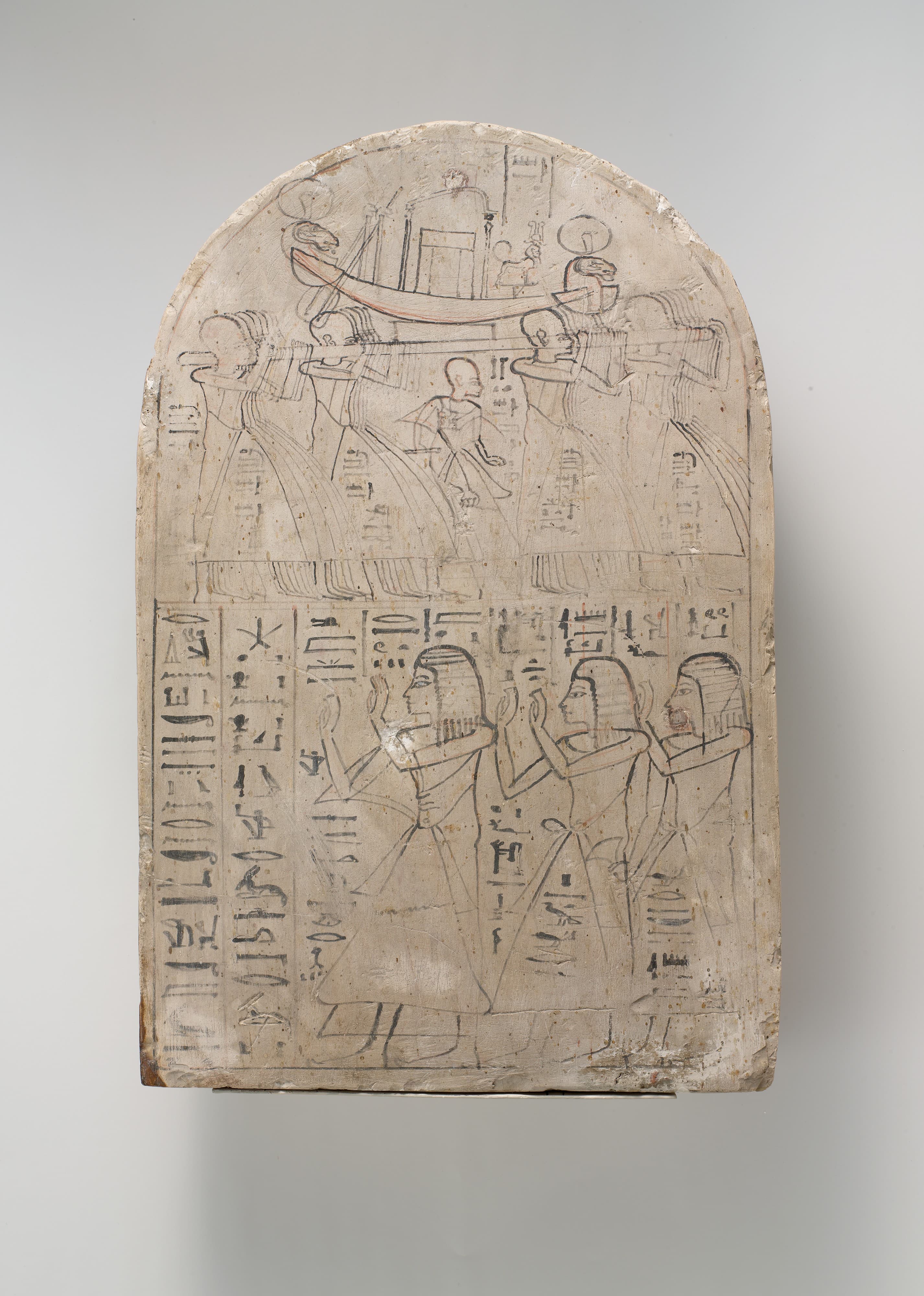
Stela of the royal scribe Amunnakht praising the divine barque of Amun-Re, Lord of the Thrones of the Two Lands
Ancient Egyptian (Unknown), -1070
The Metropolitan Museum of Art, New York