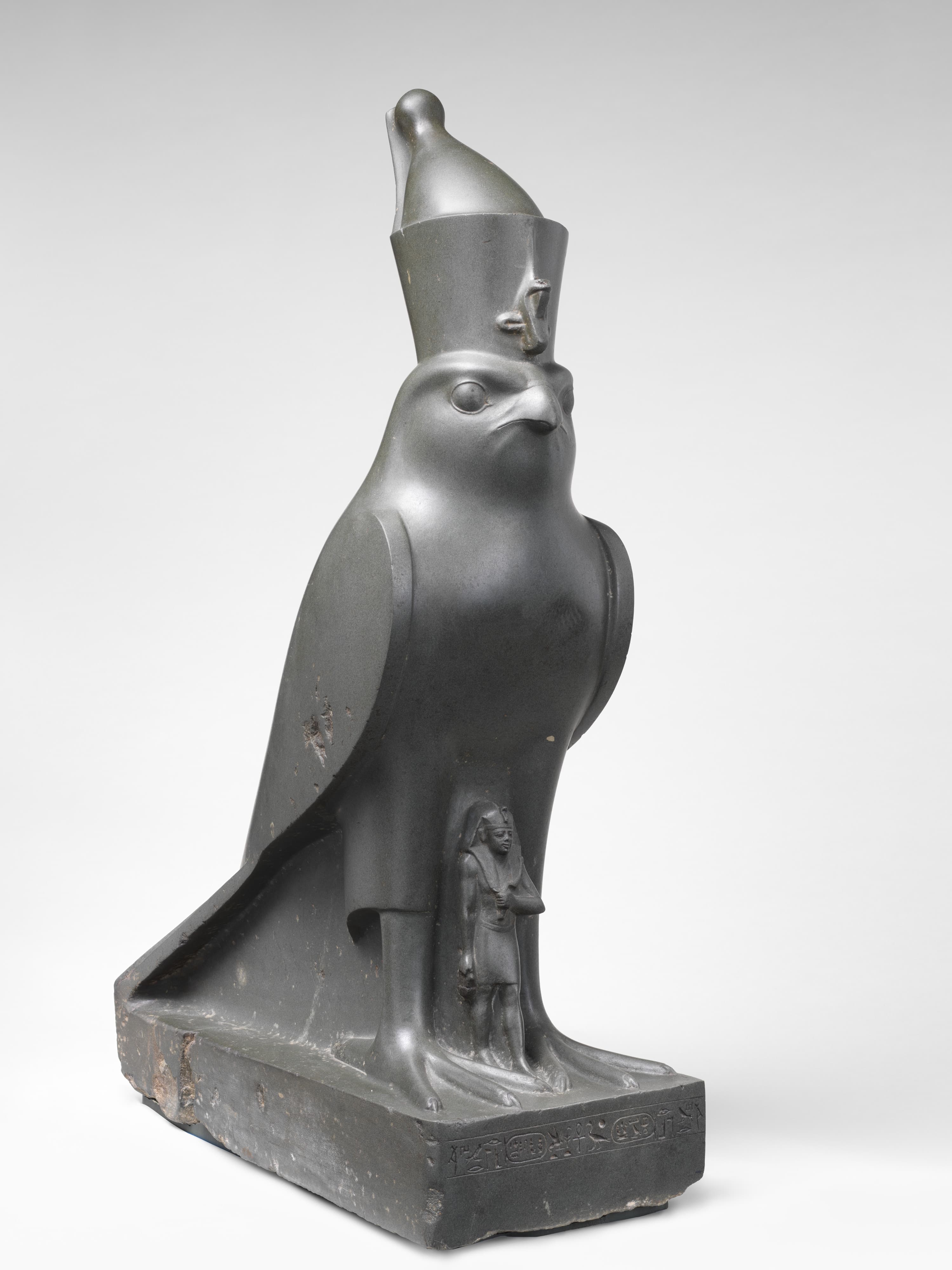
Horus as a Falcon
by Ancient Egyptian (Unknown), -300
Artwork Details
Details
- Year
- -300
- Medium
- Granite
Cite or Embed This Work
APA · MLA · Chicago1-click academic citation and embeddable “On View” museum badge for articles, syllabi, and research.
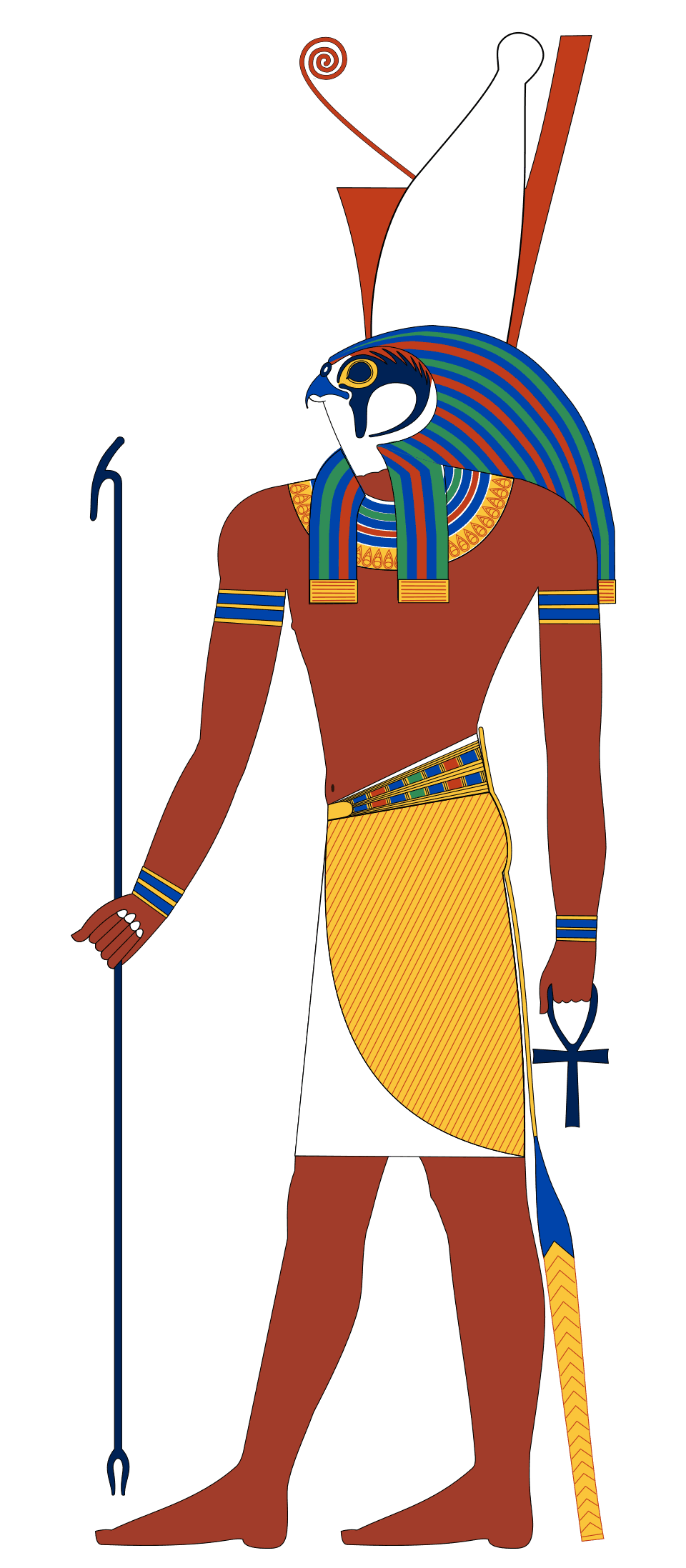
Ancient Egyptian artists depicted Horus, the falcon-headed sky god, as a bird since the earliest dynasties. Bronze falcon statues became especially popular during the Late Period (664-332 BCE), when animal cults surged across Egypt. Craftsmen cast these figures using the lost-wax method, often inserting a mummified falcon inside the hollow bronze body as a votive offering.
Horus was the divine protector of kingship. Every living pharaoh was considered his earthly embodiment, which made the falcon Egypt's most politically charged animal symbol. The bird typically wears the Double Crown of Upper and Lower Egypt, reinforcing its royal association. Fine examples survive at the Metropolitan Museum of Art, Harvard Art Museums, and the Egyptian collections of the Louvre. The quality of casting varies widely, from rough pilgrim souvenirs to finely detailed royal commissions with inlaid gold eyes.
More by Ancient Egyptian (Unknown)
View all →Sculpture
A

Architectural Fragment with Relief Carving
Ancient Egyptian (Unknown), 401
Art Institute of Chicago, Chicago
Sculpture
S
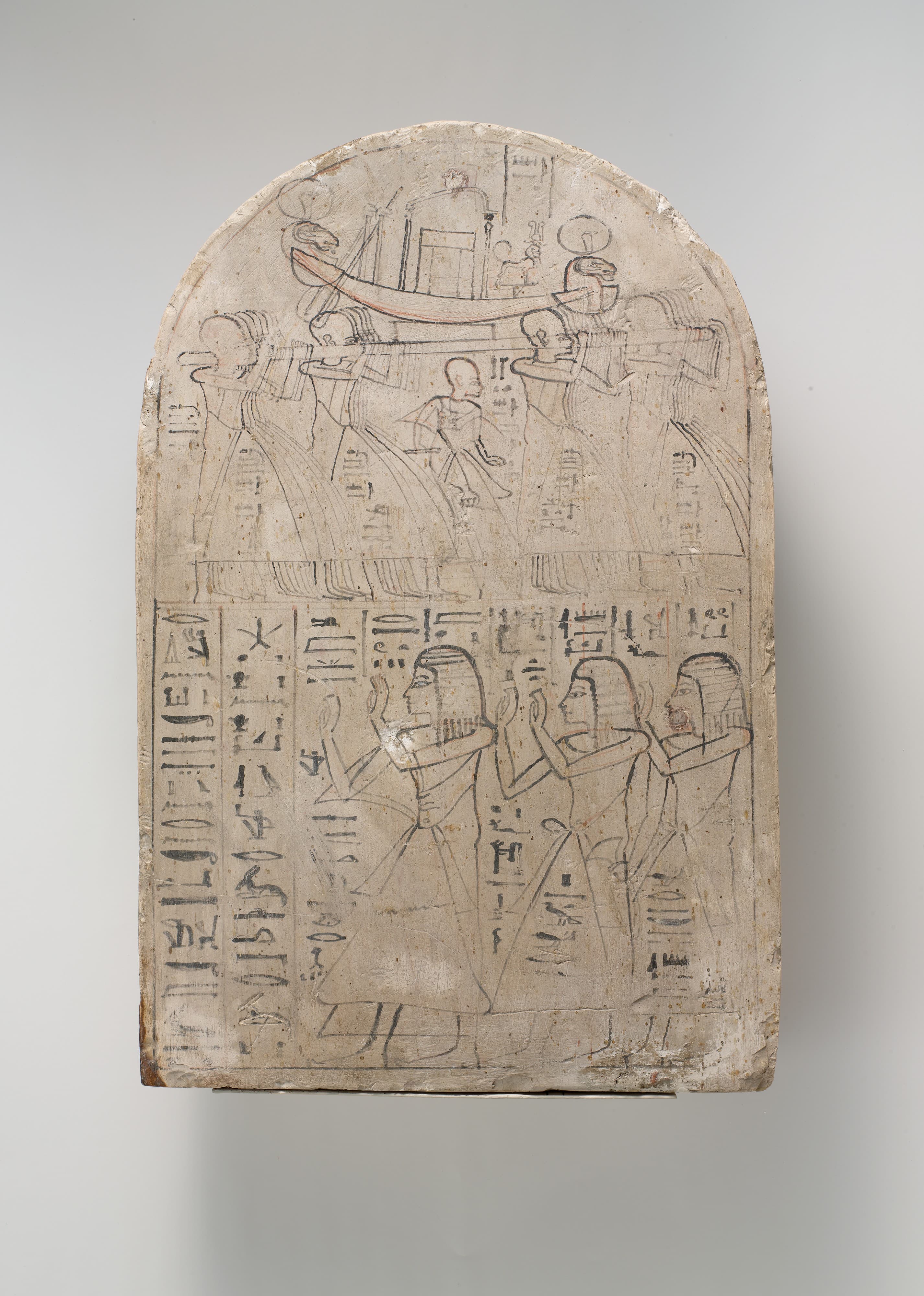
Stela of the royal scribe Amunnakht praising the divine barque of Amun-Re, Lord of the Thrones of the Two Lands
Ancient Egyptian (Unknown), -1070
The Metropolitan Museum of Art, New York