Public Domain
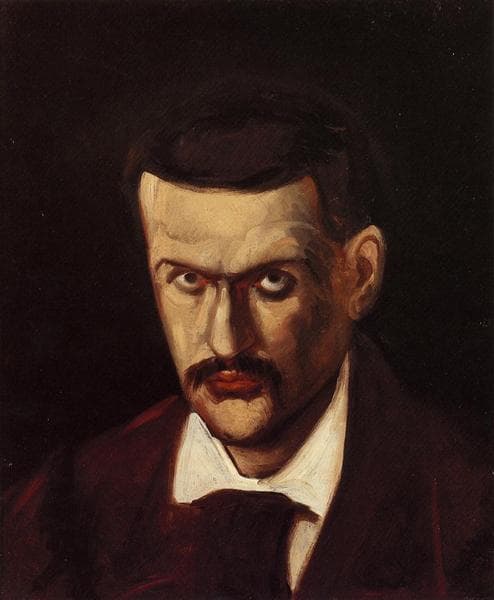
Self-Portrait
by Paul Cézanne
StylePost-Impressionism
GenreSelf-Portrait
Artwork Details
Cite or Embed This Work
APA · MLA · Chicago1-click academic citation and embeddable “On View” museum badge for articles, syllabi, and research.
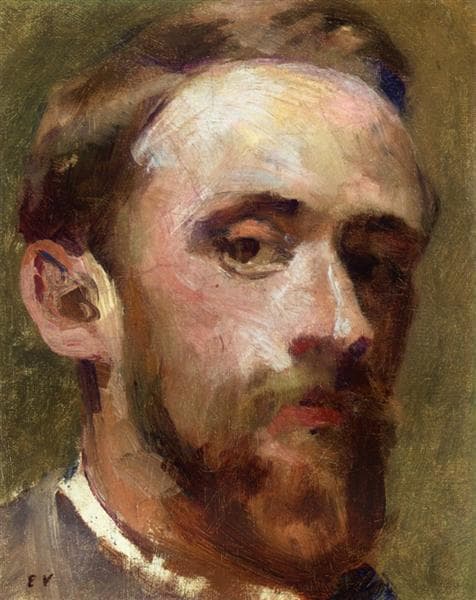
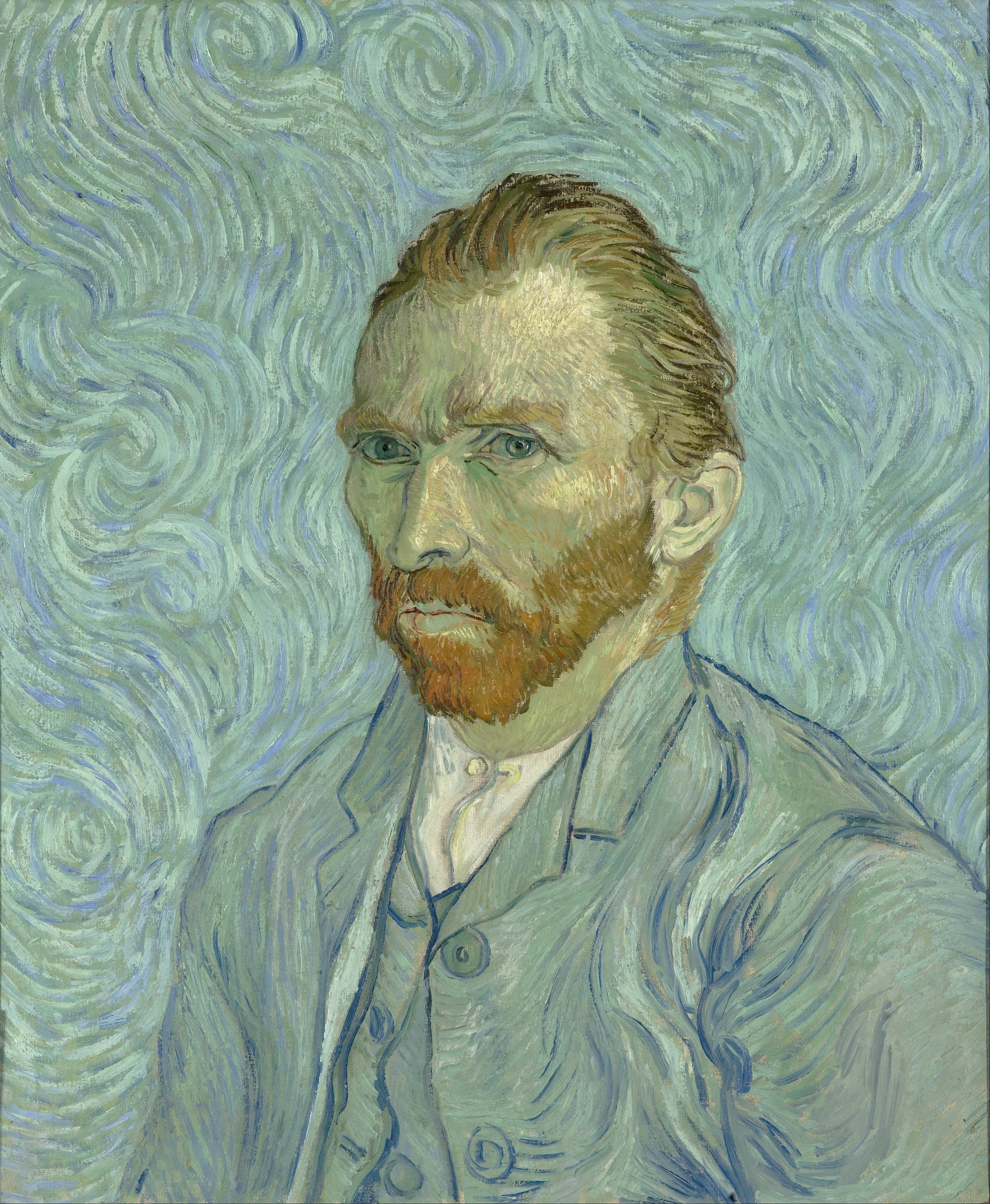
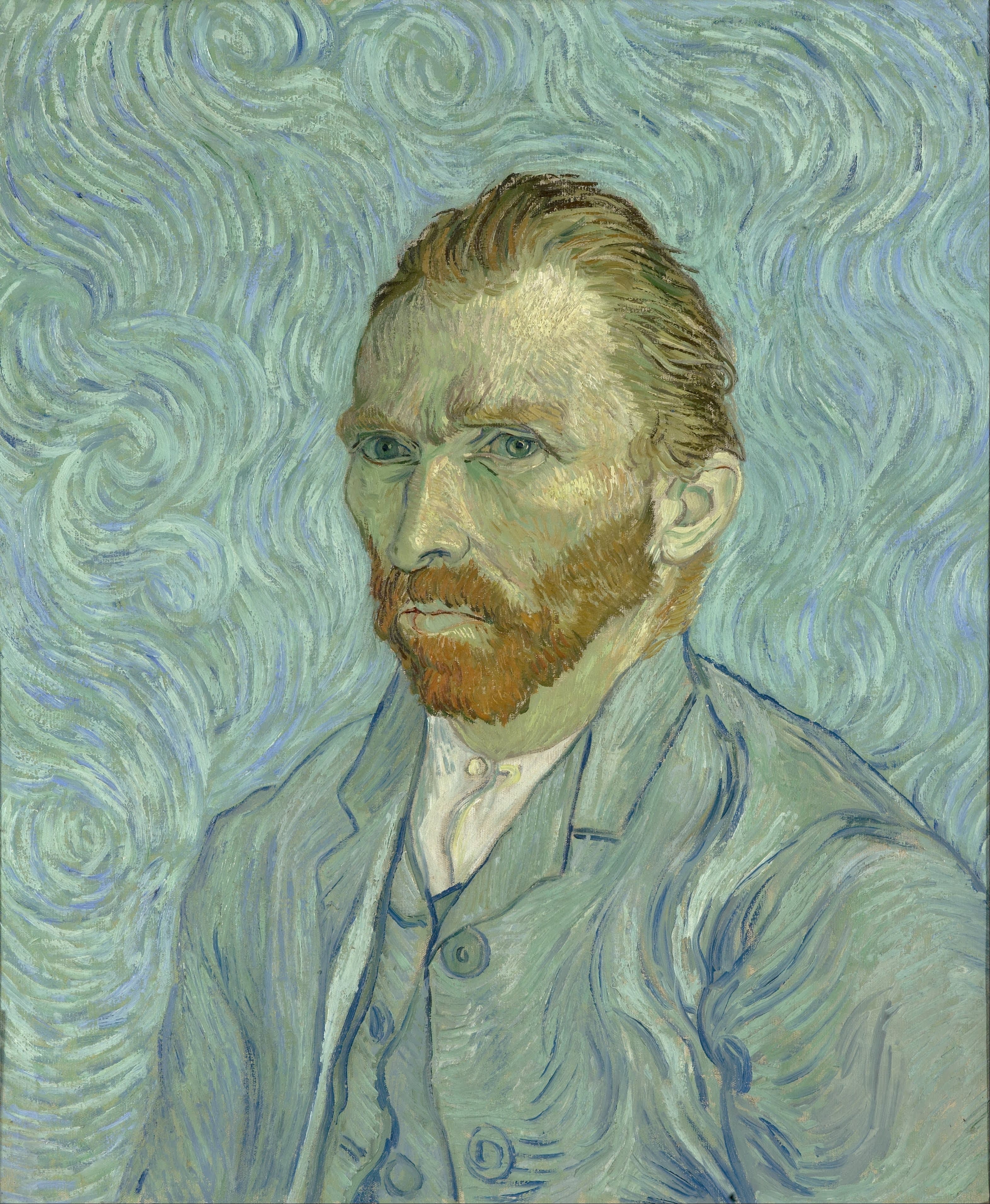
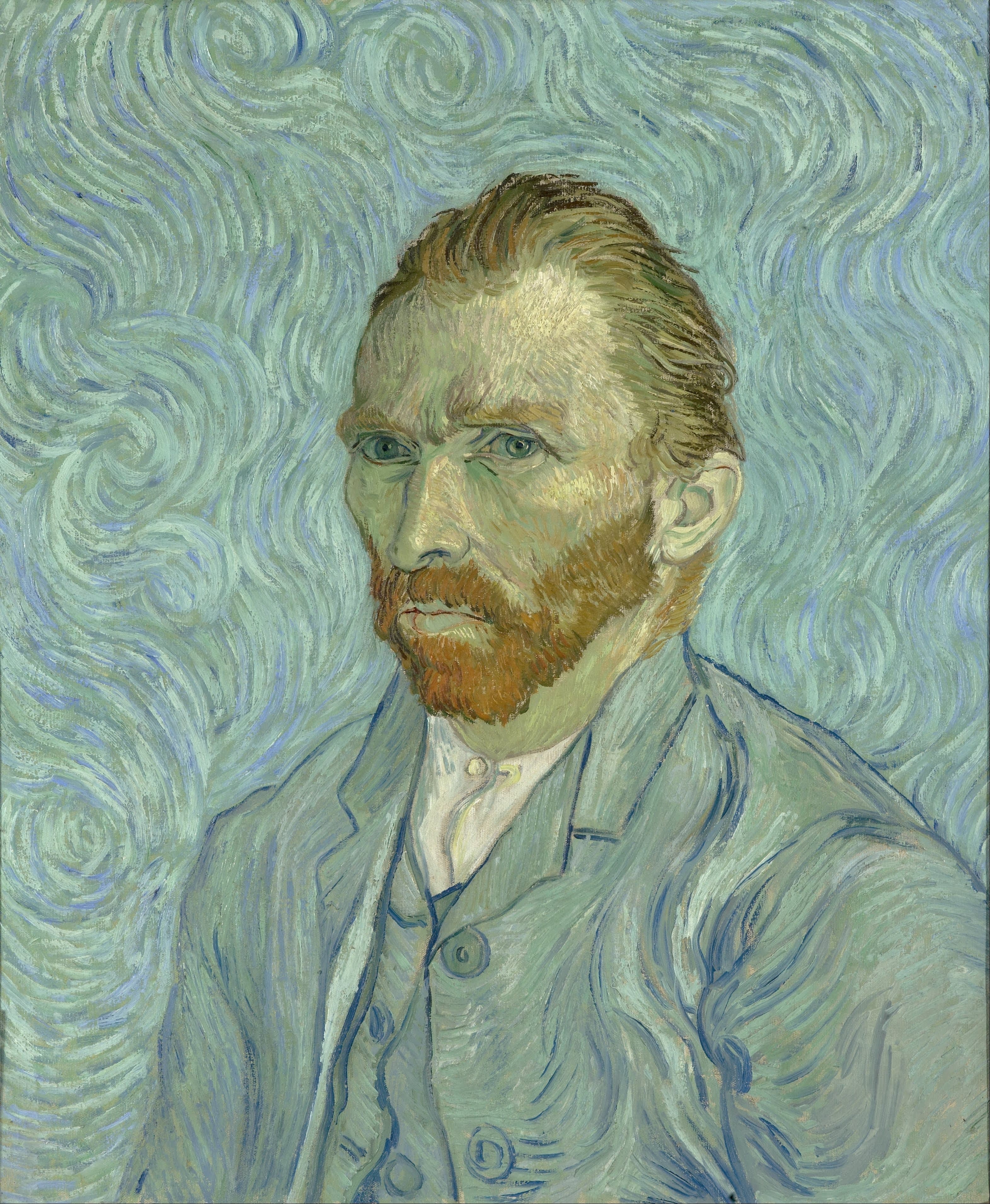
Paul Cézanne executed this self-portrait around 1880, one of more than two dozen he created over his career. The image shows the artist with his characteristic bald head and dark beard, his expression stern and penetrating. Rather than flattering himself, Cézanne analyzed his own features with the same rigorous attention he brought to apples and mountains.
The face emerges from the canvas through geometric construction, built up in planes and patches of color that anticipate Cubism by three decades. Cézanne described his method as treating nature "by the cylinder, the sphere, the cone," and his self-portraits demonstrate this approach applied to human features. The result feels simultaneously solid and fragmented, present yet analyzed.
Cézanne lived as a recluse in Provence, avoiding Paris and working in isolation. Self-portraits offered a practical solution: he was always available as a model, patient with the slow, laborious process his method required. This example remains in a private collection, one of many Cézanne works that helped define the bridge between Impressionism and modern art. Picasso and Braque would soon push his geometric construction toward full abstraction.