
Wikimedia Commons • Public Domain
Head of Christ
GenreReligious
Artwork Details
Cite or Embed This Work
APA · MLA · Chicago1-click academic citation and embeddable “On View” museum badge for articles, syllabi, and research.
Petrus Christus completed this intimate devotional image around 1445, creating a fusion of two traditional types: the Holy Face and the Ecce Homo. The small work derives from a lost picture by Jan van Eyck, now known only through copies. Christus presented Christ with a furrowed brow, crown of thorns, and drops of blood running down his forehead, depicting the moment of suffering during the Passion.
The painting measures just 14.9 x 10.8 cm, typical of works meant for private devotion. Christus surrounded the head with a fictive frame, creating physical immediacy that draws viewers into contemplation. This approach reflects the Devotio Moderna movement that emphasized personal, emotional religious experience in the 15th-century Netherlands.
The work came to the Metropolitan Museum of Art through the bequest of Lillian S. Timken in 1959. The Met's collection of Early Netherlandish painting provides essential context for understanding this devotional tradition.
More by Petrus Christus
View all →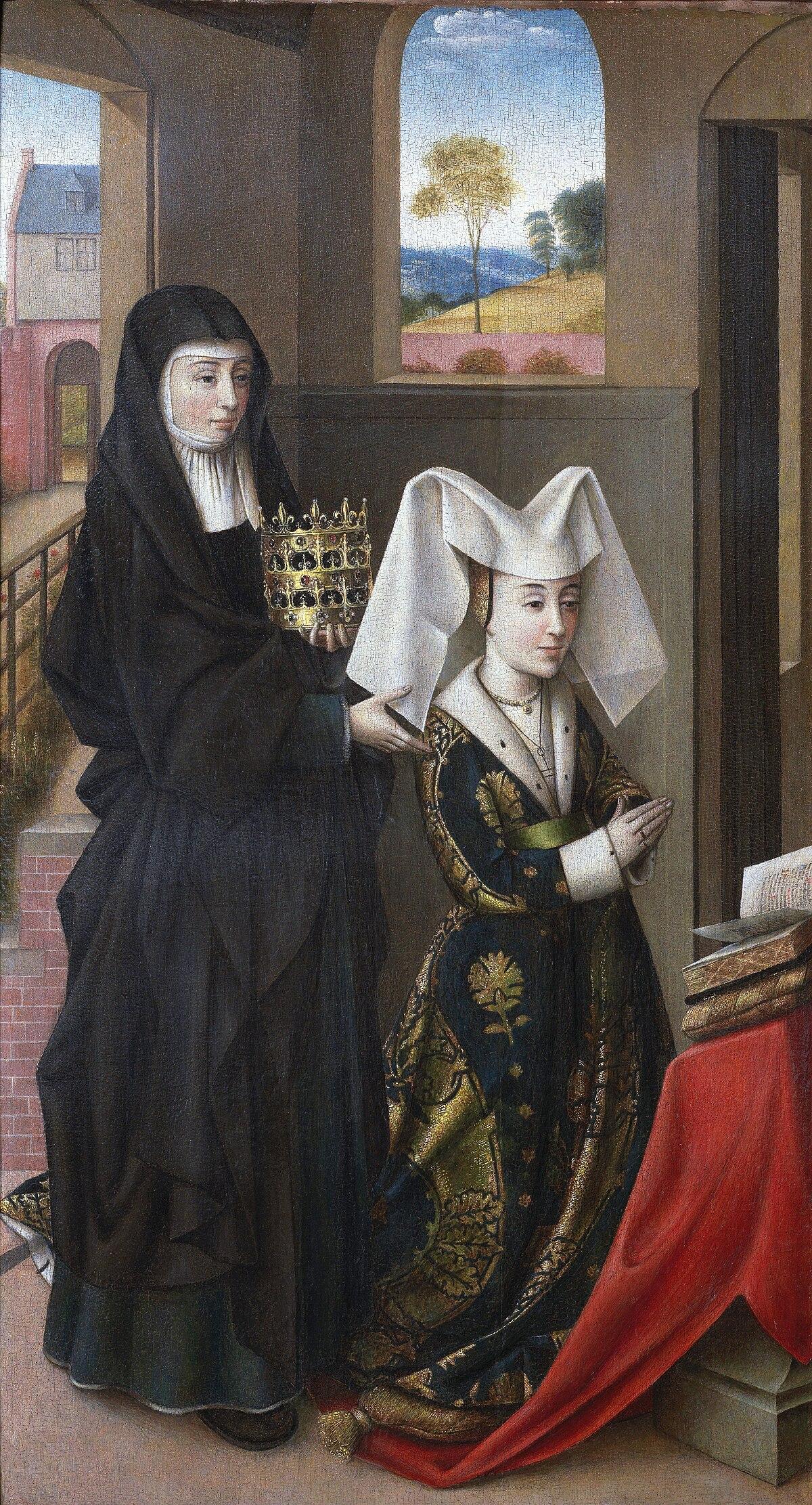
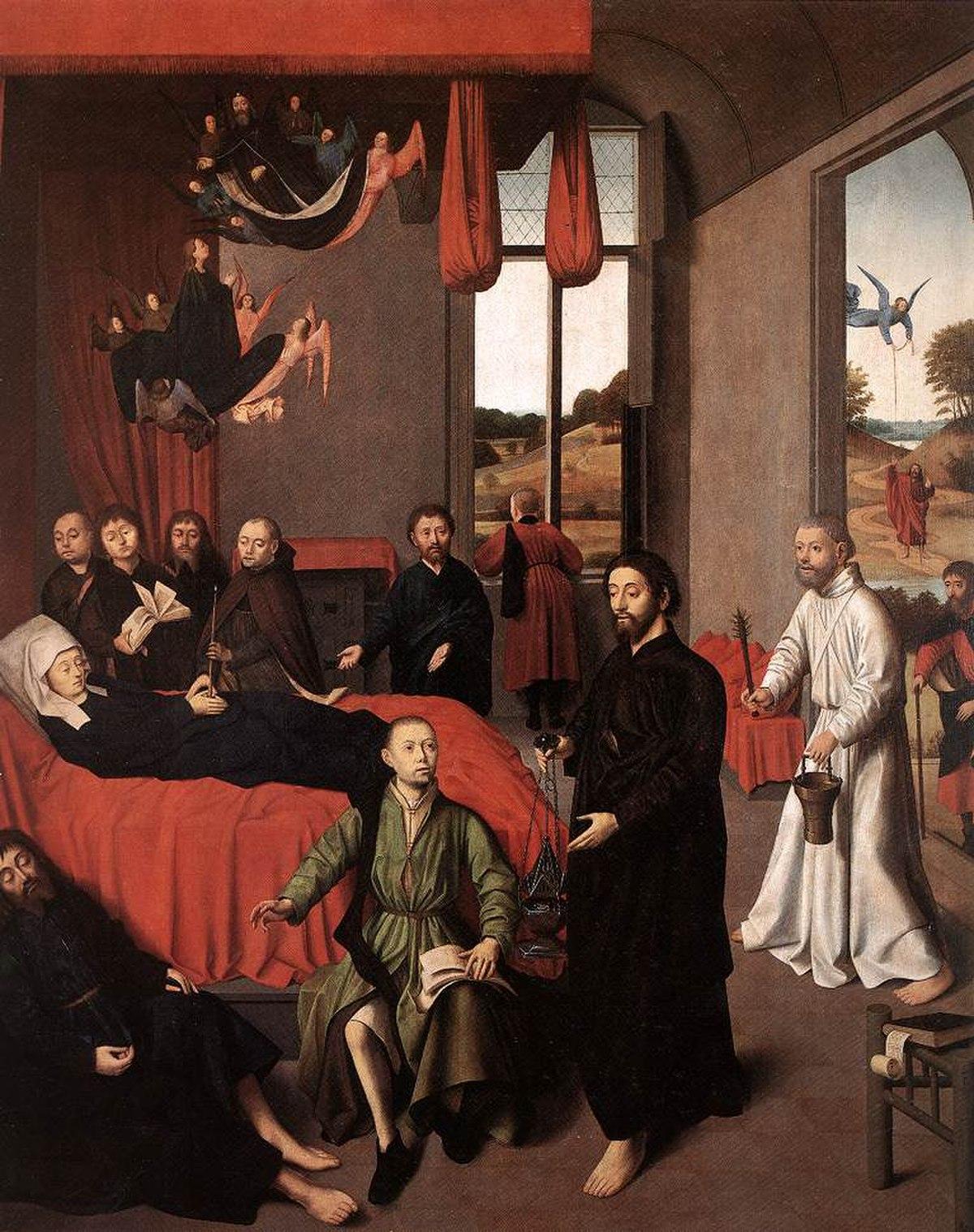
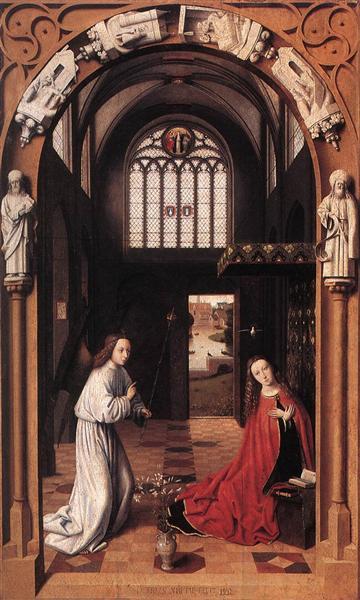
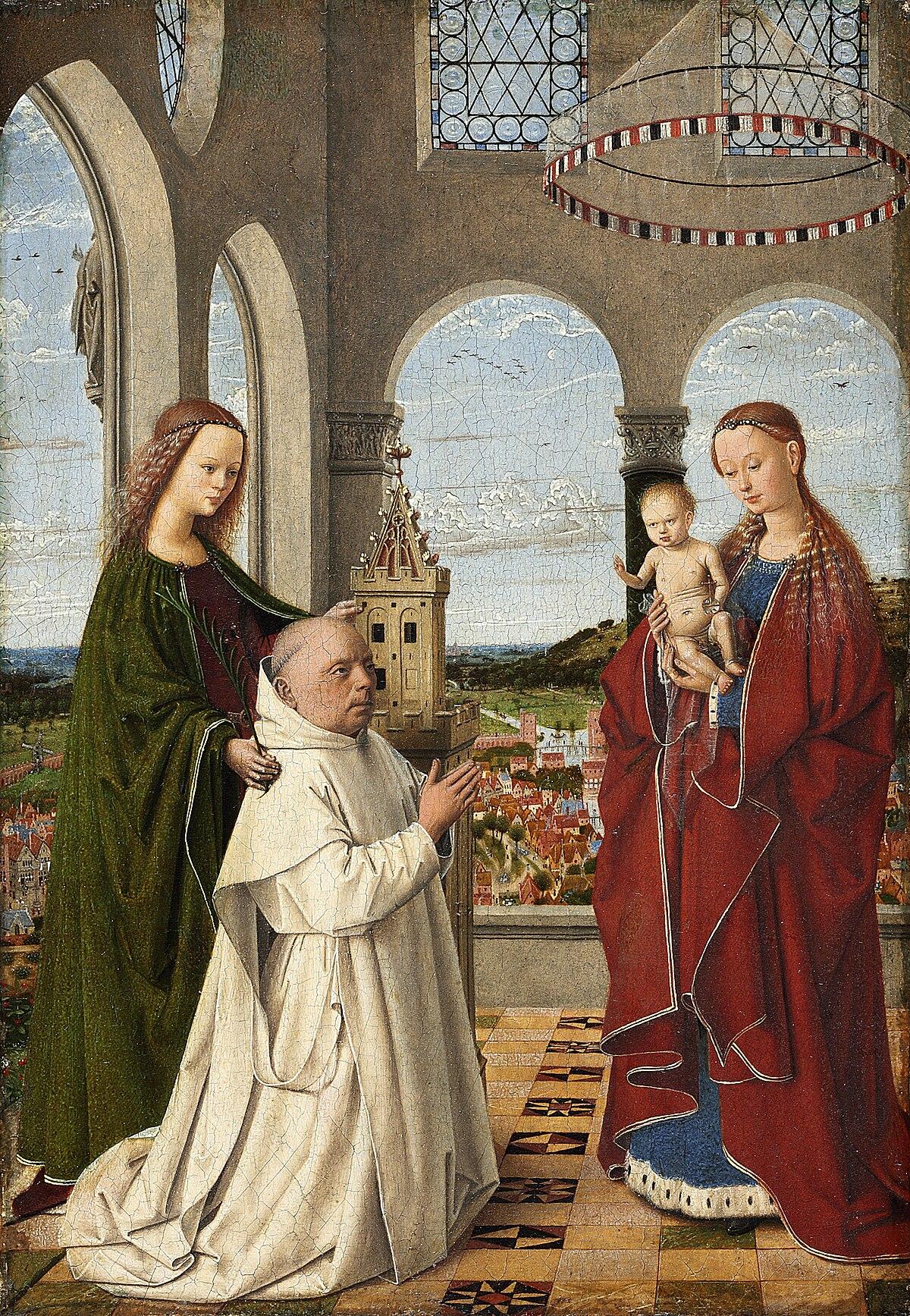
Also at The Metropolitan Museum of Art
View all →Sculpture
R

Rolltop desk
David Roentgen, 1776
The Metropolitan Museum of Art, New York
Sculpture
L
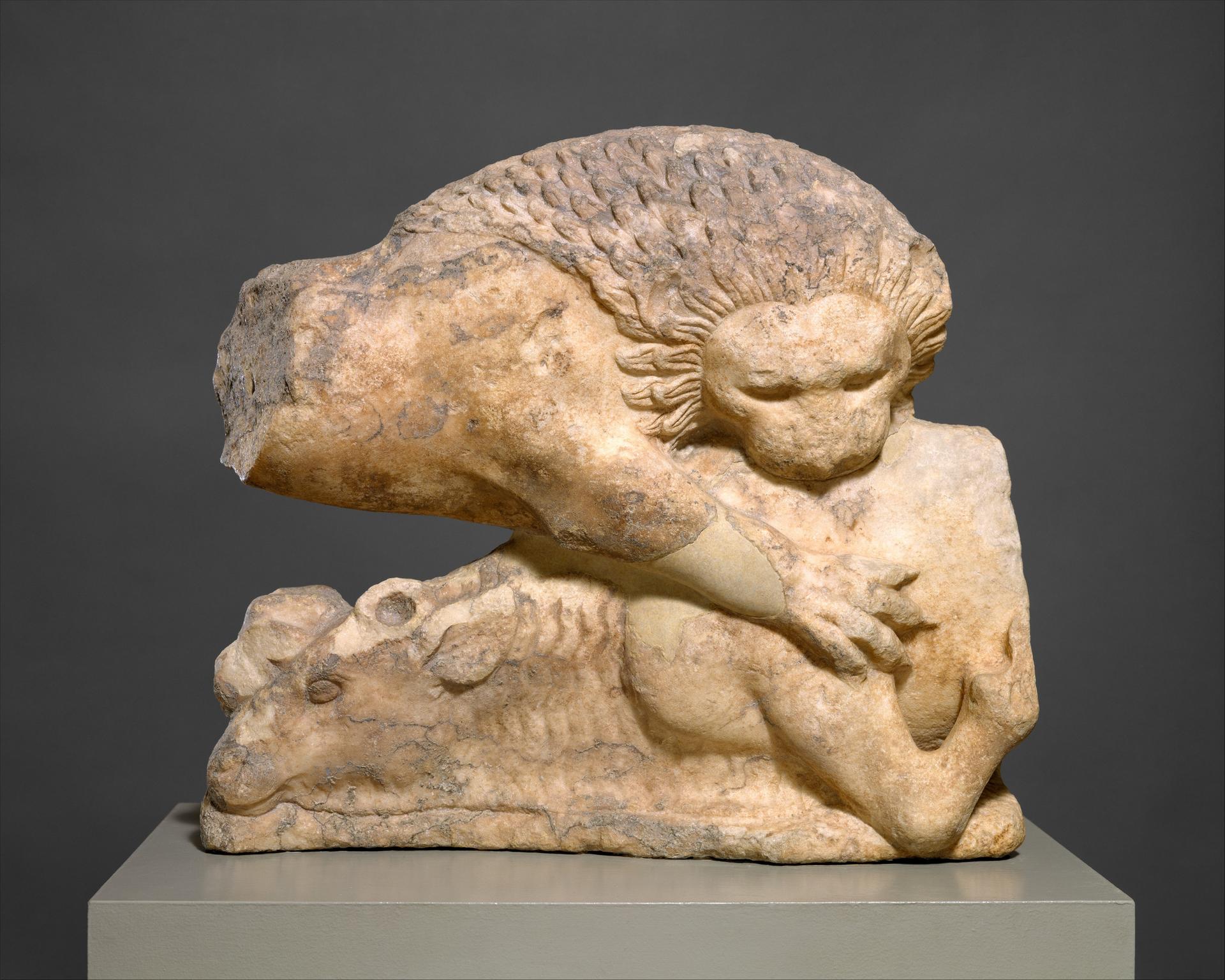
Lion felling a bull, from a marble pediment
Ancient Greek (Unknown), -500
The Metropolitan Museum of Art, New York
Sculpture
M
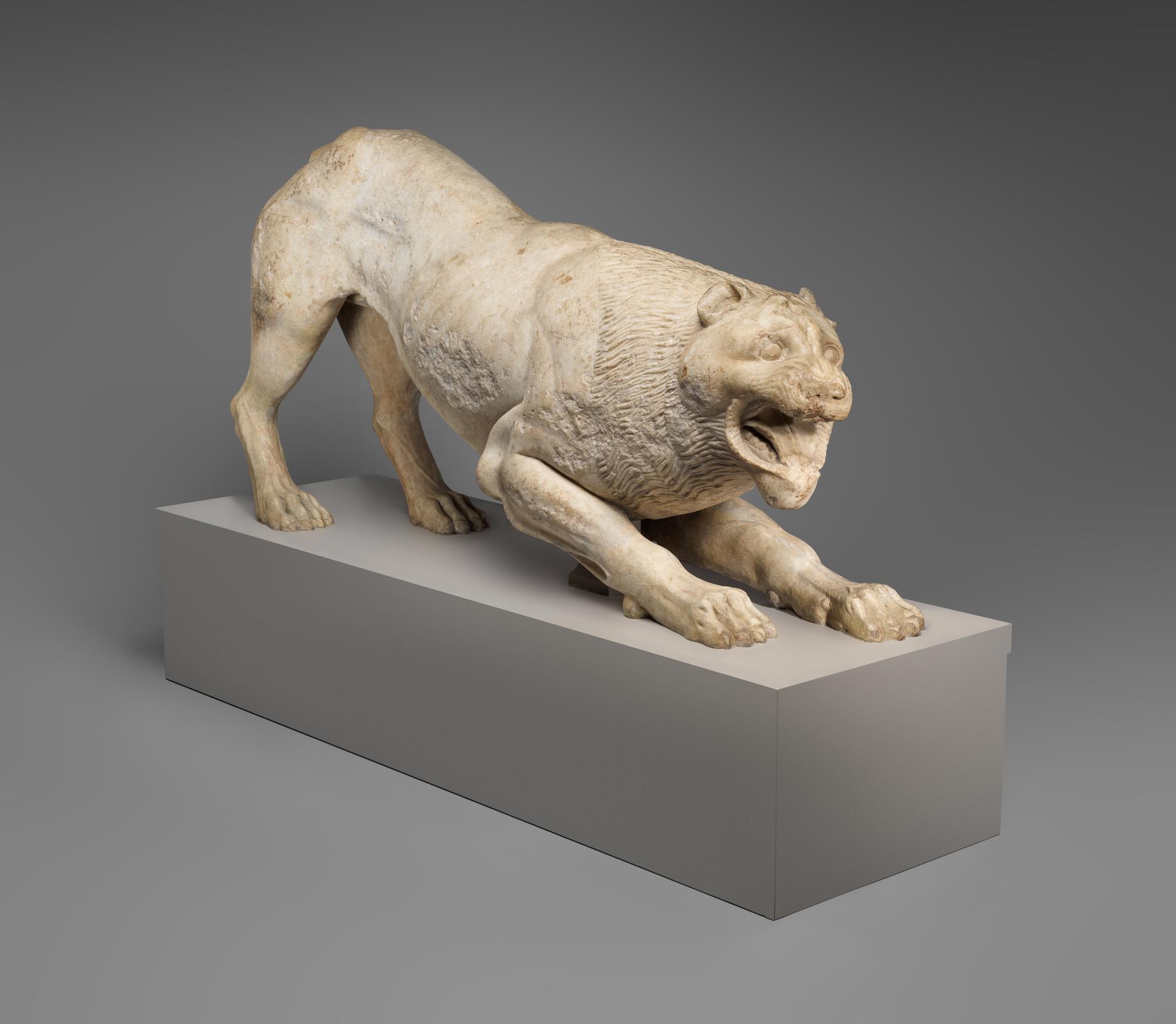
Marble statue of a lion
Ancient Greek (Unknown), -390
The Metropolitan Museum of Art, New York
S
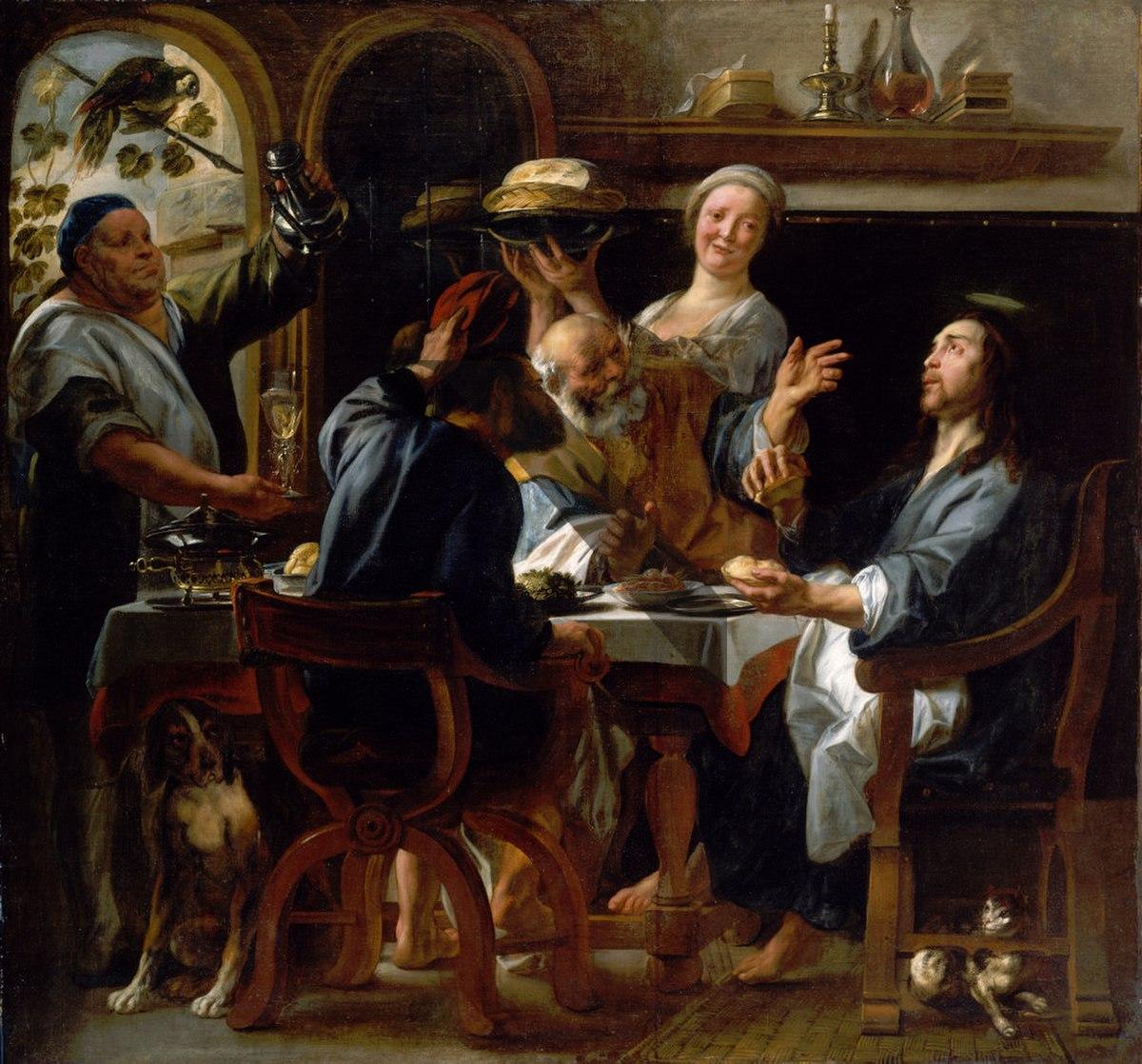
Supper at Emmaus
Diego Velázquez
The Metropolitan Museum of Art, New York
Related Works
Works that share an artist, movement, museum, genre, palette or theme with Head of Christ.
- Same artist
- Same museum
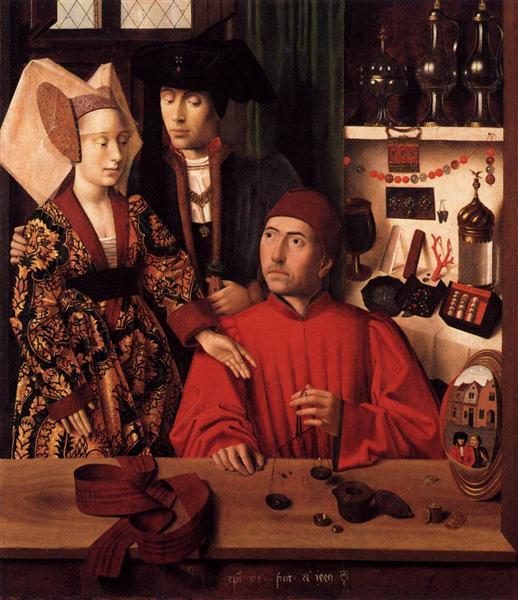
St. Eligius as a goldsmith showing a ring to the engaged couple
Petrus Christus
- Same artist
- Same genre
The Lamentation
Petrus Christus
- Same artist
- Same genre
Madonna and Child
Petrus Christus
- Same museum
- Same genre
Crucifixion and Last Judgement diptych
Jan van Eyck
- Same genre
Christ crowned with thorns
Hans Memling
- Same genre
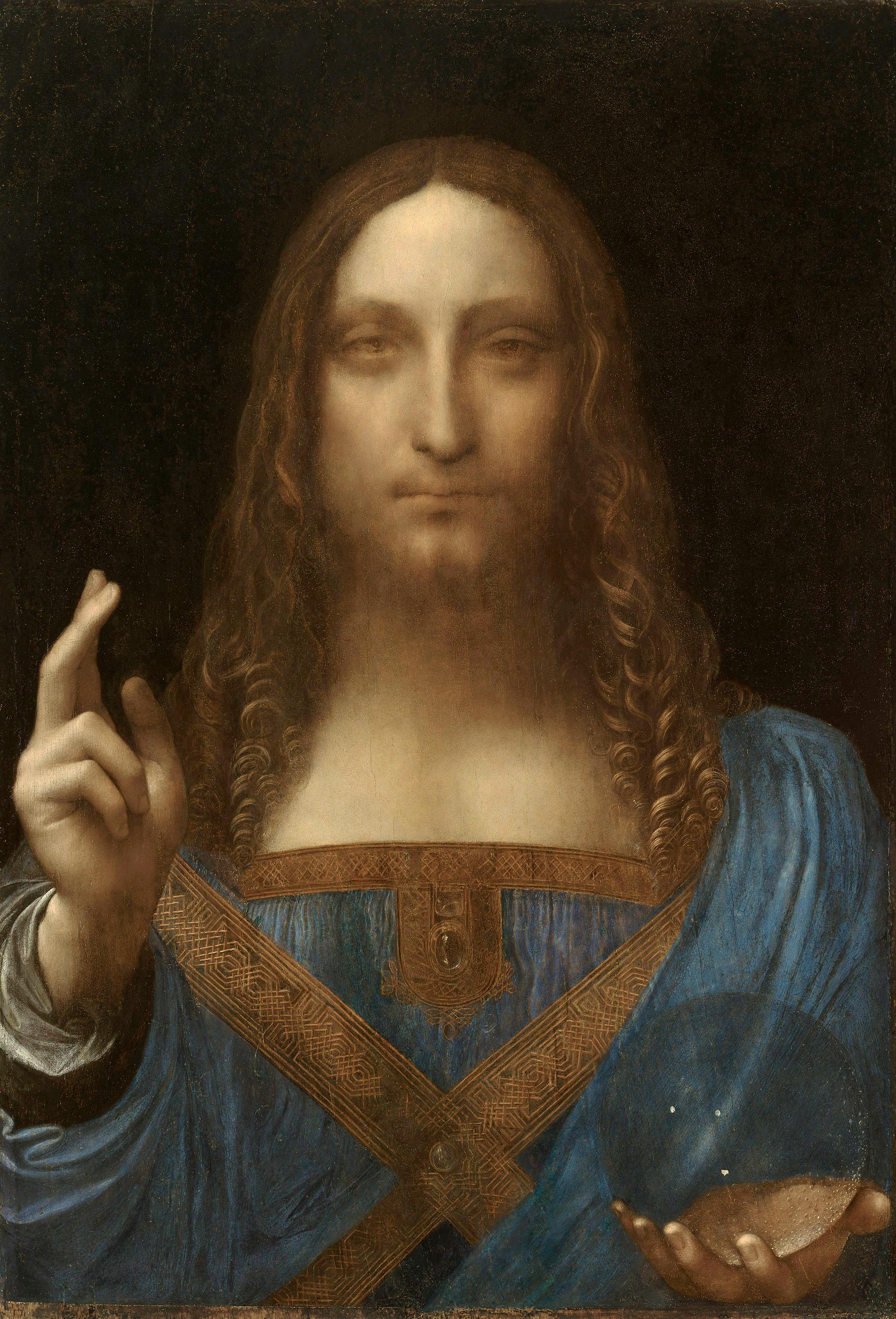
Salvator Mundi
Leonardo da Vinci, 1500
- Same genre
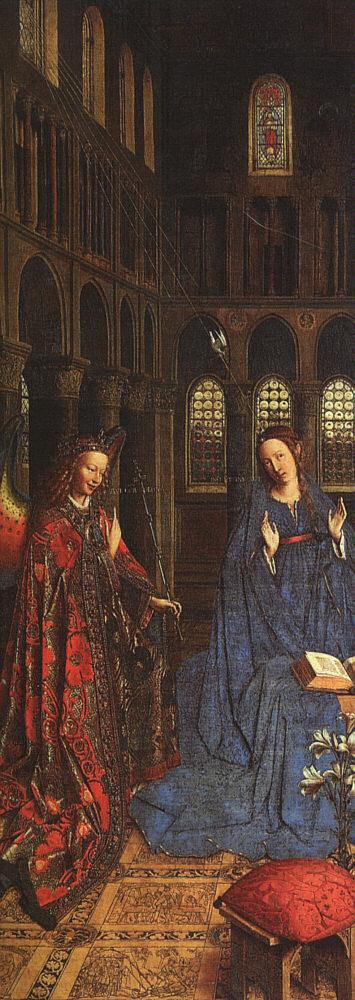
The Annunciation
Jan van Eyck, 1436
- Same genre
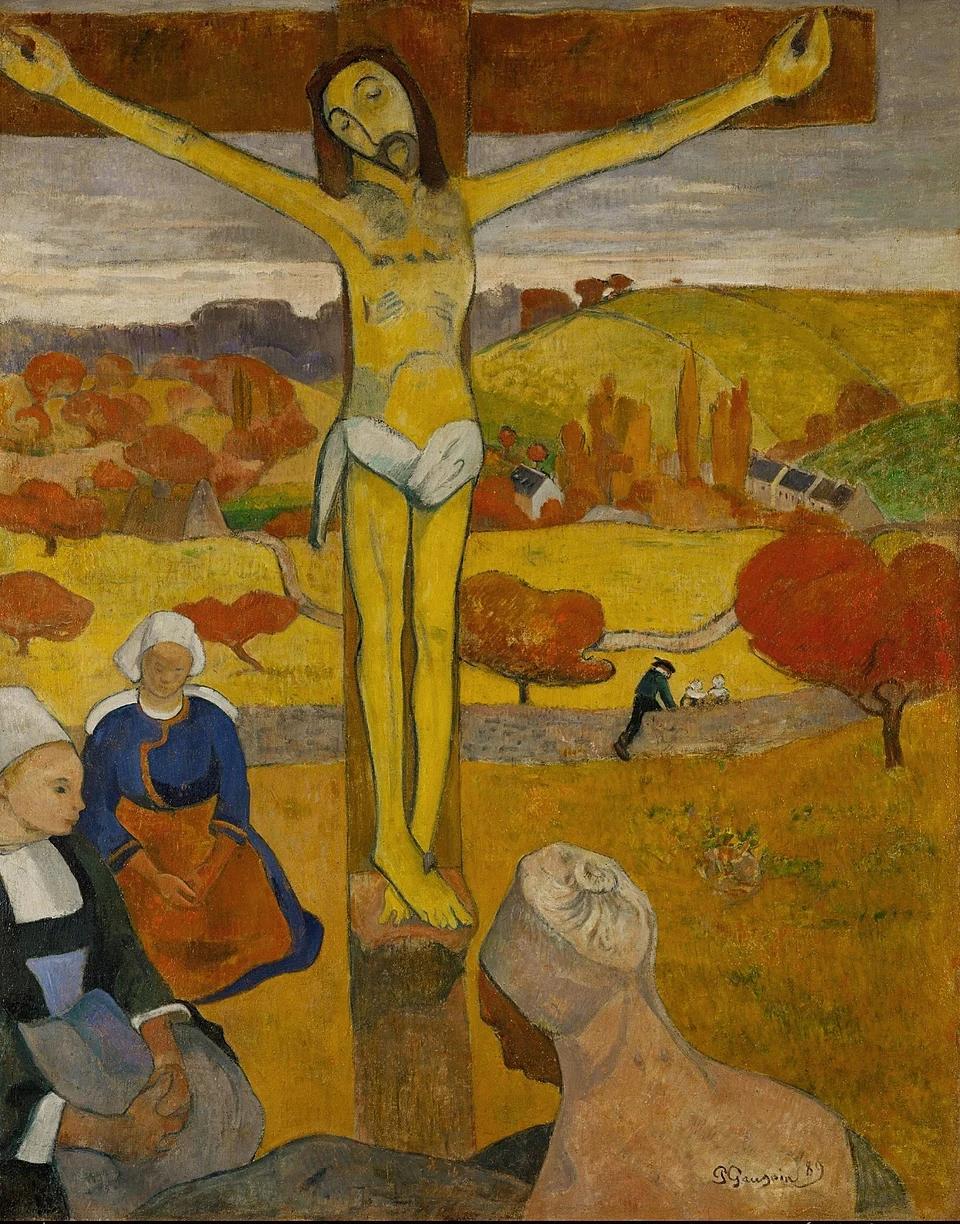
The Yellow Christ
Paul Gauguin, 1889
- Same genre
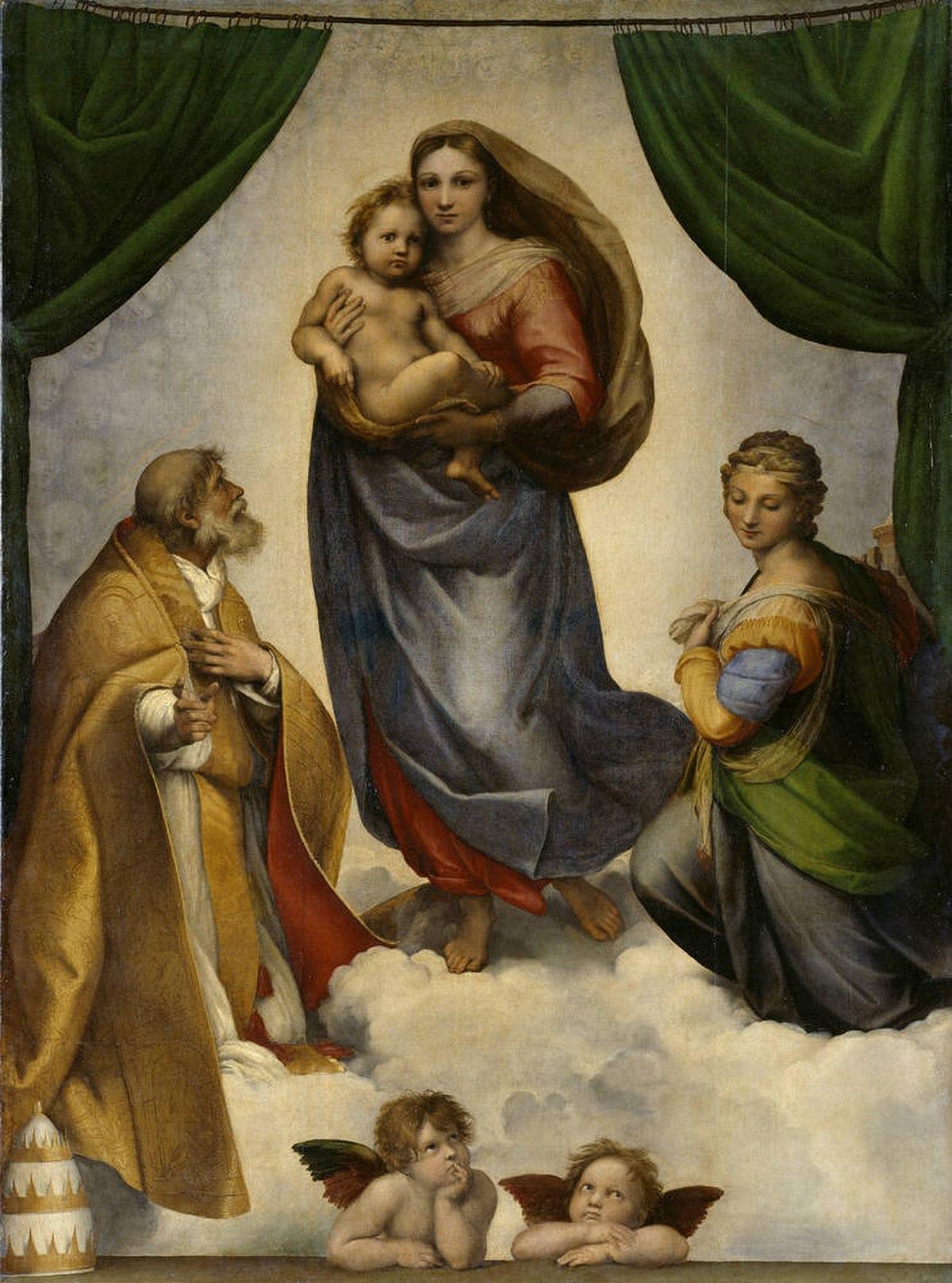
Sistine Madonna
Raphael, 1512
- Same genre
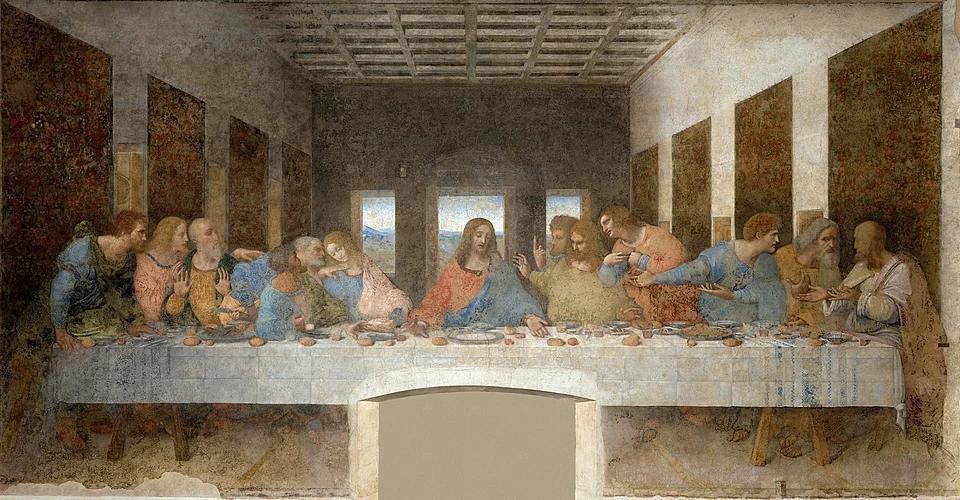
The Last Supper
Leonardo da Vinci, 1498
- Same genre
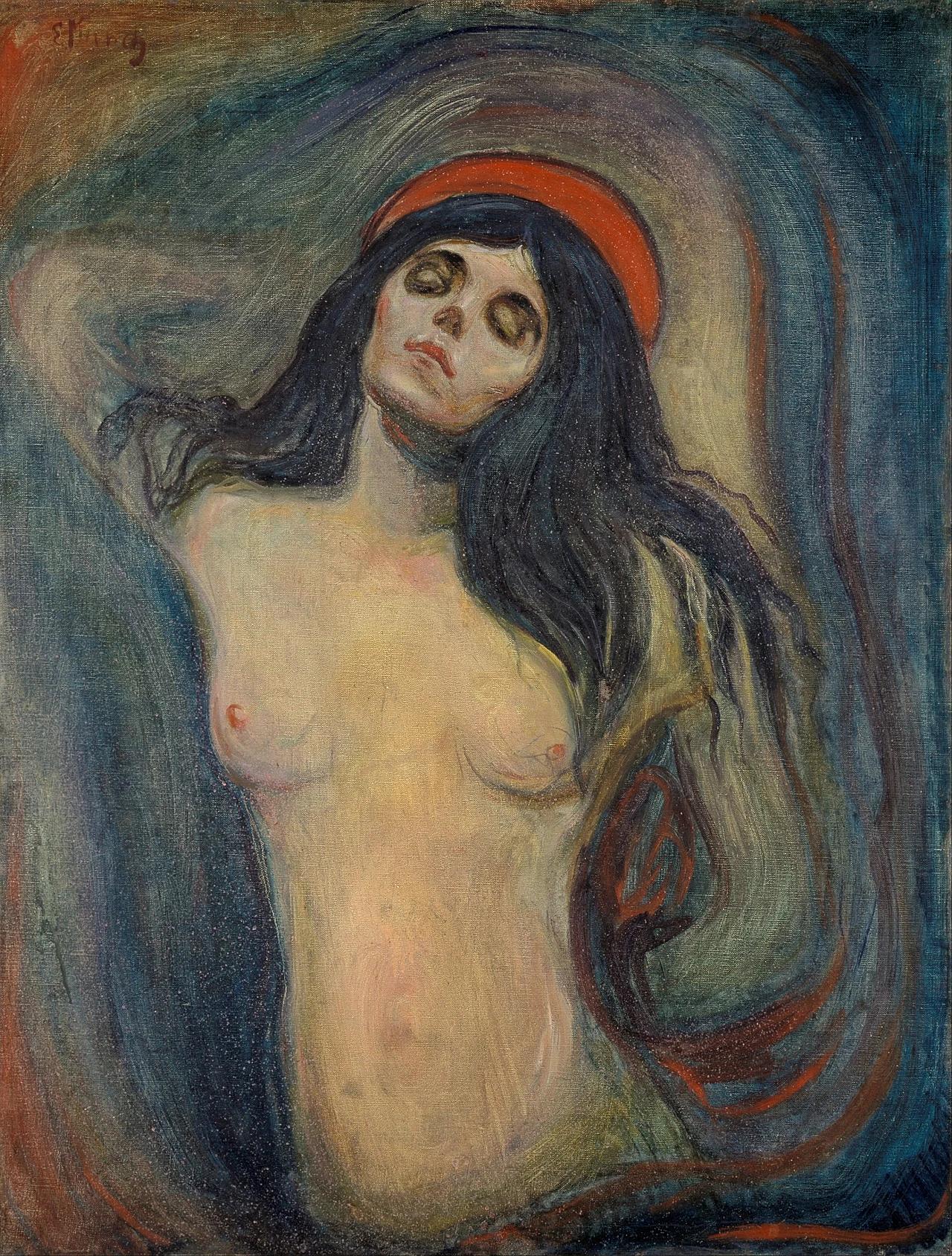
Madonna
Edvard Munch, 1894
- Same genre
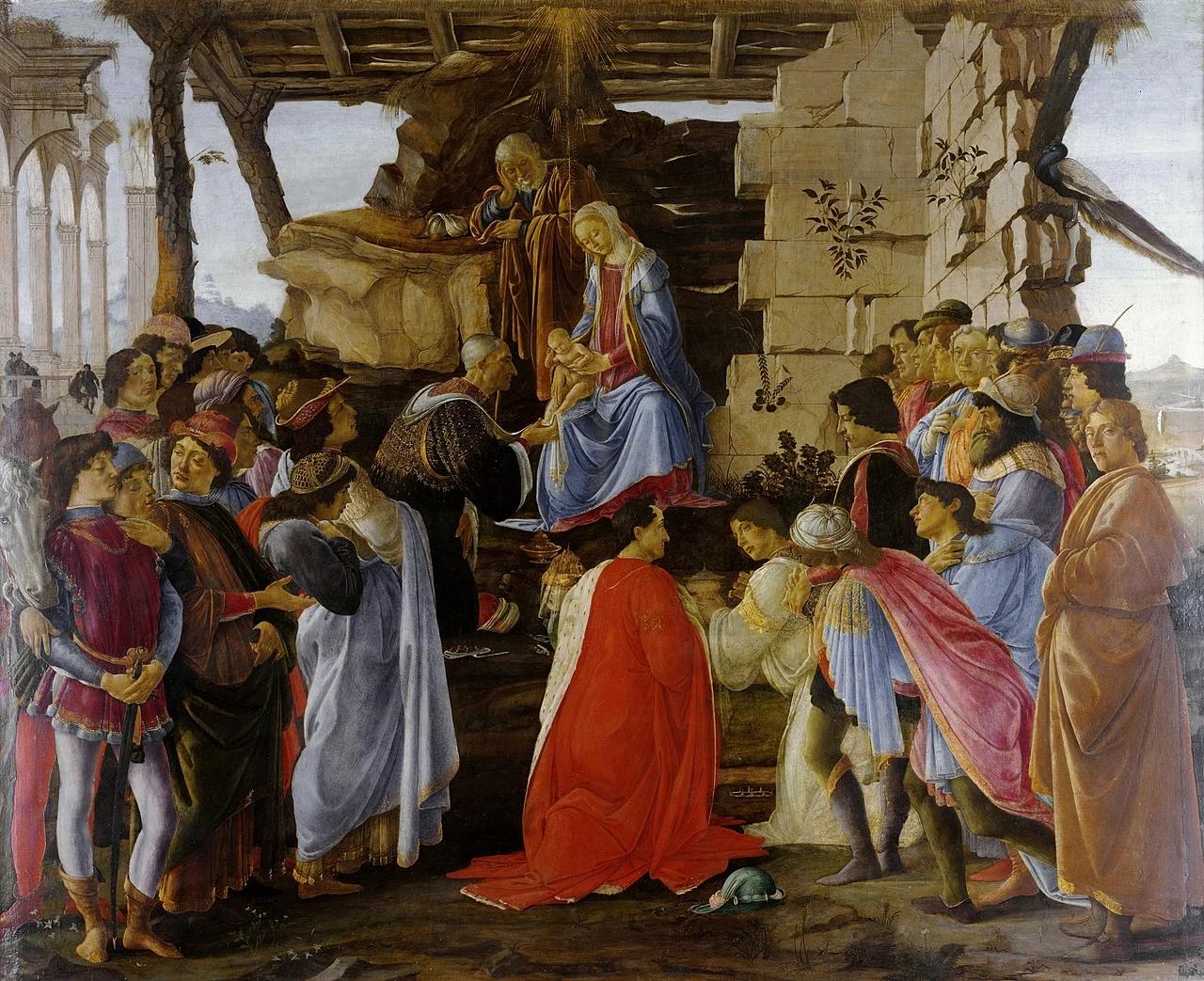
The Adoration of the Magi
Sandro Botticelli, 1476
About Head of Christ
Head of Christ is at the Metropolitan Museum of Art in New York. It came to the collection through the Lillian S. Timken bequest in 1959.
Ecce Homo ("Behold the Man") depicts Christ during his suffering, with crown of thorns and signs of the Passion. Petrus Christus merged this with the Holy Face tradition.
The painting measures just 14.9 x 10.8 cm (about 5.9 x 4.3 inches). This intimate scale suited its purpose as a private devotional image for personal contemplation and prayer.
Petrus Christus (active 1444, died 1475/76) was a Netherlandish painter from Bruges. He worked in the tradition of Jan van Eyck and created refined devotional images.
Own Art Like This
Luxury wall art with the same mood and energy. Gallery-quality canvas, no museum crowds.
Browse Collection