
Copyrighted - Henry Moore
Reclining Figure
by Henry Moore, 1951
Artwork Details
Details
- Year
- 1951
- Medium
- Bronze
- Size
- 105 cm × 227 cm (3.4 × 7.4 ft)
Cite or Embed This Work
APA · MLA · Chicago1-click academic citation and embeddable “On View” museum badge for articles, syllabi, and research.
Henry Moore created numerous Reclining Figure sculptures throughout his career, developing the theme from the 1920s until his death. This bronze version from 1951 shows his mature style: an abstracted human form with hollowed spaces that let light and landscape pass through the figure.
Moore drew inspiration from pre-Columbian Mexican sculpture, particularly the Chac Mool reclining figures. He transformed this ancient form into something distinctly modern, using holes and organic shapes to connect the figure with its environment. The reclining woman became his signature subject, representing both landscape and human presence.
Various versions of Reclining Figure exist in museums and public spaces worldwide. The Tate collection holds several important examples. Moore believed sculpture should be displayed outdoors, where changing light and weather would become part of the viewing experience.
More by Henry Moore
View all →
Also at Tate Britain
View all →
Related Works
Works that share an artist, movement, museum, genre, palette or theme with Reclining Figure.
- Same museum
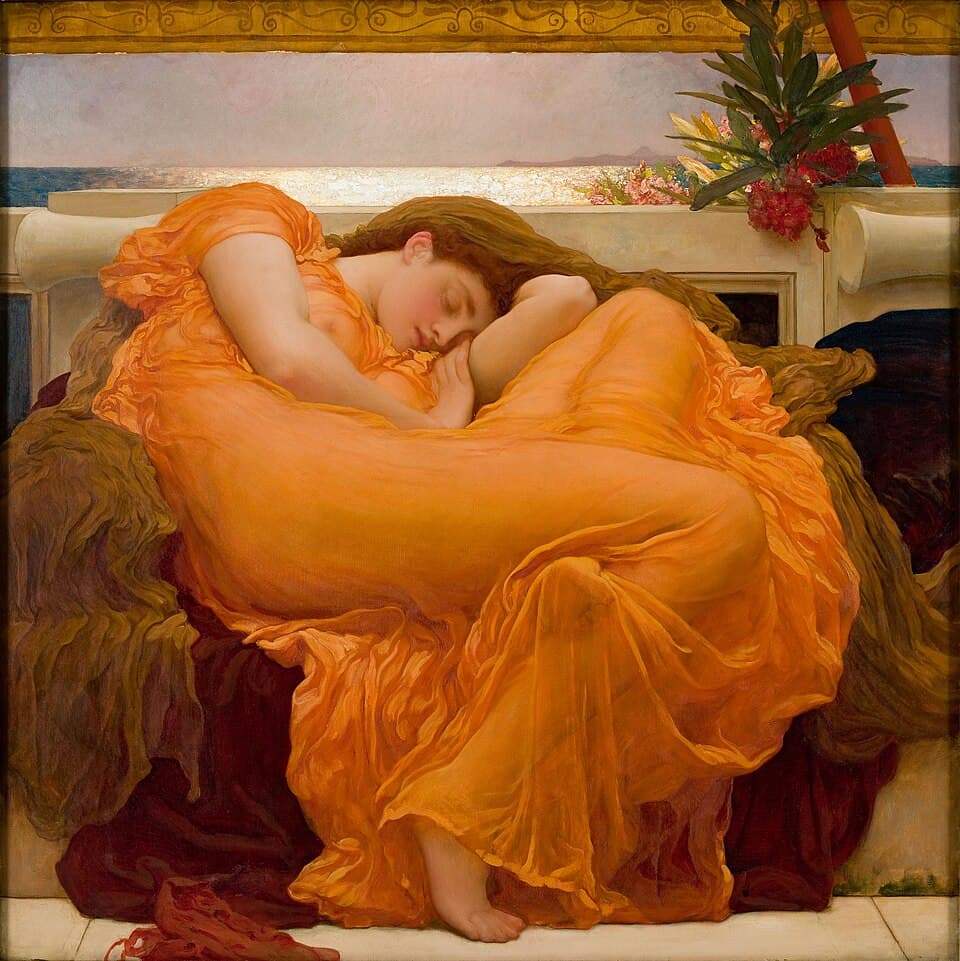
Flaming June
Frederic Leighton, 1895
- Same museum
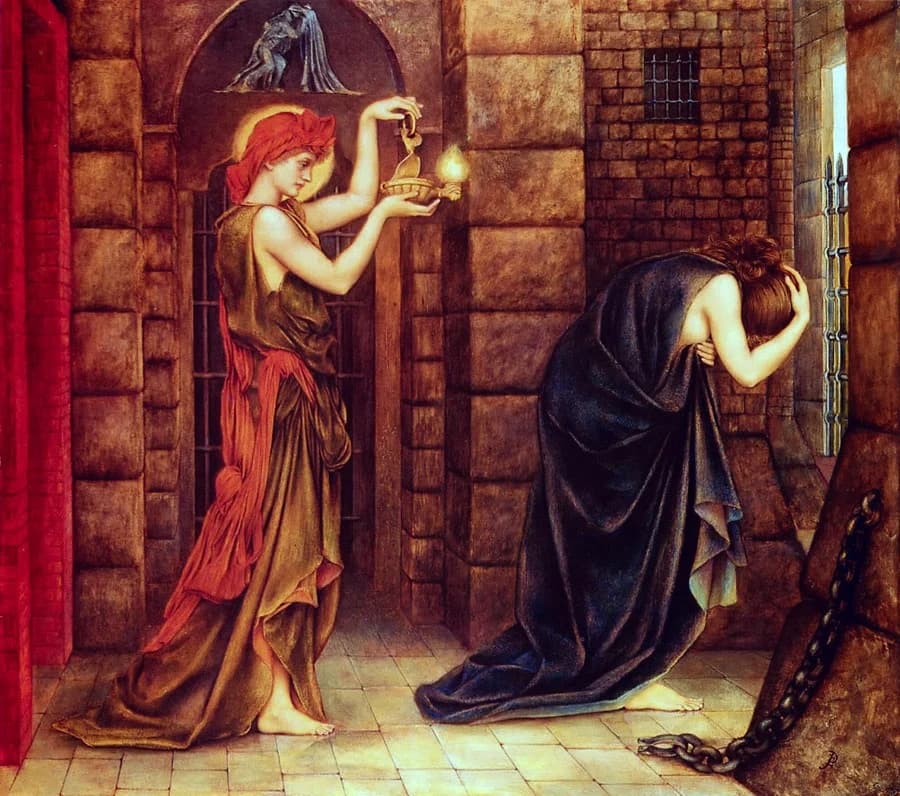
Hope
George Frederick Watts, 1886

- Same museum
The Lady of Shalott
John William Waterhouse, 1888
- Same museum
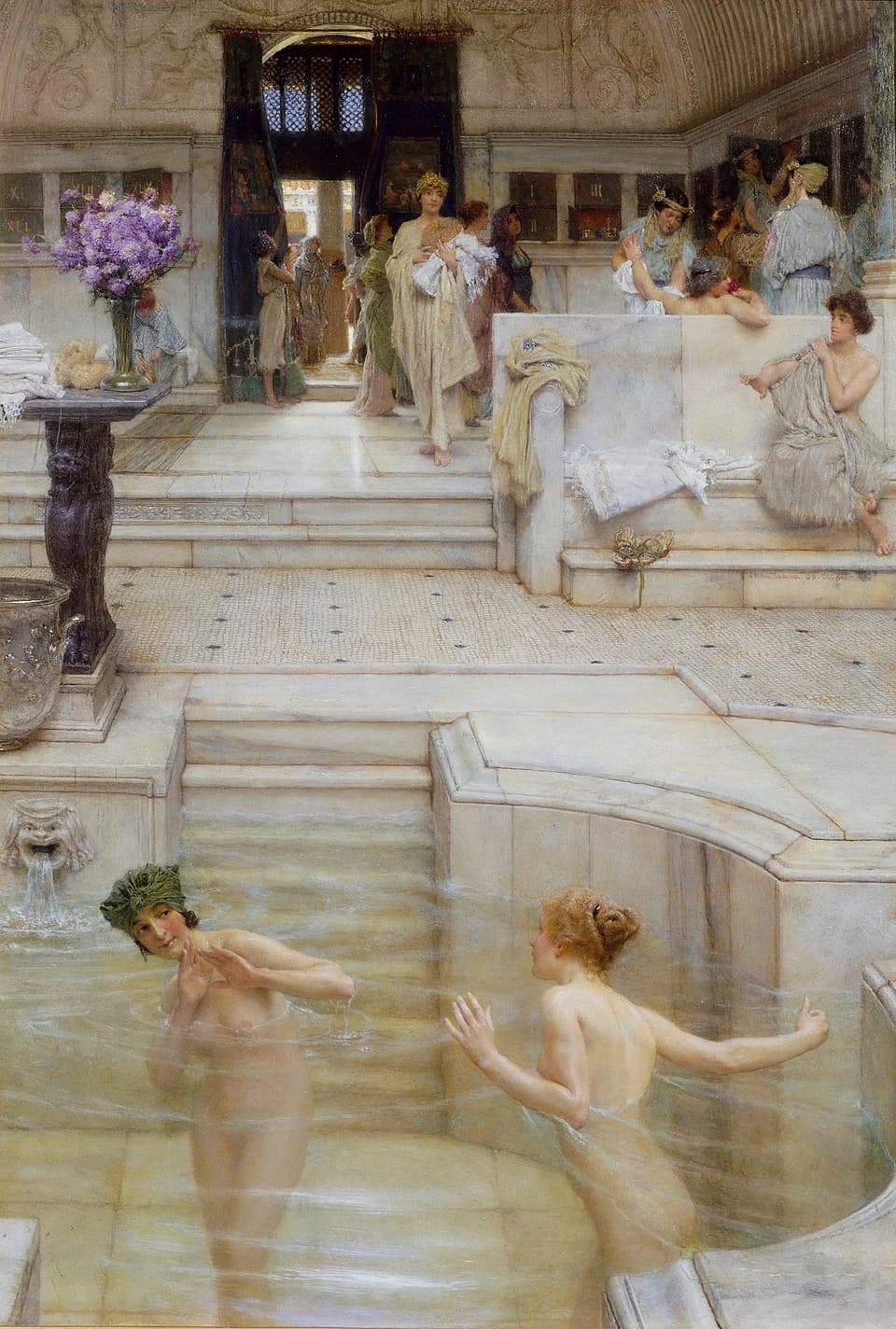
A Favorite Custom
Lawrence Alma-Tadema, 1909
- Same museum
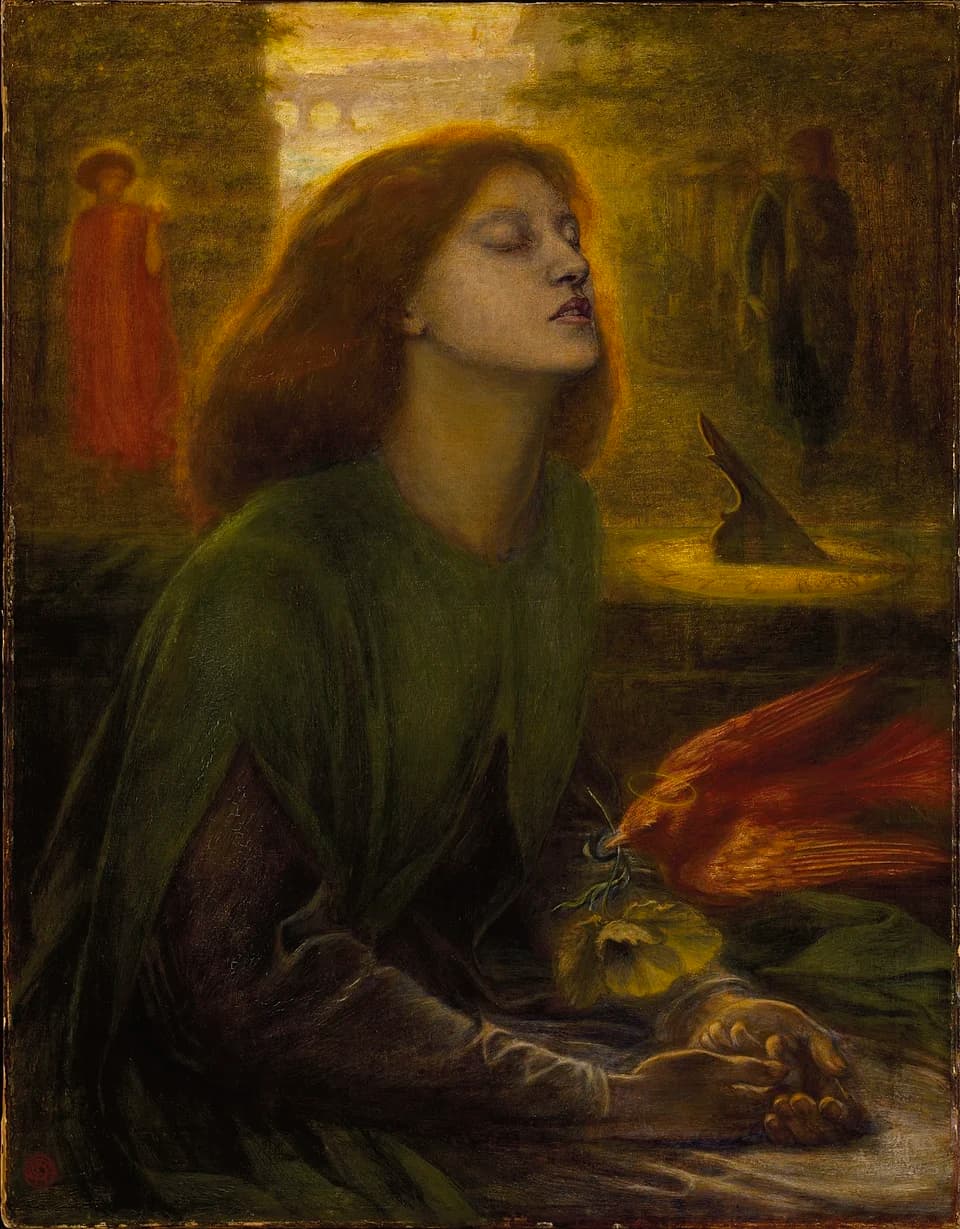
Beata Beatrix
Dante Gabriel Rossetti, 1870
- Same museum
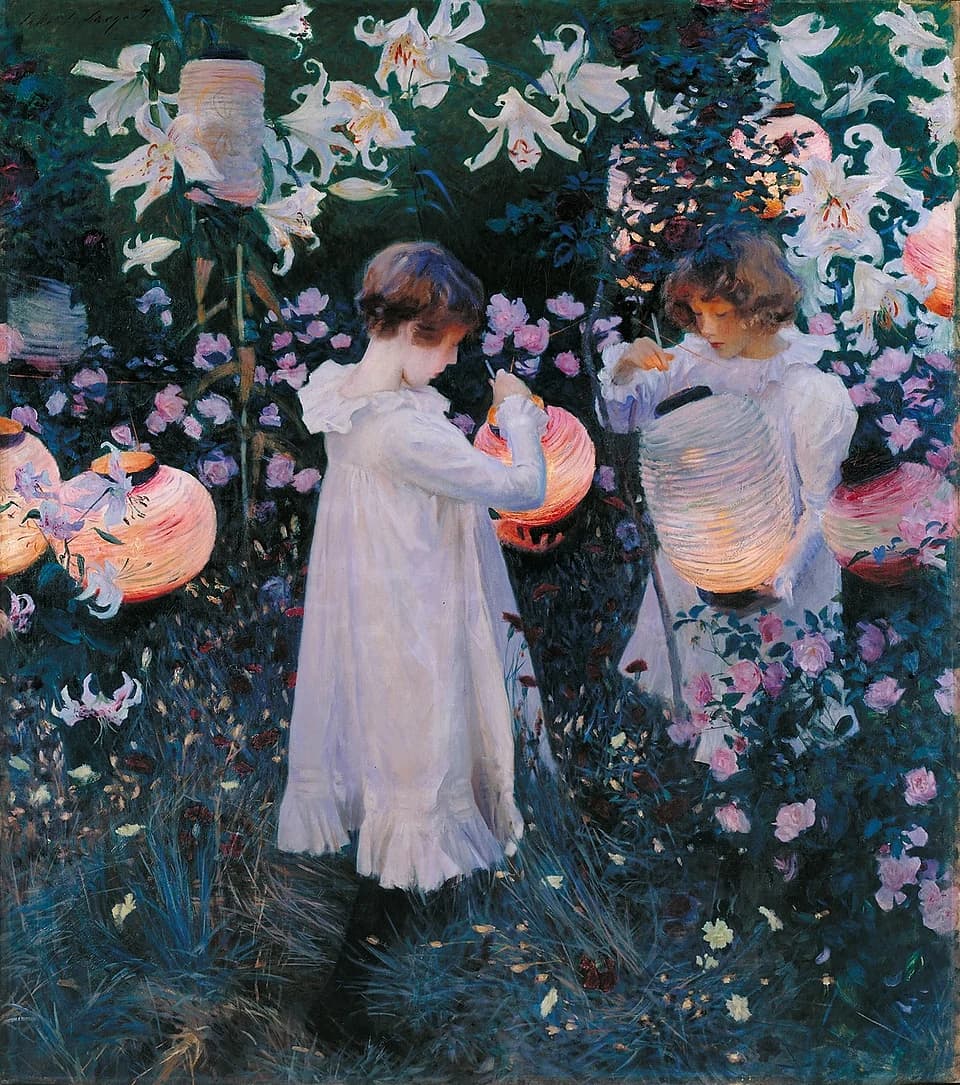
Carnation, Lily, Lily, Rose
John Singer Sargent, 1886
- Same museum
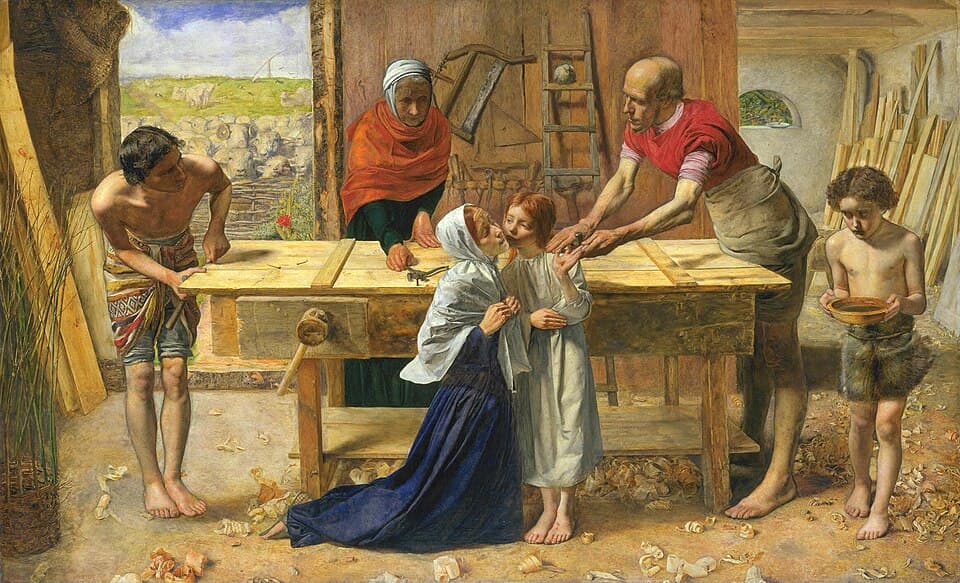
Christ in the House of His Parents
John Everett Millais, 1850
- Same museum
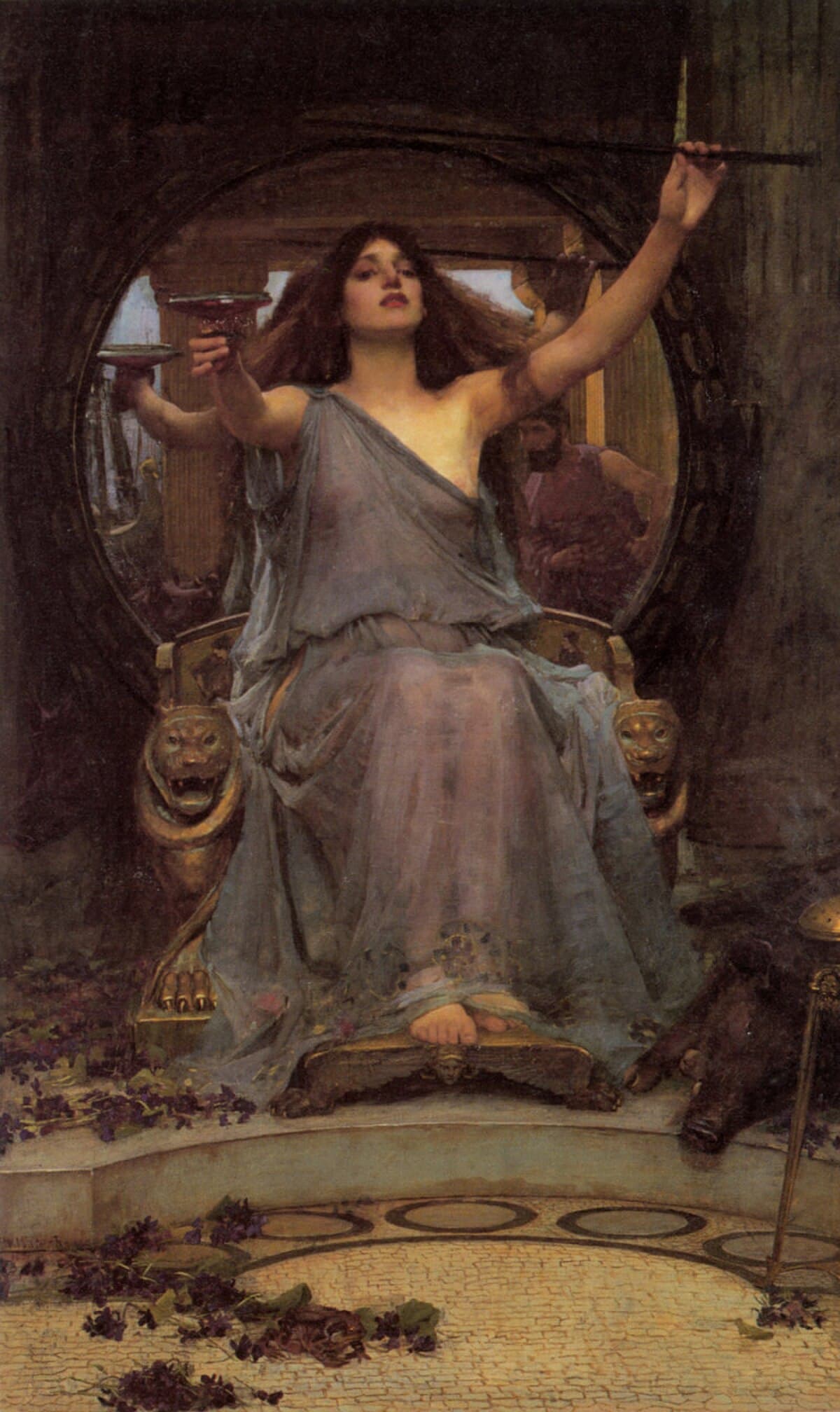
Circe Offering the Cup to Ulysses
John William Waterhouse, 1891
- Same museum
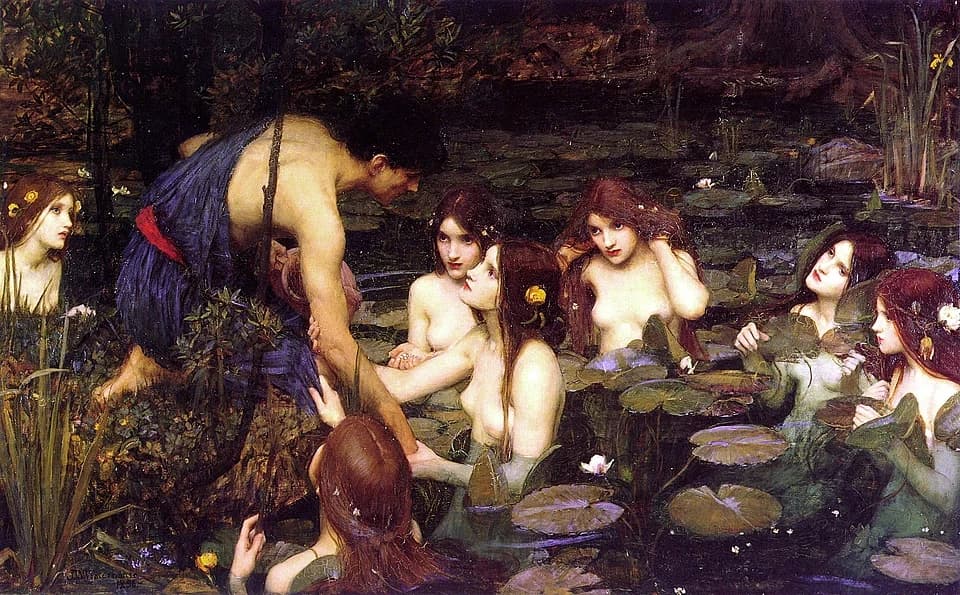
Hylas and the Nymphs
John William Waterhouse, 1896

- Same museum
Ophelia
John Everett Millais, 1852
- Same museum
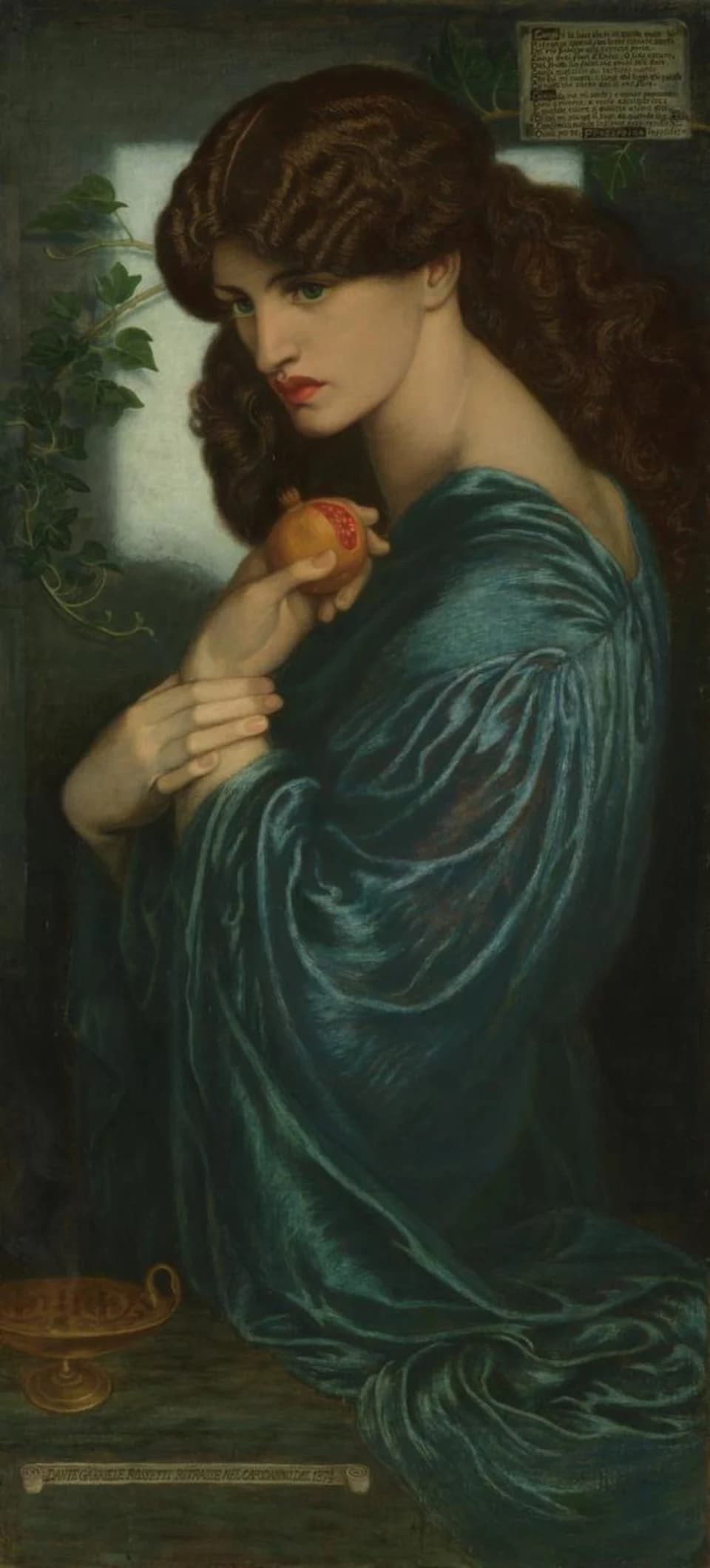
Proserpine
Dante Gabriel Rossetti, 1874
- Same museum
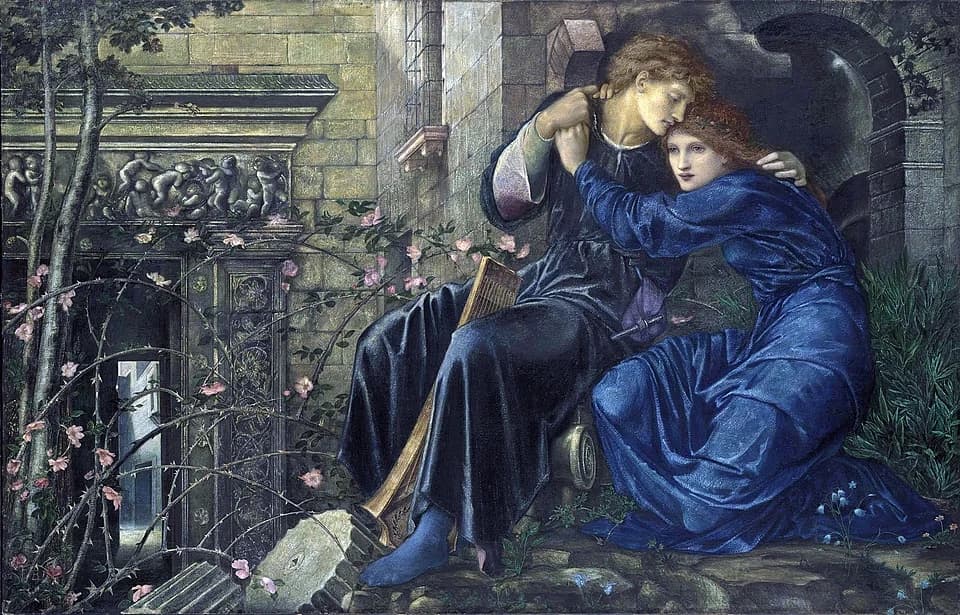
The Golden Stairs
Edward Burne-Jones, 1880
About Reclining Figure
Multiple versions exist in museums and outdoor locations worldwide. The Tate in London holds several. Others are at the Hirshhorn Museum in Washington, the Art Gallery of Ontario, and various outdoor sculpture parks.
Moore considered the reclining female form his primary subject for over 50 years. He explored it in hundreds of variations, from naturalistic to highly abstract, in materials ranging from stone to bronze.
Moore pioneered the use of pierced forms in sculpture, allowing space to become part of the work. He wanted viewers to see through and around the figure, connecting it with the landscape behind. The holes also create dramatic shadows.
Moore was influenced by pre-Columbian Chac Mool sculptures from Mexico, which showed reclining figures with raised heads. He transformed this ancient form using modernist abstraction and his distinctive hollowed shapes.
Own Art Like This
Luxury wall art with the same mood and energy. Gallery-quality canvas, no museum crowds.
Browse Collection