Rosetta Stone
by Ancient Egyptian (Unknown), -196
Artwork Details
Details
- Year
- -196
- Medium
- Granodiorite
- Size
- 114 cm × 72 cm × 28 cm
Cite or Embed This Work
APA · MLA · Chicago1-click academic citation and embeddable “On View” museum badge for articles, syllabi, and research.
Ancient Egyptian The Rosetta Stone decoded the mystery of Egyptian hieroglyphics. This granodiorite slab, inscribed in 196 BCE, carries the same decree in three scripts: hieroglyphic, demotic, and ancient Greek. French soldiers discovered it in 1799 near the town of Rashid (Rosetta) while building fortifications. When Napoleon's forces surrendered Egypt, the stone passed to Britain.
Scholars Jean-François Champollion and Thomas Young raced to crack the code. Champollion succeeded in 1822, using the Greek text to decipher the hieroglyphics. His breakthrough opened ancient Egypt to the modern world. The decree itself is mundane. It records tax exemptions for priests under Ptolemy V. But the stone's role in decipherment makes it priceless. It's been at the British Museum since 1802 and remains the most visited object in the collection.
More by Ancient Egyptian (Unknown)
View all →Sculpture
A

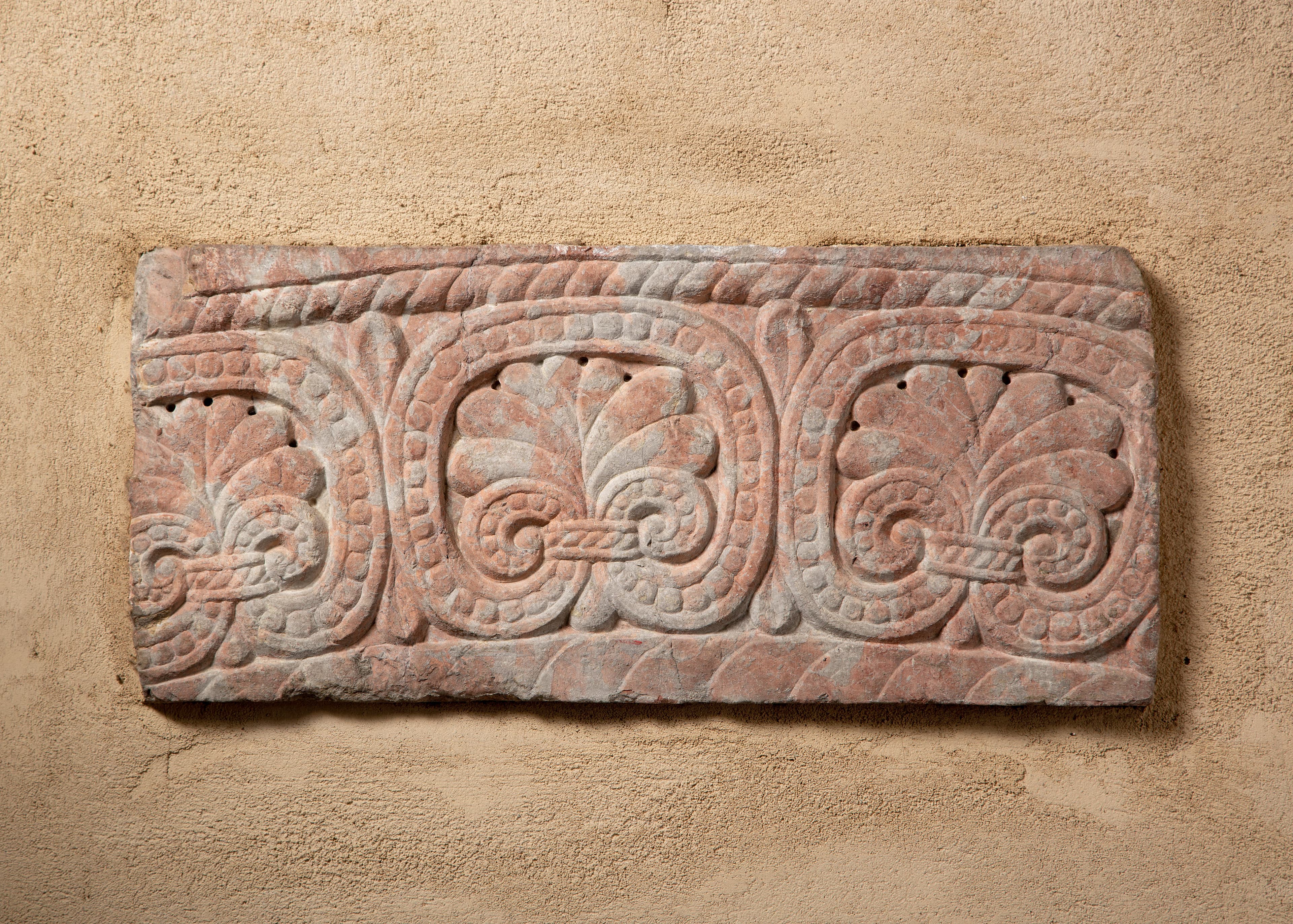
Architectural Fragment with Relief Carving
Ancient Egyptian (Unknown), 401
Art Institute of Chicago, Chicago
Sculpture
S
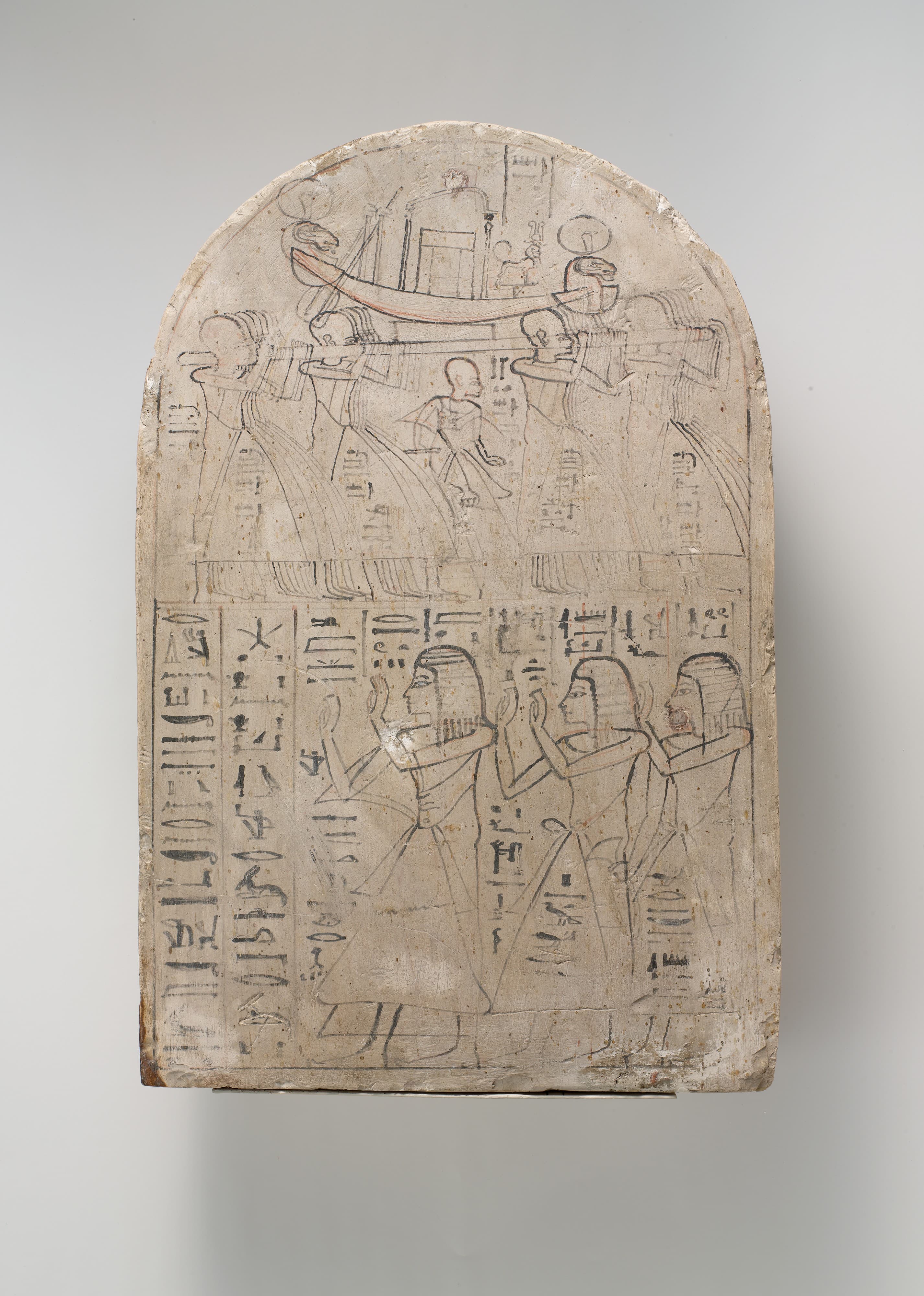
Stela of the royal scribe Amunnakht praising the divine barque of Amun-Re, Lord of the Thrones of the Two Lands
Ancient Egyptian (Unknown), -1070
The Metropolitan Museum of Art, New York