
Jean-Baptiste Carpeaux, CC0 1.0, via Wikimedia Commons.
Ugolino and His Sons
by Jean-Baptiste Carpeaux, 1865
Artwork Details
Details
- Year
- 1865
- Medium
- Saint-Béat marble
- Size
- Overall (confirmed): 77 3/4 × 59 × 43 1/2 in., 4955 lb. (197.5 × 149.9 × 110.5 cm, 2247.6 kg); Pedestal (wt. confirmed): 3759 lb. (1705.1 kg)
Cite or Embed This Work
APA · MLA · Chicago1-click academic citation and embeddable “On View” museum badge for articles, syllabi, and research.
Jean-Baptiste Carpeaux carved this marble group between 1865 and 1867. It depicts a scene from Canto XXXIII of Dante's Inferno: Count Ugolino della Gherardesca, a 13th-century Pisan nobleman, imprisoned with his sons and grandsons in a tower and left to starve. Carpeaux captures the moment Ugolino contemplates cannibalism.
The composition draws directly from Michelangelo's figures in the Last Judgment and from the ancient Laocoön group in the Vatican. Carpeaux won the Prix de Rome in 1854 and began the Ugolino subject while studying at the French Academy in Rome. This marble version was carved for the owner of the Saint-Béat quarry, specifically for display at the 1867 International Exposition in Paris.
The total weight exceeds 4,955 pounds. It's one of the largest single sculptures at the Metropolitan Museum of Art, where it dominates the European Sculpture Court.
More by Jean-Baptiste Carpeaux
View all →Sculpture
A

Allegory of Science
Jean-Baptiste Carpeaux, 1865
Art Institute of Chicago, Chicago
Sculpture
W
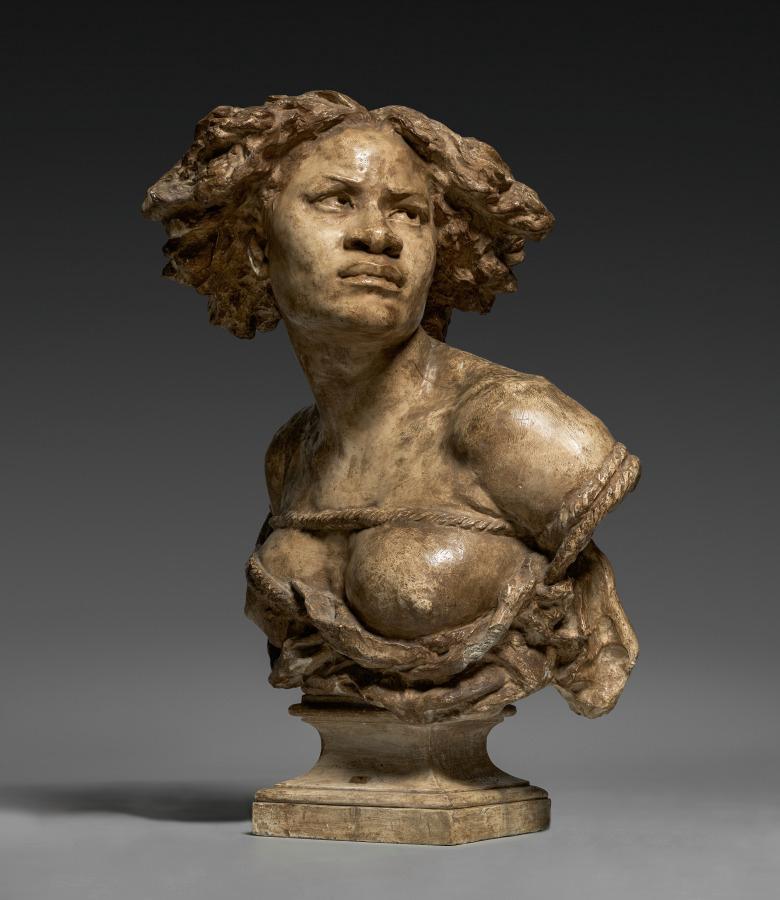
Why Born Enslaved!
Jean-Baptiste Carpeaux, 1867
Cleveland Museum of Art, Cleveland
Sculpture
N
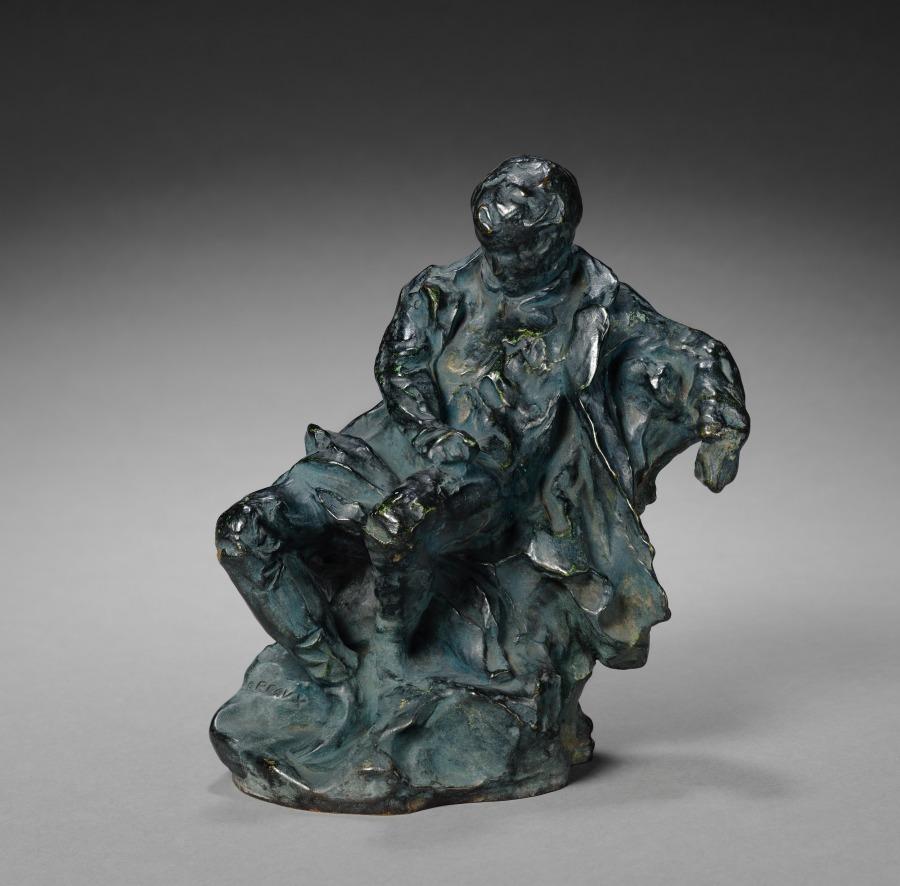
Napoleon on St. Helena
Jean-Baptiste Carpeaux, 1855
Cleveland Museum of Art, Cleveland
Sculpture
B
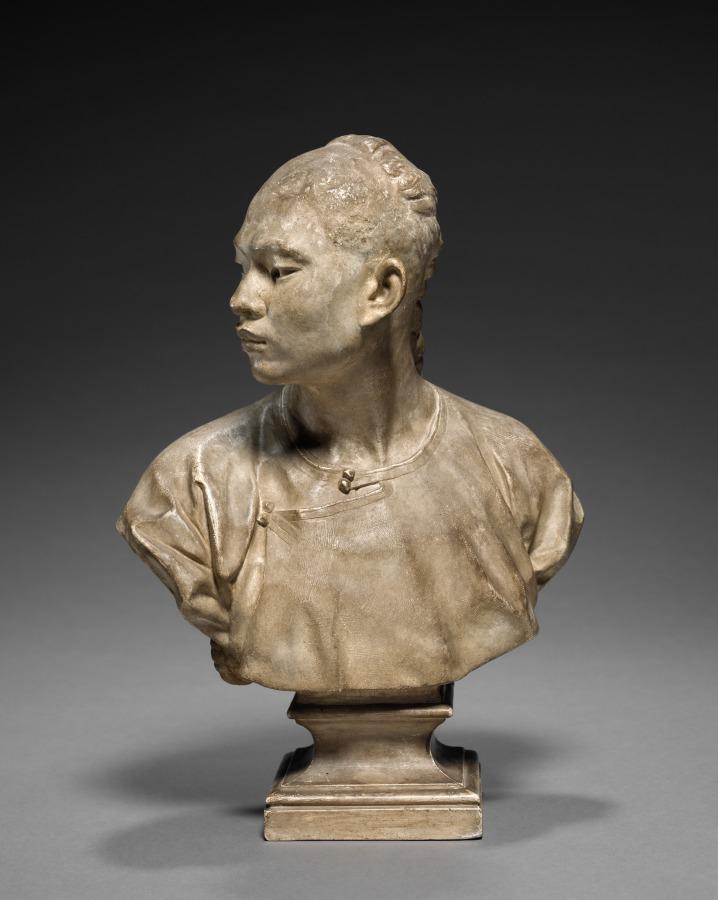
Bust of a Chinese
Jean-Baptiste Carpeaux, 1867
Cleveland Museum of Art, Cleveland
Also at The Metropolitan Museum of Art
View all →Sculpture
R

Rolltop desk
David Roentgen, 1776
The Metropolitan Museum of Art, New York
Sculpture
L
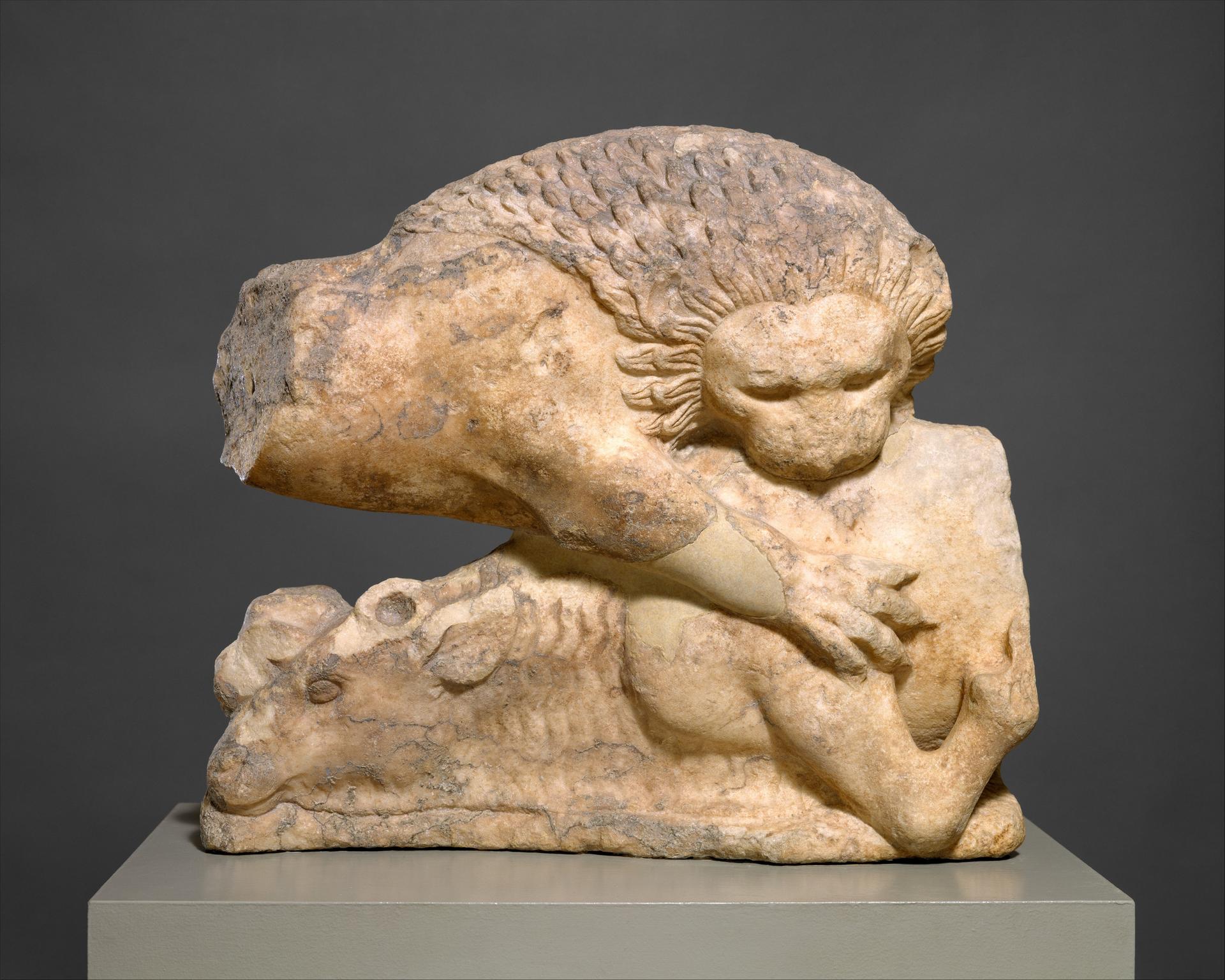
Lion felling a bull, from a marble pediment
Ancient Greek (Unknown), -500
The Metropolitan Museum of Art, New York
Sculpture
M
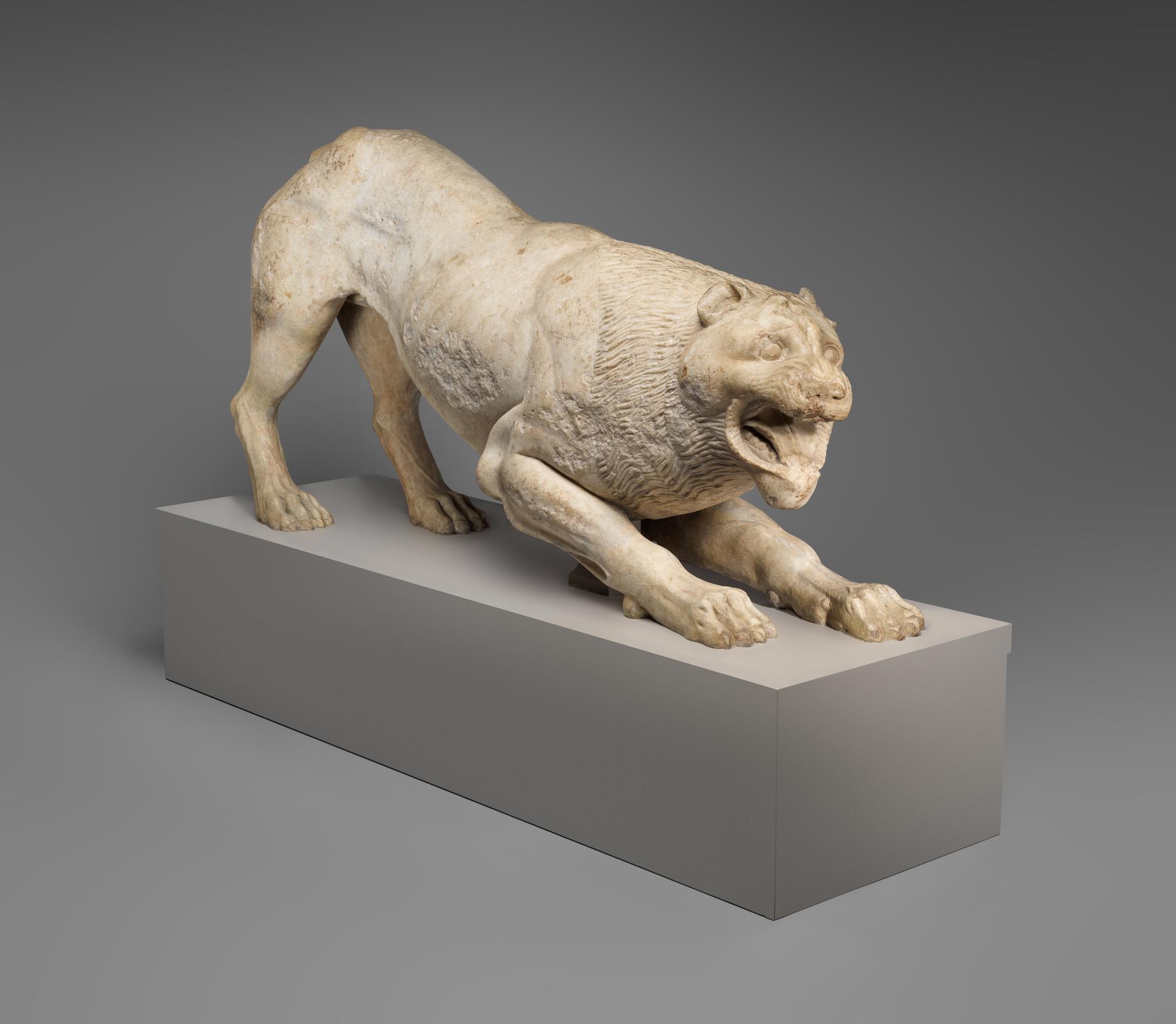
Marble statue of a lion
Ancient Greek (Unknown), -390
The Metropolitan Museum of Art, New York
S
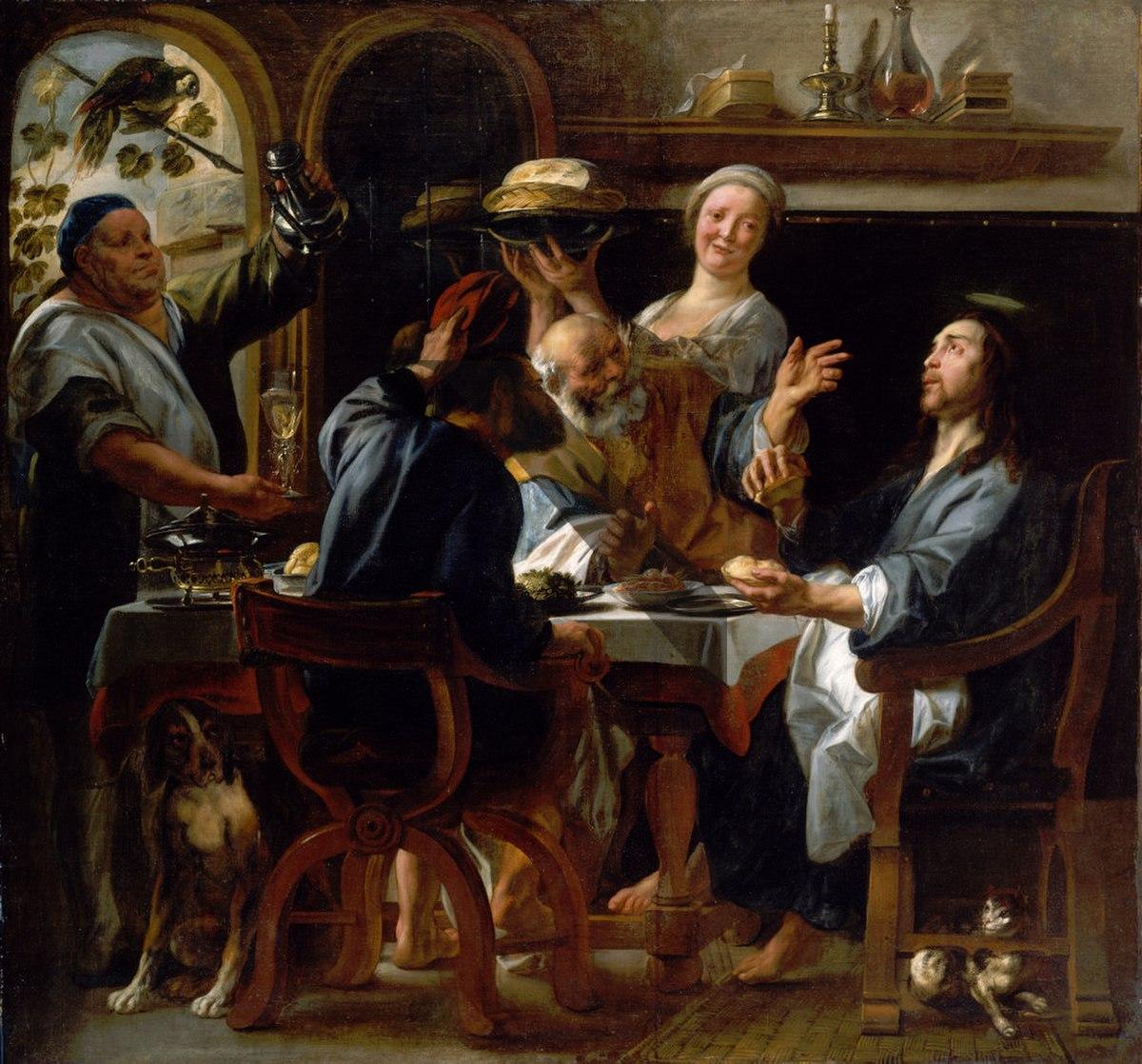
Supper at Emmaus
Diego Velázquez
The Metropolitan Museum of Art, New York
Related Works
Works that share an artist, movement, museum, genre, palette or theme with Ugolino and His Sons.

- Same artist
- Similar themes
Ugolino and his Children
Jean-Baptiste Carpeaux, 1863

- Same artist
France Lighting the World
Jean-Baptiste Carpeaux, 1865

- Same artist
Allegory of Agriculture
Jean-Baptiste Carpeaux, 1865

- Same museum
La Crainte des Traits de l'Amour
Jean-Louis Lemoyne, 1739
- Same museum
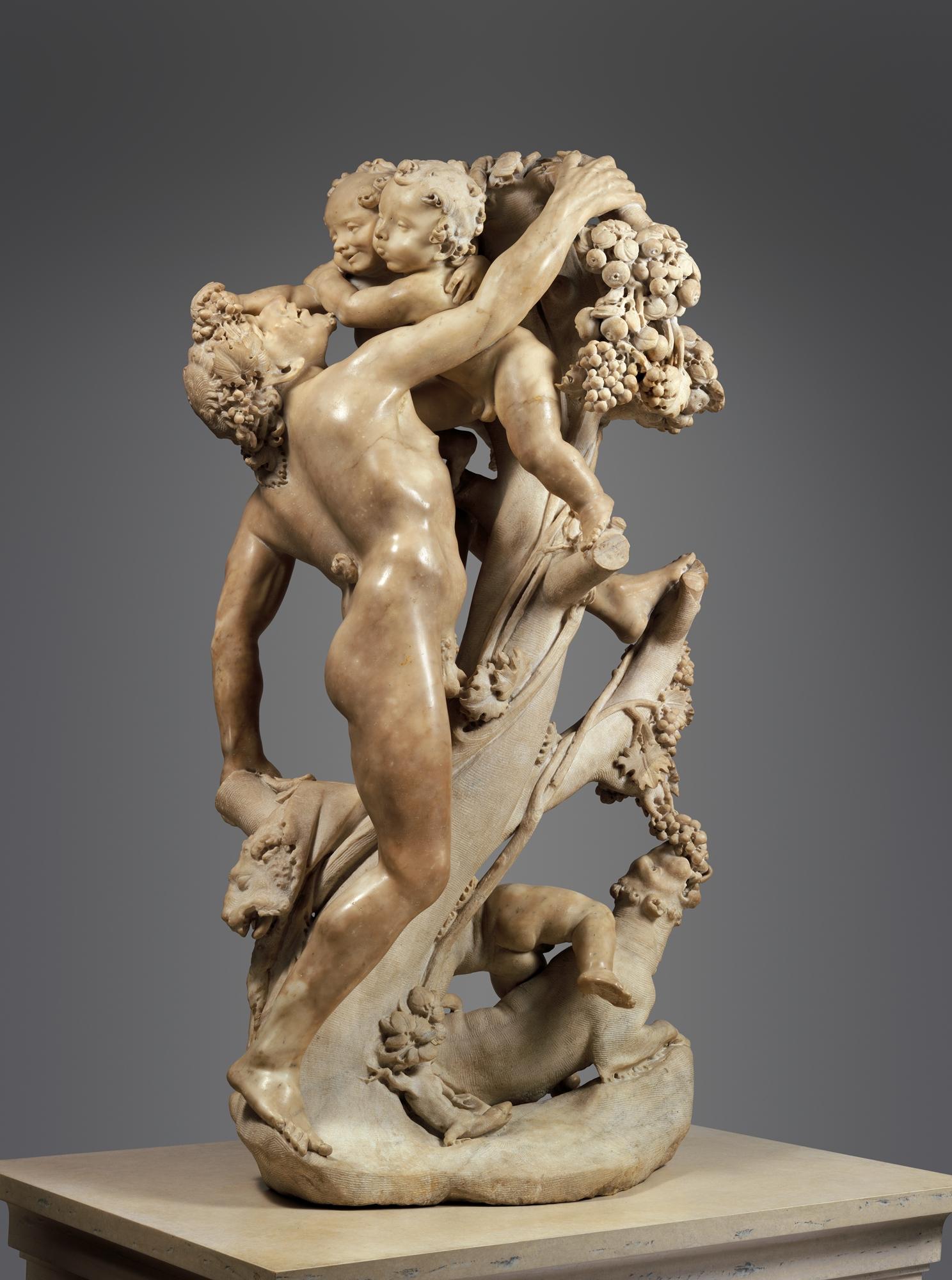
Bacchanal: A Faun Teased by Children
Gian Lorenzo Bernini, 1616

- Same museum
Marsyas
Balthasar Permoser, 1680

- Same museum
Bridge over a Pond of Water Lilies
Claude Monet, 1899
- Same museum
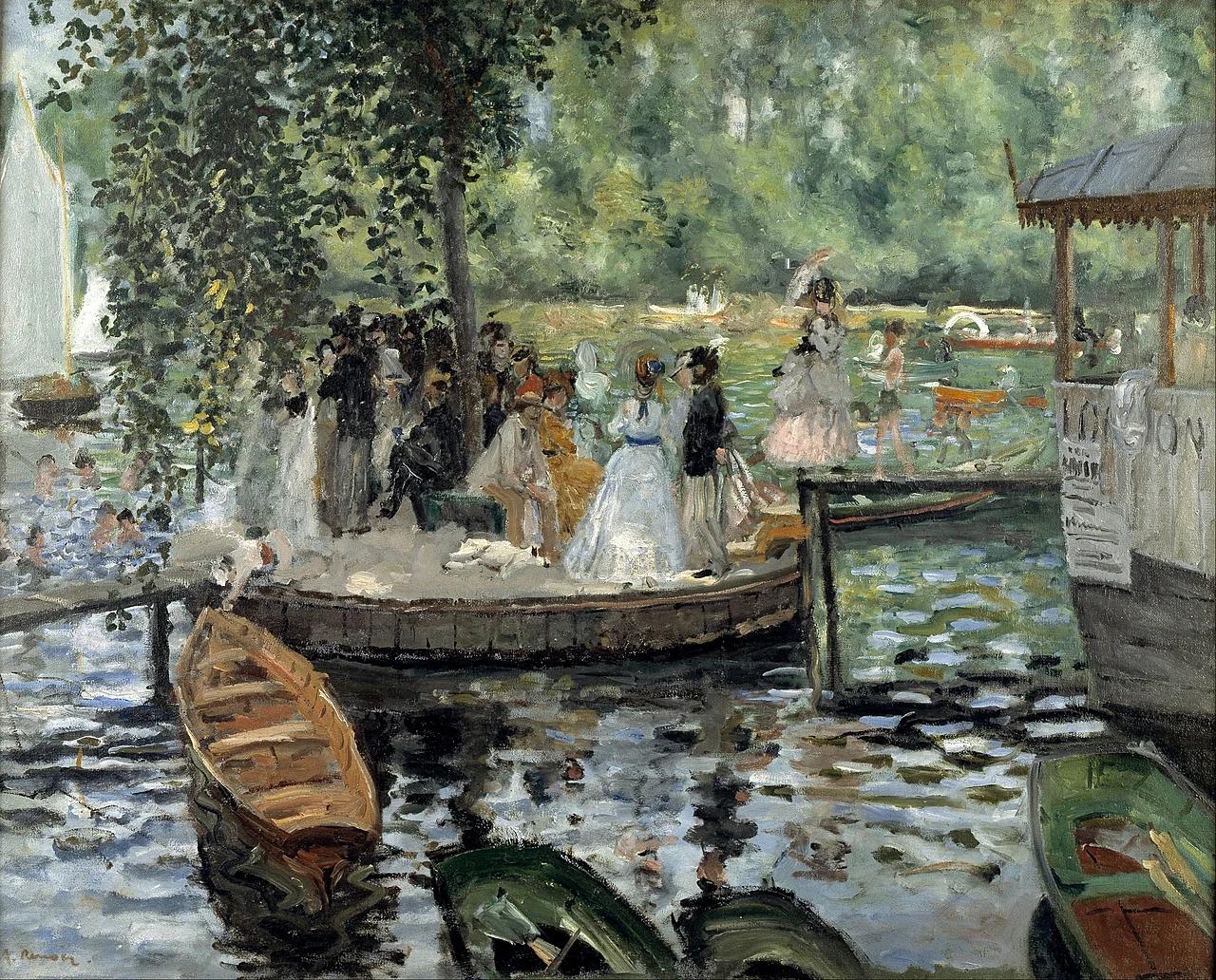
La Grenouillère
Claude Monet, 1869
- Same museum
Portrait of Adele Bloch-Bauer I
Gustav Klimt, 1907
- Same museum
Still Life with Apples
Paul Cézanne, 1898
- Same museum
Mont Sainte-Victoire
Paul Cézanne, 1904
- Same museum
Portrait of a Young Man
Bronzino (Agnolo di Cosimo di Mariano), 1530
About Ugolino and His Sons
It's in the European Sculpture Court at the Metropolitan Museum of Art in New York. The marble group weighs nearly 5,000 pounds and is one of the largest sculptures in the Met's collection.
A scene from Dante's Inferno (Canto XXXIII). Count Ugolino was locked in a tower with his sons and grandsons by the Archbishop of Pisa and left to starve. The sculpture shows the moment he considers eating his own children. Dante placed Ugolino in the lowest circle of Hell.
The marble group stands 197.5 cm (about 6 feet 6 inches) tall and weighs 4,955 pounds. The pedestal alone weighs 3,759 pounds. Carpeaux carved it from Saint-Béat marble between 1865 and 1867 for the 1867 Paris International Exposition.
Own Art Like This
Luxury wall art with the same mood and energy. Gallery-quality canvas, no museum crowds.
Browse Collection