Ancient Ife (Unknown)
Ife Kingdom (Nigeria)
No Portrait Available
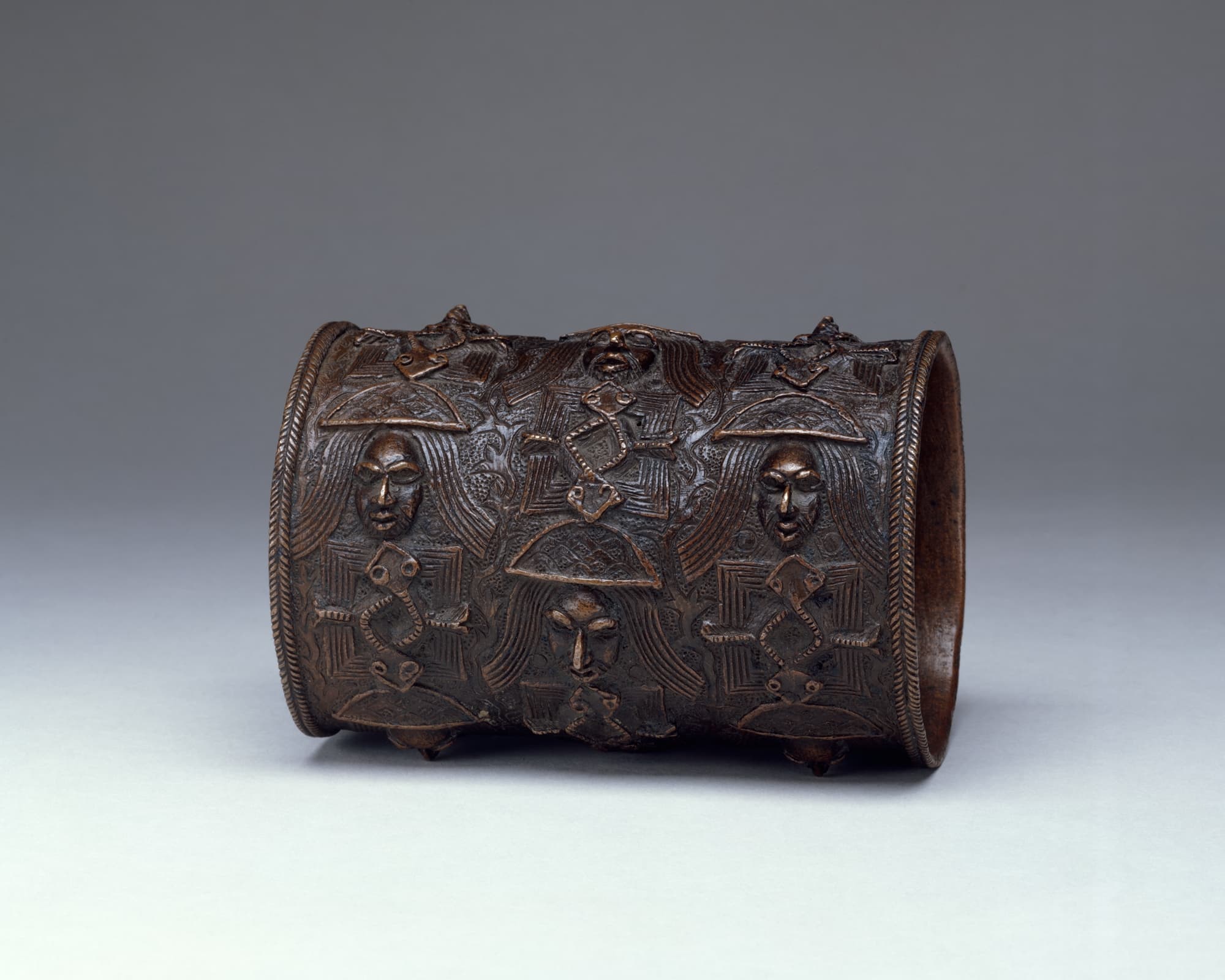
Ancient Ife sculpture was produced in the Yoruba city-state of Ile-Ife (present-day Nigeria), flourishing from the 11th through 15th centuries. Ife artists developed a refined, highly naturalistic style in terracotta, brass, and copper that was unlike anything else in sub-Saharan Africa at the time. Their portrait heads, with idealized yet lifelike features, caused a sensation when German archaeologist Leo Frobenius first brought them to European attention in 1910.
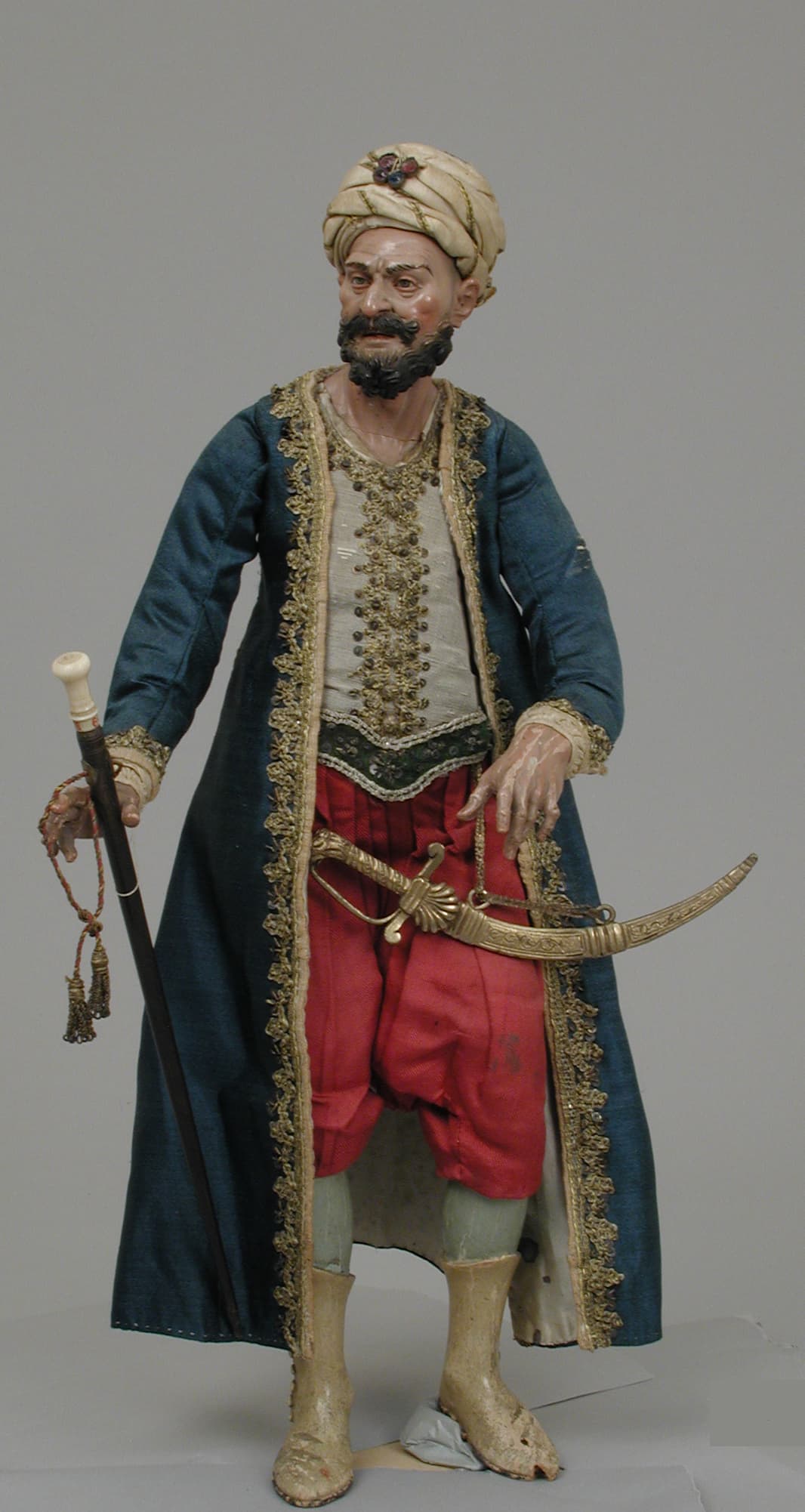
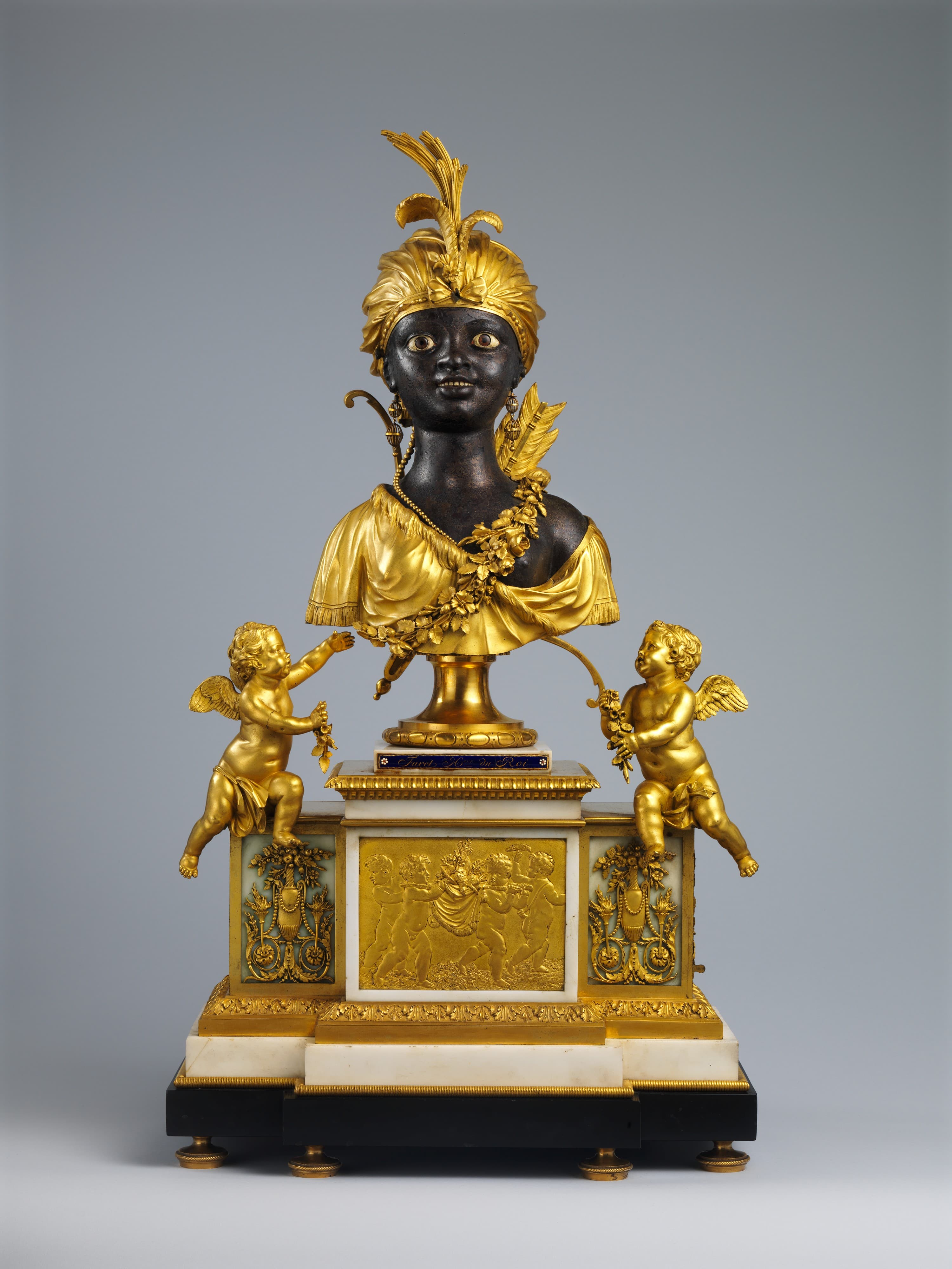
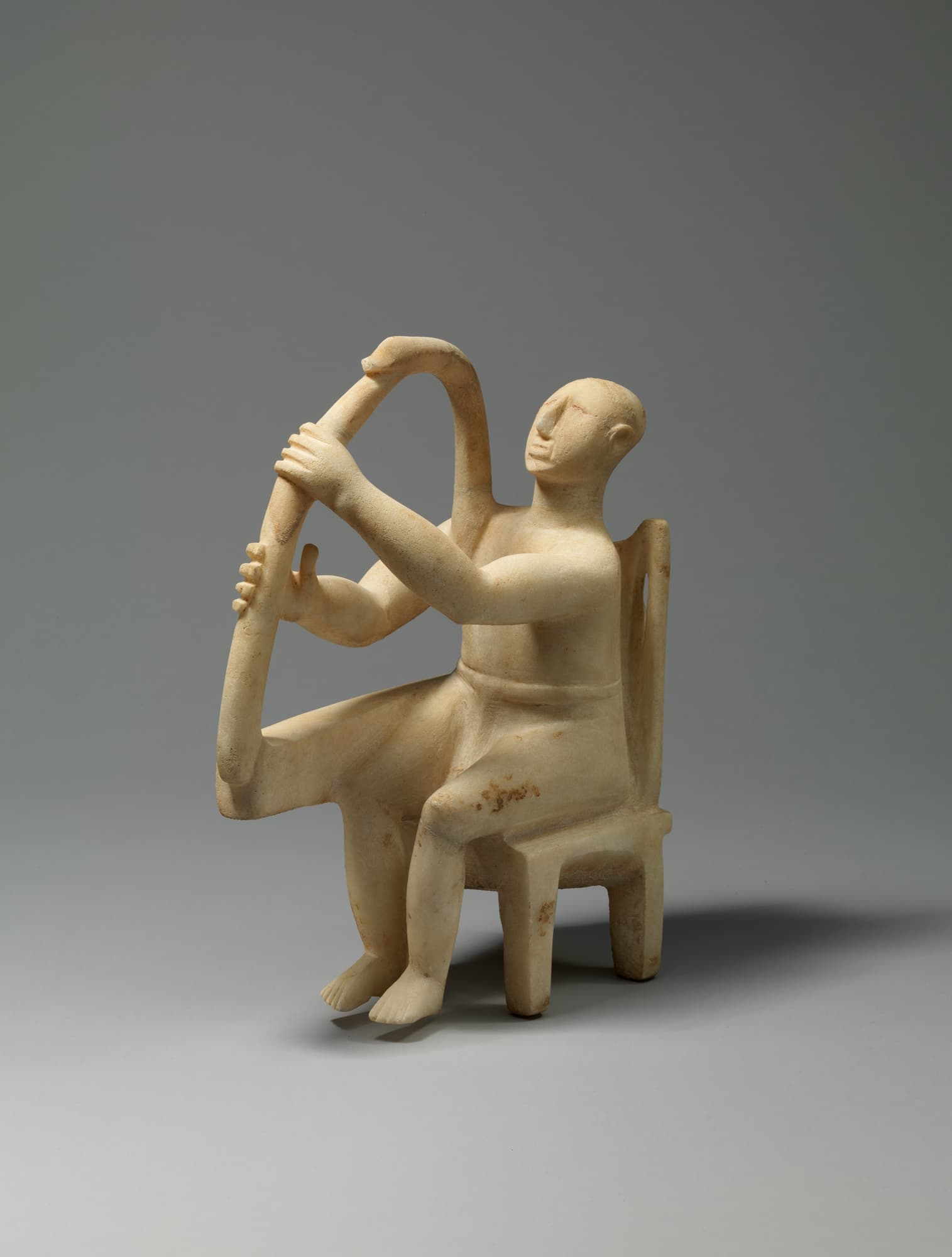
Ife sculptors depicted a wide cross-section of society: youth and old age, health and disease, serenity and suffering. They used lost-wax casting for their metal works and carved ceremonial stools from single blocks of quartz. The tradition likely influenced the later Benin Kingdom's bronze-casting workshops. Our collection includes 4 works at the Met and the National Museum Lagos.
Sculptures by Ancient Ife (Unknown)
4 sculptures catalogued with museum locations. Browse all sculptures