Carolus-Duran
French·1837–1917
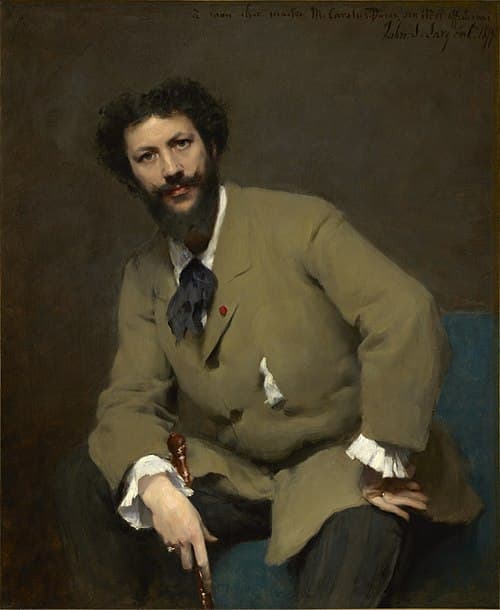
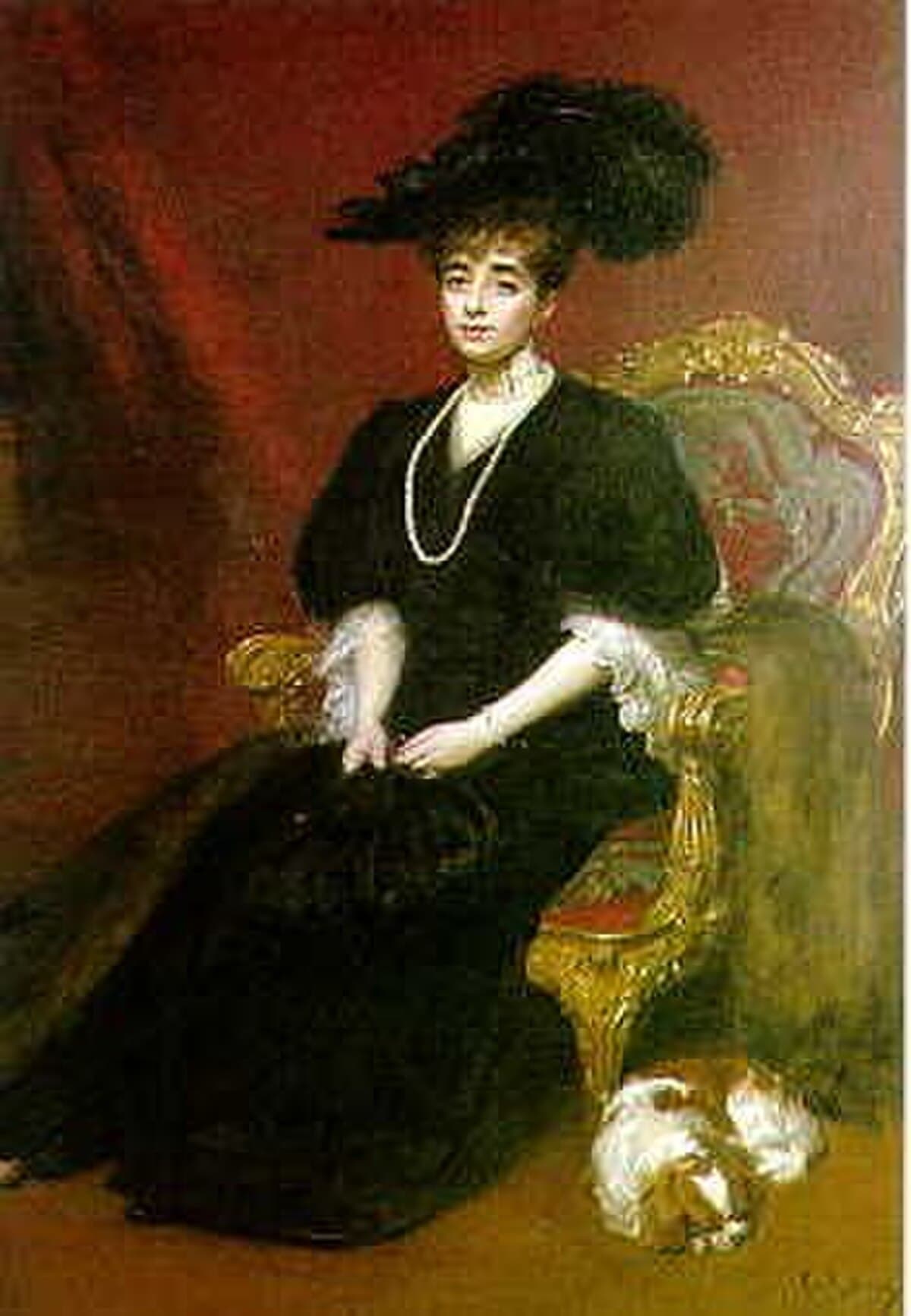
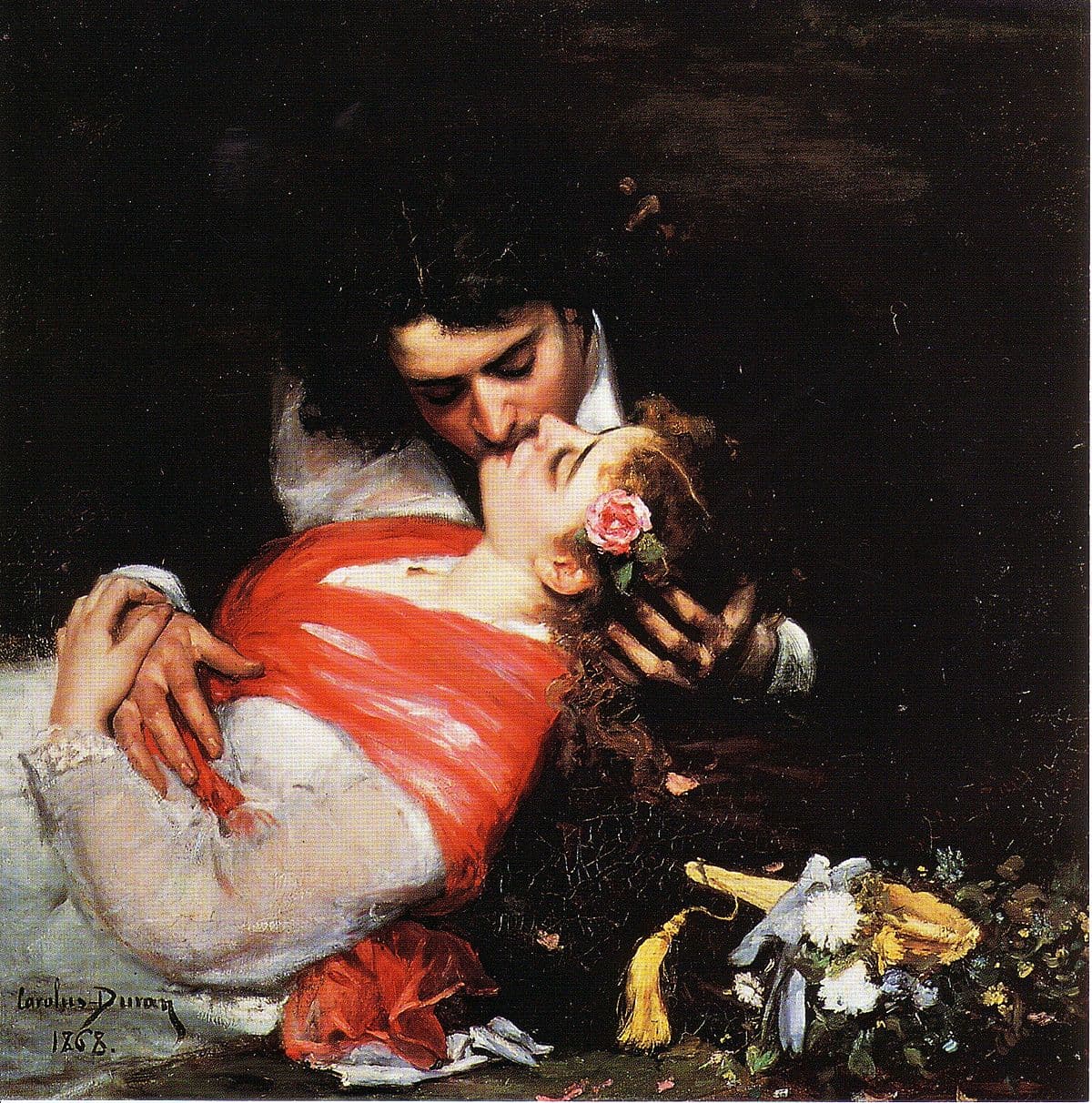
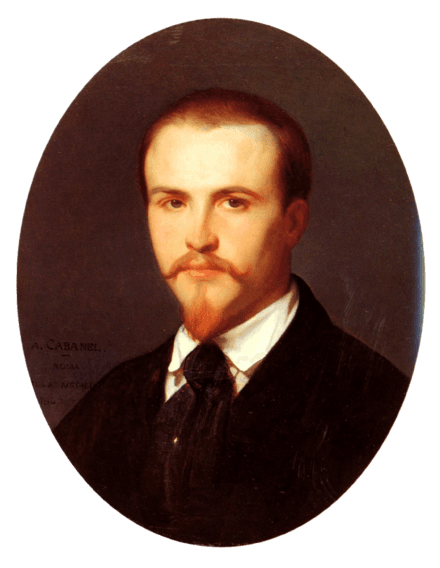
Academic painter Charles Auguste Emile Durand, known as Carolus-Duran (1837-1917), became one of the most sought-after portrait painters in late 19th-century Paris. Born in Lille, France, he adopted his professional name early in his career and developed a distinctive style influenced by Spanish masters, particularly Diego Velázquez. His portraits of fashionable Parisian society earned him the nickname "The Prince of Color" from Henri de Toulouse-Lautrec. Works like "Lady with the Glove" (1869) showcase his ability to capture both the elegance of his subjects and the rich textures of their clothing.
Carolus-Duran trained at the Académie de Lille before moving to Paris, where he studied at the Académie Suisse. A pivotal trip to Rome and Spain between 1862 and 1866 transformed his approach, as he absorbed the techniques of Velázquez and other Old Masters. In 1873, he opened his own teaching studio, which attracted students from across Europe and America. His most famous pupil was John Singer Sargent, who later credited Carolus-Duran's direct painting method for shaping his own career. The French government recognized his achievements by making him Commander of the Legion of Honor in 1889, and he served as Director of the French Academy in Rome from 1905 to 1913. His work can be viewed at the Smithsonian American Art Museum and the National Gallery of Art.