Gilbert Stuart
American·1755–1828
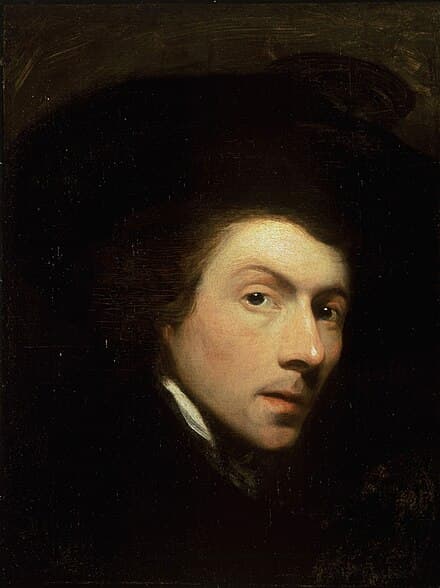
Neoclassical portrait painter Gilbert Stuart (1755-1828) created the definitive image of George Washington that has appeared on the one-dollar bill for over a century. Born in Rhode Island to a Scottish immigrant family, he showed early artistic talent and left for London in 1775 to escape the Revolutionary War, studying under Benjamin West.
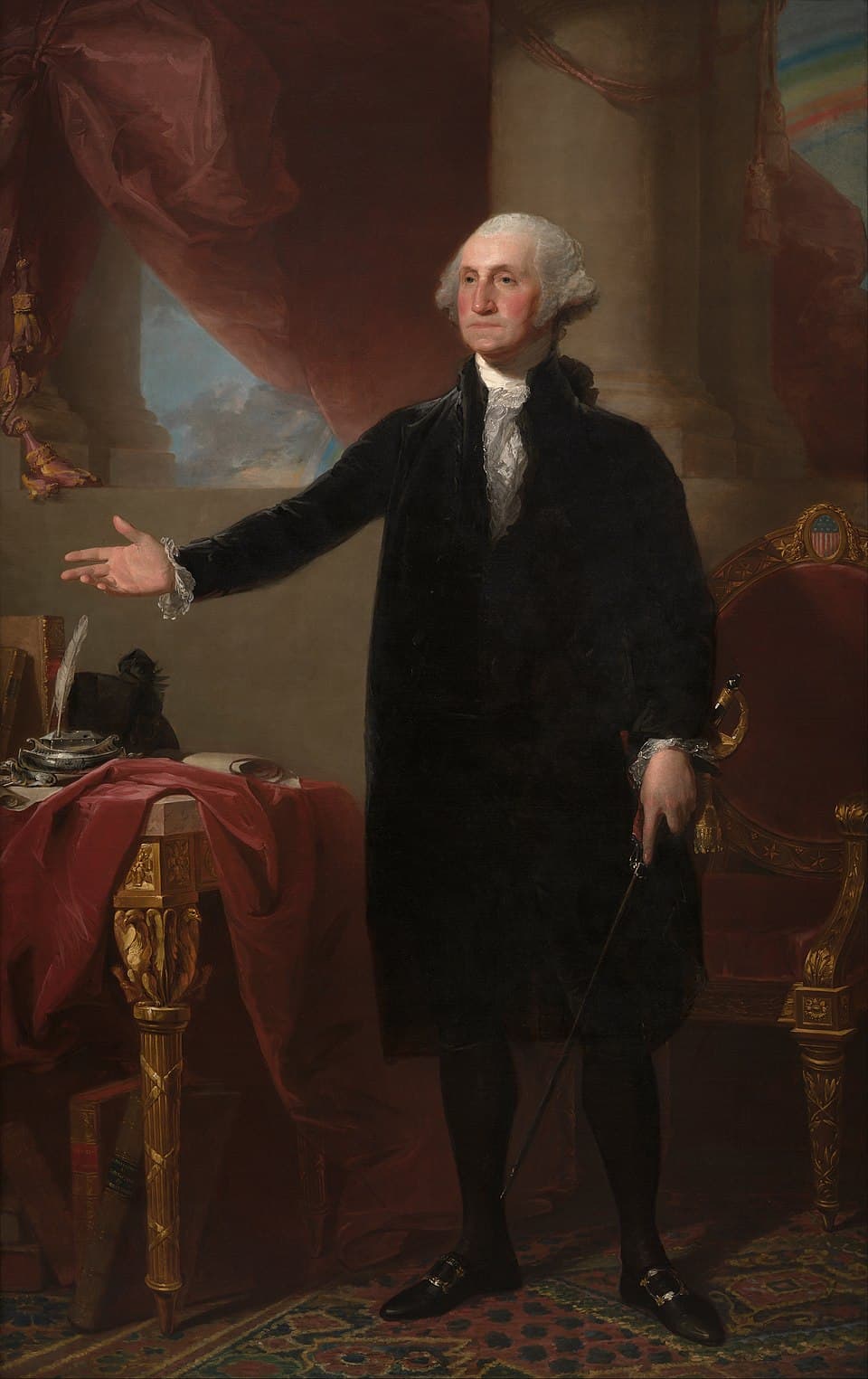
Stuart spent eighteen years abroad, building a successful portrait practice in London and Dublin before returning to America in 1793 with a specific goal. "I expect to make a fortune by Washington alone," he wrote. He was right. Washington sat for Stuart three times, producing three distinct portrait types: the "Vaughan" portrait, the unfinished "Athenaeum" head (the dollar bill image), and the full-length "Lansdowne" portrait. Stuart made over 100 replicas of these images during his lifetime. When painting the Athenaeum portrait, Stuart noted Washington had just gotten new false teeth, which accounts for the constrained expression around the mouth.
Stuart painted each of the first five U.S. presidents from life, along with most of their wives. His gift for capturing a likeness made him America's foremost portraitist. The National Gallery of Art holds the Lansdowne portrait. The Museum of Fine Arts, Boston owns the Athenaeum portraits of both George and Martha Washington. Works also hang at the Metropolitan Museum and the White House.
Notable Works by Gilbert Stuart
2 paintings catalogued with museum locations
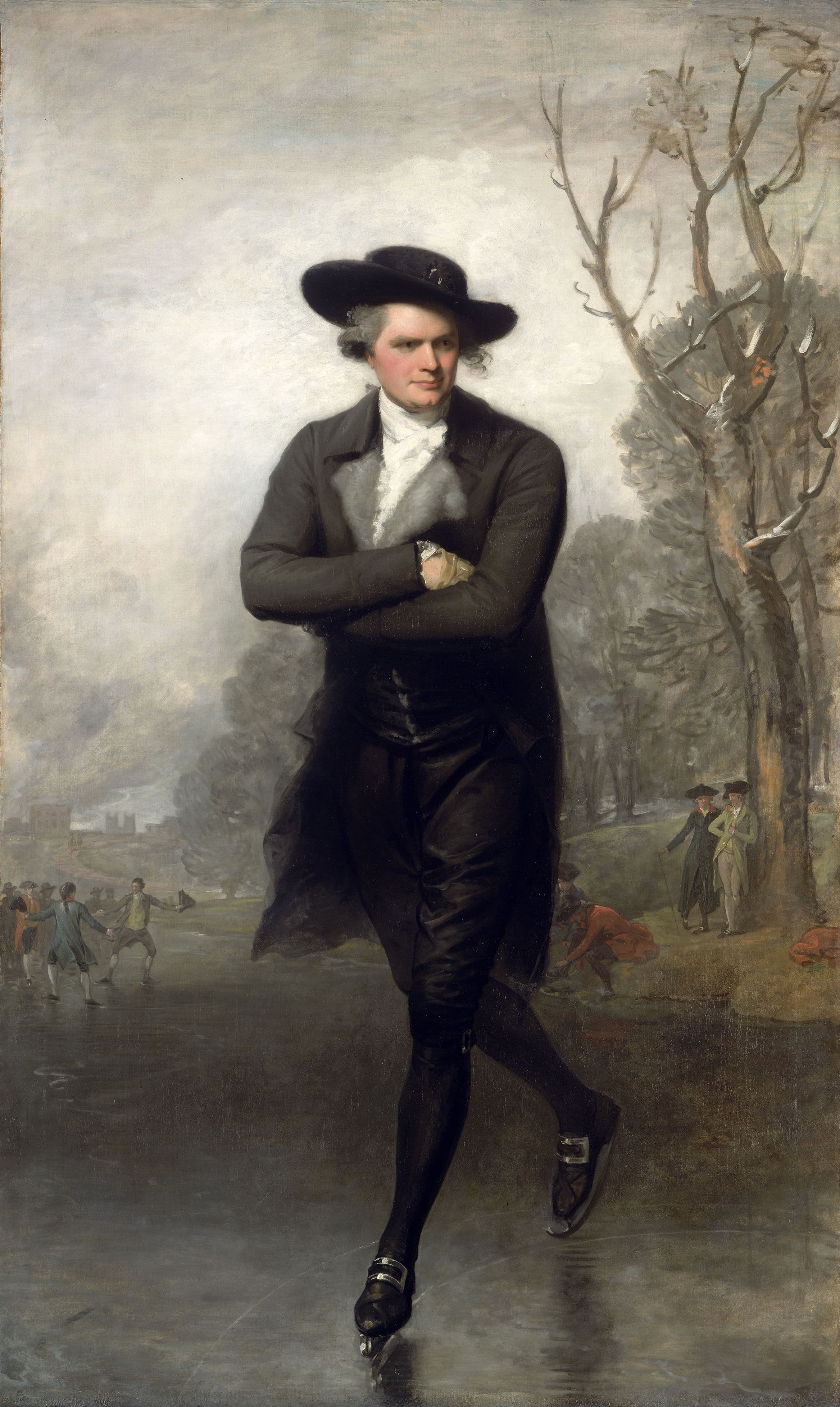
Museums with Gilbert Stuart's Work
1 museum displays Stuart's works. Click any museum to see visiting info and the specific works they hold.
About Gilbert Stuart
Stuart created the iconic image of George Washington that appears on the U.S. one-dollar bill. He painted each of the first five presidents from life and was America's leading portrait painter.
The Museum of Fine Arts, Boston owns the unfinished Athenaeum portraits. The National Gallery of Art has the Lansdowne portrait.
The Athenaeum portrait (1796) is Stuart's unfinished painting of Washington. The image has appeared on American currency since 1869, making it one of the most reproduced faces in history.
Stuart created three portrait types from life sittings, then made over 100 replicas during his career. He frankly admitted his goal was to profit from Washington's fame.
Stuart studied under Benjamin West in London from 1775 to 1787. He spent eighteen years in Britain and Ireland before returning to America to paint Washington.
Stuart worked in the Neoclassical tradition that dominated late 18th-century portraiture. His polished technique and dignified compositions reflect the era's classical ideals.
Love Gilbert Stuart's Style?
Explore art inspired by their style.
Browse Collection