Giovanni di Paolo
Italian·1403–1482
No Portrait Available
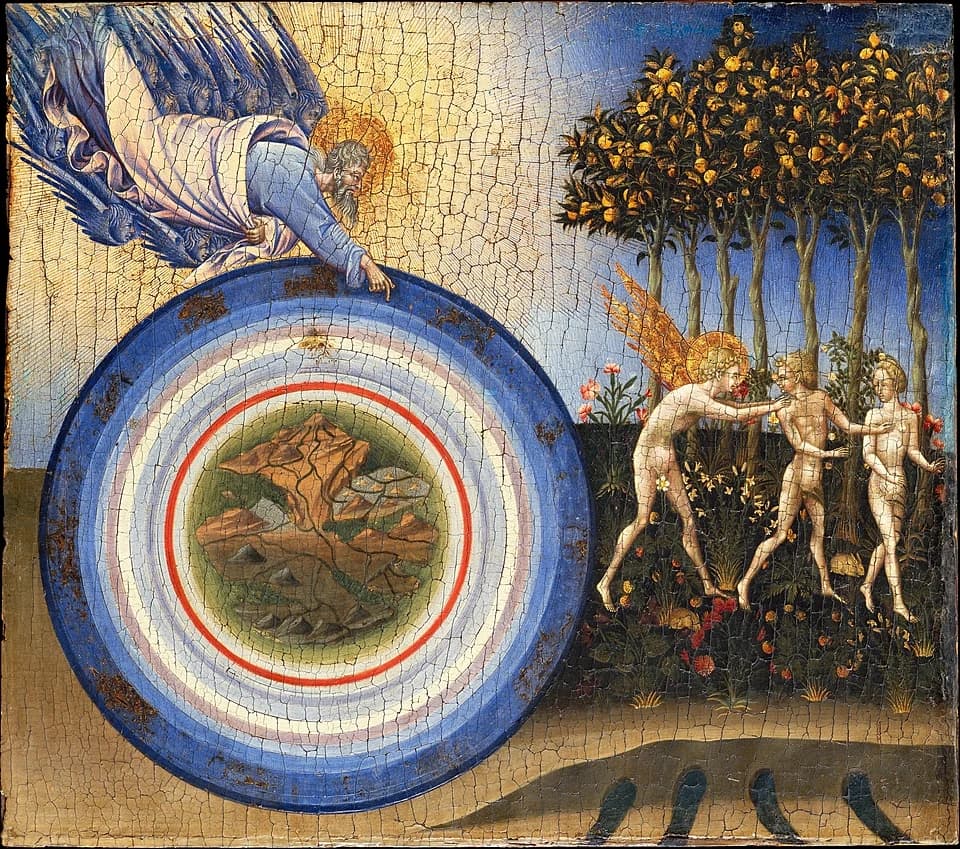
Renaissance painter Giovanni di Paolo (c. 1403-1482) was one of the most important artists of the 15th-century Sienese School, producing religious paintings that maintained a mystical intensity even as Florentine naturalism dominated Tuscan art. Born in Siena, he likely trained under Taddeo di Bartolo, whose influence appears in his earliest dated work, a 1426 Madonna and Child with Angels. Giovanni developed a distinctive style characterized by cold, harsh colors, elongated figures, and dreamlike spatial arrangements that art historian Bernard Berenson later called him "the El Greco of the quattrocento."
Giovanni produced numerous altarpieces and predella panels now scattered across museums worldwide. His scenes from the life of Saint Catherine of Siena and Saint John the Baptist rank among his finest narrative work, combining gold backgrounds with surprisingly modern compositional choices. Later in life, he became skilled at illuminating manuscripts, creating notable illustrations for Dante's Divine Comedy and choir books for the Augustinian monks at Lecceto. His surrealistic approach can be seen in works like the Miracle of St. Nicholas of Tolentino at the Philadelphia Museum of Art. The Metropolitan Museum of Art holds significant works including panels from his major altarpieces, while the National Gallery of Art in Washington displays his Adoration of the Magi and The Annunciation. A 2016-2017 exhibition at the J. Paul Getty Museum celebrated his distinctive vision and gold-ground paintings.
Notable Works by Giovanni di Paolo
1 painting catalogued with museum locations
Museums with Giovanni di Paolo's Work
1 museum displays Paolo's works. Click any museum to see visiting info and the specific works they hold.
Related Artists
Other Renaissance artists you might like
About Giovanni di Paolo
Giovanni di Paolo belonged to the 15th-century Sienese School during the Renaissance, maintaining Gothic decorative traditions while his Florentine contemporaries pursued naturalism. His deliberately archaic style rejected the innovations of Masaccio and Brunelleschi.
Major works are held at the Metropolitan Museum of Art, the National Gallery of Art in Washington, and the Pinacoteca Nazionale in his native Siena. His Divine Comedy illustrations are scattered across European collections.
He painted religious subjects including the lives of Saint Catherine of Siena and Saint John the Baptist with visionary intensity. He also illustrated Dante's Divine Comedy and created numerous gold-ground altarpieces featuring elongated saints in mystical spaces.
His style features elongated figures, harsh colors, dreamlike spatial distortions, and intense mystical atmosphere. Art historian Bernard Berenson called him "the El Greco of the quattrocento" for his expressive distortions that anticipated Mannerism by a century.
Giovanni di Paolo was born around 1403 in Siena and died there in 1482. His earliest dated work is from 1426, and he remained active throughout his nearly sixty-year career, never leaving his native city despite Siena's declining artistic importance.
Love Giovanni di Paolo's Style?
Explore art inspired by Renaissance.
Browse Collection