Jean-Baptiste Greuze
French·1725–1805
No Portrait Available
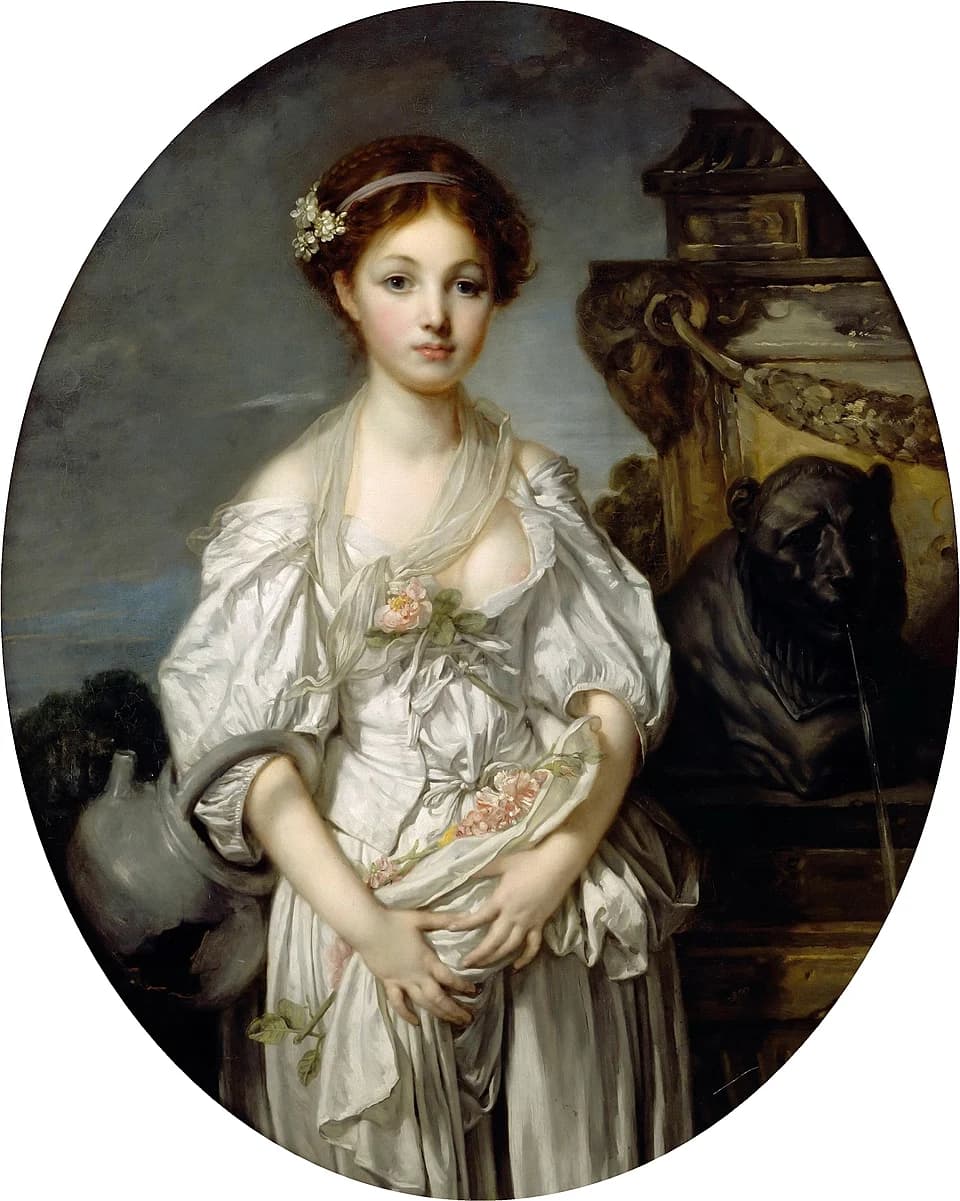
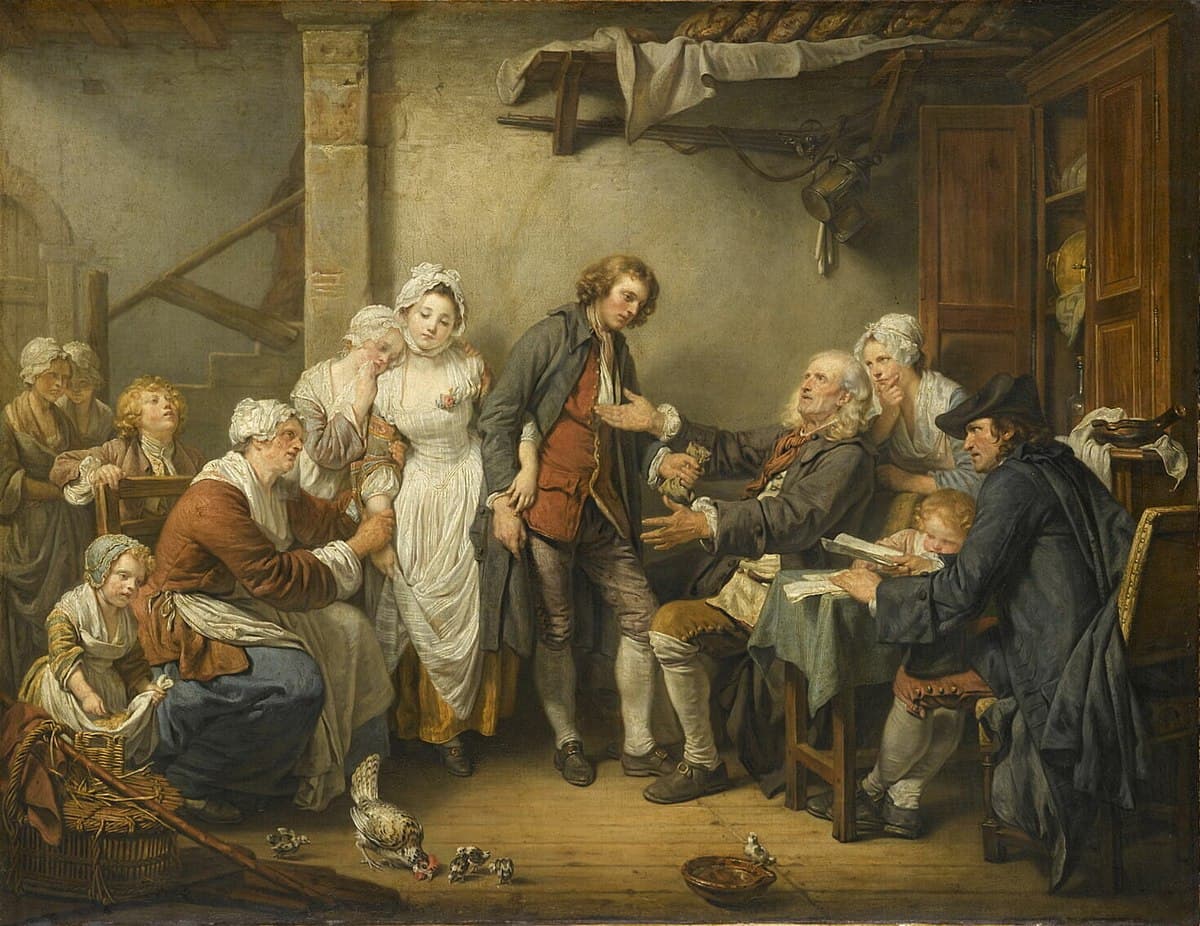
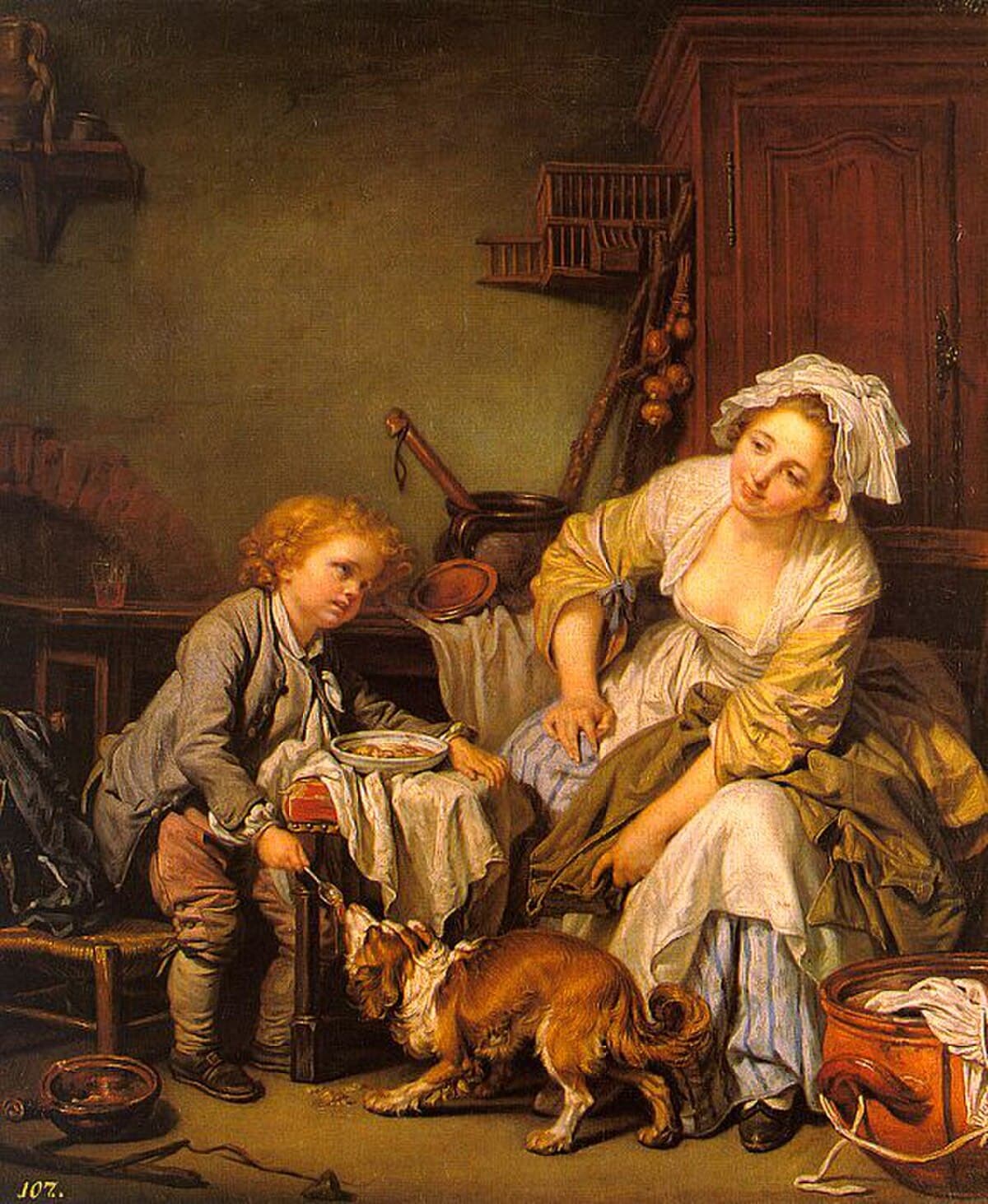
Rococo painter Jean-Baptiste Greuze (1725-1805) became famous for sentimental genre scenes that combined Dutch Realist detail with moral narratives. Born in Tournus, Burgundy, he showed a passion for drawing from age eight, eventually training at the Académie Royale in Paris. His 1755 Salon debut brought great success with paintings depicting virtuous family life and dramatic moral lessons. Works like "The Village Bride" (1761) and "The Punished Son" (1778) featured expressive faces and theatrical compositions that resonated deeply with Enlightenment audiences.
Greuze studied under Charles Grandon in Lyon before arriving in Paris, where he also spent a year at the Académie de France in Rome. His ambition to be recognized as a history painter led to conflict with the Academy, which admitted him only as a genre painter despite his submission of a historical subject. His sentimental scenes influenced later artists including Jacques-Louis David. Though celebrated during his lifetime, his reputation faded after the French Revolution, and he died in poverty at the Louvre, where he had been given quarters. Today his work hangs at the Louvre, the Metropolitan Museum of Art, the National Gallery of Art, and the National Galleries of Scotland.
Notable Works by Jean-Baptiste Greuze
4 paintings catalogued with museum locations
Museums with Jean-Baptiste Greuze's Work
3 museums display Greuze's works. Click any museum to see visiting info and the specific works they hold.

About Jean-Baptiste Greuze
Greuze worked during the Rococo period, creating genre scenes that combined Dutch Realist influence with moral narratives popular during the Enlightenment. Philosopher Denis Diderot championed his work as a corrective to frivolous aristocratic art, praising his ability to teach virtue through painting.
"The Village Bride" (1761) and "The Punished Son" (1778) are among his most celebrated works. These dramatic domestic scenes feature expressive faces, moral lessons about family duty, and theatrical compositions that anticipate 19th-century academic narrative painting.
His work hangs at the Louvre in Paris, the Metropolitan Museum of Art, and the National Gallery of Art in Washington. The Wallace Collection in London preserves several of his popular young girl portrait heads.
He specialized in sentimental genre scenes depicting virtuous family life, moral lessons, and dramatic emotional moments. His expressive heads of young girls, sometimes innocent and sometimes ambiguously sensual, were also enormously popular with collectors throughout Europe.
Greuze wanted recognition as a history painter, the Academy's highest rank reserved for mythological and historical subjects. When he submitted a classical scene, the Academy admitted him only as a genre painter. Humiliated, he boycotted the Salon for years and his later career suffered.
Love Jean-Baptiste Greuze's Style?
Explore art inspired by their style.
Browse Collection