John James Audubon
American·1785–1851
No Portrait Available
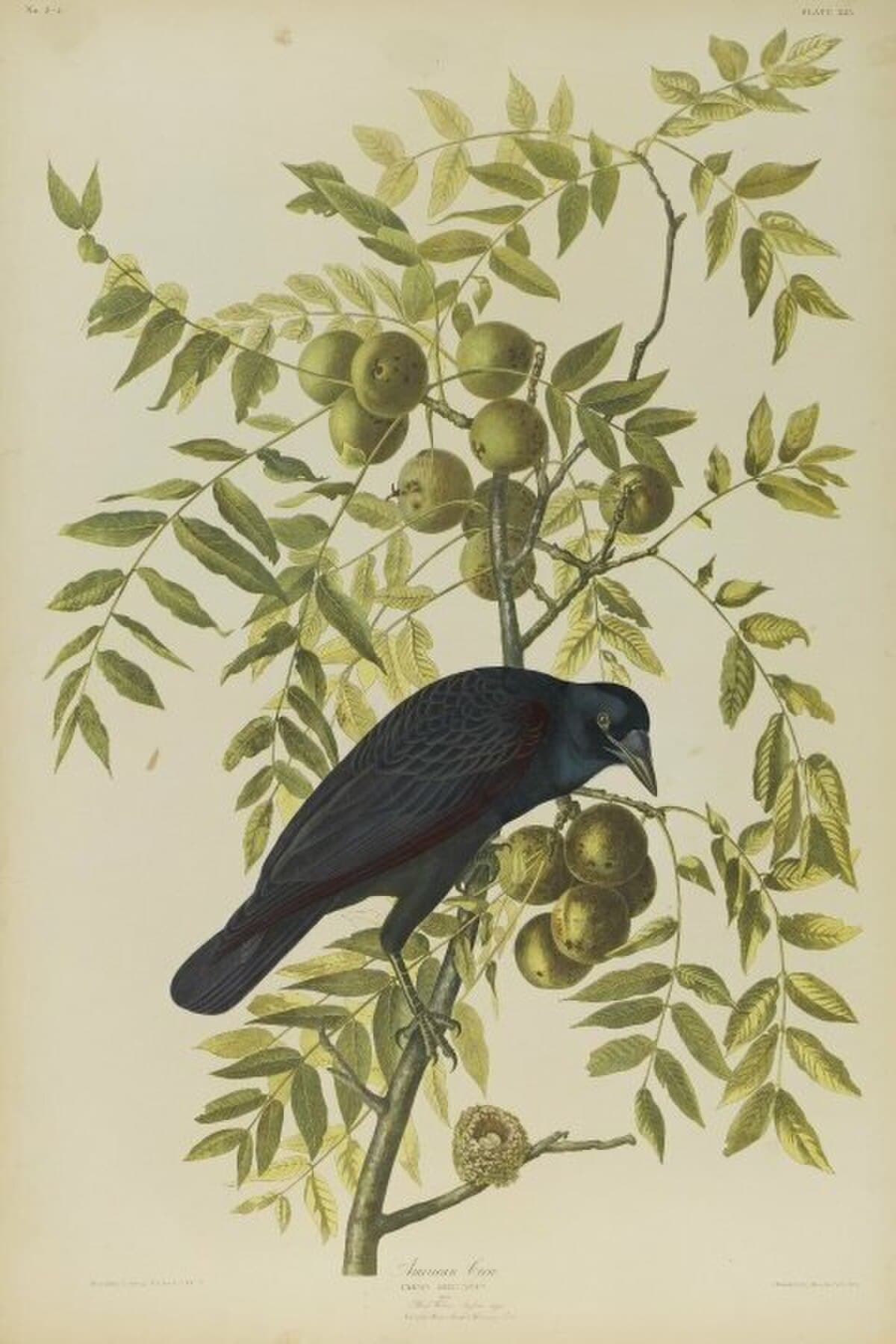
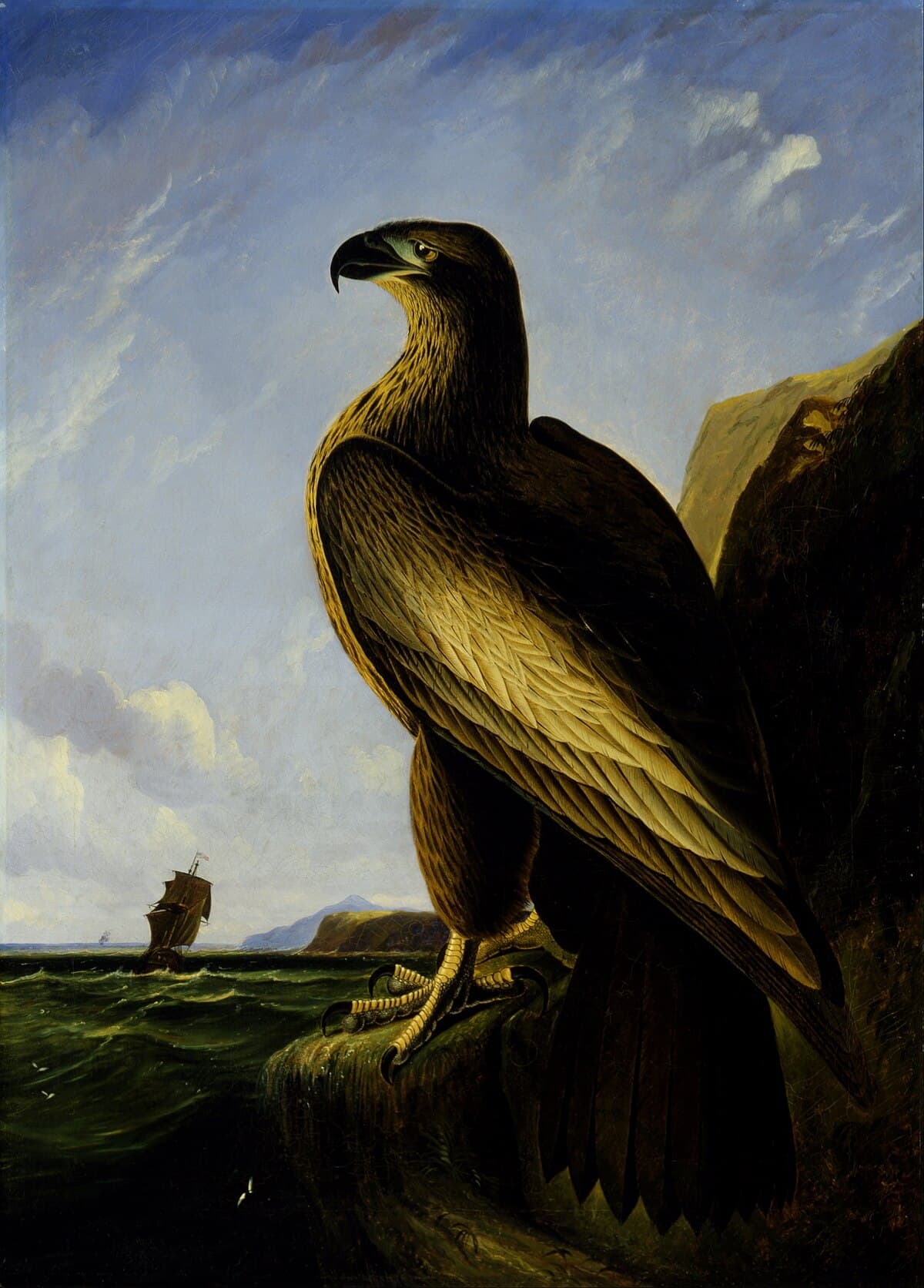
Romantic naturalist John James Audubon (1785-1851) created the most ambitious ornithological work ever produced, depicting North American birds at life-size in dramatic, lifelike poses. Born in Haiti as Jean-Jacques Rabin, the illegitimate son of a French merchant and slave trader, he was sent to France at age five and later to America at eighteen to avoid Napoleonic conscription.
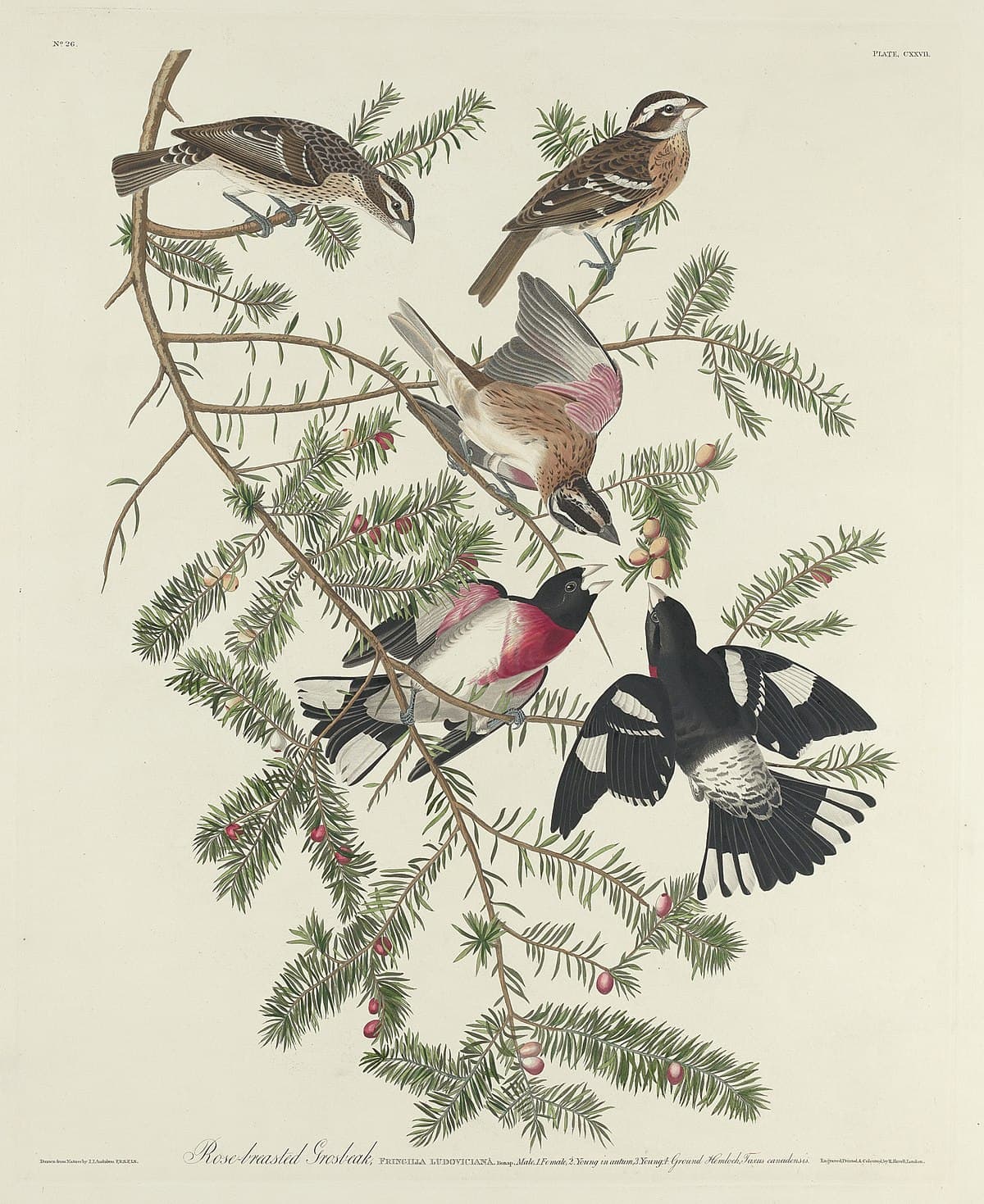
At the family estate near Philadelphia, Audubon developed his passion for drawing birds. He conducted the first bird-banding experiment in North America, tying strings to Eastern Phoebes to track their return. His method was revolutionary: he killed birds with fine shot, then wired them into naturalistic poses rather than the stiff arrangements favored by other naturalists. Unable to find an American publisher for his ambitious project, he sailed to Britain in 1826. Edinburgh and London engravers produced The Birds of America between 1827 and 1838. Its 435 hand-colored plates, showing birds at actual size on "double elephant" paper, broke every convention of natural history illustration.
Only about 200 complete sets were printed. Of the 119 known to survive, one sold at auction for $9.6 million in 2018. The New-York Historical Society holds 435 original watercolors. Prints are displayed at the National Gallery of Art in Washington and the British Museum. The National Audubon Society, founded in 1905, honors his conservation legacy.
Notable Works by John James Audubon
3 paintings catalogued with museum locations
Museums with John James Audubon's Work
2 museums display Audubon's works. Click any museum to see visiting info and the specific works they hold.
About John James Audubon
The Birds of America (1827-1838) contains 435 hand-colored engravings of North American birds, all depicted at life-size. One complete set sold for $9.6 million, making it one of the most valuable books ever published.
The New-York Historical Society holds all 435 original watercolors. Prints appear at the National Gallery of Art and natural history museums worldwide.
Audubon depicted birds in lifelike, active poses rather than stiff profiles. He wired freshly killed specimens into natural positions and showed them at actual size.
Audubon was born in Haiti (then Saint-Domingue) in 1785. He was the illegitimate son of a French merchant. At five, he was sent to France, then to America at eighteen.
Audubon is associated with Romanticism, blending scientific observation with dramatic artistic vision. His work influenced both nature art and conservation movements.
The National Audubon Society, founded in 1905, is named in his honor. It's America's oldest bird conservation organization, continuing his legacy of studying and protecting wild birds.
Love John James Audubon's Style?
Explore art inspired by their style.
Browse Collection