Jules Pascin
Bulgarian·1885–1930
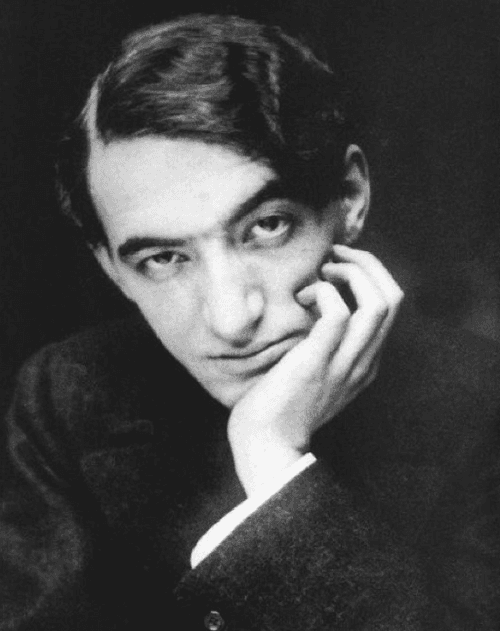
Bulgarian-born artist Jules Pascin (1885-1930), known as the "Prince of Montparnasse," became a central figure of the École de Paris with his delicately toned paintings of women. Born Julius Mordecai Pincas in Vidin to a Sephardic Jewish grain merchant family, he moved to Bucharest as a child and began drawing in brothels at age fifteen. After training in Vienna and Munich, he adopted the pseudonym Pascin (an anagram of Pincas) when contributing to the satirical magazine Simplicissimus, sparing his father embarrassment. In December 1905, he arrived in Paris, joining the artists gathering at Café le Dôme in Montparnasse.
Pascin's style combined the fleeting, gestural qualities of Expressionism with thinly painted, poetically bitter studies of women, often prostitutes, rendered in subtle pearlescent tones. His work was included in the 1913 Armory Show in New York, where twelve of his pieces introduced American audiences to European modernism. When World War I began, he fled to London, then to the United States, becoming a naturalized American citizen in 1920 with support from Alfred Stieglitz. Though he returned to Paris soon after, his American citizenship allowed him to travel freely between continents during the jazz age. Pascin's lavish hospitality made him beloved in artistic circles, but depression and alcoholism led to his suicide in 1930 at age 45. His paintings of women in warm, muted tones hang at the Metropolitan Museum of Art, the Louvre, and the Art Institute of Chicago.
Notable Works by Jules Pascin
1 painting catalogued with museum locations
Museums with Jules Pascin's Work
1 museum displays Pascin's works. Click any museum to see visiting info and the specific works they hold.
About Jules Pascin
Pascin was a leading figure of the École de Paris, the loose grouping of international artists working in Montparnasse between the wars. His style combined elements of Expressionism with delicate draftsmanship. Born Julius Mordecai Pincas in Bulgaria, he created an anagram of his surname when his father objected to the family name appearing in satirical magazines.
Pascin earned this title for his generous hospitality and central role in Montparnasse's bohemian circles during the 1920s. Always recognizable in his bowler hat, he threw legendary parties and was a witty presence at Le Dôme Café and other haunts. Ernest Hemingway described meeting him in A Moveable Feast's chapter 'With Pascin At the Dôme.'
His work hangs at the Metropolitan Museum of Art, the Louvre in Paris, and the Art Institute of Chicago. The Whitney Museum of American Art also holds his work, as he became a naturalized American citizen in 1920.
Pascin primarily painted women, often nudes or figures in stages of undress, rendered in delicate, pearlescent tones with fluid, gestural brushwork. His earliest drawings were made in a Bucharest brothel at age fifteen. He also created satirical illustrations for Munich's Simplicissimus magazine starting in 1905.
Yes, Pascin became a naturalized U.S. citizen in 1920 with support from photographer Alfred Stieglitz. He had fled to America in 1914 to avoid Bulgarian military service during World War I, traveling through London, Cuba, and the American South before settling in New York and later returning to Paris in 1920.
Love Jules Pascin's Style?
Explore art inspired by their style.
Browse Collection