Luca Giordano
Italian·1634–1705
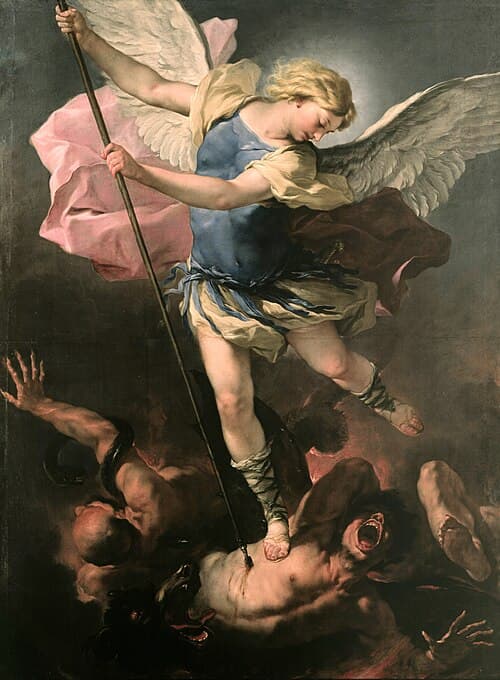
Neapolitan Baroque painter Luca Giordano (1634-1705) became the most celebrated and prolific Italian artist of the late 17th century, earning the nickname "Luca fa presto" (Luke works quickly) for his extraordinary speed. Born in Naples to artist Antonio Giordano, he absorbed the Caravaggist tradition dominant in his city before studying works by Annibale Carracci and Pietro da Cortona in Rome and the great Venetian colorists. His second nickname, "Proteus," reflected his ability to produce convincing pastiches in almost any master's style. Over his long career, Giordano created more than 1,000 paintings.
Giordano worked throughout Italy before receiving an invitation from Charles II of Spain in 1692. He spent ten years in Madrid, Toledo, and the Escorial, producing major fresco cycles that rank among his finest achievements. Nearly fifty paintings in the Museo del Prado testify to his Spanish period's productivity. After returning to Naples in 1702, he remained active into his late sixties, completing his last major work, the Triumph of Judith (1704), in the dome of the Certosa di San Martino. This airy, luminous vision anticipates the Rococo style that would dominate the following century. Giordano died wealthy and famous in 1705. His reputation declined with Neoclassicism's rise but revived in the 20th century. Works hang at the National Gallery in London, the National Gallery of Art in Washington, and throughout Italian churches and museums.
Primary Genres
Notable Works by Luca Giordano
1 painting catalogued with museum locations
Museums with Luca Giordano's Work
1 museum displays Giordano's works. Click any museum to see visiting info and the specific works they hold.
About Luca Giordano
Giordano was a major Baroque painter whose late works anticipated the Rococo style with their airy lightness and luminous color. Born in Naples, he synthesized influences from Ribera, Pietro da Cortona, and the Venetian masters. His final Triumph of Judith fresco (1704) shows the lighter, more open manner that would define 18th-century painting.
The nickname means 'Luke works quickly' in Italian, supposedly originating from his father's constant admonitions while training him. His legendary speed of execution and enormous output of well over 1,000 paintings earned him this reputation. Contemporaries said no painter before or since matched his productivity until Picasso centuries later.
The Museo del Prado holds nearly fifty paintings from his Spanish period alone. The National Gallery in London displays several canvases. Italian churches throughout Naples preserve many works, and the Certosa di San Martino holds his final masterpiece in its Treasury Chapel dome.
Yes, King Charles II invited him to Spain in 1692 for a decade-long stay. He produced major fresco cycles in Madrid's Royal Palace, Toledo Cathedral, and the Escorial, works often considered his finest achievements. On seeing Velázquez's Las Meninas at the royal collection, Giordano famously called it 'the theology of painting.'
He was called 'Proteus' after the shape-shifting Greek god because of his remarkable ability to produce convincing pastiches in the style of almost any earlier master. He could imitate Dürer, Titian, Veronese, Rubens, and others so deceptively that experts sometimes struggled to distinguish his copies from originals.
Love Luca Giordano's Style?
Explore art inspired by their style.
Browse Collection