Orazio Gentileschi
Italian·1563–1639
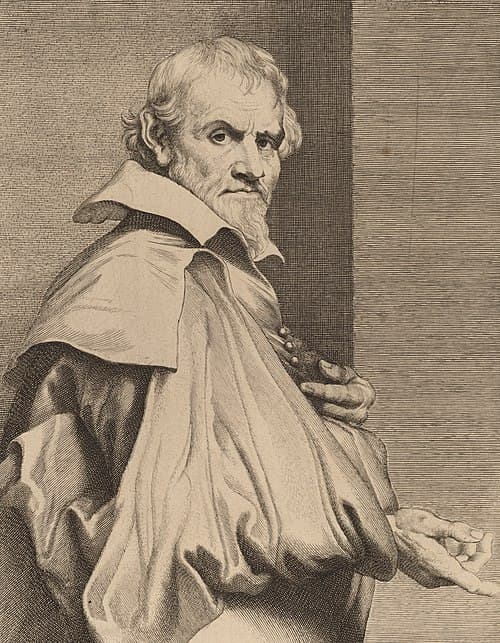
Orazio Gentileschi (1563–1639) carried Caravaggio's revolution across Europe. Born in Pisa to a Florentine goldsmith, he moved to Rome as a teenager and took the name Gentileschi from an uncle. He worked for decades in a Mannerist style before encountering Caravaggio's dramatic lighting and naturalism around 1600. The two became friends and were even sued together for libel in 1603.
Unlike Caravaggio's raw power, Gentileschi's interpretation of the Baroque style was lyrical and refined. His figures are graceful, his drapery sharp-edged and sculptural, qualities recalling his Tuscan training. After Caravaggio fled Rome in 1606, Gentileschi became one of the most important painters carrying his influence forward. His Annunciation (1623) in Turin is often considered his masterpiece.
His career took him across Europe: Genoa, Paris, and finally England, where he became court painter to Charles I in 1626. He decorated the ceiling of the Queen's House at Greenwich, works now in Marlborough House. His daughter Artemisia Gentileschi, trained in his studio, became one of the greatest Baroque painters and a formidable personality who built a European reputation. Orazio died in London in 1639 and was buried in the Queen's Chapel at Somerset House. His paintings hang at the National Gallery, the Louvre, and the Metropolitan Museum of Art.
Notable Works by Orazio Gentileschi
2 paintings catalogued with museum locations
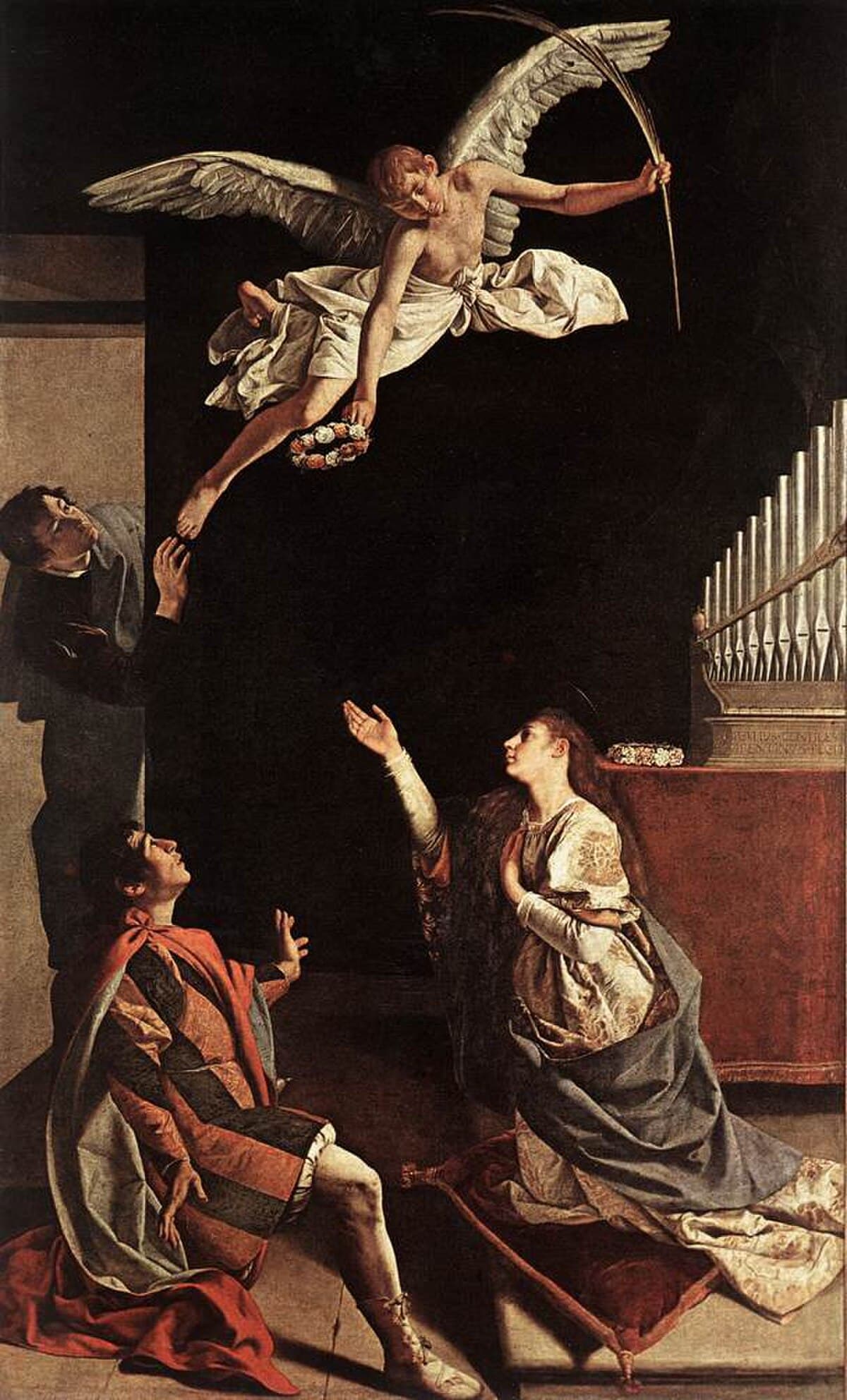
Museums with Orazio Gentileschi's Work
2 museums display Gentileschi's works. Click any museum to see visiting info and the specific works they hold.
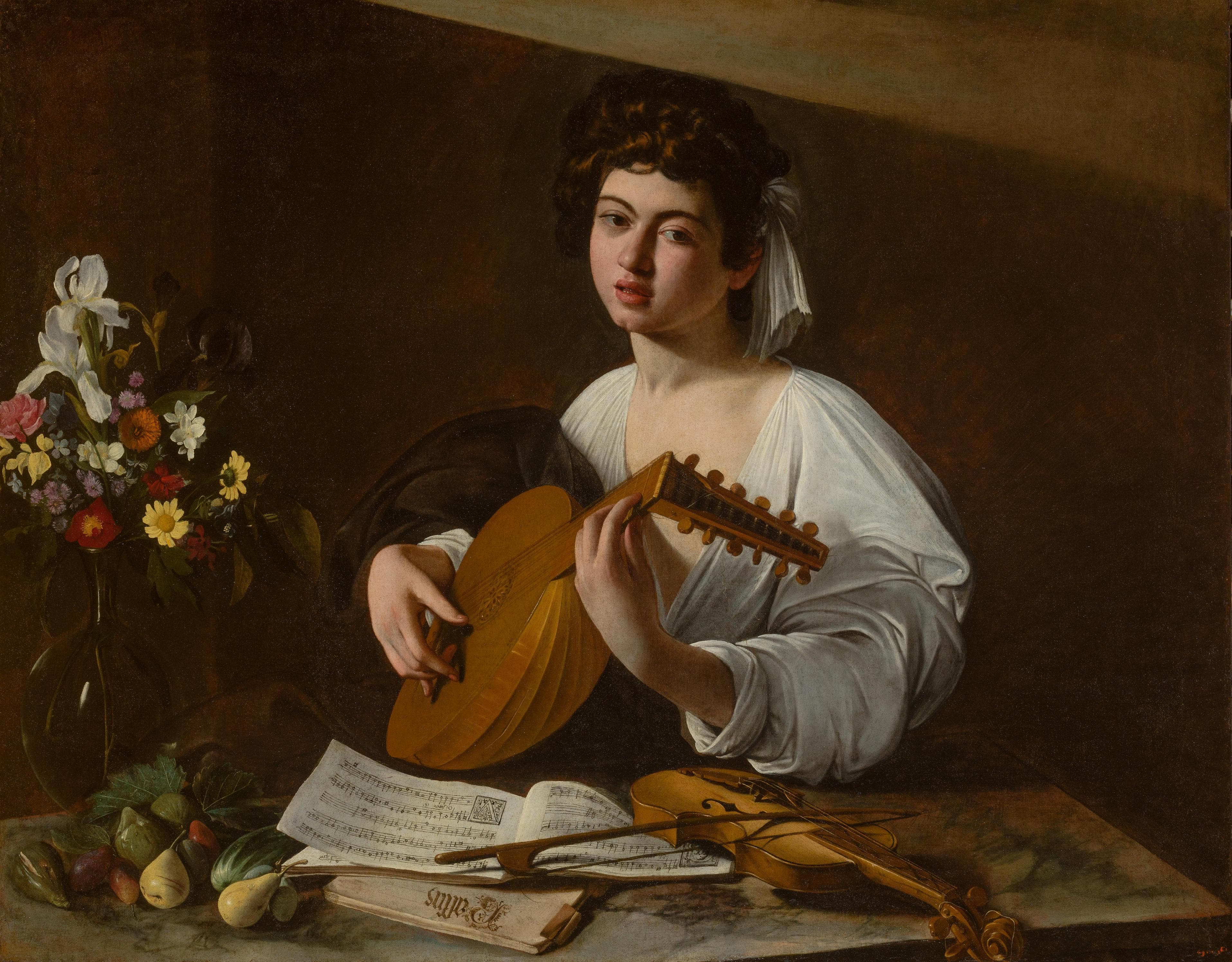
About Orazio Gentileschi
Gentileschi was a leading Caravaggisti, among the earliest and most talented followers of Caravaggio who spread Baroque dramatic lighting across Europe. Unlike Caravaggio's violent contrasts, Gentileschi developed a softer, more luminous interpretation of tenebrism that influenced painters from Rome to London.
His work is at the National Gallery in London, the Louvre in Paris, and the Metropolitan Museum of Art in New York. His ceiling paintings for the Queen's House at Greenwich, created with his daughter Artemisia, were moved to Marlborough House in London.
Artemisia Gentileschi (1593-1656), trained in his studio, became one of the greatest Baroque painters and achieved a European reputation rare for women of her time. Her powerful depictions of biblical heroines like Judith are now celebrated as proto-feminist art. She joined her father in England in 1638.
Yes, they were friends in Rome during the early 1600s. In 1603, they were both sued for libel alongside two other artists by the rival painter Giovanni Baglione, with Orazio testifying that Caravaggio was "the most outstanding painter in Rome." Their friendship influenced Orazio's shift toward dramatic lighting.
He became court painter to Charles I of England in 1626, invited by the art-loving monarch and his wife Henrietta Maria. He decorated the ceiling of the Queen's House at Greenwich, collaborating with Artemisia. He remained in England until his death in 1639, his style becoming more decorative for royal taste.
Love Orazio Gentileschi's Style?
Explore art inspired by their style.
Browse Collection