Pietro da Cortona
Italian·1596–1669
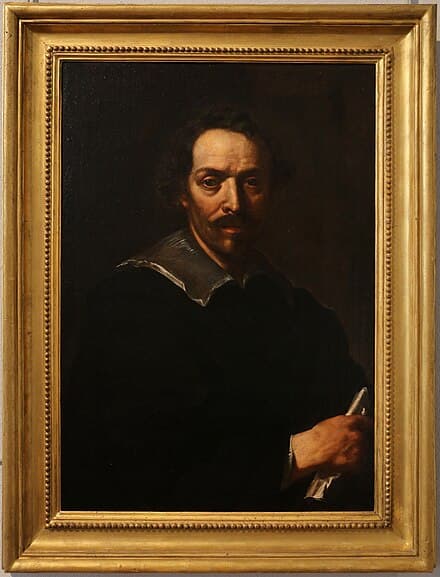
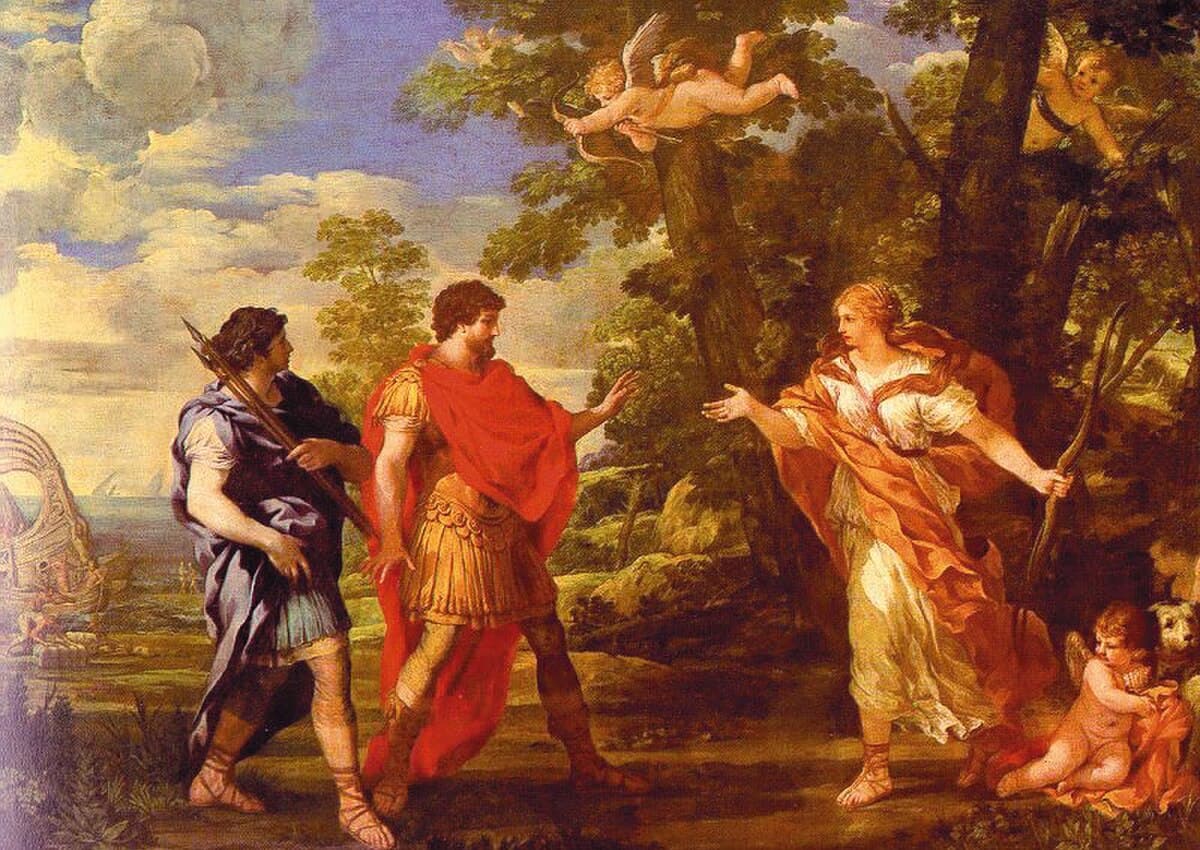
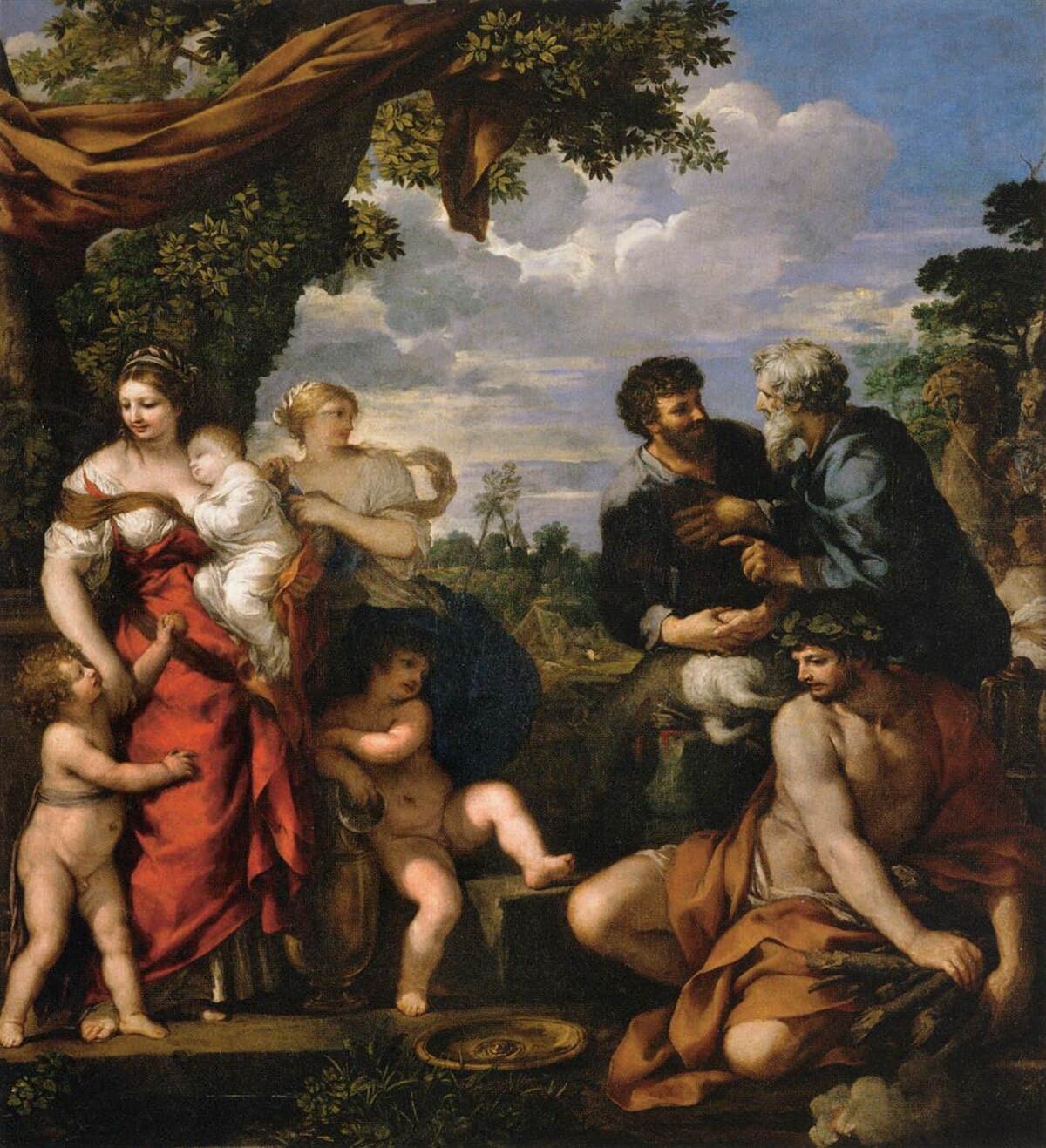
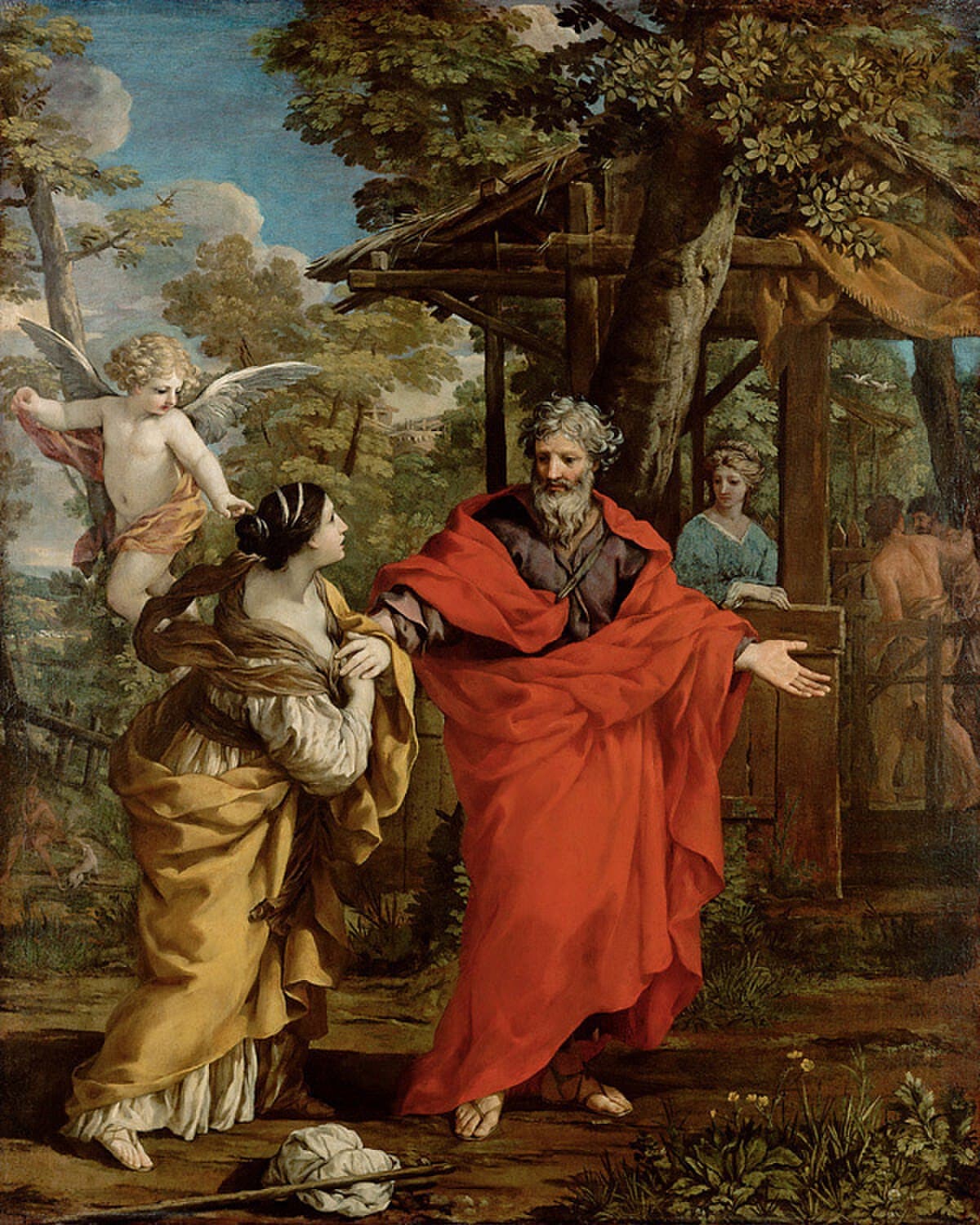
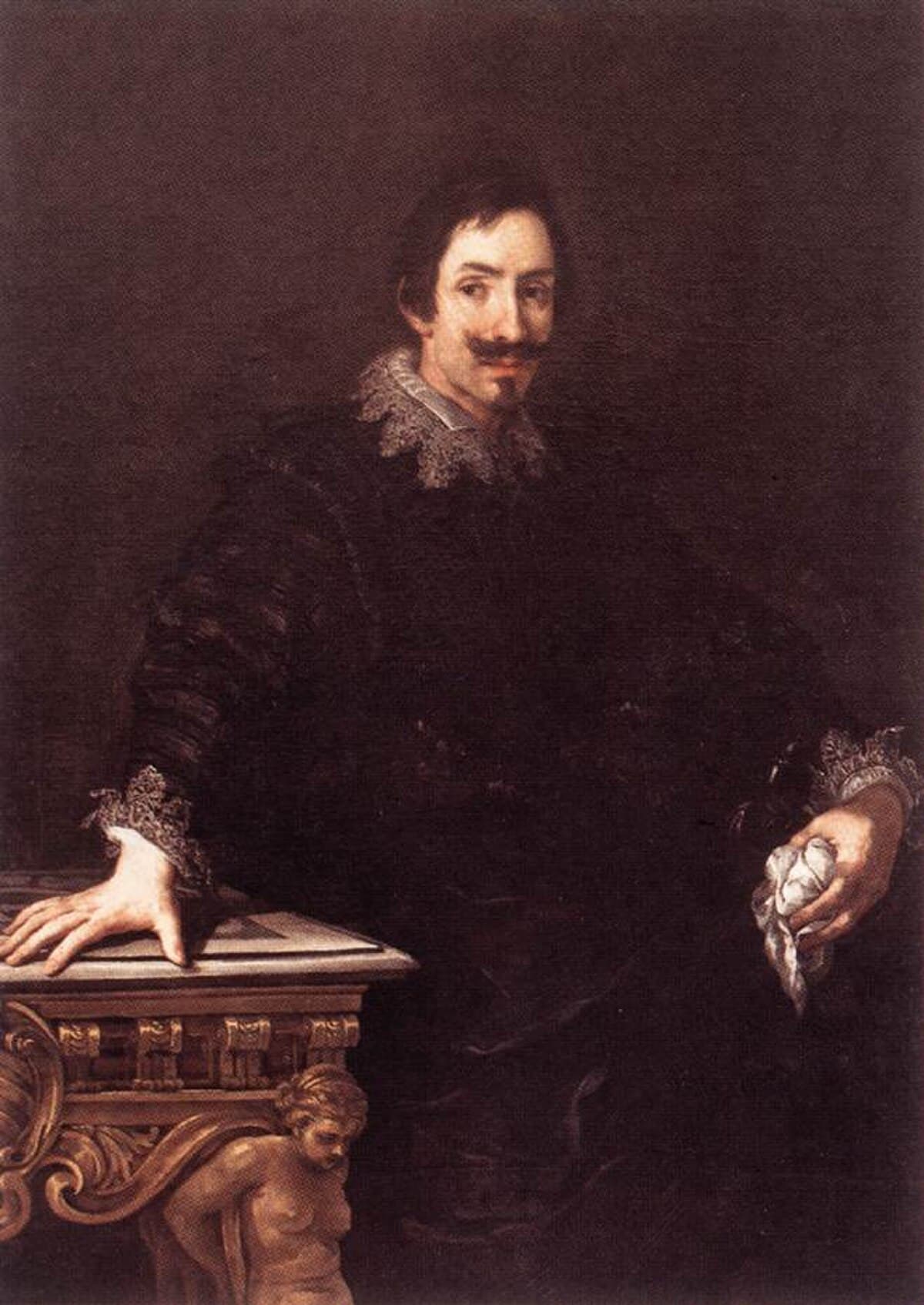
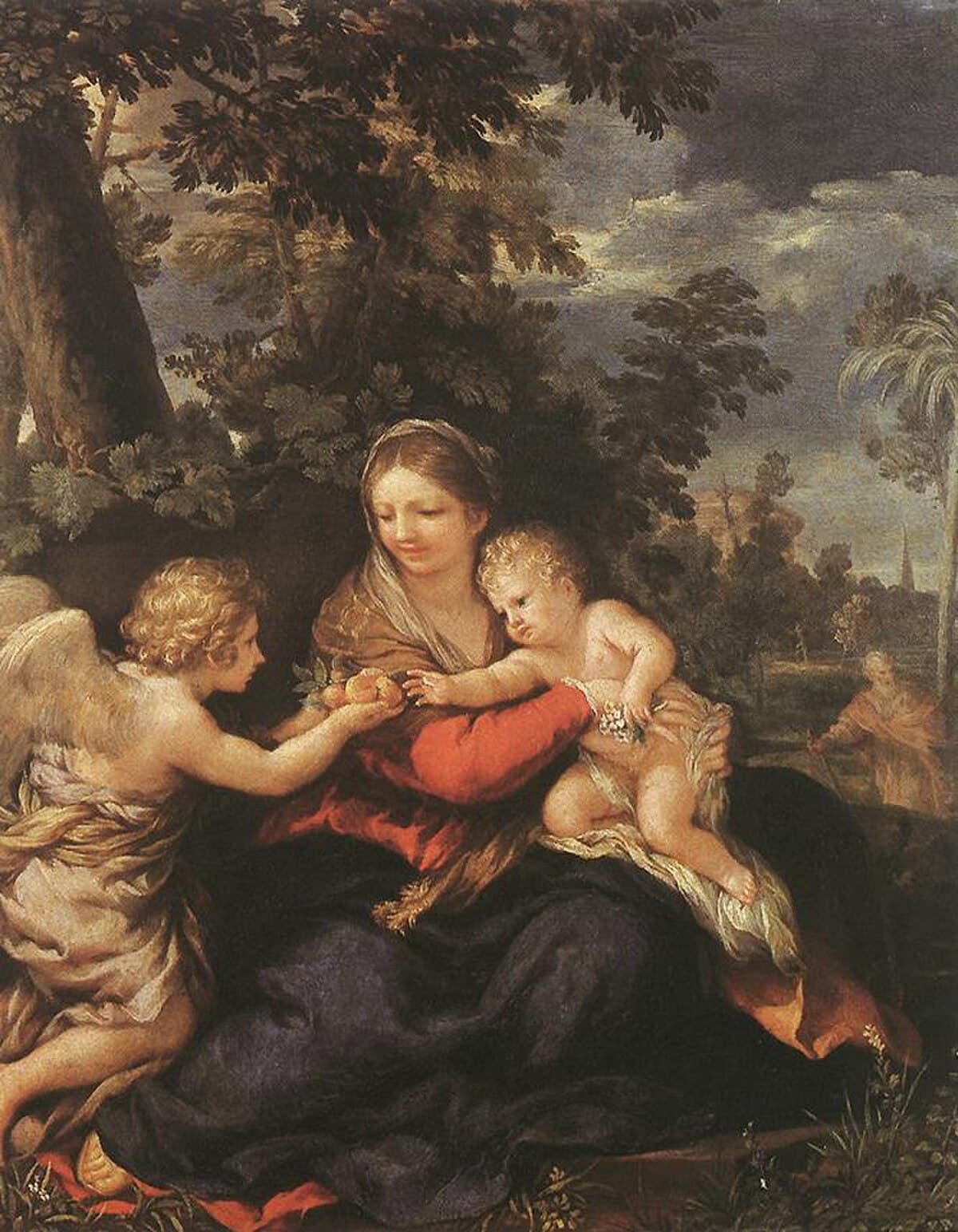
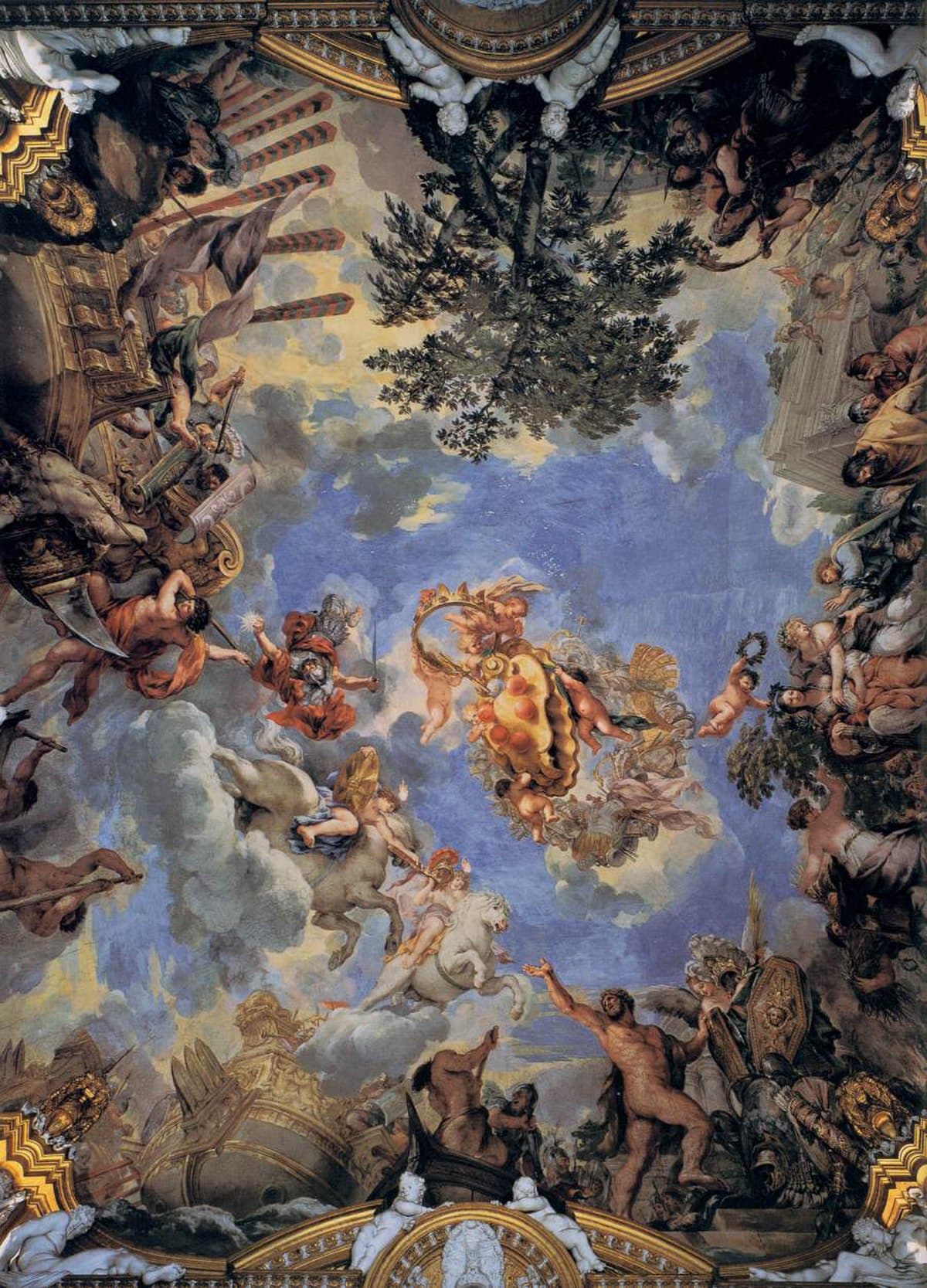
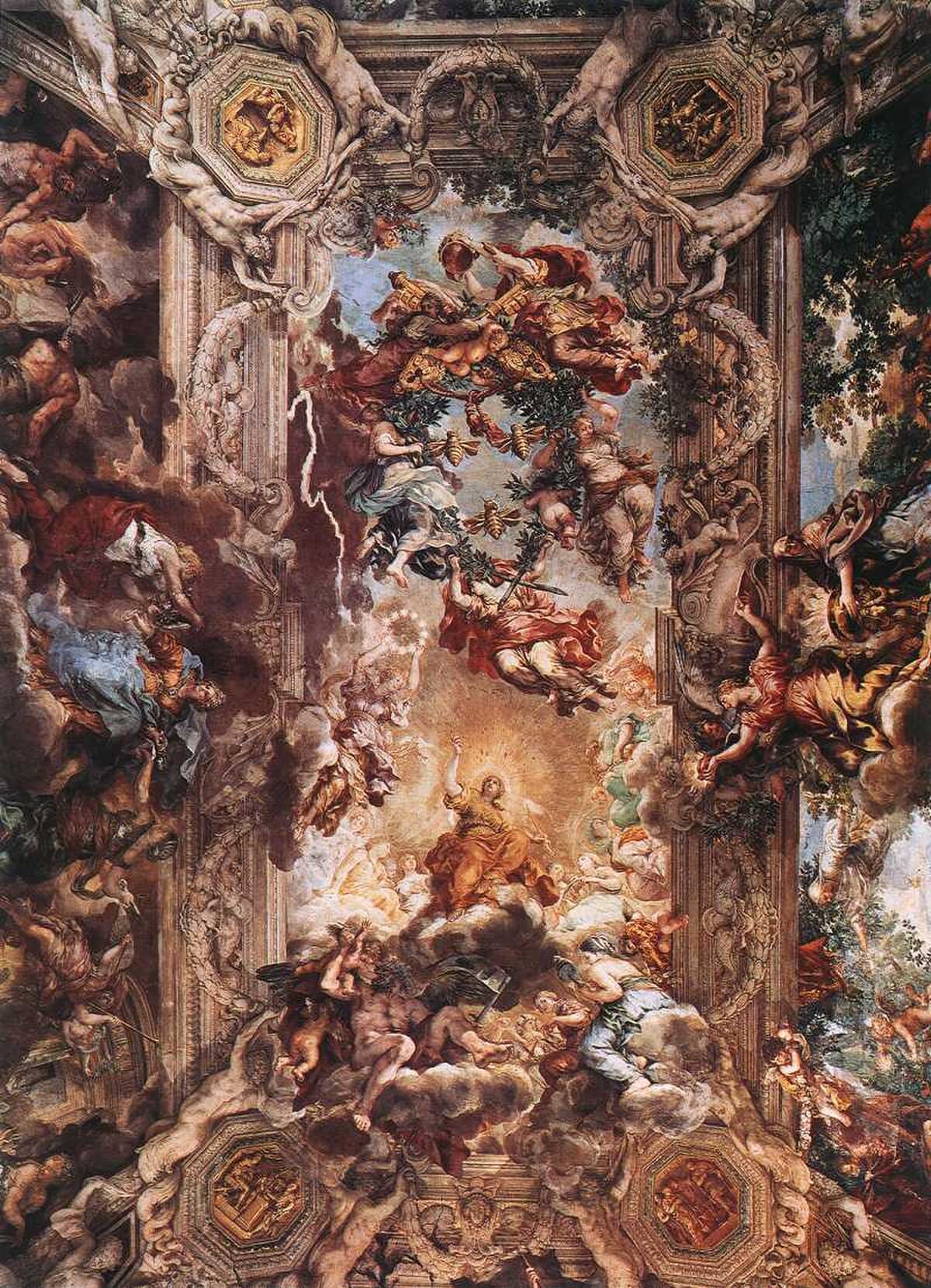
Baroque painter and architect Pietro da Cortona (1596-1669) ranks among the most influential Italian artists of the 17th century. Born Pietro Berrettini in the Tuscan town of Cortona, he moved to Rome around 1612 and studied under minor Florentine painters before finding his own voice through careful study of Raphael and antique sculpture. His specialty was illusionistic ceiling painting, a technique that made flat surfaces appear to open into the heavens. Figures tumble down toward the viewer while others soar upward through painted clouds, creating a sense of motion and drama that defined the Roman Baroque aesthetic. He worked primarily in Rome and Florence, producing grand frescoes for popes and dukes alike that established him as the leading decorative painter of his era.
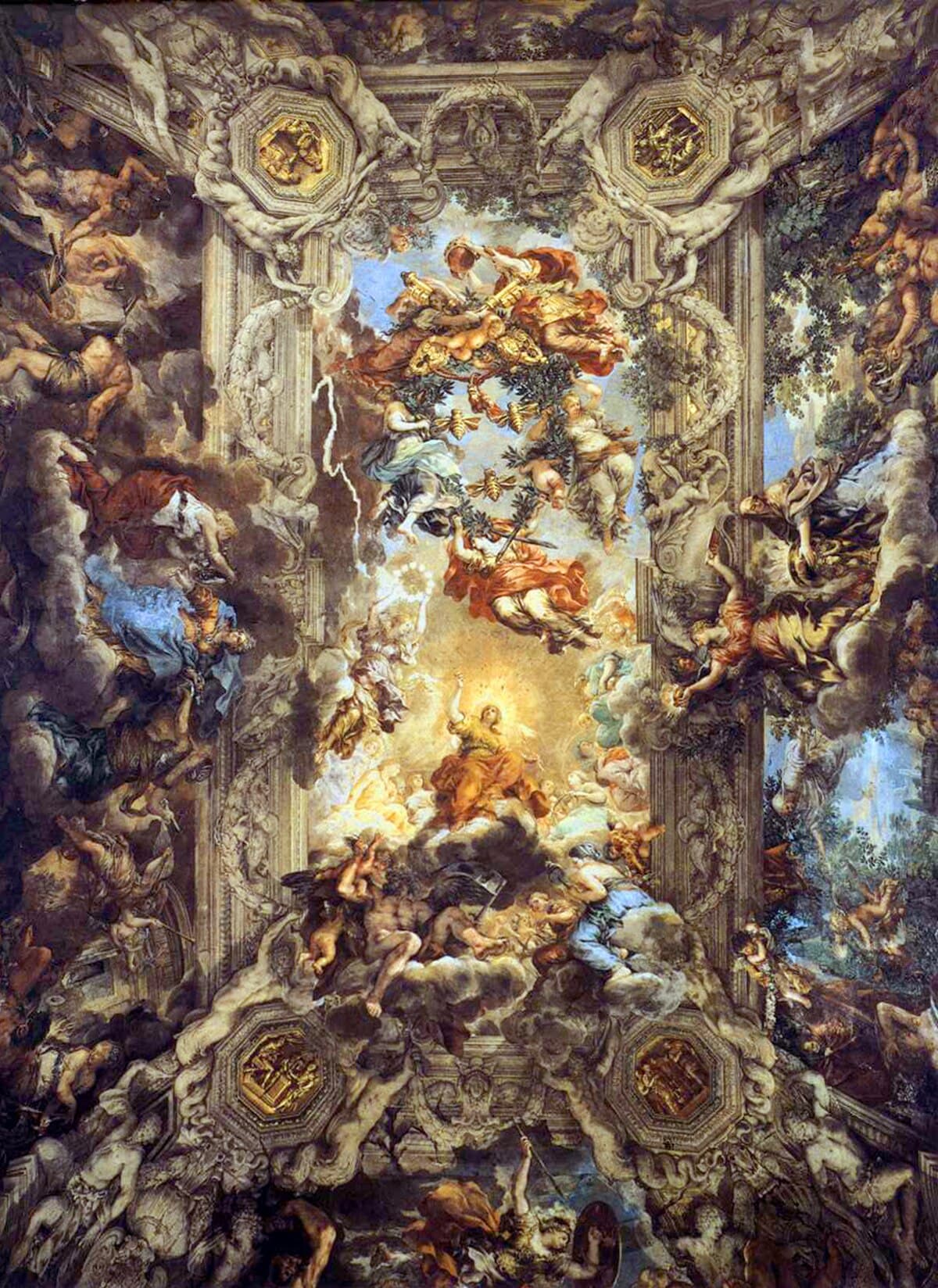
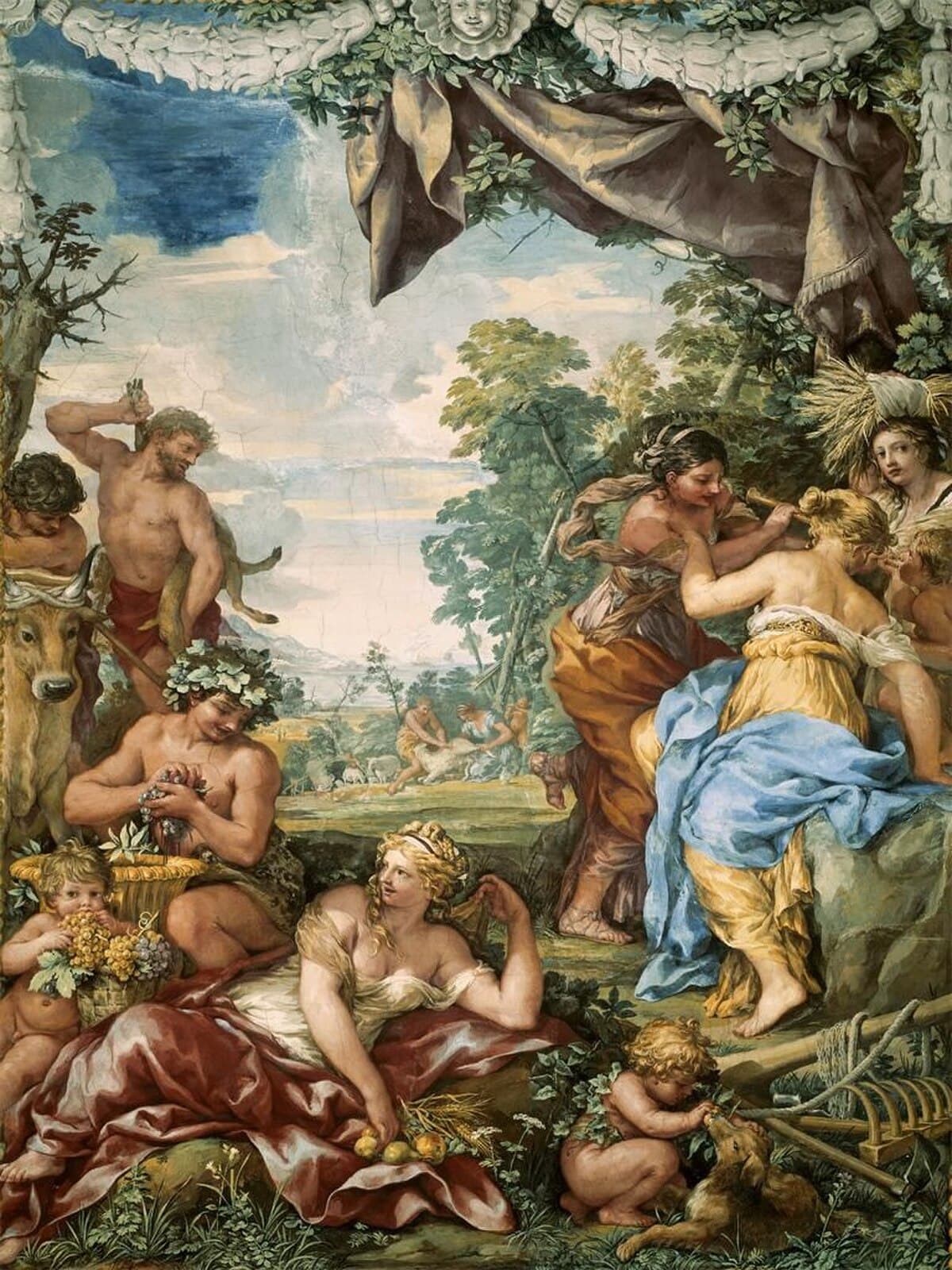
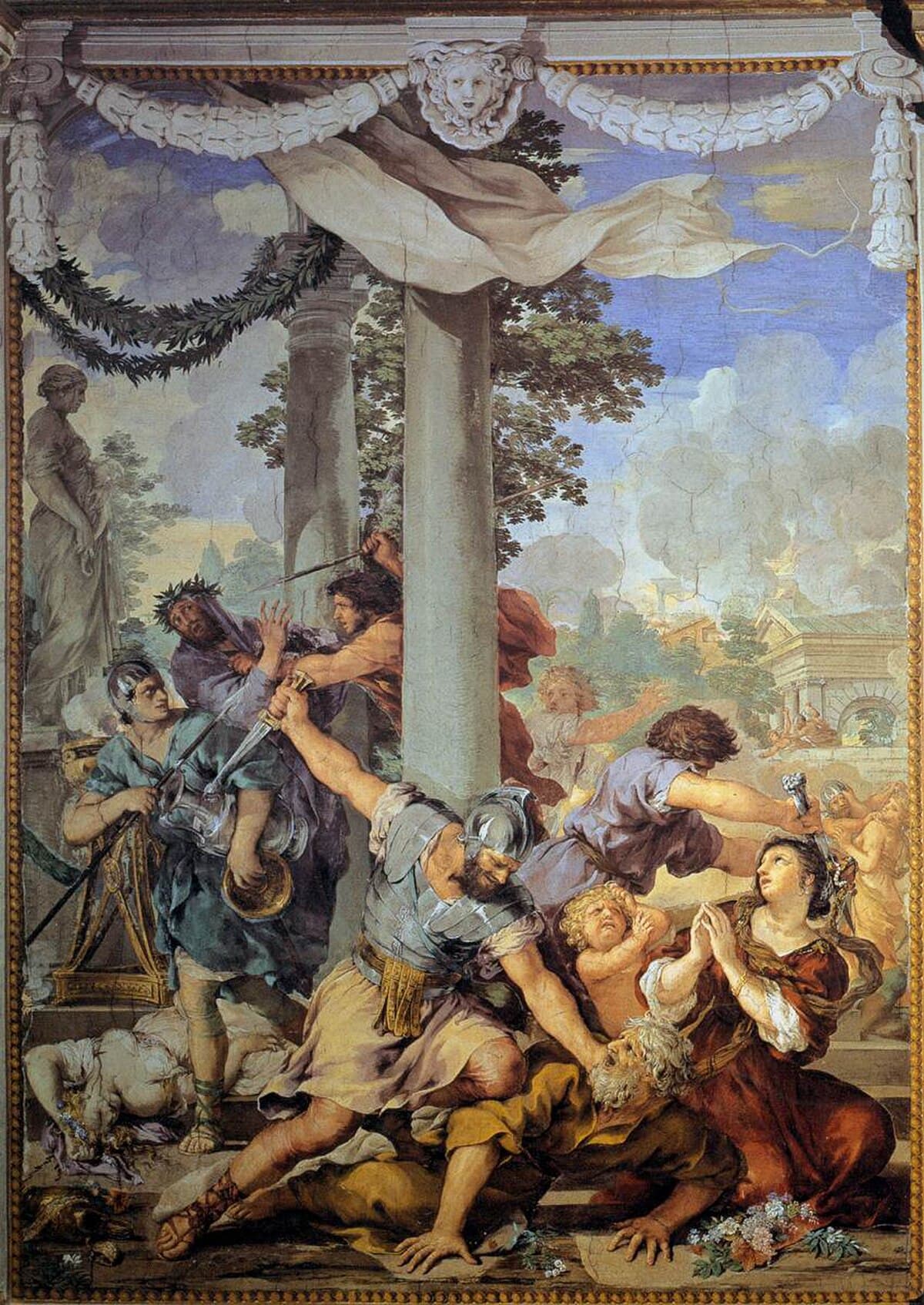
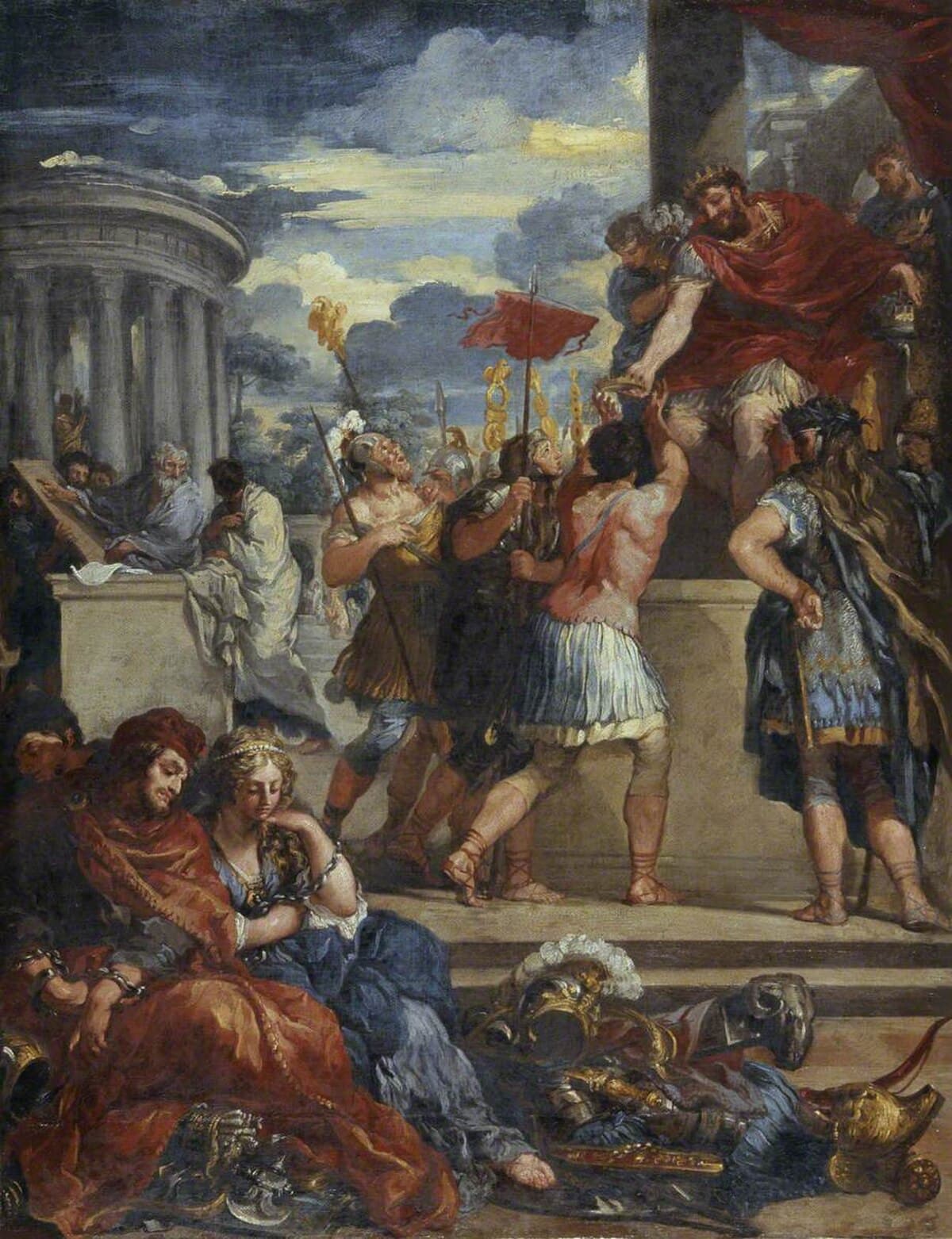
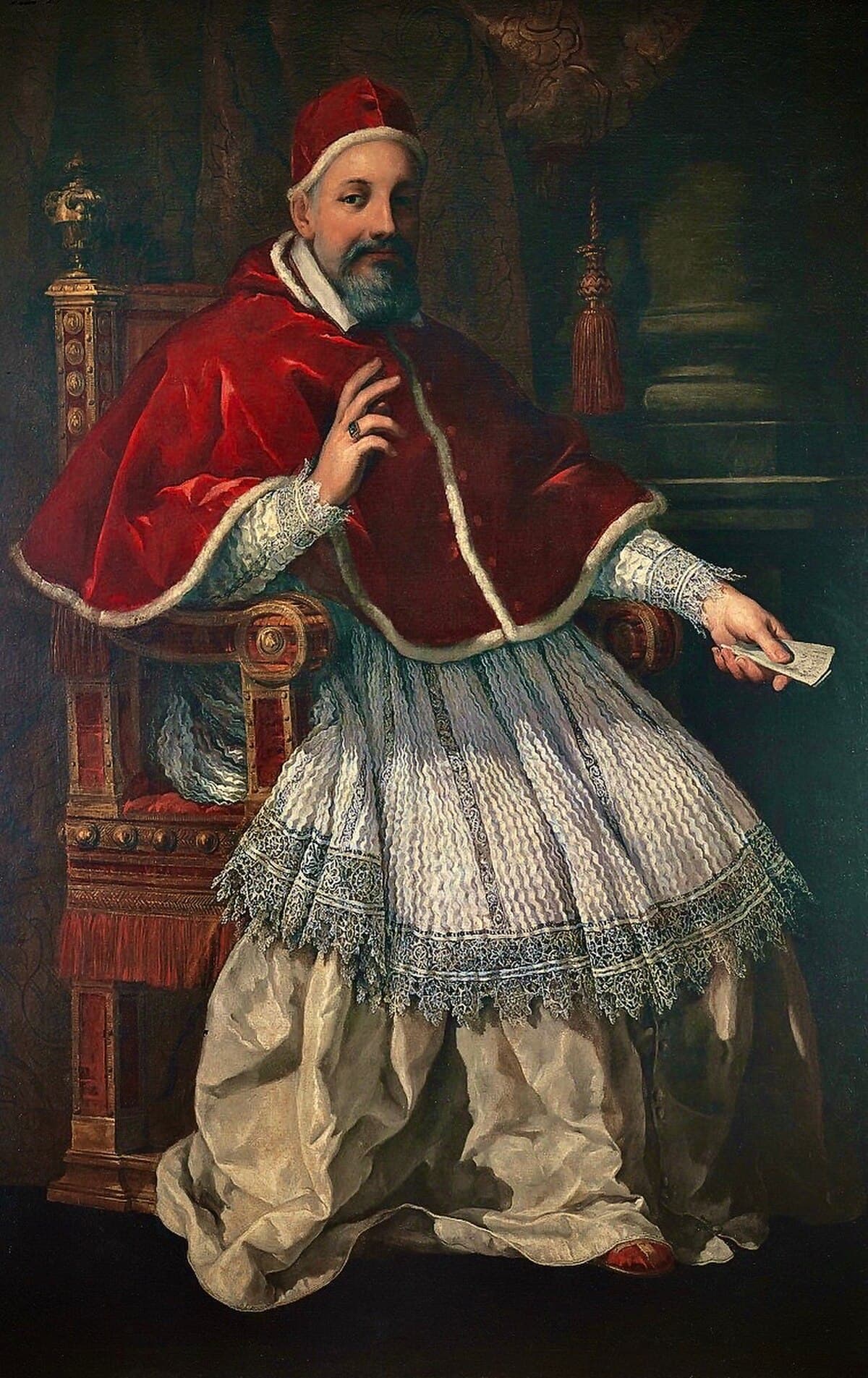
Cortona's breakthrough came in 1624 when Pope Urban VIII commissioned him to paint frescoes at Santa Bibiana in Rome. His association with the powerful Barberini family led to his greatest work: the ceiling of Palazzo Barberini (1633-1639). The Triumph of Divine Providence fresco spans over 2,500 square feet and remains a landmark of illusionistic painting, glorifying the papal family through allegory. He also worked extensively for the Medici in Florence, decorating rooms at the Pitti Palace with allegorical scenes of the Ages of Man including The Golden Age and The Silver Age. As an architect, he designed the church of Santi Luca e Martina. His influence spread across Europe through prints and inspired later masters like Giambattista Tiepolo and Andrea Pozzo. Today, the Palazzo Barberini serves as Italy's national gallery of ancient art, where visitors can experience his ceiling fresco firsthand. Additional works hang at the Prado and the Louvre.