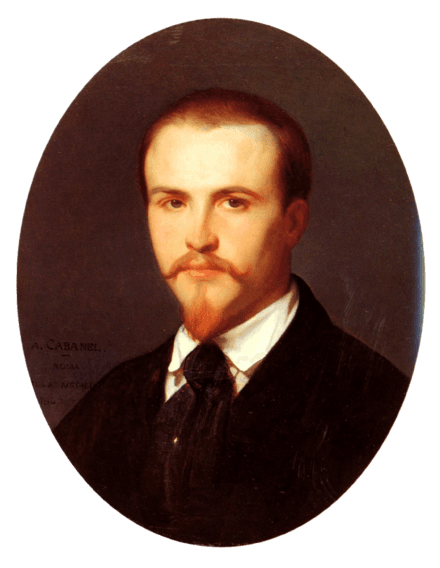
Thomas Couture
French·1815–1879
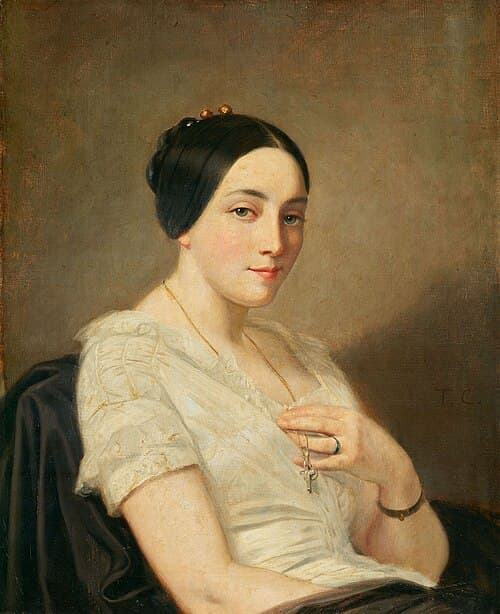
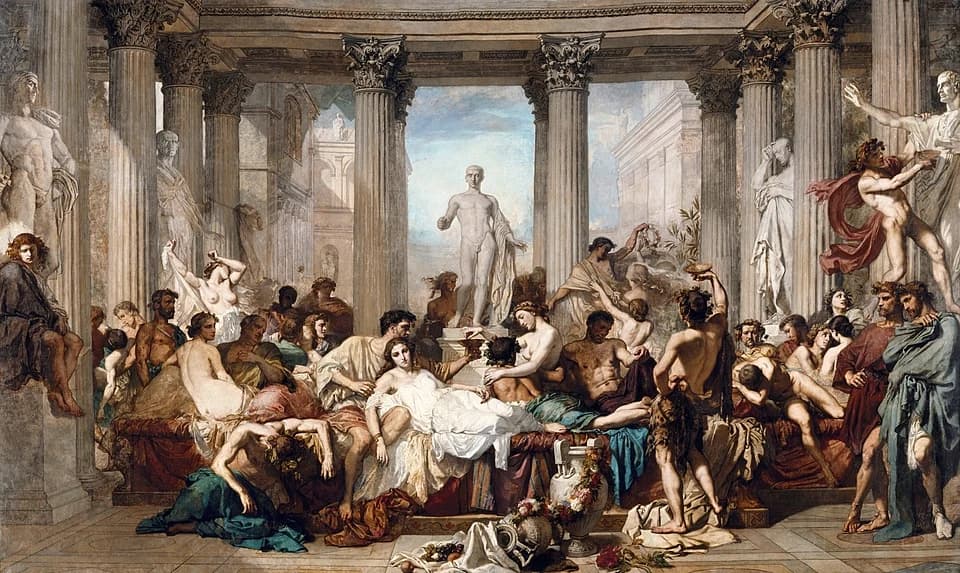
Academic painter Thomas Couture (1815-1879) achieved fame with his monumental "Romans During the Decadence" (1847), which merged Romantic drama with classical subjects. Born in Senlis, France, he studied at the École des Beaux-Arts under Antoine-Jean Gros and Paul Delaroche. His teaching methods proved even more influential than his paintings, as he trained many artists who became central figures of Impressionism and American painting.
Couture failed the prestigious Prix de Rome six times before finally winning in 1837. His masterpiece "Romans During the Decadence" caused a sensation at the 1847 Salon, establishing him as a leading figure in French art. He opened an independent teaching studio that attracted students from across Europe and America, including Édouard Manet, Henri Fantin-Latour, Pierre Puvis de Chavannes, and American painters John La Farge and William Morris Hunt. His 1867 book "Méthode et entretiens d'atelier" codified his teaching methods, which encouraged direct observation and innovative technique. He left Paris in 1860, upset by criticism of his murals at the church of Saint-Eustache. His work hangs at the Musée d'Orsay and various French academic collections. His greatest legacy lives through the students who transformed modern art.
Notable Works by Thomas Couture
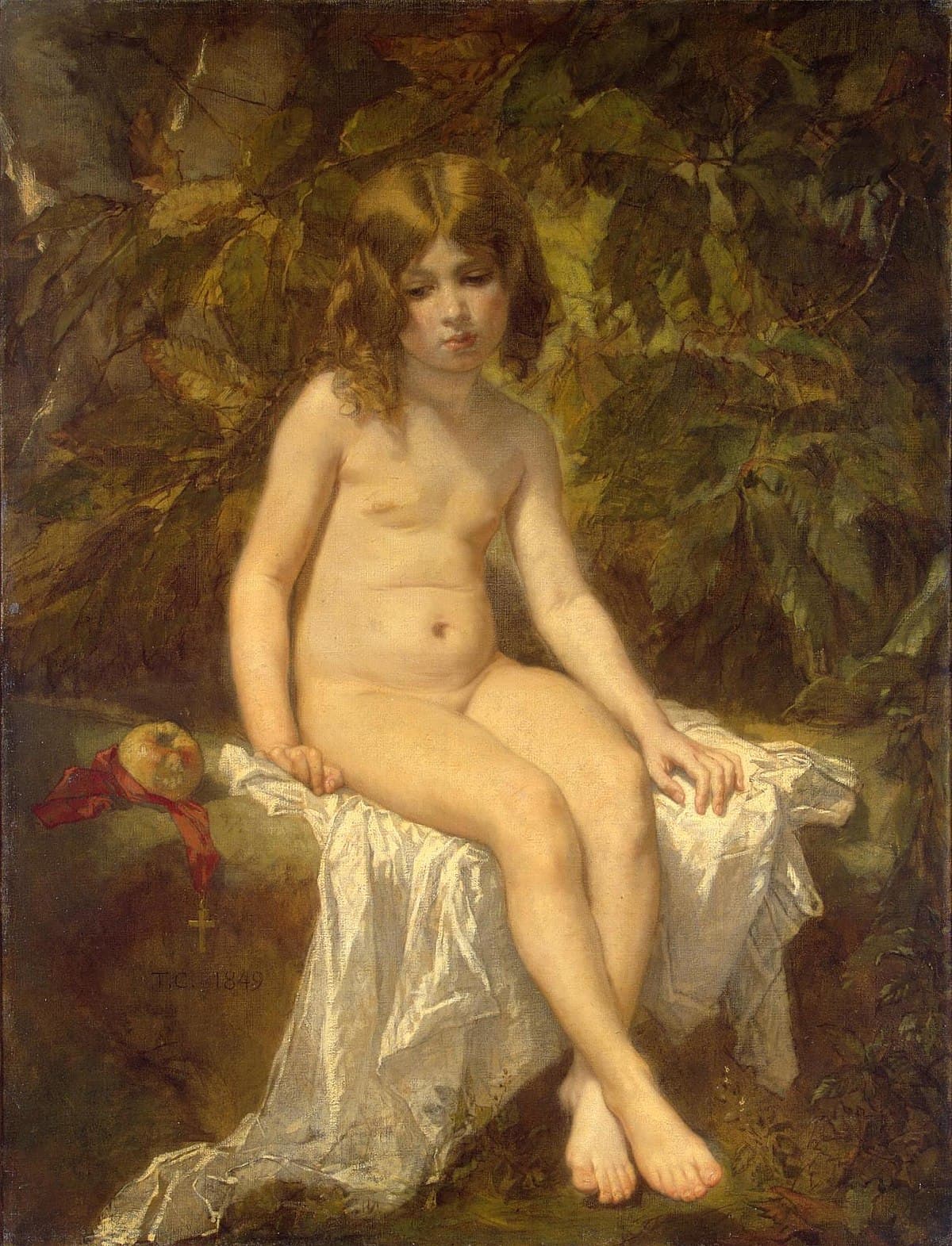
4 paintings catalogued with museum locations
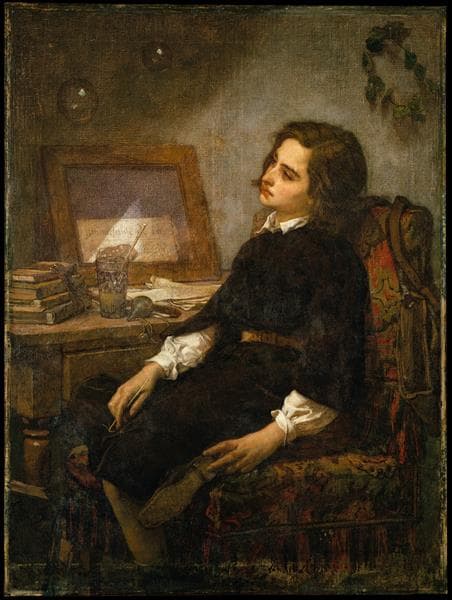
Museums with Thomas Couture's Work
3 museums display Couture's works. Click any museum to see visiting info and the specific works they hold.
Related Artists
Other Academic Art artists you might like
About Thomas Couture
Couture worked in the Academic Art tradition with Romantic influences, though his teaching methods proved more influential than his paintings. His loose, sketchy technique and emphasis on direct observation actually undermined Academic polish in his students' work.
"Romans During the Decadence" (1847) caused a sensation at the Salon and established him as a leading figure in French painting. The massive canvas, over twenty-five feet wide, depicted Roman moral collapse as a veiled commentary on contemporary French society under the July Monarchy.
"Romans During the Decadence" hangs at the Musée d'Orsay in Paris, where its scale and moral ambition still impress visitors. Other works are scattered across French provincial museums and American collections built by his former students.
His students included Édouard Manet, who spent six years in his studio before rebelling against Academic conventions. Henri Fantin-Latour, Pierre Puvis de Chavannes, and Americans John La Farge and William Morris Hunt also trained under him, spreading his methods internationally.
Yes, his 1867 book "Méthode et entretiens d'atelier" codified his teaching approach, which encouraged direct observation, innovative technique, and maintaining the freshness of sketches in finished works. This manual influenced art education in both France and America.
Love Thomas Couture's Style?
Explore art inspired by Academic Art.
Browse Collection