
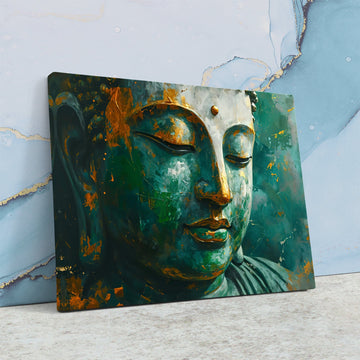
Zen Art
Zen art creates space for calm. These pieces draw from Buddhist aesthetics, emphasizing simplicity, balance, and mindfulness. They work in meditation spaces, bedrooms, and anywhere you want to slow down... read more
Zen artwork tends toward the minimal. Empty space is intentional. Colors are muted. The goal isn't to grab attention but to create an atmosphere of peace and contemplation.
Common themes
Zen paintings often feature natural subjects: bamboo, stones, water, mountains. Enso circles, a single brushstroke forming a circle, are iconic. Calligraphy and minimalist landscapes also fit the aesthetic.
Zen wall art works best when it has room to breathe. Don't crowd it with other pieces. Let it occupy its space the way a single stone sits in a zen garden. The simplicity is the point.
For similar calm, explore our nature art collection or minimalist art.


Frequently Asked Questions
Wishlist