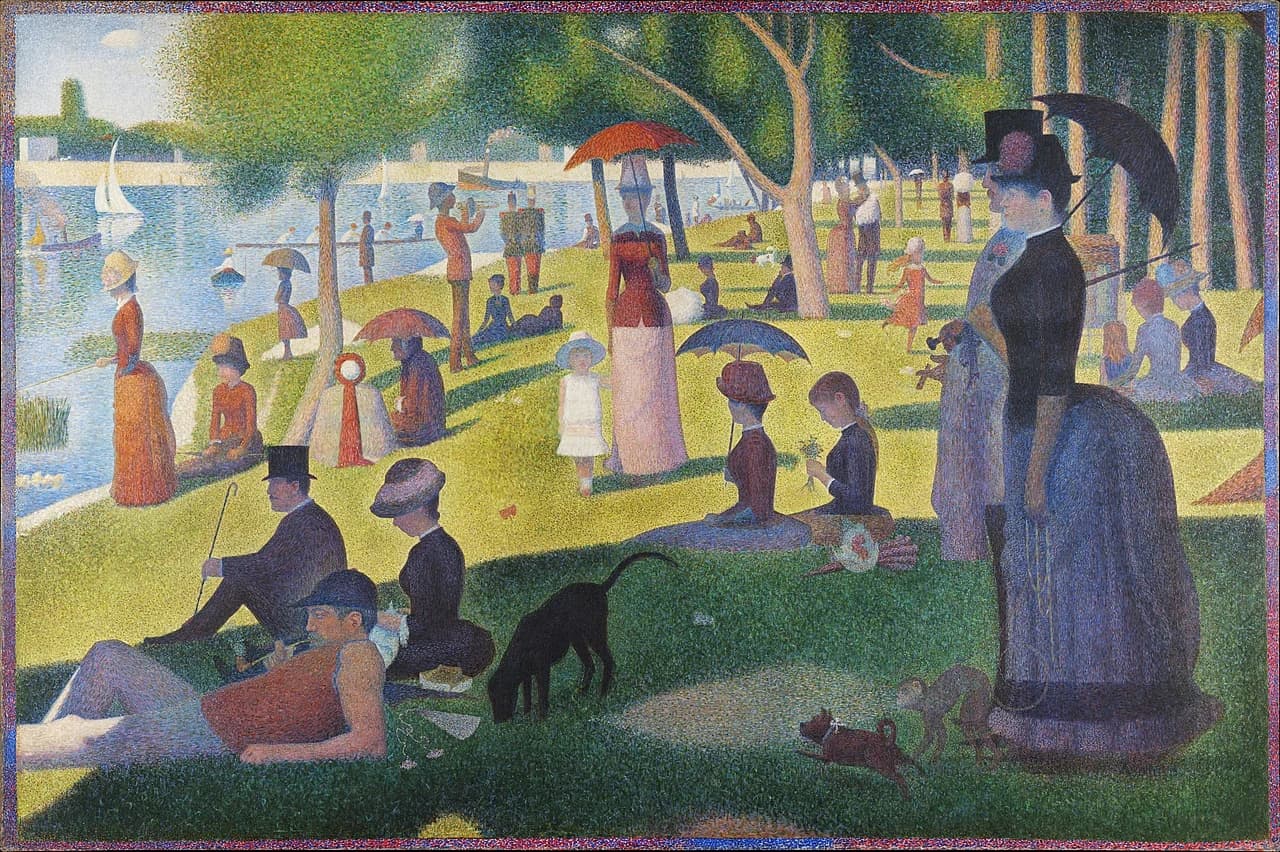
A Sunday Afternoon on the Island of La Grande Jatte
by
by
Find It In The Museum
European Paintings
Art Institute of Chicago, Chicago
Part of the permanent collection
1-click academic citation and embeddable “On View” museum badge for articles, syllabi, and research.
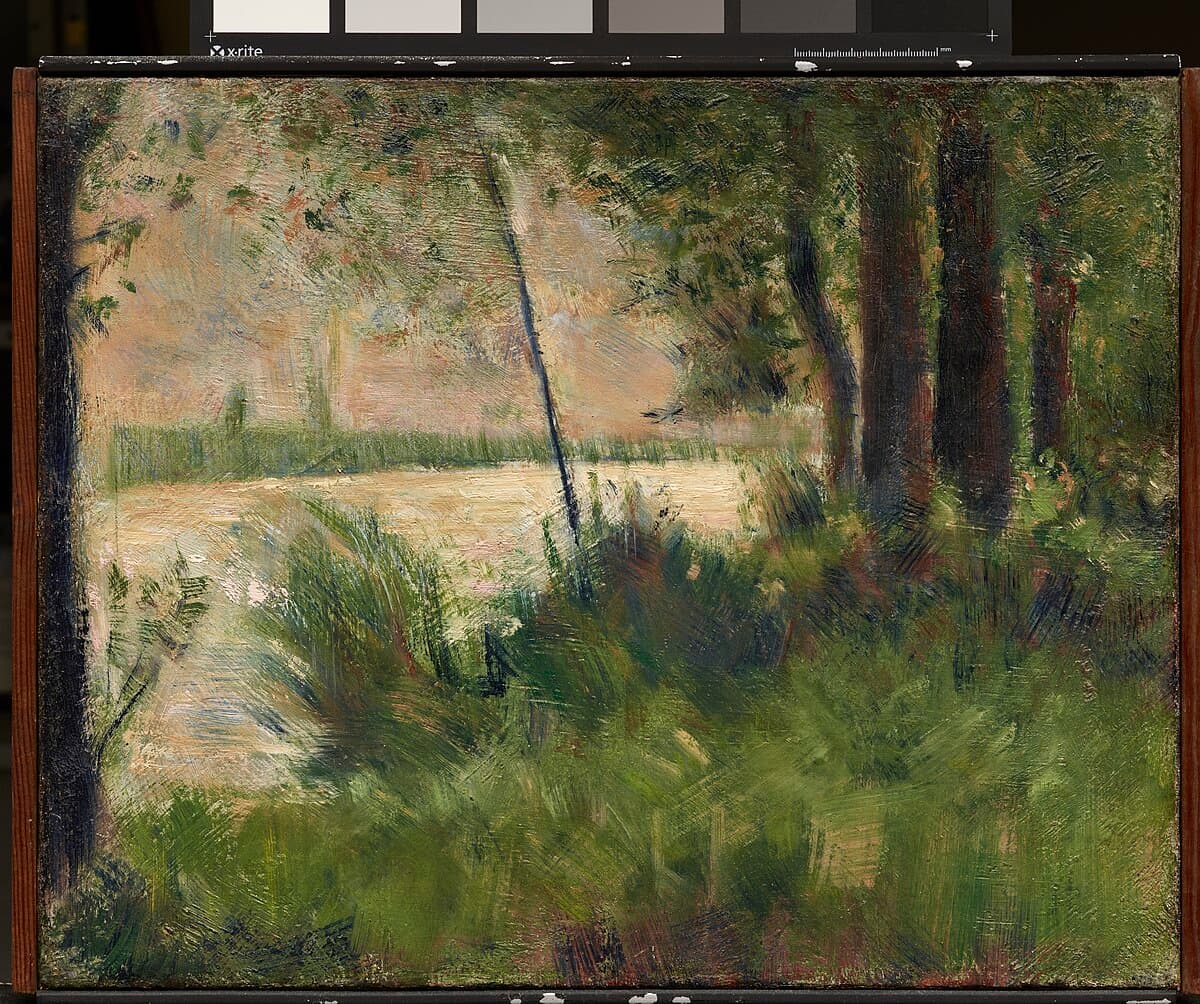
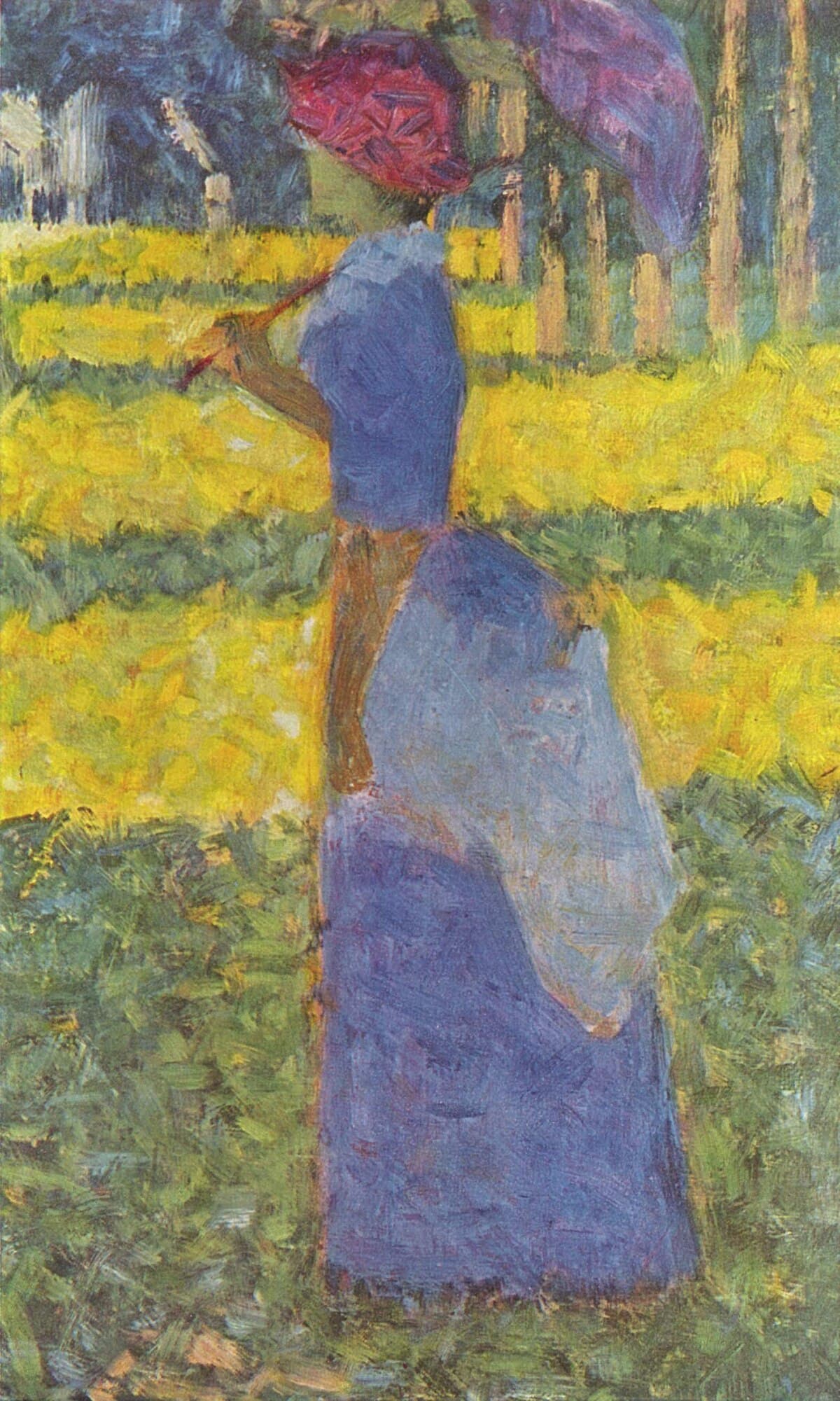
Georges Seurat spent two years creating A Sunday Afternoon on the Island of La Grande Jatte, completing it in 1886. The scene shows Parisians relaxing on a grassy island in the Seine: women with parasols, gentlemen in top hats, children, dogs, and a woman fishing at the water's edge. Roughly fifty figures occupy the canvas, yet no one interacts. They stand frozen like mannequins in a department store window.
Seurat developed a technique he called Pointillism, applying tiny dots of pure color side by side rather than mixing pigments on the palette. From a distance, the eye blends these dots into luminous hues. Up close, the surface dissolves into thousands of individual points. He based his method on color theory, believing science could systematize the spontaneity of Impressionism.
The painting measures over two meters tall and three meters wide, dominating the gallery at The Art Institute of Chicago. Seurat died at 31, just five years after completing this work, leaving behind a small body of paintings that nonetheless changed how artists thought about color and perception.
The leading example of Pointillism and a masterpiece of Post-Impressionism.

Lorado Taft, 1901
Art Institute of Chicago, Chicago

, 201
Art Institute of Chicago, Chicago

Ancient Egyptian (Unknown), 401
Art Institute of Chicago, Chicago

Jean-Baptiste Carpeaux, 1865
Art Institute of Chicago, Chicago
Works that share an artist, movement, museum, genre, palette or theme with A Sunday Afternoon on the Island of La Grande Jatte.
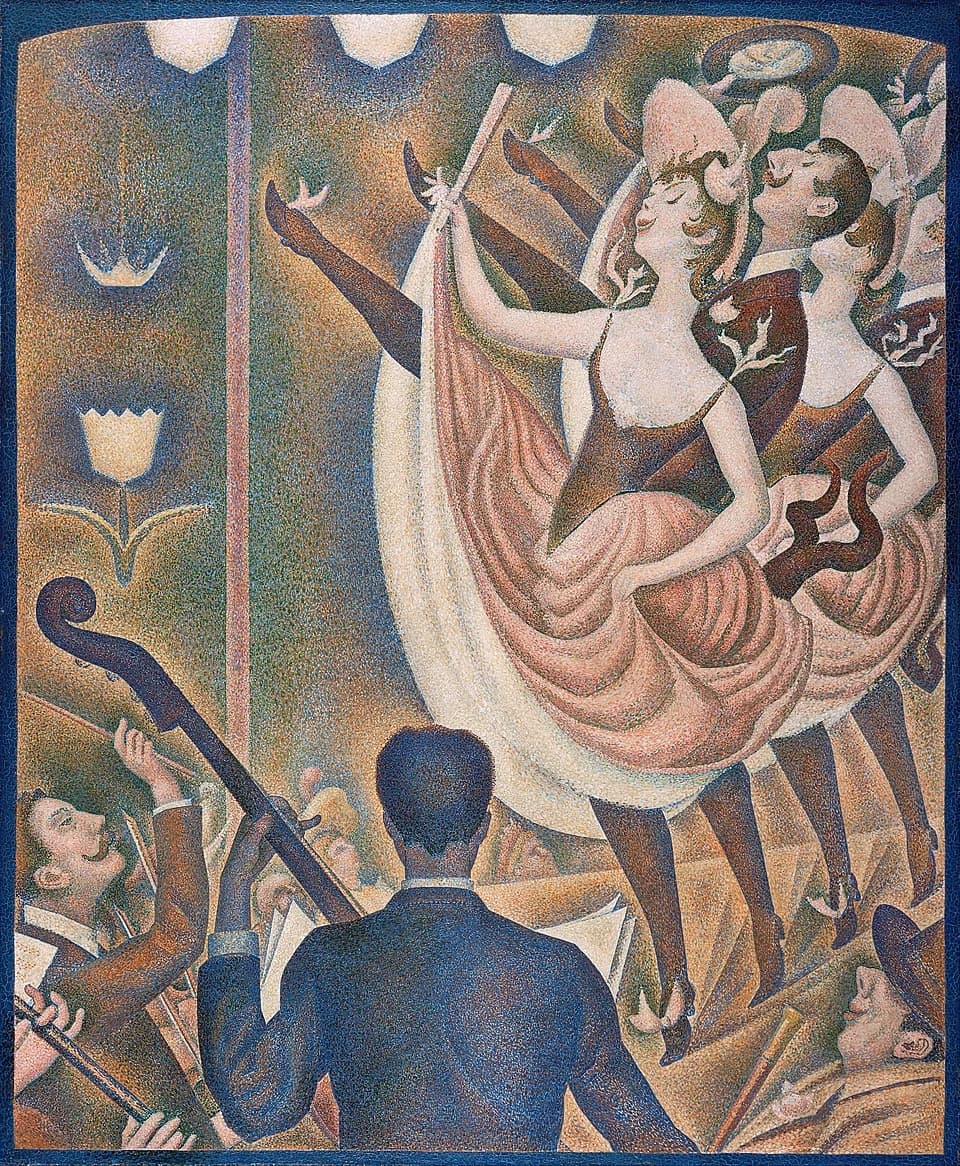
Georges Seurat, 1891
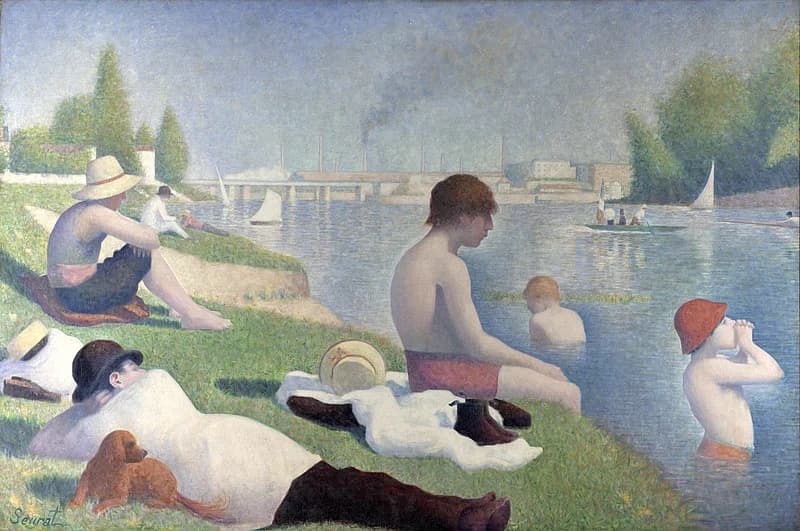
Georges Seurat, 1884

Georges Seurat
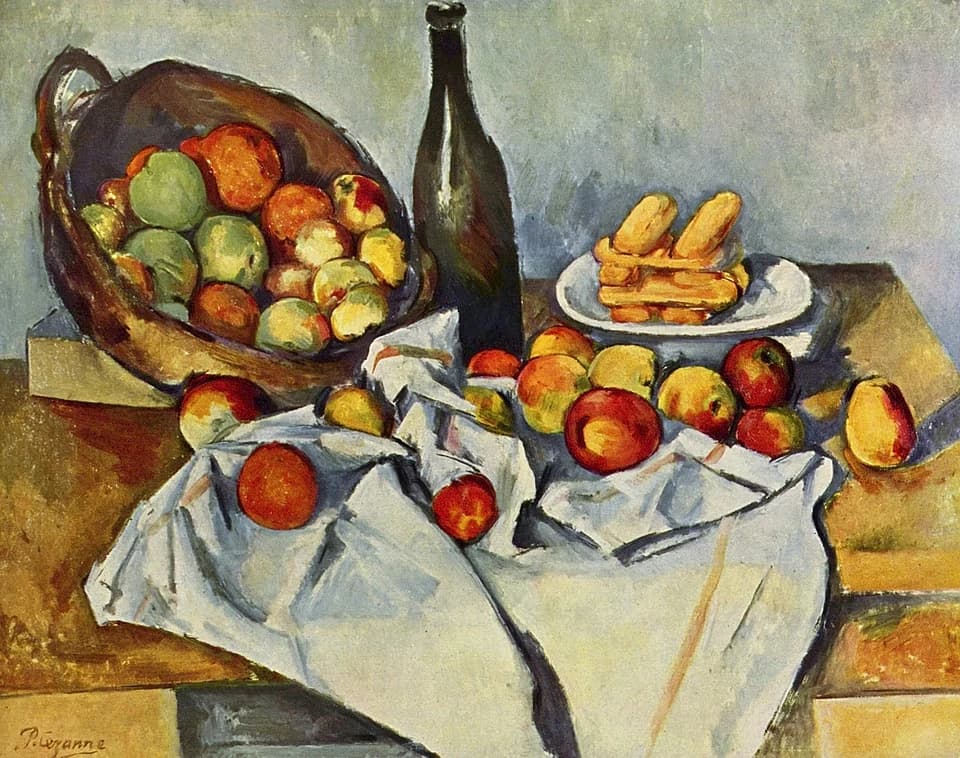
Paul Cézanne, 1895
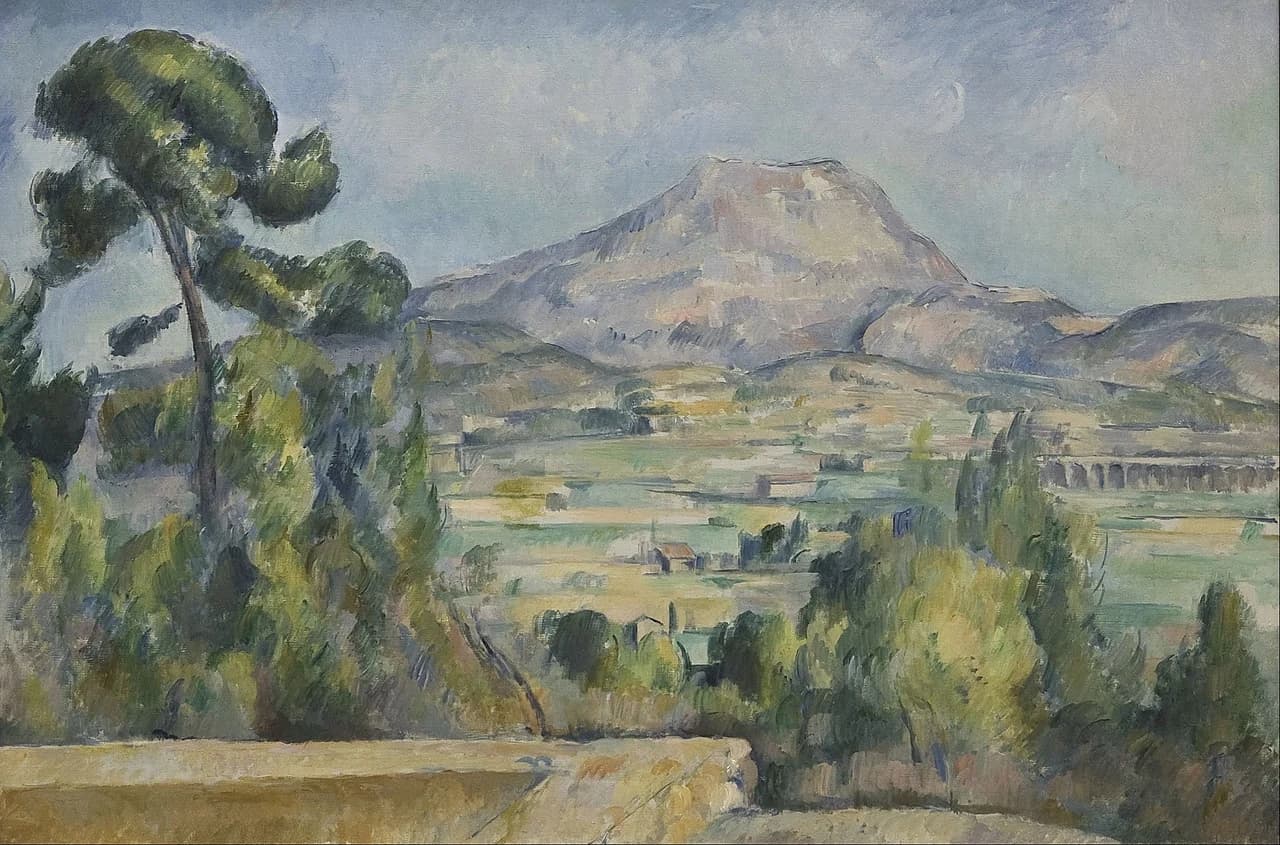
Paul Cézanne, 1904
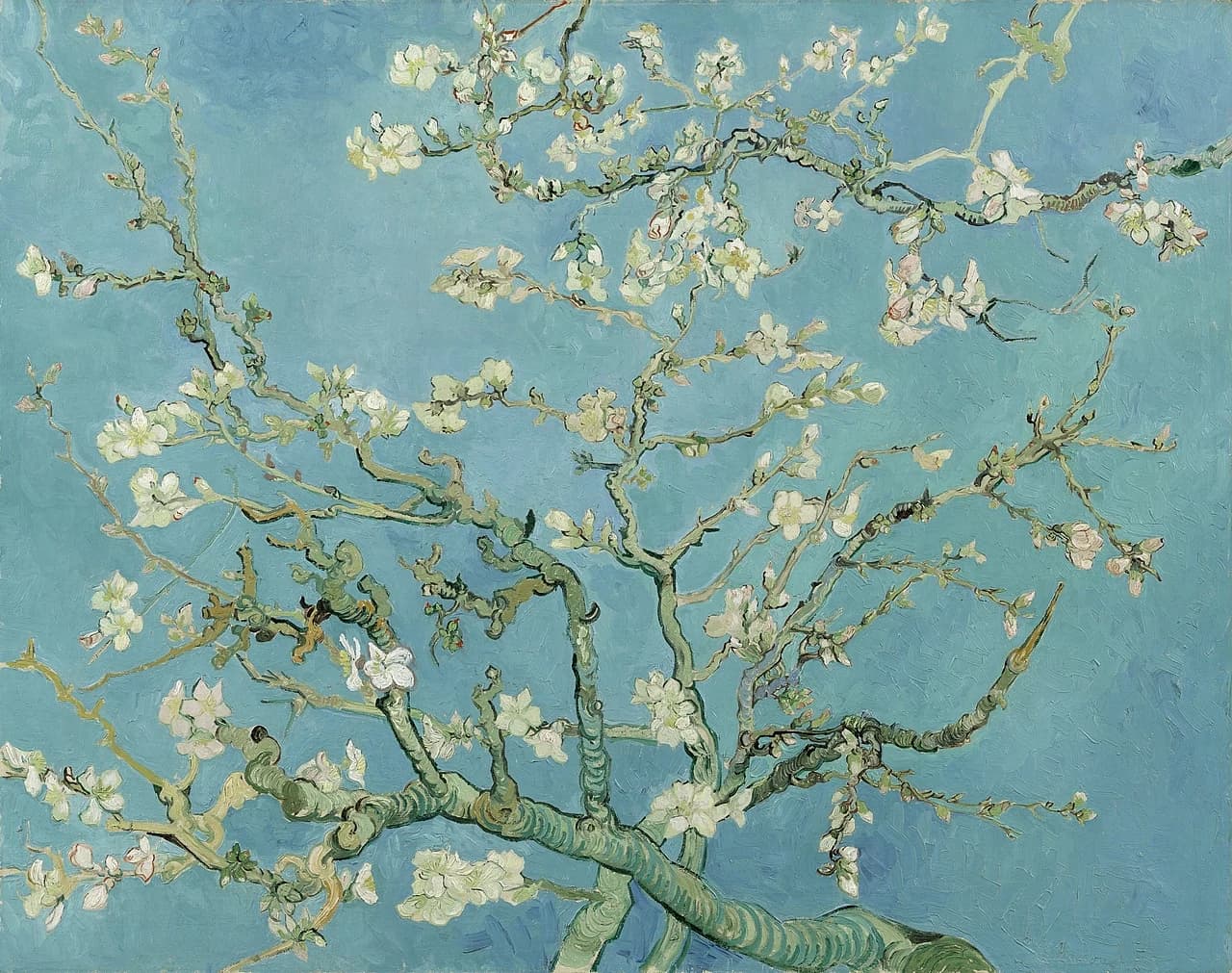
Vincent van Gogh, 1890
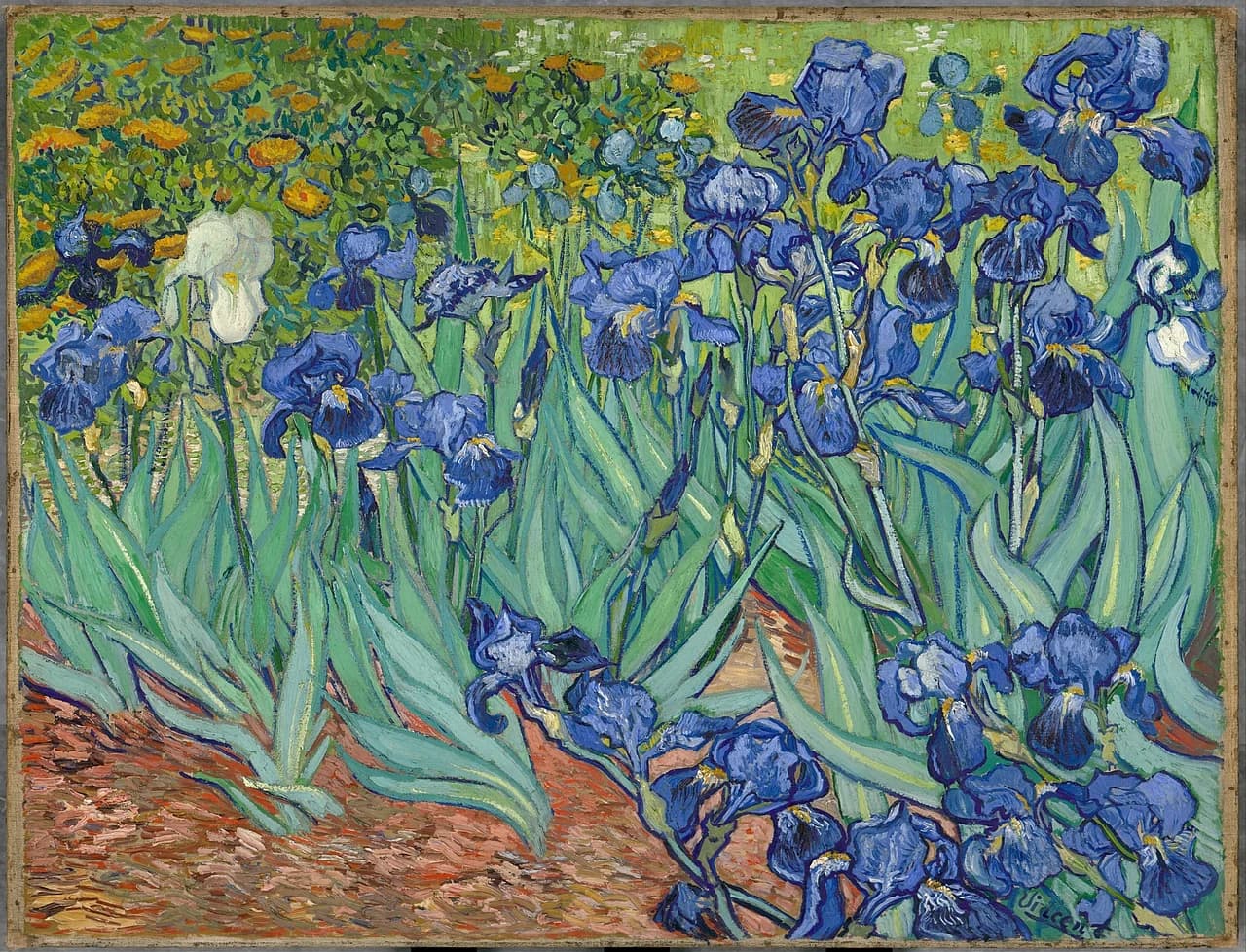
Vincent van Gogh, 1889
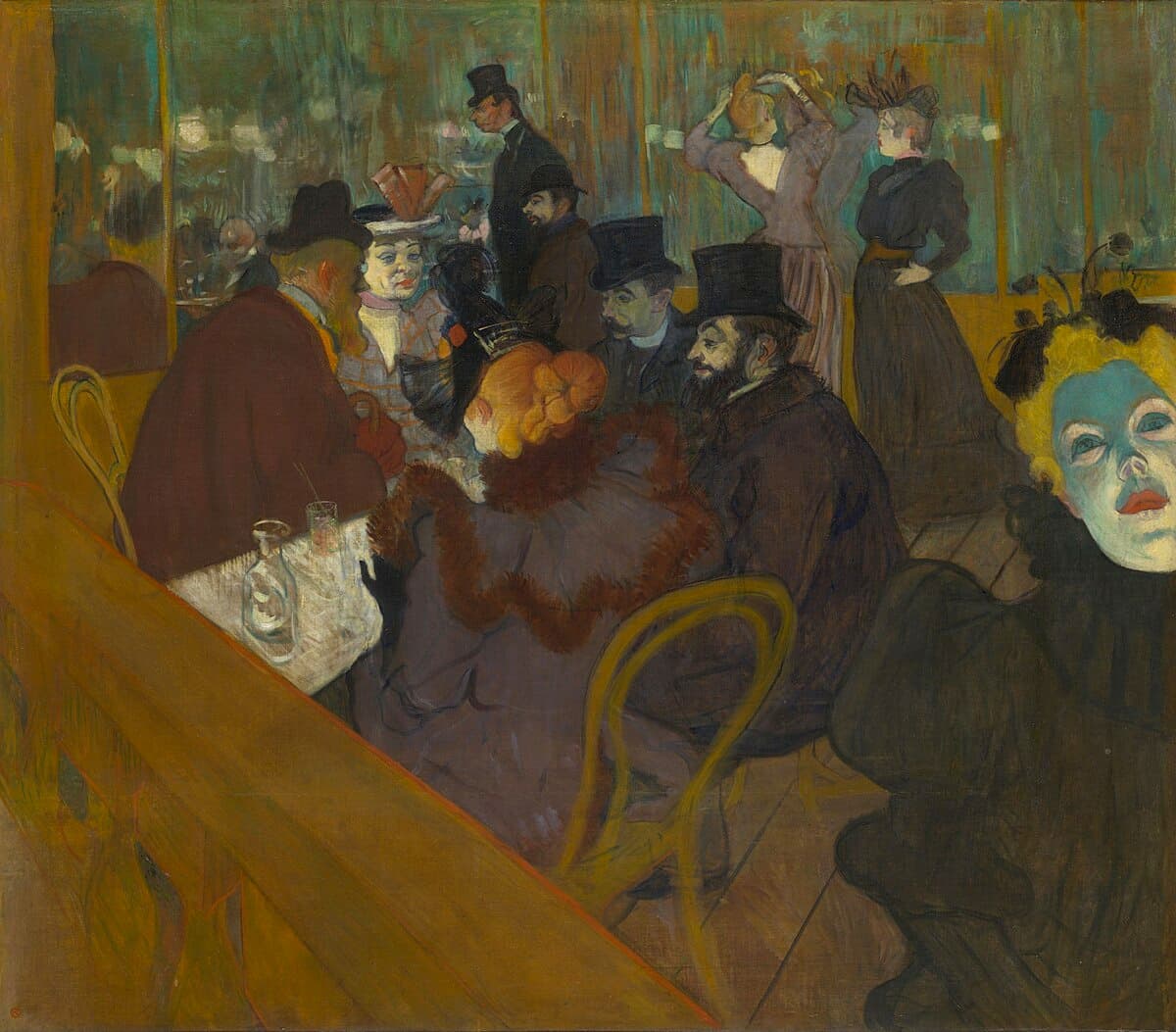
Henri de Toulouse-Lautrec, 1892
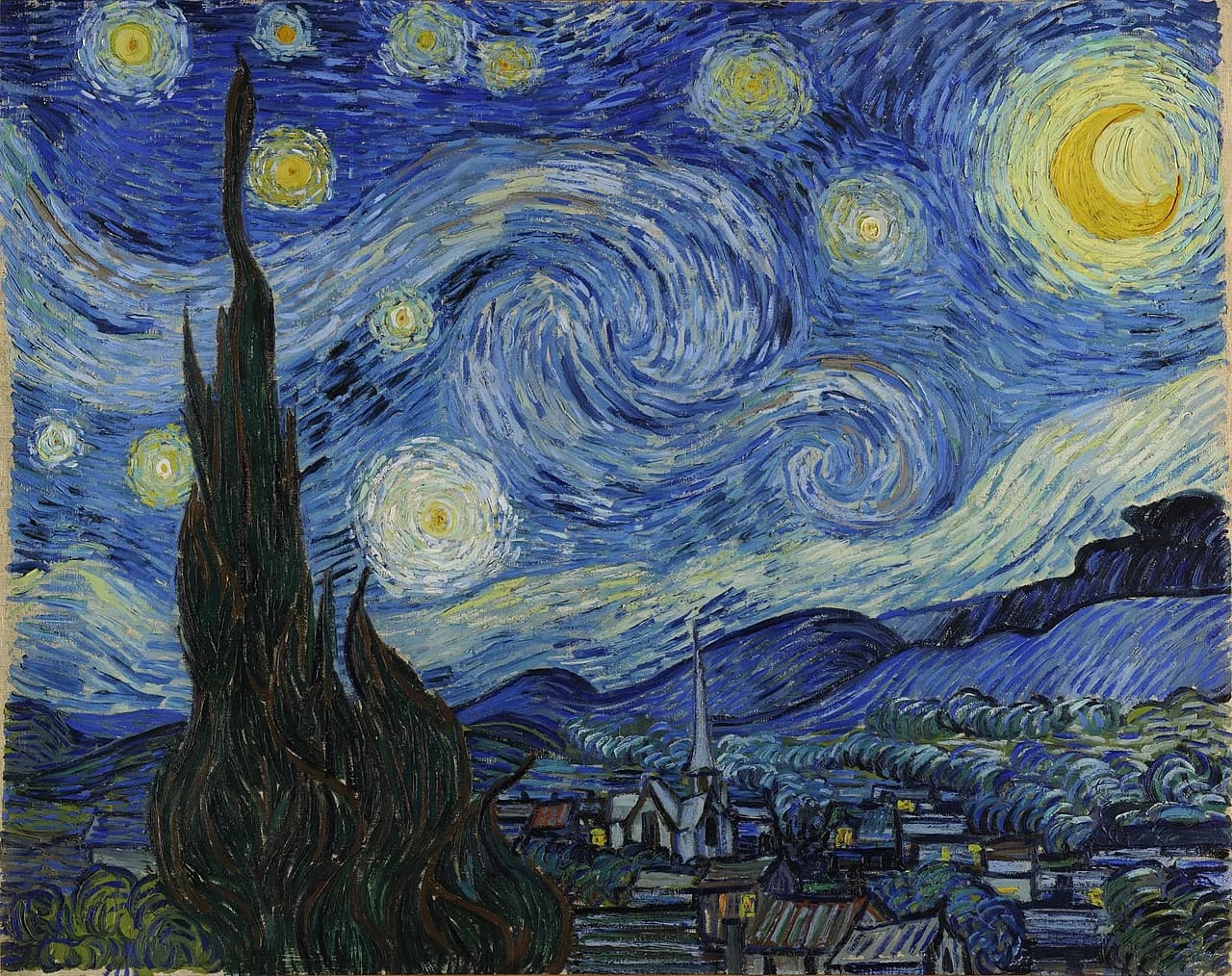
Vincent van Gogh, 1889
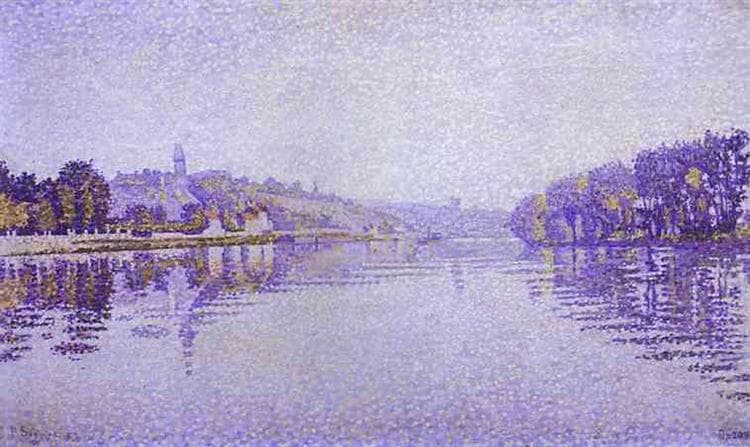
Paul Signac
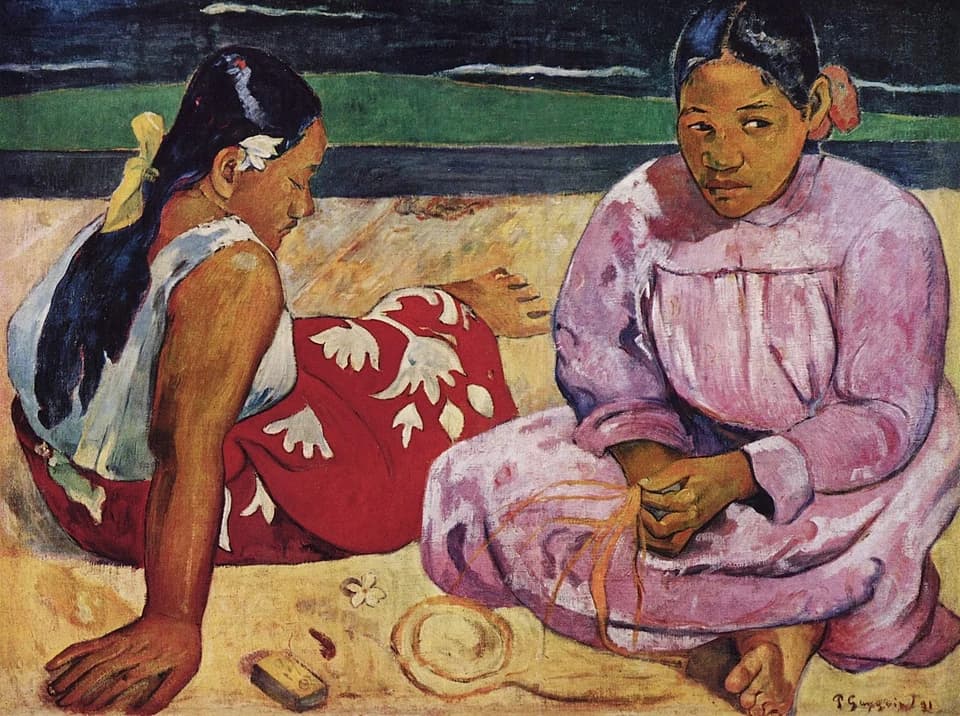
Paul Gauguin, 1892
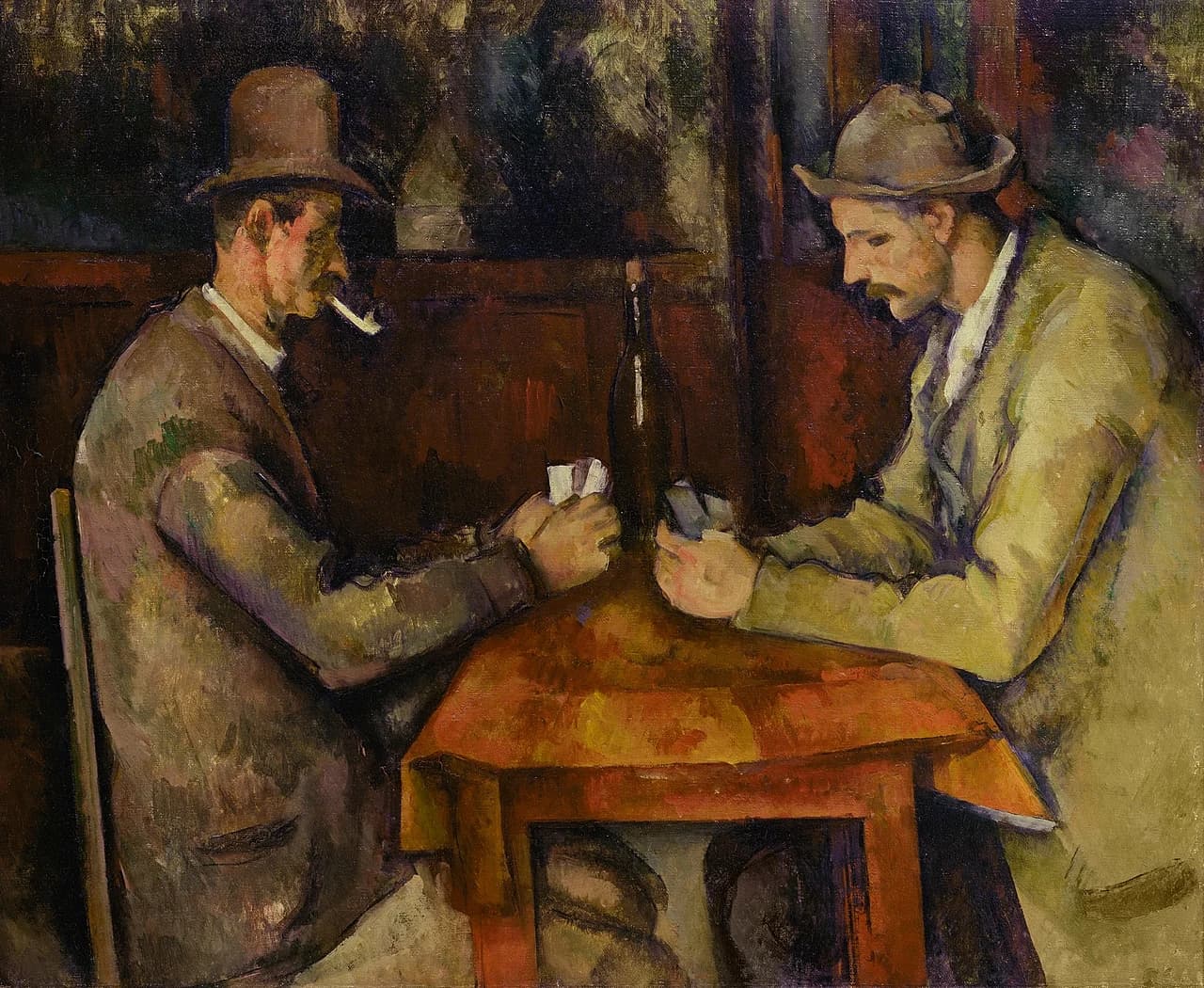
Paul Cézanne, 1895
Luxury wall art with the same mood and energy. Gallery-quality canvas, no museum crowds.
Browse Collection