Amenhotep Son of Hapu as Scribe
by Ancient Egyptian (Unknown), -1350
Artwork Details
Details
- Year
- -1350
- Medium
- Granodiorite
Cite or Embed This Work
APA · MLA · Chicago1-click academic citation and embeddable “On View” museum badge for articles, syllabi, and research.
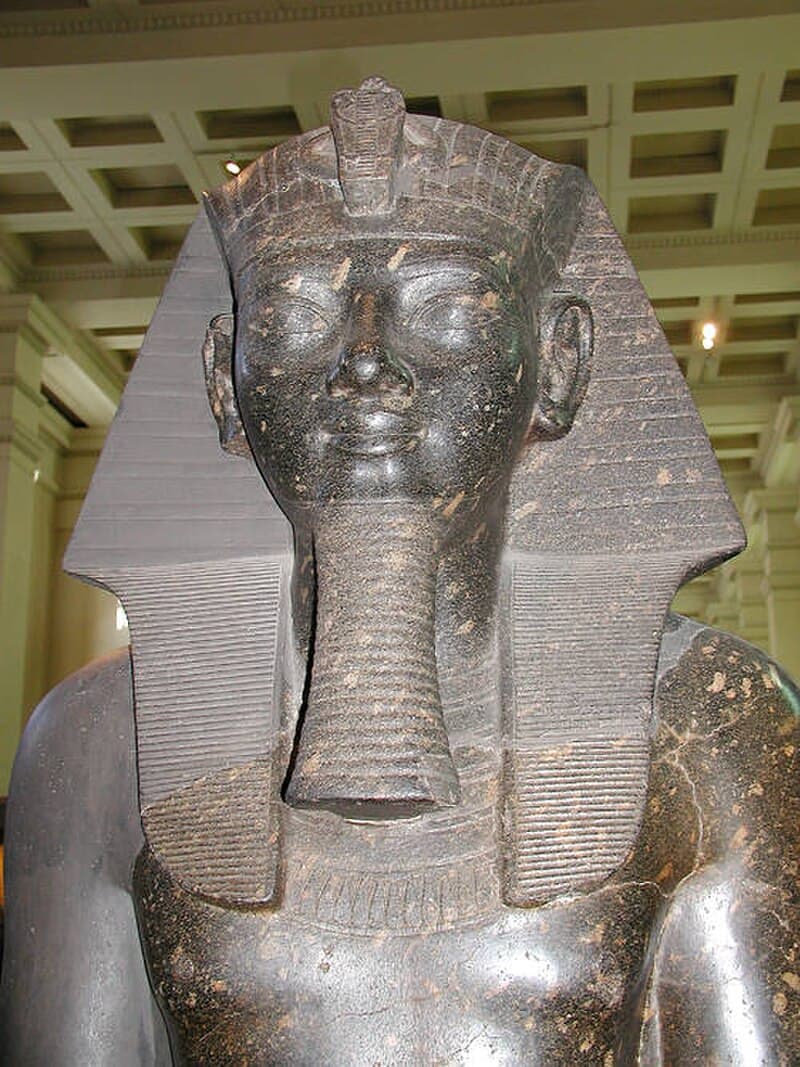
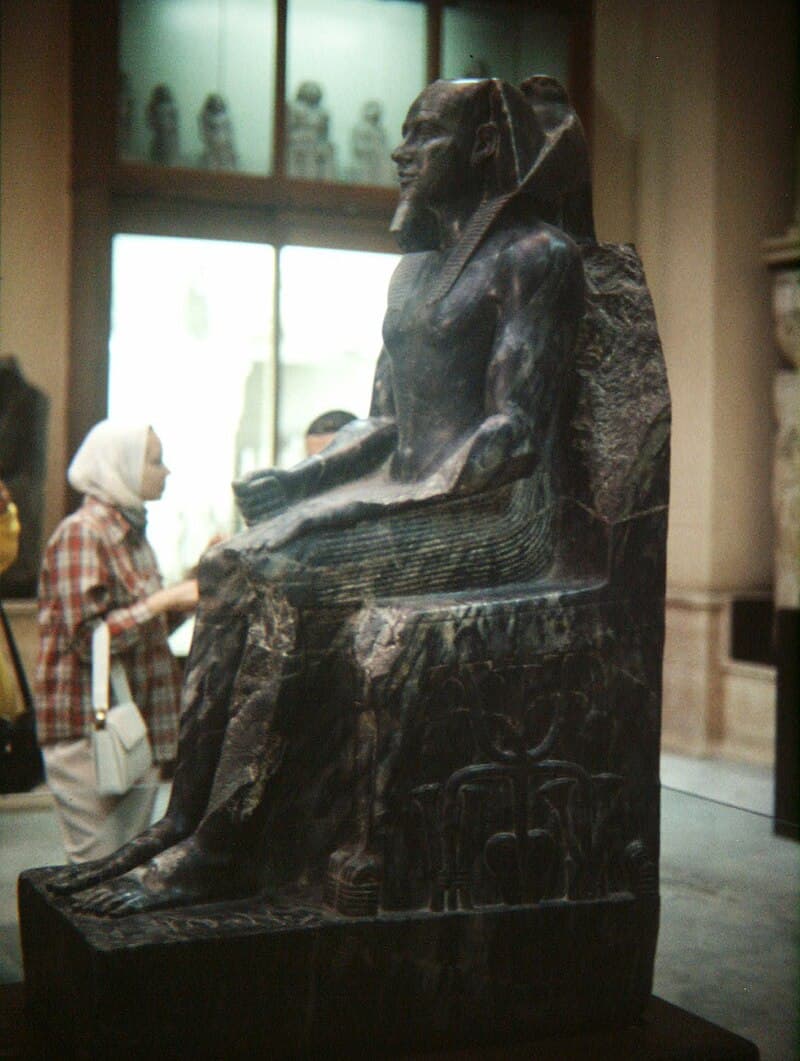
This dark granite statue shows Amenhotep Son of Hapu seated cross-legged as a scribe, a papyrus scroll unrolled across his lap. Dating to around 1350 BC, it portrays one of ancient Egypt's most revered officials during the reign of Amenhotep III. The serene, youthful face contrasts with the rolls of fat on his torso, a sign of prosperity and high status.
Amenhotep Son of Hapu served as royal architect, overseeing construction projects including the Colossi of Memnon. He was one of the very few non-royals permitted to place statues of himself in the great temple at Karnak. A thousand years after his death, Egyptians deified him as a god of healing, building chapels in his honor.
The statue is at the Grand Egyptian Museum. The cross-legged scribe pose was one of the highest honors in Egyptian art, signifying literacy, wisdom, and direct access to the gods through sacred writing.
More by Ancient Egyptian (Unknown)
View all →Sculpture
A

Architectural Fragment with Relief Carving
Ancient Egyptian (Unknown), 401
Art Institute of Chicago, Chicago
Sculpture
S
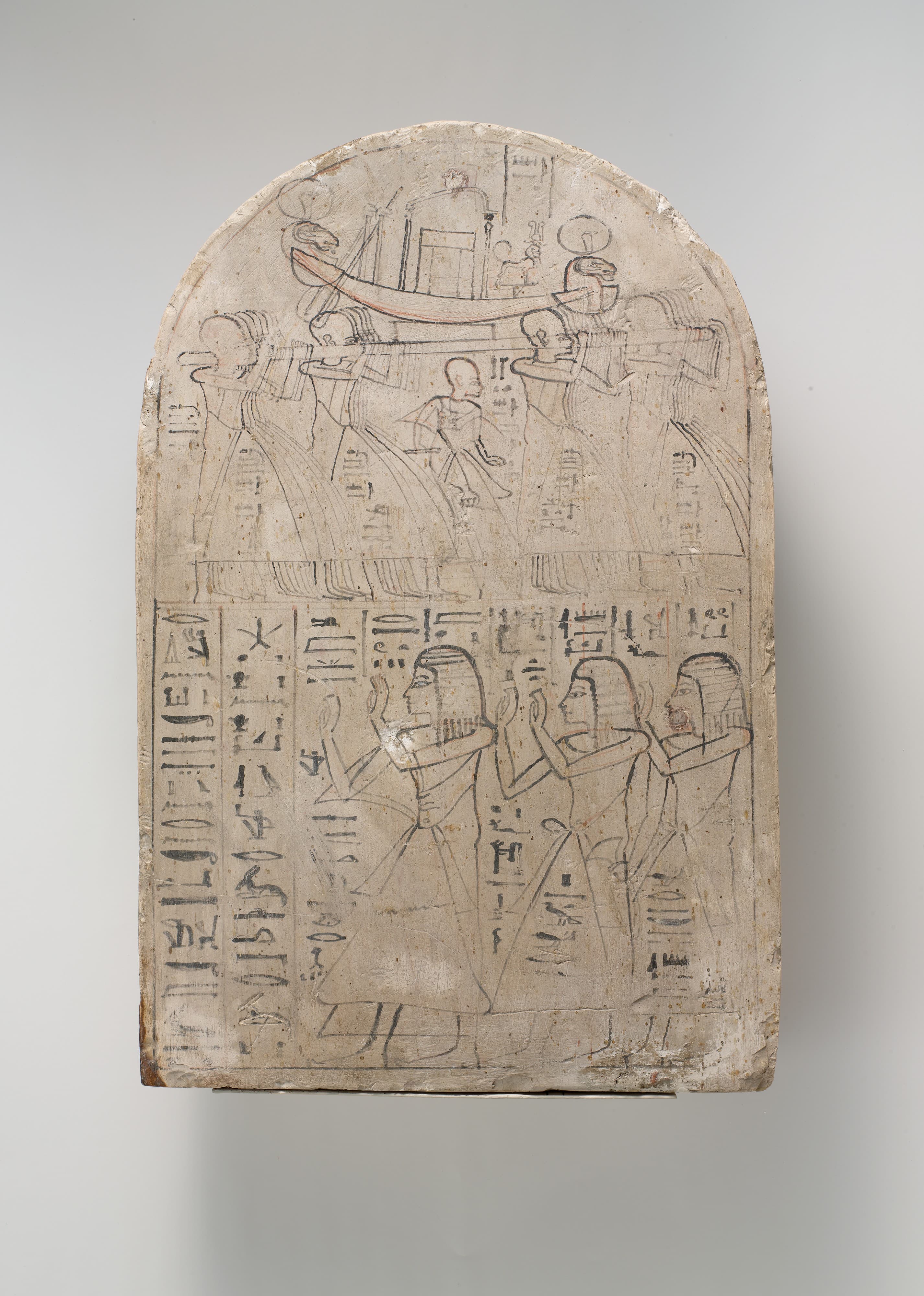
Stela of the royal scribe Amunnakht praising the divine barque of Amun-Re, Lord of the Thrones of the Two Lands
Ancient Egyptian (Unknown), -1070
The Metropolitan Museum of Art, New York