Apoxyomenos (The Scraper)
by Ancient Roman (Unknown), 1
Artwork Details
Details
- Year
- 1
- Medium
- Marble
- Size
- 205 cm (6.7 ft) tall
Cite or Embed This Work
APA · MLA · Chicago1-click academic citation and embeddable “On View” museum badge for articles, syllabi, and research.
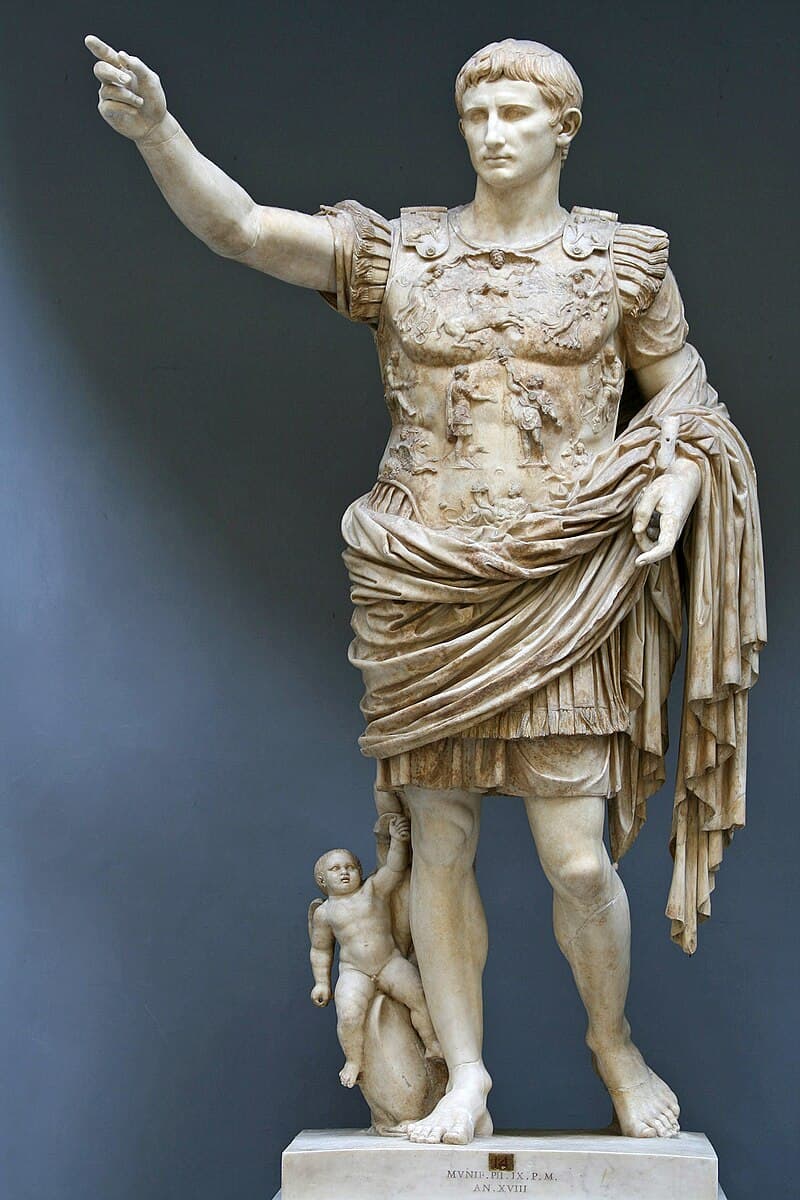
Ancient Roman The Apoxyomenos ("The Scraper") shows an athlete scraping oil and dirt from his body with a curved tool called a strigil. This Roman marble copies a famous Greek bronze by Lysippos from around 330 BCE. The relaxed pose and slender proportions revolutionized Greek sculpture.
Unlike earlier athletic statues with frontal poses, the Apoxyomenos extends his arms into the viewer's space. The figure appears to move in three dimensions. Lysippos created a new canon of human proportions: smaller head, longer limbs, more naturalistic stance. Pliny wrote that Lysippos "made the heads smaller and the bodies more slender." The sculpture stands in the Vatican Museums' Pio-Clementino Museum.