Wikimedia Commons • Public Domain
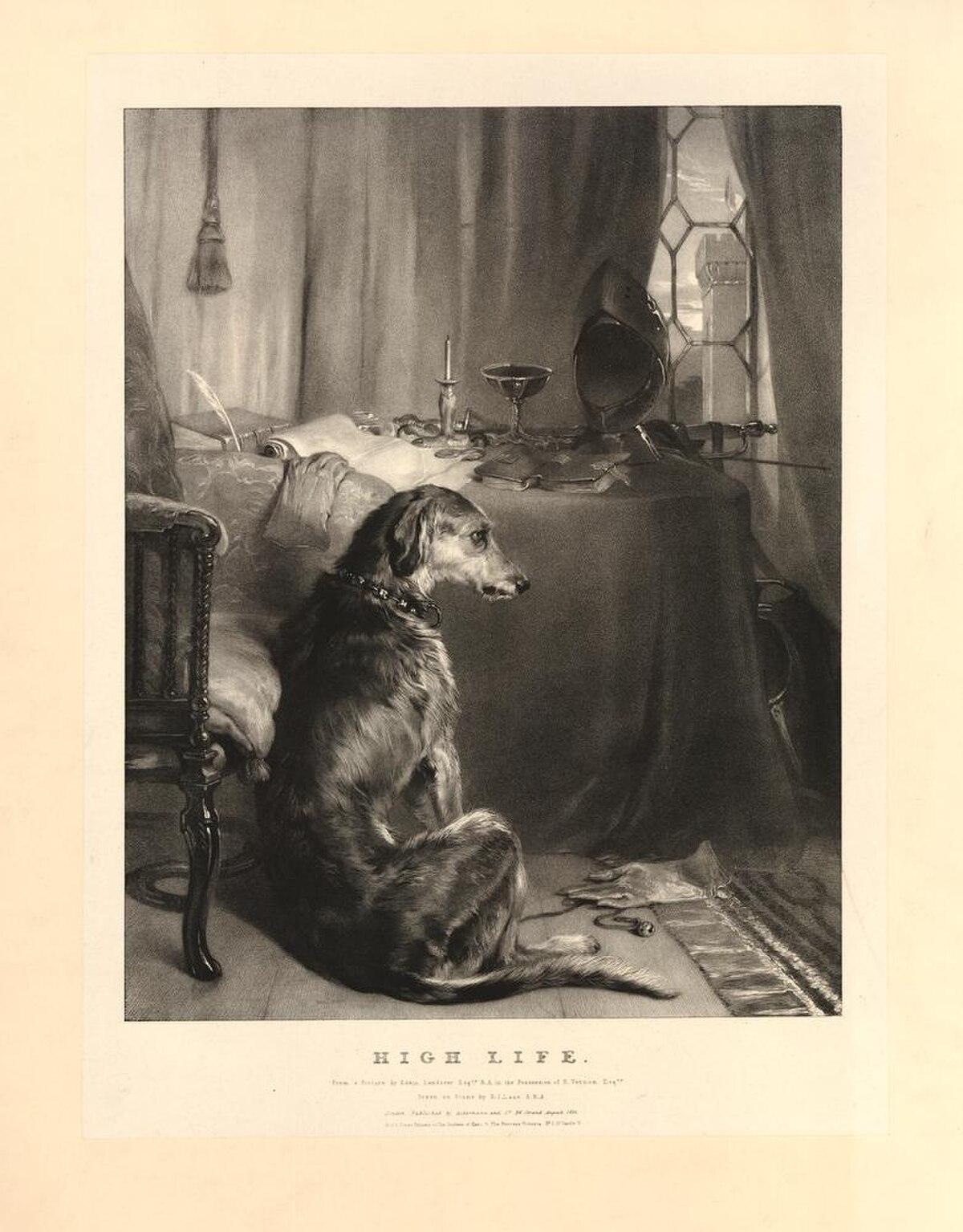
High Life
Artwork Details
Cite or Embed This Work
APA · MLA · Chicago1-click academic citation and embeddable “On View” museum badge for articles, syllabi, and research.
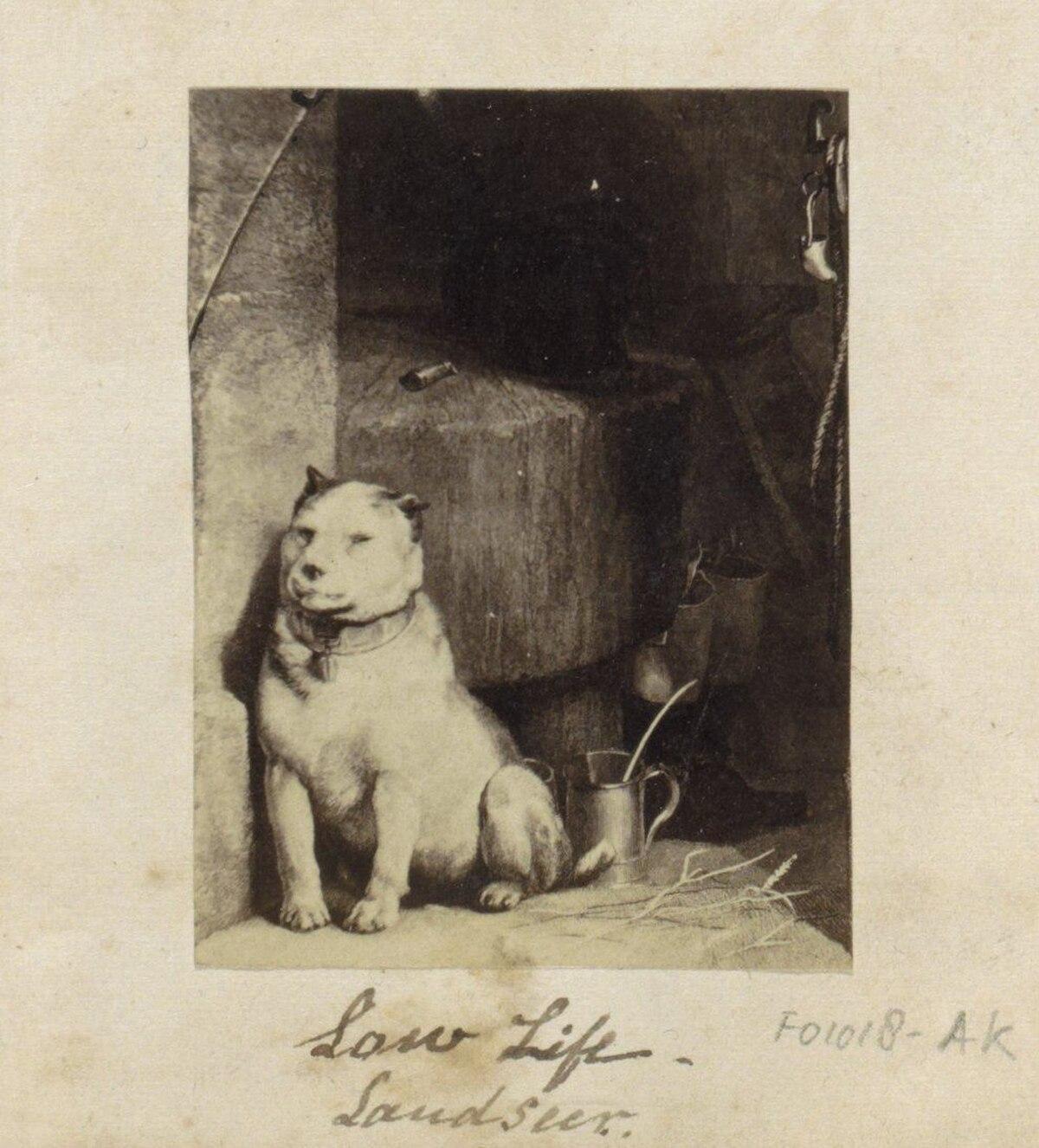
British artist Edwin Landseer painted this High Life in 1829 as one half of a deliberately contrasting pair. Its companion, Low Life, depicts a scrappy terrier on the doorstep of a butcher's shop. Here, a Scottish deerhound represents the aristocratic world of chivalry and refinement, sitting vigilantly beside his master's armchair.
The room furnishings tell the story of the absent owner: a large armchair, heavy curtains, a substantial table. Everything suggests wealth and status. The deerhound guards this property with quiet dignity, embodying the qualities Victorians associated with the noble classes and their faithful companions.
The pair was first exhibited in 1831 and acquired by Robert Vernon, who donated them to the nation in 1847. Both paintings now hang at Tate Britain in London. Landseer's ability to capture canine character while commenting on human society made him one of the most popular artists of the Victorian era.
More by Edwin Landseer
View all →
Also at Tate Modern, London
View all →M
Mrs George Augustus Frederick Cavendish Bentinck and her Children
George Frederick Watts
Tate Modern, London, London
Sculpture
L
Lightning with Stag in its Glare
Joseph Beuys, 1985
Tate Modern, London, London
Sculpture
L

Lobster Telephone
Salvador Dalí, 1936
Tate Modern, London, London
N
Nebuchadnezzar
William Blake
Tate Modern, London, London
Related Works
Works that share an artist, movement, museum, genre, palette or theme with High Life.
- Same artist
- Same museum
Low Life
Edwin Landseer
- Same artist
- Same museum
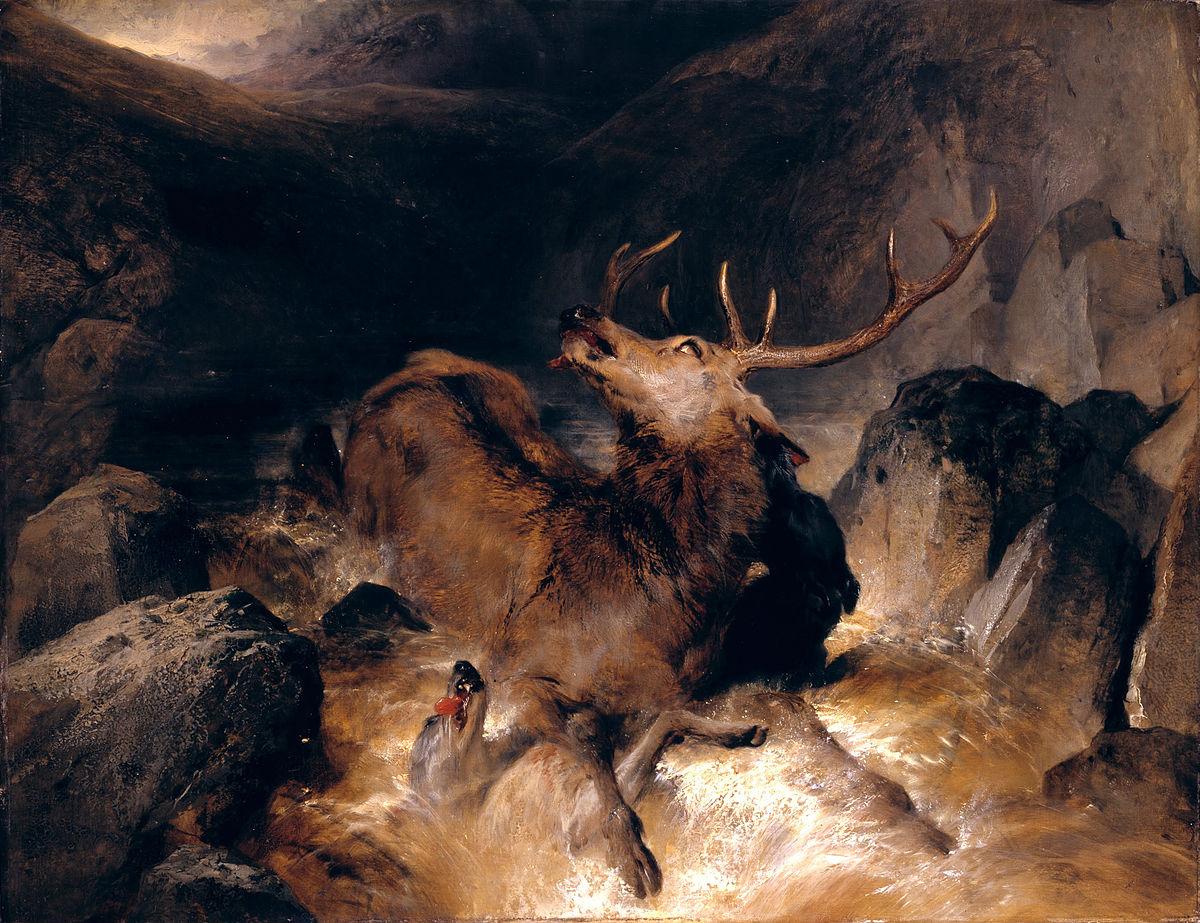
Deer and Deer Hounds in a Mountain Torrent
Edwin Landseer
- Same artist
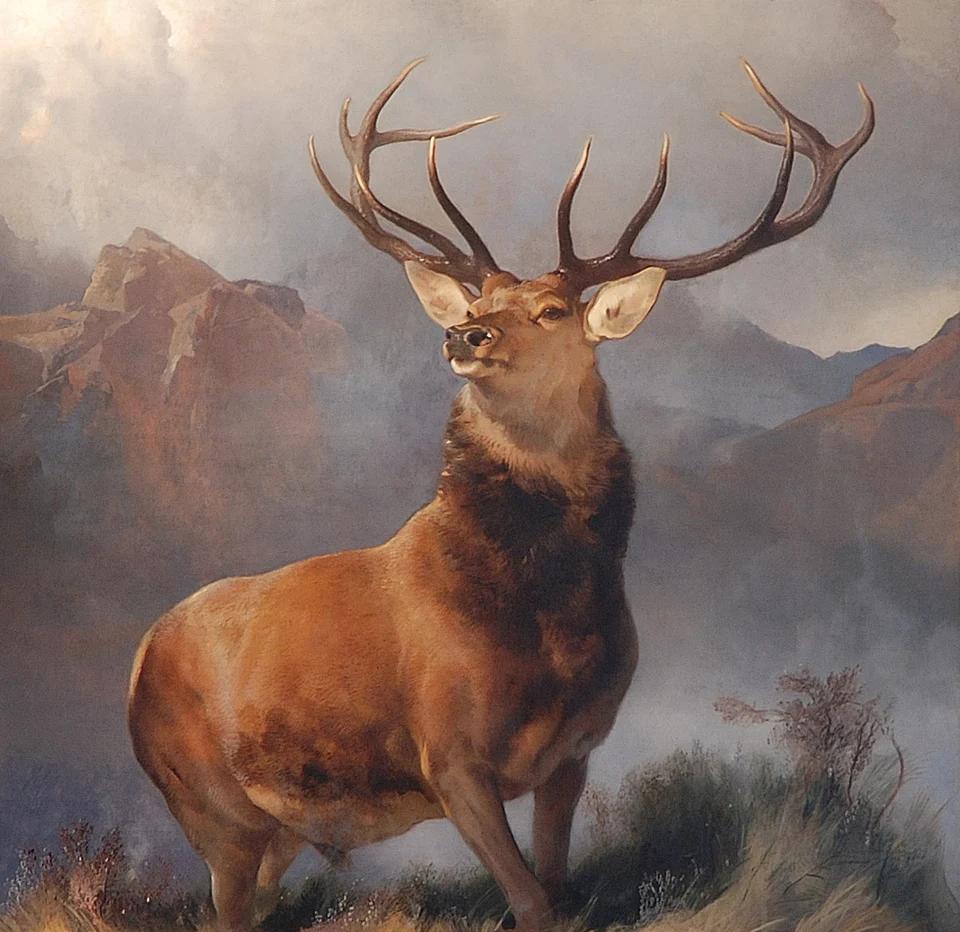
The Monarch of the Glen
Edwin Landseer, 1851
- Same museum
Life's Illusions
George Frederick Watts
- Same museum
Our English Coasts
William Holman Hunt
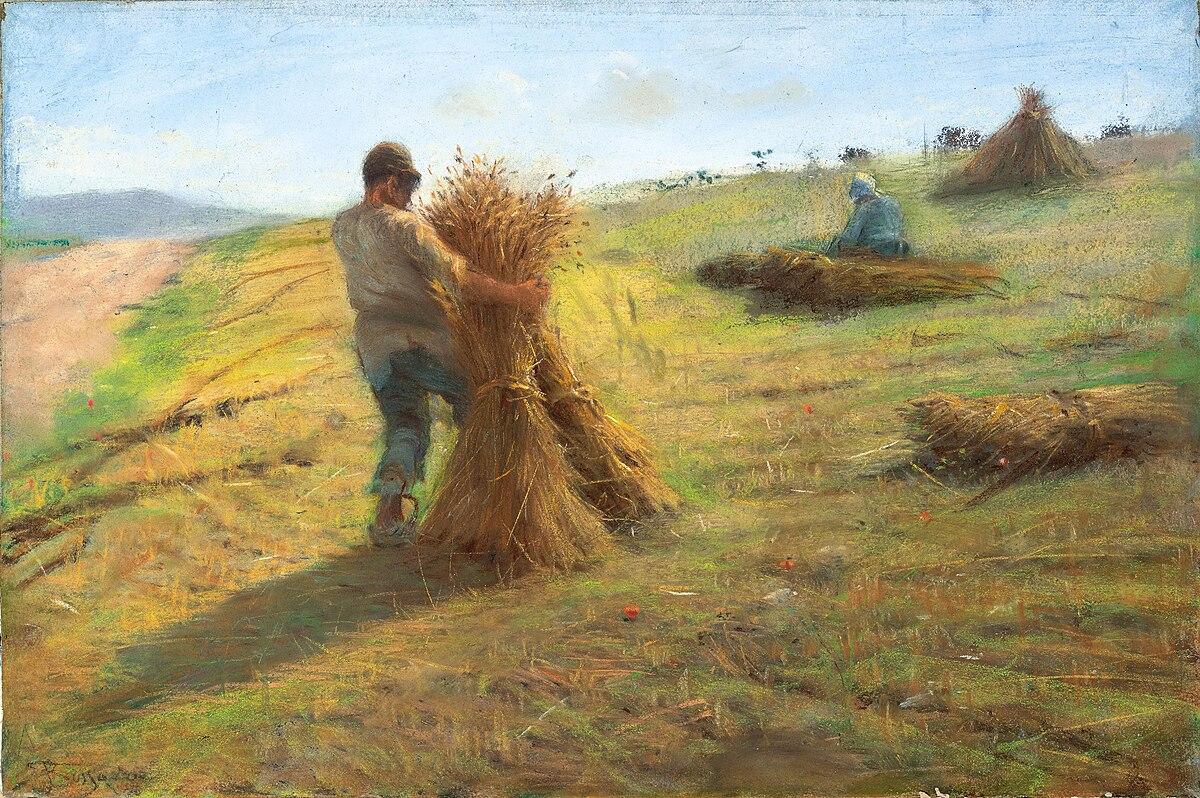
- Same museum
At the grain harvest
Ford Madox Brown
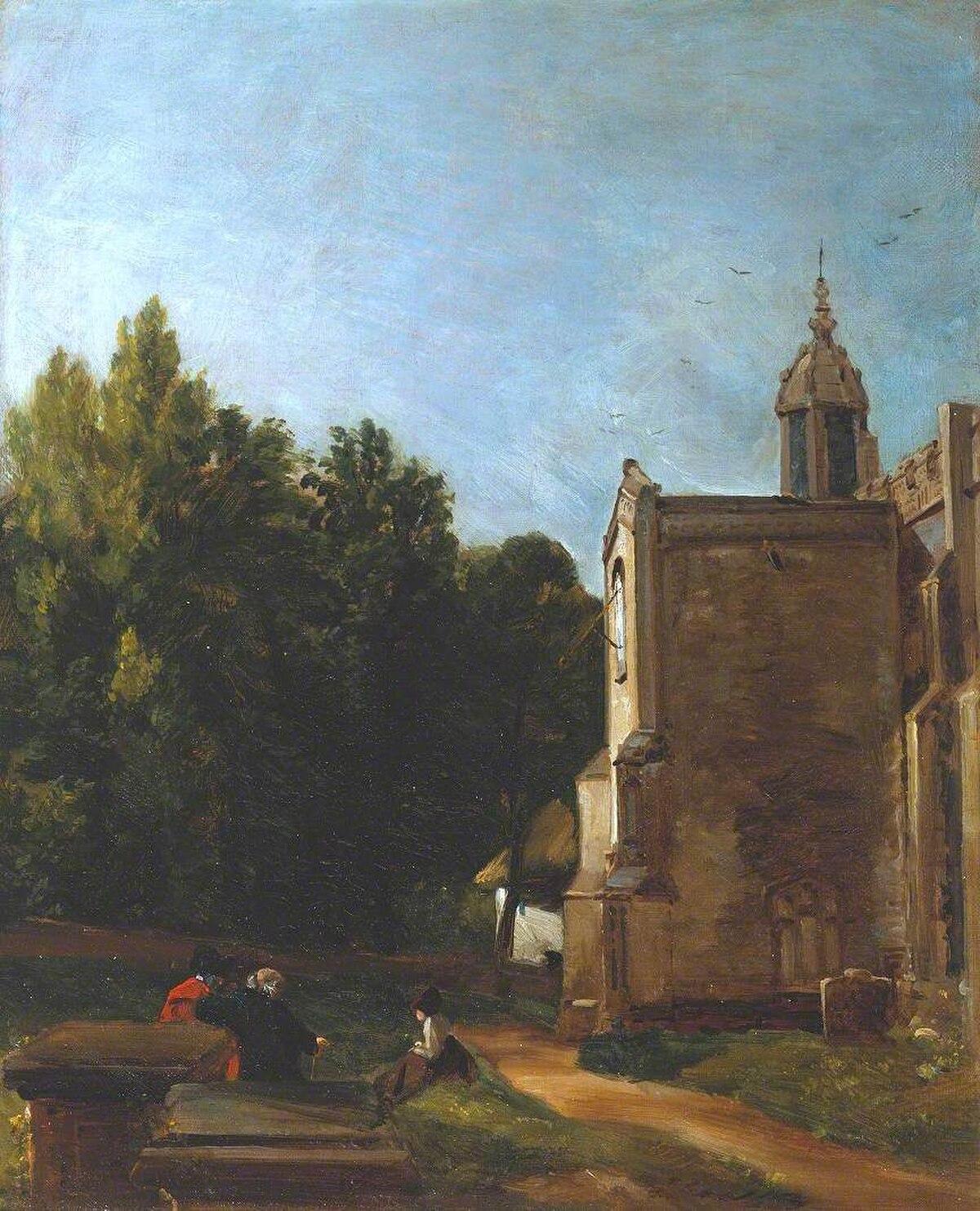
- Same museum
A Church Porch
John Constable
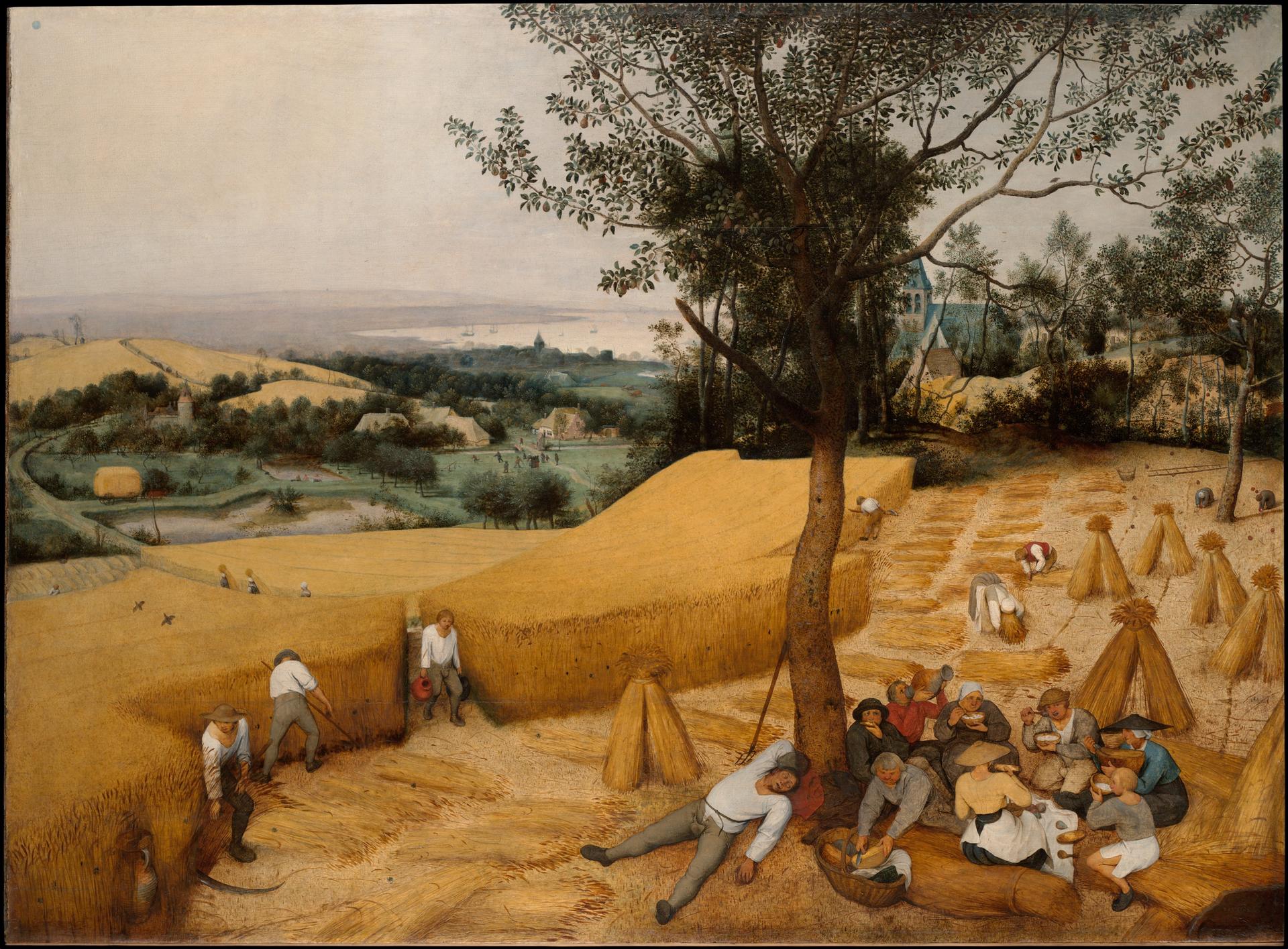
- Same museum
The Physical Impossibility of Death in the Mind of Someone Living
Damien Hirst, 1991
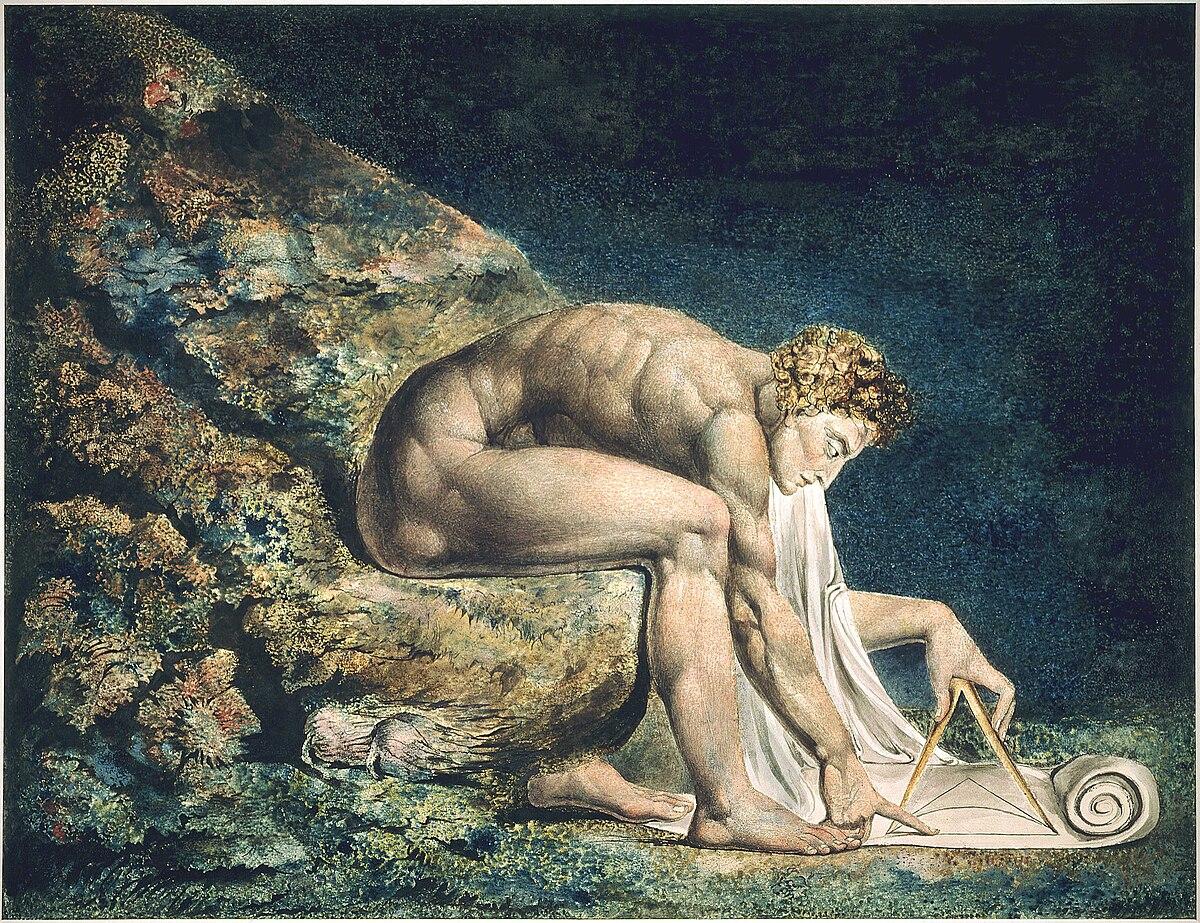
- Same museum
Isaac Newton
William Blake
- Same museum
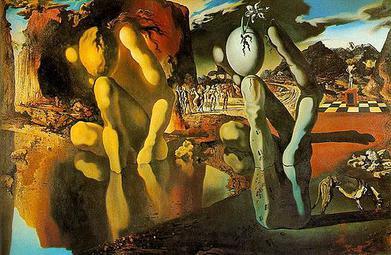
Metamorphosis of Narcissus
Salvador Dalí, 1937
- Same museum
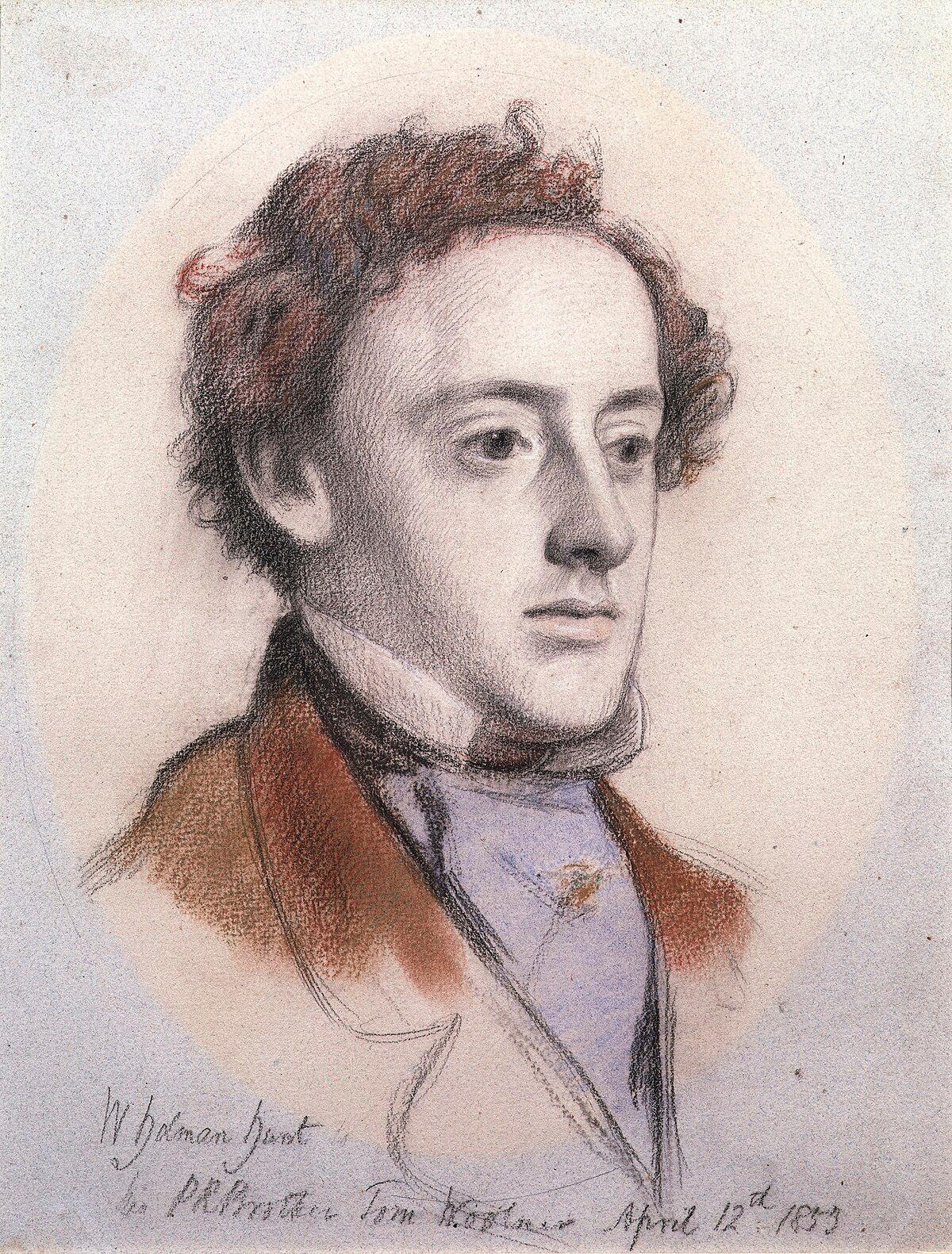
Portrait of John Everett Millais
William Holman Hunt
- Same museum
Red on Maroon
Mark Rothko, 1959
About High Life
The work displayed at Tate Britain in London alongside its companion piece, Low Life. Both were donated to the nation in 1847.
Low Life shows a scruffy terrier outside a butcher's shop. Together, the pair contrasts aristocratic and working-class dogs as representations of their absent owners.
A Scottish deerhound represents aristocratic society. Landseer chose this breed for its associations with nobility and the hunting traditions of the upper classes.
Landseer painted High Life in 1829. The pair was first exhibited at the British Institution in 1831 and became popular examples of his talent for animal portraiture.
Own Art Like This
Luxury wall art with the same mood and energy. Gallery-quality canvas, no museum crowds.
Browse Collection