Wikimedia Commons - CC BY-SA 4.0
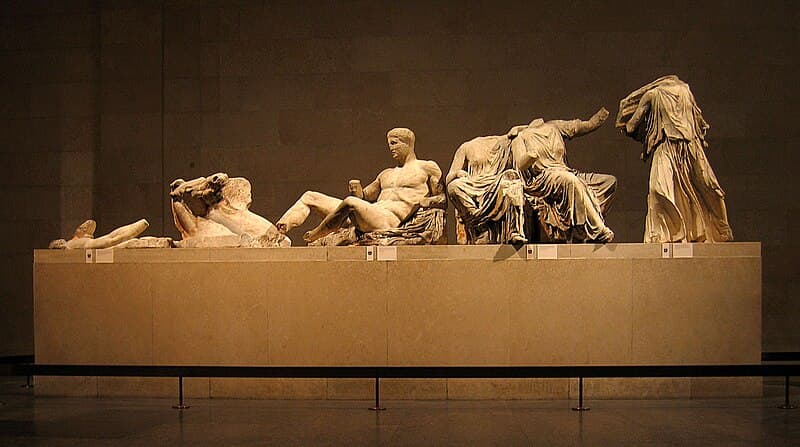
Elgin Marbles (Parthenon Sculptures)
by Ancient Greek (Unknown), -438
Artwork Details
Details
- Year
- -438
- Medium
- Pentelic marble
- Size
- Various; frieze sections up to 106 m long
Cite or Embed This Work
APA · MLA · Chicago1-click academic citation and embeddable “On View” museum badge for articles, syllabi, and research.
Ancient Greek The Parthenon Sculptures, often called the Elgin Marbles, include about half the surviving decoration from the Parthenon temple in Athens. Carved around 438 BCE under the direction of Phidias, they represent the high point of Classical Greek art. The collection includes metopes depicting battles, a frieze showing the Panathenaic procession, and pedimental sculptures of gods.
Lord Elgin removed these sculptures between 1801-1812 when Greece was under Ottoman rule. The British government purchased them in 1816. Greece has campaigned for their return since independence. The marbles remain among the most contested cultural objects in the world. They're displayed in a purpose-built gallery at the British Museum, where millions view them annually. The debate over repatriation continues to this day.
More by Ancient Greek (Unknown)
View all →Sculpture
L
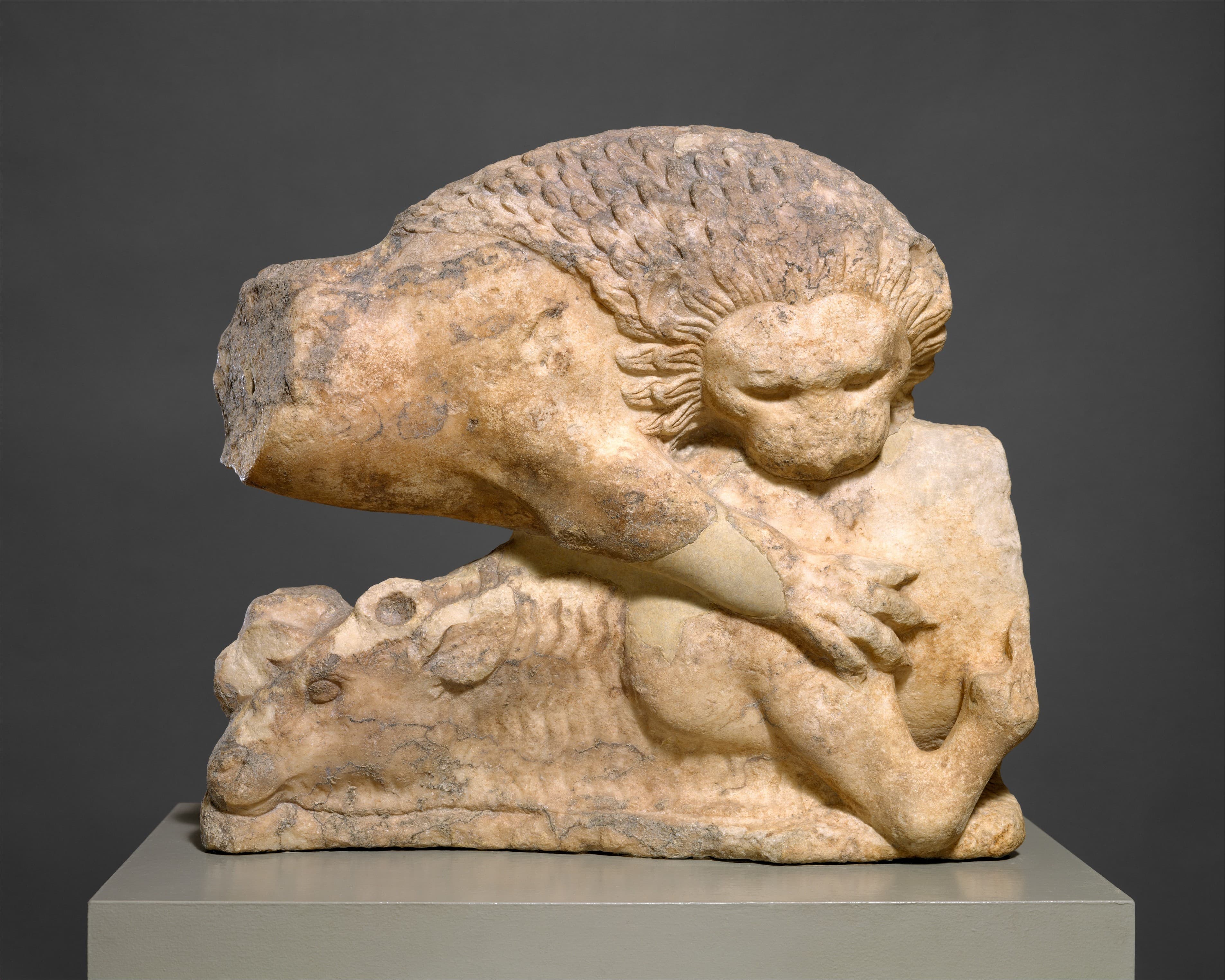
Lion felling a bull, from a marble pediment
Ancient Greek (Unknown), -500
The Metropolitan Museum of Art, New York
Sculpture
M
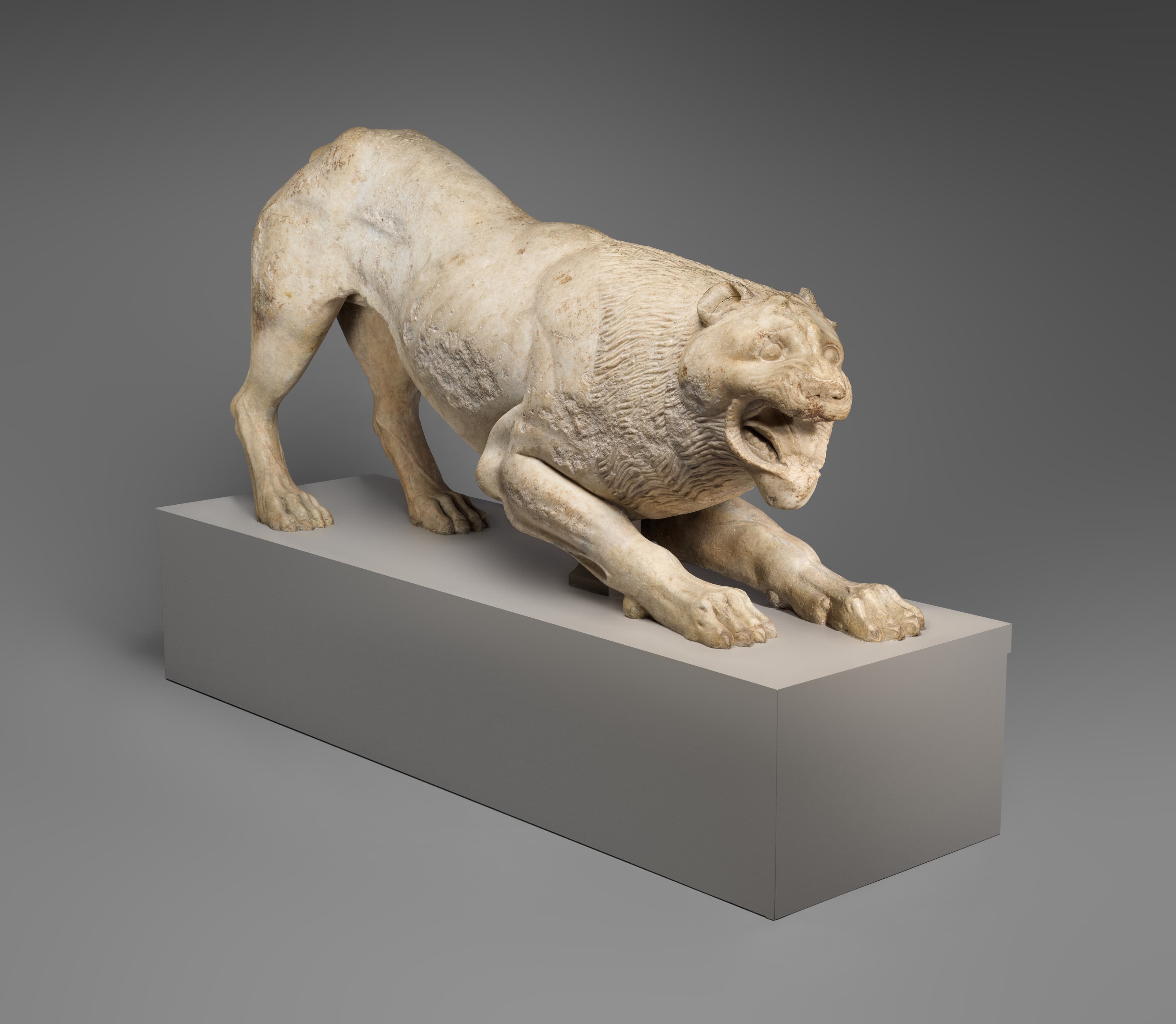
Marble statue of a lion
Ancient Greek (Unknown), -390
The Metropolitan Museum of Art, New York
Sculpture
F

Fragment of a Funerary Naiskos (Monument in the Shape of a Temple)
Ancient Greek (Unknown), -330
Art Institute of Chicago, Chicago
Sculpture
M
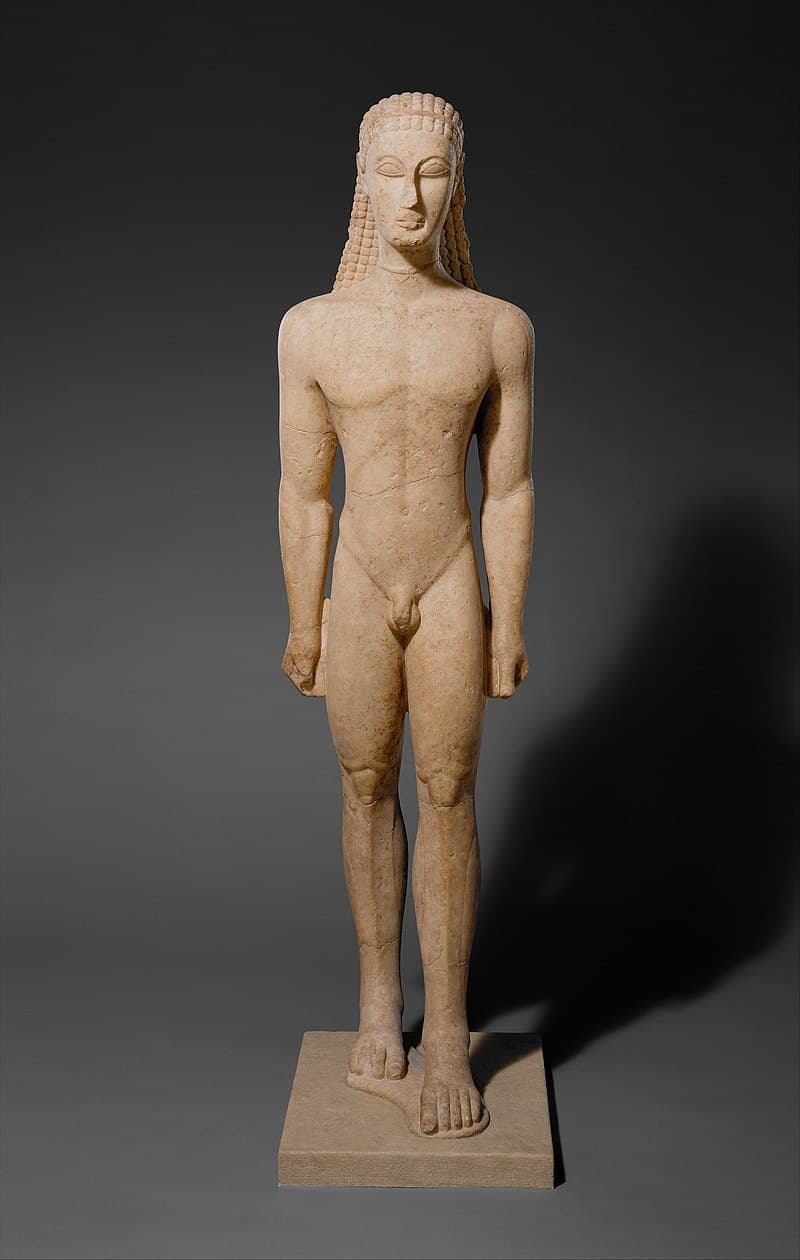
Marble Statue of a Kouros (Youth)
Ancient Greek (Unknown), -590
The Metropolitan Museum of Art, New York
Also at British Museum
View all →Sculpture
S
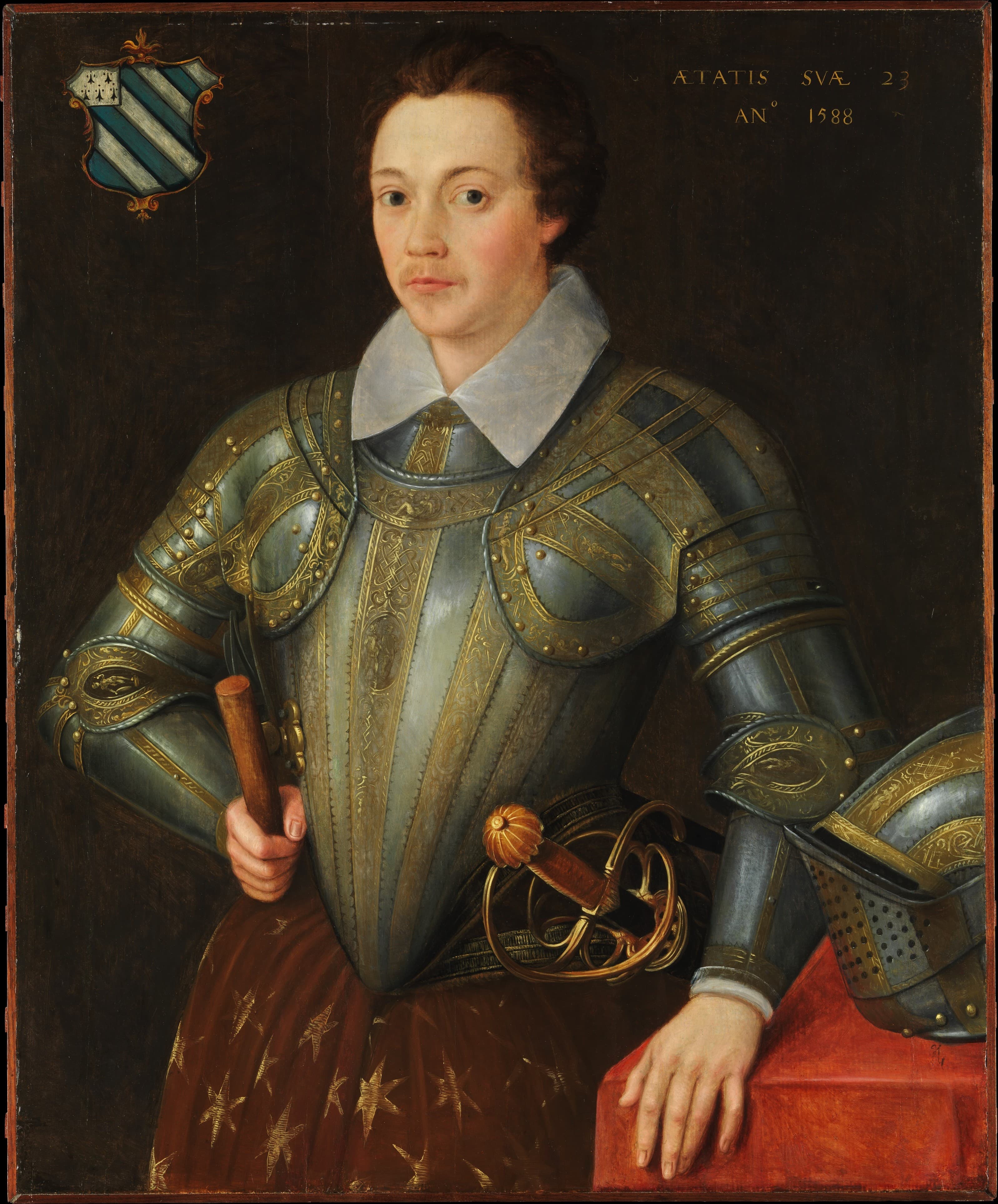
Sutton Hoo Helmet
Ancient Celtic (Unknown), 625
British Museum, London
S
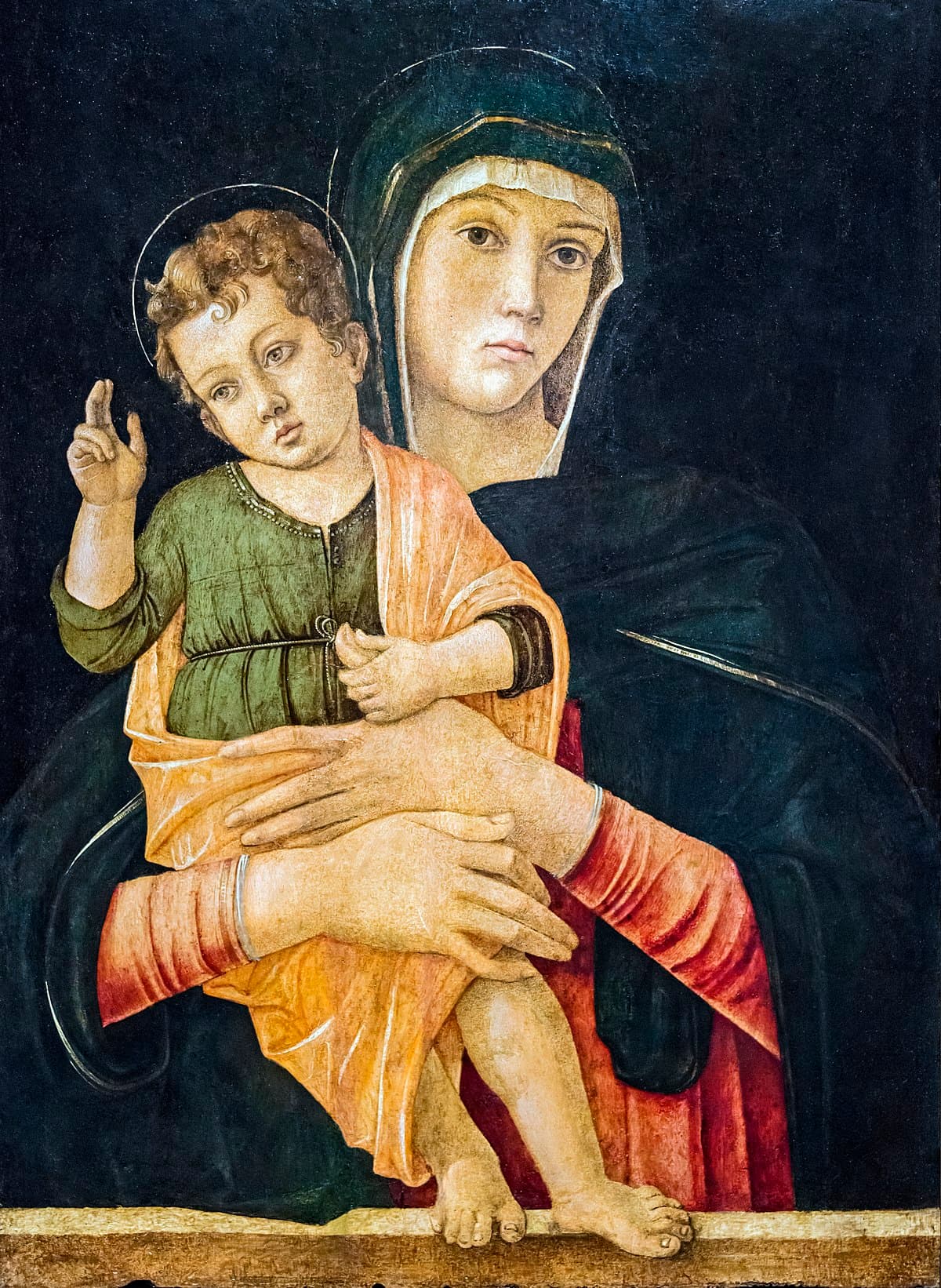
Study of the Madonna and Child with a Cat
Leonardo da Vinci
British Museum, London
E
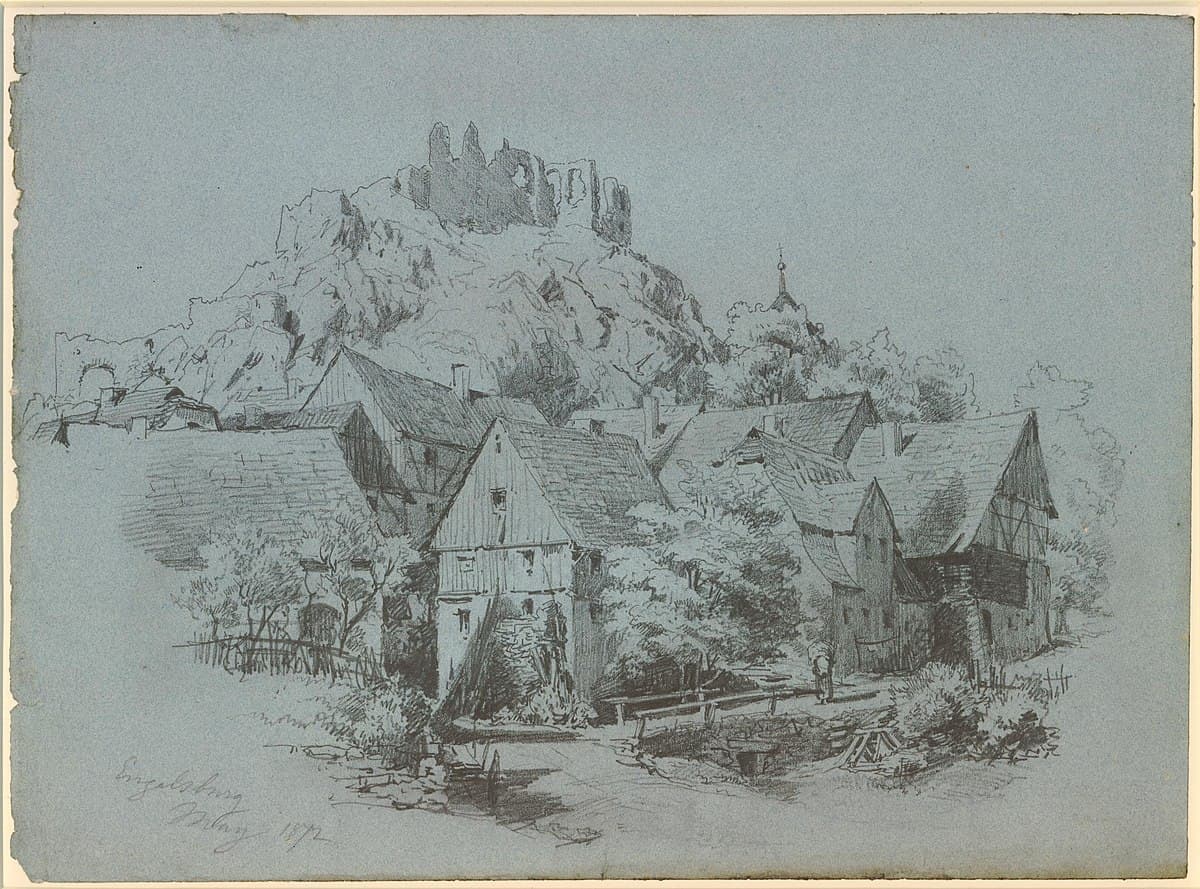
Engelsburg
John Singer Sargent
British Museum, London
Sculpture
M
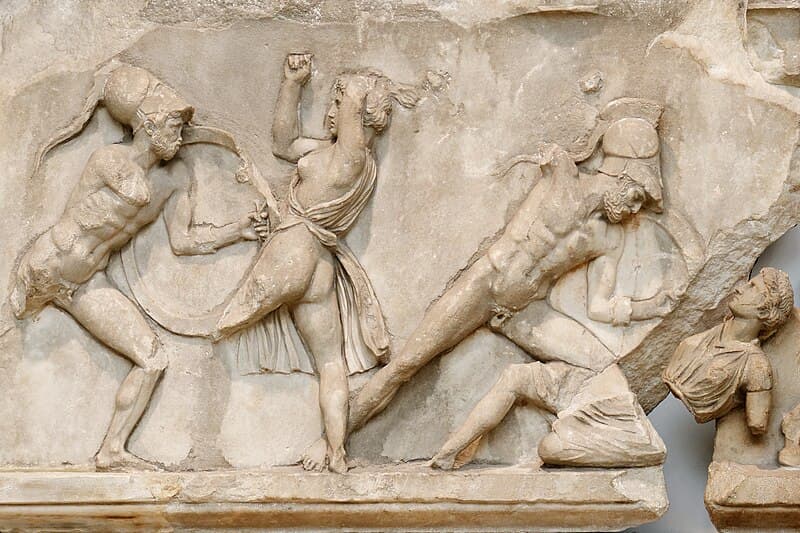
Mausoleum at Halicarnassus Sculptures
Ancient Greek (Unknown), -350
British Museum, London
Related Works
Works that share an artist, movement, museum, genre, palette or theme with Elgin Marbles (Parthenon Sculptures).
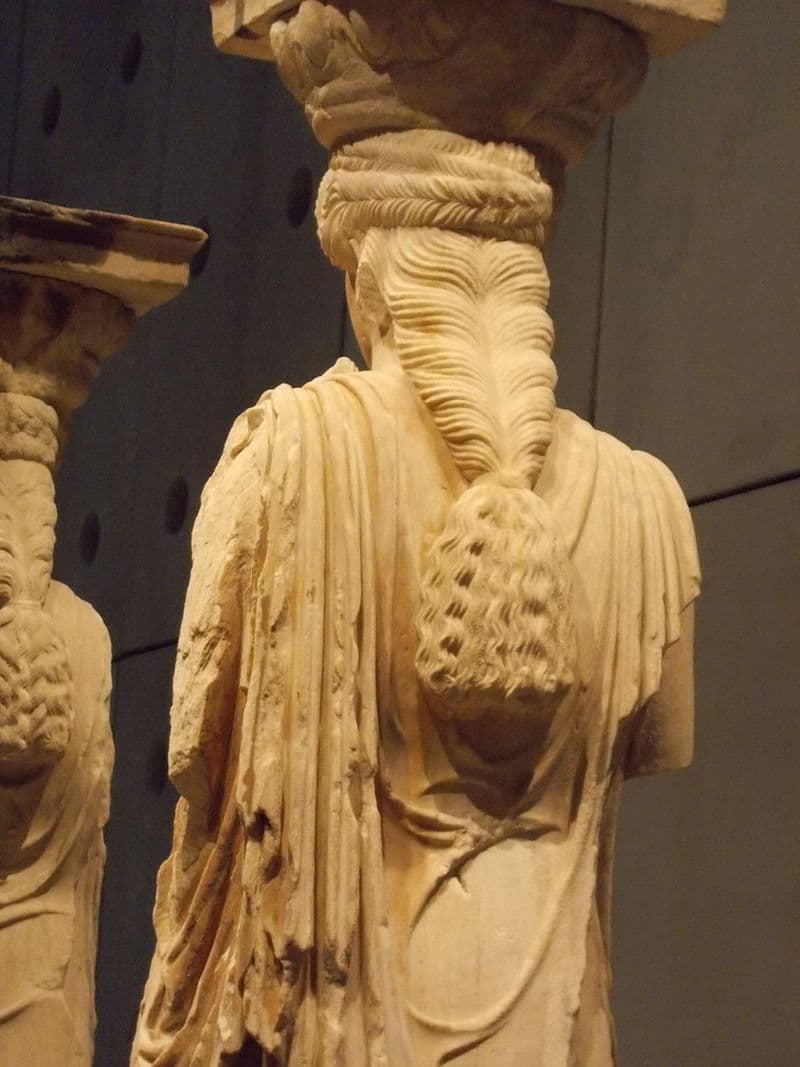
- Same artist
- Same museum
Caryatid from the Erechtheion
Ancient Greek (Unknown), -420
- Same artist
- Same museum
Horse from the Chariot of Selene
Ancient Greek (Unknown), -438
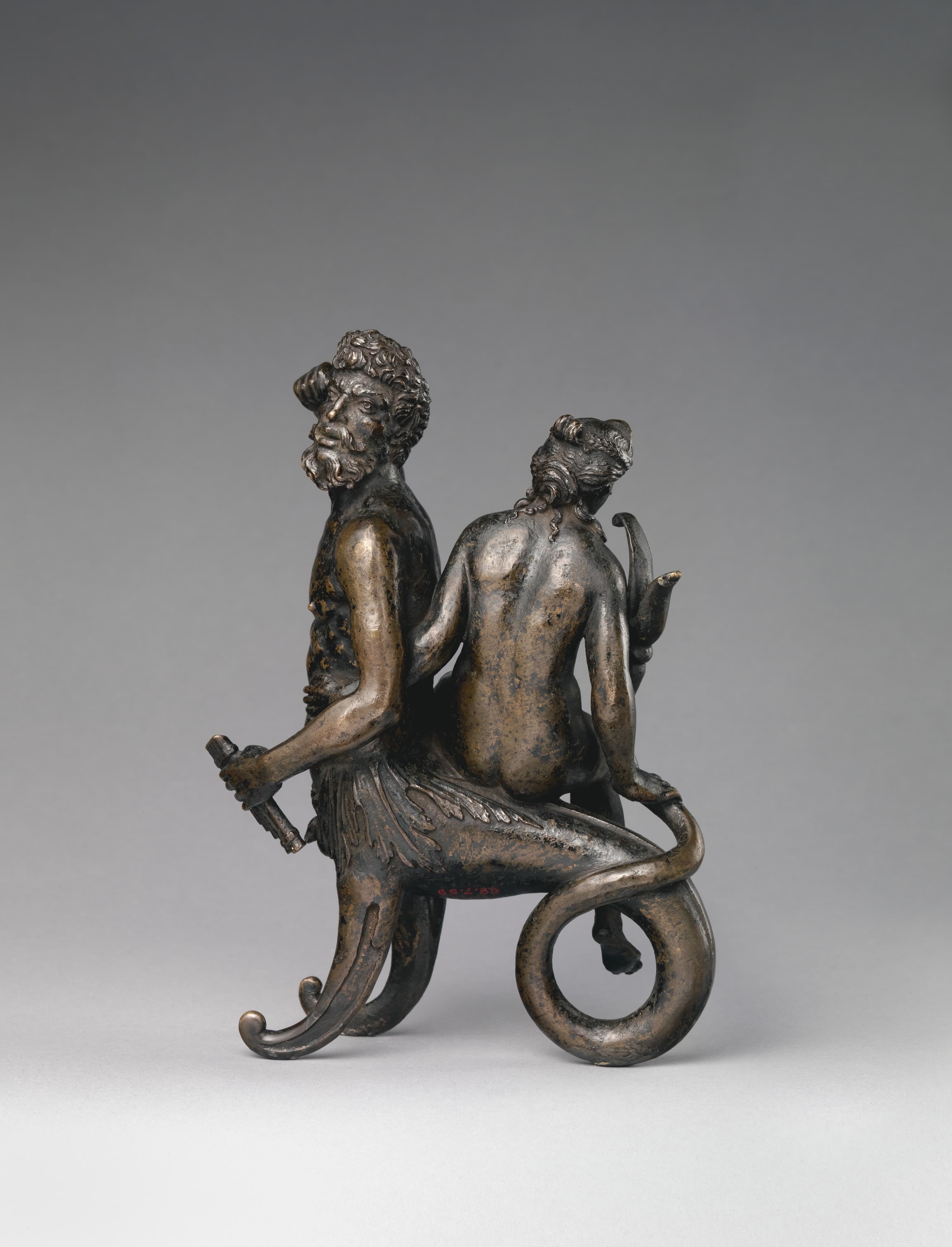
- Same artist
- Similar themes
Nereid Monument Sculptures
Ancient Greek (Unknown), -390
- Similar themes
Elgin Marbles (Parthenon Sculptures)
Phidias, -432
- Same museum
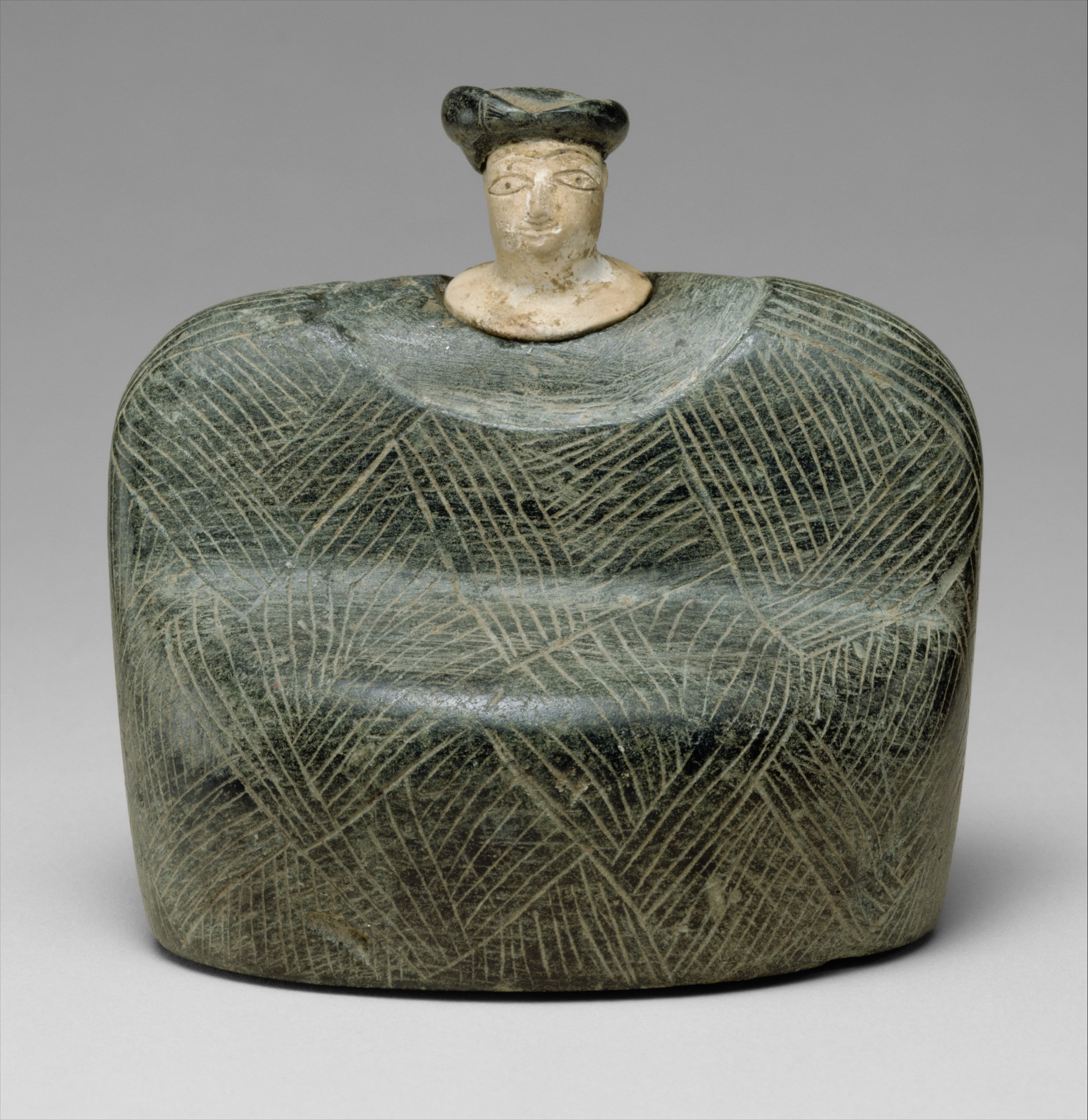
Oxus Treasure
Ancient Persian (Unknown), -500
- Same museum
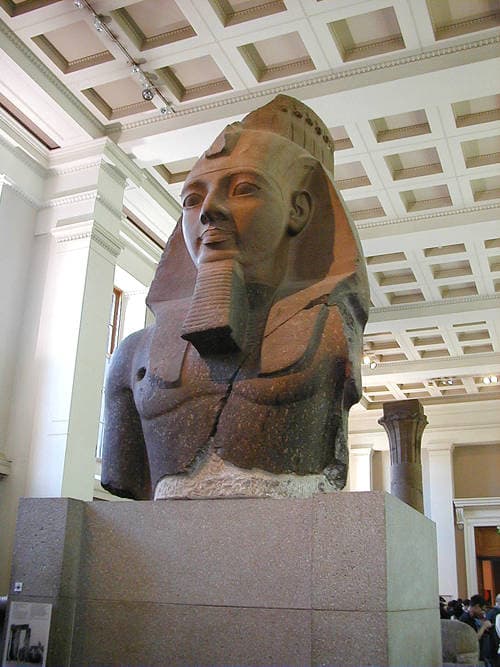
Colossal Bust of Ramesses II (The Younger Memnon)
Ancient Egyptian (Unknown), -1250
- Same museum
Mold Gold Cape
Ancient Celtic (Unknown), -1900
- Same museum
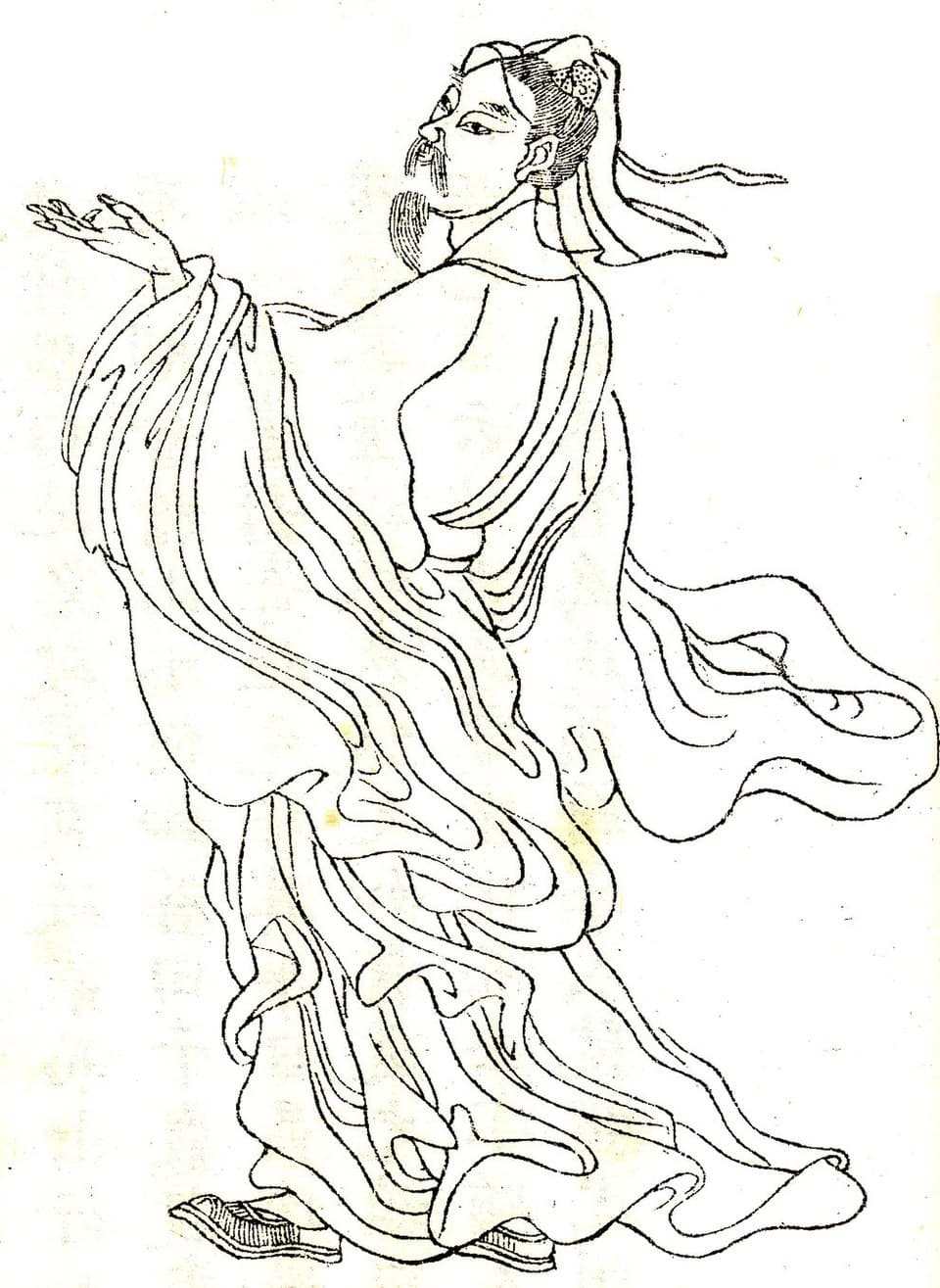
Admonitions Scroll (Gu Kaizhi)
Ancient Chinese (Unknown), 380
- Same museum
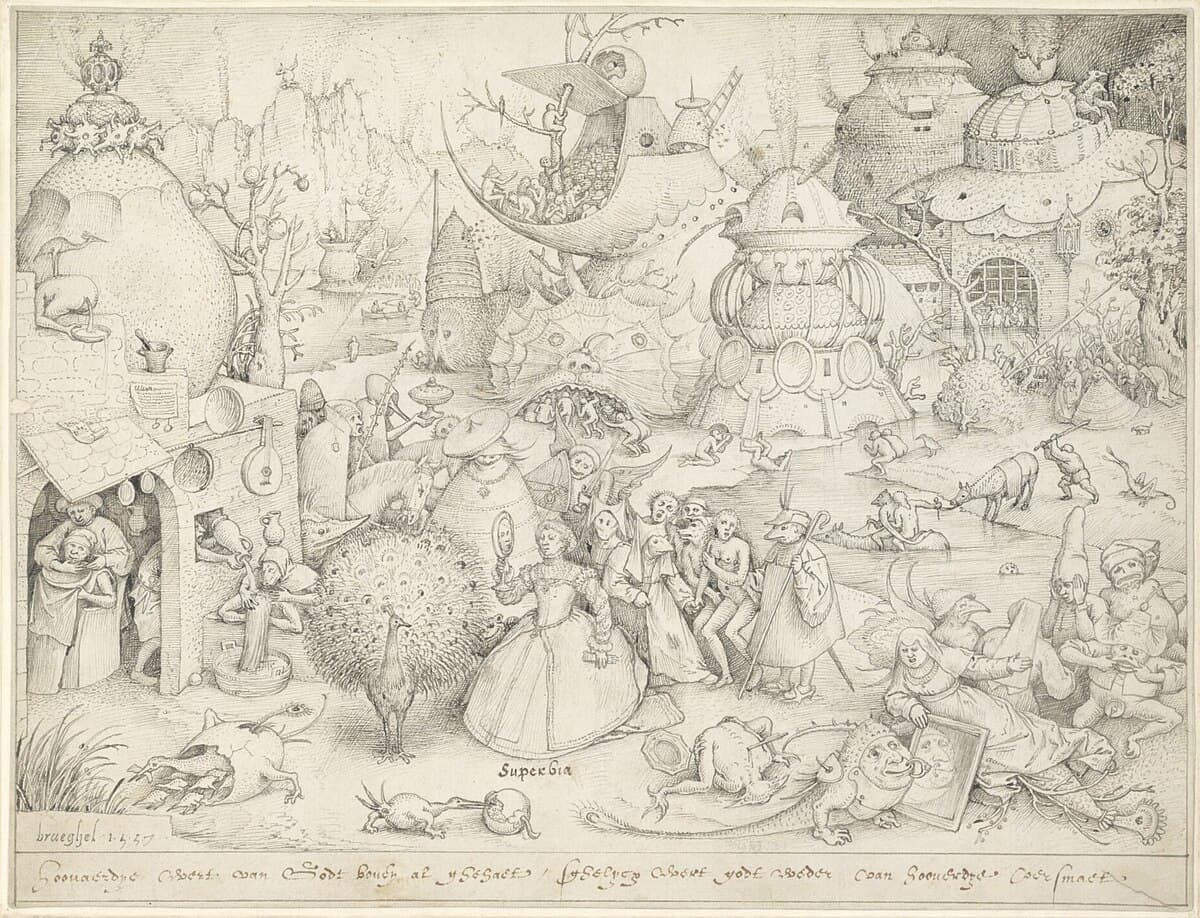
Pride
Pieter Bruegel the Elder
- Same museum
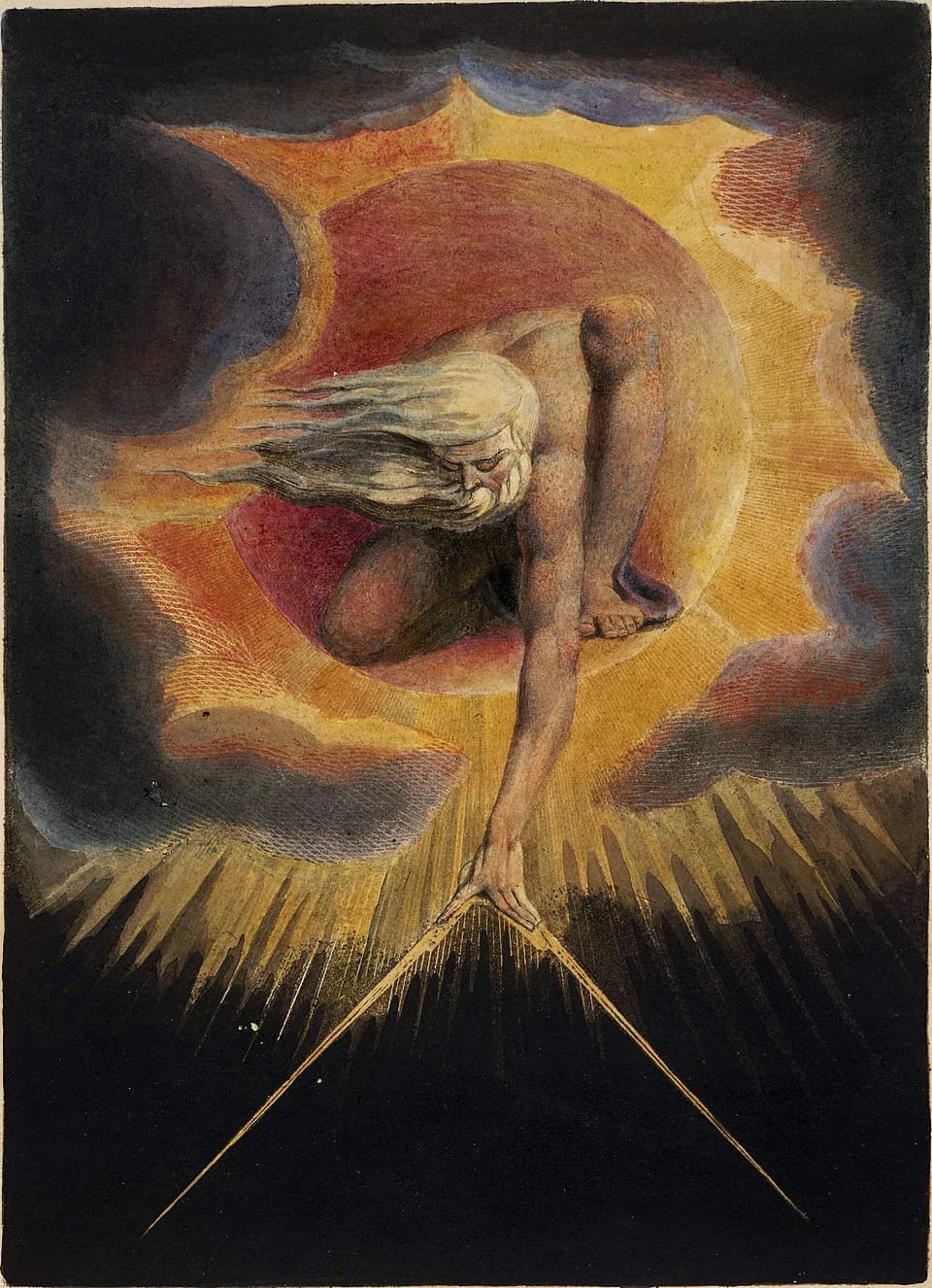
The Ancient of Days
William Blake, 1794
- Same museum
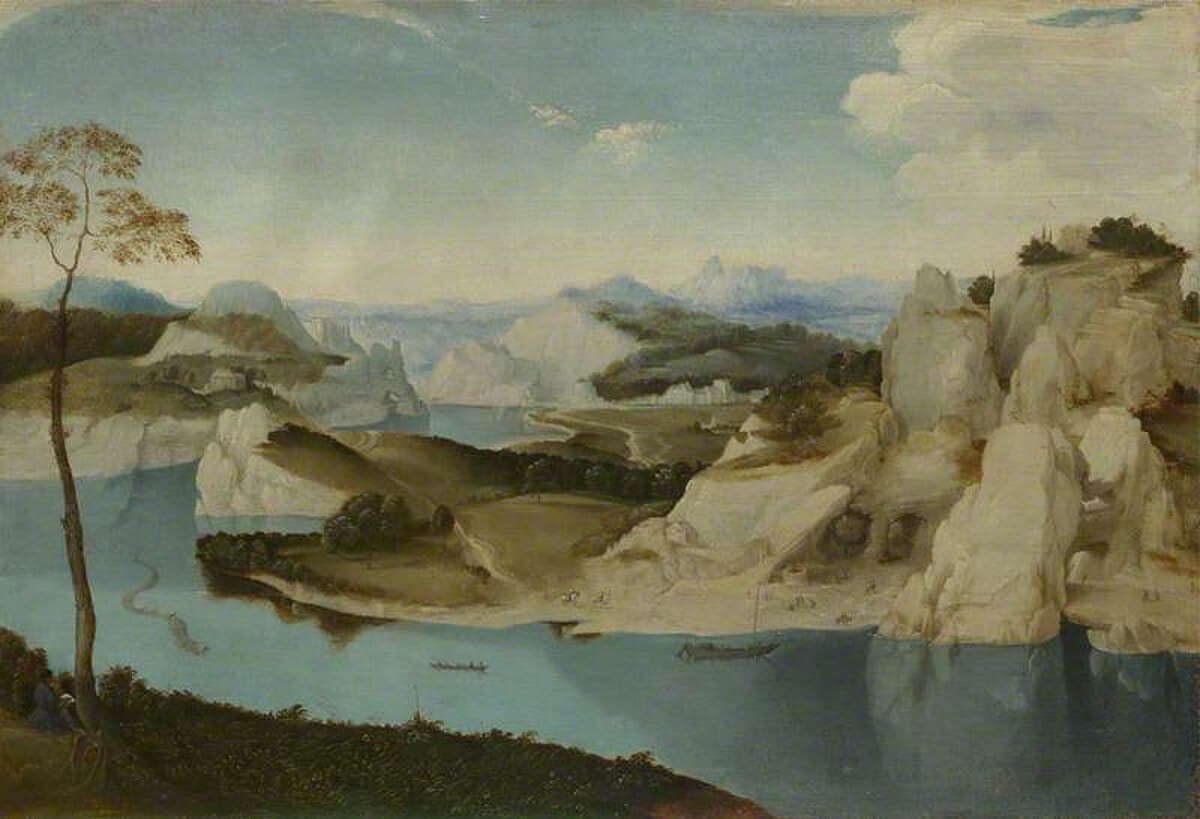
Mountain landscape with a river
Pieter Bruegel the Elder
About Elgin Marbles (Parthenon Sculptures)
The Elgin Marbles are sculptures from the Parthenon temple in Athens, removed by Lord Elgin in the early 1800s. They include frieze sections, metopes, and pedimental figures carved around 438 BCE.
Greece has requested their return since 1832, arguing they were improperly removed during Ottoman occupation. The British Museum maintains they were legally acquired and are better preserved in London.
The sculptures were created under Phidias, the greatest sculptor of Classical Athens. Multiple skilled craftsmen worked under his direction to complete the temple's elaborate decoration.
Own Art Like This
Luxury wall art with the same mood and energy. Gallery-quality canvas, no museum crowds.
Browse Collection