Wikimedia Commons - CC BY-SA 3.0
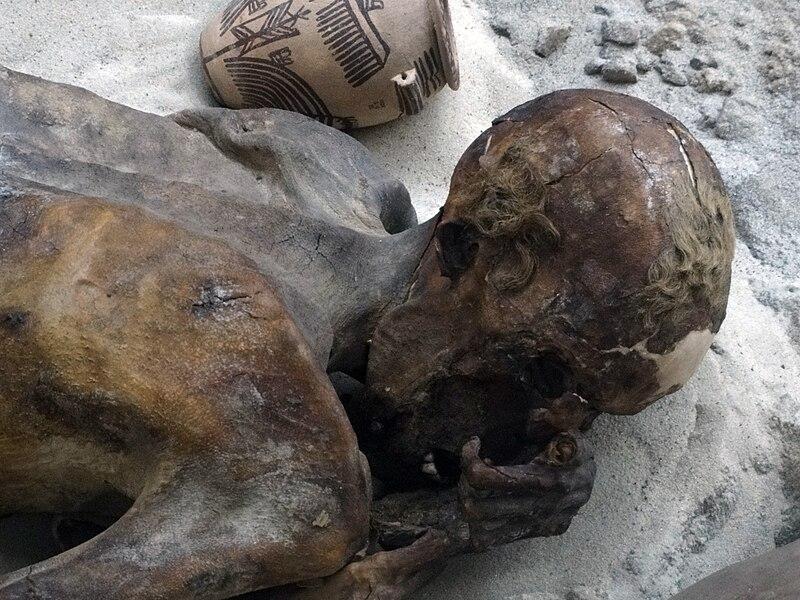
Gebelein Mummies
by Ancient Egyptian (Unknown), -3400
Artwork Details
Details
- Year
- -3400
- Medium
- Naturally mummified human remains
- Size
- Life-size
Cite or Embed This Work
APA · MLA · Chicago1-click academic citation and embeddable “On View” museum badge for articles, syllabi, and research.
Ancient Egyptian The Gebelein Mummies are among the oldest known human remains, naturally preserved in Egypt's desert sand around 3400 BCE. The most famous, nicknamed "Ginger" for his red hair, died over 5,000 years ago. These aren't wrapped mummies. Hot, dry sand desiccated the bodies before decomposition, preserving skin, hair, and internal organs.
These individuals lived before pharaohs, before pyramids, before hieroglyphics. They come from predynastic Egypt when the Nile valley was transitioning from hunting to farming. Modern CT scans revealed that Ginger was a young man who died from a stab wound to the back. The British Museum displays these remains respectfully, offering a window into prehistoric Egypt and natural mummification processes.
More by Ancient Egyptian (Unknown)
View all →Sculpture
A

Architectural Fragment with Relief Carving
Ancient Egyptian (Unknown), 401
Art Institute of Chicago, Chicago
Sculpture
S
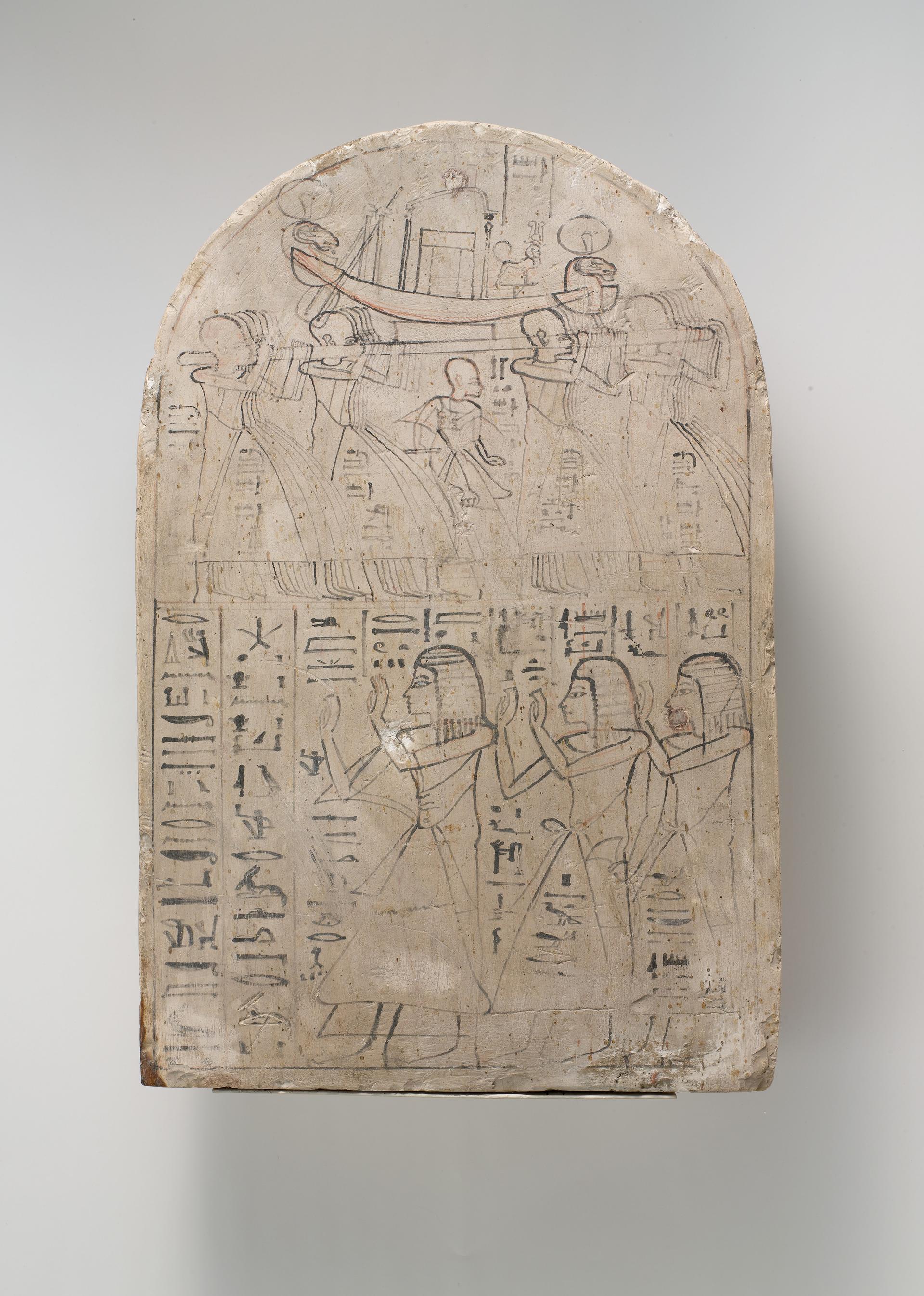
Stela of the royal scribe Amunnakht praising the divine barque of Amun-Re, Lord of the Thrones of the Two Lands
Ancient Egyptian (Unknown), -1070
The Metropolitan Museum of Art, New York
Sculpture
T

Tomb Wall Fragment Depicting Offering Bearers and Butchers
Ancient Egyptian (Unknown), -2445
Art Institute of Chicago, Chicago
Sculpture
W

Wall Fragment from a Tomb Depicting Offering Bearers
Ancient Egyptian (Unknown), -2400
Art Institute of Chicago, Chicago
Also at British Museum
View all →Sculpture
S
Sutton Hoo Helmet
Ancient Celtic (Unknown), 625
British Museum, London
S
Study of the Madonna and Child with a Cat
Leonardo da Vinci
British Museum, London
E
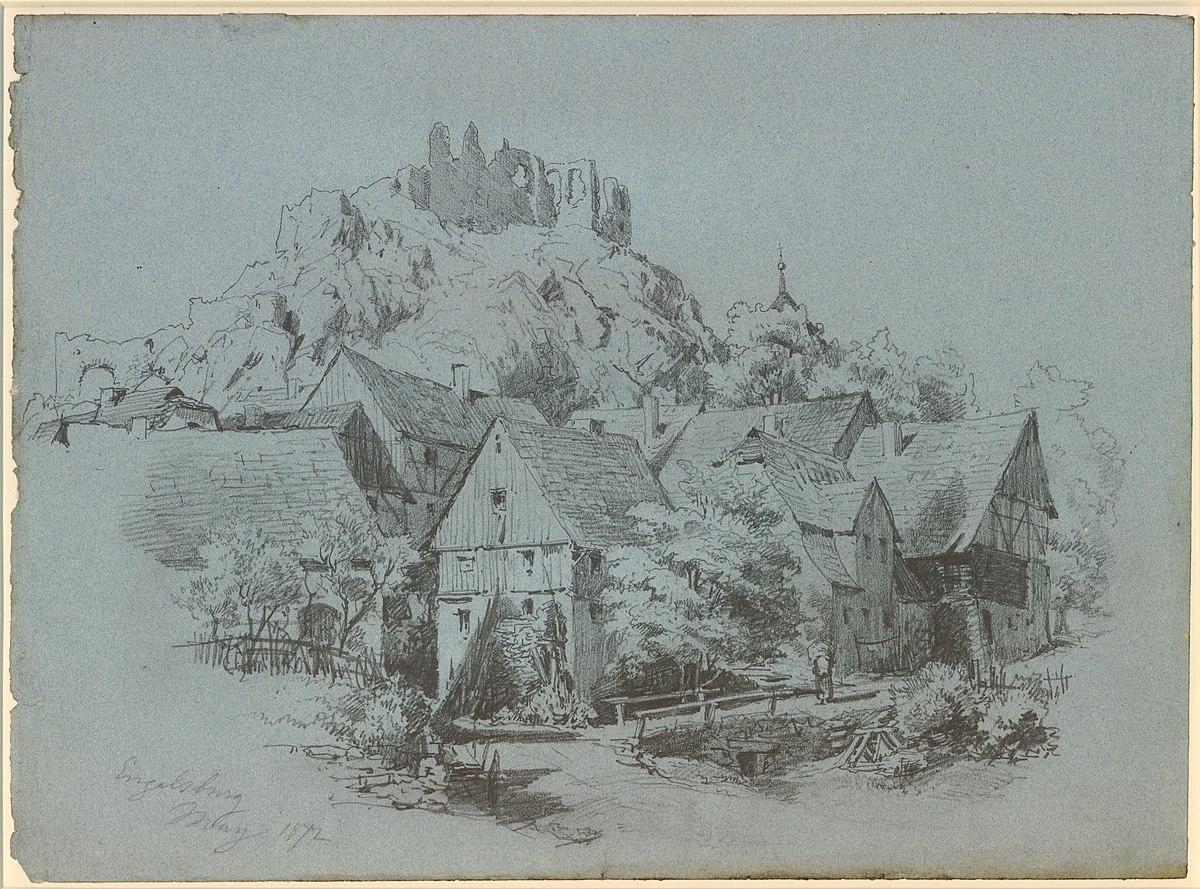
Engelsburg
John Singer Sargent
British Museum, London
Sculpture
M
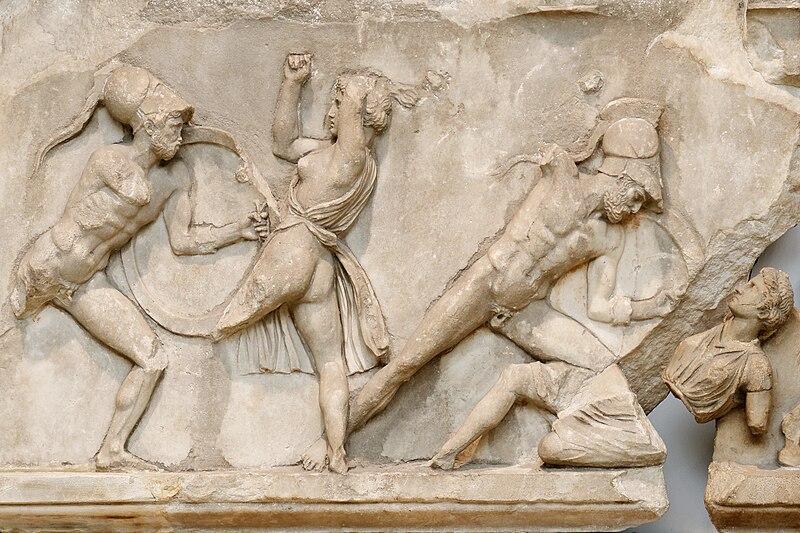
Mausoleum at Halicarnassus Sculptures
Ancient Greek (Unknown), -350
British Museum, London
Related Works
Works that share an artist, movement, museum, genre, palette or theme with Gebelein Mummies.
- Same artist
- Same museum
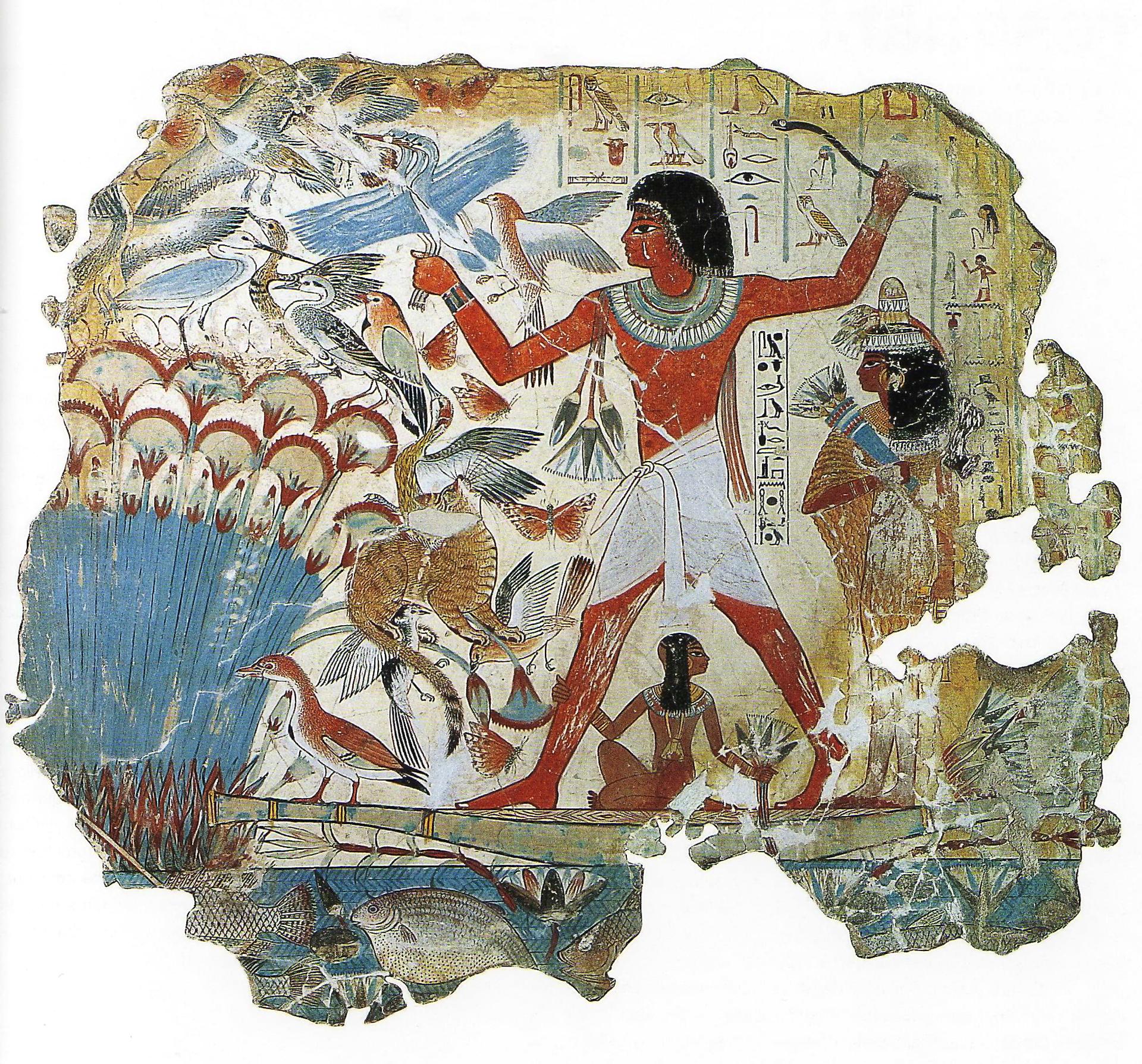
Nebamun Hunting in the Marshes
Ancient Egyptian (Unknown), -1350
- Same artist
- Same museum
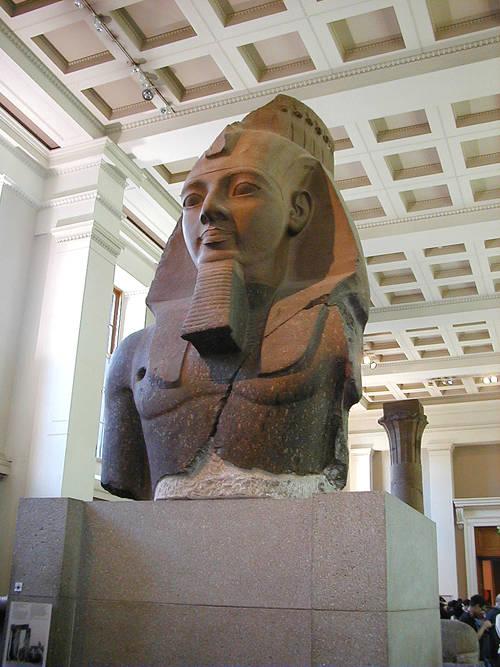
Colossal Bust of Ramesses II (The Younger Memnon)
Ancient Egyptian (Unknown), -1250
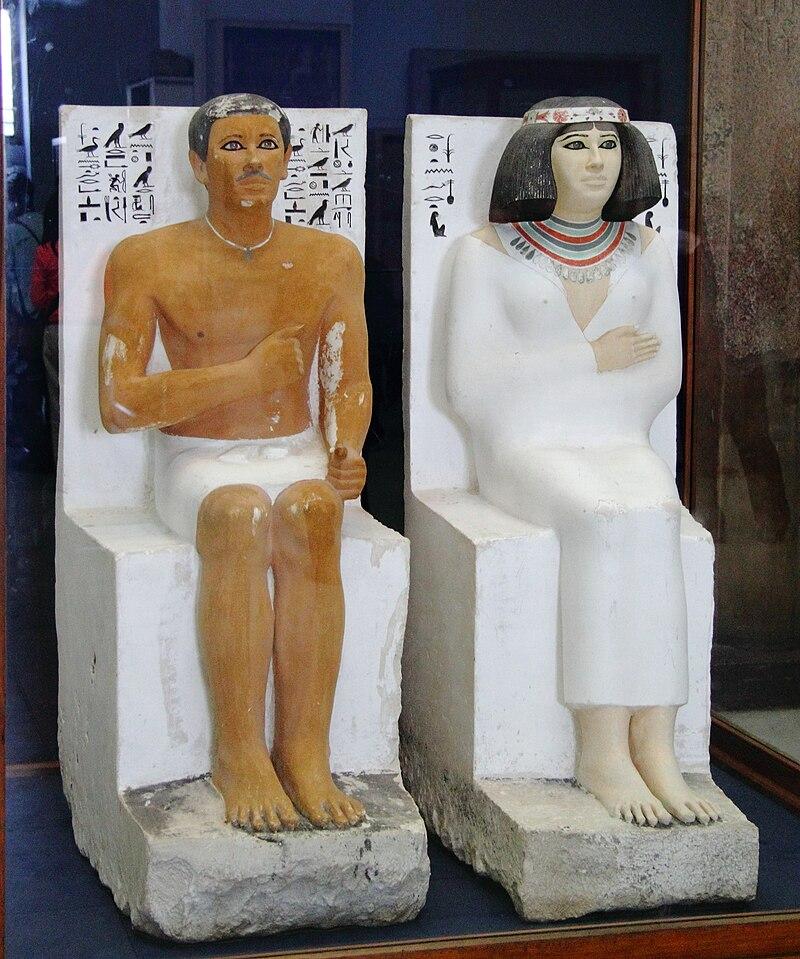
- Same artist
Rahotep and Nofret
Ancient Egyptian (Unknown), -2600
- Same museum
Mold Gold Cape
Ancient Celtic (Unknown), -1900
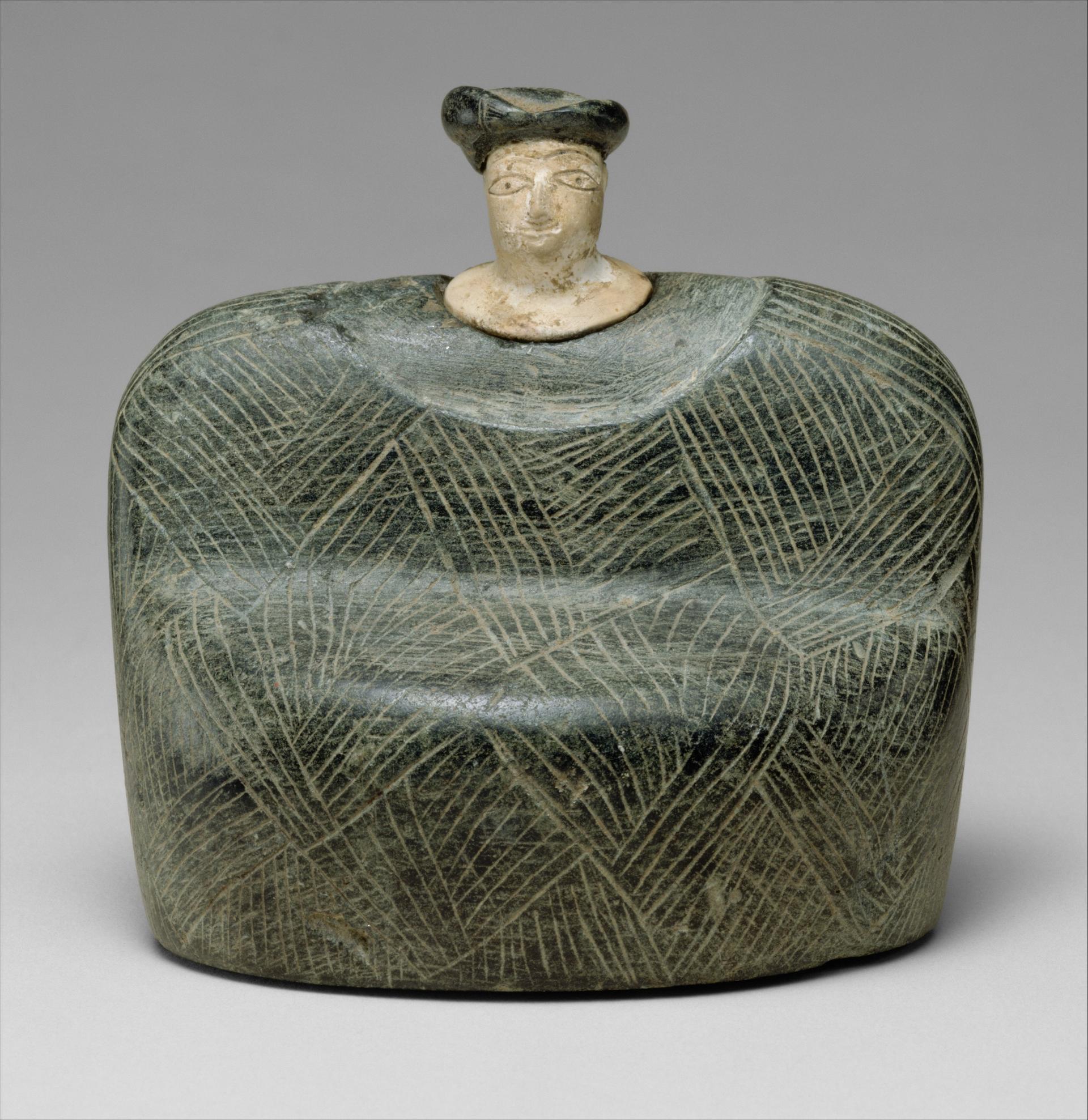
- Same museum
Oxus Treasure
Ancient Persian (Unknown), -500
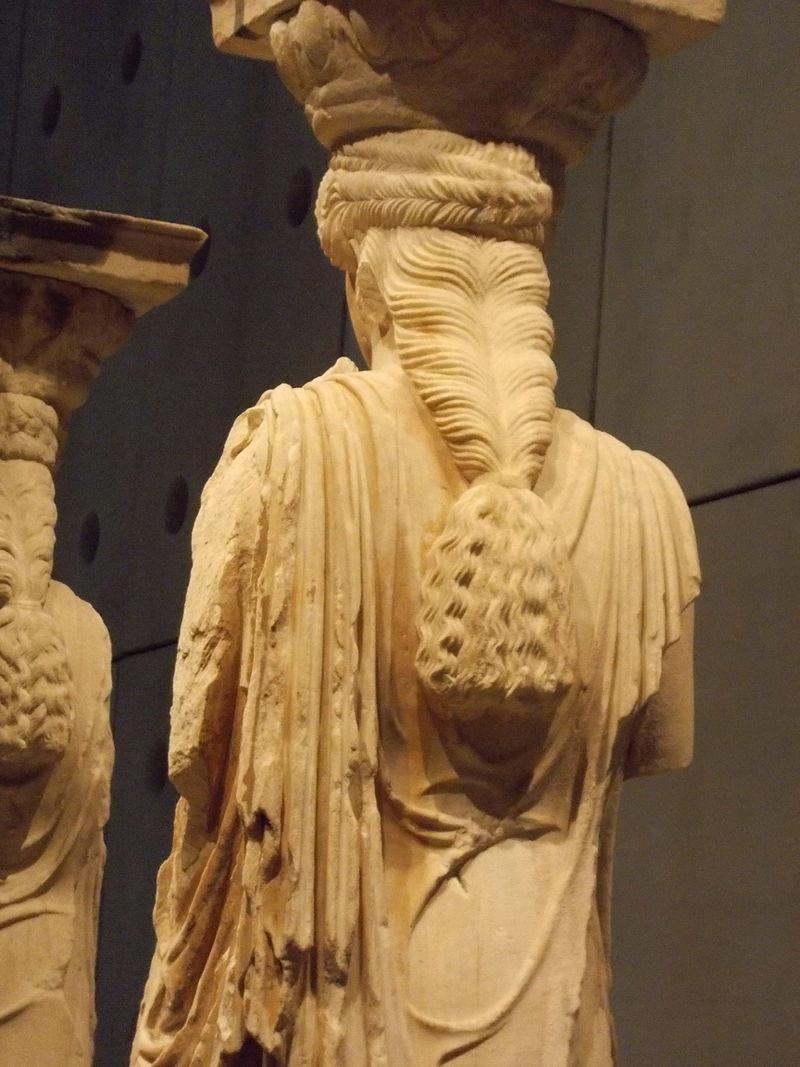
- Same museum
Caryatid from the Erechtheion
Ancient Greek (Unknown), -420
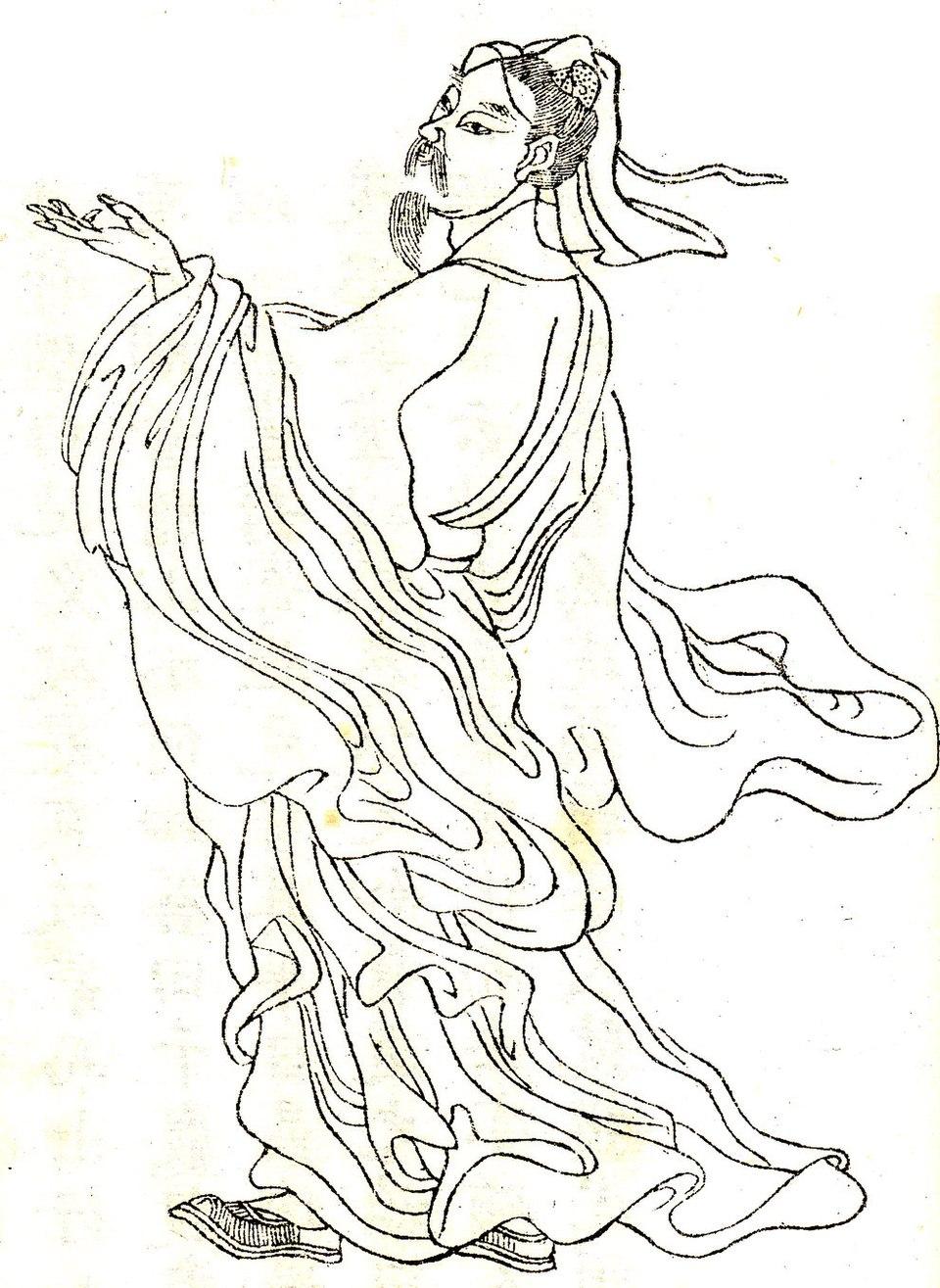
- Same museum
Admonitions Scroll (Gu Kaizhi)
Ancient Chinese (Unknown), 380
- Same museum
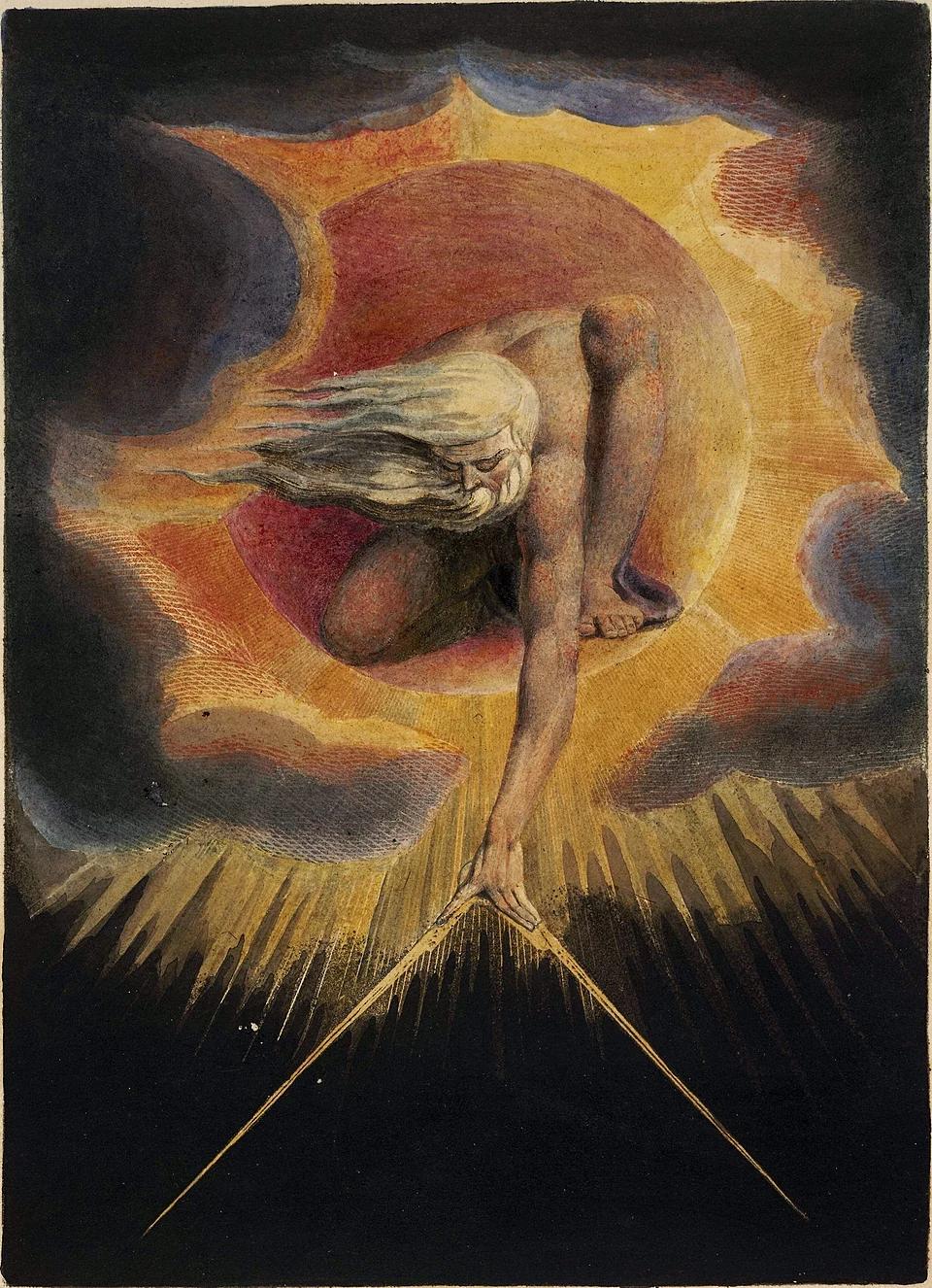
The Ancient of Days
William Blake, 1794
- Same museum
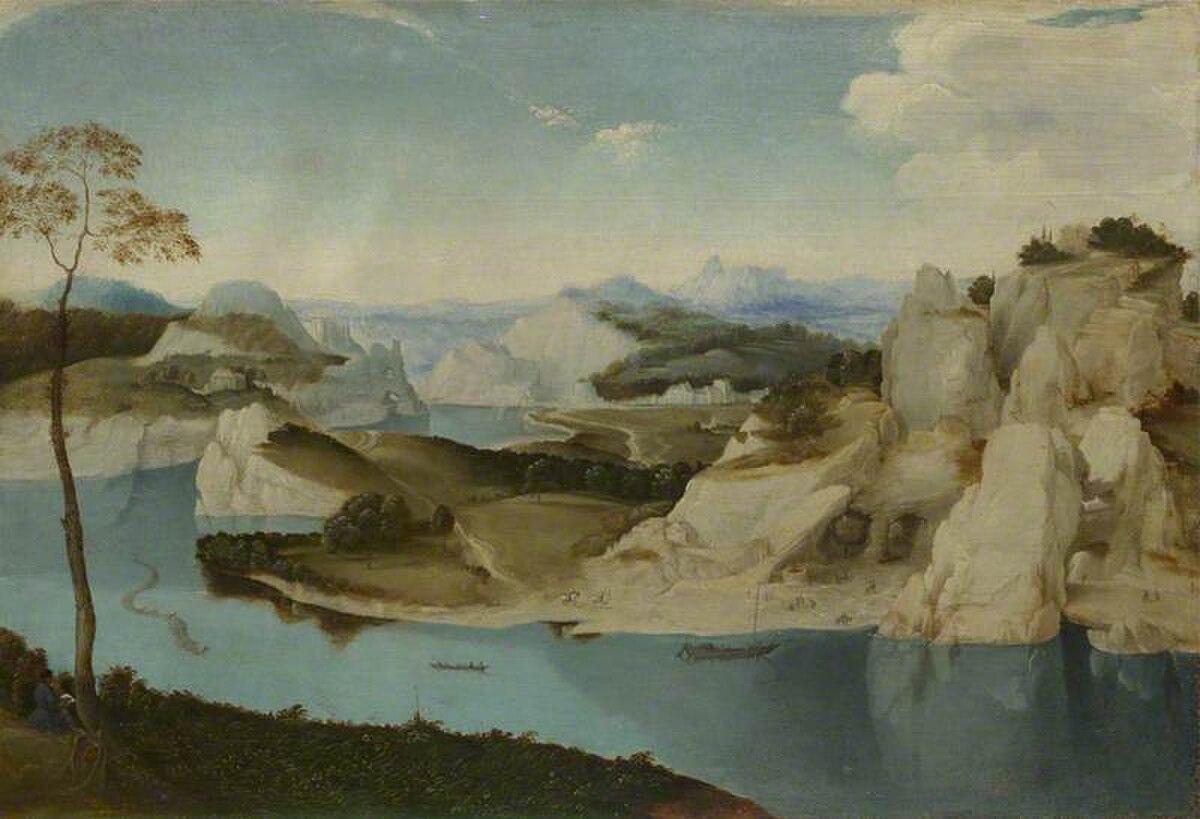
Mountain landscape with a river
Pieter Bruegel the Elder
- Same museum
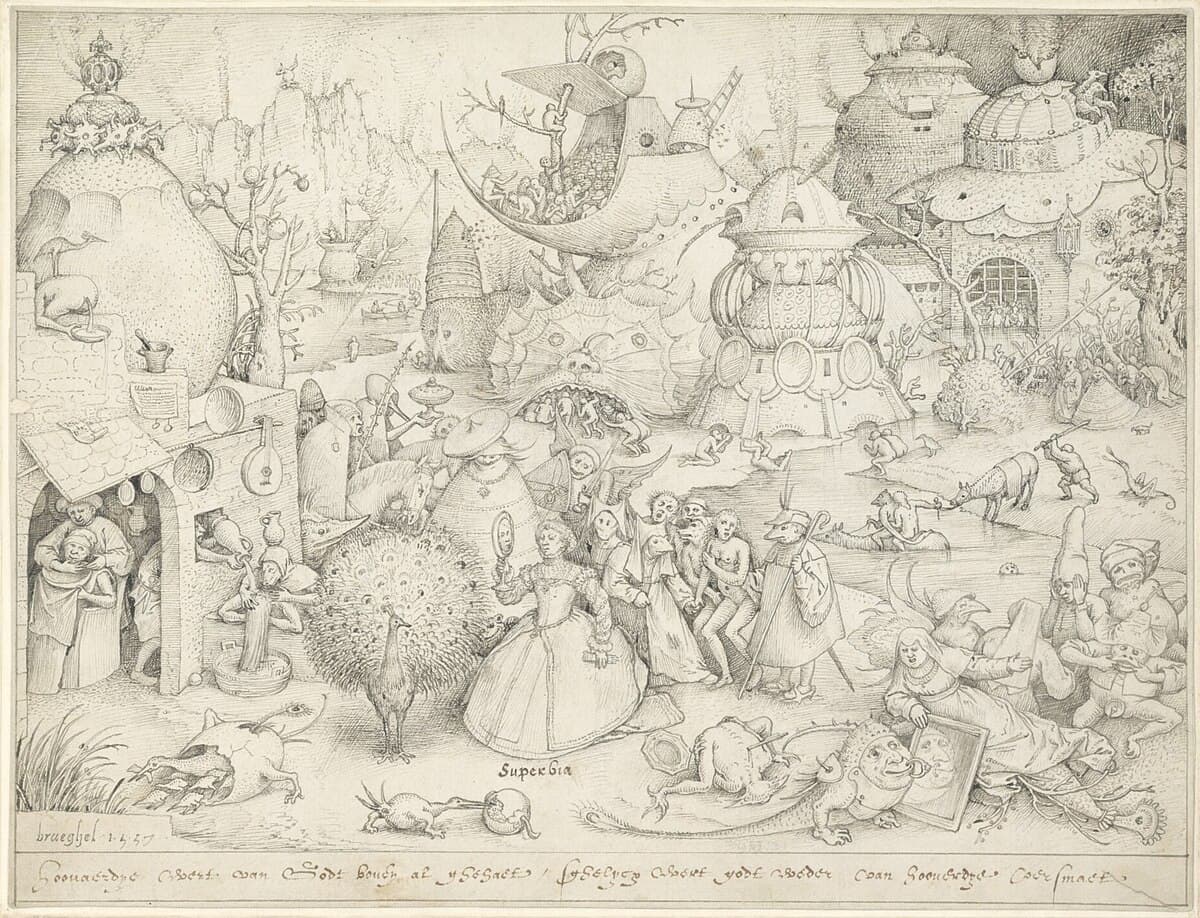
Pride
Pieter Bruegel the Elder
About Gebelein Mummies
The mummies date to around 3400 BCE, making them over 5,000 years old. They predate the pharaohs and the practice of artificial mummification by centuries.
Natural desiccation preserved these bodies. Hot, dry sand rapidly removed moisture before bacteria could cause decay, preserving skin, hair, and organs without any embalming.
CT scans revealed the famous red-haired mummy was a young man who died violently. A wound in his back suggests he was stabbed from behind, making this one of history's oldest murder victims.
Own Art Like This
Luxury wall art with the same mood and energy. Gallery-quality canvas, no museum crowds.
Browse Collection