Wikimedia Commons • Public Domain
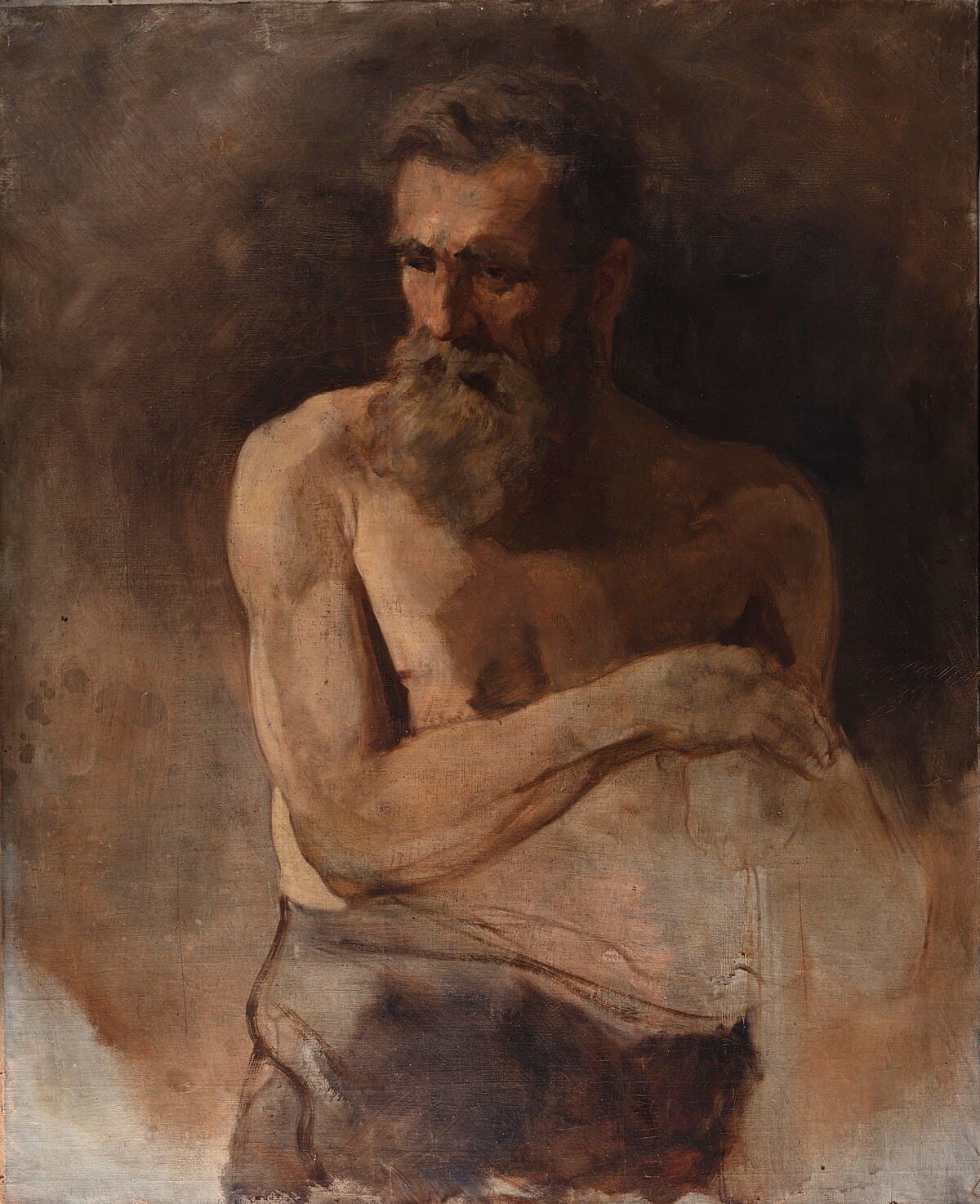
Heraklith
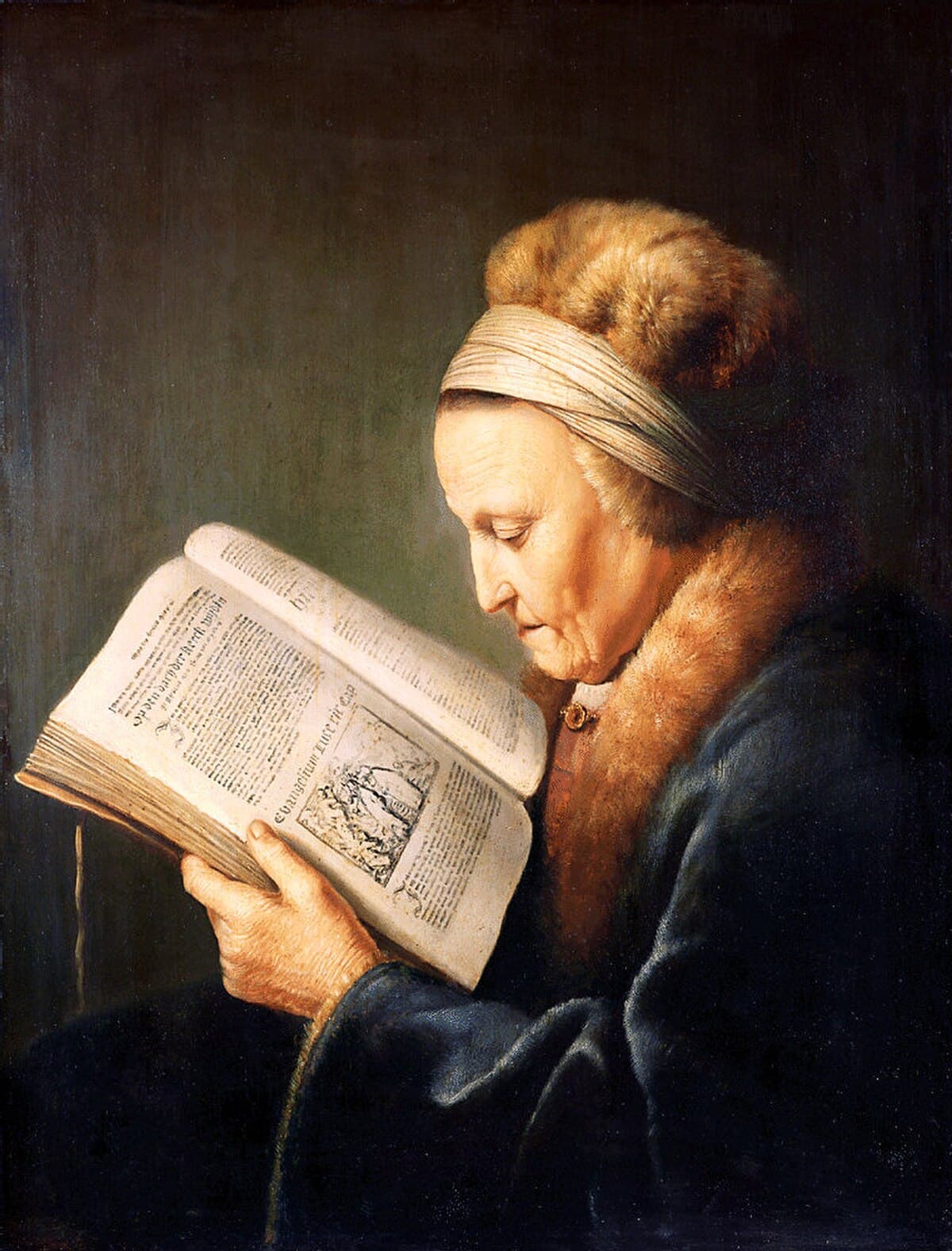
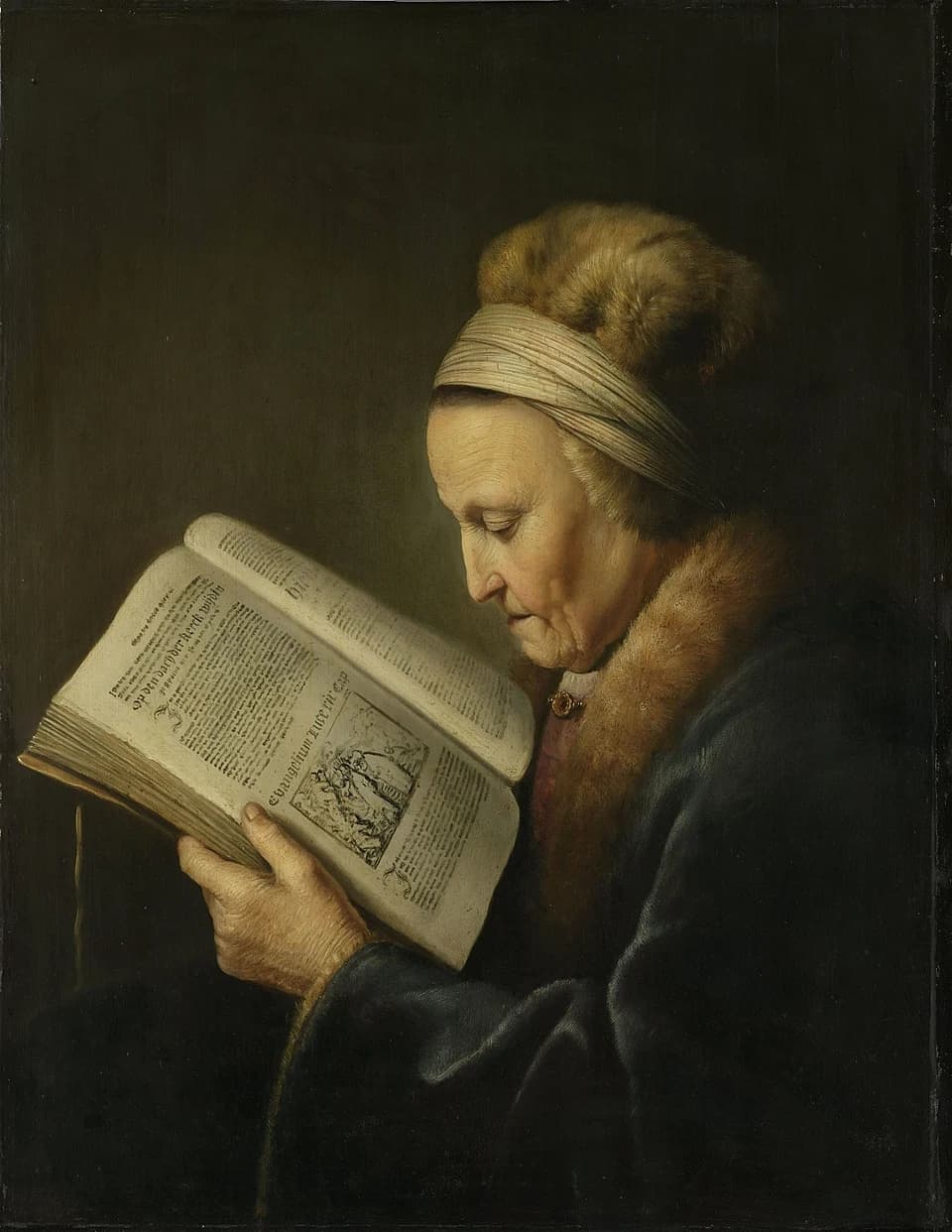
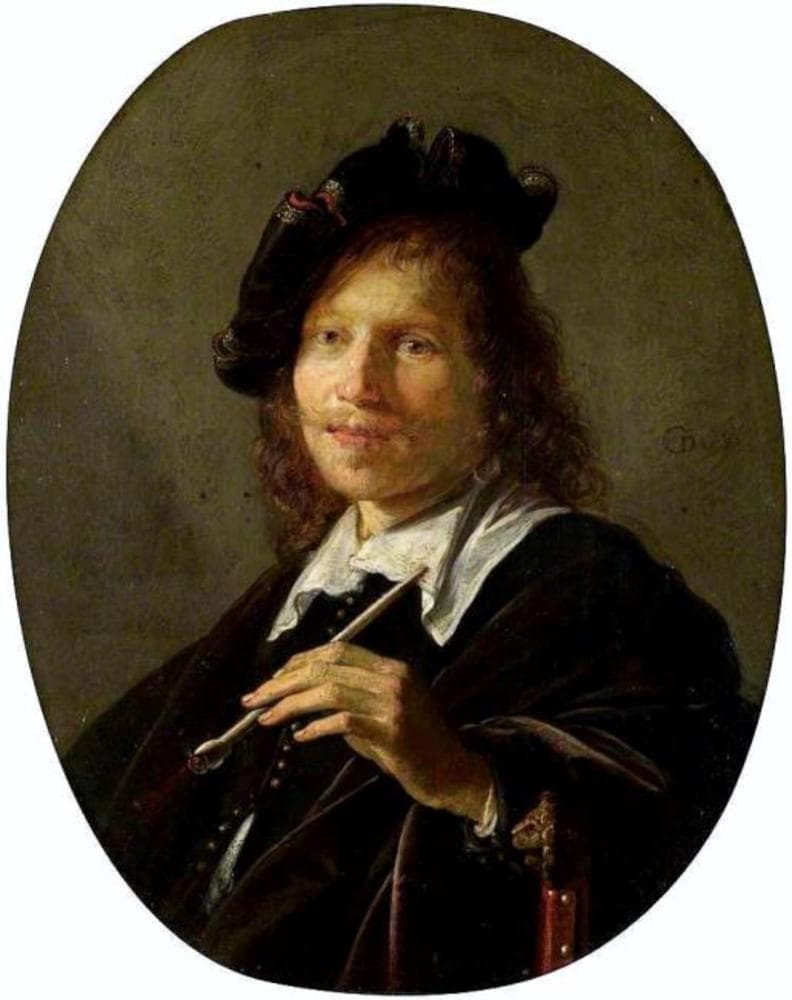
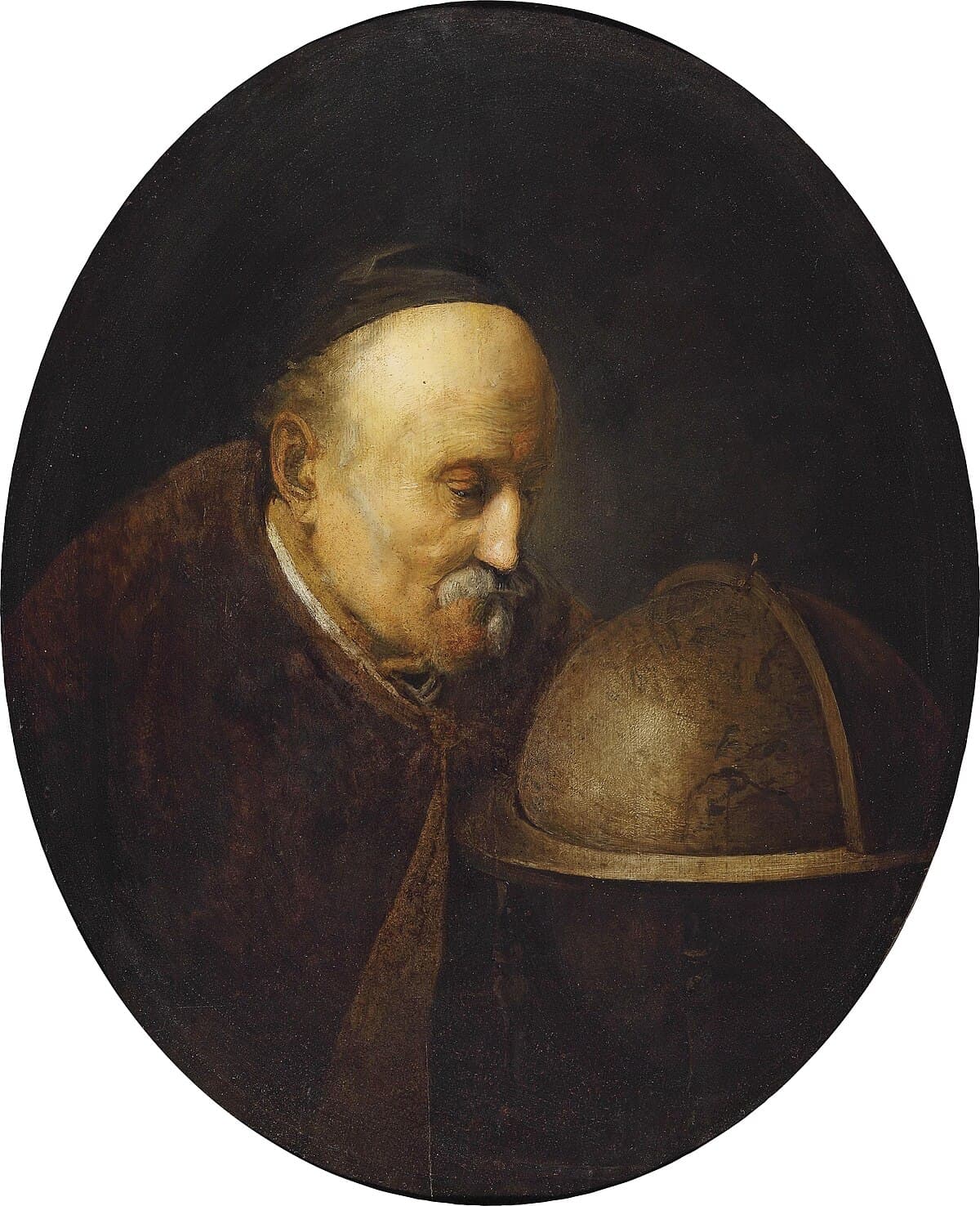
by Gerrit Dou
StyleDutch Golden Age
Artwork Details
Cite or Embed This Work
APA · MLA · Chicago1-click academic citation and embeddable “On View” museum badge for articles, syllabi, and research.
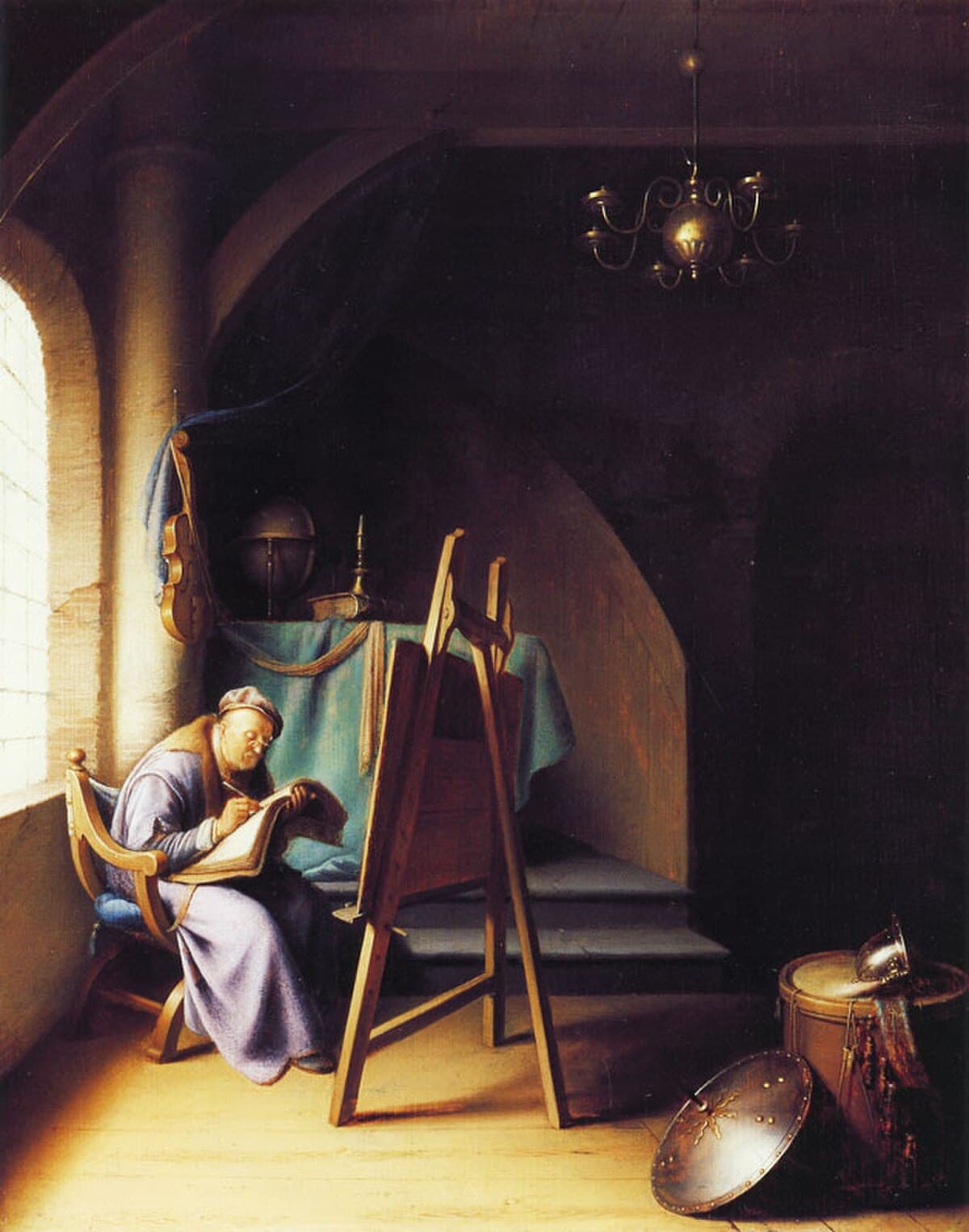
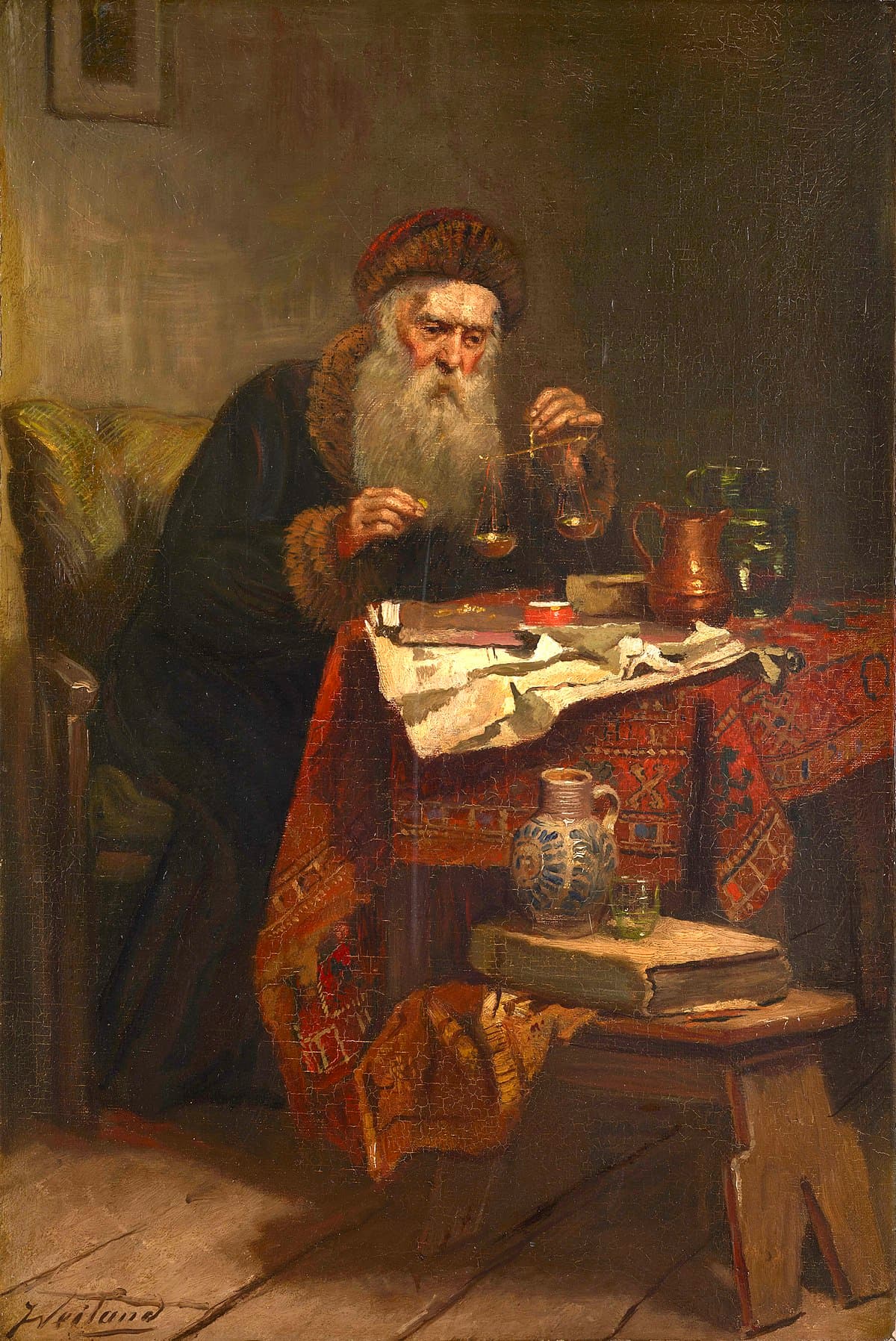
Gerrit Dou was Rembrandt's first student and became famous for his own detailed technique and small-scale works. This painting of Heraclitus, the ancient Greek philosopher known as "the weeping philosopher," demonstrates Dou's characteristic precision and attention to detail that made him one of the most sought-after painters in the Dutch Golden Age.
Heraclitus earned his nickname because he allegedly wept at human folly, viewing the world with a melancholic pessimism. Artists throughout the Baroque period found this subject appealing, often pairing Heraclitus with Democritus, the laughing philosopher who found humanity's struggles amusing rather than tragic.
The painting now resides at the State Hermitage Museum in St. Petersburg, Russia. Dou's treatment of the philosopher shows his mastery of capturing texture and emotion in intimate compositions, a skill he developed during his years studying under Rembrandt in Leiden.