Gerrit Dou
Dutch·1613–1675
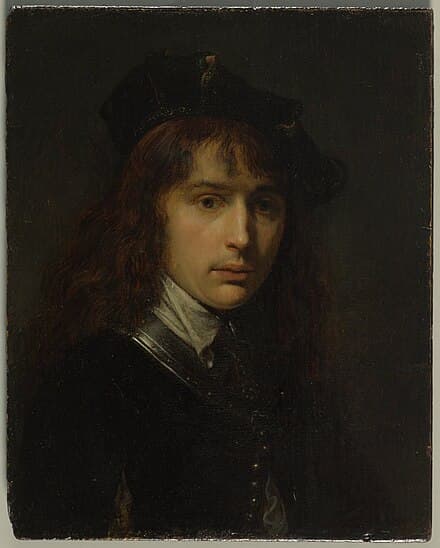
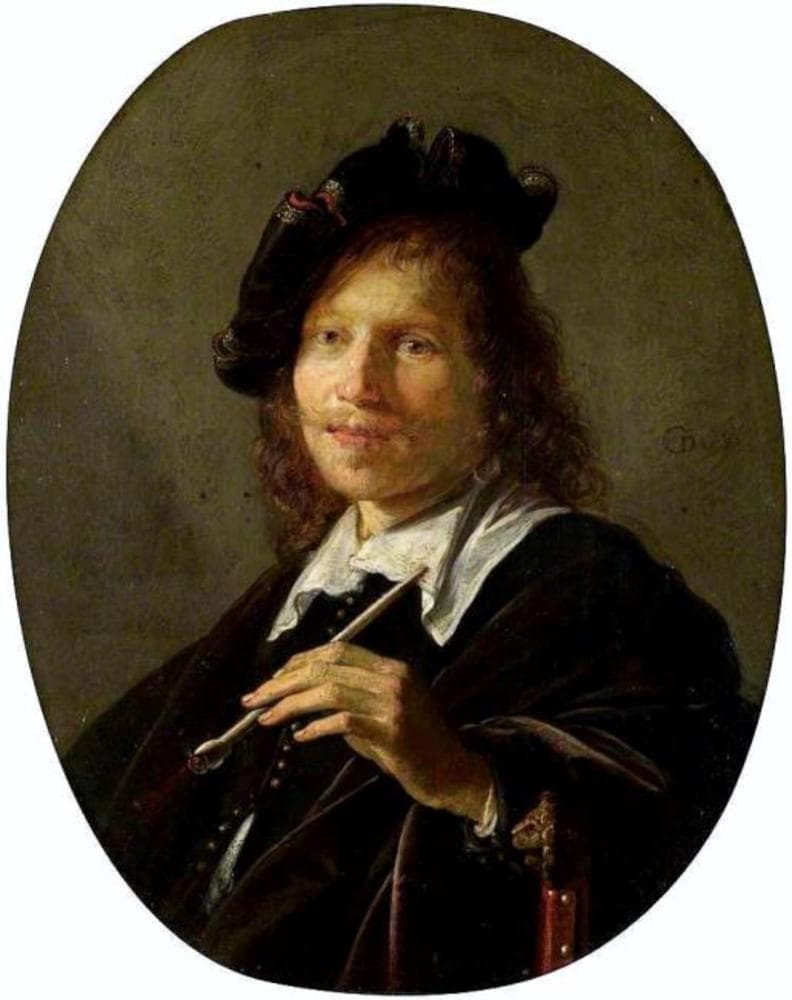
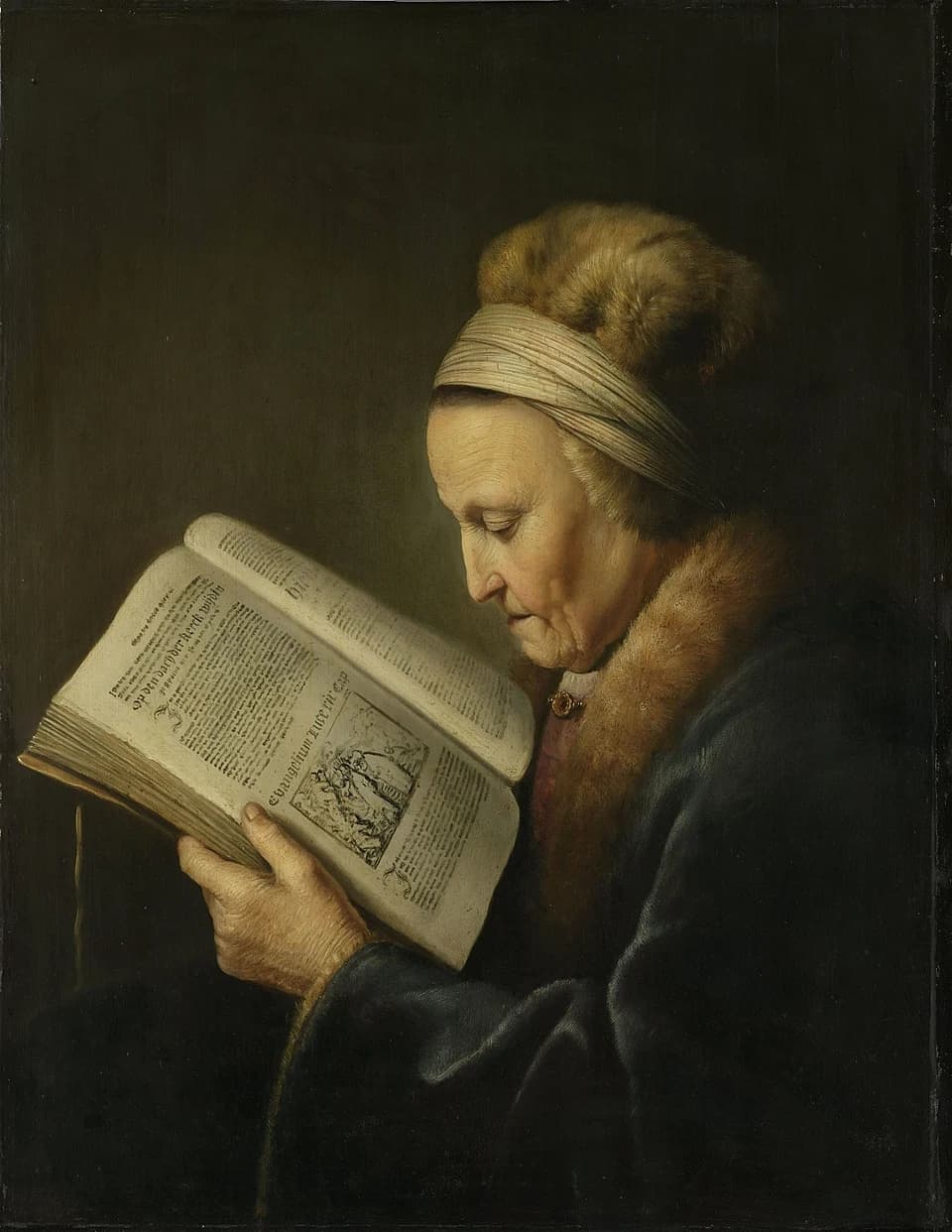
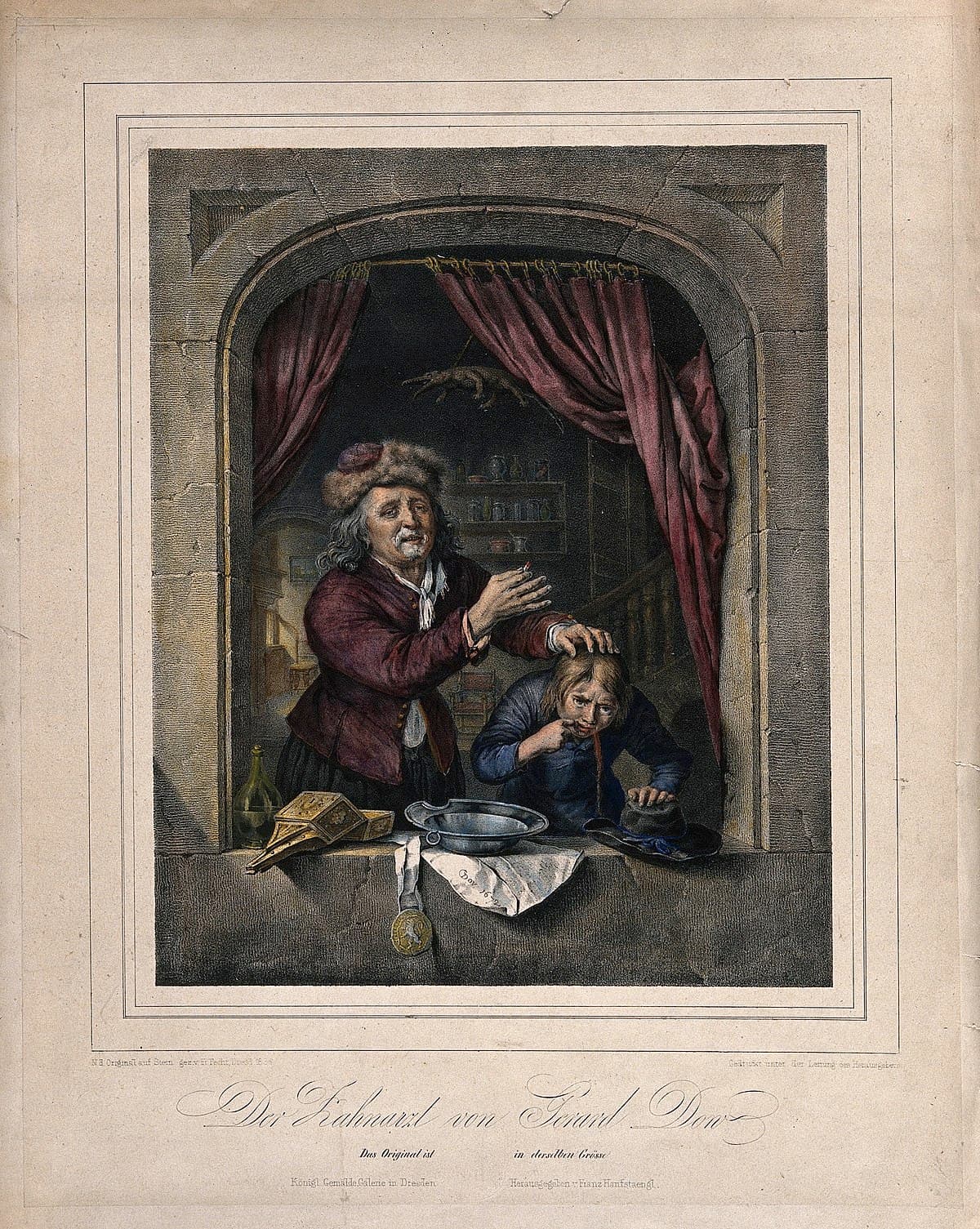
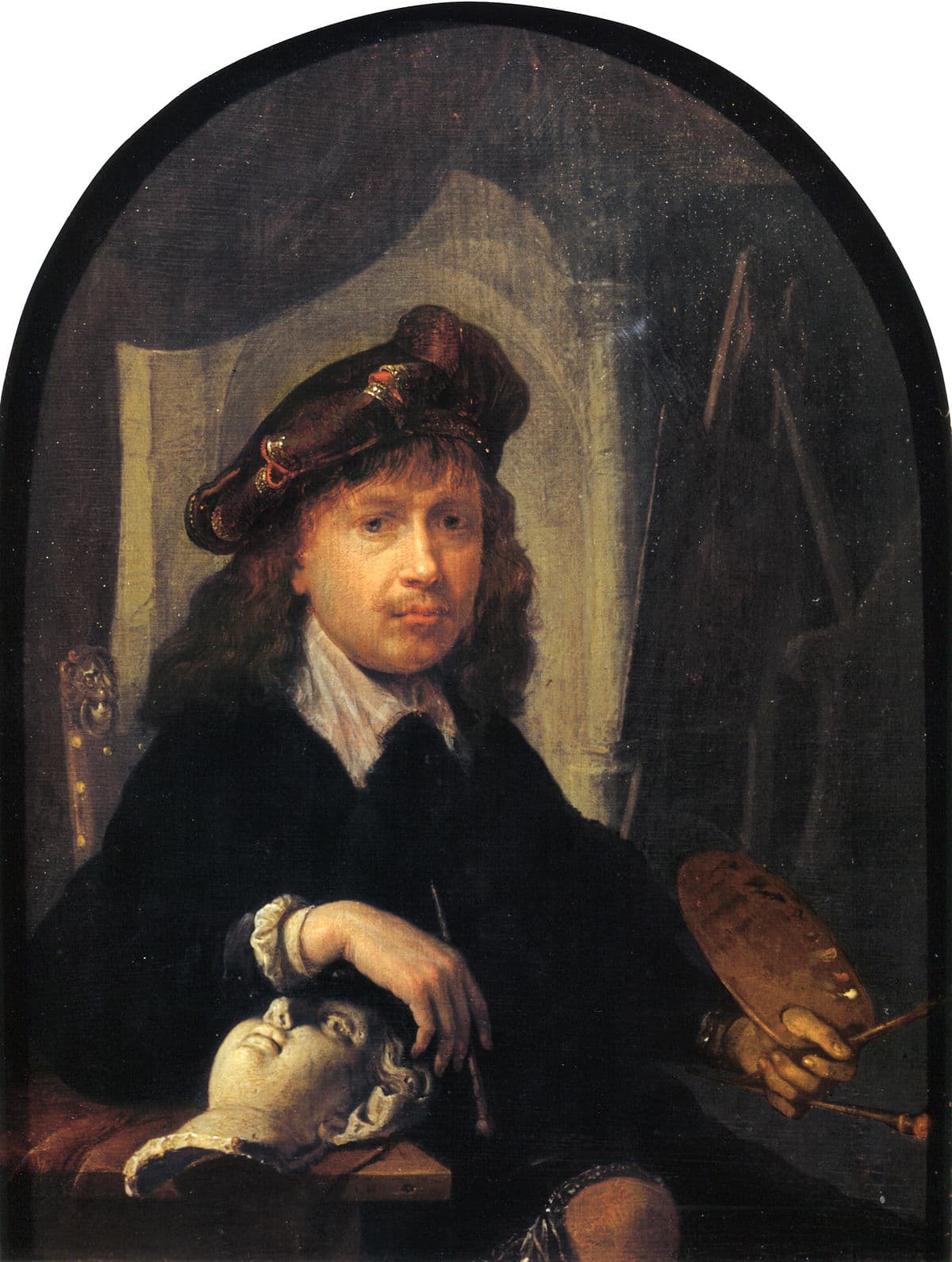
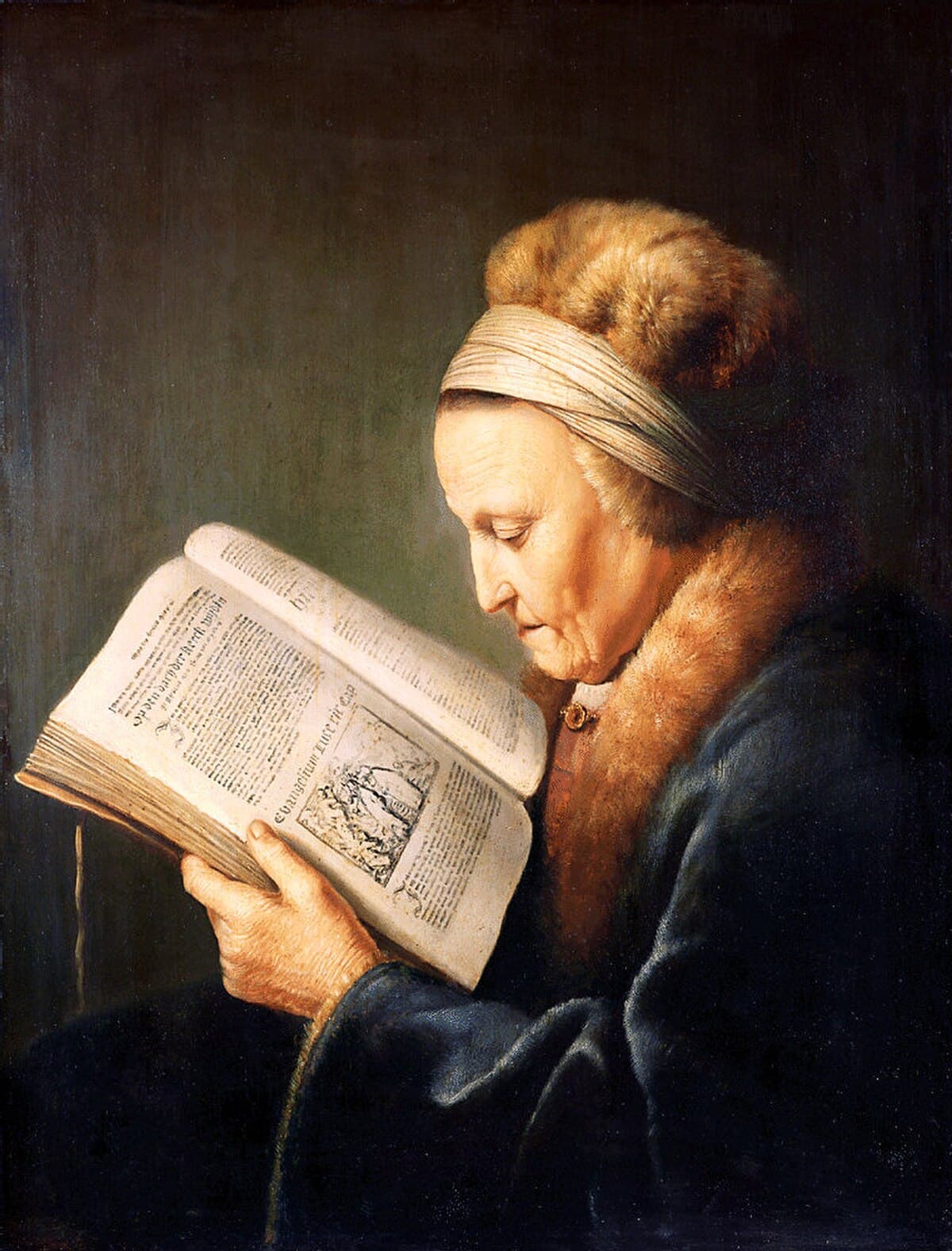
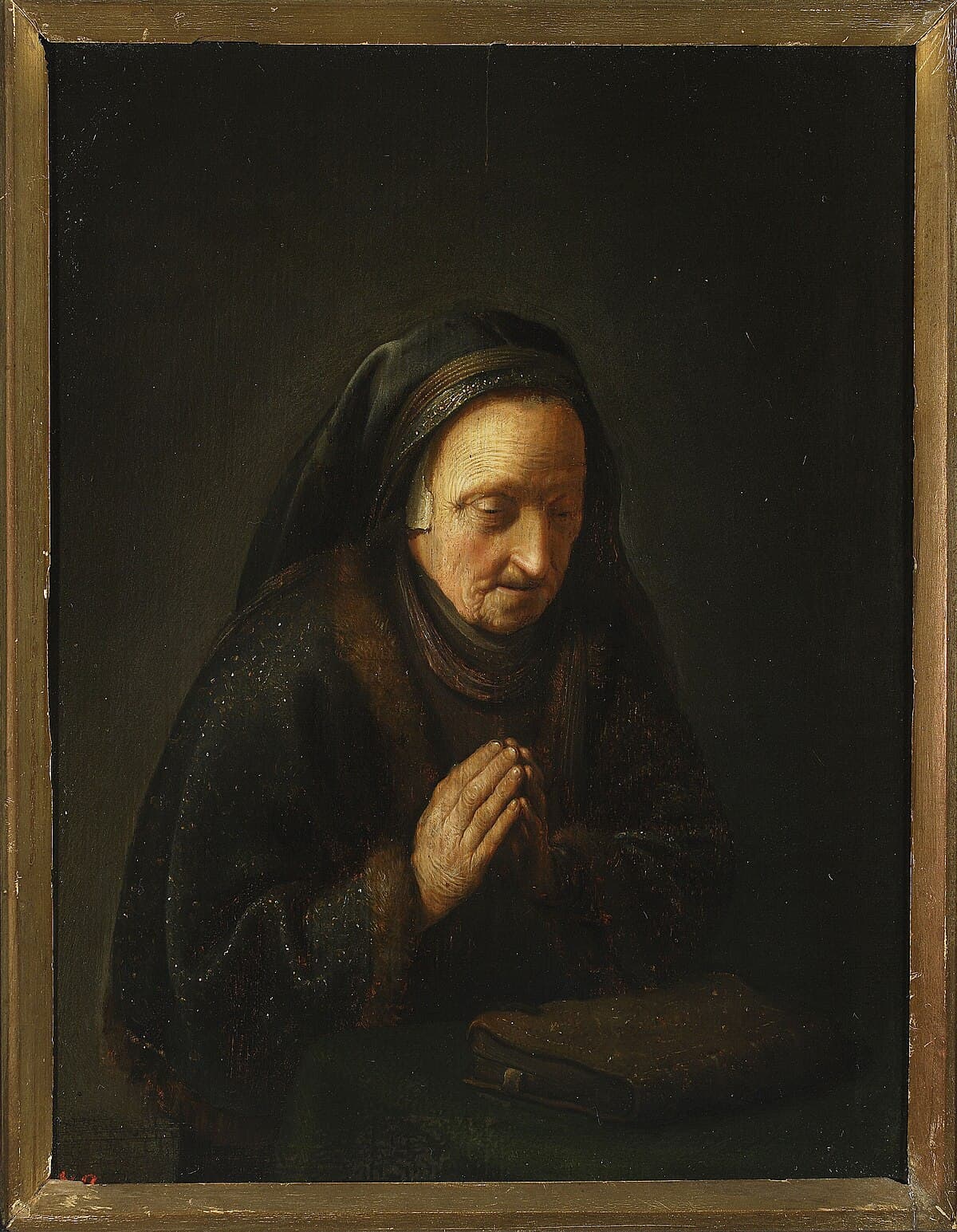
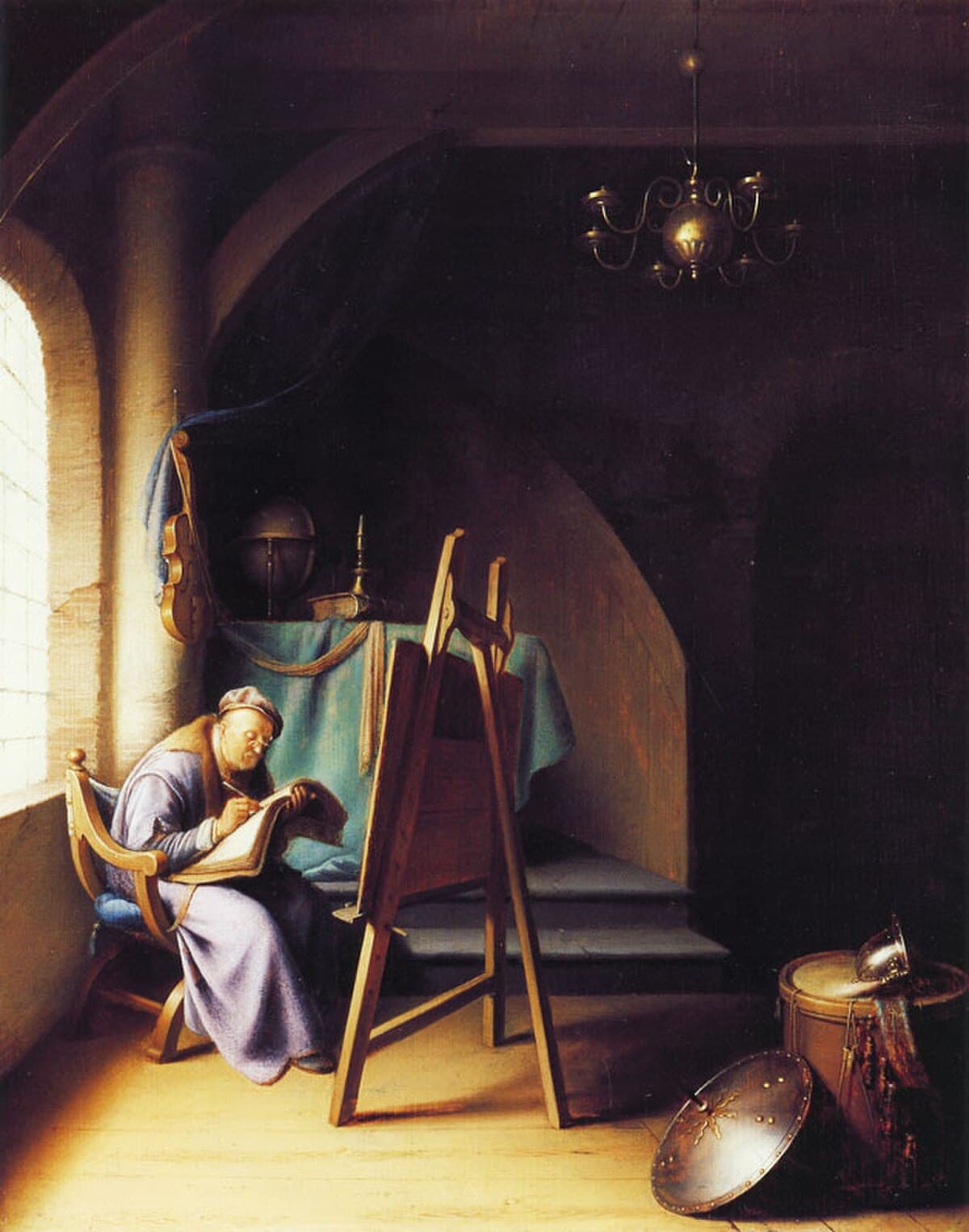
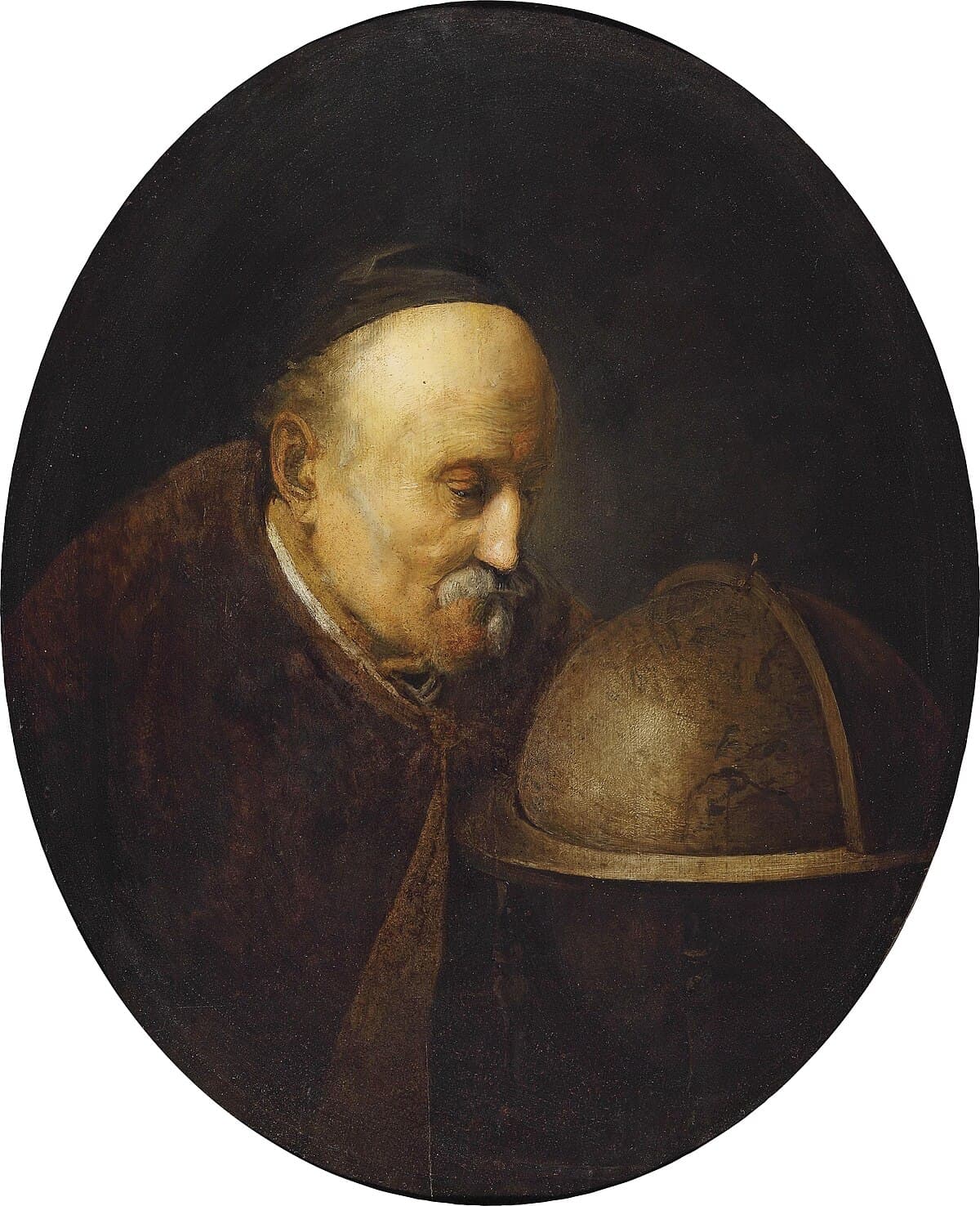
Dutch Golden Age painter Gerrit Dou (1613-1675) founded the Leiden fijnschilder tradition of small, meticulously polished paintings. Born in Leiden to a stained-glass manufacturer, he trained in his father's workshop before studying under Rembrandt from 1628 to 1631, when he was just fourteen. From Rembrandt he learned chiaroscuro and dramatic light effects, though he soon developed his own minute, elaborate style that diverged from his master's broader manner.
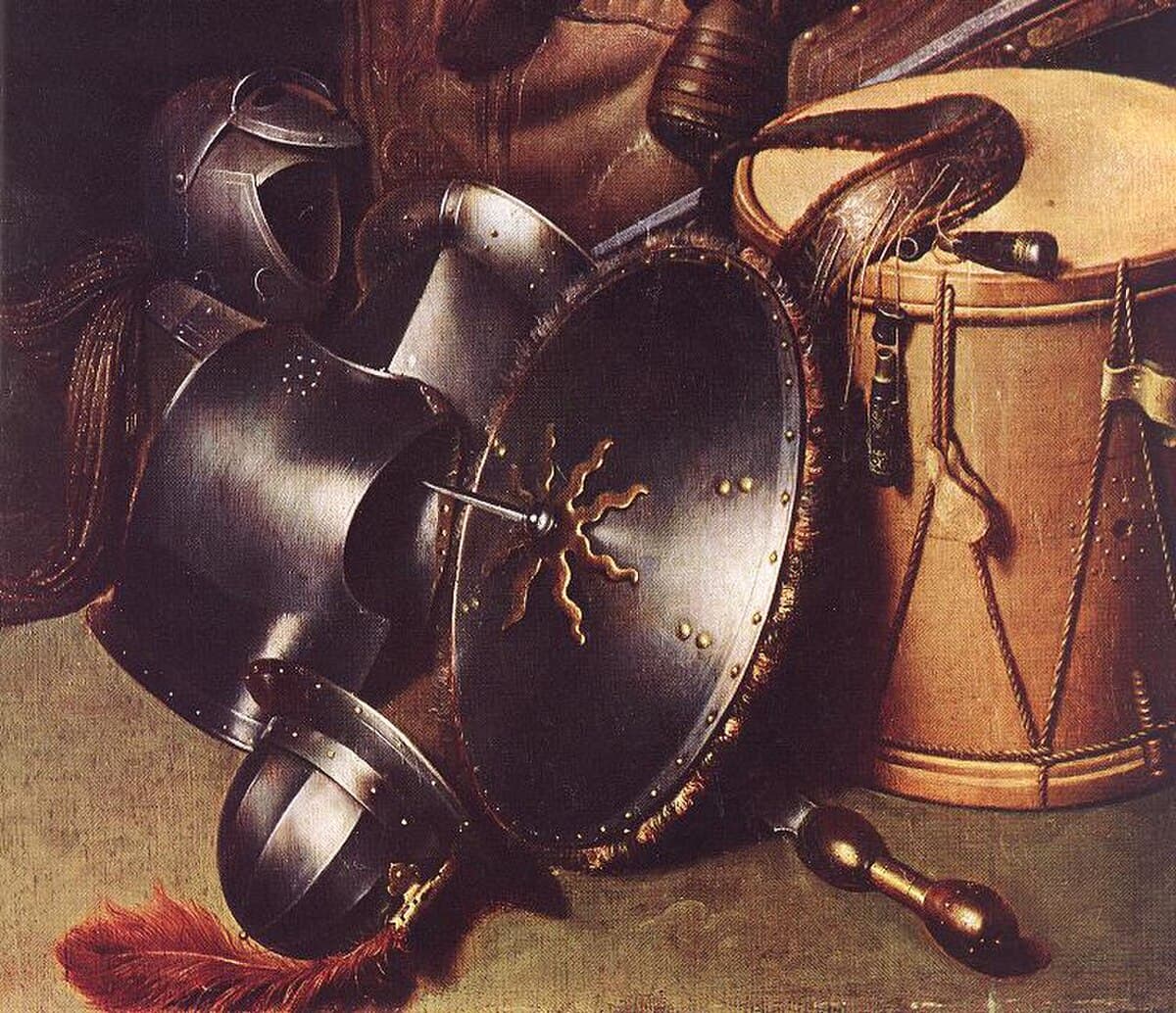
Dou was said to spend five days painting a single hand, manufacturing his own brushes for the fine work. He specialized in candlelit night scenes, genre subjects, and his signature "niche paintings" using trompe-l'oeil effects. For a time, he was the most highly acclaimed Dutch painter, even more celebrated than Rembrandt. Pieter Spiering, the Swedish ambassador, paid him 500 guilders annually just for the right of first refusal on his latest works. Queen Christina of Sweden owned eleven of his paintings; Cosimo III de' Medici visited his studio. His masterpieces include The Dropsical Woman (1663) at the Louvre and The Evening School at the Rijksmuseum.
Notable Works by Gerrit Dou
9 paintings catalogued with museum locations