by Ancient Roman (Unknown), 260
1-click academic citation and embeddable “On View” museum badge for articles, syllabi, and research.
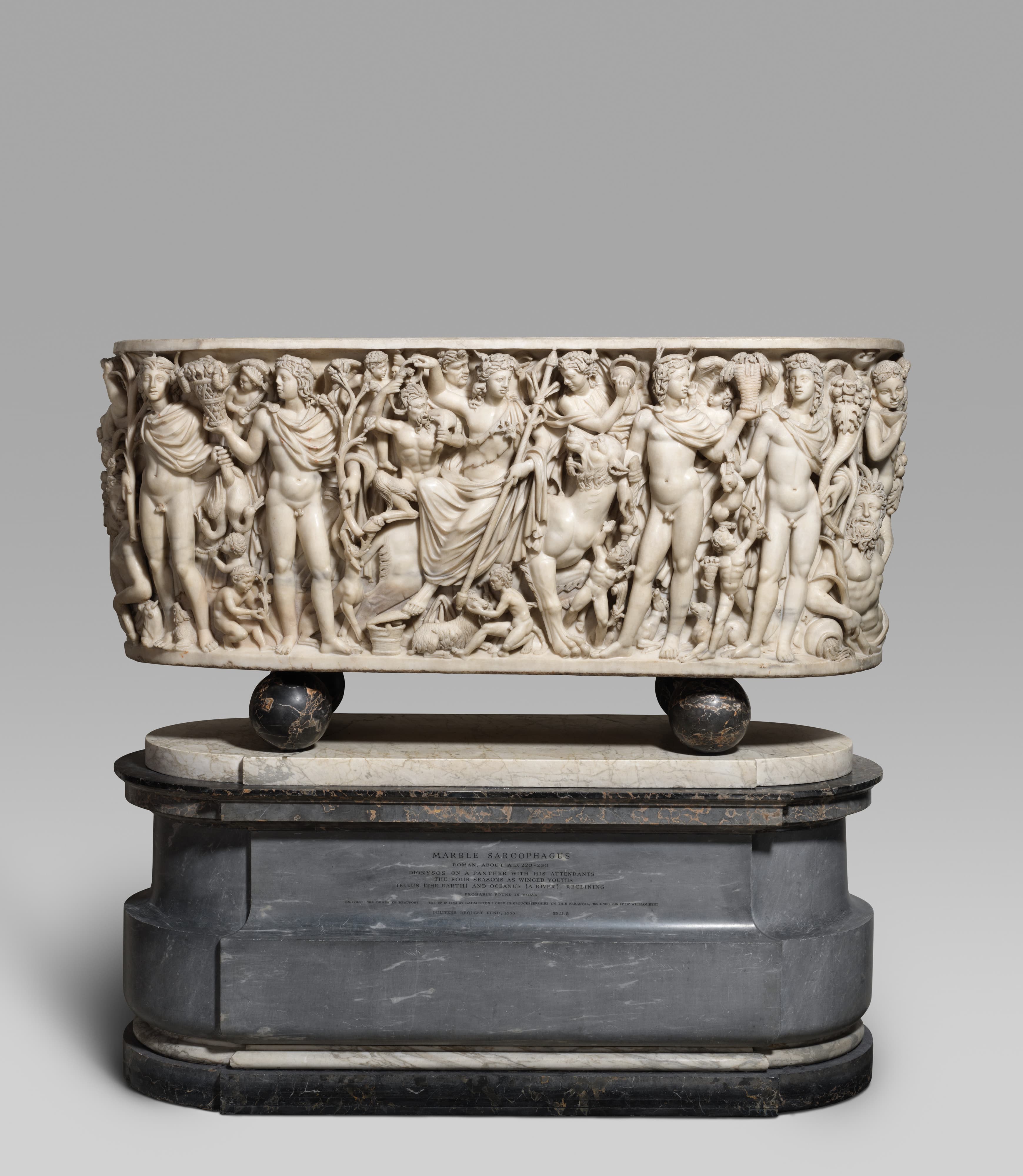
Ancient Roman This monumental marble sarcophagus shows the god Dionysos seated on a panther, flanked by four large standing figures representing the Seasons: Winter, Spring, Summer, and Fall. A bearded river-god reclines at one end, accompanied by two winged youths. The carving is deeply cut and virtuosic.
Only a very wealthy person could have commissioned this. The marble came from an eastern Mediterranean quarry and was shipped to Rome for carving, revealing the empire's vast luxury trade networks. Dionysiac scenes on sarcophagi evoked celebration and offered hope for a pleasurable afterlife. The design came from a sculptor's pattern book rather than reflecting any personal significance for the deceased.
It dates to around 260-270 CE and measures 34 x 85 x 36 inches. It's in Gallery 162 at the Metropolitan Museum of Art.

David Roentgen, 1776
The Metropolitan Museum of Art, New York
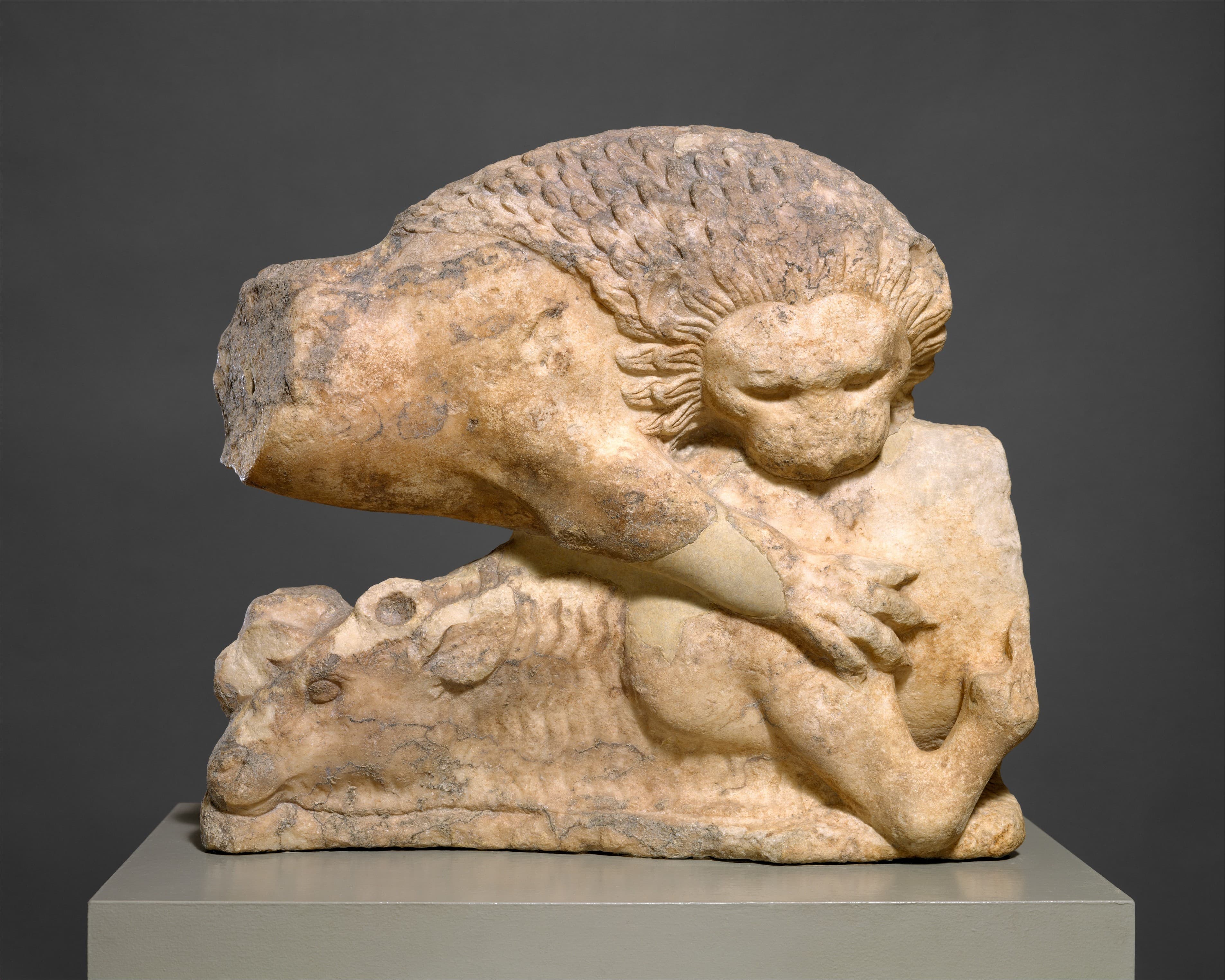
Ancient Greek (Unknown), -500
The Metropolitan Museum of Art, New York
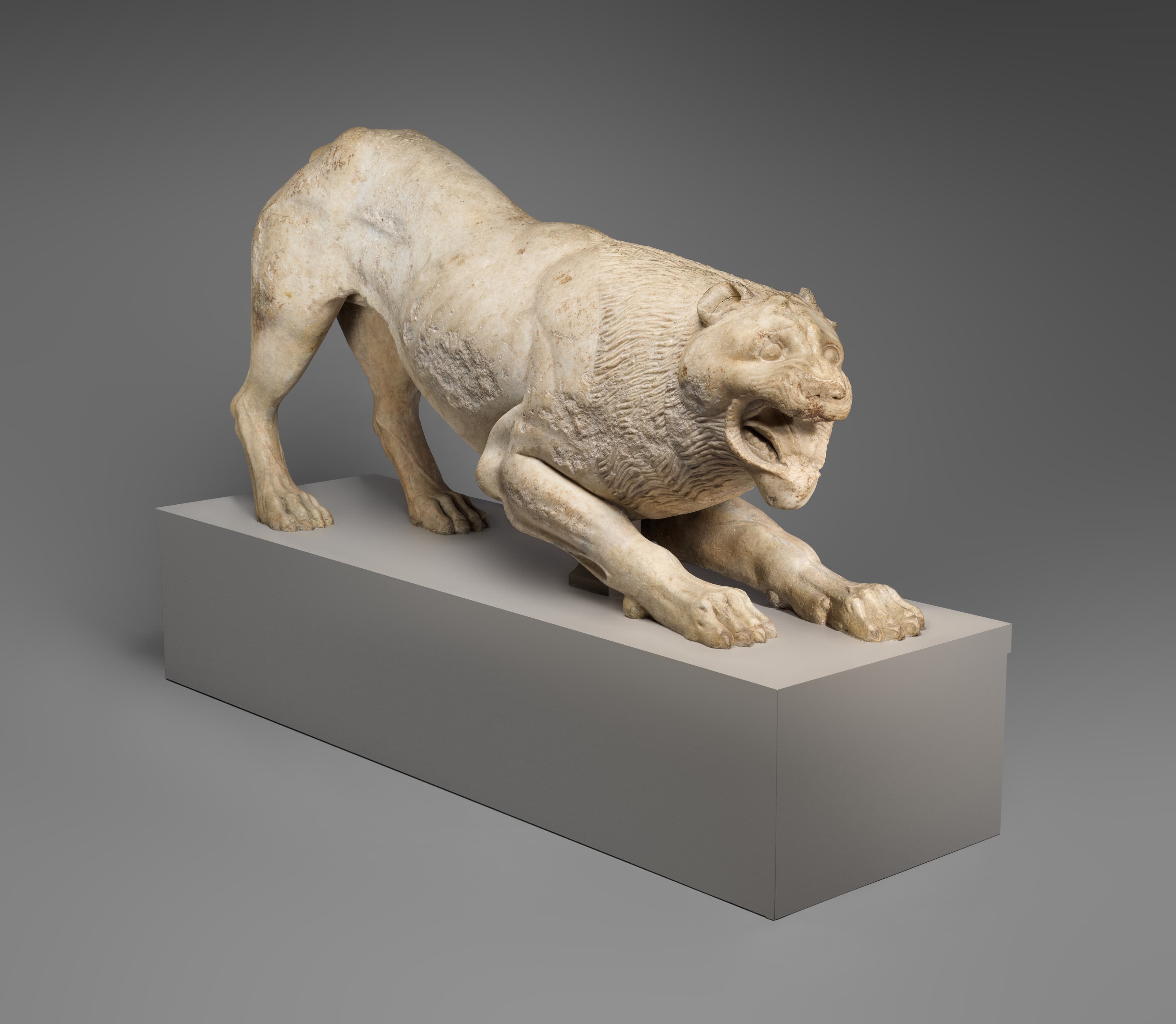
Ancient Greek (Unknown), -390
The Metropolitan Museum of Art, New York
Diego Velázquez
The Metropolitan Museum of Art, New York
Works that share an artist, movement, museum, genre, palette or theme with Marble sarcophagus with the Triumph of Dionysos and the Seasons.
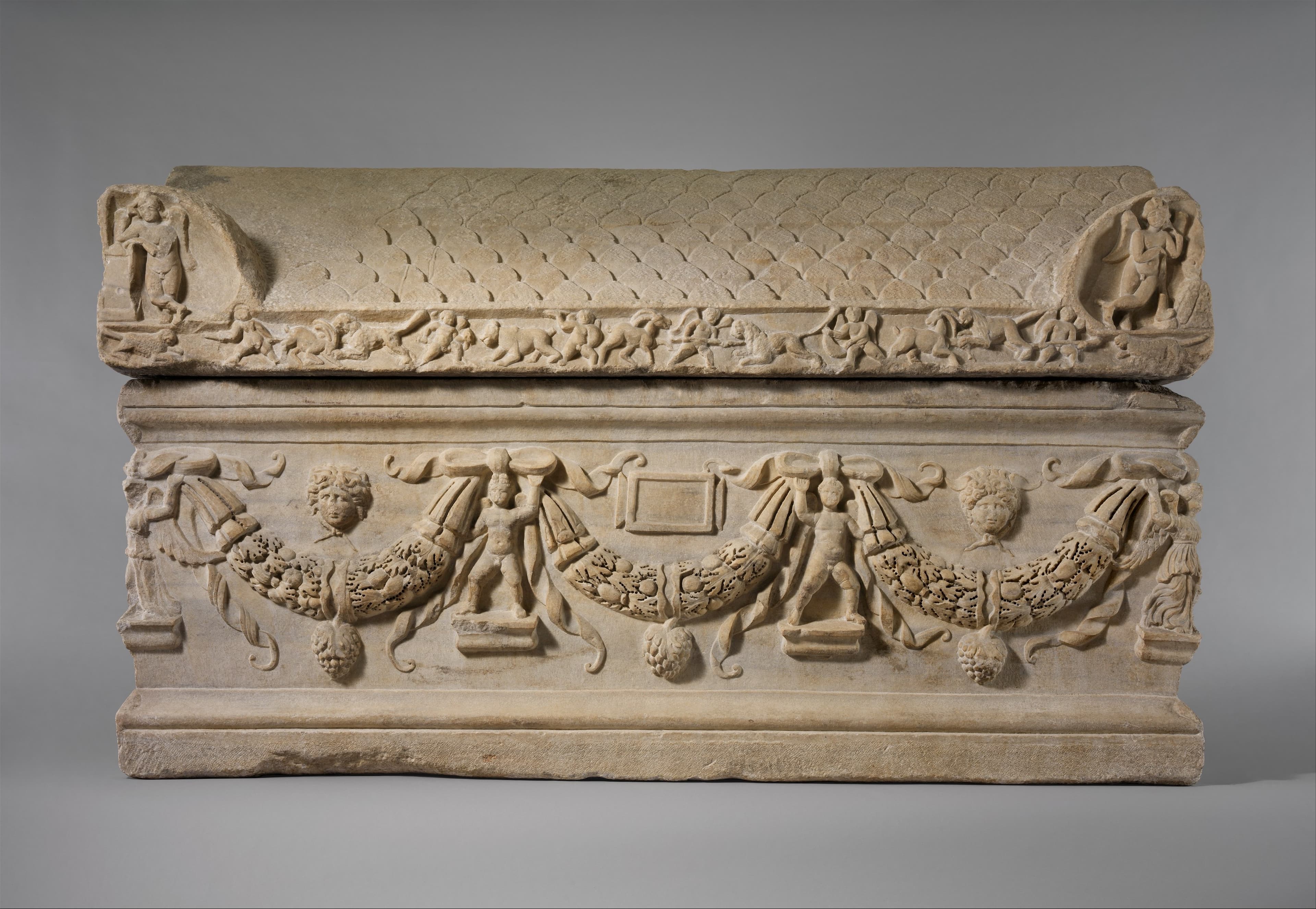
Ancient Roman (Unknown), 200
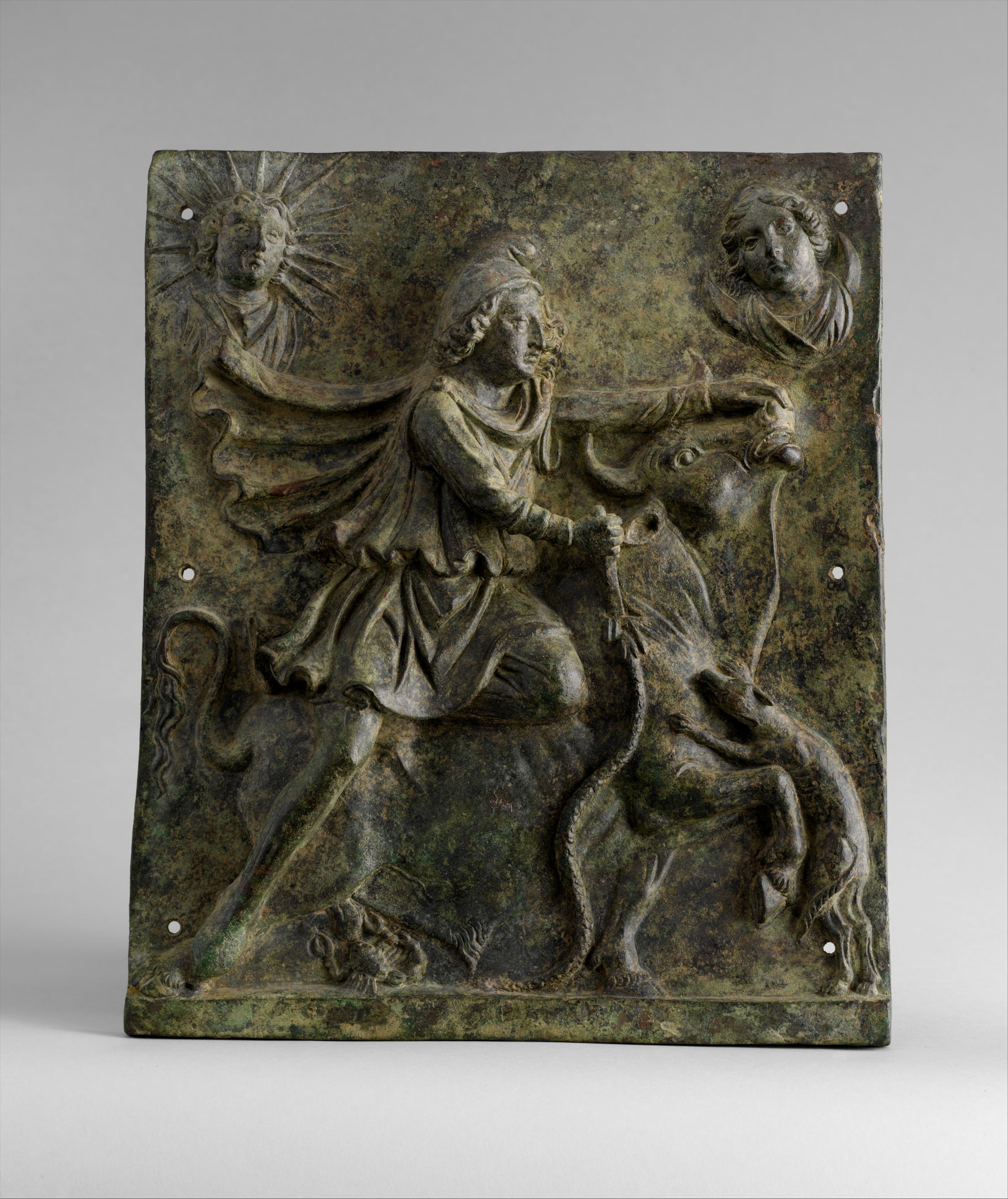
Ancient Roman (Unknown), 250

Ancient Roman (Unknown), 150

Pacetti, Vincenzo, -27
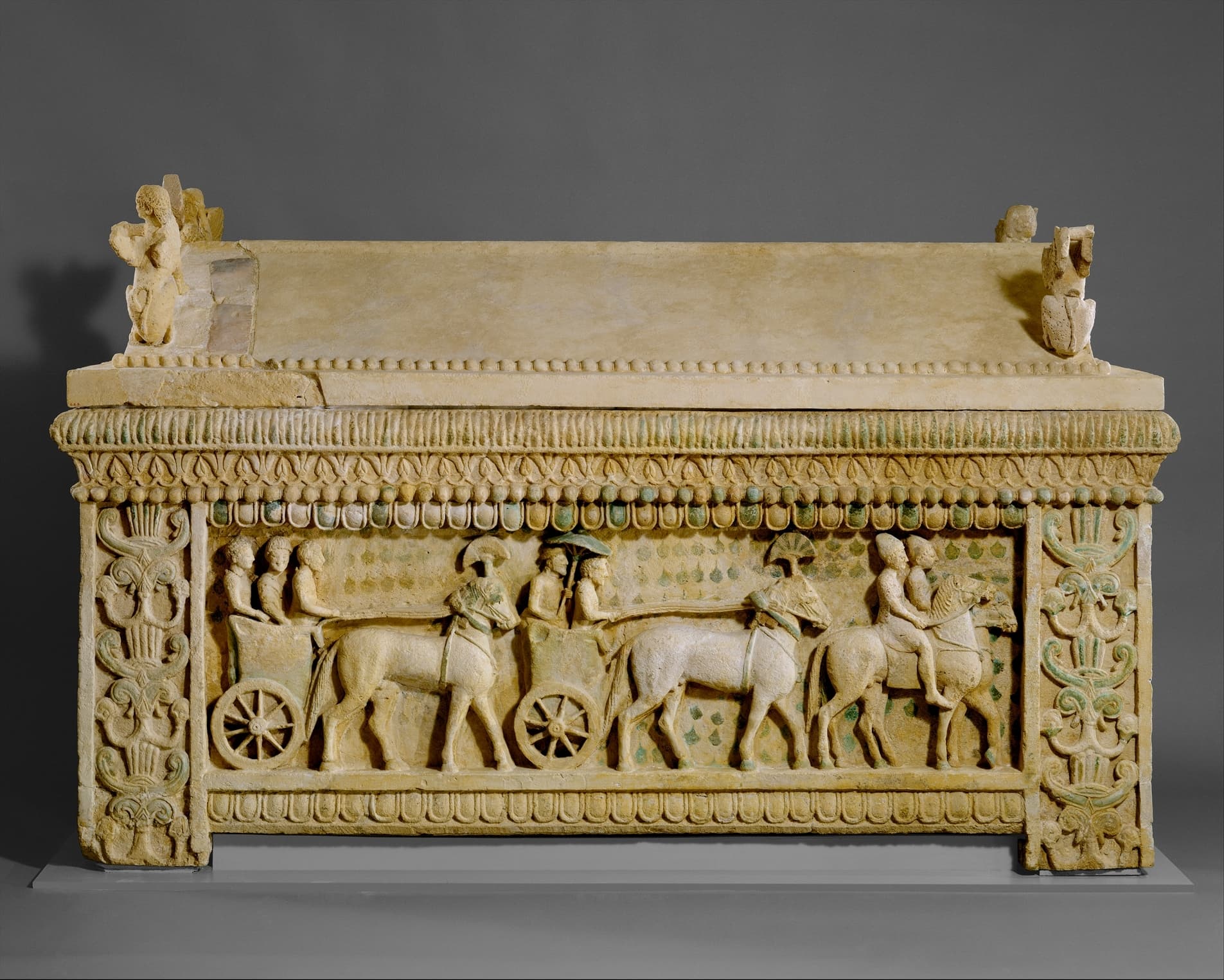
Ancient Greek (Unknown), -500
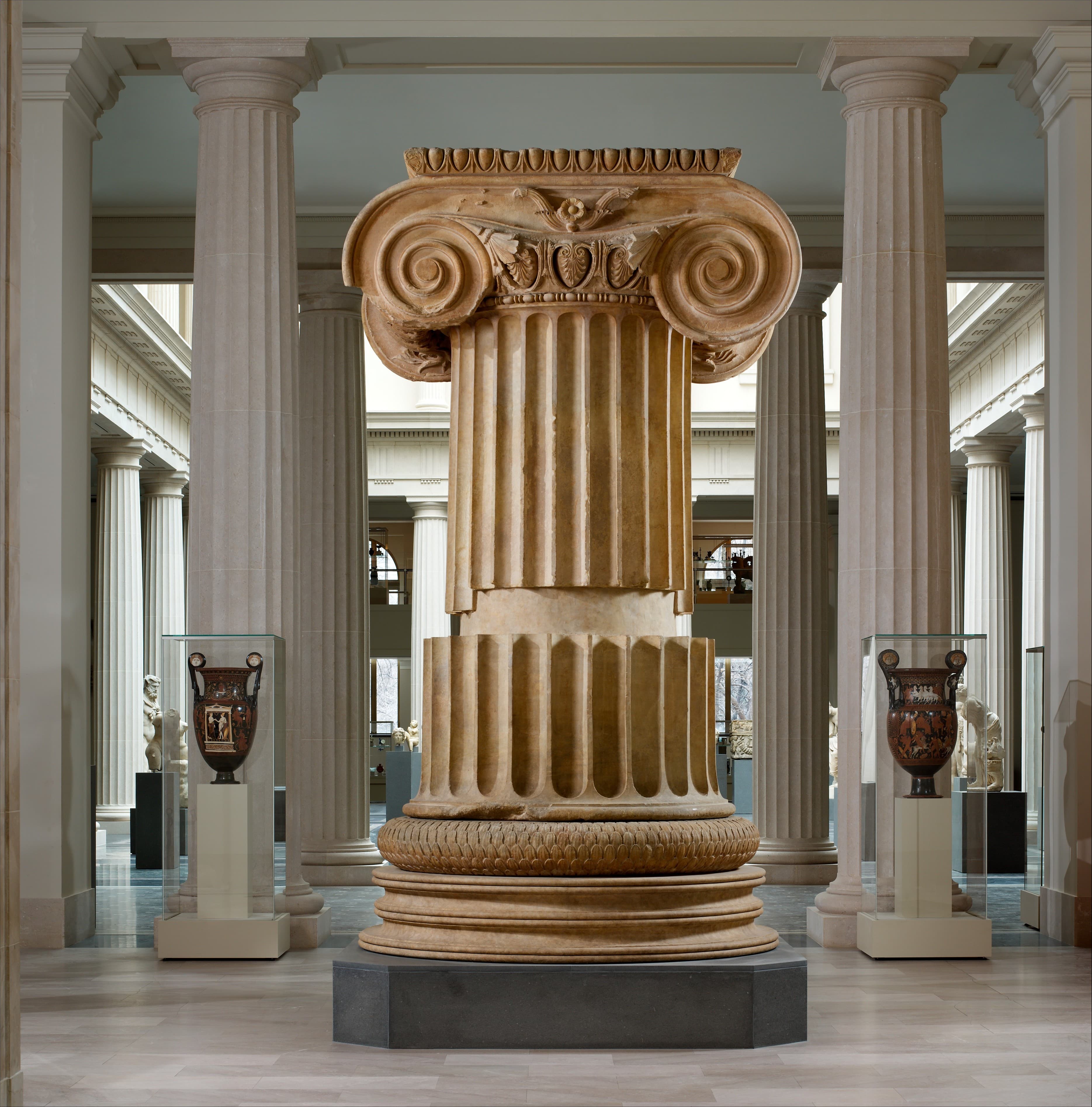
Ancient Greek (Unknown), -300
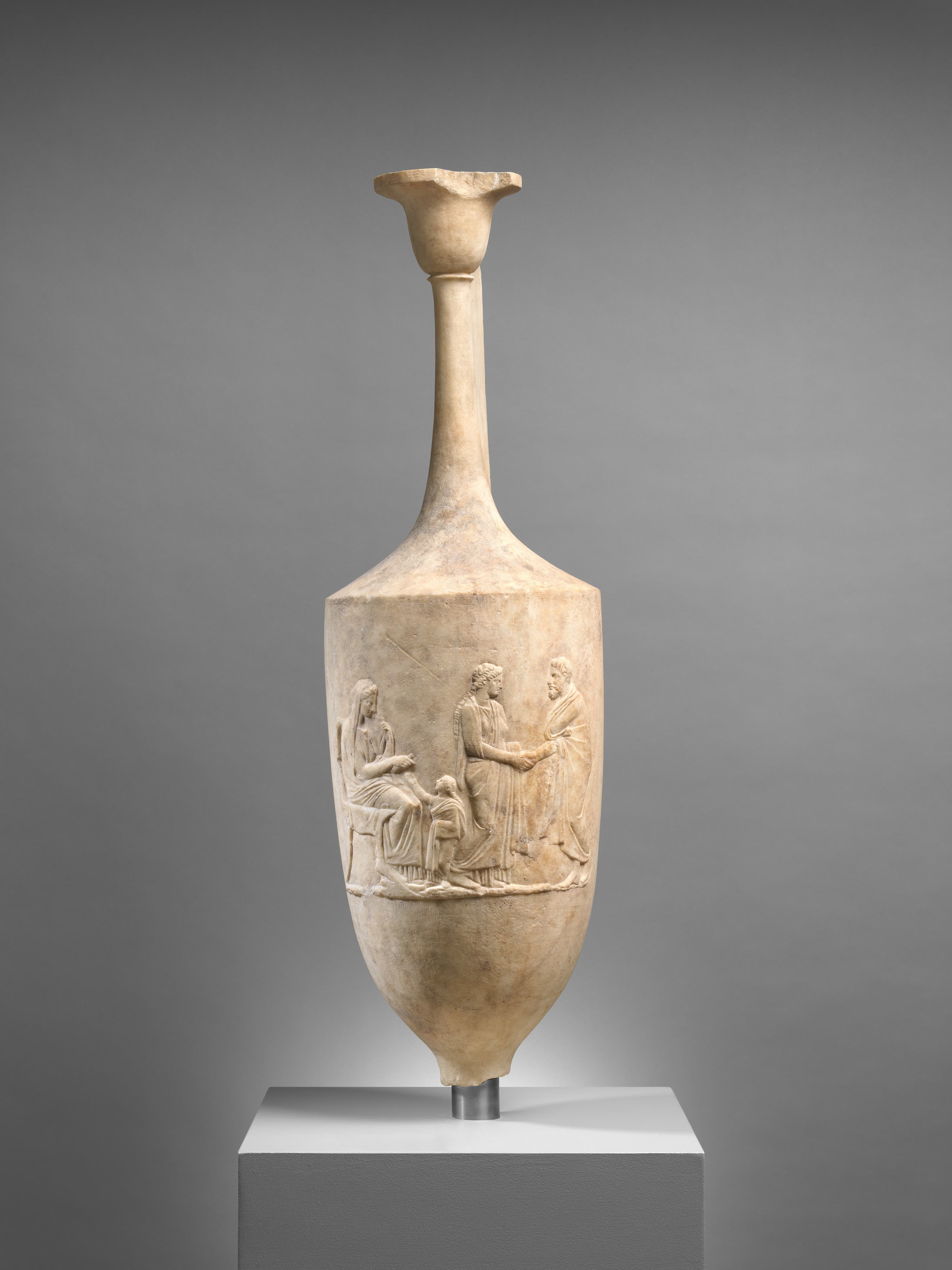
Ancient Greek (Unknown), -350

Claude Monet, 1899

Claude Monet, 1869
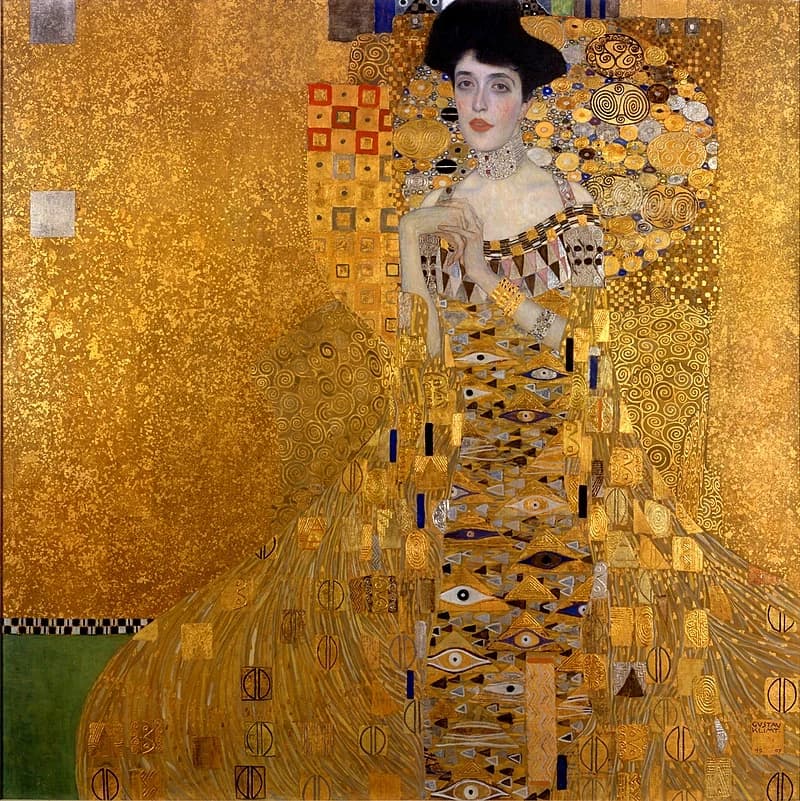
Gustav Klimt, 1907
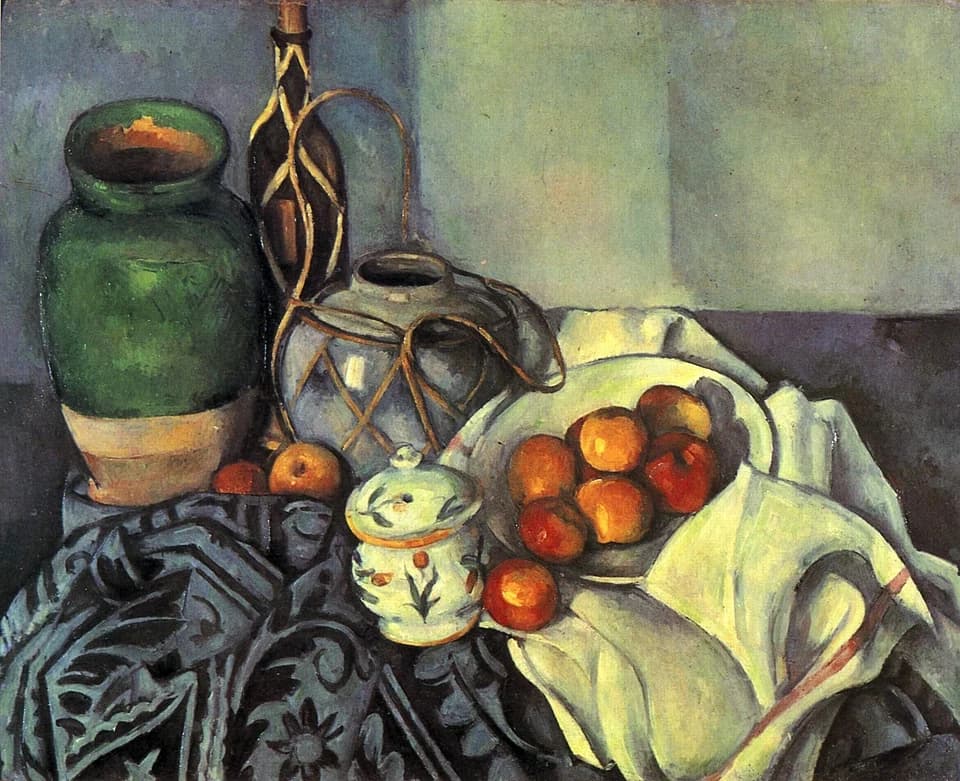
Paul Cézanne, 1898
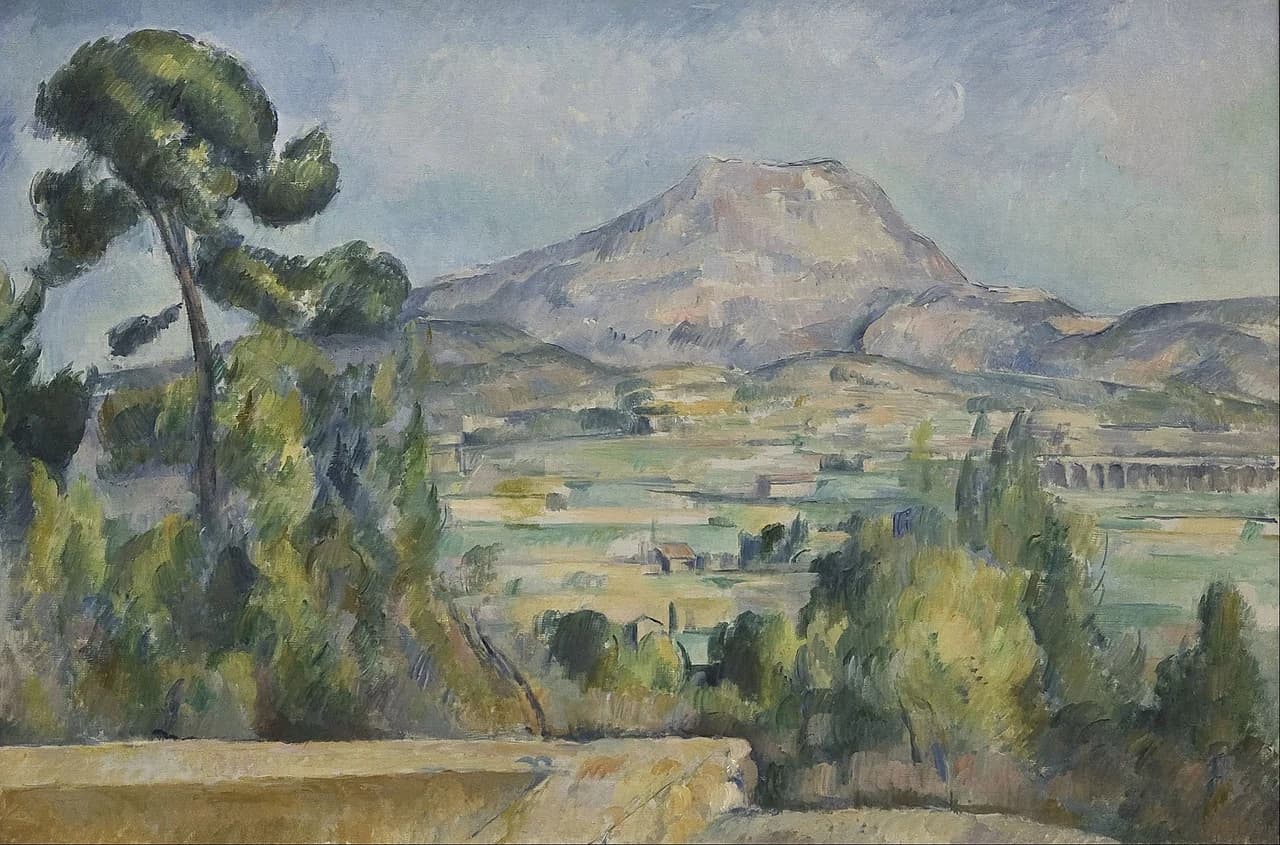
Paul Cézanne, 1904
Luxury wall art with the same mood and energy. Gallery-quality canvas, no museum crowds.
Browse Collection