Wikimedia Commons - CC0
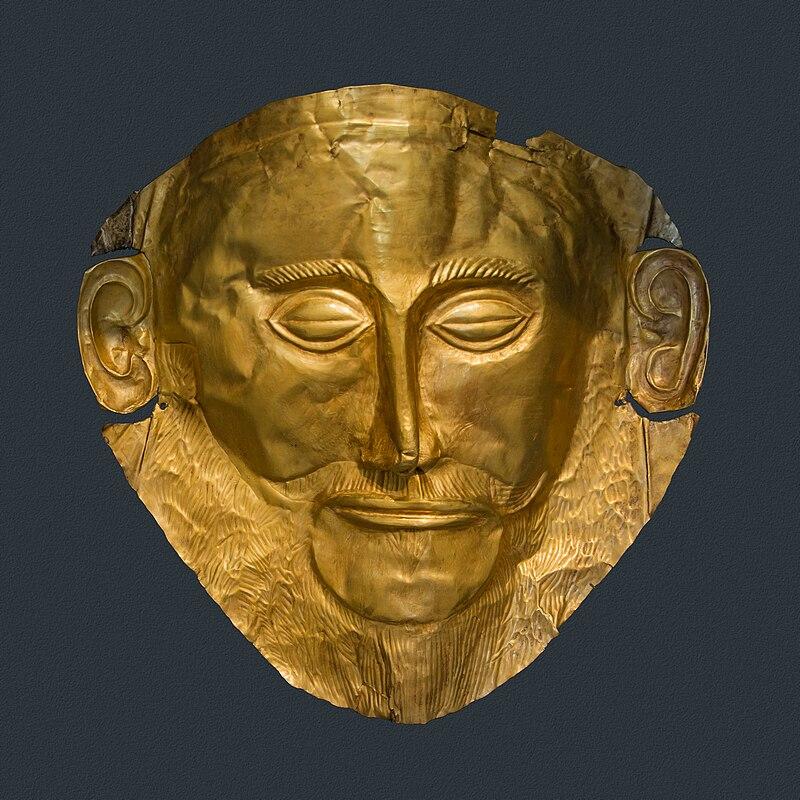
Mask of Agamemnon
by Ancient Greek (Unknown), -1550
Artwork Details
Details
- Year
- -1550
- Medium
- Gold
- Size
- 26 cm × 20 cm (10 × 8 in)
Cite or Embed This Work
APA · MLA · Chicago1-click academic citation and embeddable “On View” museum badge for articles, syllabi, and research.
Ancient Greek The Mask of Agamemnon is a gold funerary mask discovered in a shaft grave at Mycenae, created around 1550 BCE. Heinrich Schliemann, who excavated the mask in 1876, reportedly telegraphed the King of Greece: "I have gazed upon the face of Agamemnon." Though the mask predates the legendary Trojan War king by several centuries, the name stuck.
The mask covered the face of a Mycenaean king buried with extraordinary wealth. The facial features, including a full beard and closed eyes, were hammered from a single sheet of gold. Five similar masks were found at Mycenae, but this example's detailed craftsmanship makes it the most famous. The discovery helped establish that Greek civilization extended far earlier than previously believed.
The mask is displayed at the National Archaeological Museum of Athens.
More by Ancient Greek (Unknown)
View all →Sculpture
L
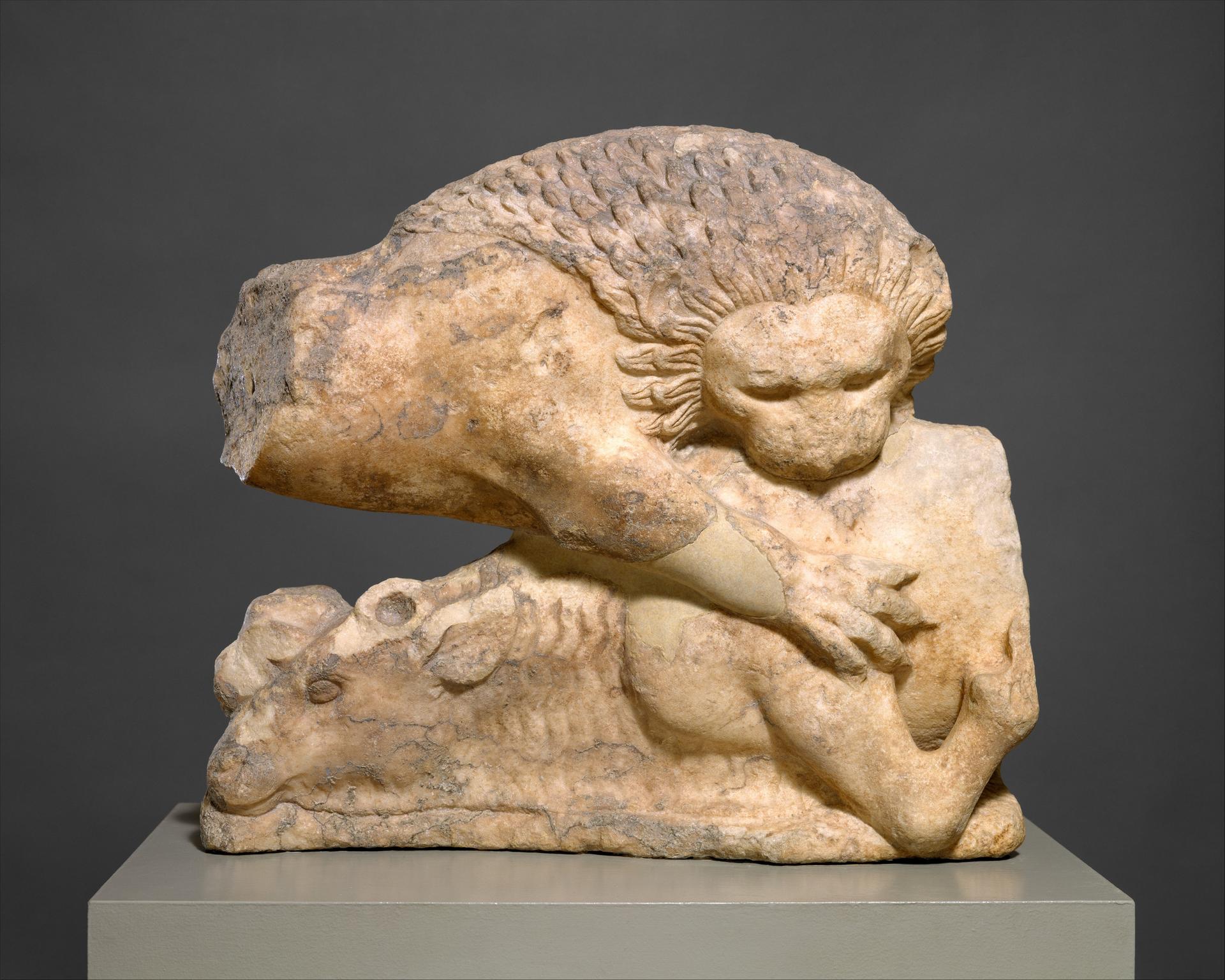
Lion felling a bull, from a marble pediment
Ancient Greek (Unknown), -500
The Metropolitan Museum of Art, New York
Sculpture
M
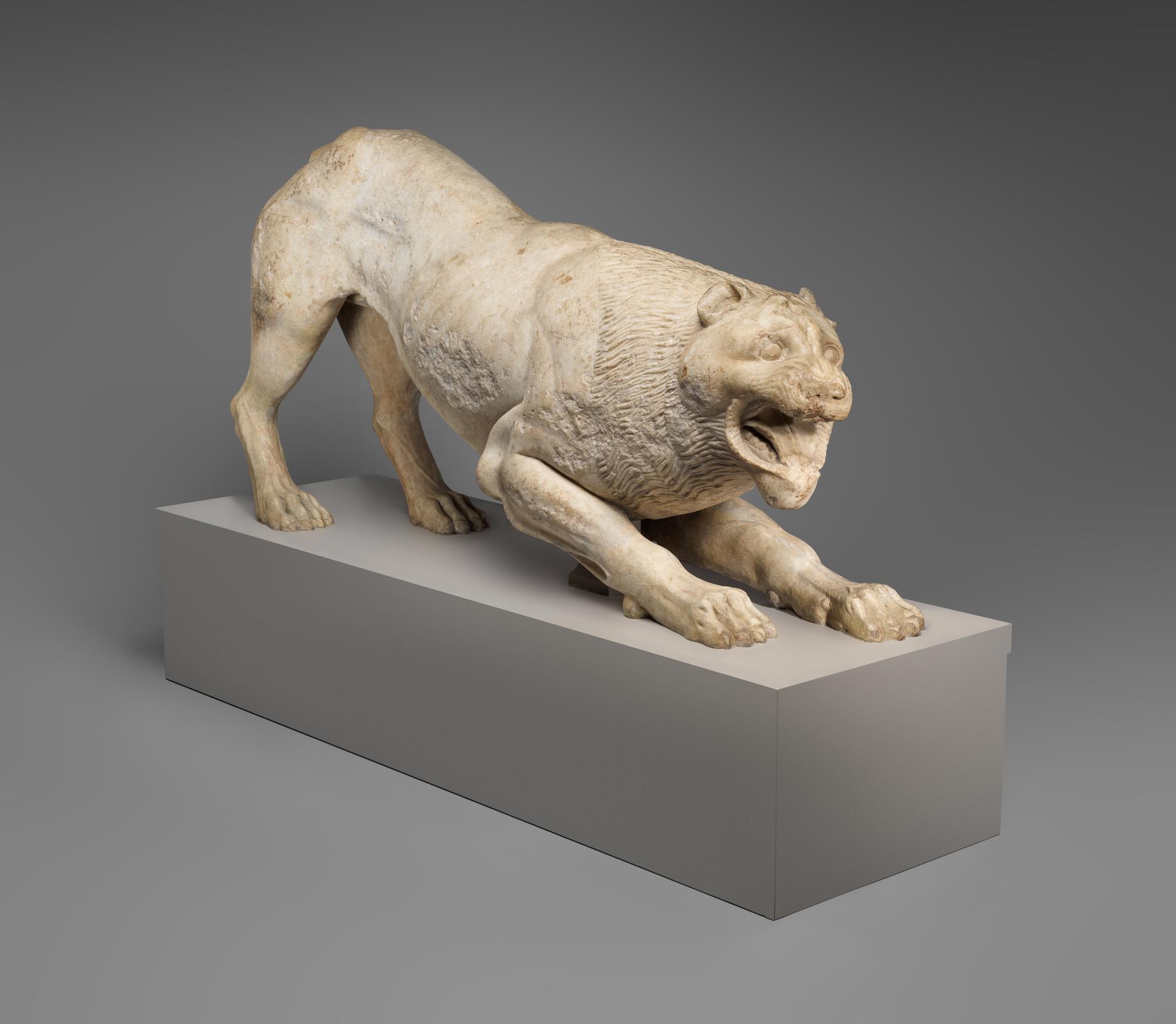
Marble statue of a lion
Ancient Greek (Unknown), -390
The Metropolitan Museum of Art, New York
Sculpture
F

Fragment of a Funerary Naiskos (Monument in the Shape of a Temple)
Ancient Greek (Unknown), -330
Art Institute of Chicago, Chicago
Sculpture
M
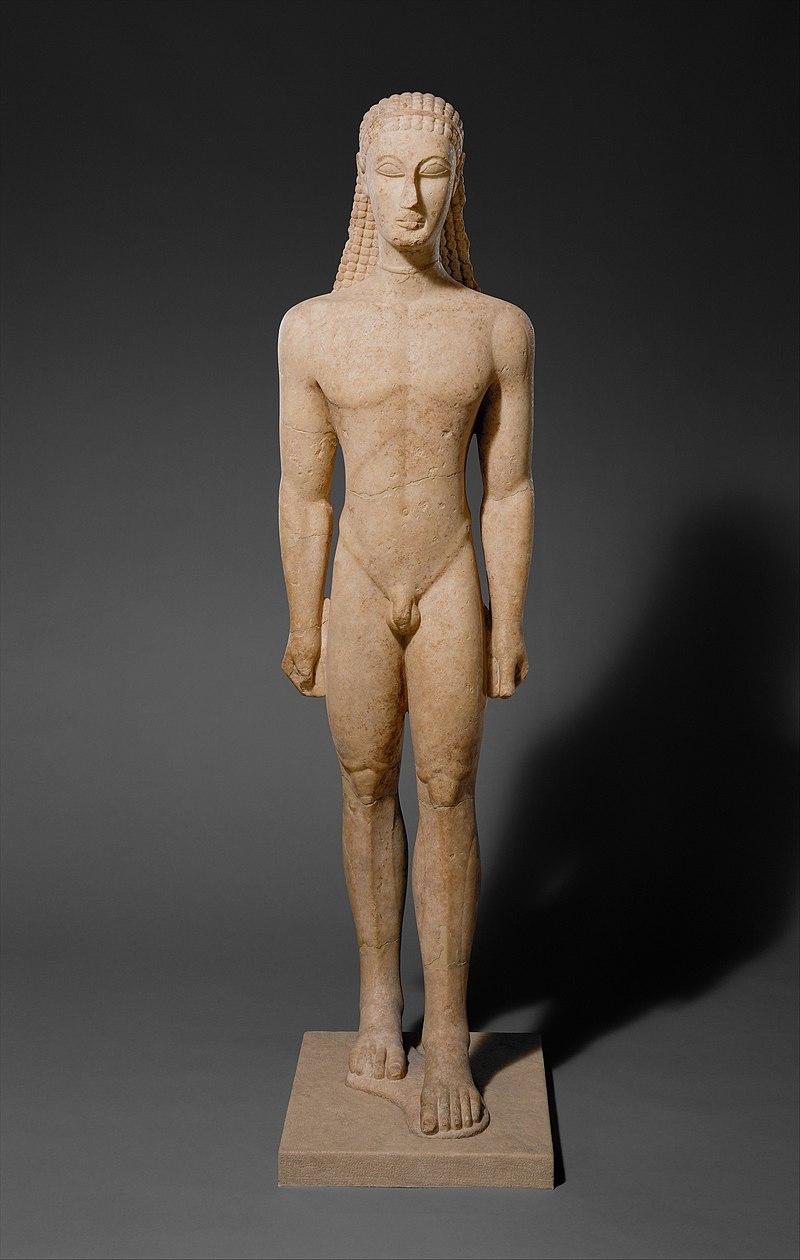
Marble Statue of a Kouros (Youth)
Ancient Greek (Unknown), -590
The Metropolitan Museum of Art, New York
Also at National Archaeological Museum of Athens
View all →Sculpture
J
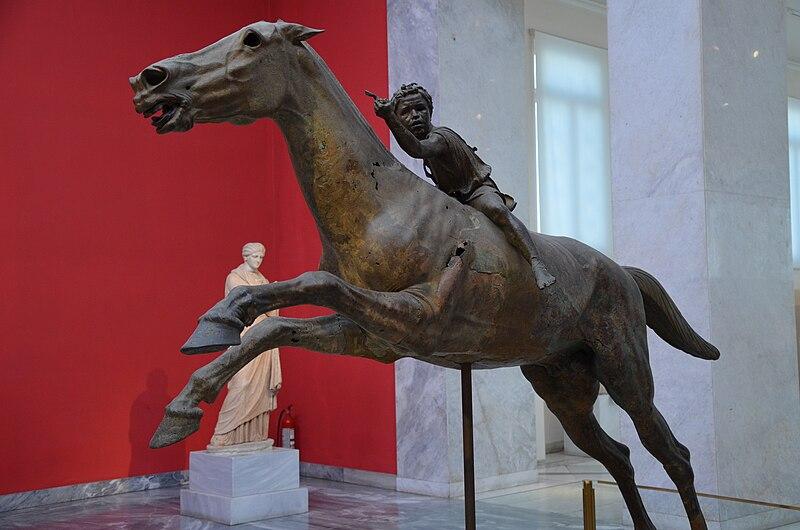
Jockey of Artemision
Ancient Greek (Unknown), -150
National Archaeological Museum of Athens, Athens
Sculpture
A
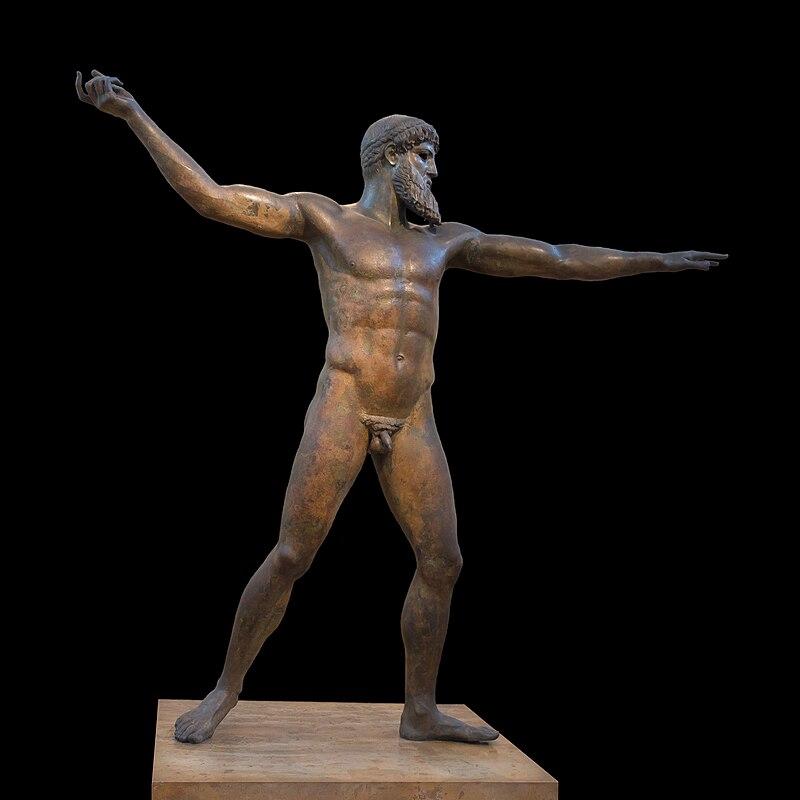
Artemision Bronze
Ancient Greek (Unknown), -460
National Archaeological Museum of Athens, Athens
Sculpture
A
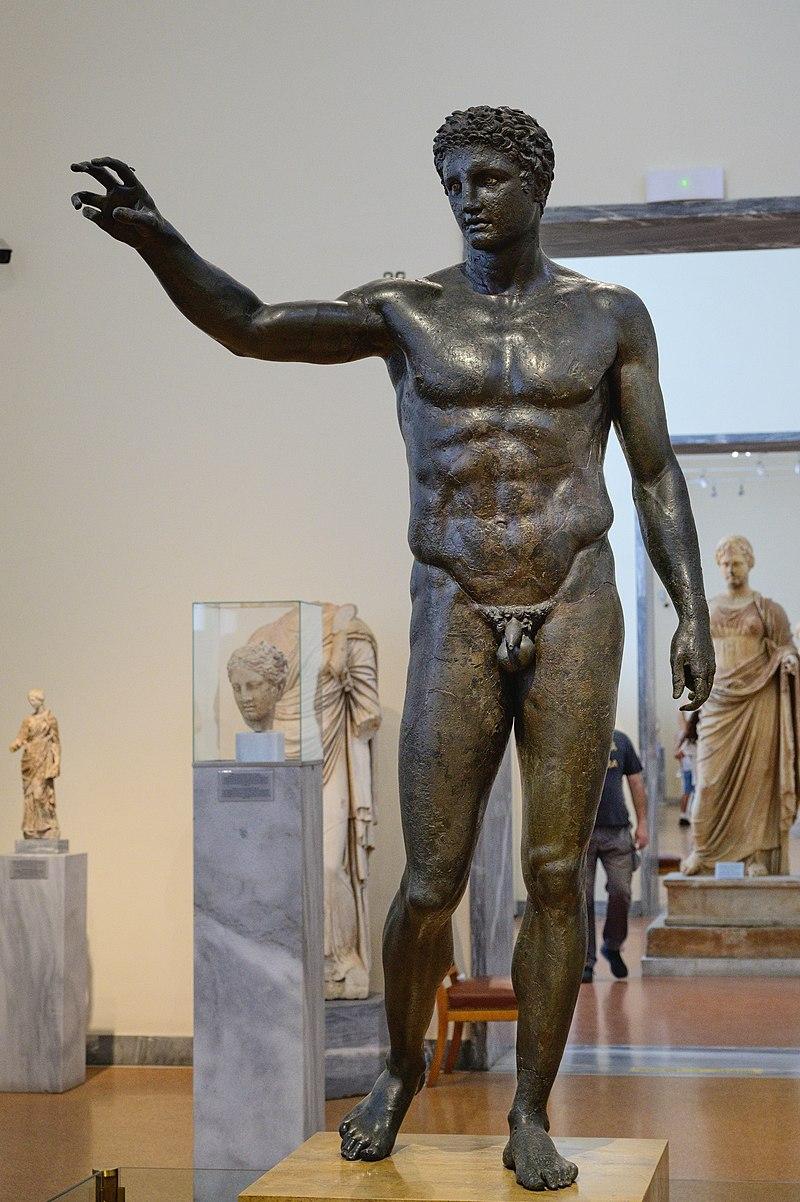
Antikythera Youth
Ancient Greek (Unknown), -340
National Archaeological Museum of Athens, Athens
Related Works
Works that share an artist, movement, museum, genre, palette or theme with Mask of Agamemnon.
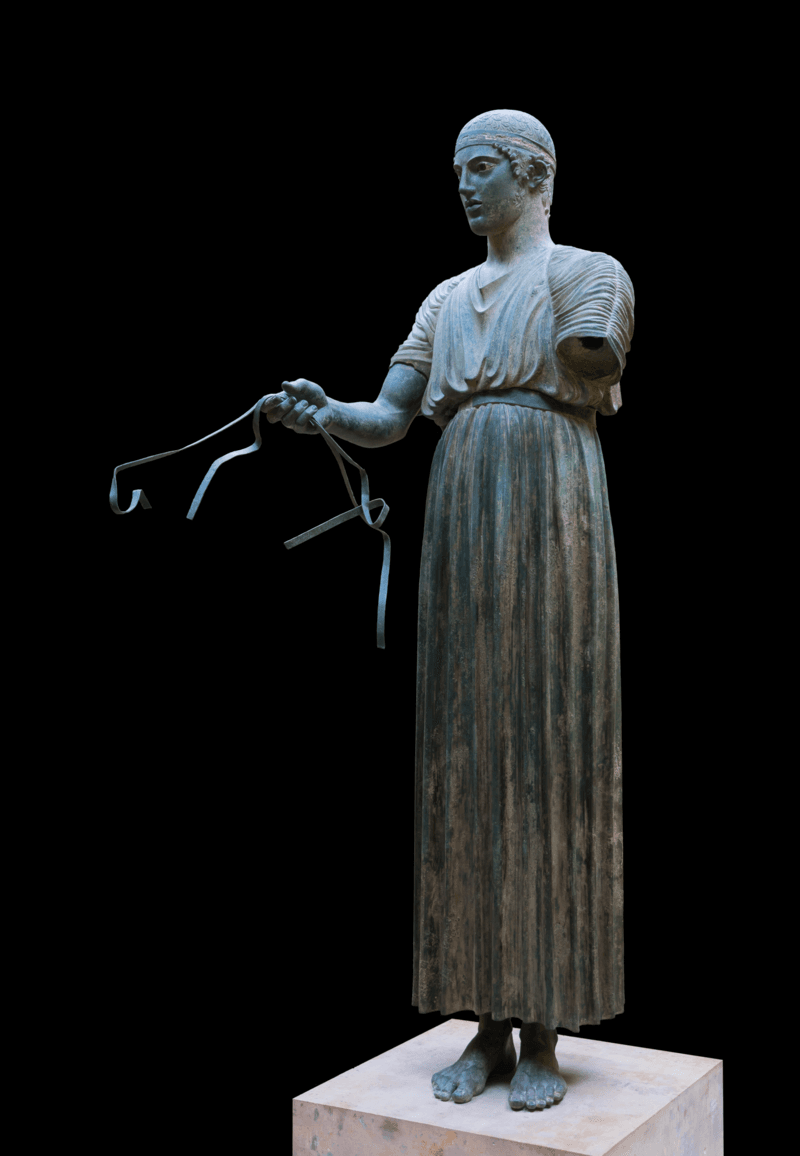
About Mask of Agamemnon
The mask is at the National Archaeological Museum of Athens. It has been a centerpiece of the Mycenaean collection since its 1876 discovery.
No. The mask dates to 1550 BCE, centuries before the legendary Trojan War. Schliemann's dramatic identification was romantic but chronologically impossible.
The mask is hammered gold, shaped from a single sheet. This technique was common in Mycenaean burial practices, with several similar masks found at the site.
The mask measures 26 × 20 cm (10 × 8 inches). It was sized to cover the face of the deceased king whose identity remains unknown.
Own Art Like This
Luxury wall art with the same mood and energy. Gallery-quality canvas, no museum crowds.
Browse Collection