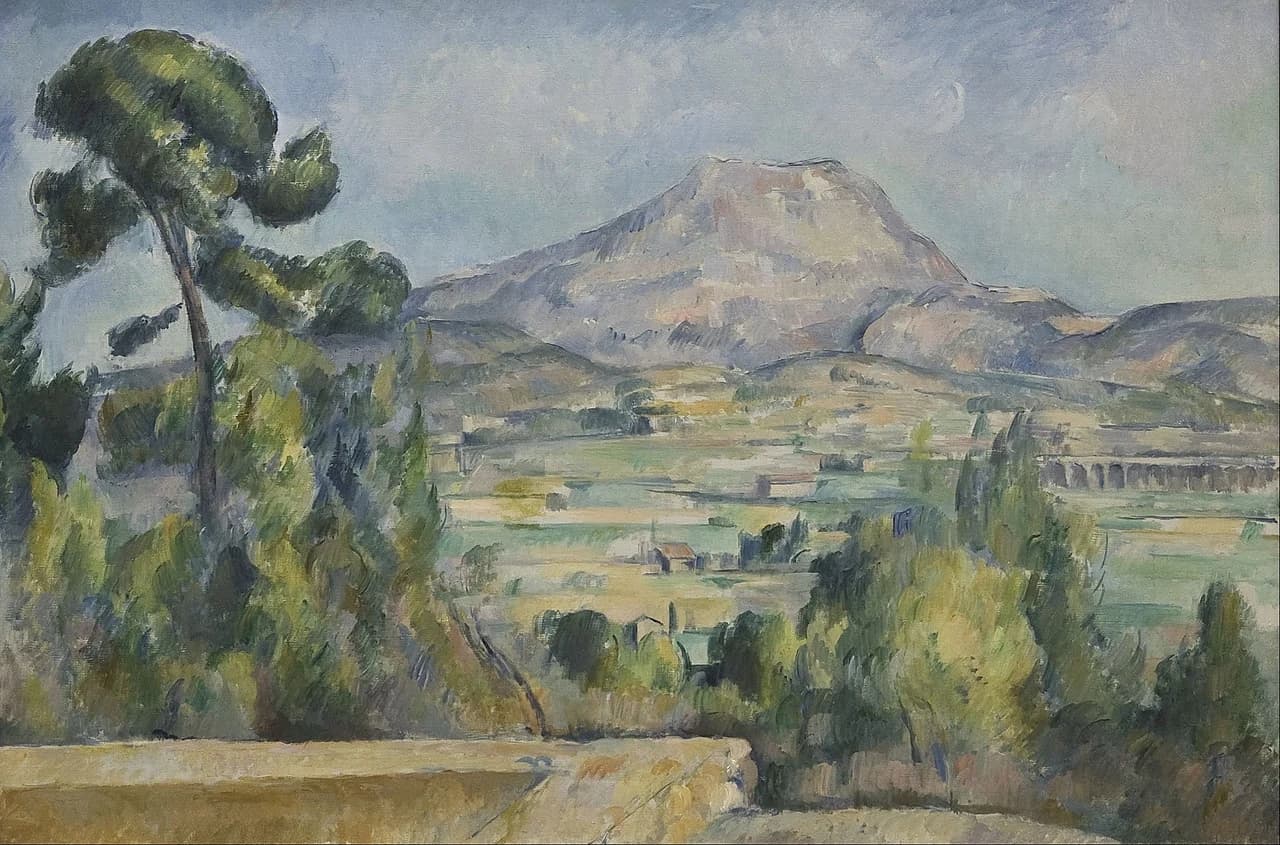
Mont Sainte-Victoire
by Paul Cézanne, 1904
Artwork Details
Details
- Year
- 1904
- Medium
- Oil on canvas
- Size
- 73 cm × 91 cm
- Gallery
- Post-Impressionism Gallery
Find It In The Museum
Post-Impressionism Gallery
The Metropolitan Museum of Art, New York
Part of the permanent collection
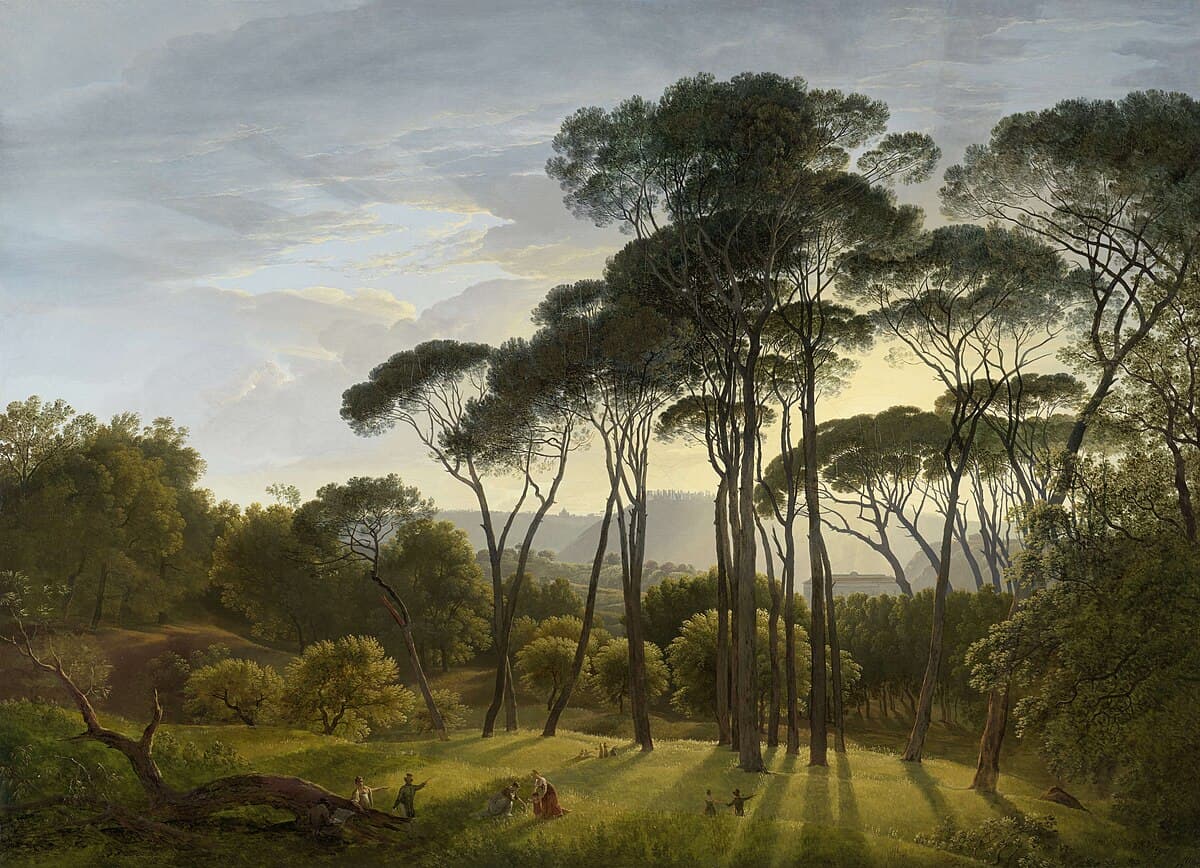
In 1904, French artist Paul Cézanne painted this Mont Sainte-Victoire obsessively from the 1880s until his death in 1906, creating around eighty oil paintings and watercolors of the mountain near his hometown of Aix-en-Provence. Each version explores how to render solid form and atmospheric depth through color alone.
Cézanne discovered this "beautiful motif" in 1878, viewing the mountain from a train crossing the Arc River Valley. He returned again and again, painting from three primary vantage points: near his brother-in-law's property in Bellevue, near the Bibémus quarry, and from Les Lauves. The compositions range from panoramic views to close studies where the mountain fills the canvas.
The Metropolitan Museum of Art owns several important versions, including one from the Annenberg Collection where Cézanne expanded the canvas multiple times as he worked. These paintings influenced Picasso and Braque toward Cubism, making Cézanne "the father of us all," as Picasso said.
Historical Significance
Cézanne painted Mont Sainte-Victoire over 80 times, these works laid foundations for Cubism.