Wikimedia Commons - CC BY-SA 3.0
Taharqa Sphinx
by Ancient Egyptian (Unknown), -680
Artwork Details
Details
- Year
- -680
- Medium
- Granite
- Size
- 73 cm × 163 cm (29 × 64 in)
Cite or Embed This Work
APA · MLA · Chicago1-click academic citation and embeddable “On View” museum badge for articles, syllabi, and research.
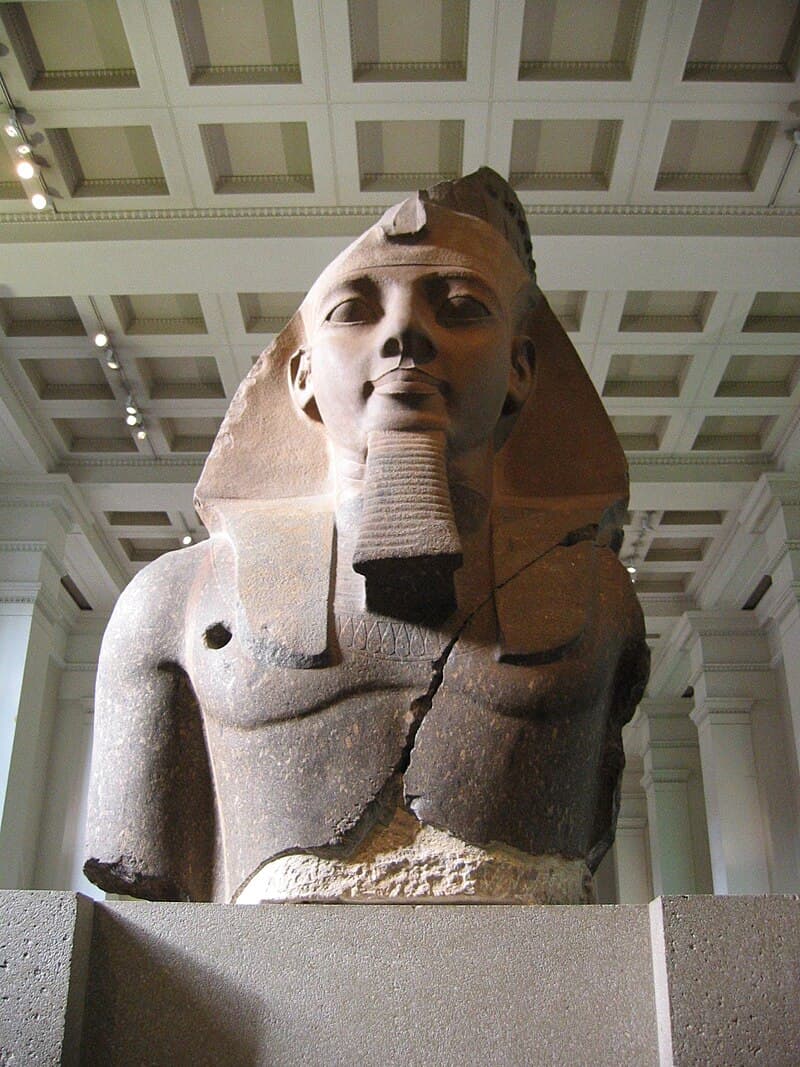
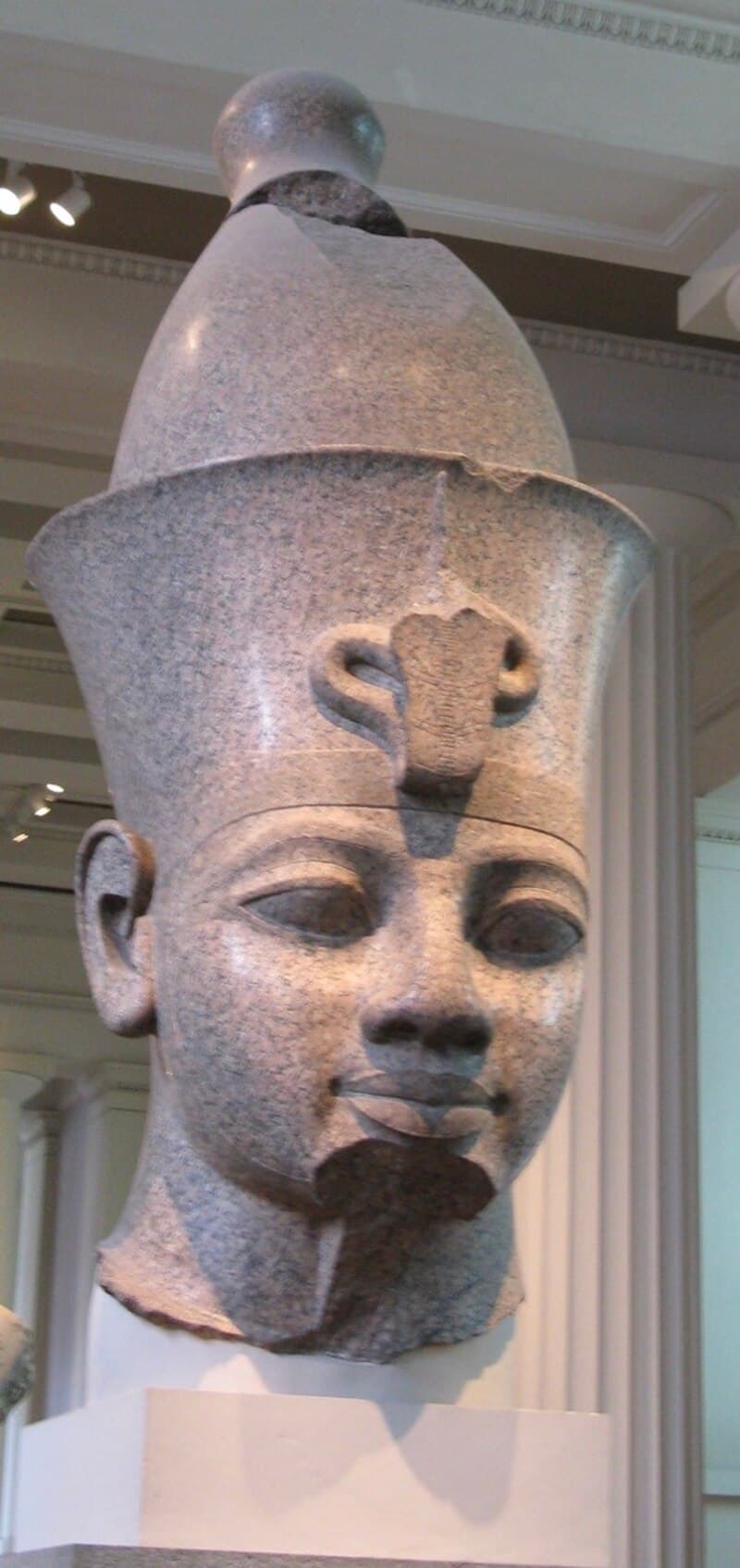
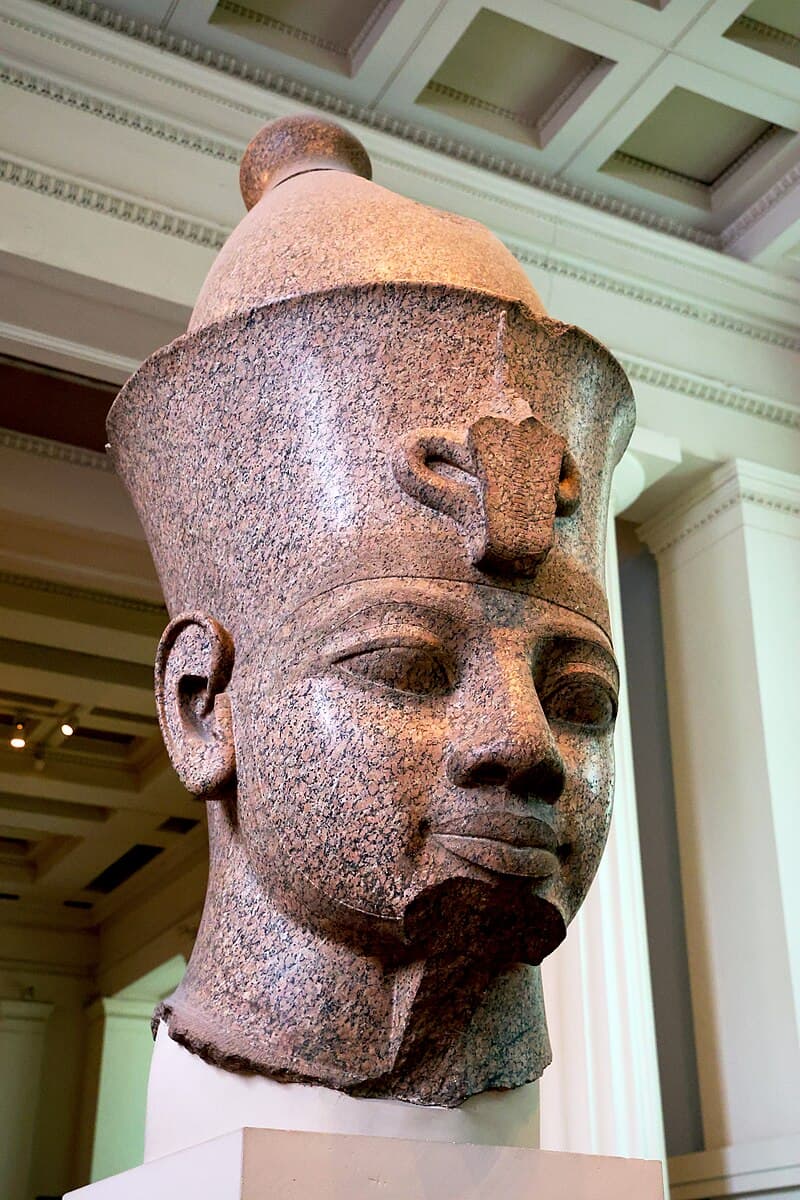
Ancient Egyptian The Taharqa Sphinx depicts a Nubian pharaoh with distinctly African features, representing Egypt under Kushite (modern Sudanese) rule. Carved from granite around 680 BCE, the sphinx shows Taharqa wearing the traditional nemes headdress with a double uraeus (cobra), symbolizing his rule over both Egypt and Nubia. The features are more naturalistic than earlier Egyptian sphinxes.
Taharqa ruled as part of Egypt's 25th Dynasty, when Nubian kings conquered and unified the divided land. He built extensively, including additions to Karnak temple, before Assyrian invasions forced him to retreat southward. His sphinxes at temples throughout Egypt and Nubia demonstrated his pharaonic authority.
The British Museum displays this sphinx in its Sudan and Egypt gallery, highlighting the cultural connections between these ancient civilizations.
More by Ancient Egyptian (Unknown)
View all →Sculpture
A

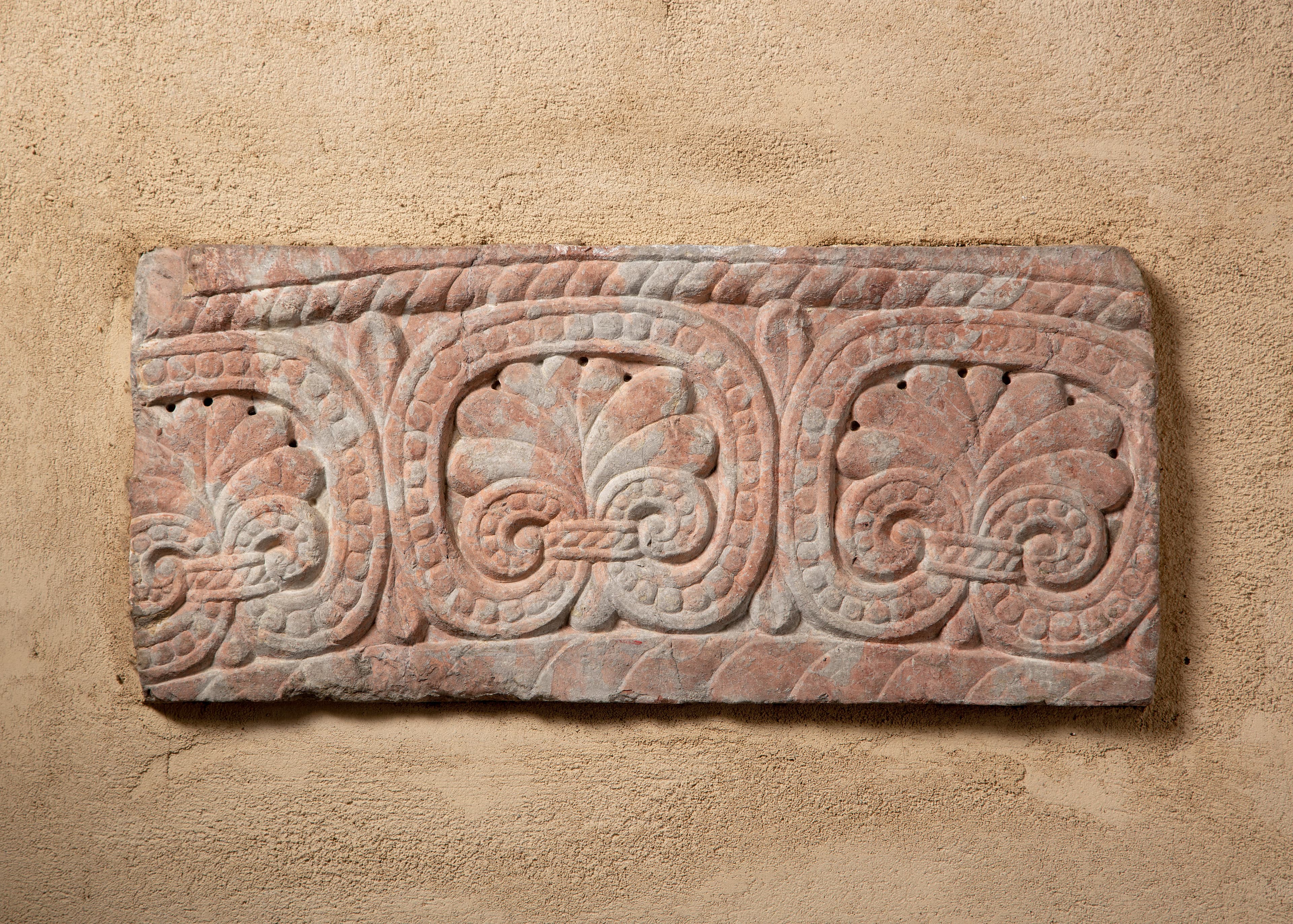
Architectural Fragment with Relief Carving
Ancient Egyptian (Unknown), 401
Art Institute of Chicago, Chicago
Sculpture
S
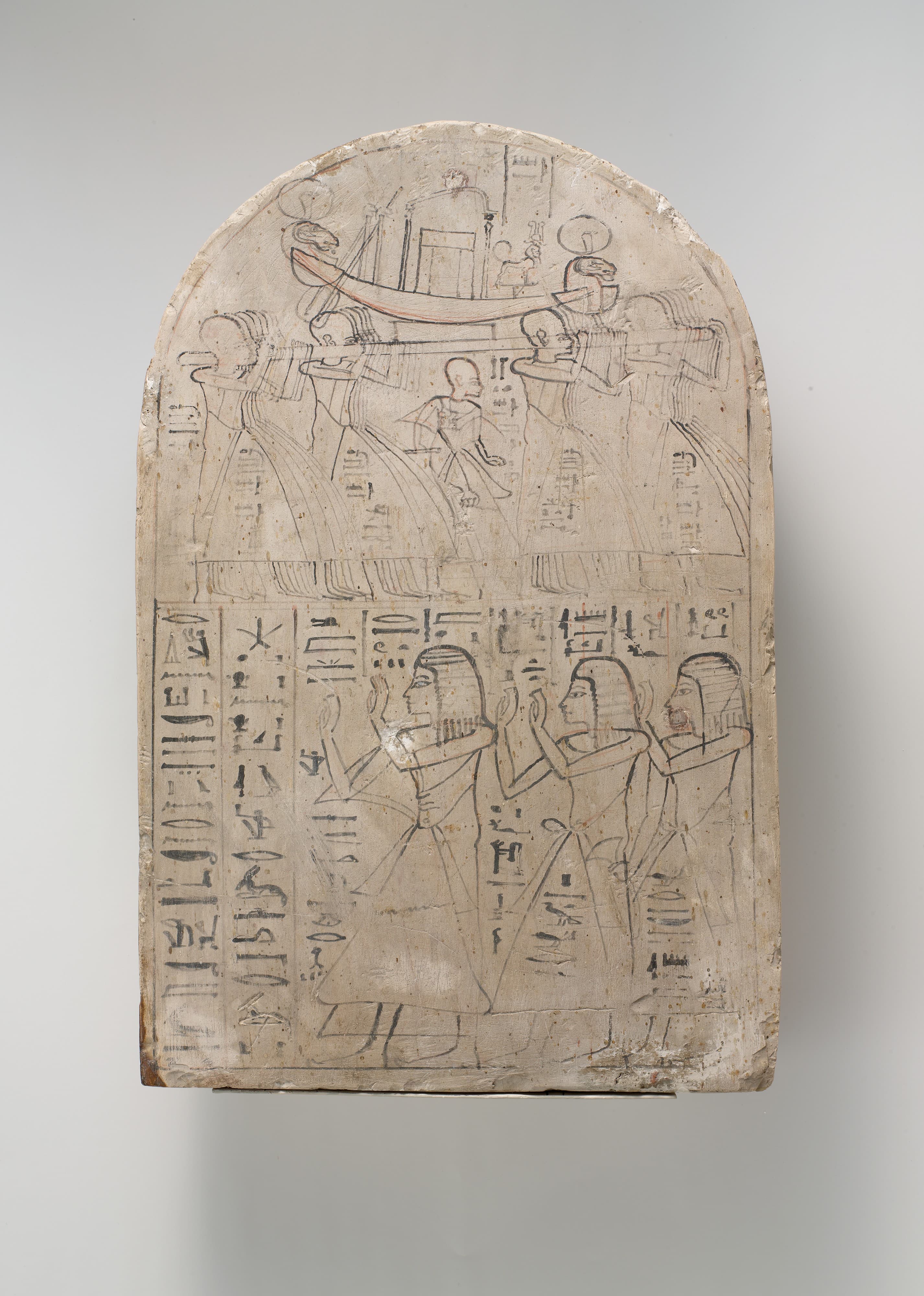
Stela of the royal scribe Amunnakht praising the divine barque of Amun-Re, Lord of the Thrones of the Two Lands
Ancient Egyptian (Unknown), -1070
The Metropolitan Museum of Art, New York