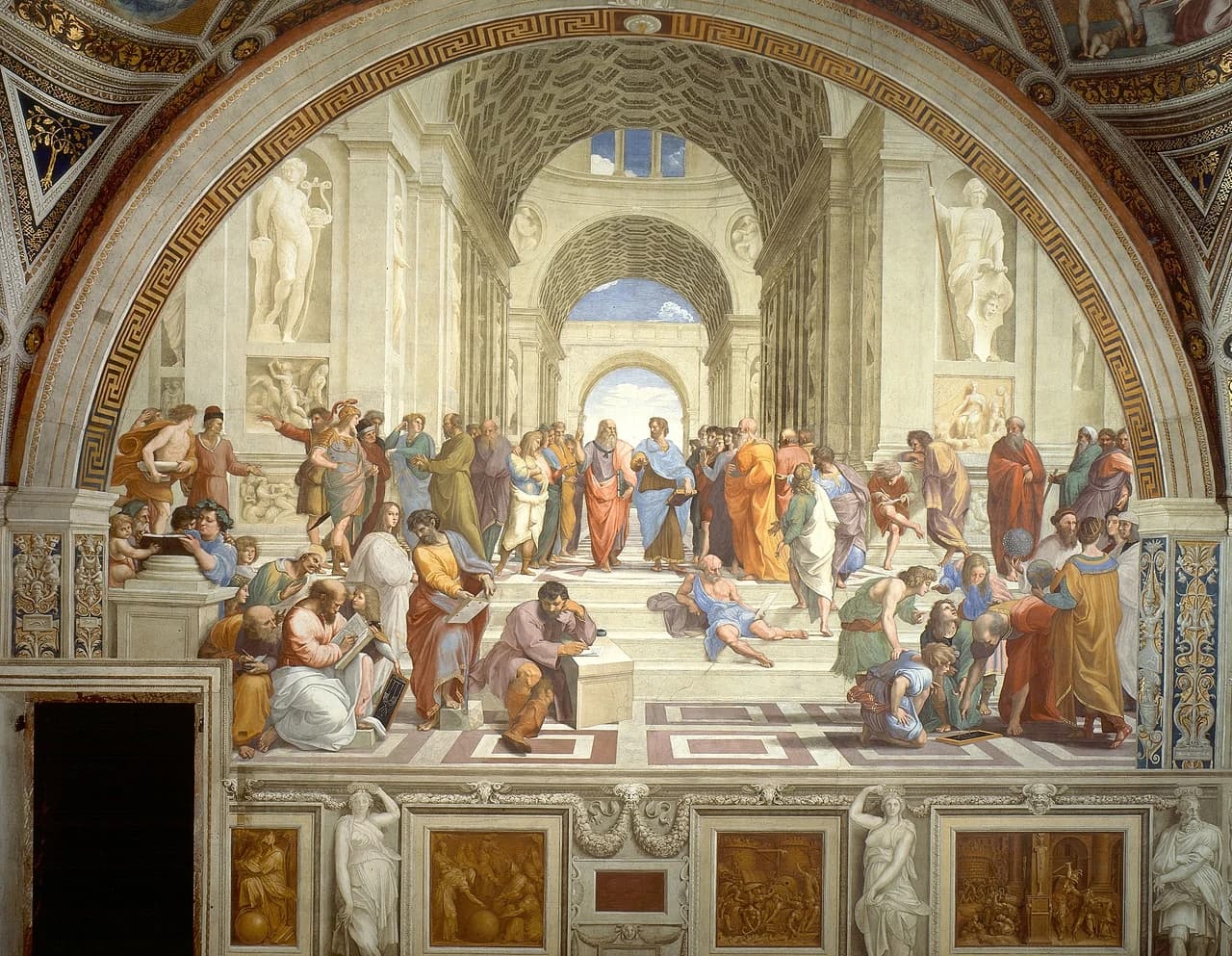
The School of Athens
by Raphael, 1511
StyleRenaissance
Artwork Details
Details
- Year
- 1511
- Medium
- Fresco
- Size
- 500 cm × 770 cm
- Gallery
- Raphael Rooms
Find It In The Museum
Raphael Rooms
Vatican Museums, Vatican City
Part of the permanent collection
Cite or Embed This Work
APA · MLA · Chicago1-click academic citation and embeddable “On View” museum badge for articles, syllabi, and research.
Raphael painted The School of Athens around 1511 for the private library of Pope Julius II, creating an idealized gathering of history's greatest philosophers and scientists. At the center, Plato points upward toward the world of ideas while Aristotle gestures toward the earth of empirical observation. Around them, Pythagoras, Euclid, Ptolemy, and dozens of other thinkers engage in discussion beneath magnificent Renaissance architecture.
Raphael included contemporary portraits among the ancient philosophers. Plato's features are modeled on Leonardo da Vinci. The brooding figure of Heraclitus in the foreground, added later, bears the face of Michelangelo, then working on the Sistine ceiling nearby. Raphael painted himself at the far right edge, looking out at the viewer.
The painting exemplifies the High Renaissance ideal of harmonious composition. Every figure finds its place within the balanced whole, the architecture creates convincing depth, and the gathering of pagan philosophers in a papal room celebrates the compatibility of classical wisdom and Christian faith. It remains in its original location at the Vatican Museums.
Historical Significance
Considered Raphael's masterpiece and one of the most significant works of the High Renaissance.
More by Raphael
View all →


Also at Vatican Museums
View all →

Related Works
Works that share an artist, movement, museum, genre, palette or theme with The School of Athens.
- Same artist
- Same movement
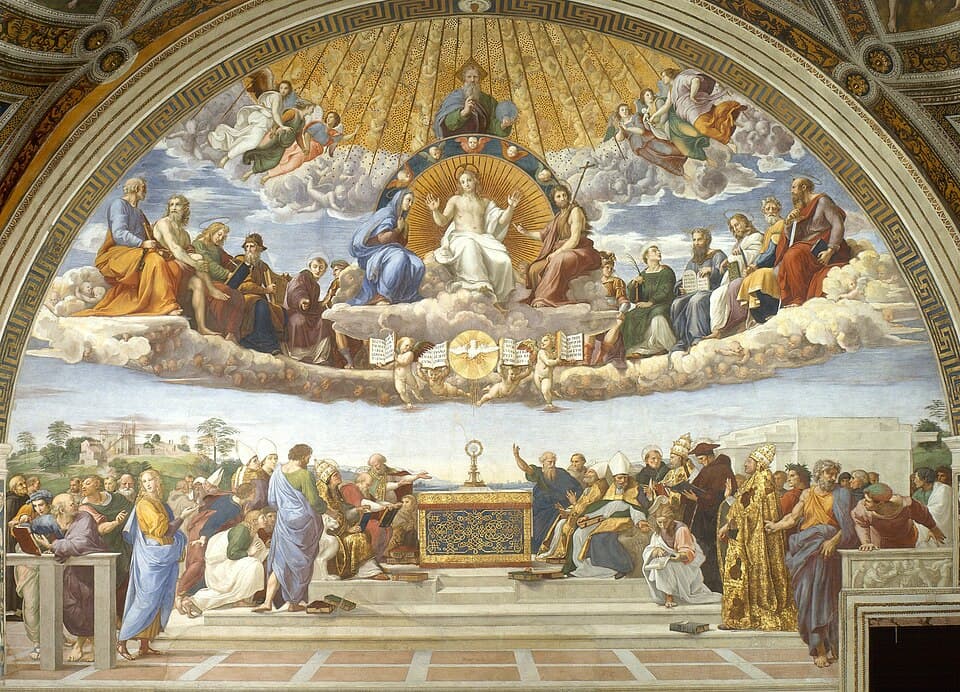
The Disputation of the Holy Sacrament
Raphael, 1510
- Same artist
- Same movement
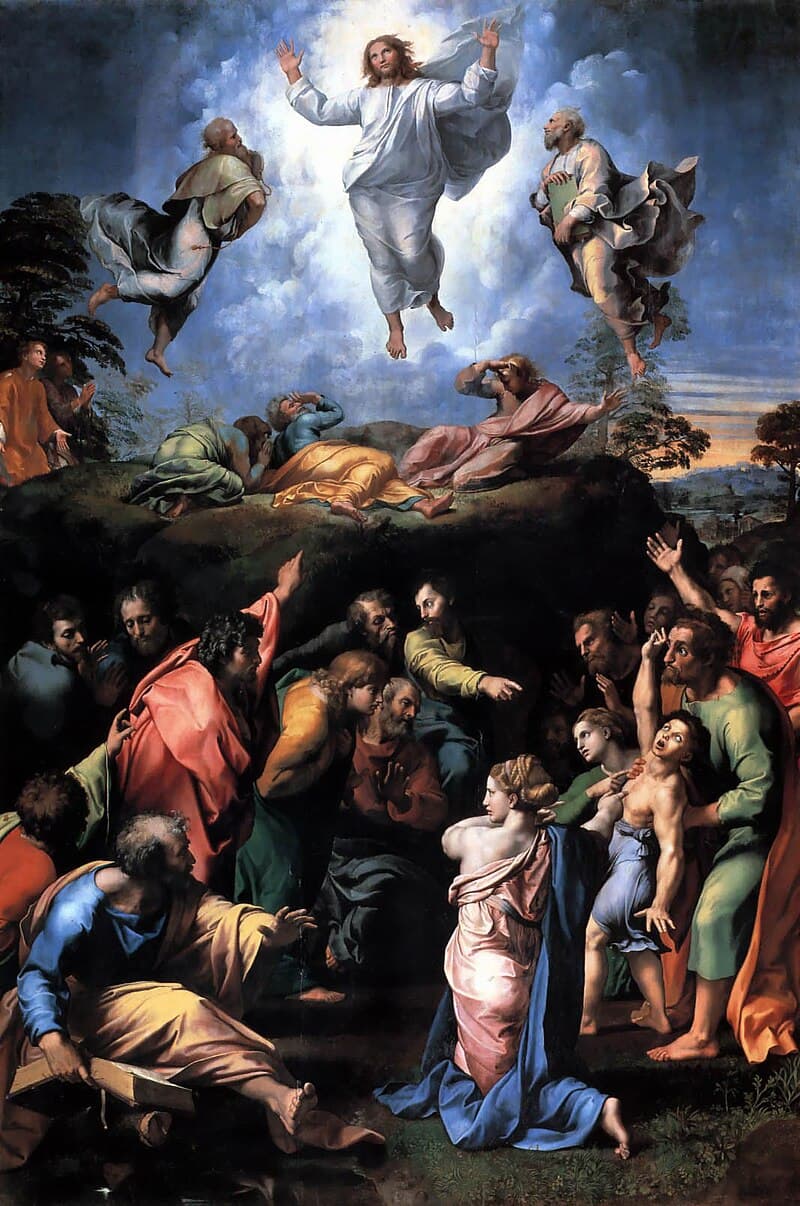
The Transfiguration
Raphael, 1520
- Same movement
- Same museum
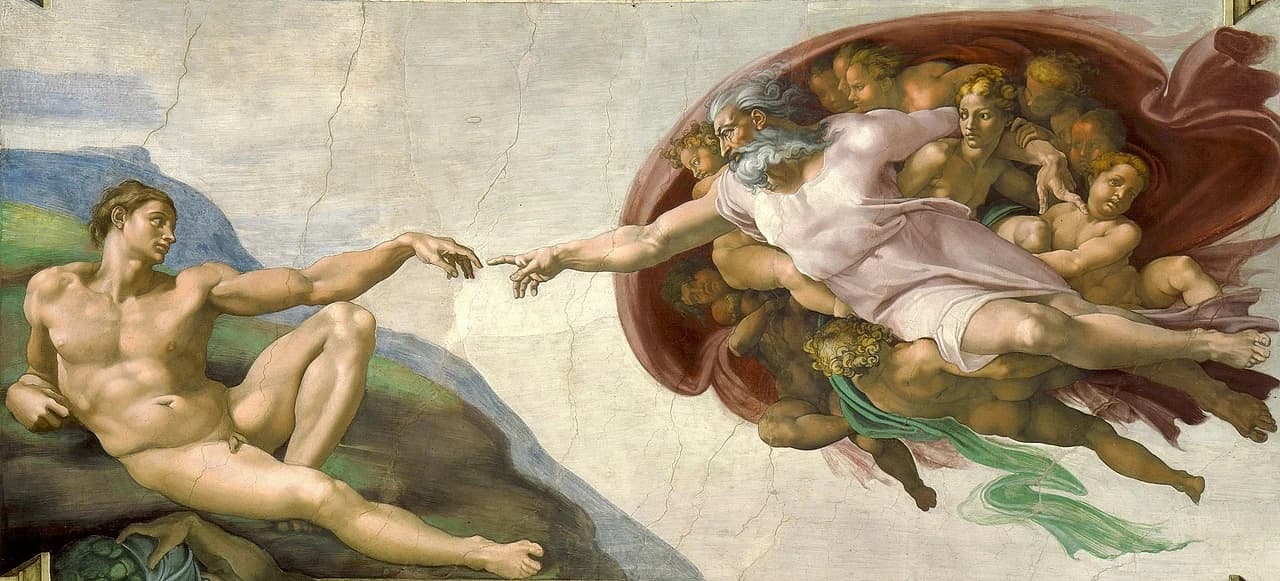
The Creation of Adam
Michelangelo, 1512
- Same artist
- Same movement
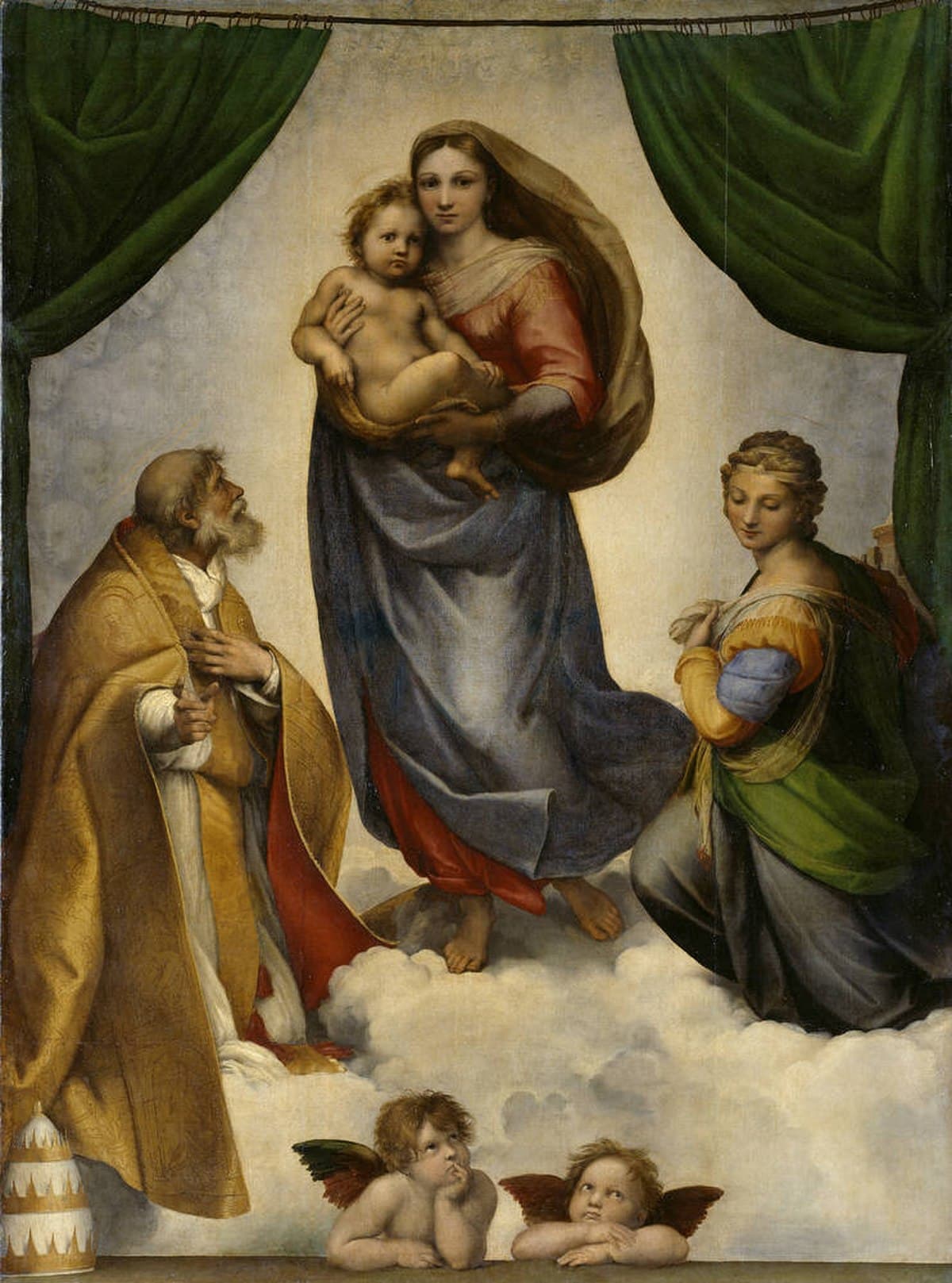
Sistine Madonna
Raphael, 1512
- Same movement
- Similar palette
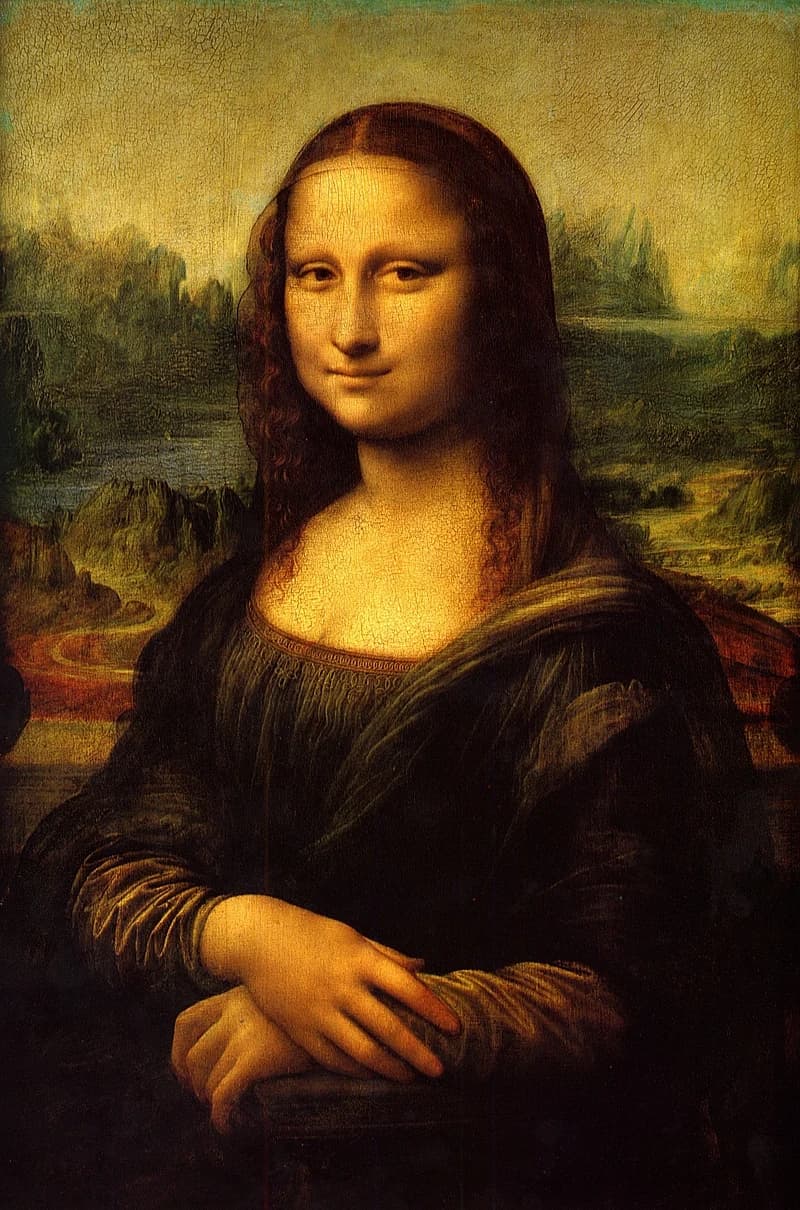
Mona Lisa
Leonardo da Vinci, 1503
- Same movement
- Similar palette
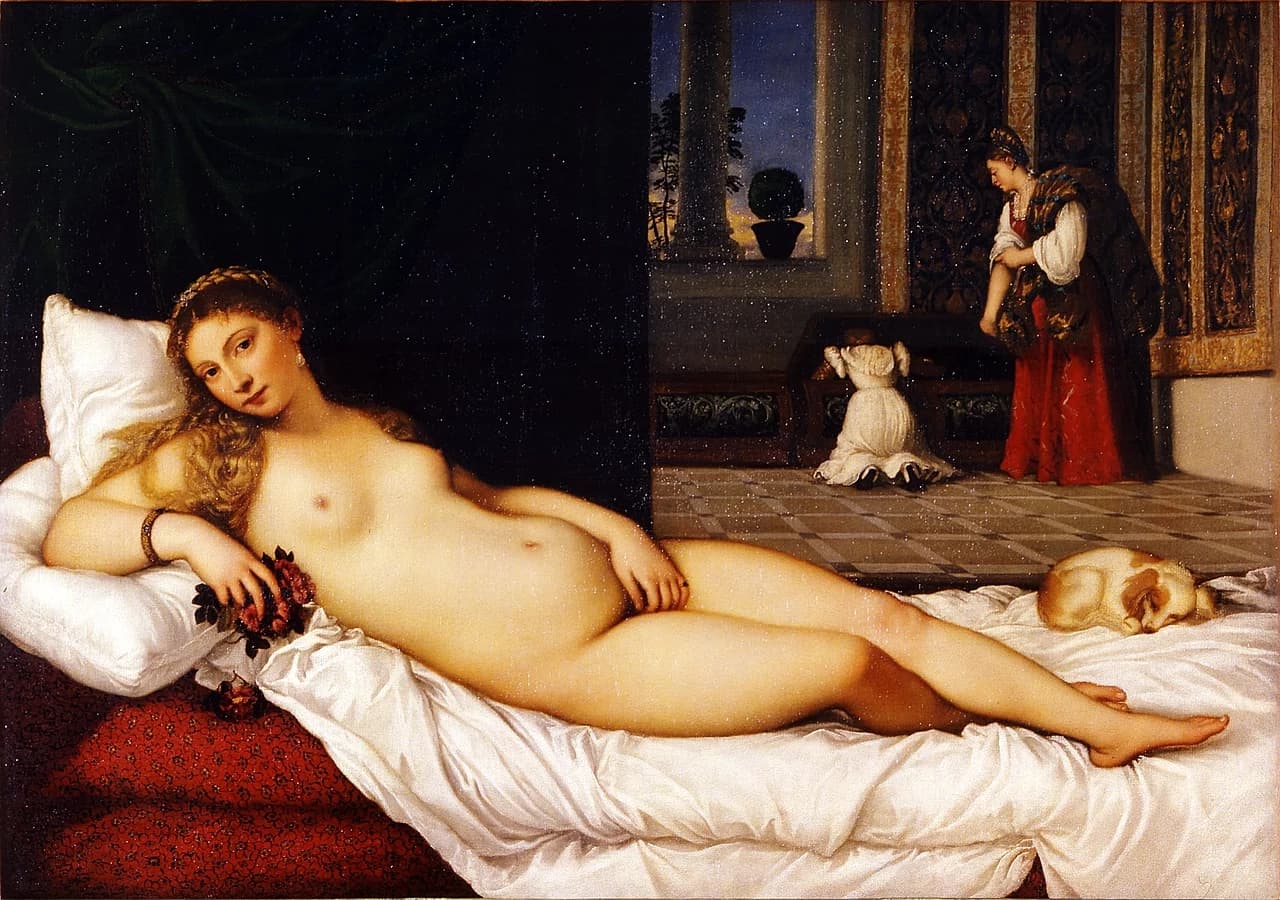
Venus of Urbino
Titian, 1538
- Same movement
- Same museum
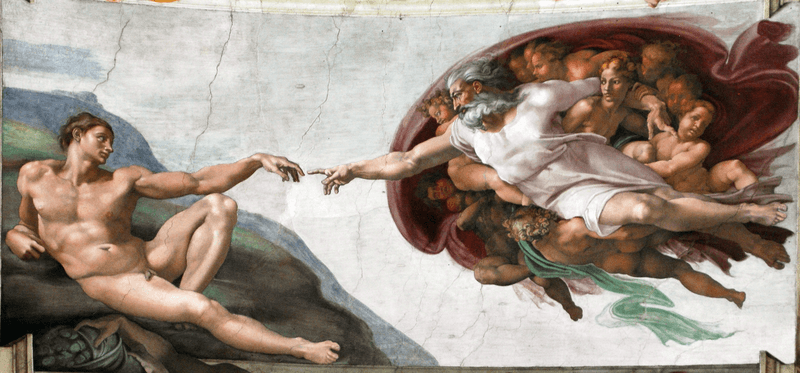
Sistine Chapel Ceiling
Michelangelo, 1512
- Same movement
- Same museum
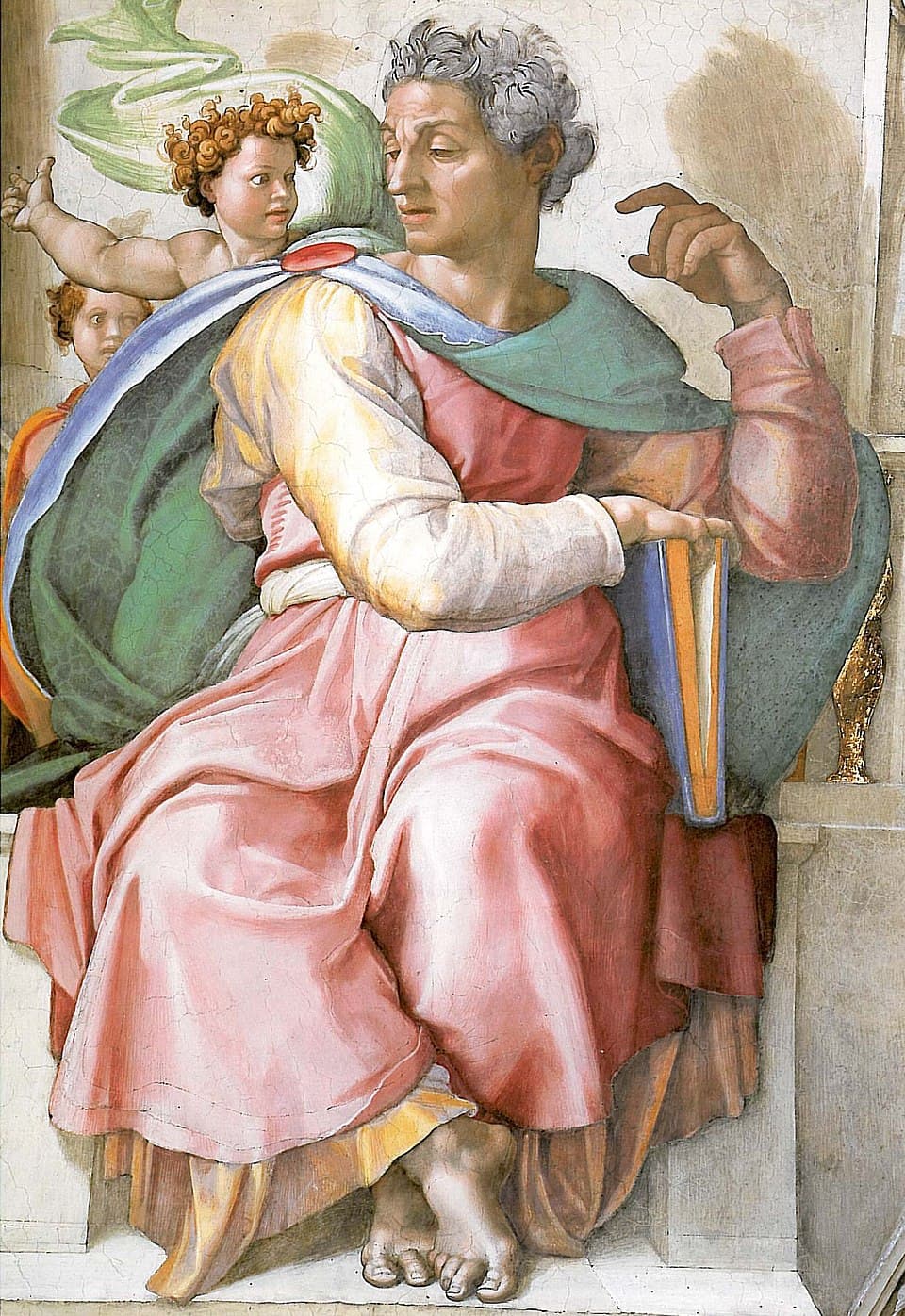
The Prophet Isaiah
Michelangelo, 1509
- Same movement
- Similar palette
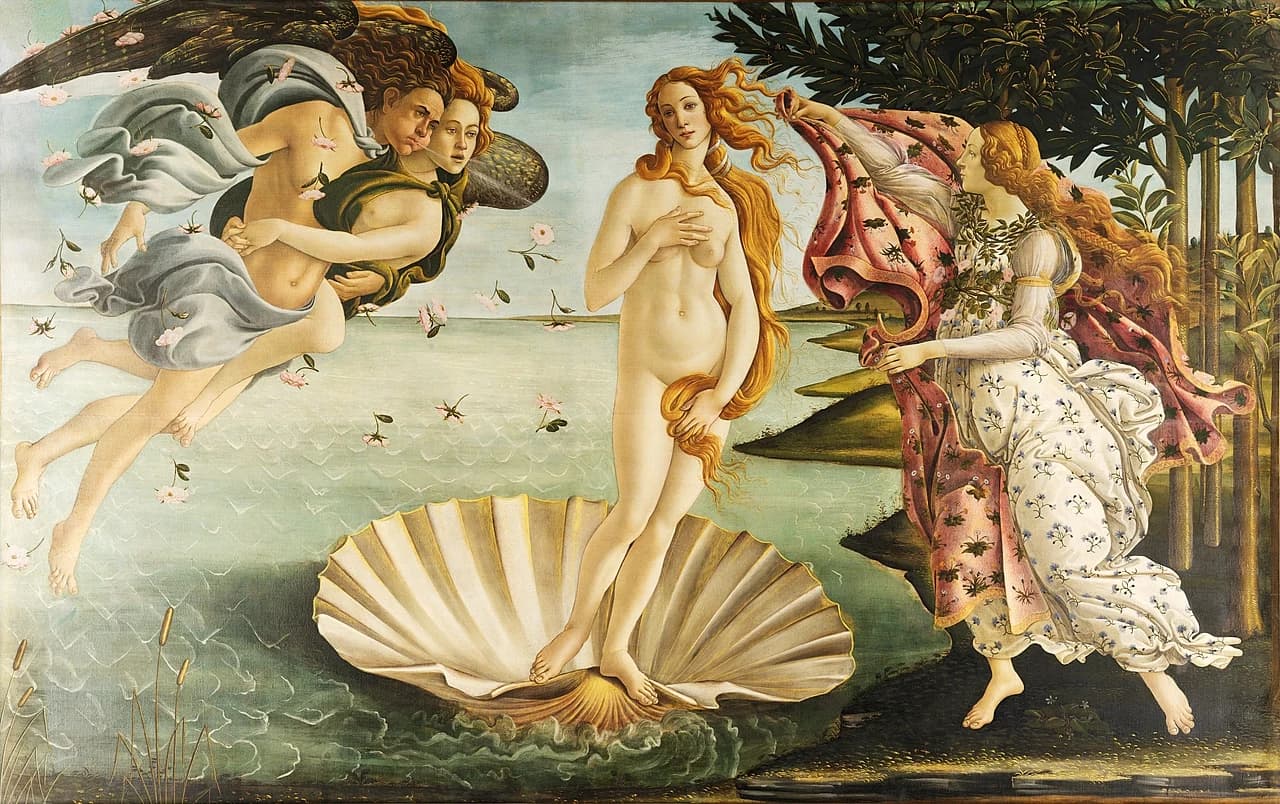
The Birth of Venus
Sandro Botticelli, 1485
- Same movement
- Similar palette
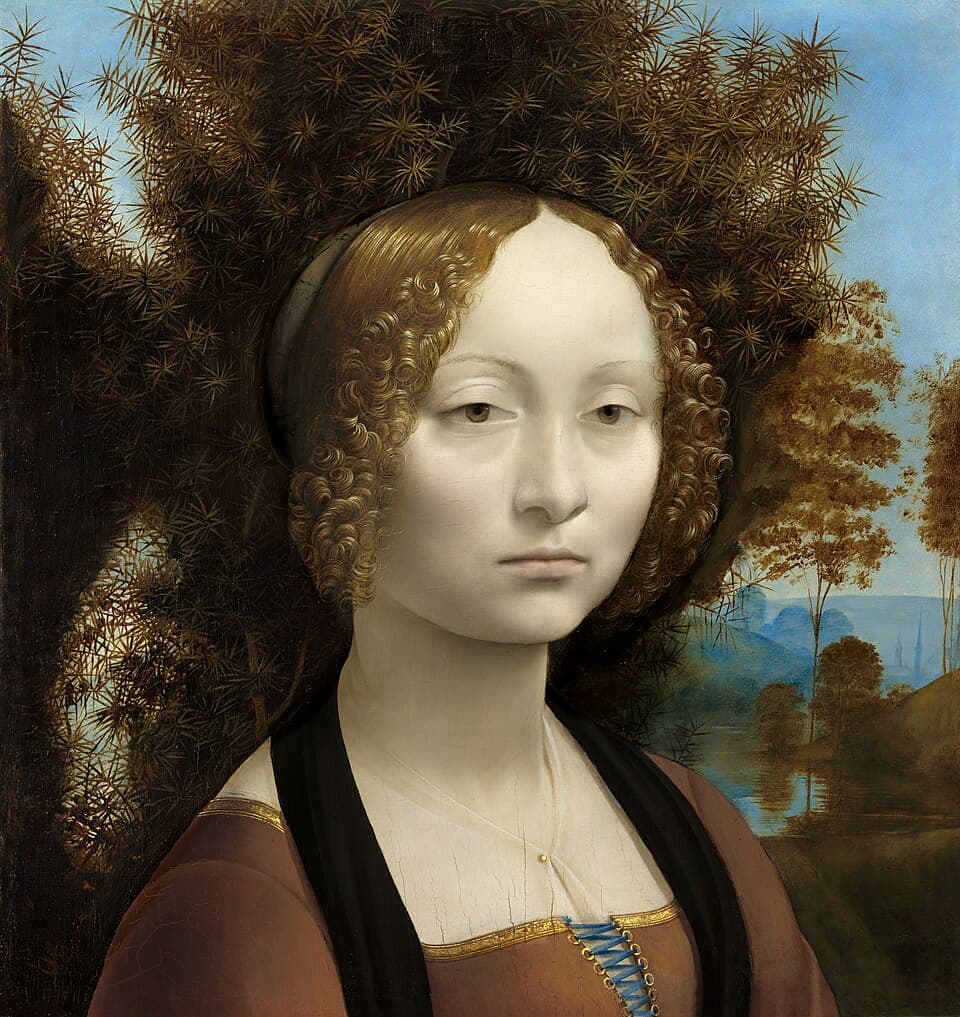
Ginevra de' Benci
Leonardo da Vinci, 1478
- Same movement
- Similar palette
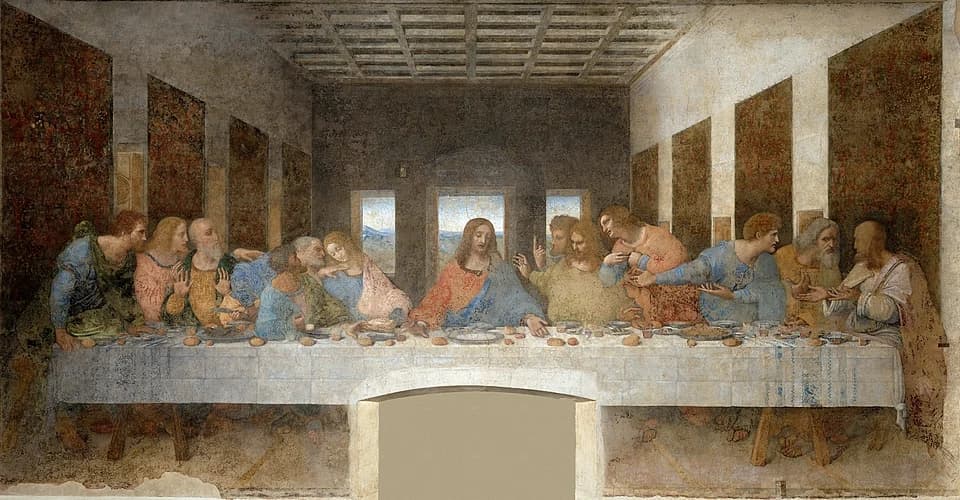
The Last Supper
Leonardo da Vinci, 1498
- Same movement
- Similar palette
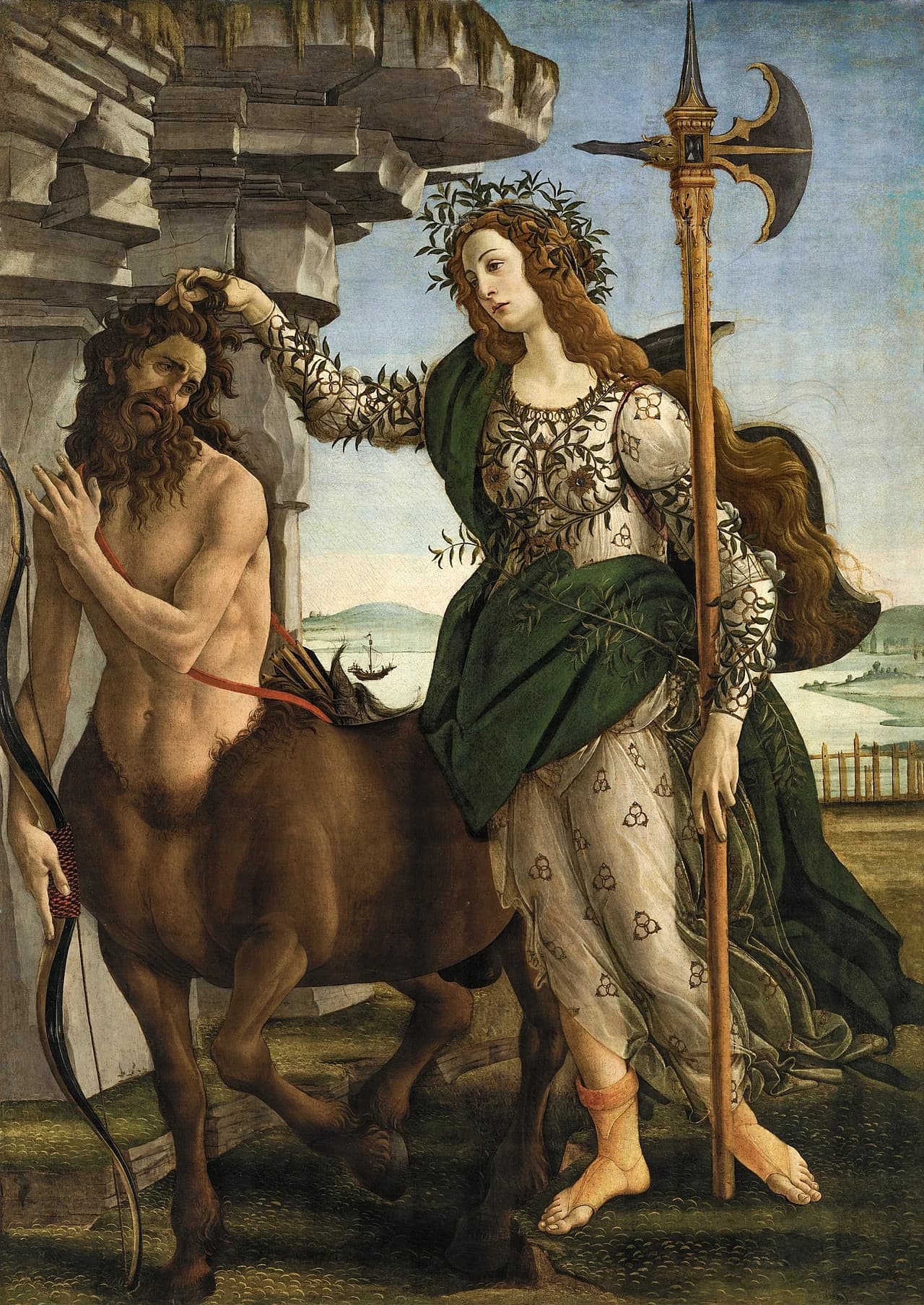
Pallas and the Centaur
Sandro Botticelli, 1482
About The School of Athens
It's in the Stanza della Segnatura (Room of the Signatura) inside the Vatican Museums, Vatican City. The room was originally Pope Julius II's private library. Raphael painted it as one of four wall frescoes representing branches of knowledge.
The two men at the center are Plato and Aristotle. Plato (left) points upward toward the world of ideal Forms, while Aristotle (right) gestures outward toward the physical world. Raphael gave Plato the face of Leonardo da Vinci, a tribute to the older master.
Between 1509 and 1511, during the High Renaissance. Raphael was only about 26 years old when he started. He was working in the Vatican at the same time Michelangelo was painting the Sistine Chapel ceiling just down the corridor.
Yes. Raphael painted several contemporaries as ancient thinkers. Plato is Leonardo da Vinci, the brooding figure of Heraclitus is likely Michelangelo, and Euclid resembles Bramante, the architect of St. Peter's. Raphael even included himself, looking out at the viewer from the far right.
The fresco is approximately 500 cm × 770 cm (16 feet 5 inches × 25 feet 3 inches) at its base. The arched top makes it even taller. Raphael's use of one-point perspective creates a deep architectural space that seems to extend the actual room backward.
Own Art Like This
Luxury wall art with the same mood and energy. Gallery-quality canvas, no museum crowds.
Browse Collection