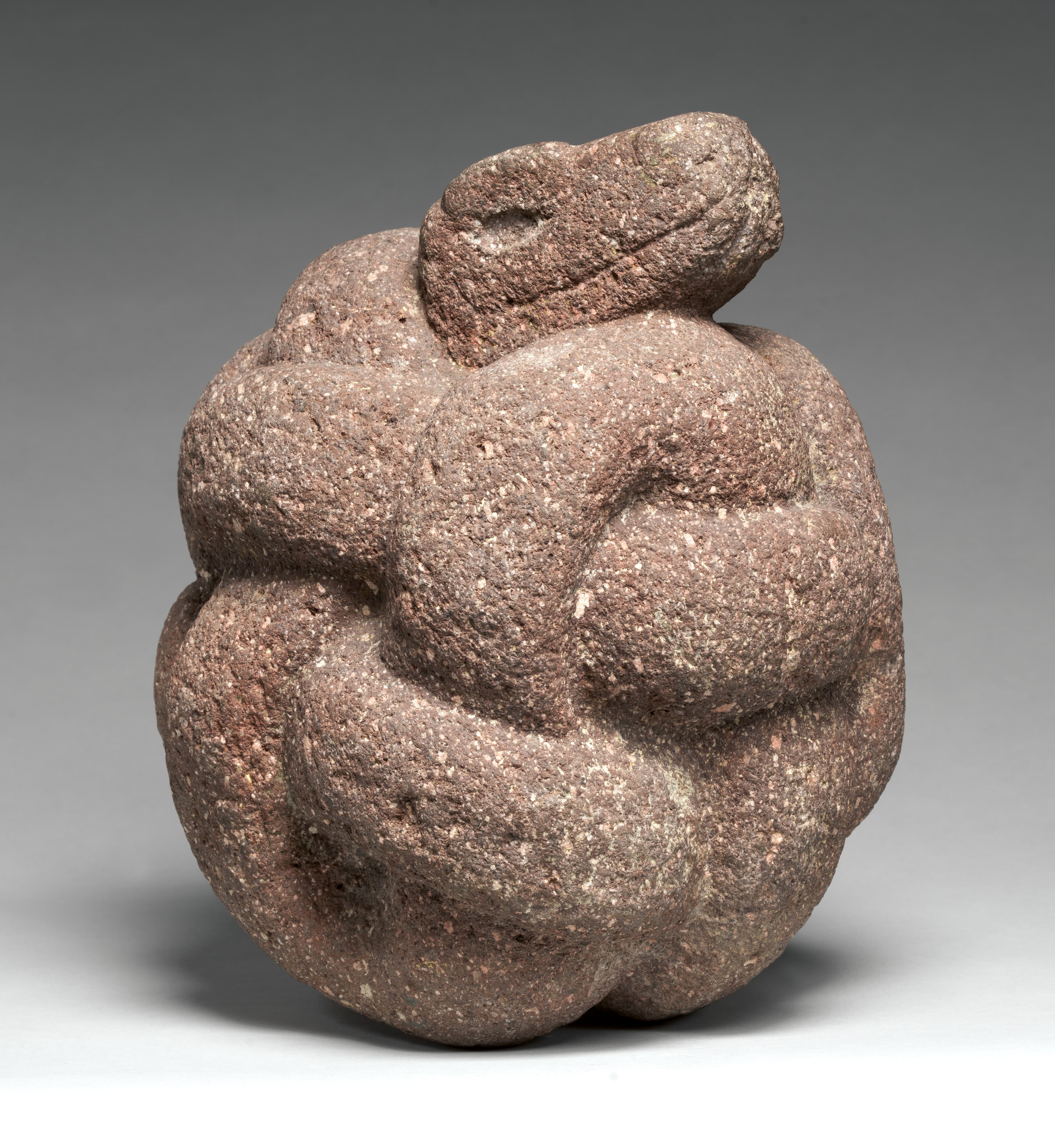
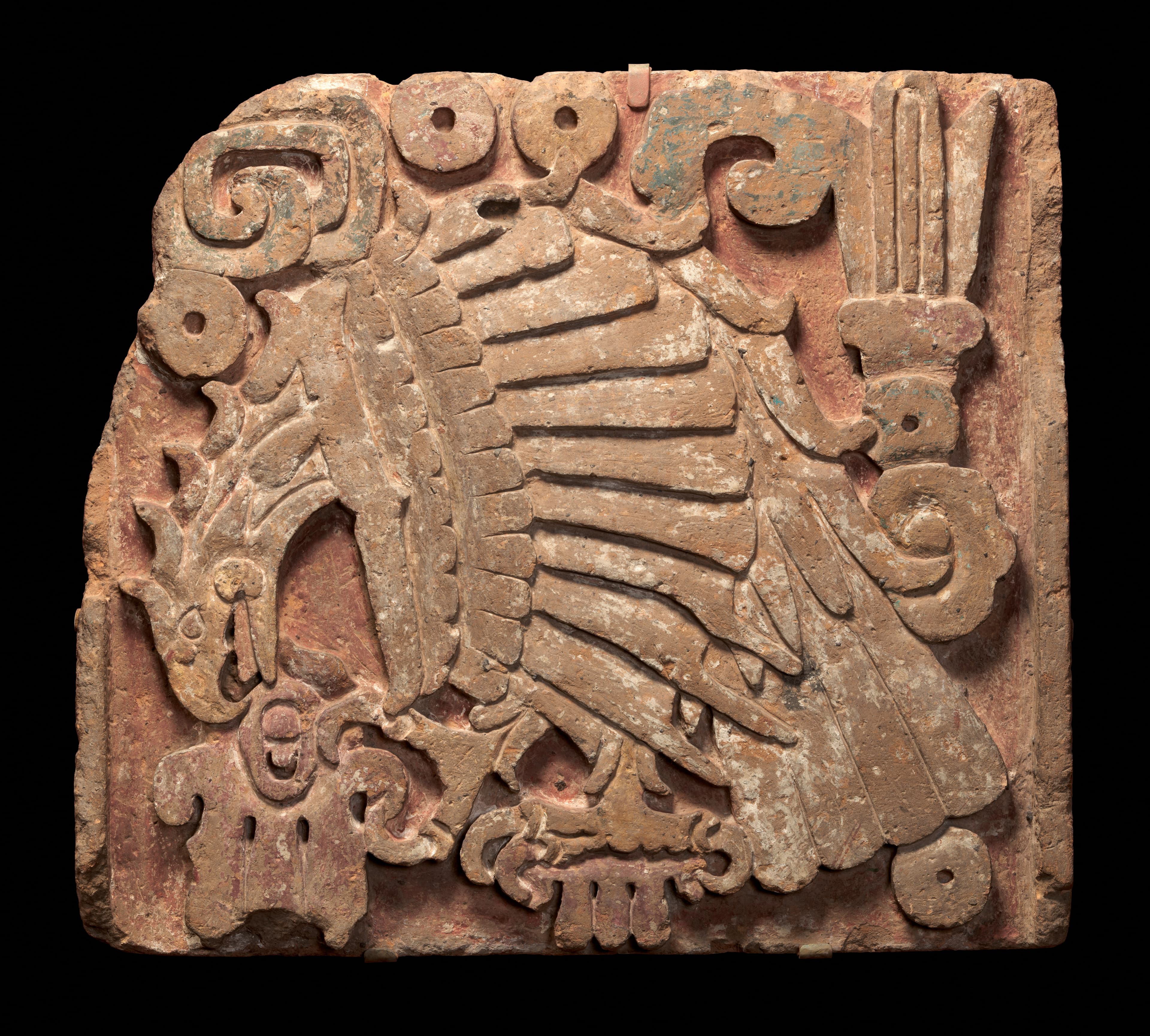
Ancient Aztec (Unknown)
Aztec (Mexico)
No Portrait Available
Ancient Aztec sculpture drew on over 2,000 years of Mesoamerican stone carving tradition, from the Olmec through the Toltec to Teotihuacan. Working from the capital of Tenochtitlan (present-day Mexico City), Aztec sculptors carved religious imagery for temples and public spaces using materials ranging from volcanic rock to semi-precious stones like jade and turquoise.
Aztec sculpture follows strict conventions: frontal views, rigid symmetry, and standardized poses (females kneeling with hands on knees, males seated with knees drawn up). Turquoise mosaics were a distinctive feature, covering masks and sculptural surfaces with intricate patterns. The work served religious and ceremonial functions tied to the empire's complex ritual calendar. Our collection includes 4 works at the National Museum of Anthropology in Mexico City and the British Museum.
Sculptures by Ancient Aztec (Unknown)
4 sculptures catalogued with museum locations. Browse all sculptures