Ancient Celtic (Unknown)
Celtic (Britain)

No Portrait Available
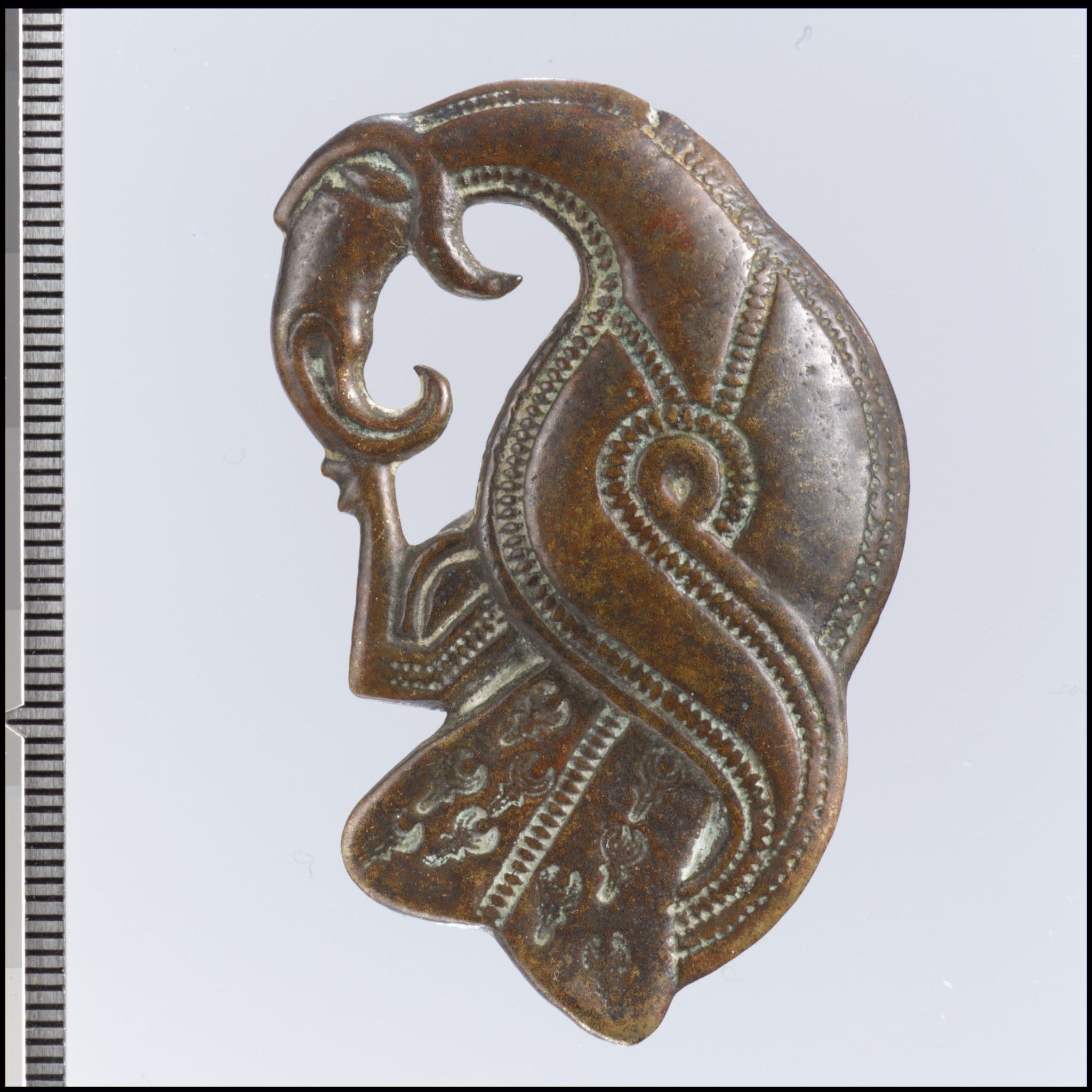
Ancient Celtic sculpture spans from the La Tène period (5th-1st centuries BCE) through the early medieval era, produced by Celtic peoples across Britain and continental Europe. Celtic artists favored an ornamental, abstract style that avoided straight lines, instead using complex swirling patterns, spirals, and interlace designs. Early stone and wood sculptures often focused on the human head, sometimes without a body, featuring abstracted facial features like lentoid eyes and swept-back hair.
The tradition evolved over centuries, from Iron Age metalwork (swords, brooches, horse equipment) to the elaborate stone high crosses of the medieval period. These freestanding crosses, carved with Biblical scenes alongside Celtic knotwork, remain some of the most recognized symbols of Celtic art. Our collection includes 5 works at the British Museum in London.
Sculptures by Ancient Celtic (Unknown)
5 sculptures catalogued with museum locations. Browse all sculptures