Sutton Hoo Ship Burial Treasures
by Ancient Celtic (Unknown), 625
Artwork Details
Details
- Year
- 625
- Medium
- Gold, garnet, enamel
- Size
- Various items
Cite or Embed This Work
APA · MLA · Chicago1-click academic citation and embeddable “On View” museum badge for articles, syllabi, and research.
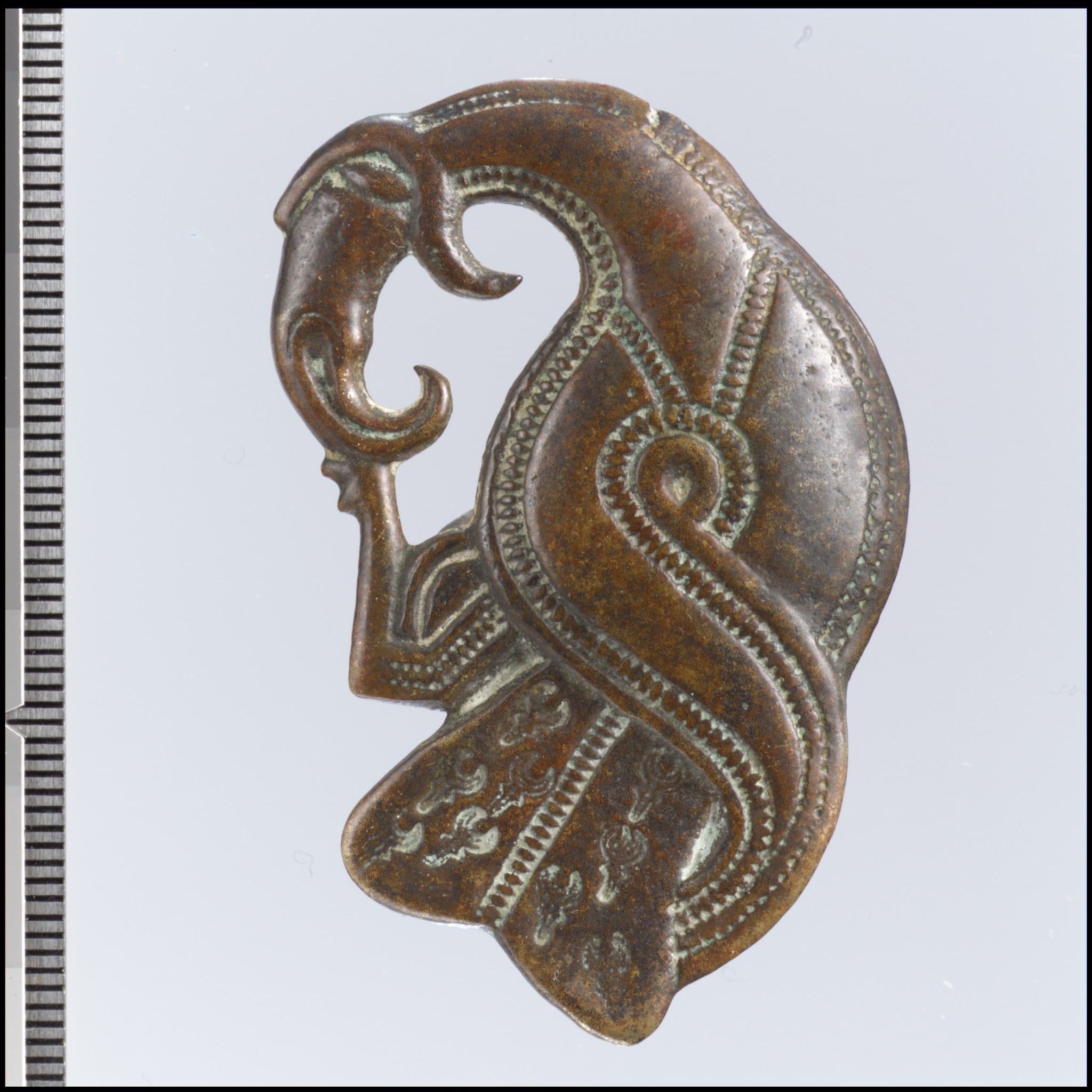
Celtic The Sutton Hoo ship burial, discovered in 1939, transformed our understanding of Anglo-Saxon England. A 27-meter ship was buried beneath a mound, filled with treasures for an unknown king's journey to the afterlife. The ship itself had rotted, leaving only rivets and a ghostly impression in the sand.
The treasures include gold shoulder clasps with detailed gold and garnet cloisonné, a ceremonial whetstone scepter, Byzantine silverware, a lyre, and the famous helmet. No body was found, possibly dissolved by acidic soil. The burial dates to around 625 CE and likely honors King Raedwald. These objects, now at the British Museum, show early medieval England was no dark age but a sophisticated world connected to distant cultures.