Ancient Persian (Unknown)
Persian (Achaemenid)
No Portrait Available
Ancient Persian sculpture encompasses artistic production from the Achaemenid Empire (c. 550-330 BCE) through the Sassanid period (224-651 CE), centered in modern-day Iran. The Achaemenid kings at Persepolis and Susa created monumental stone reliefs depicting processions of subject peoples bearing tribute, royal audiences, and mythological creatures.
The Persepolis reliefs, carved on staircase walls and palace facades, show a distinctive style: figures in profile with careful attention to costume details from dozens of different cultures. Persian sculptors also produced elegant metalwork, including gold rhytons (drinking vessels) shaped as animals. Sassanid rock reliefs at Naqsh-e Rostam and Taq-e Bostan continued the tradition of monumental royal imagery for centuries.
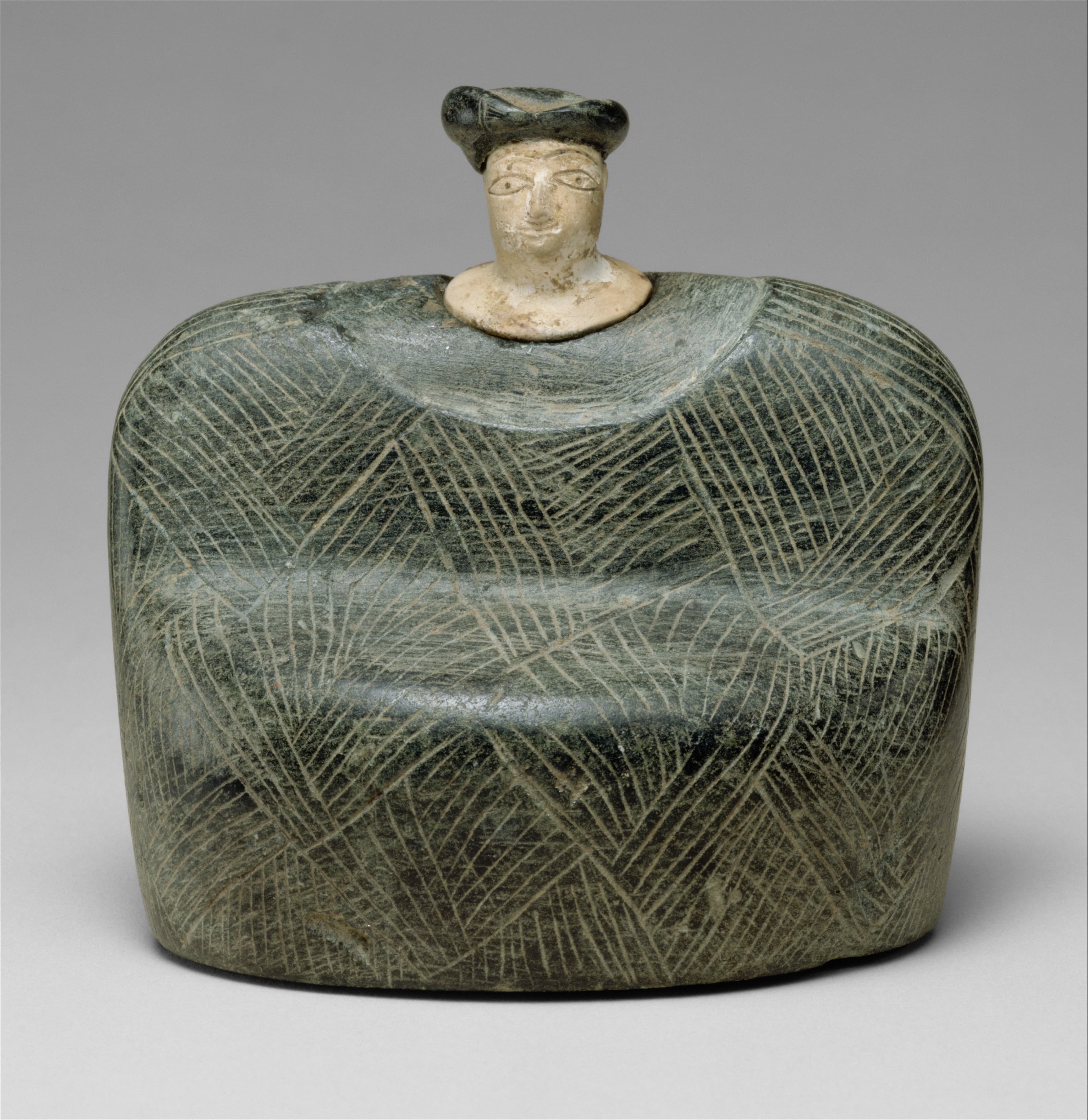
Sculptures by Ancient Persian (Unknown)
2 sculptures catalogued with museum locations. Browse all sculptures
Museums with Ancient Persian (Unknown)'s Work
1 museum displays (Unknown)'s works. Click any museum to see visiting info and the specific works they hold.
About Ancient Persian (Unknown)
Ancient Persian sculpture includes the monumental stone reliefs at Persepolis, gold metalwork, and Sassanid rock carvings. The Persepolis staircase reliefs, showing tribute-bearers from across the empire, are the most famous examples.
The National Museum of Iran in Tehran holds the finest collection. Major works are also at the British Museum, the Louvre, and the Metropolitan Museum of Art.
Love Ancient Persian (Unknown)'s Style?
Explore art inspired by their style.
Browse Collection