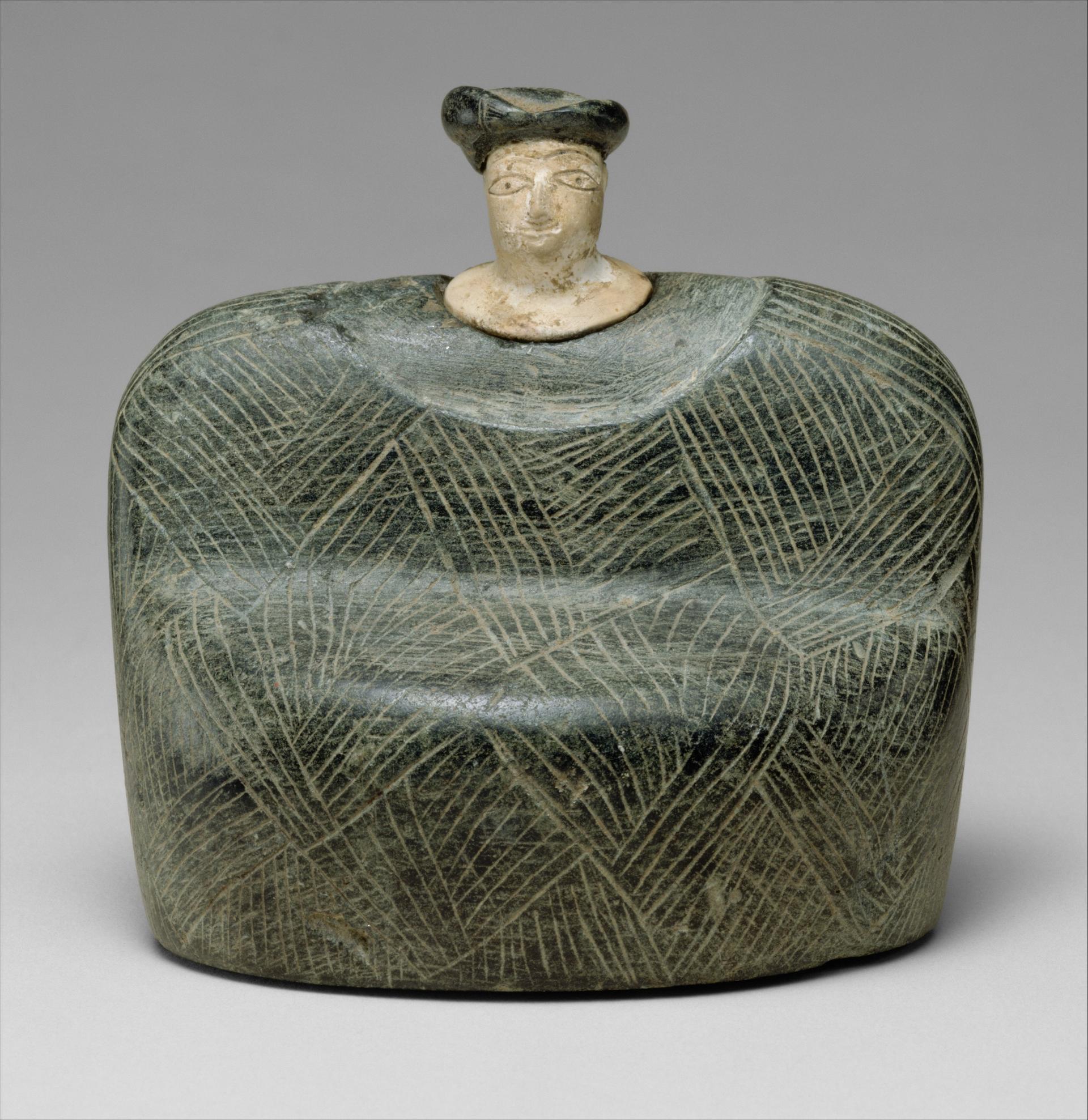
Oxus Treasure
by Ancient Persian (Unknown), -500
Artwork Details
Details
- Year
- -500
- Medium
- Gold and silver
- Size
- Various items; chariot: 18.8 cm long
Cite or Embed This Work
APA · MLA · Chicago1-click academic citation and embeddable “On View” museum badge for articles, syllabi, and research.
The Oxus Treasure contains around 180 surviving pieces of Achaemenid Persian gold and silver, dating from the 5th-4th centuries BCE. Named after the Oxus River (modern Amu Darya) in Central Asia where it was found, this is the most important collection of ancient Persian metalwork to survive.
Highlights include a gold chariot model pulled by four horses, gold armlets with griffin terminals, and numerous votive plaques. The treasure was likely from a temple, accumulated over centuries as offerings. It was discovered in the 1870s and nearly lost when bandits attacked the merchants who bought it. A British officer intervened and the treasure eventually reached the British Museum in 1897.
More by Ancient Persian (Unknown)
View all →Also at British Museum
View all →Sculpture
S
Sutton Hoo Helmet
Ancient Celtic (Unknown), 625
British Museum, London
S
Study of the Madonna and Child with a Cat
Leonardo da Vinci
British Museum, London
E
Engelsburg
John Singer Sargent
British Museum, London
Sculpture
M
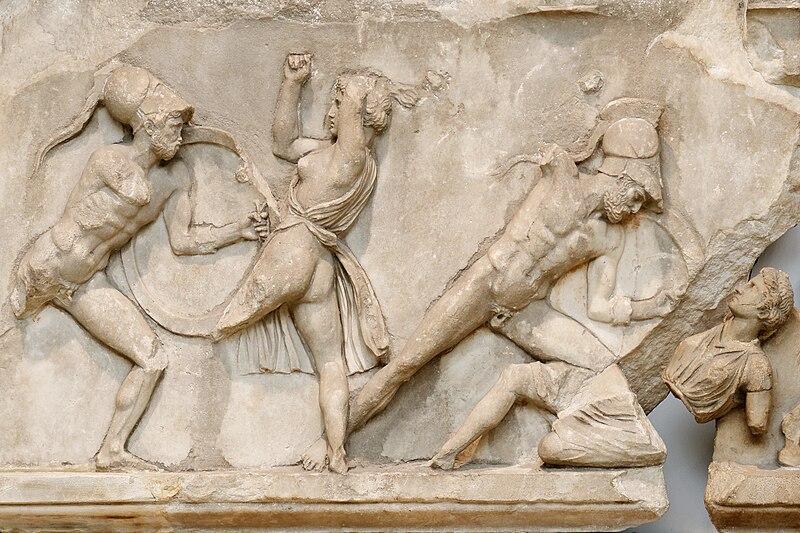
Mausoleum at Halicarnassus Sculptures
Ancient Greek (Unknown), -350
British Museum, London
Related Works
Works that share an artist, movement, museum, genre, palette or theme with Oxus Treasure.
- Same museum
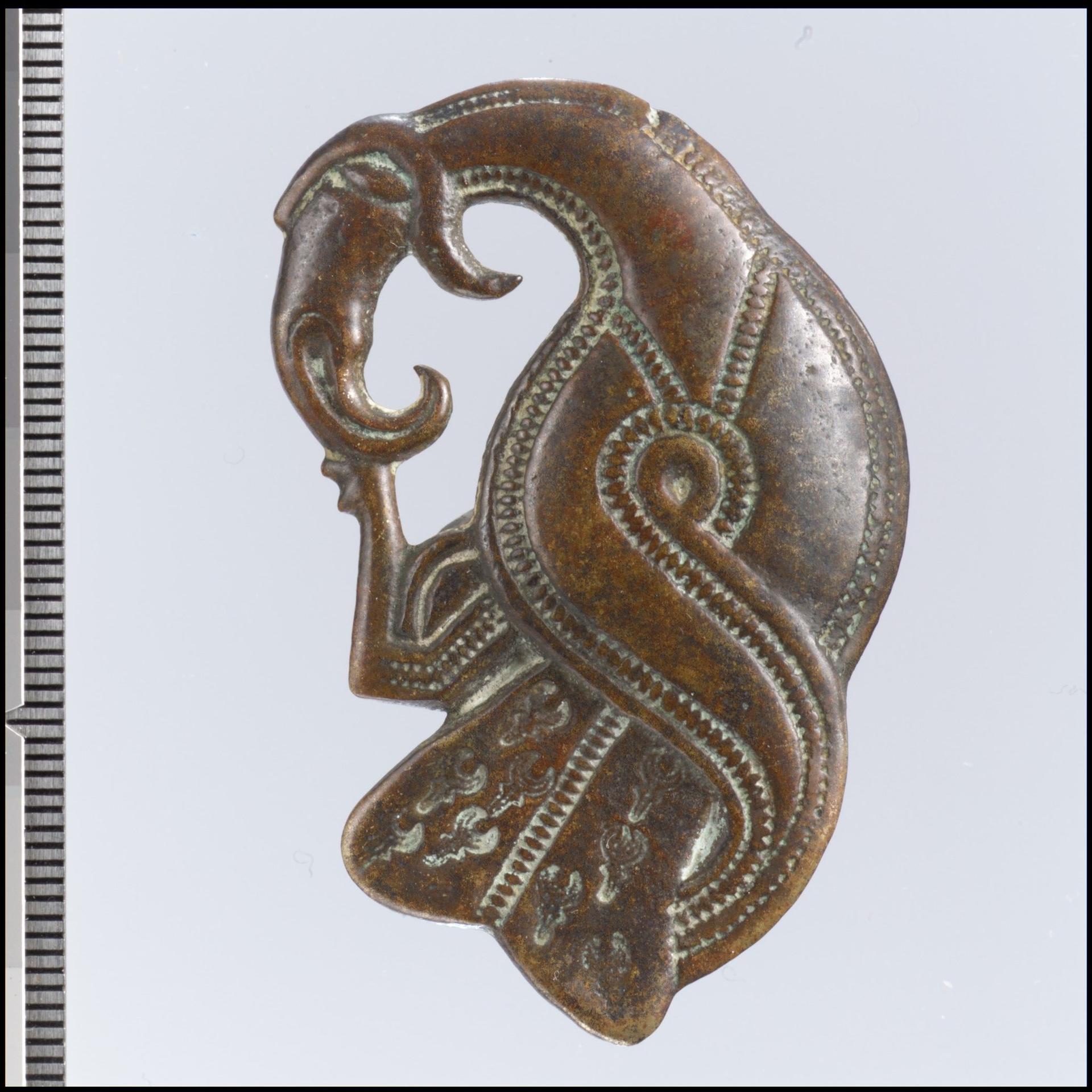
Sutton Hoo Ship Burial Treasures
Ancient Celtic (Unknown), 625

- Same museum
Snettisham Great Torc
Ancient Celtic (Unknown), -75
- Same museum
Mold Gold Cape
Ancient Celtic (Unknown), -1900
- Same museum
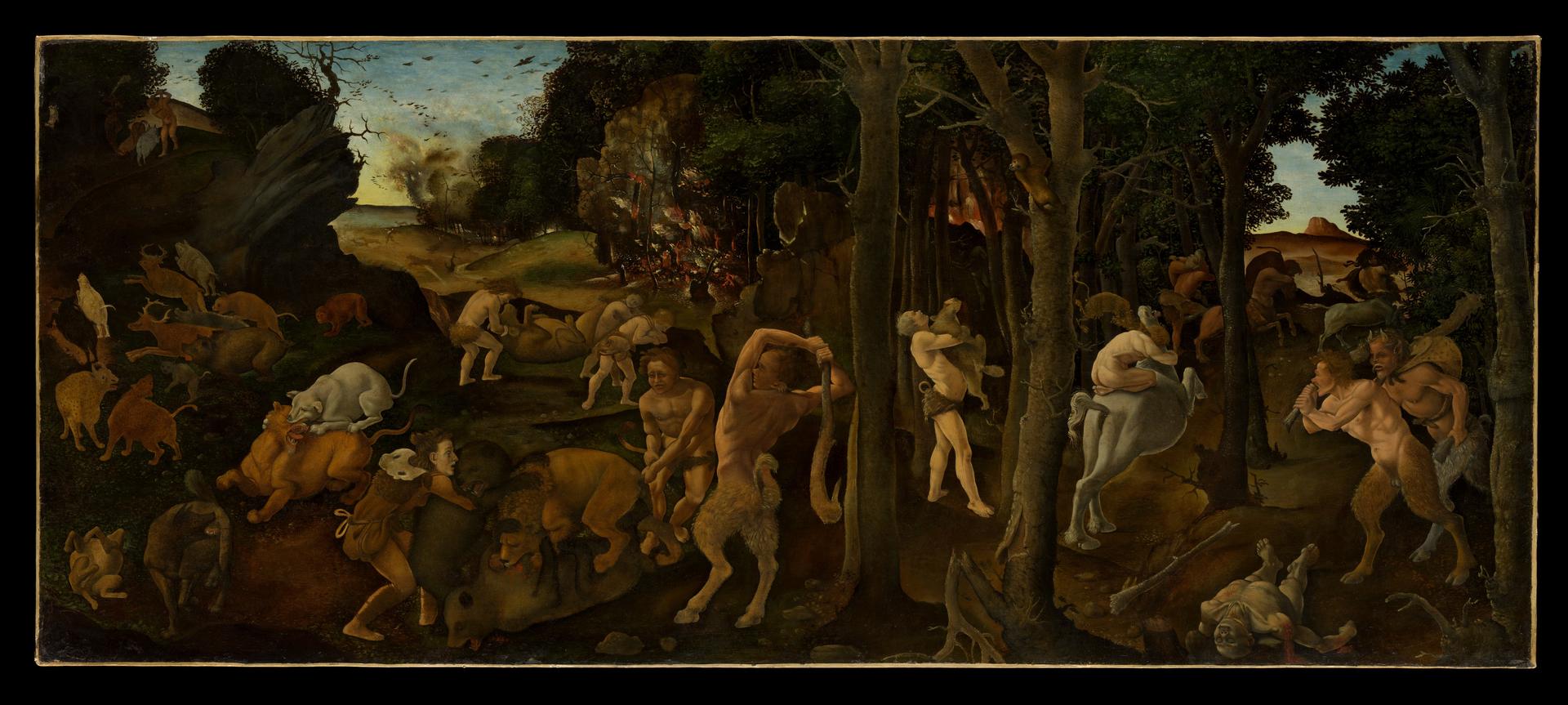
Elgin Marbles (Parthenon Sculptures)
Ancient Greek (Unknown), -438
- Same museum
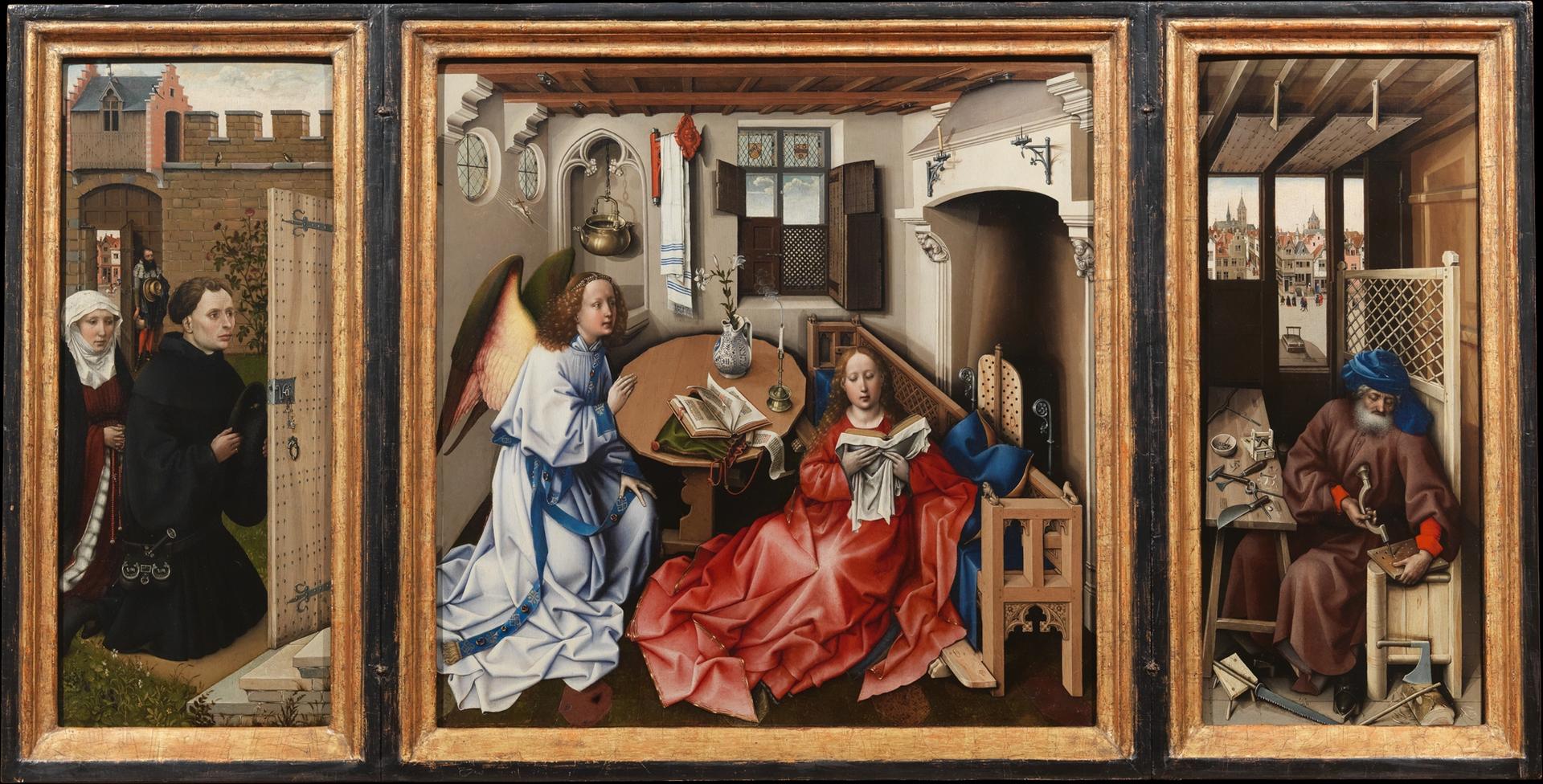
Lion Hunt of Ashurbanipal
Ancient Assyrian (Unknown), -645
- Same museum
Balawat Gates (Gates of Shalmaneser III)
Ancient Assyrian (Unknown), -850
- Same museum
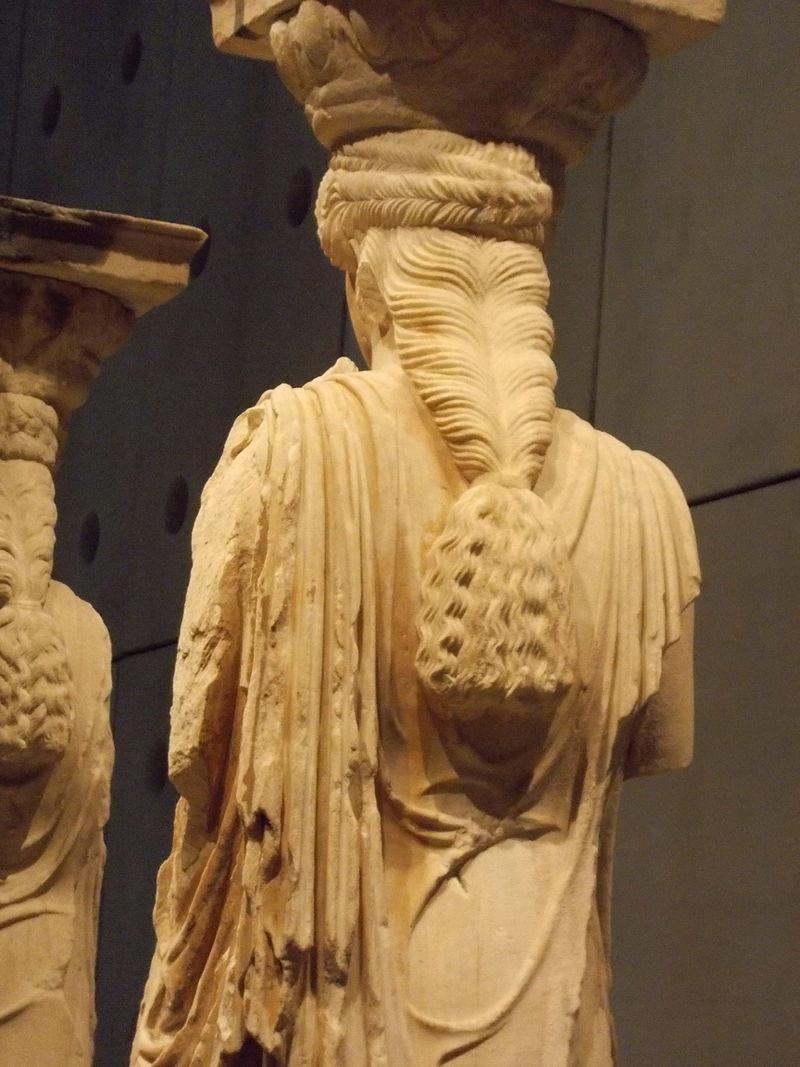
Horse from the Chariot of Selene
Ancient Greek (Unknown), -438
- Same museum
Caryatid from the Erechtheion
Ancient Greek (Unknown), -420
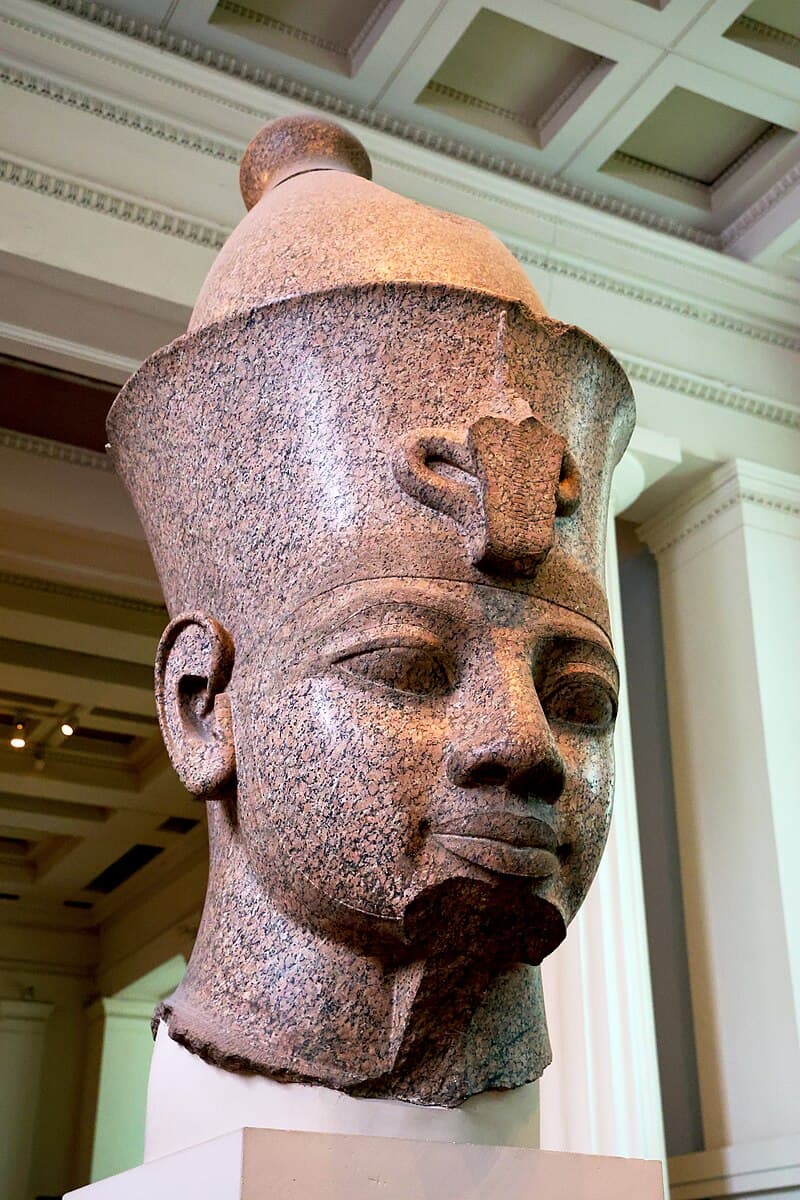
- Same museum
Statue of Amenhotep III
Ancient Egyptian (Unknown), -1350
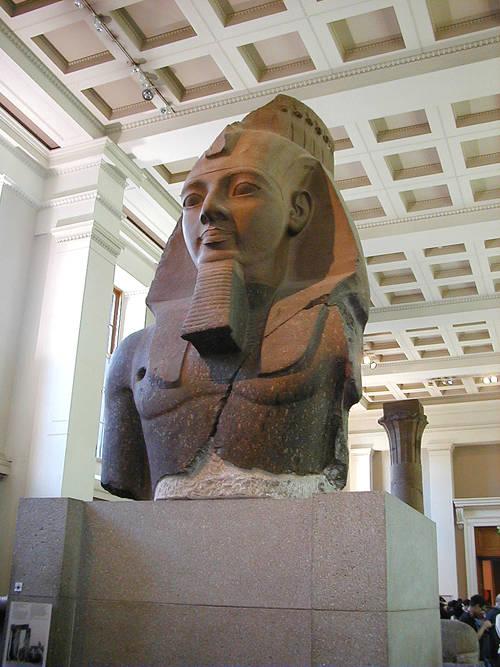
- Same museum
Colossal Bust of Ramesses II (The Younger Memnon)
Ancient Egyptian (Unknown), -1250
- Same museum
Admonitions Scroll (Gu Kaizhi)
Ancient Chinese (Unknown), 380
- Same museum
The Ancient of Days
William Blake, 1794
About Oxus Treasure
The treasure includes gold and silver vessels, jewelry, coins, and figurines. Most famous is a gold model chariot with four horses and two figures. Many pieces show Persian royal and religious imagery.
The treasure was found near the Oxus River (Amu Darya) in what is now Tajikistan, near the border with Afghanistan. It likely came from a temple that collected offerings over centuries.
Locals found the treasure in 1877. Merchants bought it but were attacked by bandits. British officer Captain F.C. Burton rescued both the merchants and the treasure, which eventually reached the British Museum.
Own Art Like This
Luxury wall art with the same mood and energy. Gallery-quality canvas, no museum crowds.
Browse Collection