Anders Zorn
Swedish·1860–1920
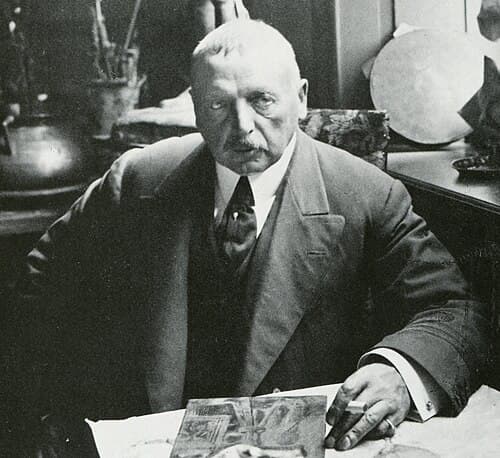
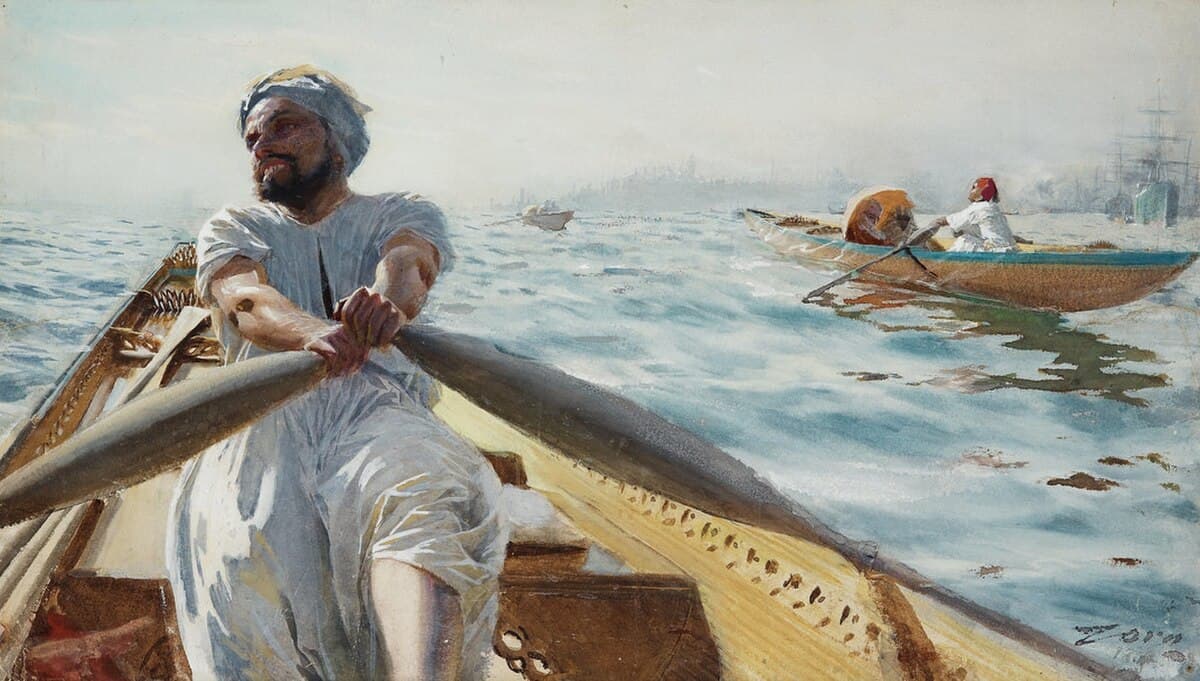
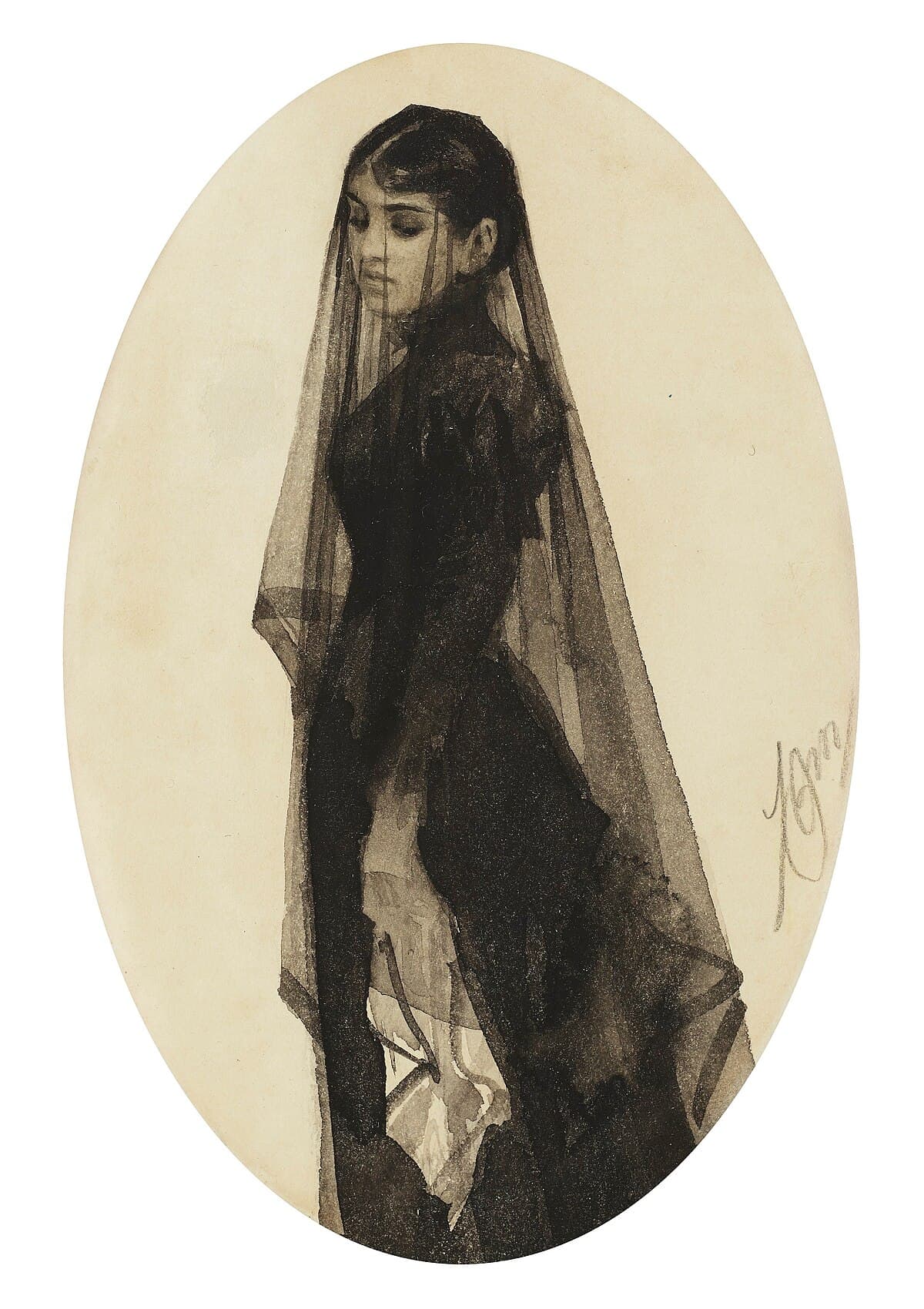
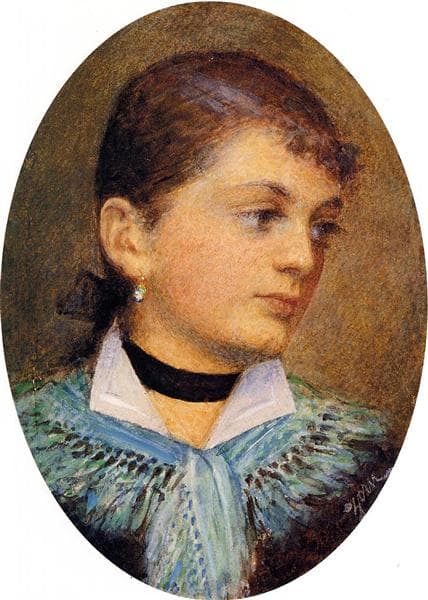
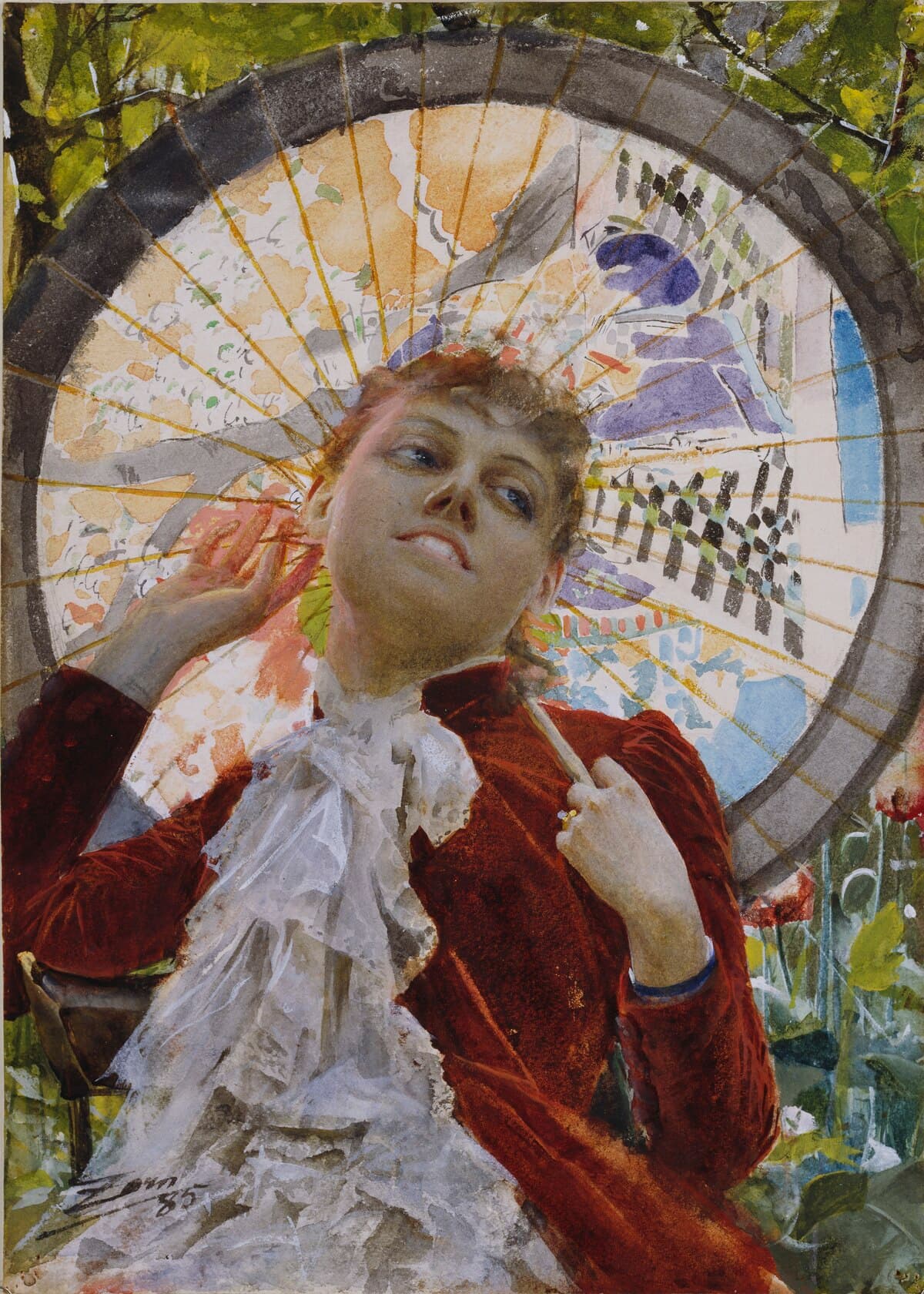
Swedish painter Anders Zorn (1860-1920) became one of the most sought-after Impressionist portrait artists in Europe and America. Born in Mora, in the Dalarna region of Sweden, he grew up in humble circumstances on a small farm raised by his mother and grandparents. His talent showed early: at 15, he gained admission to the Royal Academy of Fine Arts in Stockholm. Zorn built his reputation painting watercolor portraits in London during the early 1880s, where he also learned etching from Axel Herman Haig. By 1887, he'd switched firmly to oils, developing a sure-handed approach to color and tone that made his portraits feel alive. His work earned him both a first-class medal and the Legion of Honor at the 1889 Paris World's Fair.
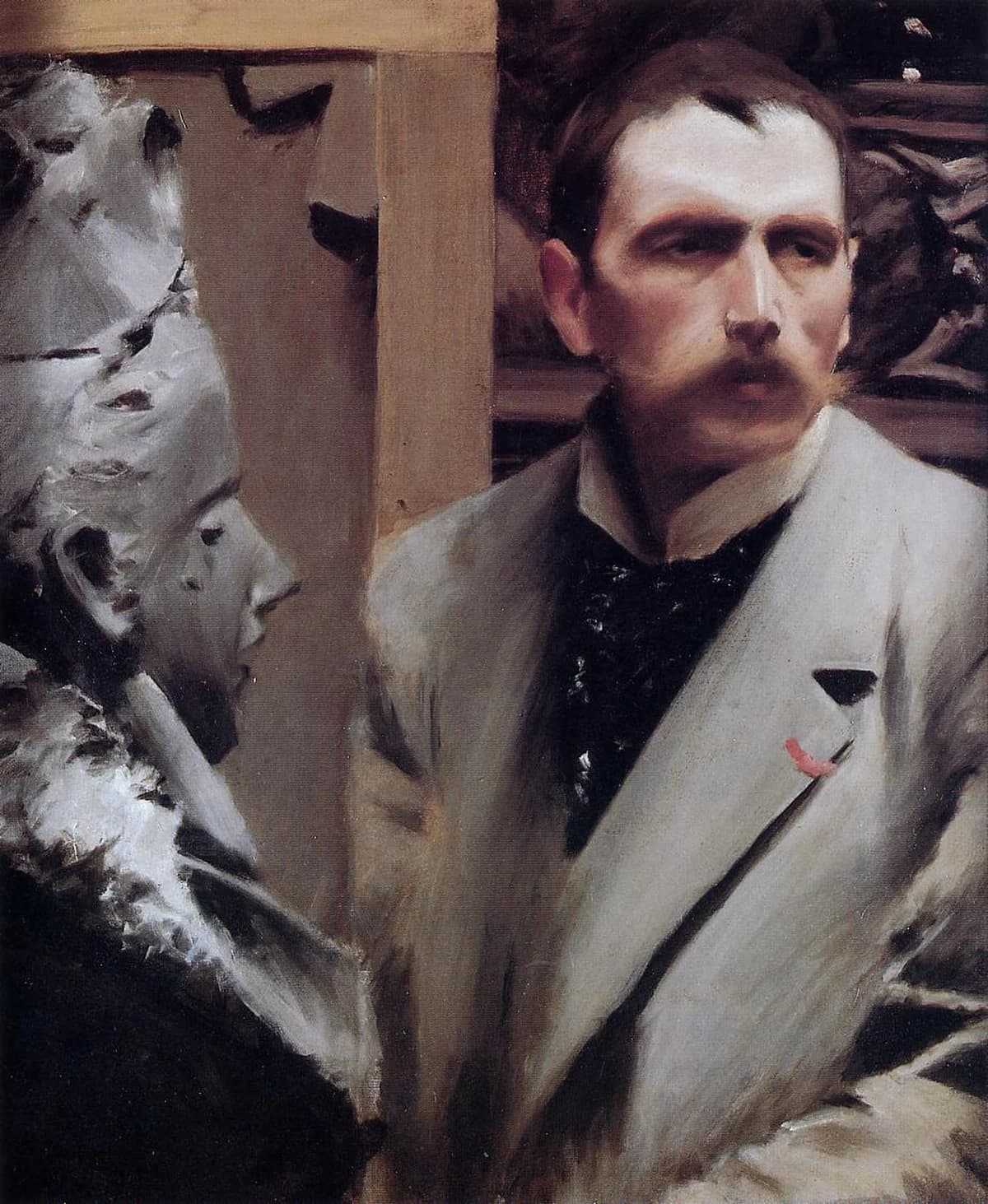
Zorn's portrait commissions took him to the highest levels of society. He painted King Oscar II of Sweden and three American presidents: Grover Cleveland, William H. Taft, and Theodore Roosevelt. In Paris, critics compared him favorably to John Singer Sargent as a chronicler of glittering high society. Beyond portraits, Zorn produced remarkable etchings, with 289 documented works showing his mastery of dramatic light and shade. He created an unorthodox, impressionistic style using squalls of lines that became instantly recognizable. After working abroad for years, Zorn returned to Mora in 1896 and built Zorngården, his residence and studio, completed in 1910. He and his wife Emma donated their entire estate to the Swedish State after his death. Today, the Nationalmuseum in Stockholm holds many of his important works, with additional pieces at the Metropolitan Museum of Art and the Musée d'Orsay.
Notable Works by Anders Zorn
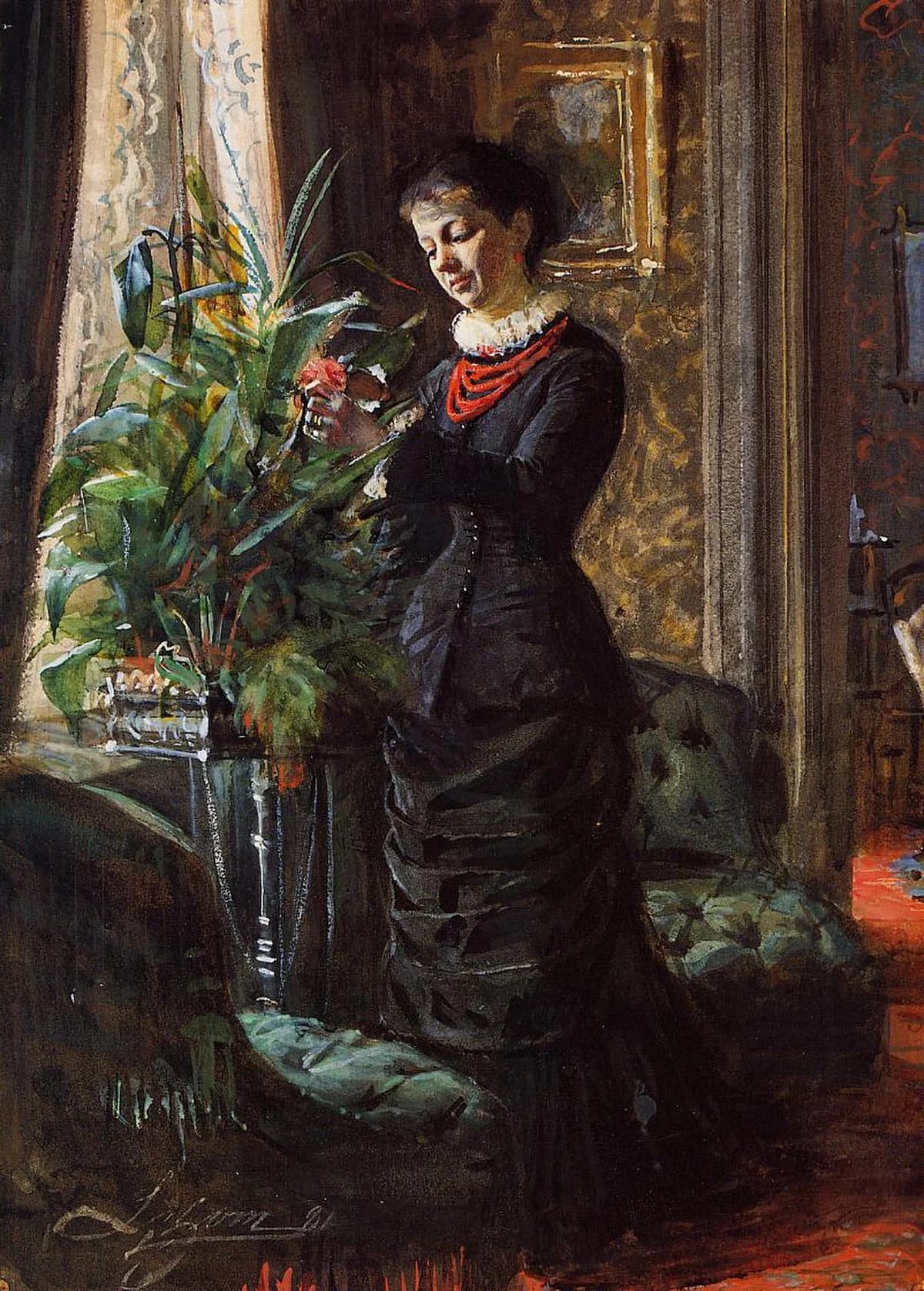
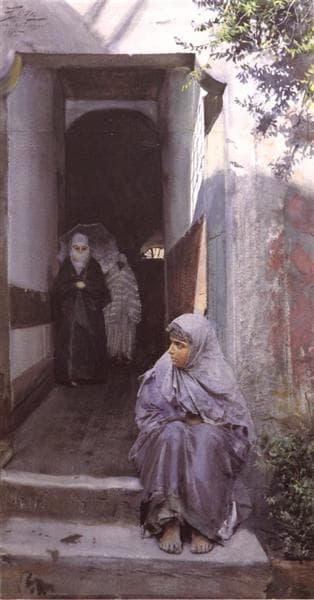
8 paintings catalogued with museum locations
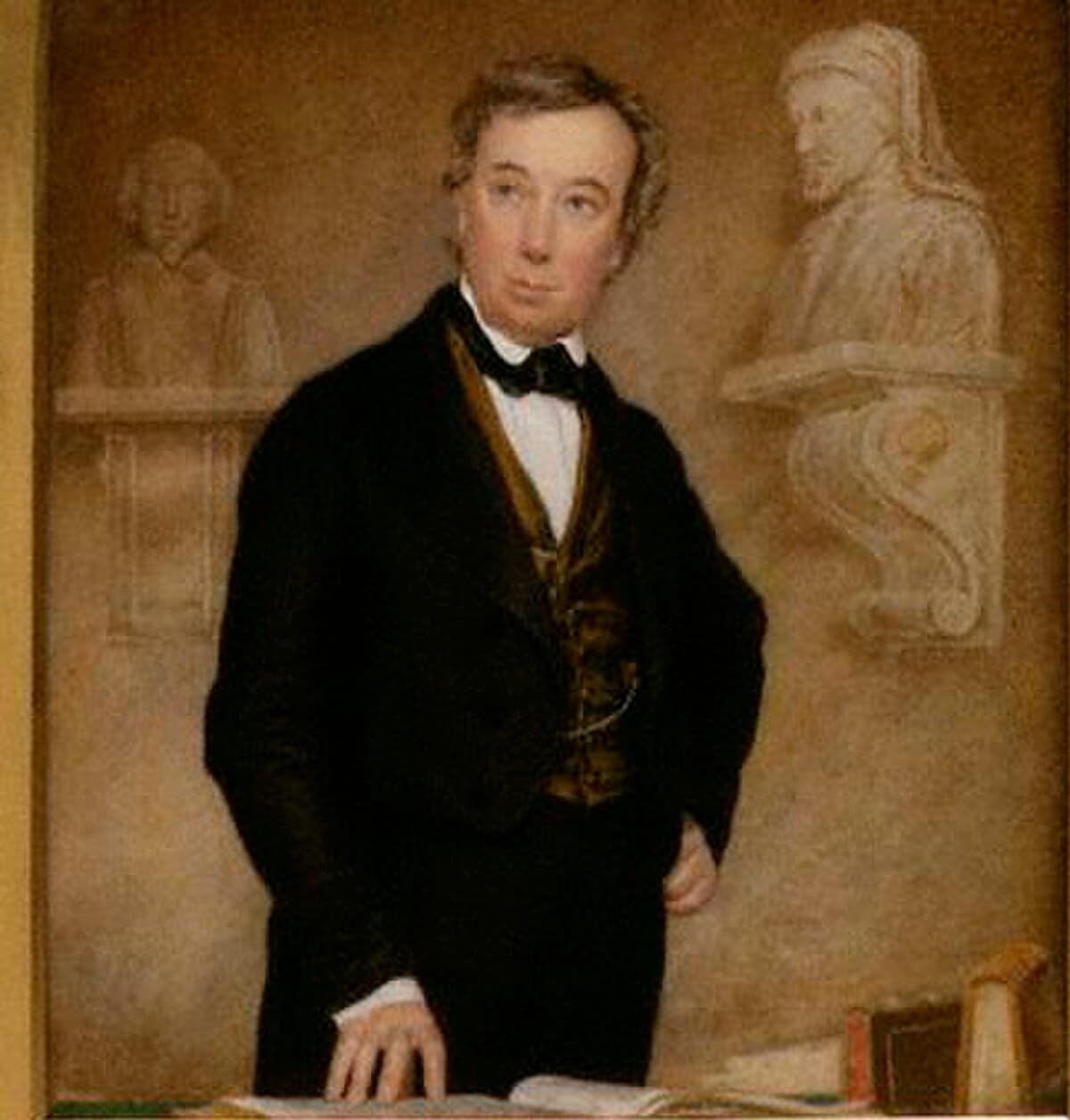
Museums with Anders Zorn's Work
2 museums display Zorn's works. Click any museum to see visiting info and the specific works they hold.
About Anders Zorn
Zorn worked in an Impressionist-influenced style, though he developed his own distinctive approach. Living in Paris and London during the 1880s, he befriended Whistler, John Singer Sargent, and Rodin. His portraits show influences from both French Impressionism and Spanish masters like Velázquez.
Major collections exist at the Nationalmuseum in Stockholm and the Zorn Museum in his hometown Mora, Sweden. American museums like the Metropolitan Museum and Museum of Fine Arts, Boston hold significant works. The White House displays his portrait of President Taft.
Zorn painted presidential portraits of Grover Cleveland, William H. Taft, and etched Theodore Roosevelt at the White House in 1905. Making seven trips to America, he painted over one hundred prominent Americans including Carnegie, Solomon Loeb, and Charles Deering, cementing his reputation as a leading transatlantic portraitist.
Yes, Zorn was a brilliant etcher with 289 documented works, considered among the finest printmakers of his era. He learned the technique in London and developed a distinctive style using dramatic light and shade effects. His nude studies and self-portraits in etching rival his painted work in reputation.
Born in Mora, Sweden, in humble circumstances, Zorn worked in London, Paris, and across Europe before returning permanently to his hometown in 1896. His home, Zorngården, is now part of the Zorn Museum complex. At his death in 1920, he left his entire fortune, equivalent to nine million dollars today, to Sweden.
Love Anders Zorn's Style?
Explore art inspired by their style.
Browse Collection